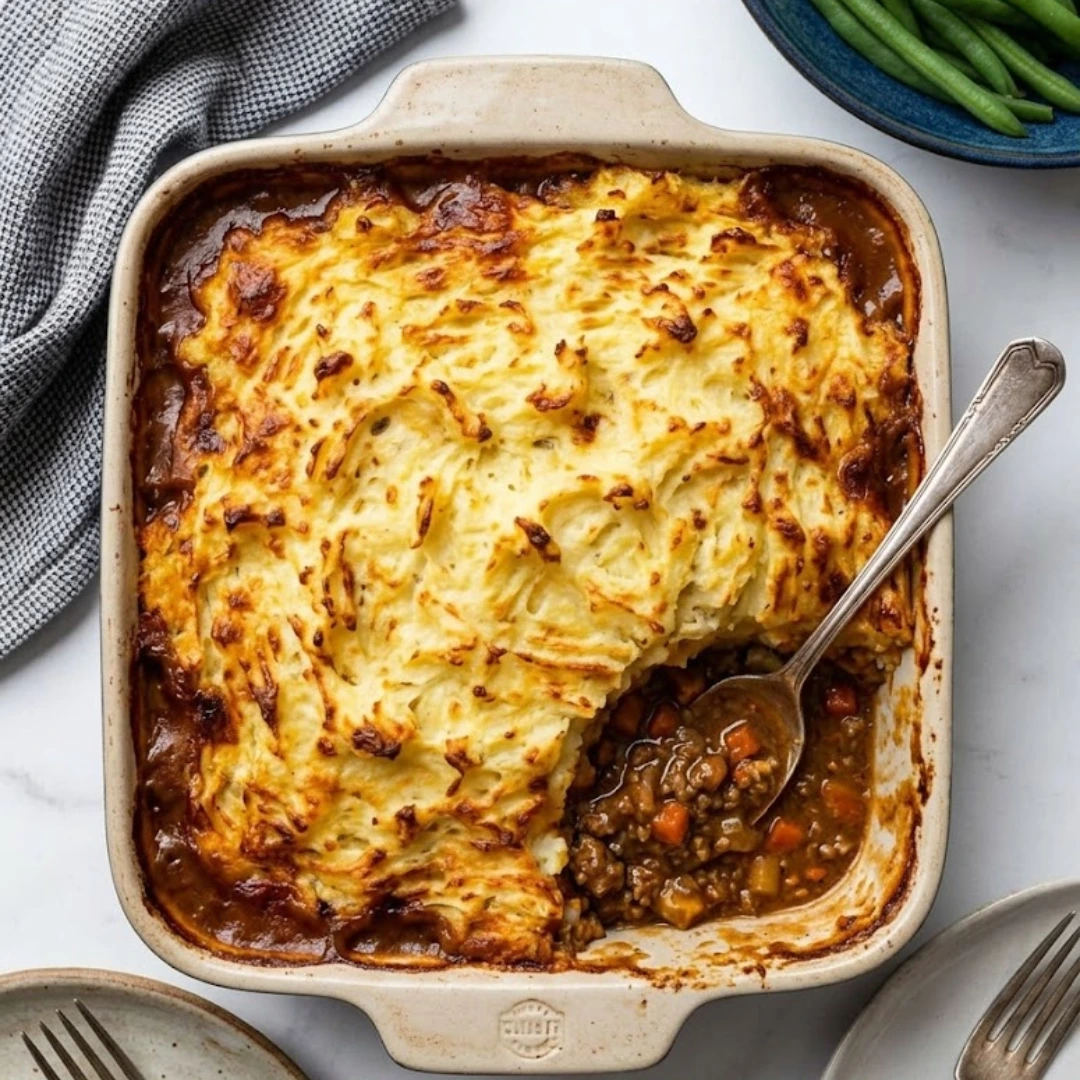
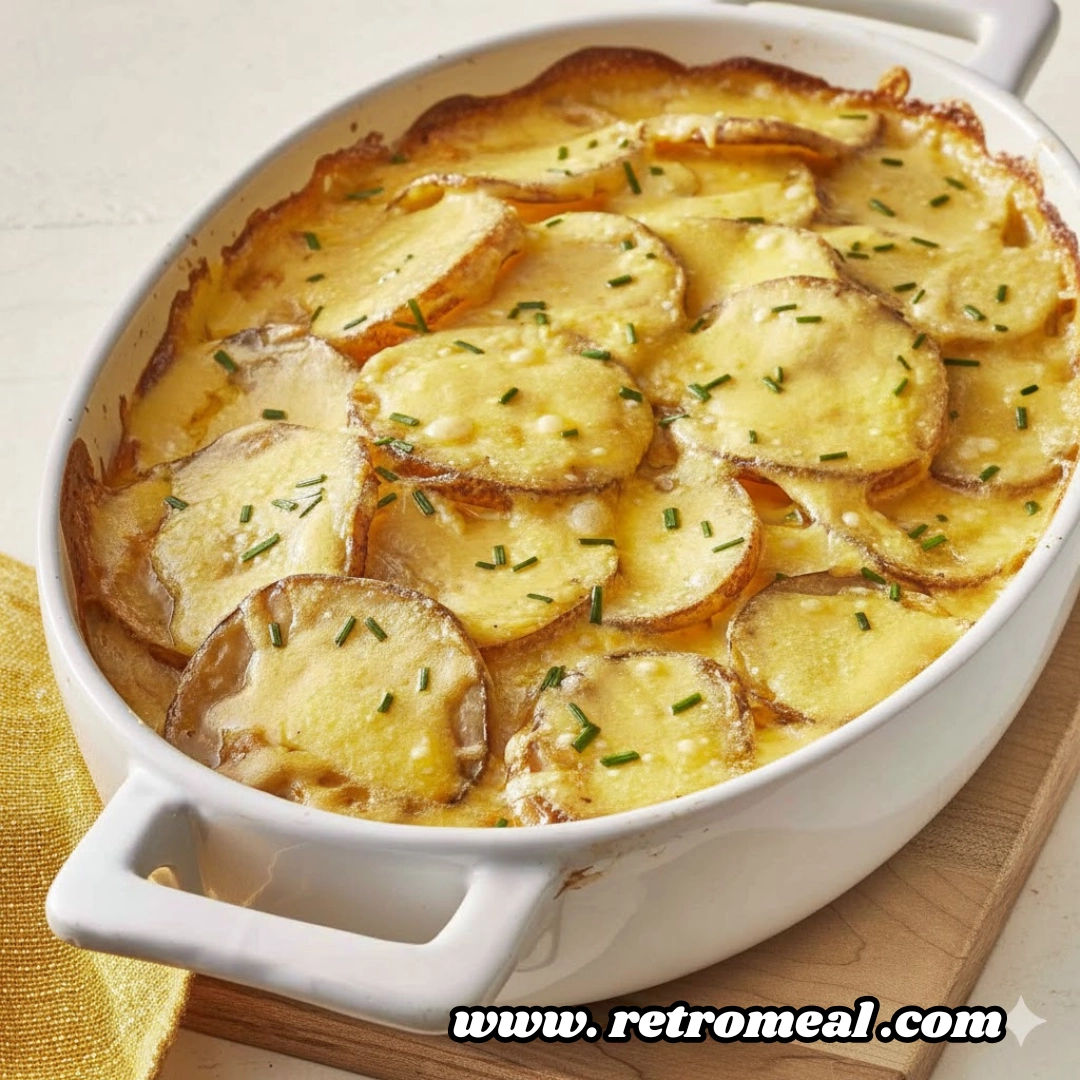
There is a profound sense of comfort that comes from a dish of bubbling, golden-brown potatoes emerging from a hot oven. Creamy Potatoes Au Gratin represent the pinnacle of side dish luxury, transforming the humble, earthy potato into a decadent masterpiece through the application of a rich roux and sharp cheddar cheese. Whether you are preparing a formal holiday feast or simply looking to elevate a Sunday night roast, this recipe offers a foolproof method for achieving a velvety texture and a depth of flavor that appeals to every palate. This specific preparation focuses on the delicate balance of thinly sliced russets and a homemade cheese sauce that blankets every layer in savory goodness.
Table of Contents
Essential Components for the Perfect Au Gratin
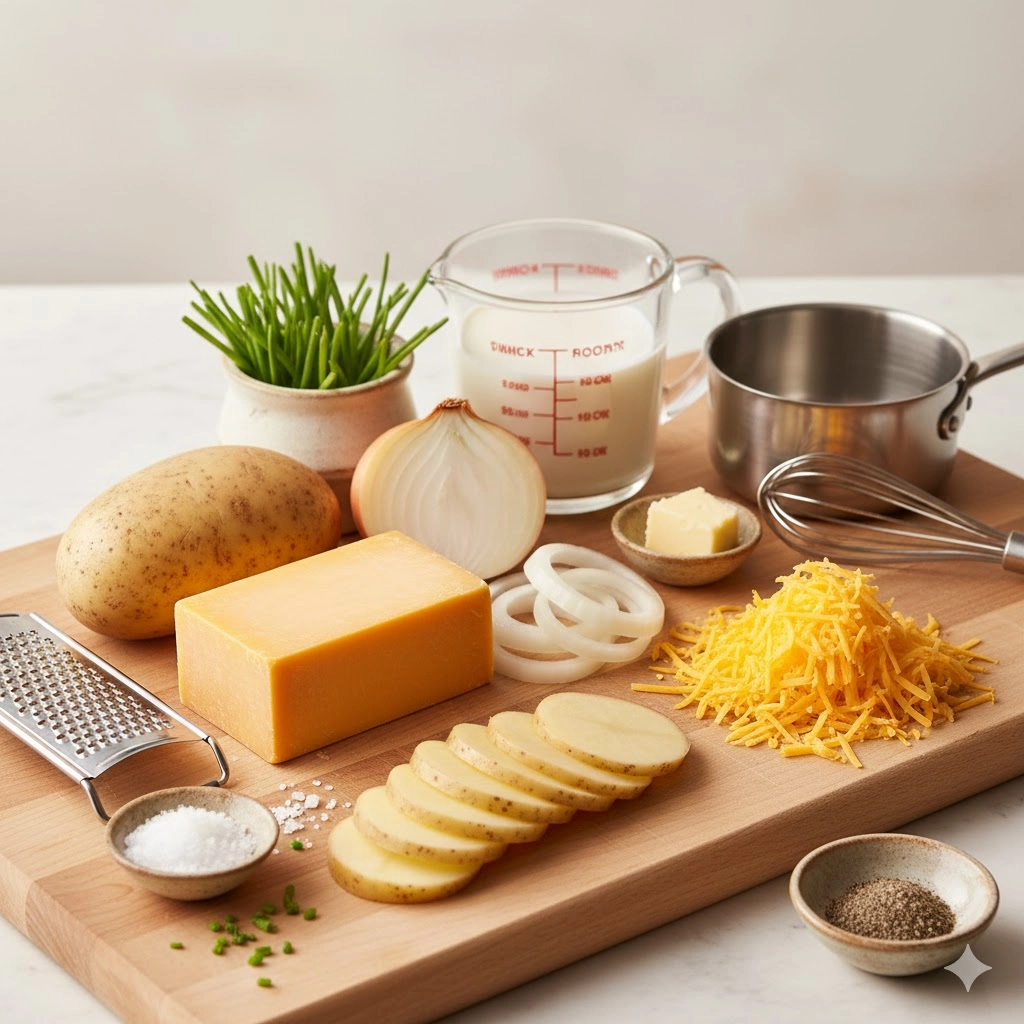
To achieve the desired results, gather these specific ingredients. The quality of your dairy and the starch content of your potatoes will directly influence the final silkiness of the sauce.
- 4 medium russet potatoes, peeled and thinly sliced
- 1 onion, cut into thin rings
- 3 tablespoons butter
- 3 tablespoons all-purpose flour
- 1 teaspoon salt
- 2 cups milk
- 1 and 1/2 cups shredded Cheddar cheese
- 1/2 teaspoon black pepper (divided for layering)
- Additional salt for layering
The Culinary Process: Step-by-Step Instructions
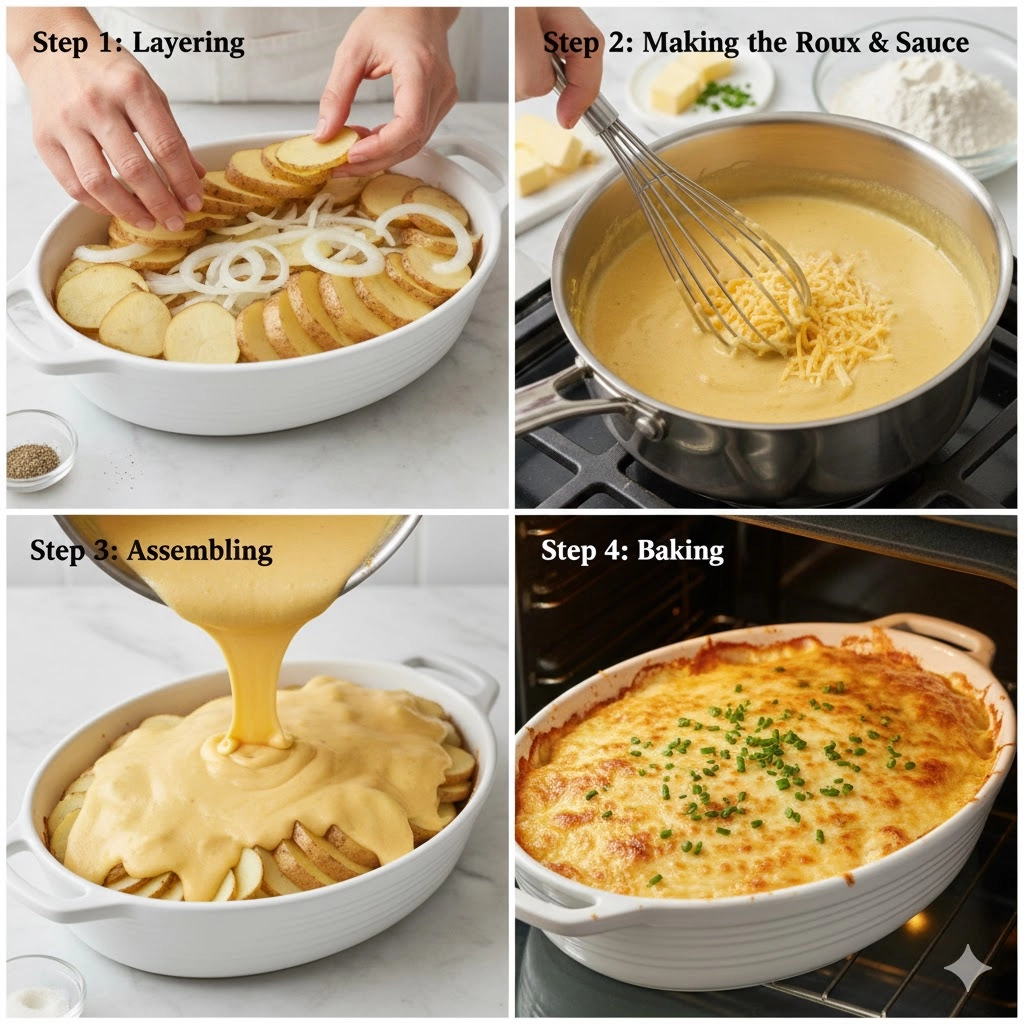
- Begin by preheating your oven to 400 Fahrenheit. Lightly grease a medium-sized casserole dish to ensure easy serving and cleanup.
- Layer half of the prepared potato slices into the bottom of the baking dish. Sprinkle a portion of your salt and black pepper over this first layer.
- Top the initial potato layer with the onion rings, spreading them evenly to ensure every bite contains a hint of sweetness from the aromatics.
- Arrange the remaining potato slices over the onions and season once more with the remaining salt and black pepper.
- In a medium saucepan set over medium heat, melt the butter. Once the butter is melted and foaming slightly, whisk in the flour and salt. Continue to cook and stir for about 1 minute to remove the raw flour taste without browning the roux.
- Gradually whisk the milk into the butter and flour mixture. It is vital to add the liquid slowly to avoid lumps. Continue cooking and whisking constantly until the mixture has thickened significantly and reached a gentle simmer.
- Remove the saucepan from the heat and stir in the shredded Cheddar cheese. Continue stirring until the cheese is completely melted and the sauce is uniform.
- Pour the hot cheese sauce over the layered potatoes in the baking dish. Cover the dish tightly with aluminum foil.
- Bake in the preheated oven for 1 hour and 30 minutes. The potatoes should be tender when pierced with a fork, and the sauce should be bubbling vigorously.
A Masterclass in Potato Preparation and Texture
When you embark on the journey of making Potatoes Au Gratin, the physical preparation of the vegetable is just as important as the sauce itself. Using russet potatoes is a strategic choice; their high starch content allows them to soften beautifully while simultaneously acting as a natural thickener for the surrounding sauce. When you slice them to a thickness of 1/4 inch or thinner, you create a massive surface area for the cheese sauce to cling to. Using a mandoline slicer is highly recommended for this task because uniformity is the key to even cooking. If some slices are thicker than others, you may find yourself with a dish that is half-mushy and half-crunchy, which disrupts the luxurious mouthfeel we are aiming for.
The layering process is where the structural integrity of the dish is built. By placing the onion rings in the center, you are essentially sandwiching a layer of moisture and flavor between the starch. As the casserole bakes, the onions release their natural sugars, caramelizing slightly within the sauce and providing a sharp contrast to the creamy dairy. The salt and pepper applied directly to the potatoes are essential because the starch tends to “absorb” seasoning; if you only season the sauce, the potatoes themselves might taste bland once you bite into them.
Science of the Cheese Sauce and the Perfect Roux
The heart of any au gratin is the Mornay sauce, which starts with a classic roux. A roux is a mixture of equal parts fat and flour, and in this recipe, we use butter for its unrivaled richness. When you whisk the flour into the melted butter, you are coating the flour granules in fat, which prevents them from clumping together when the milk is added. Cooking this mixture for 1 minute is a critical step. If you undercook it, your final sauce will have a “pasty” or “grainy” flavor. If you overcook it into a dark brown roux, you will lose the thickening power needed for a creamy potato dish.
Adding the milk gradually is a test of patience but pays off in the final texture. By introducing the liquid in small splashes at first, you create a thick paste that eventually thins out into a smooth liquid. Once the cheese is added, the sauce becomes a heavy, golden blanket. Using sharp Cheddar is a culinary trick to ensure the flavor doesn’t get lost. Because we are using two cups of milk, a mild cheese would simply disappear, whereas a sharp or extra-sharp Cheddar provides that tangy, assertive bite that defines a high-quality au gratin.
Creative Modifications and Ingredient Substitutions
While the classic recipe is a masterpiece of simplicity, there are several ways to adapt it based on your pantry or dietary preferences. If you find yourself without russets, Yukon Gold potatoes are an excellent substitute. They have a naturally buttery flavor and a waxy texture that holds its shape slightly better than russets, though the sauce may be a bit thinner.
For those looking to experiment with the flavor profile, the choice of cheese offers endless variety. Switching to a sharp white Cheddar will maintain the punchy flavor while giving the dish a more elegant, ivory appearance. You could also incorporate a bit of Gruyere for a nutty, sophisticated French flair, or even a touch of smoked Gouda if you are serving this alongside grilled meats. If you need to make this gluten-free, a high-quality all-purpose gluten-free flour blend can be used for the roux, though you should monitor the thickness carefully as these blends can sometimes thicken more aggressively than wheat flour.
Optimal Pairings and Serving Suggestions
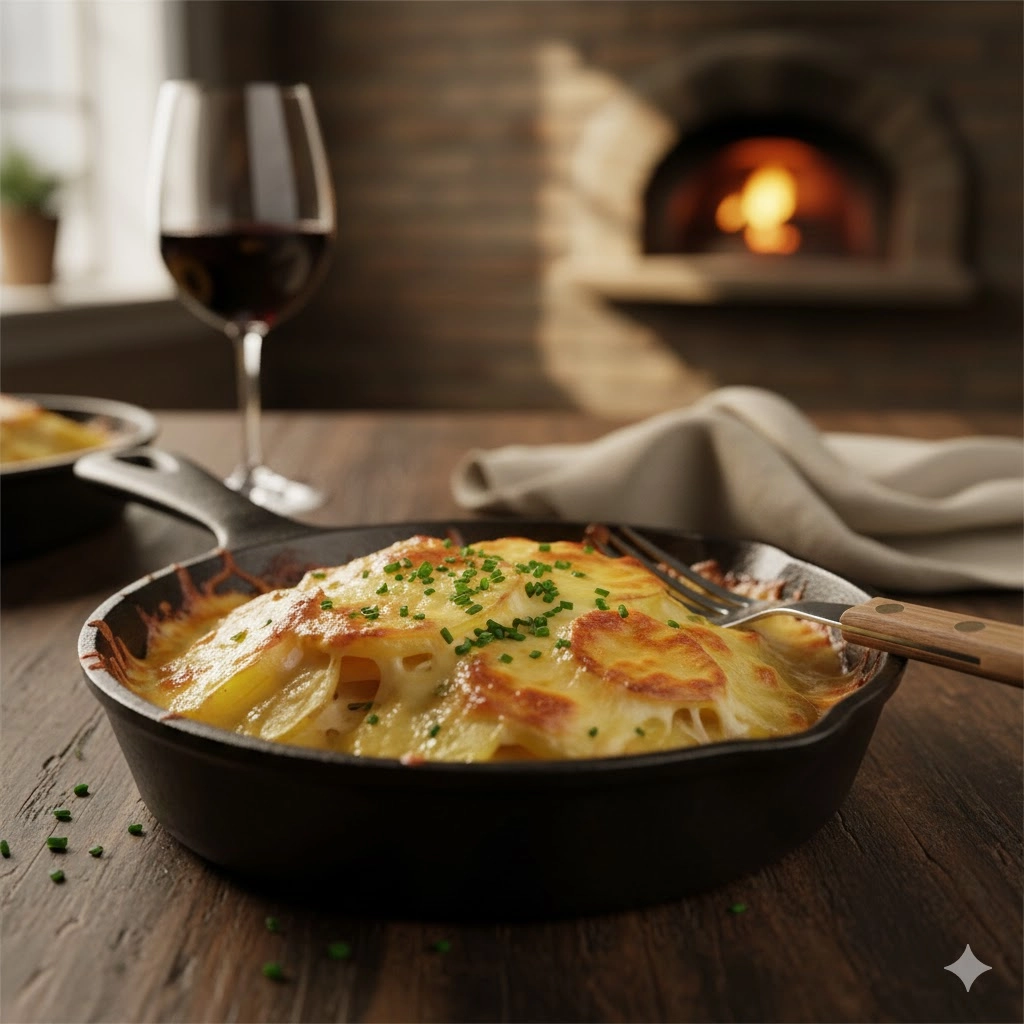
Potatoes Au Gratin is a versatile player in the culinary world. While it is often viewed as a side dish, its richness allows it to stand alone as a vegetarian main course when paired with a crisp, acidic green salad to cut through the fat. However, it truly shines when served alongside protein. The creamy texture is a perfect foil for the crust of a prime rib or the saltiness of a baked ham.
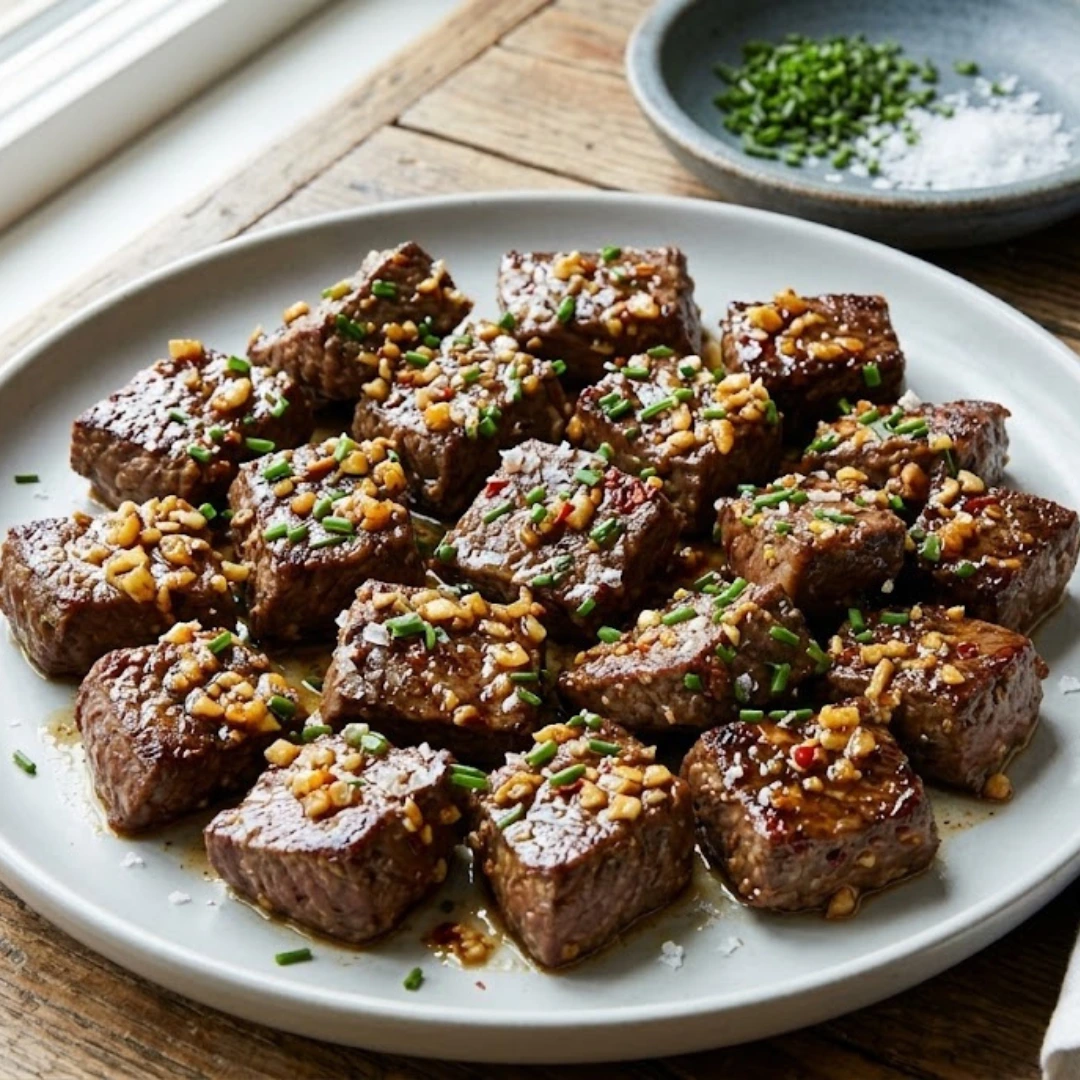
If you are looking for a more casual pairing, consider serving these potatoes with juicy chuck steak or roasted chicken. The sauce from the potatoes often mingles with the juices from the meat on the plate, creating a secondary sauce that is absolutely delicious. Because this dish is quite heavy, look for accompaniments that offer brightness. Steamed green beans with lemon zest, roasted asparagus, or a simple arugula salad with a vinaigrette will provide the necessary balance to the palate.
Understanding the Difference: Au Gratin vs. Scalloped
One of the most frequent questions in the kitchen involves the distinction between au gratin and scalloped potatoes. While they look similar on a holiday spread, the technical differences are distinct. Traditionally, “au gratin” refers to any dish topped with cheese or breadcrumbs that are then browned under a broiler or in a hot oven. In the context of potatoes, au gratin specifically implies the inclusion of a cheese-based sauce.
Scalloped potatoes, on the other hand, are traditionally cooked in a basic cream or milk sauce seasoned with herbs like thyme or garlic, but they do not typically feature cheese. Scalloped potatoes are also often sliced slightly thicker than the paper-thin rounds used for au gratin. Over time, modern home cooking has blurred these lines, with many people adding cheese to scalloped recipes, but if you are following the classical definition, the cheese is what earns this dish its “au gratin” title.
Preservation and Reheating Strategies
Leftover Potatoes Au Gratin are often even more flavorful the next day, as the potatoes have had time to fully absorb the seasonings and the sauce has set. To store them correctly, transfer the leftovers to a shallow, airtight container once they have cooled to room temperature. They will remain fresh in the refrigerator for up to 3 days.
When it comes to reheating, the oven is your best friend. Microwave reheating can sometimes cause the fat in the cheese to separate, leading to an oily residue. Instead, place the leftovers in an oven-safe dish, cover with foil to prevent the top from burning, and heat at 375 Fahrenheit until the center is hot and the edges are once again bubbling. We do not recommend freezing this dish. Because of the high dairy content in the milk and cheese sauce, the emulsion often breaks during the freezing and thawing process, resulting in a grainy, watery texture that loses the original appeal of the dish.
Expert Solutions for Common Kitchen Queries
Why are my potatoes still hard after ninety minutes of baking?
This usually occurs if the potato slices were cut too thick or if the oven temperature was inconsistent. To fix this, ensure you are using a mandoline for 1/4 inch slices or thinner. If they are still firm, you can add a splash of milk to the dish, cover it back up tightly with foil, and continue baking in 15-minute increments. The steam trapped under the foil is what truly softens the potato starch.
How can I prevent my cheese sauce from breaking or becoming oily?
A broken sauce is usually the result of excessive heat or using pre-shredded cheese. Pre-shredded varieties are often coated in potato starch or cellulose to prevent clumping in the bag, which can interfere with how the cheese melts into your roux. For the smoothest results, always grate your cheese fresh from a block. Additionally, make sure you remove the sauce from the heat before stirring in the cheese to prevent the proteins from tightening and squeezing out the fat.
Is it necessary to peel the potatoes for this recipe?
While this recipe calls for peeled russet potatoes to achieve the most refined and uniform texture, it is not strictly mandatory. If you prefer a more rustic, “country-style” dish, you can leave the skins on. Just be sure to scrub the potatoes thoroughly to remove any dirt. Note that the skins may add a slightly chewy texture that contrasts with the otherwise soft dish.
Final Thoughts on This Timeless Classic
The beauty of Creamy Potatoes Au Gratin lies in the transformation of simple, everyday pantry staples into something that feels truly celebratory. By taking the time to create a proper roux and layering the potatoes with intention, you create a dish that is far more than the sum of its parts. It is a testament to the power of slow baking and classic techniques. Whether you follow the recipe exactly or add your own minor flourishes, this dish is guaranteed to bring warmth and satisfaction to your dining table, making any meal feel like a special occasion.
Nutritional Profile
The following values are estimates based on standard ingredient measurements per serving.
| Nutrient | Amount Per Serving |
| Calories | 385 |
| Total Fat | 18 grams |
| Saturated Fat | 11 grams |
| Cholesterol | 52 milligrams |
| Sodium | 840 milligrams |
| Total Carbohydrates | 42 grams |
| Dietary Fiber | 3 grams |
| Sugars | 6 grams |
| Protein | 14 grams |
Medical Disclaimer
The nutritional information provided is an estimate and may vary based on specific brands of ingredients used. If you have specific dietary requirements or health concerns, please consult with a healthcare professional or a registered dietitian.
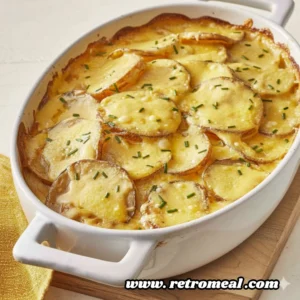
Creamy Potatoes Au Gratin
Ingredients
- 4 medium russet potatoes, peeled and thinly sliced
- 1 large onion, cut into rings
- 3 tbsp butter
- 3 tbsp all-purpose flour
- 1 tsp salt
- 0.5 tsp black pepper, divided
- 2 cups milk
- 1.5 cups shredded Cheddar cheese
Instructions
- Preheat your oven to 400 Fahrenheit. Lightly grease a medium-sized casserole dish with butter or non-stick spray.
- Arrange half of the potato slices in the bottom of the prepared dish. Season with a portion of the salt and pepper.
- Place the onion rings in an even layer over the potatoes, then top with the remaining potato slices and more seasoning.
- In a medium saucepan over medium heat, melt the butter. Whisk in flour and salt, cooking for 1 minute to form a roux.
- Slowly whisk in the milk. Continue cooking and whisking until the sauce thickens and reaches a simmer.
- Remove the sauce from heat and stir in the shredded Cheddar cheese until the mixture is completely smooth.
- Pour the hot cheese sauce over the potatoes. Cover the dish tightly with aluminum foil.
- Bake for 1.5 hours in the preheated oven until potatoes are tender and sauce is bubbling. Serve hot.
Notes
Equipment
- Mandoline slicer Optional but recommended for uniform slices
- Medium casserole dish
- medium saucepan
- whisk
- aluminum foil