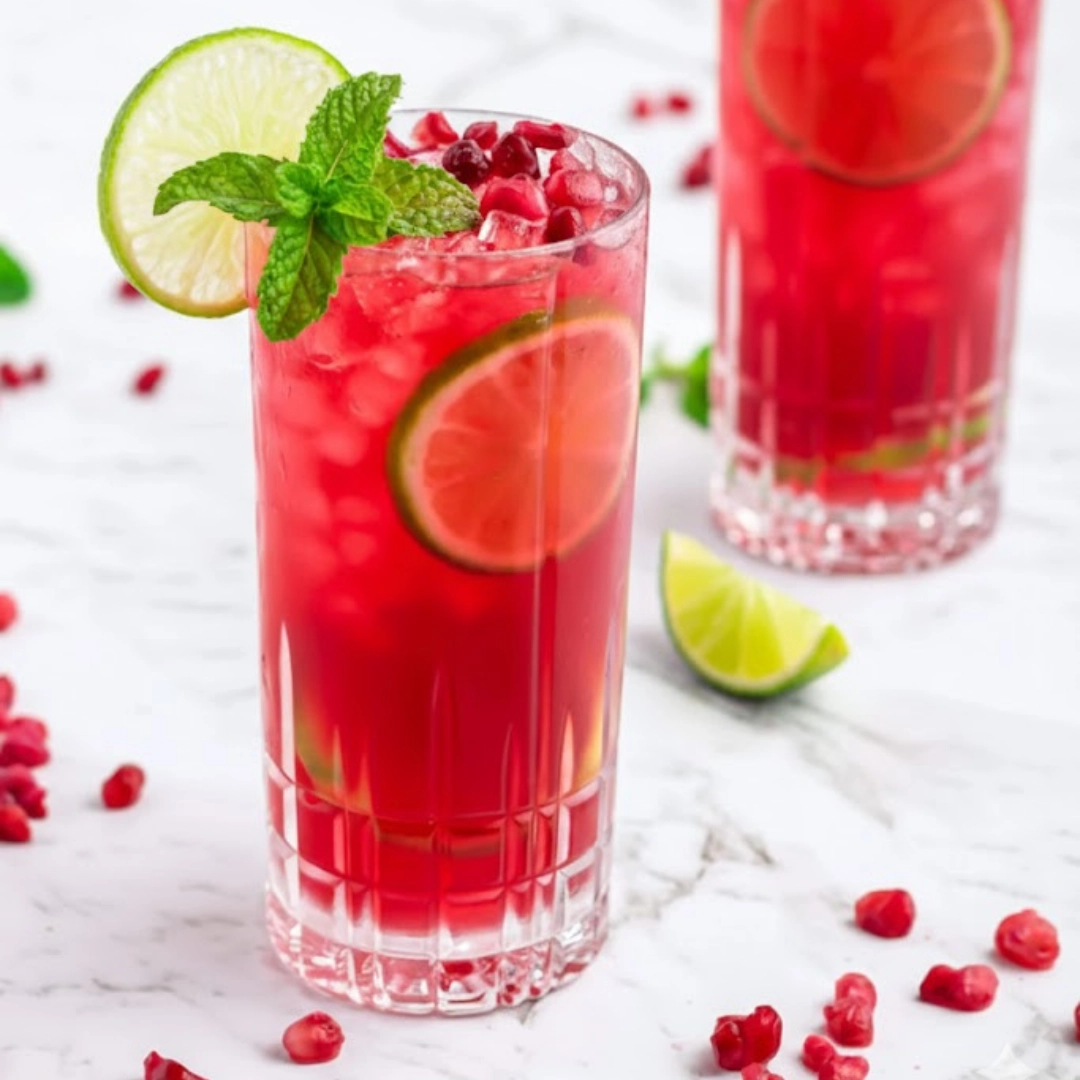
There is an enduring allure to the pomegranate, a jewel-toned fruit revered since ancient times for its complex sweetness and sharp, refreshing tang. When rendered into a beverage, that complexity transforms a simple drink into a vibrant statement. This Pomegranate Mocktail, far from being a mere stand-in for a cocktail, is a celebration of flavor architecture, balancing the fruit’s deep acidity with bright citrus and fragrant mint. It offers the satisfying weight and visual depth expected of a fine beverage, yet remains clean, restorative, and exceptionally vibrant. This is the sophisticated choice for any occasion demanding elegance without alcohol, providing a structure that is both refreshing and deeply flavorful.
Table of Contents
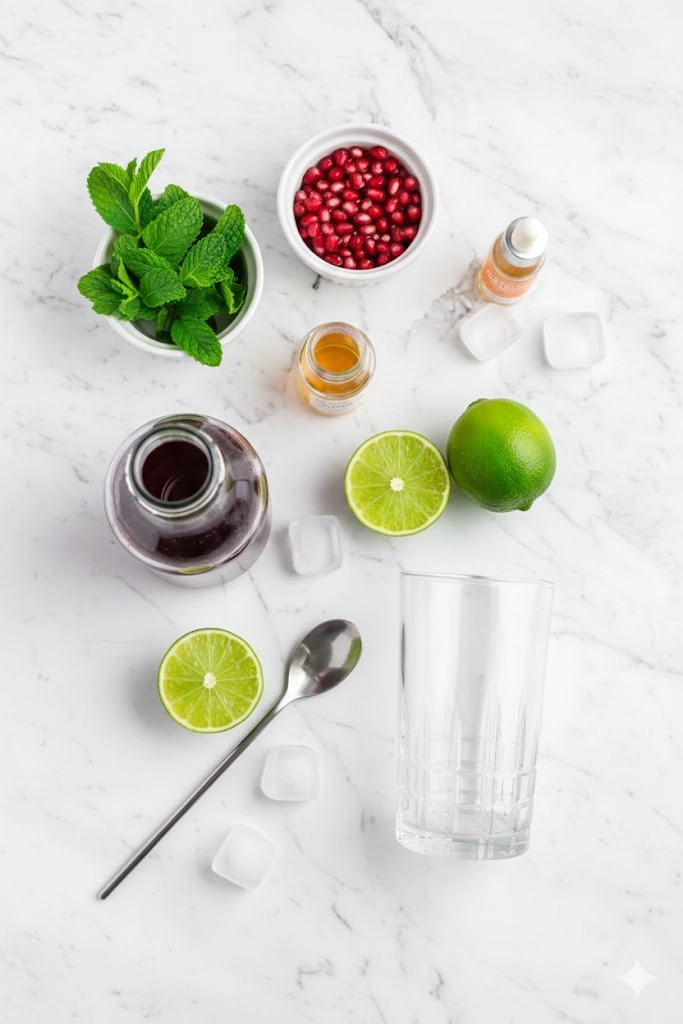
The Necessary Components
Achieving the perfect balance in this drink requires meticulous attention to the quality and measure of the ingredients. Always choose fresh, high-quality juices and aromatics for the most robust flavor profile.
For the Primary Mocktail Base (Per Serving):
- Four ounces (120 milliliters) pure pomegranate juice (not from concentrate)
- Three-quarters ounce (22 milliliters) fresh lime juice
- One-half ounce (15 milliliters) simple syrup (one part sugar, one part water)
- Six to eight large fresh mint leaves
- Two dashes high-quality orange bitters (optional, for aromatic complexity)
For Assembly and Finish:
- Four ounces (120 milliliters) chilled club soda or sparkling mineral water
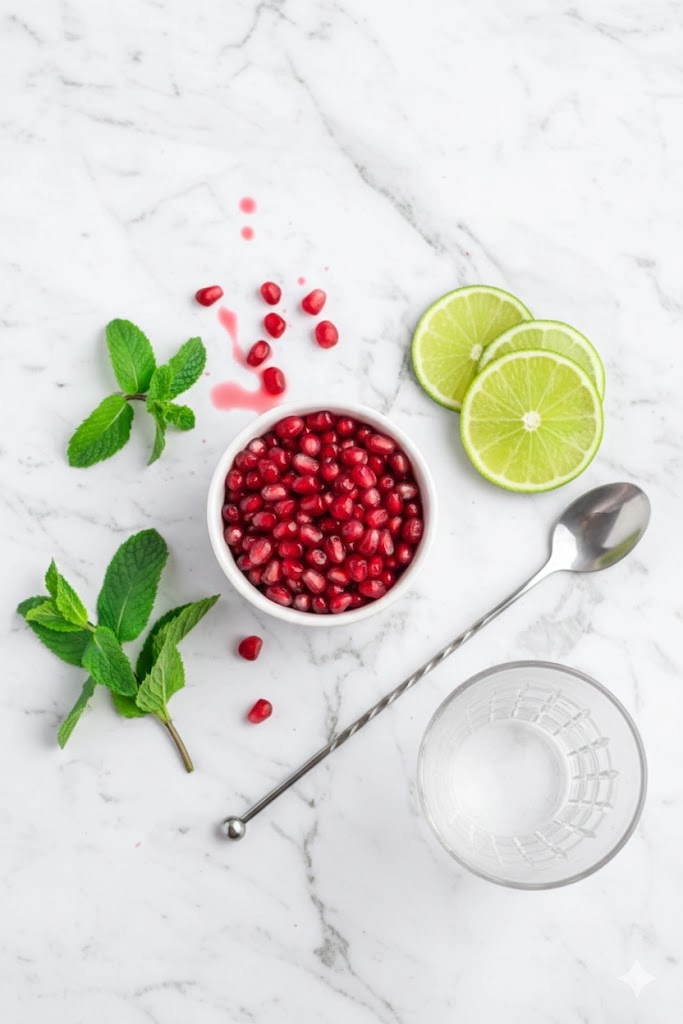
- Pomegranate arils (seeds), for garnish
- One lime wheel, for garnish
- Crushed ice or large, clear ice spheres
Initial Assembly Sequence
The methodology for building this mocktail is crucial to achieving optimal flavor release. Follow these sequential steps before consulting the detailed methodology for technique.
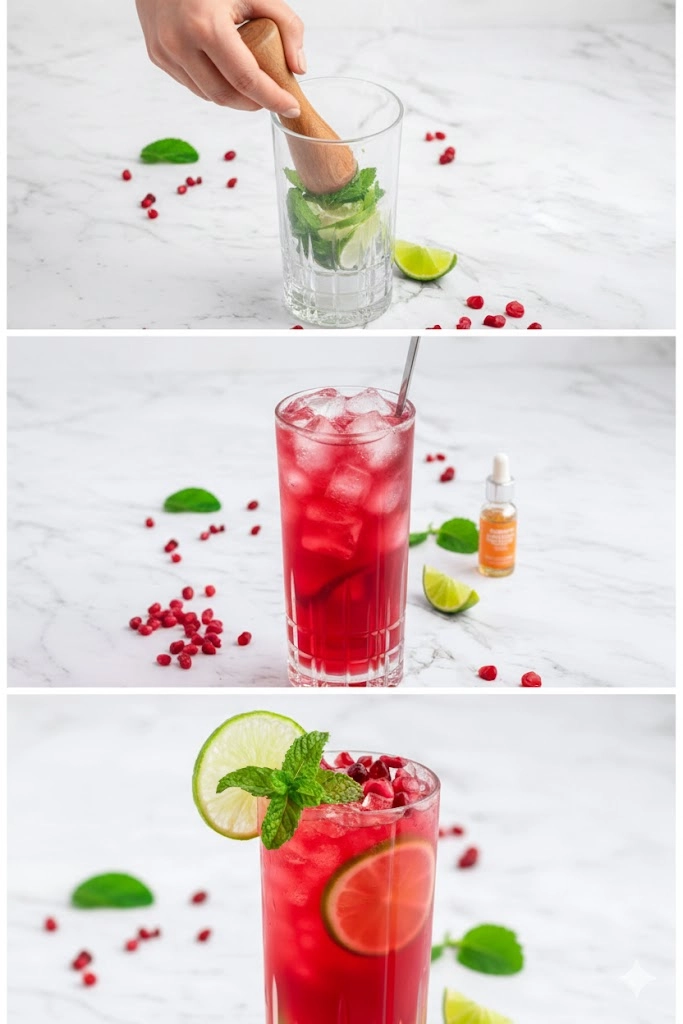
- Prepare the Aromatics: Place the mint leaves, lime juice, and simple syrup into the base of a sturdy highball glass or cocktail shaker.
- Macerate the Herbs: Use a wooden muddler to gently press the mint and lime mixture just enough to release the mint’s essential oils. This step requires finesse to avoid bitterness.
- Introduce the Fruit Base: Pour in the measured four ounces of pure pomegranate juice and the optional orange bitters. Stir briefly to unify the liquids.
- Incorporate the Chill: Add the preferred style of ice—either crushed for rapid chilling and dilution or large cubes for a slower, more controlled chill.
- The Effervescent Lift: Top the beverage with the chilled club soda or sparkling water to fill the glass, giving the mixture a final, gentle stir.
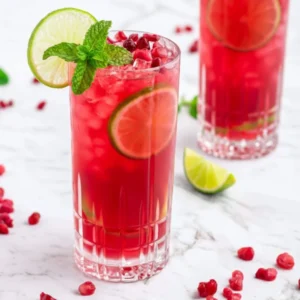
- Complete the Presentation: Garnish the finished Pomegranate Mocktail with a generous sprinkle of glistening arils and a perfectly cut lime wheel placed near the rim.
The Art of Cold Infusion: Step-by-Step Methodology
The subtle excellence of this beverage lies not just in the ingredients, but in the exact timing and technique used to marry them. Understanding the purpose of each action is the difference between a competent drink and a truly masterful one.
Phase One: The Release of Aromatics
The initial step of introducing the mint and citrus to the syrup is a careful maceration process. When placing the six to eight mint leaves into the glass, ensure they are whole and completely dry. The objective is not to shred the mint, which releases chlorophyll and imparts a bitter, vegetal taste to the drink, but to gently express the flavorful oils contained within the leaves.
Begin the muddling process with light pressure, rotating the muddler only two or three times. You will immediately observe the change: a sharp, clean fragrance of mint oil will rise from the glass, mingling with the bright acidity of the lime juice. The lime juice acts as a medium to help draw out the mint’s soluble compounds. Stop immediately when this aroma is evident; excessive muddling will over-extract the mint, creating an unpleasant, dark green liquid and a grassy, off-note flavor that will irrevocably alter the profile of the final drink. The ideal texture of the muddled mint should still appear mostly intact, not pulverized.
Phase Two: Building the Liquid Foundation
Once the aromatic base is established, the pomegranate juice and simple syrup are introduced. It is critical that the pomegranate juice is of the highest caliber—look for juices that are cold-pressed or explicitly marked as not from concentrate, as this preserves the fruit’s natural tartness and vivid color. A concentrated or heavily filtered juice often carries an artificially flat, cooked flavor that diminishes the overall quality.
Stir the mixture vigorously for approximately fifteen seconds without ice. This preliminary stir serves two functions: it fully dissolves the simple syrup into the citrus base, guaranteeing an even sweetness, and it chills the mixture slightly, preparing it for the addition of ice. If you are using orange bitters—a highly recommended, non-alcoholic flavor enhancer—this is the point to add them. The bitters contribute an essential oil character that rounds out the intensely fruity notes of the pomegranate without contributing noticeable alcohol. The visual cue for success at this stage is a deep, uniform ruby liquid, smoothly blended.
Phase Three: Controlling the Chill and Dilution
The selection of ice is paramount to the final experience. If you desire an immediate, highly refreshing, and slightly diluted drink, crushed ice is the superior choice. Its high surface area chills the liquid rapidly, and the quick dilution softens the intensity of the lime and pomegranate. However, if you are making a drink intended to be savored over a longer period, a single large, dense ice cube or sphere is preferable. A large piece of ice melts far slower, ensuring the flavor profile remains consistent from the first sip to the last.
Whether crushed or cubed, the ice must be added generously, filling the glass almost entirely before the final pour. This ensures the drink is optimally cold, which is essential for perceived flavor sharpness and texture.
Phase Four: The Effervescence and Final Polish
The crowning element is the carbonated component. Chilled club soda is the most neutral choice, allowing the pomegranate, lime, and mint to be the dominant flavor notes. For those who enjoy a hint of mineral complexity, a sparkling mineral water can introduce a subtly salty or earthy background.
Pour the soda water slowly over the ice, aiming the stream toward the center of the liquid. This natural turbulence should gently integrate the components without aggressively disturbing the muddled mint base. A final, quick, upward stir with a bar spoon (a technique known as ‘lifting’) helps marry the dense, sugary base with the lighter, carbonated top layer. The final visual indicator of a perfect build is the separation of layers immediately after the stir: a deep, clear base, a layer of foam just above the liquid line, and the carbonated bubbles rising steadily to the surface.
Elevating the Essentials: Advanced Tips for Flavor Depth
To push this mocktail from merely delicious to truly exceptional, focus on techniques that extract and enhance latent flavors within the primary ingredients.
- The Superiority of Cold-Process Syrup: While a standard simple syrup works, creating a cold-process mint simple syrup adds a layer of complexity. Instead of boiling mint leaves, allow them to infuse into the finished one-to-one syrup overnight in the refrigerator. This extracts the mint’s flavor without any of the heat-induced bitterness, yielding a cleaner, more fragrant sweetener for your base.
- Using Saline Solution: A minuscule touch of salt can dramatically enhance the perceived sweetness and balance the acidity of citrus and pomegranate. Prepare a basic ten percent saline solution (one part salt dissolved in nine parts water). Add just one or two drops of this solution to the muddled mixture. It will amplify the fruit notes without making the drink taste salty.
- Harnessing the Rind’s Potential: For an extra aromatic lift, use a vegetable peeler to cut a thin strip of lime rind, ensuring no white pith is attached. Express the oils from this strip over the final drink by twisting it sharply between your fingers before running it around the glass rim and dropping it in. The released oils create an intense, fresh citrus bouquet right before the first sip.
- Chilling the Glassware: Always serve this beverage in a glass that has been thoroughly chilled. Placing the highball glass in the freezer for at least thirty minutes minimizes heat transfer, keeps the drink colder for longer, and prevents the ice from melting prematurely, thus controlling dilution.
- Exploring Different Pomegranate Varieties: The depth of flavor changes based on the source of the pomegranate juice. Juice extracted from the Wonderful variety offers a higher tannic punch, making the drink dryer and more savory, while juice from the Garnet variety provides a sweeter, rounder profile. Experiment with blends to find your personal preferred balance.
- The Art of the Aril Infusion: Instead of just using pomegranate arils for garnish, gently muddle three or four into the base mixture alongside the mint. This releases a tiny, complex burst of the fruit’s juice directly into the aromatic base, adding a layer of texture and intensified flavor complexity that is noticeable but not overwhelming.
Seasonal Shifts: Variations and Garnishes
The brilliance of a well-constructed recipe lies in its ability to adapt to seasonal availability and shifting preferences while maintaining its core integrity.
The Ginger-Grapefruit Counterpoint
For a particularly bold, warming winter variation, substitute half of the lime juice with freshly squeezed white grapefruit juice. Replace the plain club soda with a high-quality ginger beer (ensuring it is non-alcoholic). The ginger’s spice introduces a fantastic heat that stands up to the deep notes of the pomegranate, creating a far drier and more complex drink than the standard version. Garnish this rendition with a thin slice of candied ginger and a grapefruit twist.
Basil and Balsamic Infusion
If fresh mint is unavailable or if a more savory profile is desired, substitute the mint leaves with six to eight fresh basil leaves. To enhance the savory component, add two small drops of a high-quality, aged balsamic vinegar to the initial muddle. The balsamic adds an unexpected, deep fruit tang and a velvety texture that complements the basil’s anise-like notes. This variation requires less simple syrup due to the balsamic’s natural sugar content.
Cranberry-Pomegranate Hybrid
For a truly festive and rich color, use a fifty percent blend of unsweetened cranberry juice and pomegranate juice. Cranberry juice is highly tannic, giving the drink a pleasant astringency that keeps it exceptionally refreshing. When using this blend, increase the simple syrup by ten percent of the original amount to balance the added sourness, or use a sweet sparkling water, such as ginger ale, to introduce the sweetness in the final pour.
The Perfect Companion: Pairing and Serving
A sophisticated beverage demands an equally thoughtful accompaniment. The high acidity and pronounced fruit notes of the Pomegranate Mocktail make it an exceptional pairing for dishes that are either savory-rich or subtly sweet and textural.
For Savory Contrast: The drink’s inherent tartness cuts beautifully through the richness of oily fish or robust cheeses. Consider serving it alongside a platter of Spanish Jamon Iberico and aged Manchego cheese, or a bowl of crispy, garlic-herb seasoned olives. The acidity acts as a palate cleanser, resetting the taste buds between bites of rich, fatty food.
For Subtle Sweetness: Pair this mocktail with delicate desserts that possess creamy or almond-based textures. An Italian panna cotta topped with pistachio or a simple French macaron assortment offers a textural contrast. The drink’s bright flavor prevents the palate from becoming fatigued by the richness of the cream or nut paste, creating a harmonious and balanced sequence of flavors.
The Ideal Vessel: This beverage should always be served in a tall, slender highball glass. The height showcases the beautiful ruby hue, and the narrow opening concentrates the aromatic scent of the mint and citrus oils near the rim, ensuring a satisfying olfactory experience that precedes the taste.
Culinary Queries Answered
This recipe often brings up specific questions regarding ingredient sourcing and long-term preparation.
How far in advance can I prepare a large batch of the base mixture?
The non-carbonated base—pomegranate juice, lime juice, mint, and simple syrup—can be prepared up to twelve hours in advance. If storing for this length of time, it is crucial to strain the muddled mint leaves out immediately after preparation. Leaving the bruised mint in the liquid for too long will inevitably lead to the aforementioned bitter, grassy flavor. Store the strained liquid in an airtight container in the refrigerator and add fresh mint, ice, and club soda just before serving.
What is the best method for juicing a whole pomegranate myself?
While store-bought juice is convenient, fresh-squeezed juice provides an unparalleled texture and freshness. The easiest method is to halve the pomegranate and then use a standard citrus reamer or juicer to press the juice directly from the arils and pulp. You can also place the arils into a sturdy plastic bag and crush them gently with a rolling pin before straining the resulting liquid through a fine-mesh sieve lined with cheesecloth. Avoid using a centrifugal juicer, as it can unintentionally process some of the bitter white pith.
Can I use a flavored sparkling water instead of club soda?
Absolutely. A high-quality, un-sweetened lime or lemon-flavored sparkling water can be substituted for the club soda, which enhances the citrus brightness of the drink without adding unnecessary sugar. However, avoid heavily flavored or sweetened soft drinks, as they will compete with the delicate balance of the pomegranate and mint, fundamentally changing the drink’s character. If you choose a flavored water, omit the lime wheel garnish to prevent the citrus flavors from clashing or becoming too dominant.
What is the ideal type of mint to use?
Spearmint, often labeled simply as “mint” in grocery stores, is the preferred variety for its sweet, less aggressive menthol flavor. Avoid peppermint, which has a higher menthol content and can be overwhelming or taste medicinal when muddled into a drink. Always select leaves that are vibrant green, unblemished, and highly fragrant, indicating freshness and potent oil content.
Nutrition Information
| Nutrient | Amount per Serving |
| Calories | 115 kcal |
| Protein | 1 g |
| Carbs | 29 g |
| Fat | 0 g |
| Fiber | 1 g |
| Sugar | 27 g |
| Sodium | 15 mg |
Important Disclaimer
Nutrition information is an estimate and may vary based on preparation and ingredients used.
The Cultivated Pomegranate Mocktail
Ingredients
- 120 ml pure pomegranate juice (not from concentrate)
- 22 ml fresh lime juice
- 15 ml simple syrup (1:1 sugar to water)
- 6–8 fresh mint leaves
- 2 dashes orange bitters (optional)
- 120 ml chilled club soda or sparkling mineral water
- pomegranate arils, for garnish
- 1 lime wheel, for garnish
- crushed ice or large clear ice sphere
Instructions
- Place mint leaves, lime juice, and simple syrup into a sturdy highball glass or shaker.
- Gently muddle the mint using a wooden muddler to release oils without tearing the leaves.
- Add pomegranate juice and optional orange bitters. Stir briefly to mix.
- Add crushed ice or a large clear ice cube to the glass.
- Top with club soda or sparkling mineral water. Stir gently to combine.
- Garnish with pomegranate arils and a lime wheel. Serve immediately in a chilled highball glass.
Notes
Equipment
- highball glass
- cocktail shaker (optional)
- wooden muddler
- bar spoon
- jigger or measuring cup