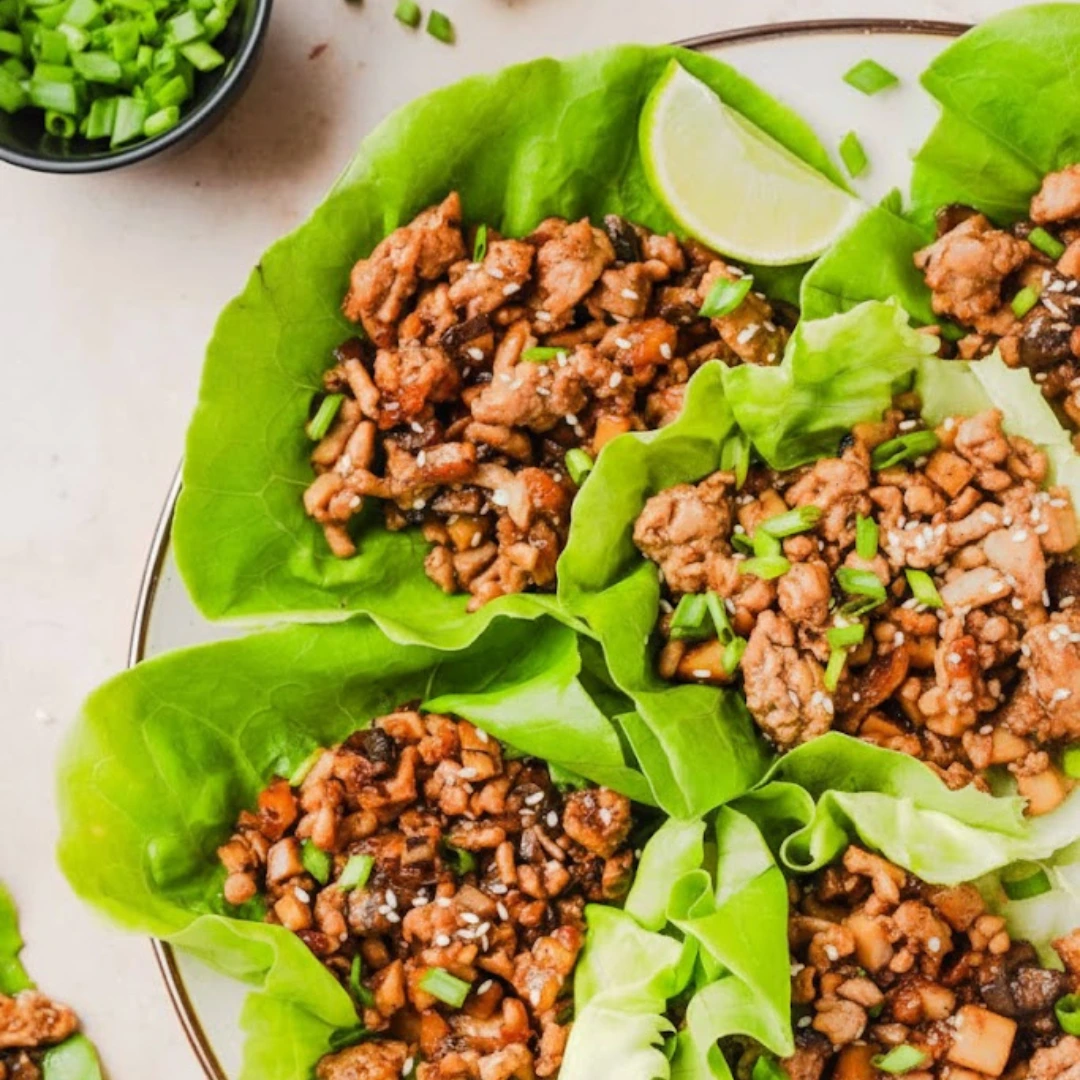
There is something undeniably iconic about sitting down at a bistro and hearing the crunch of a fresh lettuce leaf as you bite into a savory, umami-packed chicken filling. While many associate this experience strictly with a night out, bringing those bold, Asian-inspired flavors into your own kitchen is surprisingly simple. These PF Chang’s Chicken Lettuce Wraps offer a perfect harmony of textures—tender ground poultry, crisp water chestnuts, and snappy lettuce—all tied together by a rich, mahogany-colored sauce. Whether you are looking for a light weeknight dinner or a crowd-pleasing appetizer, this recipe delivers restaurant-quality results in just thirty minutes.
Table of Contents
The Essential Ingredient List
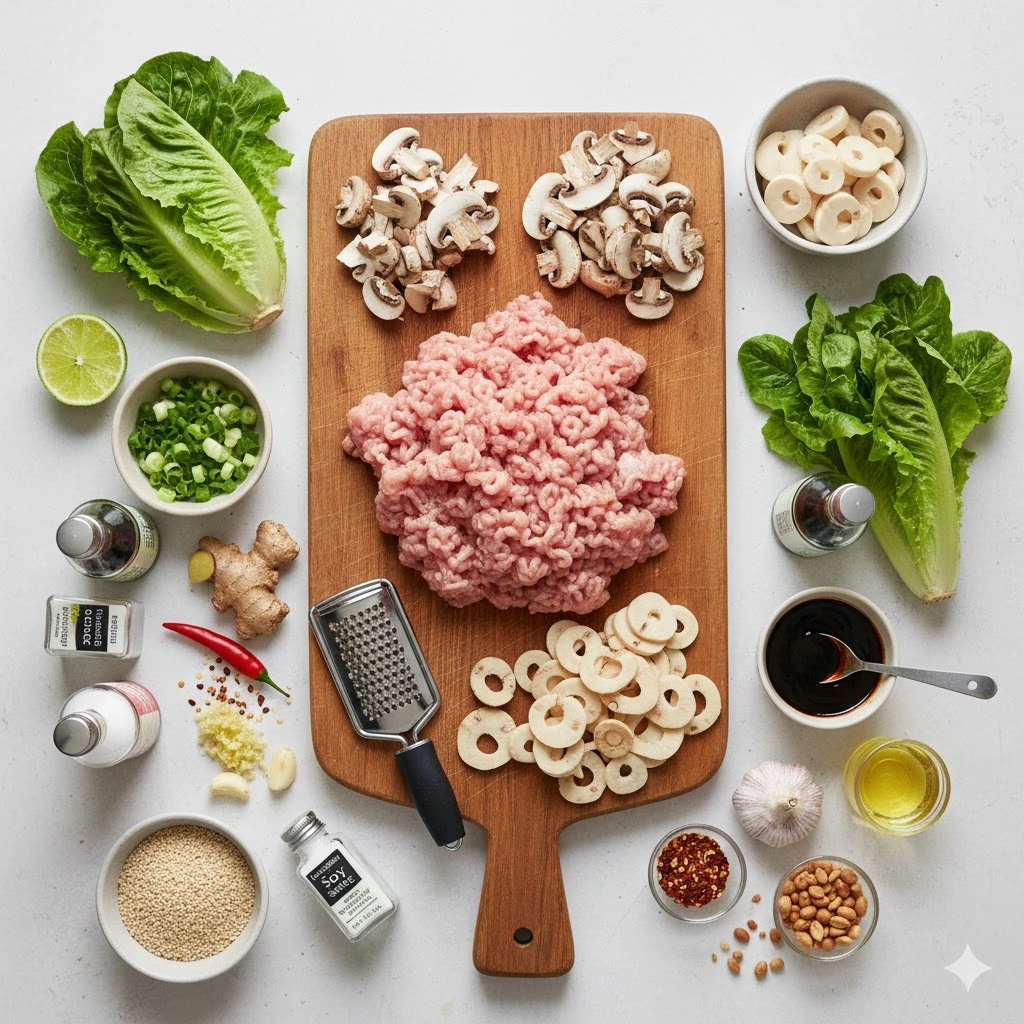
To achieve that signature flavor profile, you will need a specific set of pantry staples and fresh produce. Each component plays a vital role in balancing the salty, sweet, and tangy notes of the dish.
For the Protein and Base
- 1 pound ground chicken (ground turkey, beef, or pork are suitable alternatives)
- 1 tablespoon vegetable or peanut oil
- 1/2 cup yellow onion, minced finely
- 2 large garlic cloves, minced
- 1 pinch crushed red chili pepper flakes
- 8 to 10 cremini mushrooms, diced
- 8 ounces whole water chestnuts, drained and diced
- 1 teaspoon fresh ginger, grated
- 1 head butter lettuce (baby Romaine or similar sturdy greens also work)
For the Signature Sauce
- 5 tablespoons low-sodium soy sauce (or tamari/coconut aminos for gluten-free needs)
- 1 tablespoon toasted sesame oil
- 2 tablespoons rice wine vinegar
- 2 tablespoons hoisin sauce
- 1 1/2 teaspoons lime juice
- Salt and pepper to taste
Optional Garnishes
- Fresh green onions, sliced on a bias
- Toasted sesame seeds
- Crushed peanuts
Master the Cooking Process
Following a specific sequence ensures that the vegetables retain their texture while the chicken absorbs the maximum amount of seasoning.
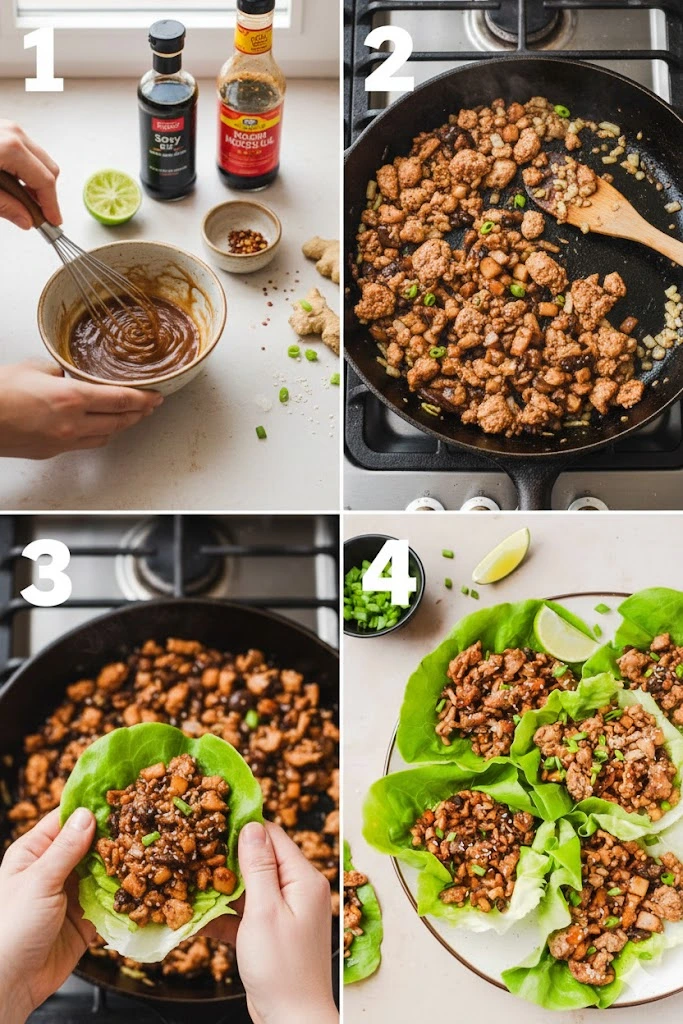
- Whisk the Sauce: In a small bowl, combine the low-sodium soy sauce, toasted sesame oil, rice wine vinegar, hoisin sauce, lime juice, salt, and black pepper. Stir until the hoisin is fully incorporated and the mixture is smooth. Set this aside.
- Prepare the Skillet: Place a medium or large non-stick skillet over medium heat and add a portion of the cooking oil.
- Sauté the Mushrooms: Once the oil is shimmering, add the diced cremini mushrooms. Cook them over medium-high heat for approximately 2 to 3 minutes until they begin to soften and release their moisture. Remove them from the pan and set aside.
- Brown the Chicken: Add the remaining oil to the same skillet. Add the ground chicken, breaking it apart with a wooden spoon.
- Aromatics Integration: When the chicken is roughly halfway cooked through, stir in the minced yellow onion, garlic, grated ginger, and red chili pepper flakes. Continue cooking until the chicken is fully browned.
- Combine and Simmer: Return the cooked mushrooms to the skillet. Fold in the diced water chestnuts and pour the prepared sauce over the mixture. Stir well and allow the mixture to simmer for 1 to 2 minutes so the flavors meld.
- Assemble the Wraps: Carefully separate the lettuce leaves. Spoon approximately 2 heaping tablespoons of the chicken mixture into each leaf.
- Final Flourish: Squeeze fresh lime juice over the filling and top with green onions, sesame seeds, or peanuts. Serve immediately while the filling is hot and the lettuce is cold.
Unique Culinary Insights
Creating a dish that rivals a professional kitchen requires attention to detail, specifically regarding heat management and ingredient preparation. One of the biggest secrets to a successful lettuce wrap is the “dry sauté” of the mushrooms. By cooking the mushrooms first and removing them, you prevent the entire pan from becoming soggy. Mushrooms hold a significant amount of water; if cooked alongside the chicken from the start, they would steam the meat rather than allow it to brown. Achieving a golden-brown sear on the ground chicken provides the Maillard reaction necessary for deep, savory flavor.
The choice of oil also matters. While vegetable oil is a neutral base, using peanut oil can add a very subtle nuttiness that complements the sesame oil in the sauce. If you have a peanut allergy, stick to high-smoke-point vegetable oils. Additionally, when grating your ginger, try to use a microplane. This ensures the ginger is distributed evenly throughout the meat rather than leaving the eater with a large, pungent bite.
Another tip involves the water chestnuts. Many people find the “canned” taste of water chestnuts distracting. To mitigate this, rinse them thoroughly under cold water after draining and pat them dry before dicing. This preserves their incredible crunch—which is their primary contribution to the dish—without any metallic aftertaste.
Deep-Dive FAQ
What is the best way to clean and prep the lettuce leaves so they don’t break? To get the best “cups” for your wraps, cut off the bottom inch of the lettuce head. Submerge the entire head in a bowl of ice-cold water for about ten minutes; this crisps up the leaves and makes them more pliable. Gently pull the leaves away from the center, patting them completely dry with a paper towel. Any residual moisture on the lettuce will cause the sauce to slide off and make the wrap difficult to hold.
Can I make this recipe vegetarian or vegan while keeping the same texture? Absolutely. You can substitute the ground chicken with extra-firm tofu that has been pressed and crumbled into small bits. Alternatively, a blend of finely chopped mushrooms and cooked lentils can mimic the “crumbly” texture of ground meat. If you are strictly vegan, ensure your hoisin sauce does not contain honey and use a soy-based protein.
Is it possible to make the chicken filling spicy without changing the flavor profile? The recipe currently uses a pinch of red chili pepper flakes for a mild warmth. If you prefer a significant kick, you can increase the ginger or add a teaspoon of Sriracha or sambal oelek directly into the sauce mixture. Serving a small bowl of chili garlic sauce on the side is also a great way to let each diner customize their own heat level.
Why does my sauce sometimes turn out too salty? The saltiness usually comes from the soy sauce brand or the hoisin sauce. Always opt for “low-sodium” soy sauce to have better control over the seasoning. If you find the finished product too salty, a splash of rice wine vinegar or an extra squeeze of lime juice can help balance the sodium with acidity.
Detailed Step-by-Step Expansion
To truly master this dish, let’s look closer at the “Step-by-Step Details.” When you begin browning the chicken, resist the urge to move it constantly. Let it sit against the hot surface of the non-stick skillet for at least ninety seconds before the first stir. This creates those crispy, caramelized bits that define restaurant-style stir-fry.
When you add the aromatics—the garlic, ginger, and onions—you are building layers of flavor. The onions should become translucent, and the garlic should become fragrant but never brown or burnt, as burnt garlic introduces a bitter note that the sauce cannot hide.
The final simmer is the most critical stage. You aren’t just heating the sauce; you are reducing it slightly so it glazes the chicken and vegetables. When you pour the liquid into the pan, it will look thin. After sixty to ninety seconds of bubbling, the sugars in the hoisin sauce will begin to thicken, turning the liquid into a glossy coating that clings to every morsel of chicken. This ensures that when you take a bite of the wrap, the sauce stays in the lettuce leaf rather than running down your arm.
Accompaniments & Serving
While these wraps are a powerhouse on their own, they truly shine when part of a larger spread. For a light lunch, a side of pickled daikon or a crisp Mexican coleslaw provides a bright, acidic contrast to the savory chicken. If you are serving this as a main dinner course, consider pairing it with a side of steamed jasmine rice or brown rice to make the meal more filling.
For a full Asian-inspired feast, you might serve these alongside:
- Wonton or Miso soup
- Vegetable spring rolls or egg rolls
- Soba noodle stir-fry
- Steamed dumplings
When serving a crowd, the “build-your-own” style is always a hit. Place the hot chicken filling in a large serving bowl and arrange the cold lettuce leaves on a platter next to small ramekins filled with crushed peanuts, extra lime wedges, and sliced green onions. This allows guests to customize their protein-to-lettuce ratio.
Modifications & Substitutions
The beauty of this recipe lies in its adaptability. If you cannot find butter lettuce, baby Romaine is a fantastic substitute because the “rib” of the lettuce provides a built-in handle. Avoid iceberg lettuce if possible, as it tends to crack and shatter when folded.
If water chestnuts are unavailable at your local grocer, you can substitute them with diced jicama or even finely diced celery to maintain that essential crunch. For those who want to avoid soy, coconut aminos are an excellent one-to-one replacement for soy sauce, though they are slightly sweeter, so you may want to add an extra pinch of salt. If you find yourself without hoisin sauce, a mixture of almond butter, soy sauce, and a little honey can act as a makeshift thickener and flavor base, though the taste will veer more toward a satay style.
Nutrition Table
| Nutrient | Amount Per Serving |
| Calories | 95 calories |
| Total Fat | 4 grams |
| Saturated Fat | 1 gram |
| Cholesterol | 33 milligrams |
| Sodium | 72 milligrams |
| Total Carbohydrates | 7 grams |
| Dietary Fiber | 1 gram |
| Sugars | 2 grams |
| Protein | 8 grams |
| Vitamin A | 516 International Units |
| Vitamin C | 2 milligrams |
Nutritional Disclaimer
The nutritional information provided is an estimate based on specific ingredients and standard serving sizes. Variations in brands, fresh produce size, and preparation methods may affect the final caloric and nutrient count. For those with specific dietary medical requirements, please consult a professional nutritionist.
Preserving the Freshness
If you find yourself with leftovers, the most important rule is to store the components separately. Never store an assembled wrap, as the moisture from the chicken will turn the lettuce into a soggy mess within minutes.
The chicken filling is remarkably resilient. It can be stored in an airtight container in the refrigerator for up to four days. To reheat, simply toss it back into a skillet over medium heat with a teaspoon of water or a splash of soy sauce to loosen the glaze. If you wish to freeze the filling, it will stay fresh for two to three months. When you are ready to eat it, thaw it overnight in the fridge and reheat it on the stovetop to regain that perfect texture.
Final Culinary Reflections
Recreating a favorite restaurant dish like these chicken lettuce wraps is an empowering kitchen milestone. It proves that with a few high-quality ingredients and the right technique, you can produce a meal that is not only more affordable than takeout but often healthier and more vibrant in flavor. The contrast between the steaming, savory chicken and the cool, refreshing lettuce is a sensory experience that never goes out of style. Once you master the balance of the hoisin-soy glaze, this recipe will undoubtedly become a permanent fixture in your weeknight rotation.
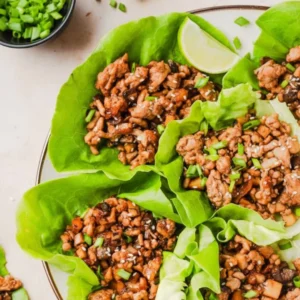
PF Chang’s Chicken Lettuce Wraps
Ingredients
- 1 pound ground chicken (or turkey, beef, or pork)
- 1 tbsp vegetable or peanut oil
- 0.5 cup yellow onion, minced
- 2 cloves garlic, minced
- 1 pinch crushed red chili pepper flakes
- 8-10 cremini mushrooms, diced
- 8 ounces whole water chestnuts, drained and diced
- 1 tsp fresh ginger, grated
- 1 head butter lettuce or baby Romaine
- 5 tbsp low-sodium soy sauce (or tamari)
- 1 tbsp toasted sesame oil
- 2 tbsp rice wine vinegar
- 2 tbsp hoisin sauce
- 1.5 tsp lime juice
- salt and pepper to taste
- green onions, sliced (for garnish)
- sesame seeds (for garnish)
- peanuts (for garnish)
Instructions
- In a small bowl, whisk together the soy sauce, sesame oil, rice wine vinegar, hoisin, lime juice, salt, and black pepper. Set the sauce aside.
- Heat oil in a large non-stick skillet over medium-high heat. Sauté the mushrooms for 2-3 minutes until they begin to soften. Remove and set aside.
- In the same skillet, add a little more oil if needed and cook the ground chicken until brown. When halfway cooked, stir in onions, garlic, ginger, and red chili flakes.
- Return the mushrooms to the skillet. Mix in the diced water chestnuts and the prepared sauce. Simmer for 1-2 minutes until everything is well coated and heated through.
- Prepare the lettuce leaves. Fill each cup with about 2 heaping tablespoons of the chicken mixture.
- Top with sliced green onions, sesame seeds, and peanuts. Squeeze extra lime juice over the top and serve immediately.
Notes
Equipment
- Large Non-stick Skillet
- Wooden spatula
- mixing bowl
- chef’s knife