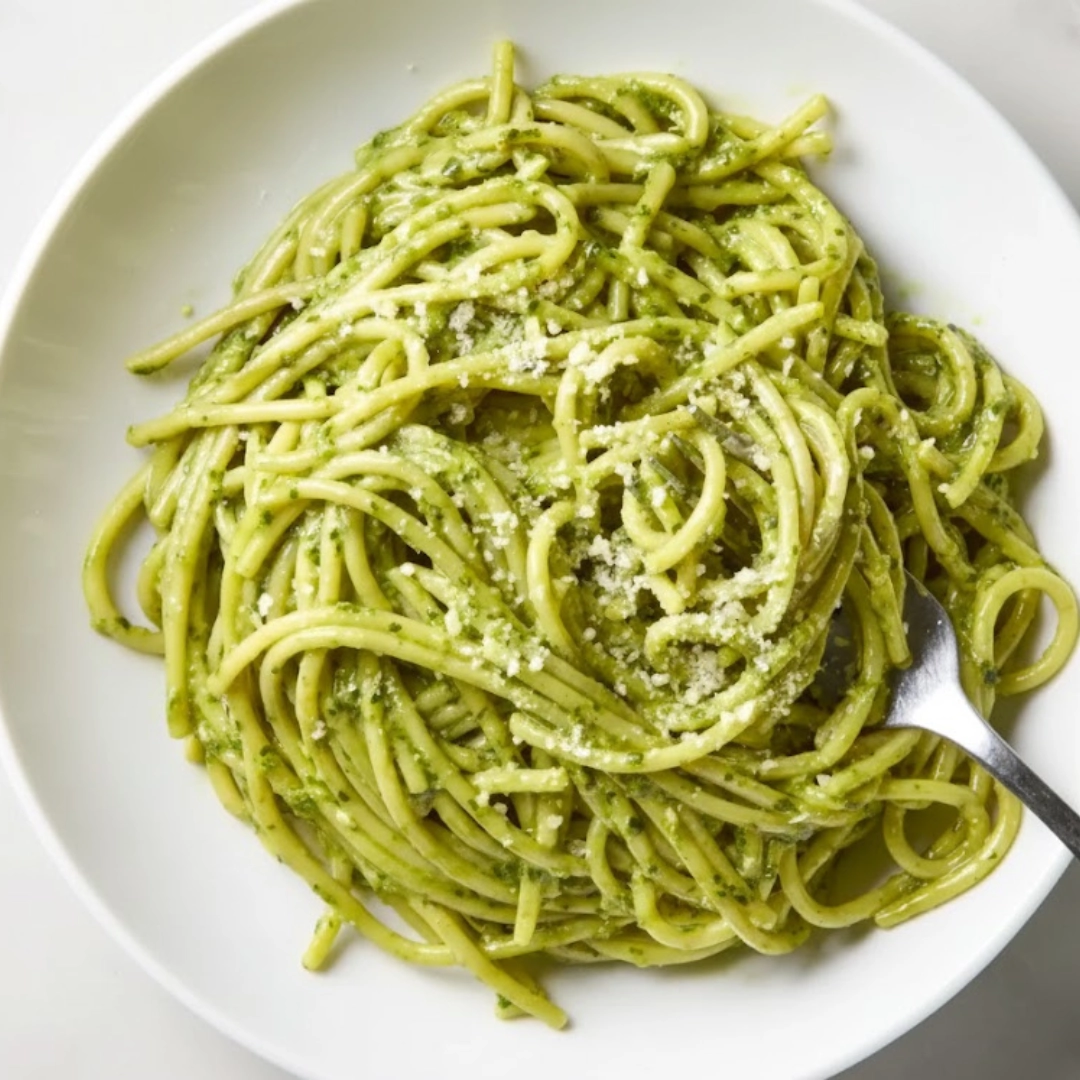
When the evening sun begins to dip and the hunger of a long day sets in, there is nothing quite as comforting or sophisticated as a bowl of vibrant green pesto pasta. It is a dish that feels like a celebration of summer, yet it is robust enough to anchor a mid-winter meal. At its heart, this recipe is a masterclass in simplicity, proving that when you have high-quality ingredients, you do not need a long list of components to create a five-star dining experience.
The beauty of this particular method lies in the marriage of the pasta with its sauce. Rather than simply plopping cold sauce onto hot noodles, we use the science of emulsification and heat to transform a few simple elements into a glossy, restaurant-quality coating. Whether you are using a jar of your favorite store-bought variety or a batch of liquid gold made from your own garden basil, this approach ensures that every single strand or shape of pasta is infused with the herbaceous, nutty, and salty notes that make pesto world-renowned.
Table of Contents
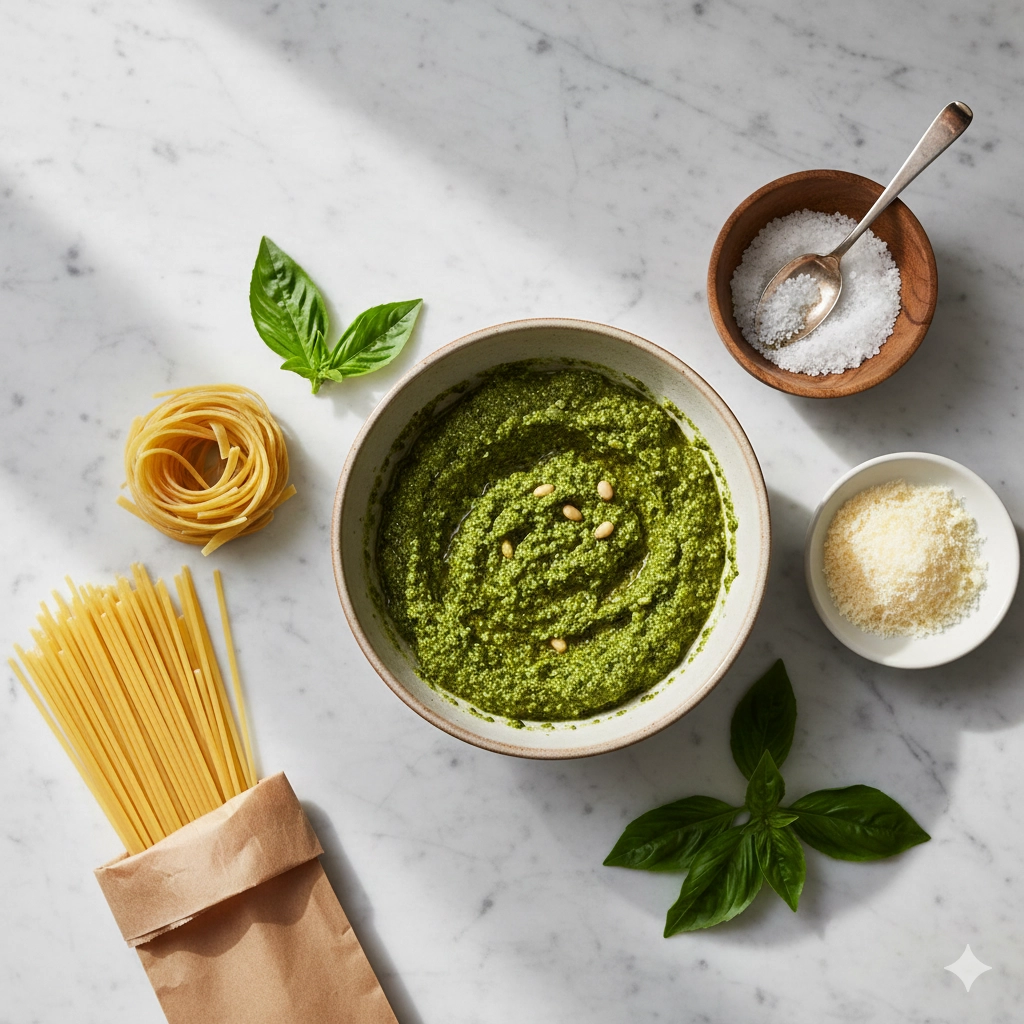
Ingredients for Your Culinary Creation
To begin this journey, gather these specific items. Quality is paramount here, as each ingredient carries a heavy load in the final flavor profile.
- Kosher salt: Used generously in the boiling water to season the pasta from the inside out.
- 12 ounces dried pasta: Choose your favorite shape, such as fusilli, penne, or classic spaghetti.
- 1 cup store-bought or homemade basil pesto sauce: The aromatic heart of the dish.
- Grated Parmesan cheese: Optional, for a salty, umami-rich finish.
- Fresh basil leaves: Optional, to add a pop of bright color and fragrance.
Professional Cooking Instructions
Follow these steps with precision to ensure your pasta achieves that coveted glossy finish that separates a home-cooked meal from a professional one.
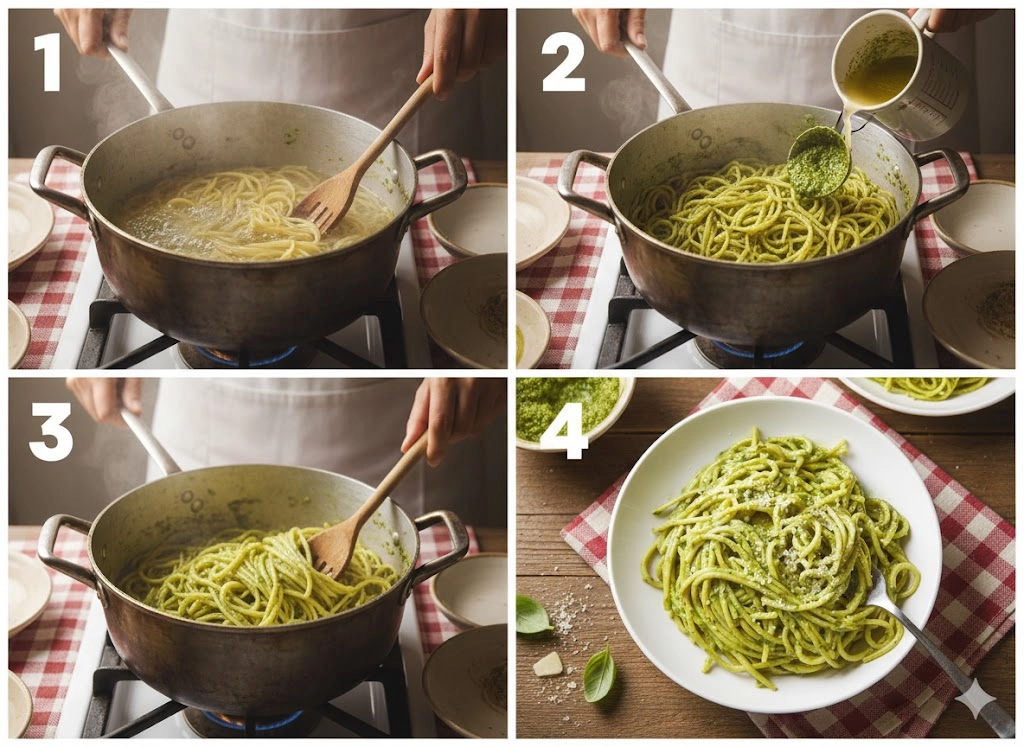
- Begin by bringing a large pot of water to a rolling boil. Be sure to salt the water heavily; it should taste like the sea. Add the 12 ounces of dried pasta to the water and cook according to the package instructions until it reaches an al dente texture.
- Before draining the pasta, carefully reserve 3/4 cup of the starchy pasta water. Drain the noodles and return them immediately to the empty, warm pot.
- To the pot of pasta, add 1 cup of basil pesto and 1/2 cup of your reserved pasta water.
- Turn the heat to medium-low. Stir the mixture constantly as it begins to simmer. This agitation helps the fats in the pesto and the starches in the water bind together. Continue cooking for 3 to 5 minutes until the sauce has reduced and the pasta is thoroughly coated in a glossy, shimmering green sauce. If the mixture looks too thick, add more of the reserved water a little at a time.
- Taste the pasta and add more kosher salt if necessary. Serve the dish immediately, topped with grated Parmesan and torn basil leaves if you so desire.
Achieving the Ultimate Creamy Consistency
The secret to this recipe isn’t just the pesto itself, but the “mantecatura”—the Italian term for the process of finishing pasta in a pan to create a creamy, emulsified sauce. When you add the reserved pasta water to the pot, you are introducing a liquid rich in starches that have been released by the wheat during the boiling process.
As you stir the pasta over medium-low heat, these starches act as a bridge between the olive oil in the pesto and the water. Without this step, the oil might simply slide off the noodles and pool at the bottom of your bowl. By simmering them together, you create a cohesive sauce that clings to every ridge and crevice of the pasta. This 3 to 5 minute window is where the magic happens; you will see the sauce transform from a watery green liquid into a thick, velvet-like coating that shines under the kitchen lights.
Modifications and Flavor Substitutions
While the classic basil version is a timeless masterpiece, this technique serves as a canvas for various interpretations. If you find yourself without traditional basil pesto, the mechanics of the recipe remain the same for other herb bases.
- Nut Variations: Try an arugula and walnut pesto for a peppery, slightly bitter edge that pairs beautifully with a heavier pasta shape like orecchiette.
- The Creamy Twist: For those who desire a richer, more decadent mouthfeel, stirring in a dollop of fresh ricotta or a splash of heavy cream during the simmering stage will result in a “pesto alla crema.”
- Veggie Additions: To add volume and nutrition, toss in a handful of baby spinach or frozen peas during the final two minutes of the pasta’s boiling time. They will drain with the pasta and become part of the glossy sauce.
- Protein Boosts: Grilled chicken breast, sautéed shrimp, or even seared scallops can be placed atop the finished pasta to turn this light meal into a hearty feast.
Vital Insights for Kitchen Success
To truly excel at this dish, one must respect the temperature. Pesto is a “raw” sauce by nature; the basil is fresh and the cheese hasn’t been melted. While we do simmer it briefly to create the emulsion, you must be careful not to subject the pesto to extreme, prolonged heat. Boiling the pesto for too long can cause the vibrant green color to turn a muddy olive brown and can make the garlic taste bitter. Keep your heat at medium-low and stop the moment the sauce reaches that perfect, glossy thickness.
Furthermore, consider the shape of your pasta. If you are using a shape with holes or ridges, like rigatoni or radiatori, you may find you need a bit more of the reserved pasta water. These shapes “trap” the sauce inside them, which is delightful for flavor but can sometimes make the overall dish feel drier if you aren’t generous with your emulsifying liquid.
Perfect Accompaniments and Serving Suggestions
A dish this vibrant deserves side dishes that complement its herbaceous profile without overpowering it. A crisp, acidic green salad with a lemon vinaigrette is the traditional partner, as the lemon cuts through the richness of the olive oil and pine nuts in the pesto.
If you are looking for something more substantial, a loaf of warm, crusty garlic bread is essential for mopping up any leftover sauce at the bottom of the plate. For wine enthusiasts, a crisp white wine like a Vermentino or a Sauvignon Blanc echoes the herbal notes of the basil and provides a refreshing contrast to the salty Parmesan.
Deep-Dive Culinary FAQ
Can I use fresh pasta instead of dried for this recipe?
Yes, you certainly can use fresh pasta, though you must be mindful of the significant difference in cooking time. Fresh pasta typically cooks in only two to three minutes and is much more delicate than its dried counterpart. When tossing fresh pasta with the pesto and water, use a gentle hand to ensure the tender noodles do not break apart during the emulsification process.
How do I prevent my pesto from turning brown?
The browning of pesto is caused by oxidation and heat. To maintain that bright, emerald green color, ensure you do not overcook the sauce in the final step. Additionally, if you are making your pesto from scratch, blanching the basil leaves for five seconds in boiling water and then immediately shocking them in ice water before blending can help lock in the chlorophyll and keep the color vivid for days.
Is it possible to make this dish dairy-free?
Absolutely. To make a dairy-free or vegan version, simply use a pesto that replaces the Parmesan cheese with nutritional yeast or extra nuts for saltiness and body. The technique of using starchy pasta water to create a glossy emulsion works just as well with vegan fats as it does with traditional ones, ensuring a satisfying texture without the need for dairy.
Storage and Future Enjoyment
If you find yourself with leftovers, they can be stored in an airtight container in the refrigerator for up to four days. However, pasta tends to soak up moisture as it sits. When you are ready to rewarm your meal, avoid the temptation to just throw it in the microwave on high. Instead, place it in a pan over medium heat with a small splash of water. This will “reactivate” the sauce, bringing back that glossy sheen and preventing the noodles from becoming gummy or dry.
Nutritional Profile
| Nutrient | Amount Per Serving |
| Calories | 480 |
| Total Fat | 22 grams |
| Saturated Fat | 4 grams |
| Sodium | 650 milligrams |
| Total Carbohydrates | 58 grams |
| Dietary Fiber | 3 grams |
| Sugars | 2 grams |
| Protein | 12 grams |
Disclaimer
The nutritional information provided is an estimate based on standard ingredients and a 2000 calorie diet. Actual values may vary depending on the specific brands of pesto and pasta utilized in your kitchen.
Perfect Glossy Pesto Pasta
Ingredients
- Kosher salt, for pasta water
- 12 ounces dried pasta (such as fusilli, penne, or spaghetti)
- 1 cup store-bought or homemade basil pesto sauce
- Grated Parmesan cheese, for serving (optional)
- Fresh basil leaves, torn for serving (optional)
Instructions
- Bring a large pot of heavily salted water to a rolling boil. Add 12 ounces of dried pasta and cook according to package directions until al dente.
- Carefully reserve 3/4 cup of the starchy pasta water before draining. Drain the pasta and return it immediately to the warm, empty pot.
- Add 1 cup of basil pesto and 1/2 cup of the reserved pasta water to the pot with the pasta.
- Set heat to medium-low and simmer, stirring constantly, until the sauce reduces and creates a glossy, shimmering coating on the pasta (about 3 to 5 minutes).
- Adjust consistency with more pasta water if needed. Taste for salt, then serve garnished with Parmesan and fresh basil if desired.
Notes
Equipment
- Large stock pot
- colander
- measuring cups
- Wooden spoon or pasta fork