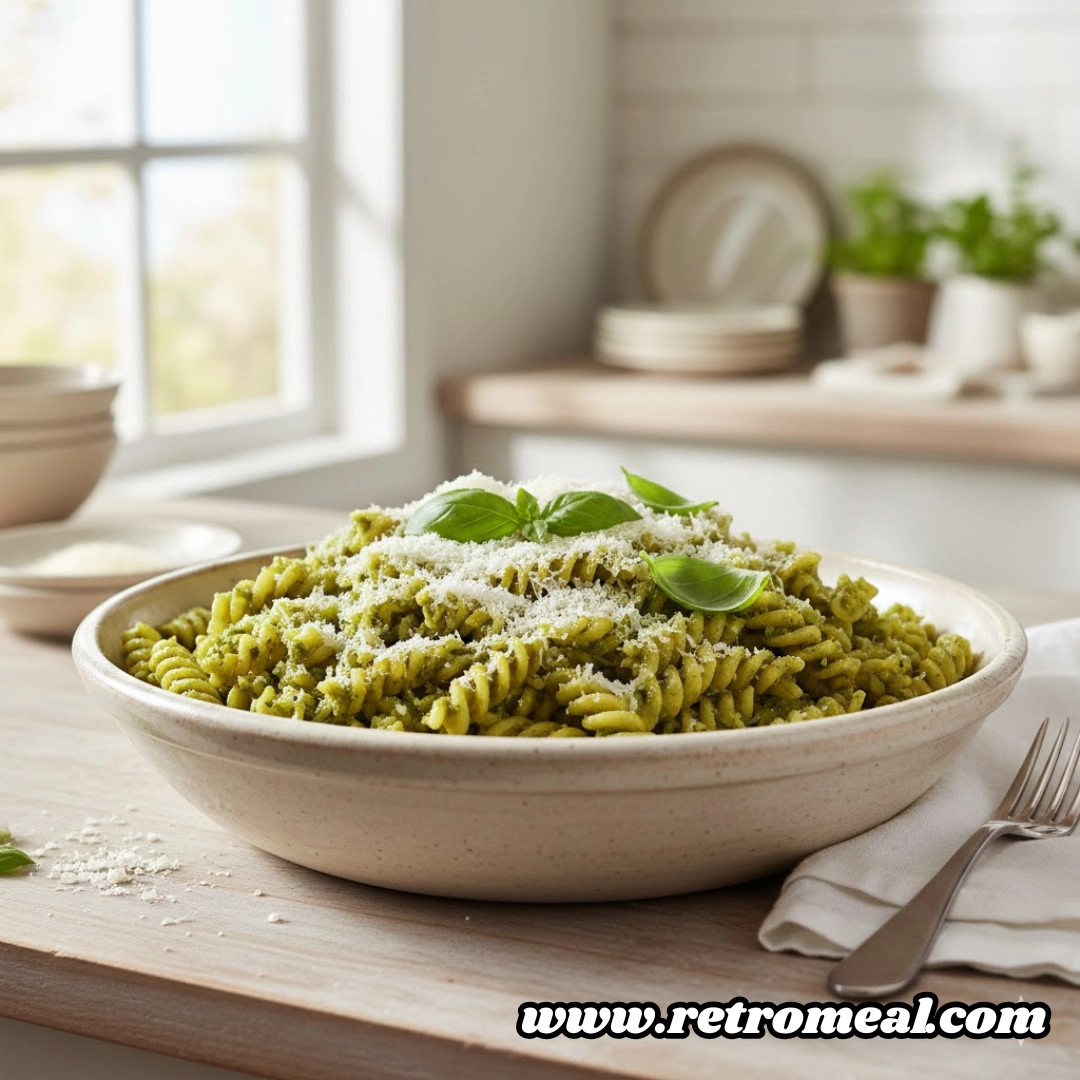
Finding a dinner solution that balances gourmet flavor with lightning-fast preparation is the holy grail of home cooking. This Pesto Pasta recipe is a vibrant, herbaceous masterpiece that transforms a few pantry staples into a sophisticated meal in just fifteen minutes. Whether you are navigating a hectic Tuesday evening or looking for a reliable crowd-pleaser for a weekend gathering, this dish delivers a punch of Mediterranean sunshine in every bite. The beauty of this preparation lies in its simplicity, allowing the aromatic basil and nutty Parmesan to shine through without being masked by over-complicated techniques.
Table of Contents
Essential Components for This Vibrant Pesto Pasta
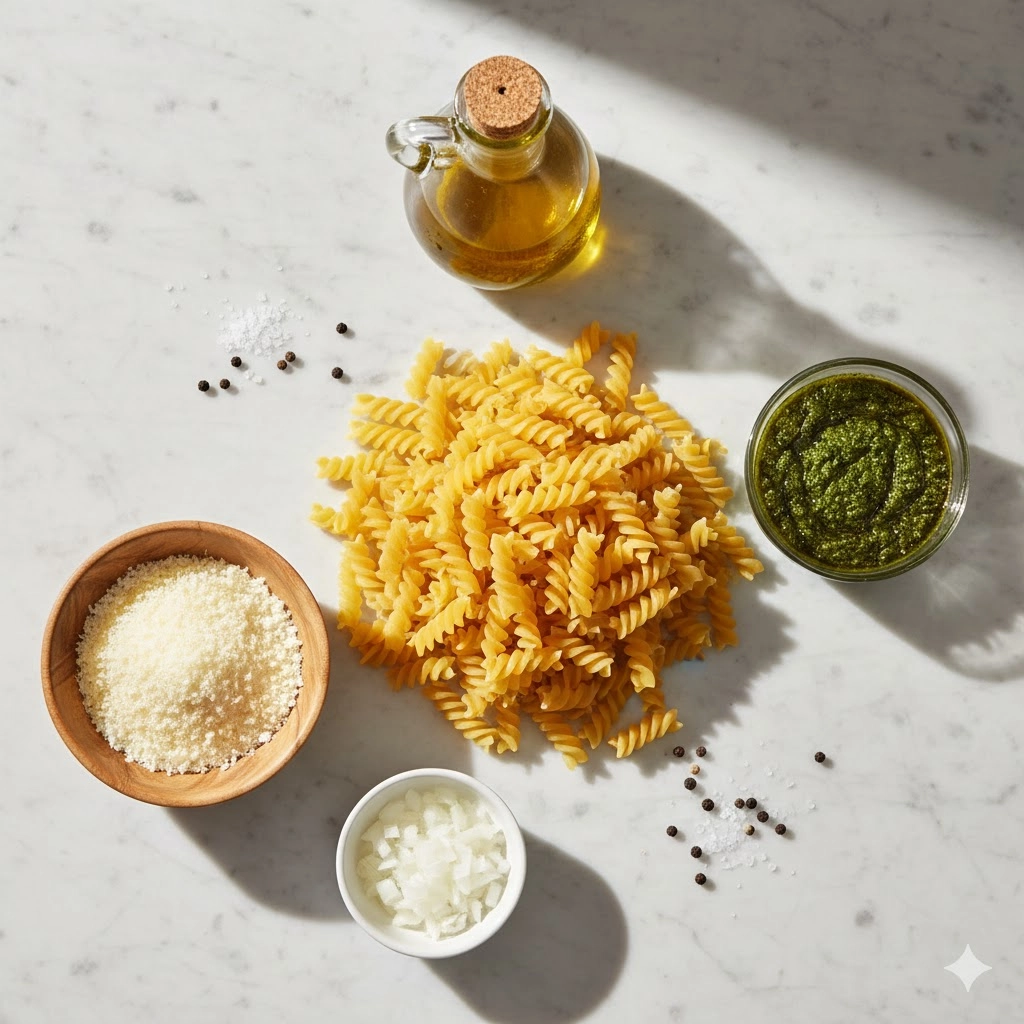
To achieve the best results, gathering high-quality ingredients is paramount. Below are the specific items you will need to create this comforting Italian-inspired dish:
- One 16 ounce package of your favorite pasta shape
- Two tablespoons of high-quality olive oil
- One half cup of finely chopped onion
- Two and one half tablespoons of basil pesto (or more according to your personal preference)
- Table salt to taste
- Freshly ground black pepper to taste
- Two tablespoons of freshly grated Parmesan cheese
Master the Preparation: Kitchen Instructions
Follow these precise steps to ensure your meal is executed perfectly every time:
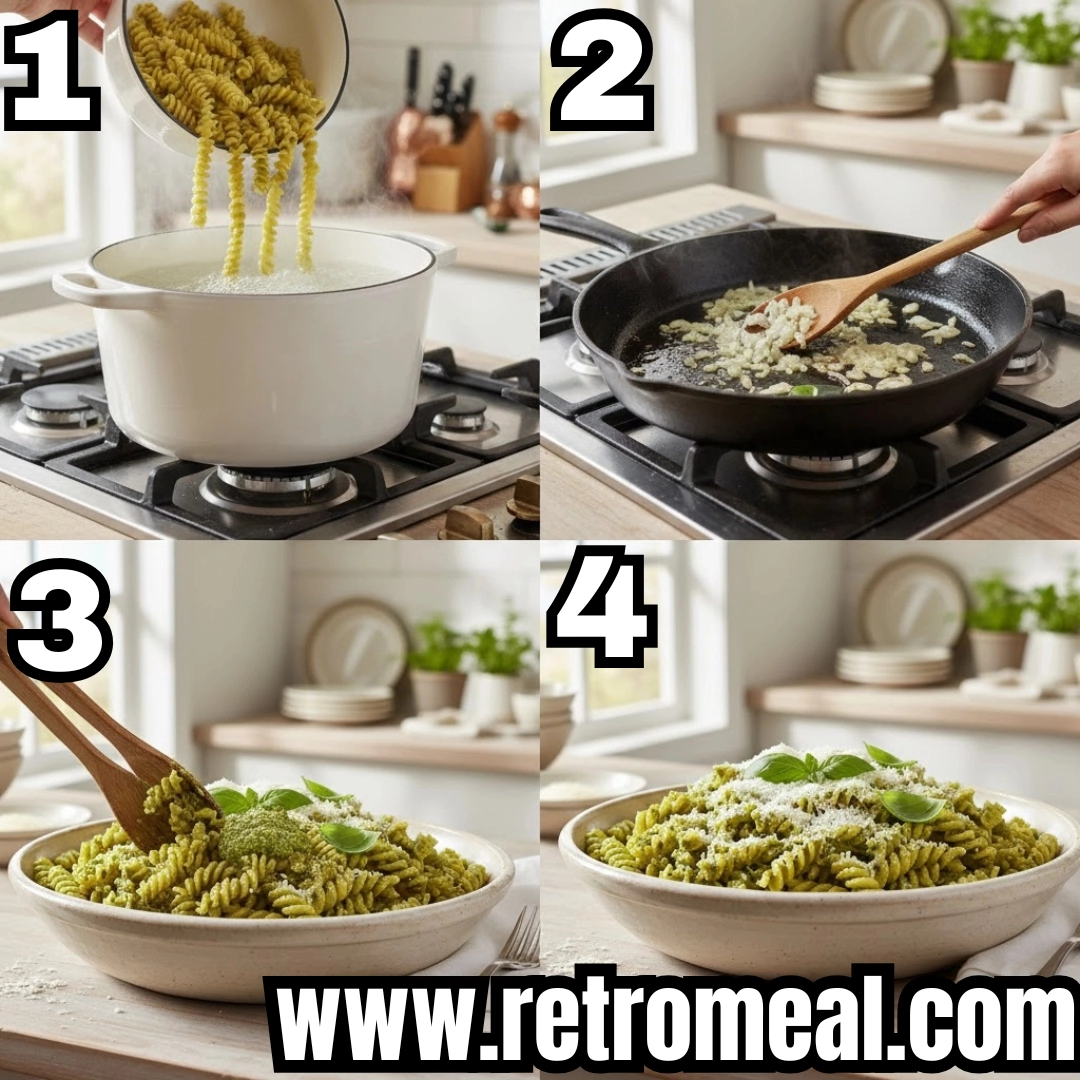
- Prepare the Cooking Environment: Begin by gathering all your ingredients on the counter. Fill a large stockpot with water and add a generous pinch of salt. Bring the water to a rolling boil over high heat.
- Boil the Pasta: Once the water is boiling, stir in your pasta. Return the water to a boil and cook uncovered. Stir occasionally to prevent sticking. Cook until the pasta is tender yet firm to the bite, which typically takes between eight to ten minutes.
- Drain and Set Aside: Carefully drain the cooked pasta into a colander and transfer it into a large, warmed mixing bowl.
- Sauté the Aromatics: While the pasta cooks, place a frying pan over medium-low heat and add the olive oil. Once the oil is shimmering, add the chopped onion. Cook and stir frequently for about three minutes or until the onion has softened and become translucent.
- Heat the Pesto: Stir the pesto, salt, and black pepper into the pan with the onions. Continue to stir until the mixture is thoroughly warmed through.
- Combine and Serve: Pour the warm pesto and onion mixture over the hot pasta. Sprinkle in the grated Parmesan cheese and toss everything together until every strand or shape is evenly coated in the emerald-green sauce.
Elevating the Texture: Step-by-Step Details and Science
The journey to a perfect bowl of Pesto Pasta starts with the water. When we talk about “lightly salted water,” it is more than just a seasoning step; it is about the chemistry of the noodle. Salt penetrates the starch molecules as they hydrate, ensuring the pasta itself has flavor rather than relying solely on the sauce. Aim for a boil that is vigorous—a “rolling boil”—which keeps the pasta in motion and prevents it from clumping together into a gummy mass.
While the pasta is dancing in the pot, the sautéing of the onion serves as the flavor foundation. Using olive oil on medium-low heat is a deliberate choice. We are not looking to brown or caramelize the onions; we want to “sweat” them. This process breaks down the cellular structure of the onion, releasing its natural sugars and softening its pungent bite into a mellow sweetness that complements the sharp, herbal notes of the basil pesto.
When you merge the pesto with the sautéed onions, you are essentially “tempering” the sauce. Warming it through helps to release the volatile oils in the basil and the aroma of the garlic and pine nuts often found in the pesto. However, be careful not to boil the pesto itself, as excessive heat can dull the bright green color of the basil and turn it a muddy brown. The goal is a gentle warmth that makes the sauce fluid enough to glide over the pasta surfaces.
Finally, the tossing stage is where the magic happens. By adding the pesto and Parmesan cheese to the pasta while it is still steaming hot, you create a slight emulsion. The residual heat melts the cheese just enough to act as a binding agent, helping the oil-based pesto cling to the pasta. This ensures that you don’t end up with a pool of oil at the bottom of the bowl and bare noodles on top.
Strategies for Customizing Your Flavor Profile
While the base recipe is a classic, the versatility of this dish is one of its greatest strengths. If you find yourself wanting a more intense herbal experience, do not hesitate to increase the pesto quantity to five tablespoons or more. The “more to taste” instruction in the ingredient list is an invitation to make the dish your own.
For those who enjoy a bit of texture, consider the “Cook’s Note” regarding leftovers. If you have remaining portions, this dish transitions beautifully into a cold pasta salad. Adding freshly chopped tomatoes provides a burst of acidity and juisiness that cuts through the richness of the oil and cheese. You can also experiment with different pasta shapes. While spaghetti or linguine are traditional, shapes like fusilli or penne are excellent because their ridges and hollow centers act as “pesto traps,” holding onto more of that delicious green sauce in every forkful.
Optimal Pairings and Presentation Styles
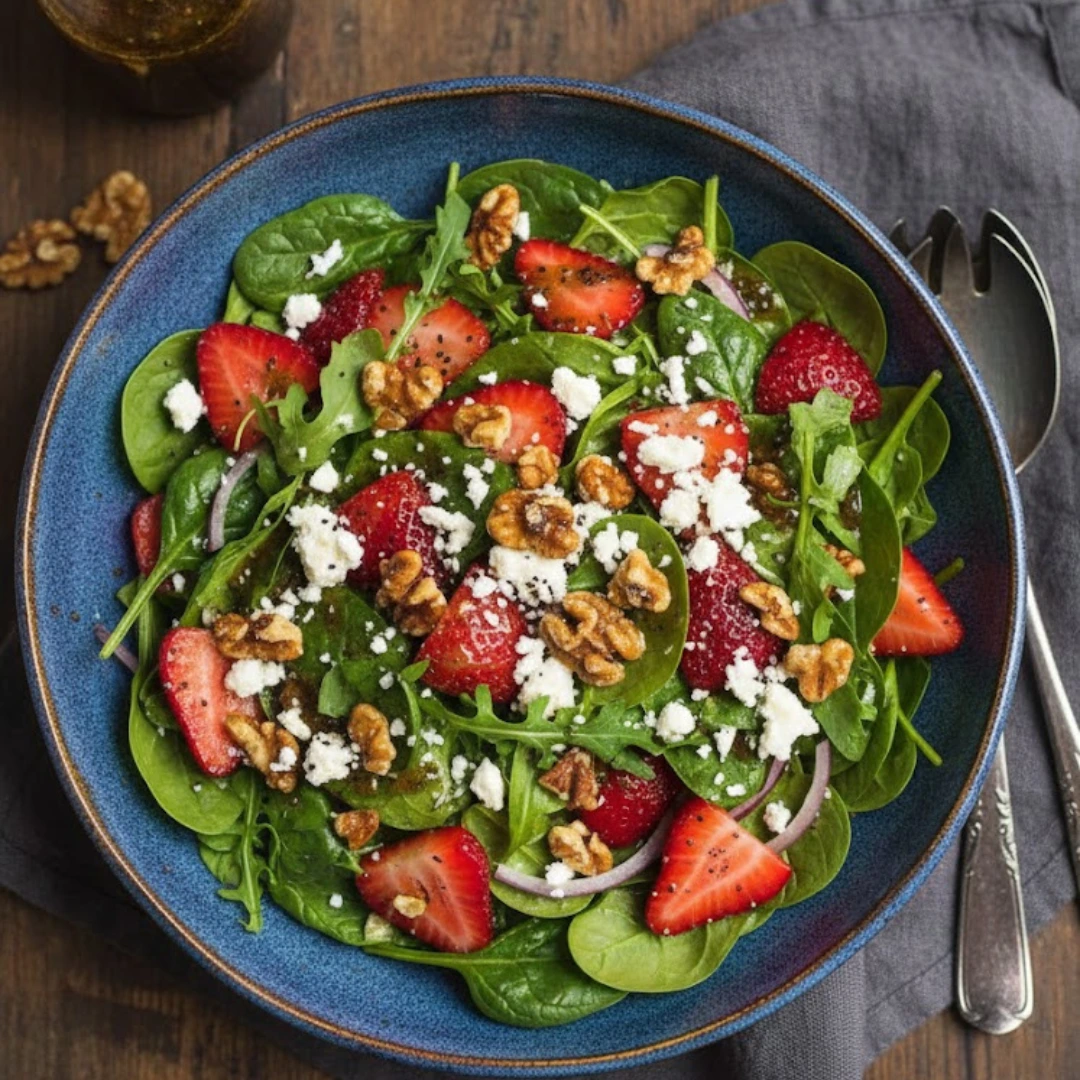
To turn this simple pasta into a full-course feast, consider the balance of your side dishes. A crisp, acidic element is often the best companion to the rich, nutty notes of the pesto. A classic restaurant-style Caesar salad with a tangy dressing and crunchy croutons provides an excellent textural contrast.
If you are looking for something more substantial, the addition of protein is a seamless upgrade. Grilled chicken breast sliced into strips, sautéed shrimp, or even sliced Italian sausage can be tossed directly into the pasta during the final mixing stage. For a vegetarian protein boost, canned chickpeas that have been rinsed and warmed through are a fantastic addition.
Don’t forget the bread. A warm French baguette or a loaf of crusty sourdough is essential for “scarpetta”—the Italian tradition of mopping up every last bit of delicious sauce left on the plate. If you want to lean into the Mediterranean theme, a balsamic-drizzled bruschetta with fresh tomatoes can serve as a sophisticated appetizer while the pasta boils.
Exploring Ingredient Modifications and Substitutions
Dietary needs or a sparsely stocked pantry shouldn’t stop you from enjoying this meal. If you are looking to reduce the dairy, you can omit the Parmesan cheese and substitute it with nutritional yeast, which provides a similar salty, nutty profile.
For those watching their carbohydrate intake, this pesto and onion base works remarkably well over zucchini noodles or spaghetti squash. If you don’t have onions on hand, a few cloves of minced garlic sautéed in the olive oil will provide a different but equally delicious aromatic base. Additionally, while the recipe calls for olive oil, avocado oil can be used in a pinch due to its neutral flavor and high smoke point, though you will miss the characteristic peppery notes of a good extra virgin olive oil.
Deep-Dive Common Culinary Inquiries
Why should I grate my own Parmesan cheese instead of using the pre-shredded variety?
Pre-shredded cheeses are often coated in anti-caking agents like cellulose to prevent the strands from sticking together in the package. These additives prevent the cheese from melting smoothly into your sauce, often resulting in a grainy or clumpy texture. Grating your own cheese from a wedge ensures a silkier melt and a much more vibrant, salty flavor that truly elevates the dish.
How can I prevent my pesto pasta from becoming too oily or greasy?
The key to a well-balanced pasta is the ratio of sauce to pasta and the temperature. If you find the dish too oily, ensure you are draining your pasta well but perhaps keeping a tablespoon of the starchy pasta cooking water. Mixing a splash of that water with the pesto can help create a cohesive sauce that sticks to the noodles rather than sliding off. Also, ensure you aren’t overdoing the olive oil during the onion-sautéing phase.
Can I freeze the finished pesto pasta for later use?
While you can freeze it, the texture of the pasta often suffers upon thawing, becoming somewhat mushy. Furthermore, the oil in the pesto can separate. It is much better to freeze the pesto sauce itself in ice cube trays and then simply boil fresh pasta when you are ready to eat. If you must store leftovers, the refrigerator is your best bet, where it will stay fresh for three to five days in an airtight container.
Is it necessary to cook the onions for the full three minutes?
Yes, the three-minute mark is generally when the sulfurous compounds in the onion begin to dissipate and the sugars start to release. If you undercook the onions, you may find “crunchy” bits in your pasta that have a sharp, raw taste which can overpower the delicate basil. Taking the time to let them soften ensures a harmonious flavor profile where the onion acts as a background supporter rather than the main star.
Final Thoughts on This Fifteen-Minute Masterpiece
This Pesto Pasta stands as a testament to the idea that you do not need hours in the kitchen to produce a meal that feels special. By focusing on the quality of your ingredients—from the freshness of the pesto to the bite of the Parmesan—you can create a dinner that rivaling any local trattoria. It is a reliable, comforting, and infinitely adaptable recipe that belongs in every home cook’s repertoire. Next time the clock is ticking and hunger is high, remember that a world-class meal is only a boil and a sauté away.
Nutrient Profile and Data
| Nutrient | Amount Per Serving |
| Calories | 225 |
| Total Fat | 7 grams |
| Carbohydrates | 32 grams |
| Protein | 8 grams |
Nutritional Disclaimer
The nutritional information provided is an estimate based on standard ingredients and a serving size for eight people. Actual nutritional values may vary depending on the specific brands of pasta and pesto used, as well as any additional ingredients or modifications made during the cooking process.
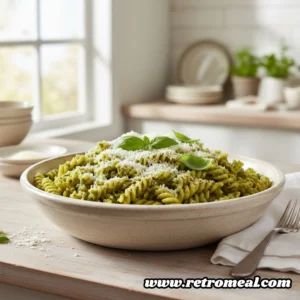
Quick and Savory 15-Minute Pesto Pasta
Ingredients
- 1 package pasta (16 ounce)
- 2 tbsp olive oil
- 0.5 cup chopped onion
- 2.5 tbsp pesto, or more to taste
- salt to taste
- freshly ground black pepper to taste
- 2 tbsp grated Parmesan cheese
Instructions
- Gather all ingredients. Fill a large pot with lightly salted water and bring to a rolling boil.
- Stir in pasta and return to a boil. Cook pasta uncovered, stirring occasionally, until tender yet firm to the bite (about 8 to 10 minutes).
- Drain the cooked pasta and transfer it into a large mixing bowl.
- Meanwhile, heat olive oil in a frying pan over medium-low heat. Add chopped onion; cook and stir until softened and translucent, about 3 minutes.
- Stir the pesto, salt, and pepper into the pan with the onions until the mixture is warmed through.
- Add the warm pesto mixture to the hot pasta. Sprinkle in the grated Parmesan cheese and toss well until the pasta is evenly coated.
Notes
Equipment
- Large stockpot For boiling pasta
- colander For draining
- Frying pan For sautéing aromatics
- large mixing bowl For tossing the final dish
- Cheese grater For fresh Parmesan