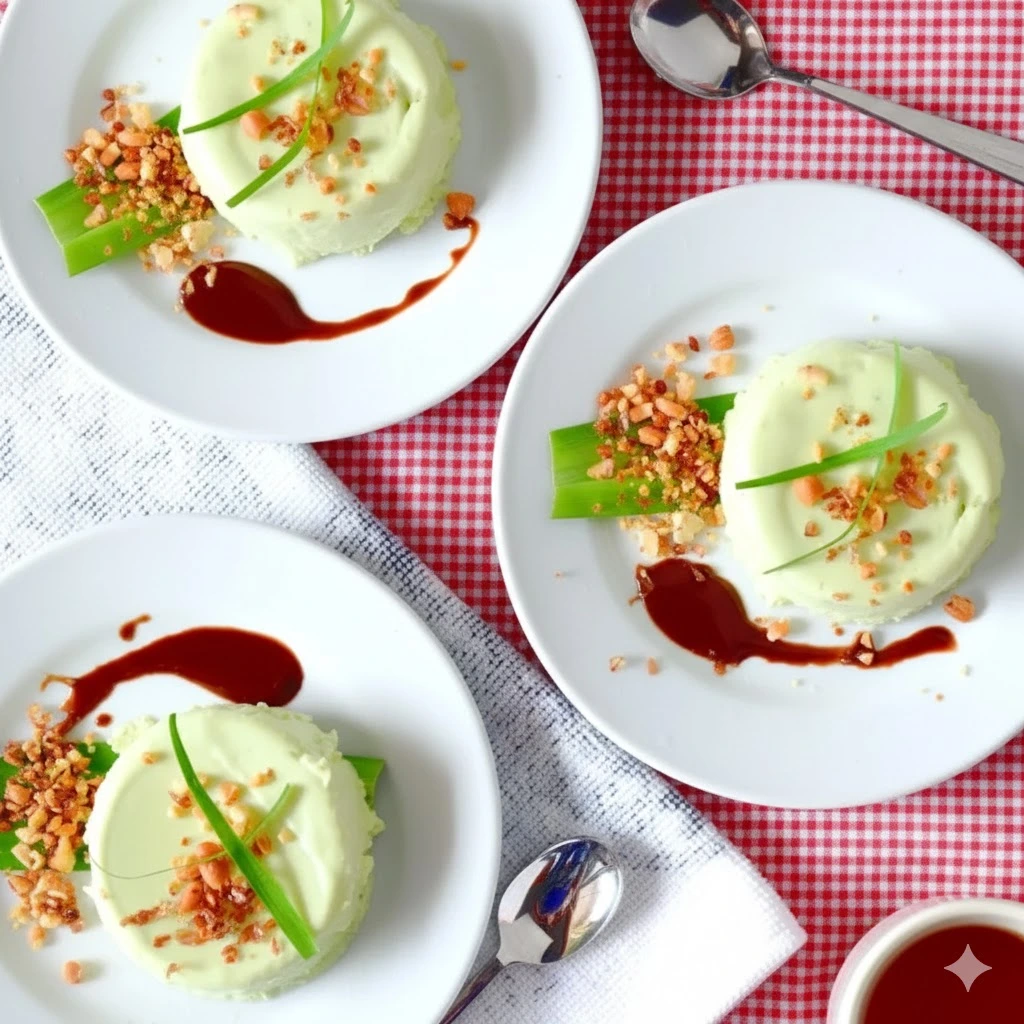
The intersection of classic Italian technique and vibrant Southeast Asian ingredients creates a dessert that is nothing short of transformative. If you have ever felt that traditional vanilla desserts lacked a certain “je ne sais quoi,” this Pandan Coconut Panna Cotta is the answer. It combines the silky, wobble-perfect structure of a traditional Piedmontese cream with the botanical, nutty, and almost vanilla-like aroma of fresh pandan leaves.
By swapping a portion of the heavy dairy for rich coconut milk, we introduce a tropical depth that feels both indulgent and refreshing. Whether you are hosting an elegant dinner party or simply want to elevate your weekend treat, this recipe offers a sophisticated profile that is surprisingly easy to achieve in any home kitchen.
Table of Contents
Ingredients for Your Tropical Infusion
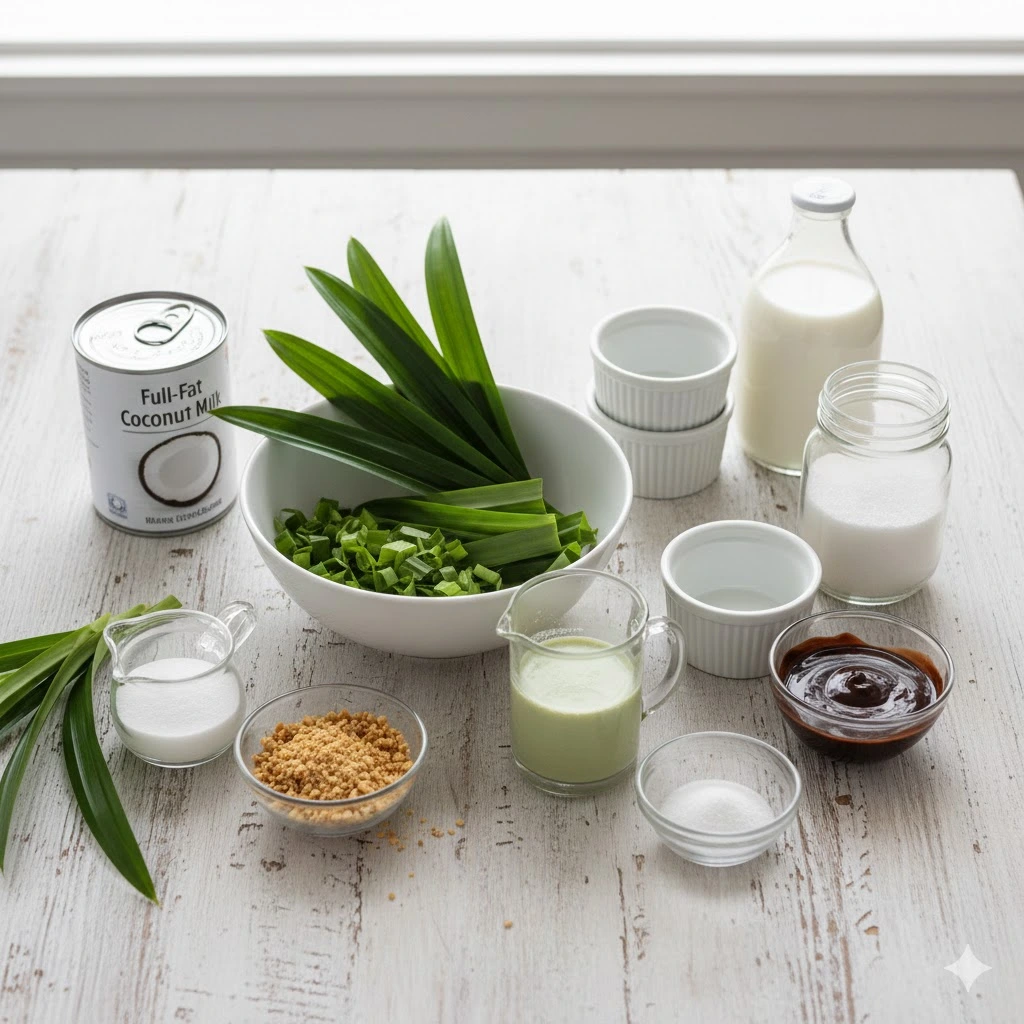
To create this masterpiece, you will need to organize your components into four distinct groups. Precision is key when working with gelatin to ensure that iconic “wobble” that defines a high-quality panna cotta.
Group A: The Gelatin Base
- 10 grams gelatin powder
- 30 grams whole milk
Group B: The Pandan Essence
- 15 grams fresh pandan leaves (also known as screwpine leaves)
- 150 grams full fat coconut milk
Group C: The Creamy Foundation
- 120 grams whole milk
- 150 grams heavy cream
- 40 grams granulated white sugar
Group D: The Finishing Touches
- 40 grams roasted groundnuts (crushed)
- Extra pandan leaves for garnish
- High quality chocolate syrup for drizzling
Primary Preparation Instructions
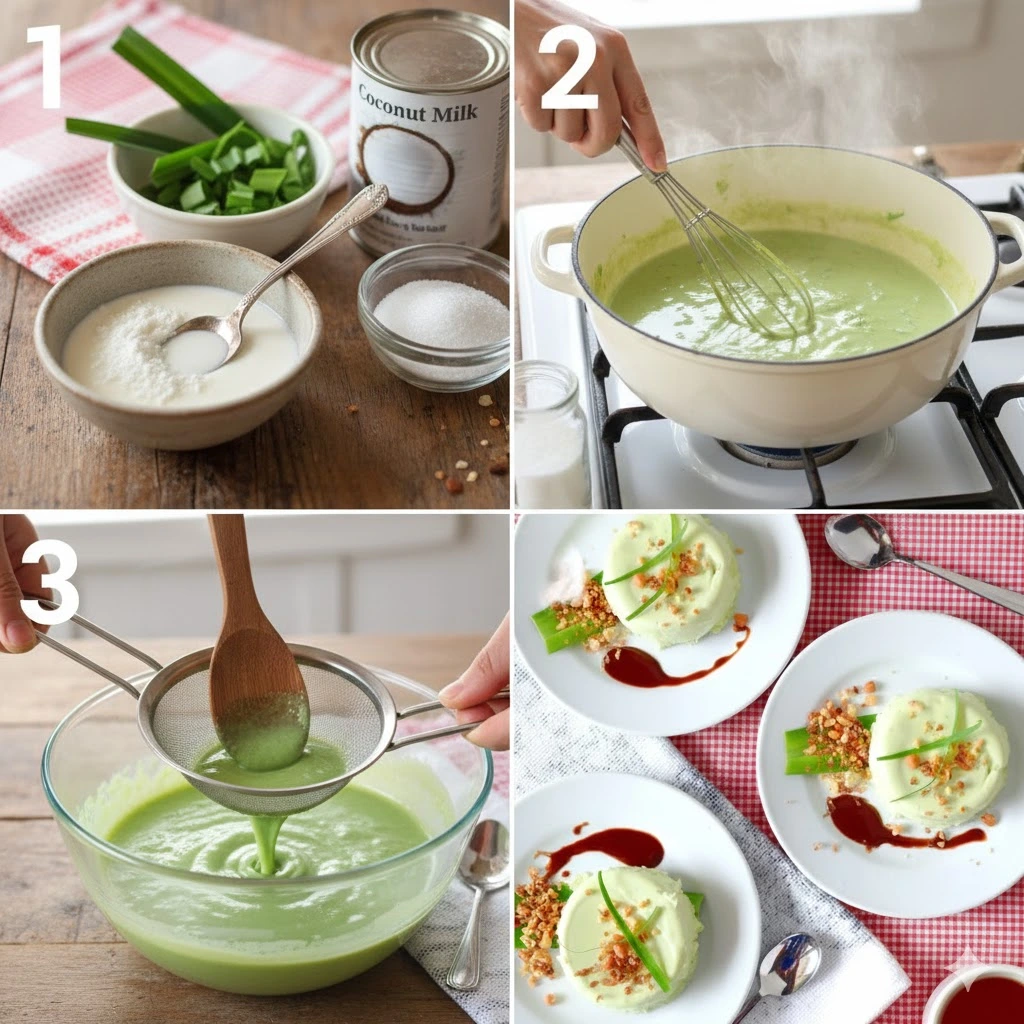
- Bloom the Gelatin: Begin by combining the 10 grams of gelatin with 30 grams of milk in a small bowl. Stir it gently to ensure the powder is evenly distributed. Set this aside for at least five minutes to allow the gelatin to hydrate and bloom.
- Prepare the Pandan: Take your 15 grams of pandan leaves and cut them into short pieces using kitchen shears. Place these into a blender or food processor along with 150 grams of coconut milk. Blend thoroughly until the leaves are pulverized and the milk has turned a vibrant green.
- Heat the Dairy: In a small saucepan over a small flame, combine the 120 grams of milk, 150 grams of heavy cream, and 40 grams of sugar. Add your blended pandan and coconut milk mixture to the pot.
- Simmer and Infuse: Bring the mixture to a boil over medium heat, allowing it to bubble for exactly one minute. This step is crucial for extracting the aromatic oils from the leaf particles.
- Refine the Texture: Pour the hot liquid through a fine-mesh strainer into a clean bowl. Press down on the solids to extract every drop of flavor, then discard the fibrous leaf remains. This ensures a velvety mouthfeel without any grittiness.
- Temper and Combine: Allow the strained liquid to cool until it reaches approximately room temperature. Once cooled, whisk in the bloomed gelatin mixture from Group A until completely dissolved and smooth.
- Mold the Dessert: Lightly oil the interior of four ramekins with a neutral oil. Divide the coconut mixture evenly among the molds.
- Chill and Set: Place the ramekins in the refrigerator. The panna cotta requires several hours to set, though half a day (12 hours) is recommended for the best structural integrity.
- Unmold and Serve: To serve, run a thin knife carefully around the edge of the ramekin. Dip the bottom of the mold into hot water for five seconds. Invert the mold onto a serving plate and shake gently until the dessert releases.
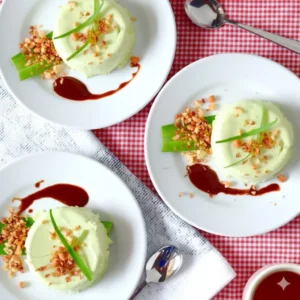
- Garnish: Decorate with fresh pandan leaves, a generous sprinkle of roasted crushed groundnuts, and a drizzle of chocolate syrup.
Achieving the Ultimate Creamy Consistency
The magic of a panna cotta lies entirely in its texture. In Italian, “panna cotta” literally translates to “cooked cream,” and the goal is a dessert that holds its shape on the plate but melts the moment it touches your tongue. Achieving this requires a delicate balance of temperature and timing.
When you are heating your Group C ingredients, avoid the temptation to use a high flame. A gentle, medium-low heat prevents the milk from scorching or developing a “skin” on top. Furthermore, the science of gelatin is quite specific. You must never boil the gelatin itself once it has been added to the base. Boiling gelatin can break down its protein bonds, leading to a dessert that never quite sets or becomes unpleasantly grainy. Adding the bloomed gelatin to the mixture when it is around 130 degrees Fahrenheit is the sweet spot for a perfect bind.
The choice of coconut milk also plays a massive role in the final mouthfeel. Aim for a brand that contains at least 25 percent fat. If the fat content is too low, the panna cotta may feel “watery” or icy rather than creamy. If you are using canned coconut milk, give it a good shake before measuring, as the fat often separates from the liquid while sitting on the grocery store shelf.
Exploring Creative Variations and Substitutions
While the combination of pandan and coconut is a match made in culinary heaven, there is plenty of room to adapt this recipe to your personal pantry.
The Nut Factor
Roasted groundnuts provide an earthy, salty crunch that cuts through the richness of the cream. However, if you have an allergy or simply prefer a different profile, toasted slivered almonds or crushed macadamia nuts are excellent alternatives. For a nut-free version, toasted shredded coconut meat provides a wonderful textural contrast while doubling down on the tropical theme.
The Sweetener
While granulated sugar provides a clean sweetness that allows the pandan to shine, you could experiment with palm sugar (Gula Melaka) for a deeper, caramel-like undertone. If you make this swap, the color of the panna cotta will shift from a light spring green to a more olive-toned hue.
Flavor Extracts
If you cannot source fresh or frozen pandan leaves, pandan extract or paste can be used. Be cautious, however, as extracts are highly concentrated. Start with a quarter teaspoon and adjust based on the intensity of the aroma. Note that many extracts contain green food coloring, which will result in a much brighter, neon-colored dessert compared to the natural, subtle green of fresh leaves.
Masterful Pairing and Serving Suggestions
Presentation is everything with a molded dessert. Because this panna cotta has a subtle, botanical flavor profile, it pairs beautifully with high-contrast toppings.
The original recipe suggests chocolate syrup, which might seem unusual at first, but the bitterness of the cocoa perfectly complements the nutty notes of the pandan. If you want to keep the flavor profile strictly Southeast Asian, consider a drizzle of salted coconut caramel or a spoonful of mango coulis.
Fresh fruit is another fantastic accompaniment. Slices of ripe mango, fresh lychees, or even a few tart raspberries can provide an acidic brightness that cleanses the palate between bites of the rich cream. If you are serving this at a dinner party, consider chilling your serving plates in the freezer for ten minutes before unmolding. This prevents the panna cotta from melting too quickly as it sits on the table, maintaining that gorgeous “wobble” for your guests to admire.
The Science of Successful Unmolding
The most nerve-wracking part of making panna cotta is the moment of truth: getting it out of the ramekin. To ensure a clean release every time, the “oil and heat” method is your best friend.
When oiling your ramekins, less is more. You don’t want a pool of oil at the bottom; you simply want a microscopic film. Using a clean finger to wipe a drop of neutral oil (like grapeseed or light vegetable oil) around the interior is more effective than a spray.
If the dessert seems stuck after the five-second hot water bath, do not force it. Prying it with a knife will leave jagged edges. Instead, give it another three to five seconds in the hot water. The heat slightly melts the outermost layer of the gelatin, creating a “slide” for the rest of the dessert to glide out. A firm, vertical shake is usually all it takes to hear that satisfying “plop” onto the plate.
Understanding the Ingredients: A Deep Dive
Pandan Leaves (The Screwpine)
Pandan is often referred to as the “vanilla of the East.” It has a complex aroma—think of a mixture of grassy notes, toasted rice, and a hint of floral sweetness. In this recipe, the leaves aren’t just for flavor; they provide the natural chlorophyll that gives the panna cotta its signature tint.
Gelatin Management
Gelatin is a protein derived from collagen. When it is “bloomed” in cold milk, the granules swell and prepare to dissolve. If you skip the blooming process and dump dry powder into a hot liquid, you will likely end up with “gelatin lumps” that are impossible to whisk out. Consistency is the hallmark of a professional-grade dessert.
Coconut Milk vs. Coconut Cream
For this recipe, we use a blend of coconut milk and heavy dairy cream. This ensures the dessert isn’t too heavy or oily. Coconut milk provides the flavor, while the heavy cream provides the structural stability and traditional dairy richness that identifies it as a true panna cotta.
Essential Kitchen Insights for Success
Making this dessert is a lesson in patience. It is tempting to check the ramekins after two hours, but gelatin takes time to fully cross-link its protein chains. If you attempt to unmold too early, you will likely end up with a delicious—but collapsed—puddle of cream.
Always use a fine-mesh sieve. No matter how powerful your blender is, pandan leaves are incredibly fibrous. If you don’t strain the mixture, you will find “hairs” from the leaves in your dessert, which completely ruins the luxury of the experience.
Finally, consider the age of your gelatin. If your gelatin powder has been sitting in the back of the pantry for several years, its blooming power may have diminished. For a dessert where the gelatin is the only thing holding it together, using fresh ingredients is vital.
Deep-Dive Culinary FAQ
How long can I store this Pandan Coconut Panna Cotta in the refrigerator?
You can safely keep the panna cotta chilled for up to three days. It is important to keep the ramekins covered with plastic wrap to prevent the cream from absorbing “fridge smells” like onions or garlic. However, keep in mind that as the days pass, the gelatin continues to firm up. By day four, the texture may shift from velvety and wobbly to somewhat rubbery and dense.
Can I make a vegan version of this recipe using agar-agar?
Yes, you can substitute agar-agar for the gelatin, but the ratio and technique change significantly. Agar-agar sets much firmer than gelatin and requires boiling to activate. Unlike gelatin, which melts at body temperature (giving panna cotta its “melt-in-your-mouth” quality), agar-agar stays firm. If you go this route, you will need to replace the milk and heavy cream with plant-based alternatives like soy or oat milk to keep it entirely vegan.
Why did my panna cotta separate into layers in the fridge?
Layering usually happens for one of two reasons. First, if the mixture was too hot when you poured it into the ramekins, the heavier fats in the coconut milk might have risen to the top while the water-heavy milk stayed at the bottom. Second, if the gelatin wasn’t fully incorporated, it could settle. To avoid this, always let your mixture cool to room temperature and give it one last gentle stir before pouring it into your molds.
Is there a difference between using fresh and frozen pandan leaves?
In most cases, frozen pandan leaves are an excellent substitute for fresh ones and are often more readily available in Western markets. Just ensure you thaw them completely and pat them dry before cutting and blending. They retain almost all of the aromatic potency of fresh leaves, though you may find you need a few extra grams to achieve the same vibrant green color.
A Final Note on This Tropical Delight
This Pandan Coconut Panna Cotta is more than just a sweet treat; it is a bridge between two culinary worlds. The subtle, earthy fragrance of the pandan combined with the luscious mouthfeel of coconut and cream creates a sensory experience that is hard to forget. It is proof that with a few simple ingredients and a bit of patience, you can create a restaurant-quality dessert that looks as beautiful as it tastes. Whether you serve it with a classic chocolate drizzle or a modern fruit compote, this dish is sure to become a staple in your dessert repertoire.
Nutrition Information
| Nutritive Component | Amount Per Serving |
| Calories | 295 |
| Total Fat | 22 grams |
| Saturated Fat | 16 grams |
| Cholesterol | 45 milligrams |
| Sodium | 47 milligrams |
| Total Carbohydrates | 20 grams |
| Dietary Fiber | 0 grams |
| Sugars | 16 grams |
| Protein | 5 grams |
Nutritional Disclaimer
The nutritional data provided is an estimate calculated by Nutritionix based on standard ingredient measurements. Actual nutritional content may vary depending on the specific brands of coconut milk and heavy cream used in your preparation.
Pandan Coconut Panna Cotta
Ingredients
- 10 g gelatin powder
- 30 g whole milk (for blooming)
- 15 g fresh pandan leaves, cut into pieces
- 150 g full-fat coconut milk
- 120 g whole milk
- 150 g heavy cream
- 40 g granulated white sugar
- 40 g roasted groundnuts, crushed
- 1 extra pandan leaves for decoration
- 1 tbsp chocolate syrup for drizzling
Instructions
- Mix the gelatin and 30g of milk together in a small bowl. Stir gently for even distribution and set aside for five minutes to bloom.
- Cut pandan leaves into short pieces and blend them together with the coconut milk in a food processor until pulverized.
- In a small saucepan over a small flame, heat the 120g milk, heavy cream, and sugar. Add the blended pandan mixture and bring to a boil for one minute.
- Strain the boiled liquid through a fine-mesh strainer into a bowl to remove all leaf fibers, ensuring a smooth texture.
- Allow the liquid to cool down to room temperature. Once cooled, whisk in the bloomed gelatin mixture until fully dissolved.
- Lightly oil the inner surface of four ramekins. Fill them with the coconut mixture and place in the refrigerator to set for at least half a day.
- To serve, run a knife along the edge, dip the ramekin in hot water for five seconds, and invert onto a plate.
- Decorate with fresh pandan leaves and serve immediately with a topping of roasted groundnuts and a drizzle of chocolate syrup.
Notes
Equipment
- small saucepan
- blender or food processor
- Fine-mesh strainer
- Ramekins or small bowls
- whisk