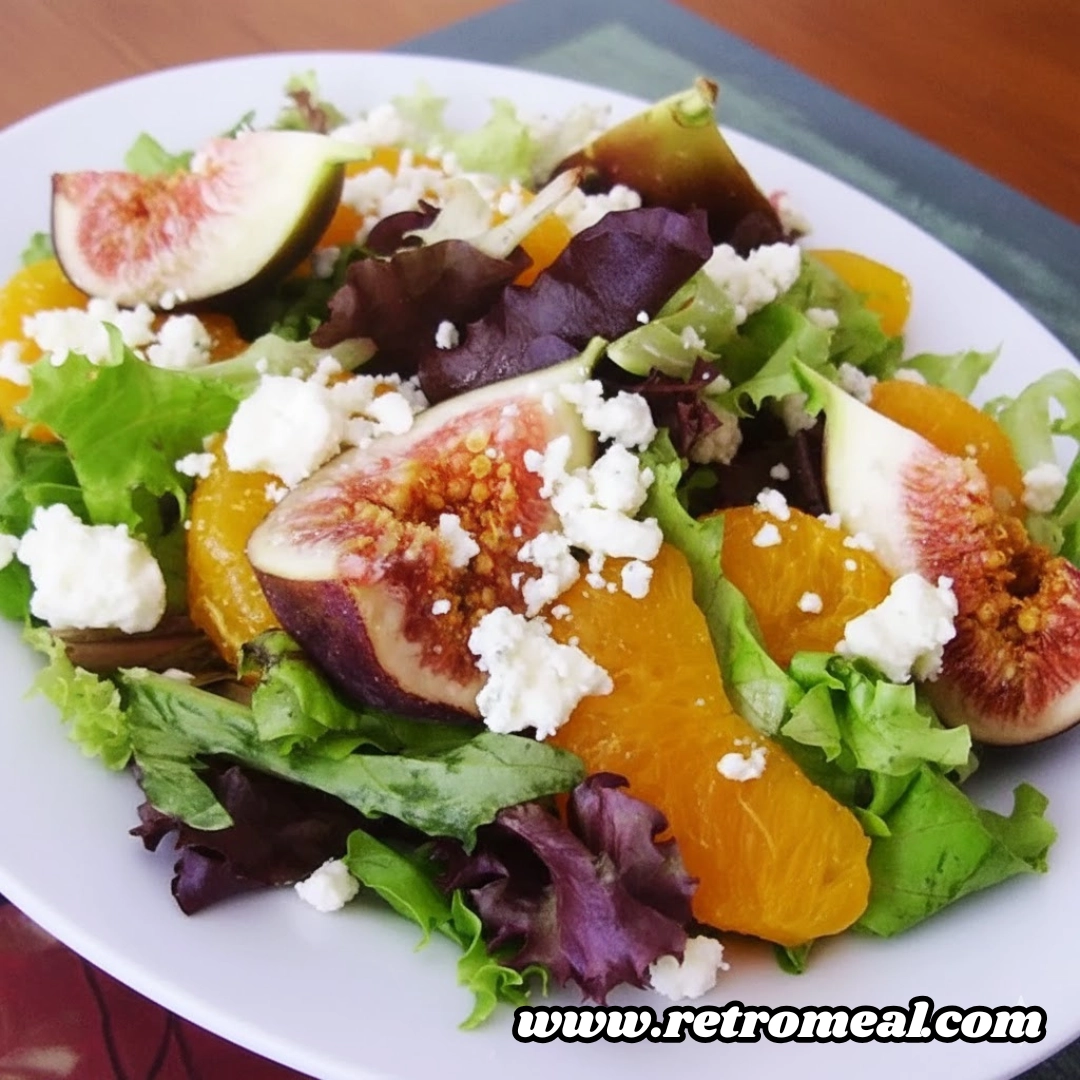
When it comes to creating a plate that feels like a masterpiece but requires very little time in the kitchen, few combinations rival the sophisticated trio of citrus, stone fruit, and pungent cheese. This Orange Fig and Gorgonzola Salad is a testament to the idea that high-quality ingredients can do the heavy lifting for you. By pairing the bright, acidic burst of fresh oranges with the honeyed, jammy texture of ripe figs and the creamy, salty bite of Gorgonzola, you create a profile that hits every single taste bud. This salad is not just a side dish; it is a conversation starter that brings a touch of Mediterranean flair to your American table. Whether you are hosting a formal dinner party or simply want to treat yourself to a gourmet lunch, this recipe delivers a perfect balance of crunch, sweetness, and savory depth.
Table of Contents
The Essential Components for Your Salad
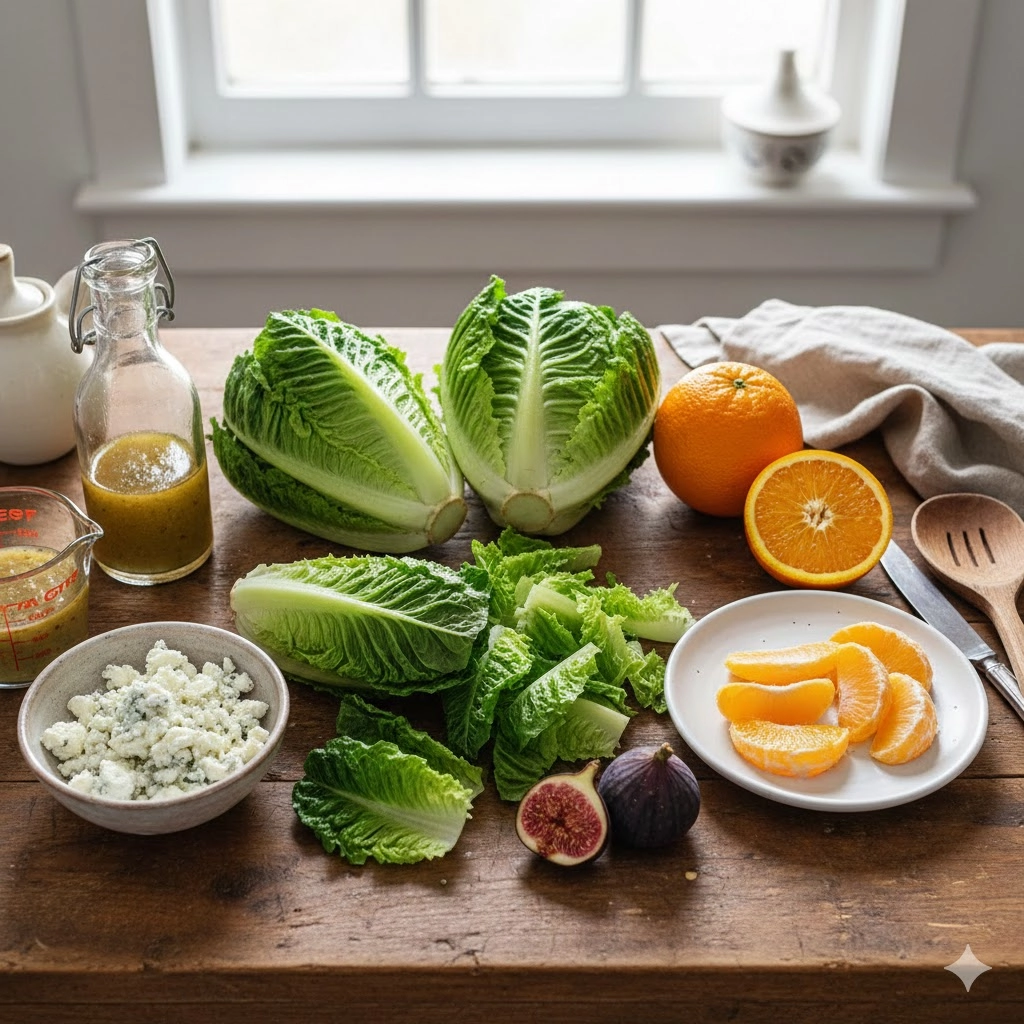
Before you begin assembling this vibrant dish, ensure you have gathered these high-quality ingredients. The simplicity of this recipe means that the freshness of each item is paramount to the final result.
- 2 heads romaine lettuce, chopped
- 2 oranges, which must be peeled, have the pith removed, and be cut into segments
- One half cup crumbled Gorgonzola cheese
- 2 fresh figs, cut into 1 inch cubes
- One fourth cup vinaigrette dressing, or more to taste
Primary Assembly Instructions
Creating this gourmet salad is a straightforward process that yields professional results in just about fifteen minutes. Follow these direct steps to assemble your dish.
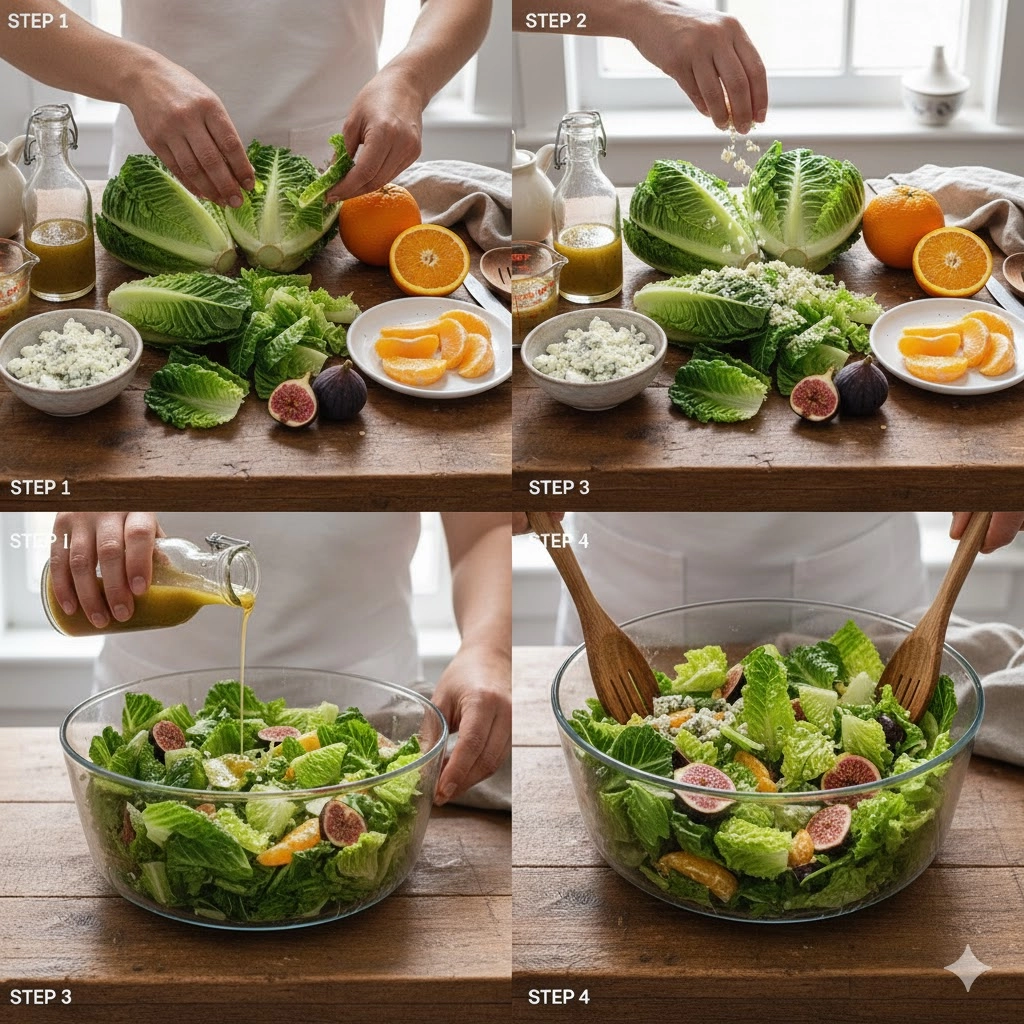
- Begin by placing your chopped romaine lettuce into a large mixing bowl.
- Add the prepared orange segments, the crumbled Gorgonzola cheese, and the cubed fresh figs to the bowl with the lettuce.
- Drizzle your chosen vinaigrette dressing over the top of the combined ingredients.
- Toss the salad gently until every leaf and fruit segment is evenly coated with the dressing, then serve immediately.
Mastering the Texture and Presentation
To turn a simple assembly into a culinary event, you must pay attention to the tactile experience of the food. The romaine lettuce provides the structural foundation; it is essential that the leaves are washed in cold water and spun completely dry. Any lingering moisture on the leaves will dilute the vinaigrette and prevent the Gorgonzola from clinging to the greens. When you chop the romaine, aim for bite-sized ribbons that offer a sturdy crunch to contrast the softness of the figs.
The oranges require a bit of finesse. To ensure a premium experience, you should “supreme” the oranges if possible. This involves cutting away not just the peel, but the white pith and the thin membranes that separate the segments. This leaves you with pure, juicy citrus “fillets” that melt in the mouth. When these segments interact with the Gorgonzola, the acidity of the juice cuts through the richness of the cheese, creating a harmonious palate cleanser.
The figs are the crown jewels of this recipe. Fresh figs are delicate, so when you cube them into 1 inch pieces, use a very sharp serrated knife to avoid squashing the fruit. Their seeds provide a tiny, delightful crunch that mimics the texture of the lettuce while their flesh provides a deep, earthy sweetness. If your figs are particularly ripe, they will be almost creamy, bridging the gap between the crisp lettuce and the pungent cheese.
Selecting the Perfect Vinaigrette and Accompaniments
The choice of vinaigrette can dramatically shift the mood of this Orange Fig and Gorgonzola Salad. A classic balsamic vinaigrette is a traditional choice because the dark, syrupy notes of the vinegar lean into the sweetness of the figs. However, if you prefer a lighter, more modern profile, a champagne vinaigrette or a simple lemon and olive oil emulsion works beautifully. The goal is to provide enough fat and acid to bind the flavors without masking the distinct personality of the Gorgonzola.
To turn this into a full meal, consider what you serve alongside it. A crusty sourdough baguette or rosemary focaccia is ideal for swiping up any leftover dressing or stray crumbles of cheese. For protein, thinly sliced prosciutto or a grilled chicken breast seasoned with nothing but salt and cracked black pepper would complement the salad without competing for attention. If you are serving this as part of a multi-course dinner, it acts as a phenomenal bridge between a heavy pasta dish and a light dessert.
Understanding Ingredient Variations and Seasonal Changes
While this recipe is perfection in its original form, the modern kitchen is often a place of adaptation. If fresh figs are out of season, you can find success by using dried figs that have been lightly rehydrated in warm water or even a splash of orange juice. The texture will be different—more chewy than jammy—but the flavor profile remains intact.
For the cheese, Gorgonzola is preferred for its specific balance of creaminess and “funk,” but other blue cheeses can step in. A Roquefort will provide a much saltier, sharper bite, while a Danish Blue might be a bit more mellow. If you find blue cheese too aggressive, a high-quality goat cheese or even a shaved Manchego can offer a different but equally delicious salty component. For the citrus, while standard Navel oranges are excellent, experimenting with Blood oranges can add a stunning deep red visual element and a slightly more berry-like flavor to the mix.
Secrets to High Level Salad Preparation
The difference between a home-cooked salad and one from a five-star bistro often lies in the temperature and the timing. Always chill your salad bowl before assembly. A cold bowl keeps the romaine crisp and prevents the Gorgonzola from becoming too soft and greasy while you are tossing it. Furthermore, the timing of the dressing is critical. Because romaine is a sturdy leaf, it can stand up to dressing for a few minutes, but for the absolute best experience, do not add the vinaigrette until the very moment you are ready to sit down and eat.
Another insight involves the distribution of the cheese. Instead of dumping the half cup of Gorgonzola in one spot, sprinkle it across the top like snow. This ensures that as you toss the salad, the cheese creates a light coating on the other ingredients rather than clumping together. If you want a more visual “pop,” reserve a few orange segments and fig cubes to place on top of the bowl after tossing; this gives the diner a preview of the treasures hidden beneath the greens.
Commonly Asked Questions About Citrus and Fig Salads
Can I prepare this salad in advance for a dinner party?
While you can certainly prep the components ahead of time, it is not recommended to assemble the salad fully until you are ready to serve. You can chop the romaine, segment the oranges, and crumble the cheese up to four hours in advance, keeping them in separate containers in the refrigerator. However, figs should be cut as close to serving as possible to prevent them from oxidizing or becoming overly mushy. Combine and dress the salad only at the last minute to maintain the crispness of the lettuce.
What is the best way to remove the pith from the oranges without losing too much fruit?
The most effective method is to slice off the top and bottom of the orange so it sits flat on your cutting board. Then, using a sharp knife, follow the curve of the fruit from top to bottom, cutting away the peel and the white pith in strips. Once the flesh is exposed, you can easily slice between the membranes to pop out the clean segments. This technique ensures you get the most juice and the best texture for your salad.
Is there a specific type of Gorgonzola that works best for this recipe?
There are generally two types of Gorgonzola: Dolce and Piccante. Gorgonzola Dolce is milder, sweeter, and much creamier, making it a great choice if you want a more subtle cheese flavor that blends with the dressing. Gorgonzola Piccante is aged longer, resulting in a firmer texture and a much sharper, more pungent flavor. For this specific recipe, the Piccante variety offers a wonderful contrast to the sweet figs, but the Dolce is better if you prefer a more luxurious, velvety mouthfeel.
A Final Note on This Culinary Harmony
This Orange Fig and Gorgonzola Salad is more than just a collection of ingredients; it is a study in culinary balance. The way the acidity of the orange interacts with the richness of the cheese, and the way the earthy fig grounds the brightness of the citrus, creates a dish that feels complete. It is a quick recipe that refuses to sacrifice quality for speed. As you bring this to your table, remember that the best cooking often involves letting the natural flavors of the earth speak for themselves. This salad is a celebration of freshness that will undoubtedly become a staple in your recipe rotation.
Nutritional Information and Daily Values
The following table provides an estimate of the nutritional content per serving based on a four-serving yield.
| Nutrient | Amount Per Serving | Daily Value Percent |
| Calories | 141 | Not Applicable |
| Total Fat | 7 grams | 8 percent |
| Saturated Fat | 4 grams | 19 percent |
| Cholesterol | 23 milligrams | 8 percent |
| Sodium | 468 milligrams | 20 percent |
| Total Carbohydrate | 15 grams | 5 percent |
| Dietary Fiber | 4 grams | 15 percent |
| Total Sugars | 10 grams | Not Applicable |
| Protein | 7 grams | 14 percent |
| Vitamin C | 41 milligrams | 45 percent |
| Calcium | 177 milligrams | 14 percent |
| Iron | 2 milligrams | 9 percent |
| Potassium | 481 milligrams | 10 percent |
Nutritional Disclaimer
Nutritional information is provided as a courtesy and is an estimate only. Percent Daily Values are based on a 2000 calorie diet. Your daily values may be higher or lower depending on your individual calorie needs. We recommend consulting with a medical professional or registered dietitian for specific dietary concerns.
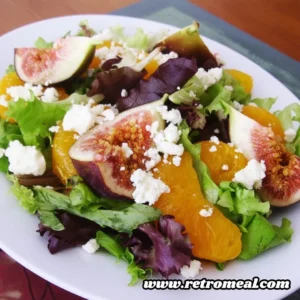
Orange, Fig, and Gorgonzola Salad
Ingredients
- 2 heads romaine lettuce, chopped
- 2 oranges – peeled, pith removed, and cut into segments
- 0.5 cup crumbled Gorgonzola cheese
- 2 fresh figs, cut into 1-inch cubes
- 0.25 cup vinaigrette dressing, or to taste
Instructions
- Place the chopped romaine lettuce, orange segments, crumbled Gorgonzola cheese, and cubed fresh figs into a large mixing bowl.
- Drizzle the vinaigrette dressing over the salad components.
- Gently toss the salad until all ingredients are evenly coated with the dressing.
- Transfer to individual plates or a serving platter and serve immediately while the greens are crisp.
Notes
Equipment
- large mixing bowl
- Sharp chef’s knife or serrated knife Serrated is best for delicate figs.
- Salad spinner To ensure romaine is completely dry.
- Salad tongs For gentle tossing.