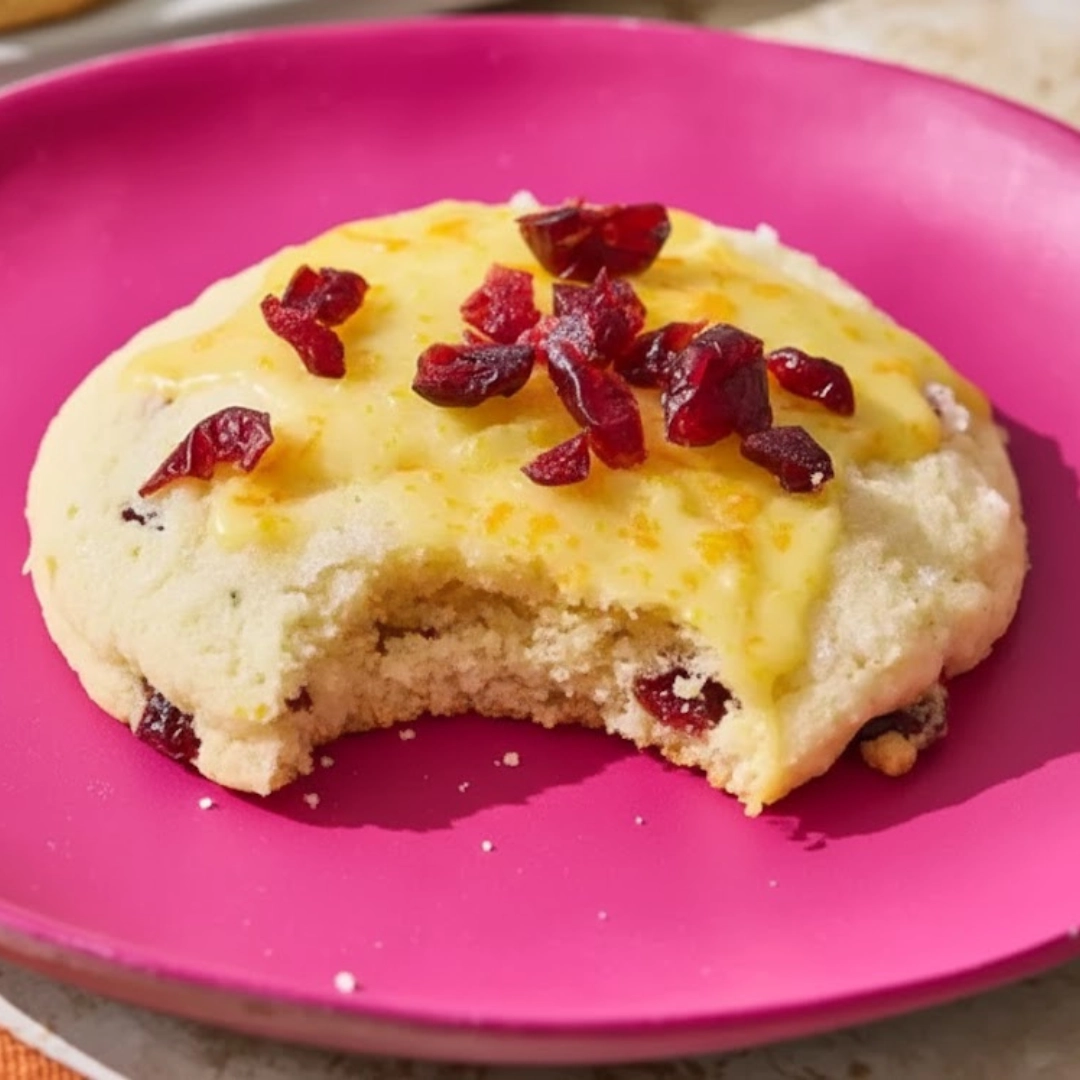
These Orange Cranberry Ricotta Cookies are the very definition of a sophisticated crowd-pleaser. They achieve a level of airy, delicate tenderness that a standard butter cookie simply can’t touch, thanks entirely to the addition of creamy ricotta cheese. The bright zest of fresh orange and the tart chew of dried cranberries are woven through the pillowy dough, creating a balanced flavor profile that is sunny and comforting all at once. Perfect for holiday platters, afternoon tea, or simply a delightful treat tucked into a lunchbox, this recipe delivers on both texture and taste without being overly sweet.
Table of Contents
The Essential Components
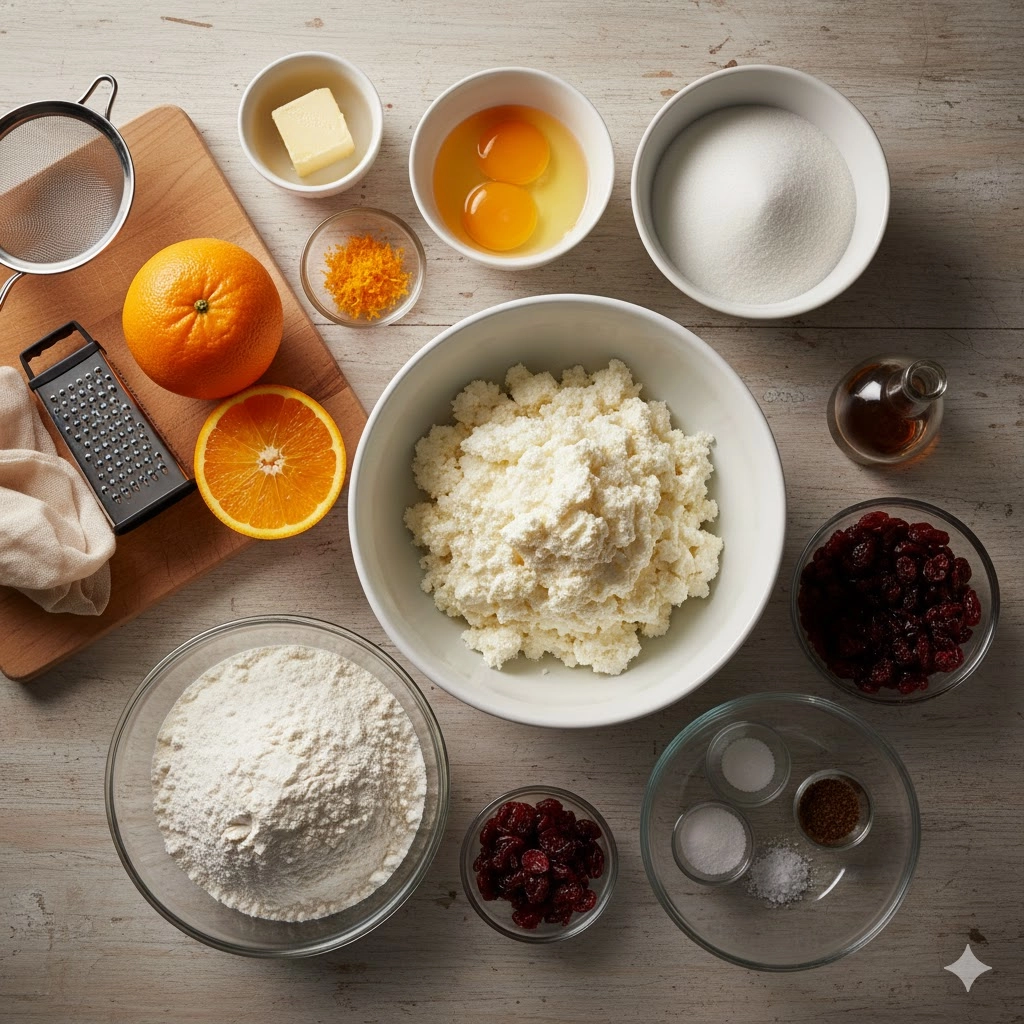
The magic of these cookies lies in balancing the dry ingredients with the moisture from the ricotta and zest, resulting in a unique, cake-like texture. Here is everything you’ll need, measured precisely for success.
Wet Ingredients and Flavor Bases
- 1 cup (227 grams) unsalted butter, softened
- 1 and one-half cups (300 grams) granulated sugar
- 2 large eggs
- 1 teaspoon vanilla extract
- 1 cup (240 grams) whole milk ricotta cheese
- Zest of 1 large orange
Dry Components
- 2 and one-half cups (315 grams) all-purpose flour
- 1 teaspoon baking powder
- one-half teaspoon baking soda
- one-half teaspoon salt
Inclusions
- 1 cup (110 grams) dried cranberries, roughly chopped
For the Glaze
- 2 cups (240 grams) confectioners’ sugar
- Juice of 1 large orange (about one-quarter cup)
- 1 teaspoon orange zest, finely grated
Crafting the Dough and Glaze
This recipe follows the standard creaming method, but the addition of ricotta requires careful attention to mixing times to ensure the final cookie remains tender and light.
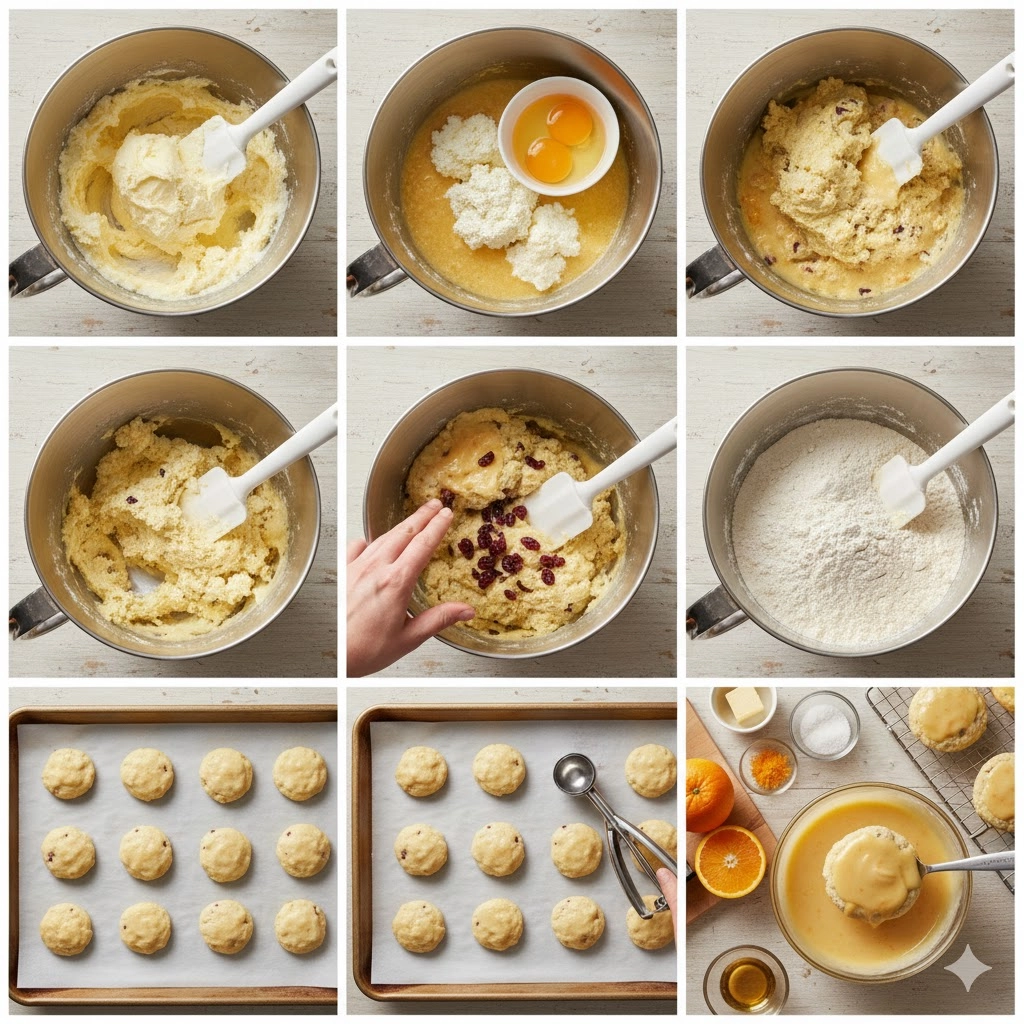
- Prepare the Oven and Baking Sheets: Preheat your oven to three hundred seventy-five Fahrenheit. Line two large baking sheets with parchment paper.
- Cream Butter and Sugar: In a large mixing bowl, beat the softened butter and granulated sugar until the mixture is light and fluffy, scraping down the bowl as needed.
- Incorporate Wet Ingredients: Beat in the eggs one at a time, followed by the vanilla extract, orange zest, and ricotta cheese. Mix until just combined.
- Combine Dry Ingredients: Whisk together the flour, baking powder, baking soda, and salt in a separate bowl.
- Fold in Dry Components: Gradually add the dry mixture to the wet mixture, mixing on low speed until the flour is almost fully incorporated.
- Add Cranberries: Gently fold in the dried cranberries by hand using a spatula until just distributed. Do not overmix.
- Scoop and Bake: Drop the dough by rounded teaspoons (about a one-and-a-half tablespoon scoop) onto the prepared baking sheets, leaving two inches between each. Bake for 10 to 12 minutes.
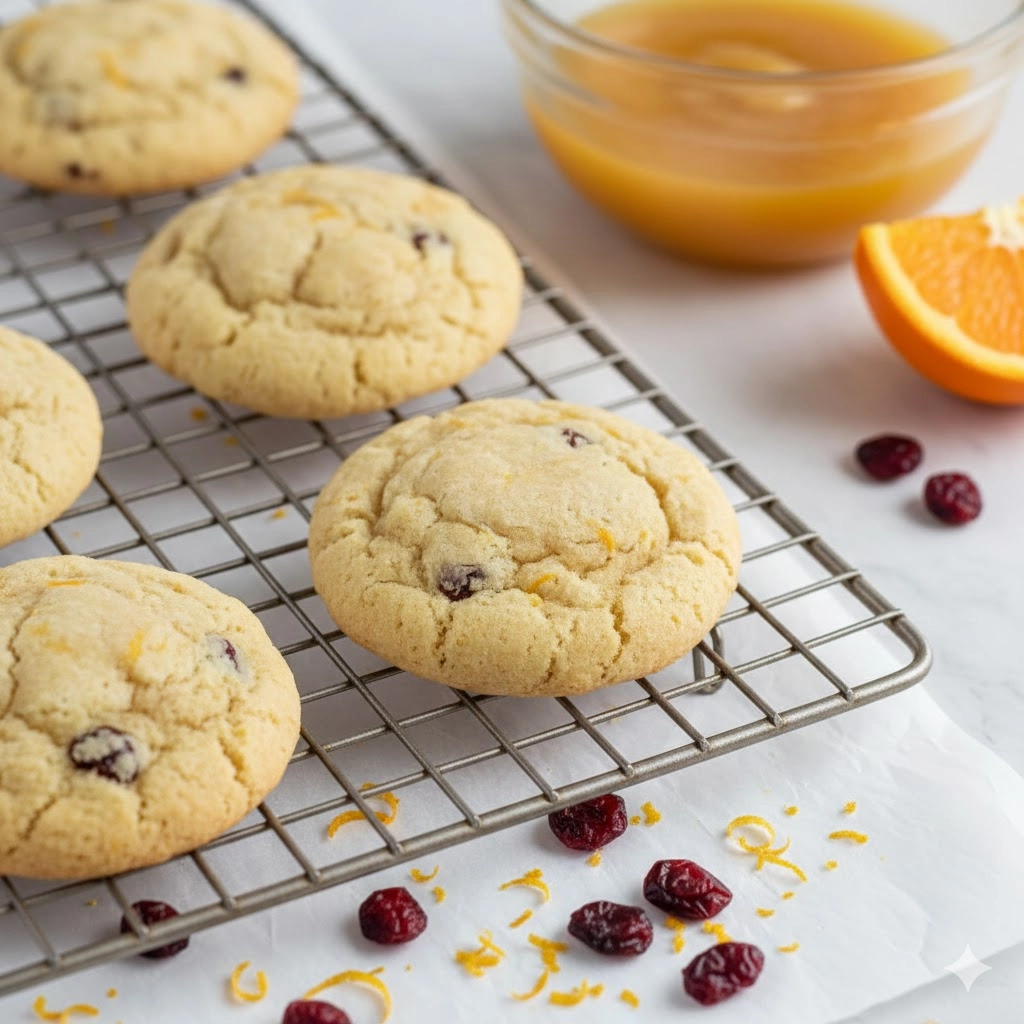
- Cool Completely: Remove cookies from the oven when edges are lightly golden, and transfer them to a wire rack to cool completely.
- Whisk the Glaze: While the cookies cool, whisk together the confectioners’ sugar, orange juice, and finely grated zest until smooth.
- Glaze the Cooled Cookies: Dip the top of each cooled cookie into the glaze or drizzle it over the top. Let the glaze set before serving.
Achieving the Perfect Pillowy Texture: Step-by-Step Guidance
The difference between a dense, dry cookie and one that melts in your mouth comes down to attention to detail in these critical steps. The goal is to leverage the unique moisture of the ricotta without activating too much gluten.
The Creaming Stage: Aeration is Key
When you first combine the butter and sugar, you are not simply mixing them; you are incorporating air. This is the foundation of the cookie’s lift and cakey texture. You should beat the mixture for a full three to five minutes until the color visibly lightens from yellow to pale ivory and the texture becomes genuinely light and fluffy, like stiff, grainy frosting. If your butter is too cold, this won’t happen, so ensure it’s truly softened (you should be able to press a finger into it easily).
Integrating the Ricotta: The Moisture Factor
Adding the eggs, vanilla, and the citrus zest is standard, but the ricotta is the moment to be cautious. Ricotta is a relatively wet cheese, and over-mixing it into the butter/sugar mixture can cause the emulsion to break, leading to a greasy batter. Mix the ricotta in only until you see no more large white streaks. The batter will look slightly curdled or very wet—this is normal. Do not try to beat it smooth; the mixer will handle that slightly later.
The Gentle Flour Fold: The Anti-Gluten Rule
Once the dry ingredients meet the wet, the clock starts ticking on gluten development. Ricotta cookies are meant to be delicate, so the goal is minimal mixing. Pour the flour mixture into the wet ingredients and use the lowest setting on your mixer, mixing only until the majority of the flour streaks disappear. Stop the mixer and finish the job by hand with a rubber spatula. This allows you to feel the dough and ensures you stop precisely when the flour is incorporated, preventing toughness.
Baking and Doneness Cues
The three hundred seventy-five Fahrenheit oven temperature is crucial for setting the edges quickly while allowing the interior to rise and bake through without drying out. The cookies will not dramatically spread, thanks to the high moisture and the ricotta, so don’t worry about large gaps. Look for the physical cues of doneness: the cookies will appear slightly puffed, and the edges will turn a light, appealing golden hue. The center will still look quite pale and perhaps a little soft—this is what you want. Pulling them at this stage ensures a soft interior. They will set up further as they cool on the hot baking sheet for one minute before moving them to the cooling rack.
Culinary Refinements for Optimal Flavor
This cookie is simple, yet a few expert moves can elevate it from good to truly exceptional.
- Zest Before Juicing: Always zest your orange before you cut into it for juicing, or you’ll lose much of the peel’s precious, aromatic oils. Use a microplane to ensure you only scrape the bright orange layer, avoiding the bitter white pith underneath.
- The Ricotta Quality: Use whole milk ricotta, not part-skim. The higher fat content prevents the cookie from drying out and contributes to the decadent texture. If your ricotta seems excessively watery, try to drain it for 30 minutes in a sieve lined with cheesecloth before measuring.
- Tenderizing the Cranberries: Dried cranberries can be quite hard straight from the bag, which can lead to tearing the delicate dough. Plump them up before folding them in by covering them with hot water for 10 minutes, then draining them thoroughly and patting them dry.
- Glaze Consistency Check: The glaze should be fluid enough to coat the cookie top thinly but thick enough not to run completely off the sides. If it’s too thick, add a few drops of orange juice; if too thin, add confectioners’ sugar one teaspoon at a time until the desired consistency is reached.
- A Moment of Patience: While it’s tempting, do not glaze the cookies while they are warm. The heat will melt the confectioners’ sugar, and the glaze will turn transparent, becoming sticky rather than forming a beautiful, opaque, satiny finish. They must be completely cool.
Flavor Twists and Swapping Ingredients
A great base recipe always welcomes thoughtful experimentation. Here are a few ways to introduce subtle shifts in flavor and texture.
- Lemon-Poppy Seed Variation: Substitute lemon zest and lemon juice for the orange components. Add two tablespoons of poppy seeds to the dry ingredients for a delicate crunch and classic flavor pairing.
- Nutty Crunch Addition: Toast one-half cup of finely chopped pecans or walnuts and fold them into the dough alongside the cranberries. The nuts add a necessary textural counterpoint to the soft crumb.
- Spiced Holiday Twist: Introduce one-half teaspoon of ground cinnamon and one-quarter teaspoon of ground nutmeg to the dry ingredients for a warmer, richer profile. This works especially well if substituting dried cherries for the cranberries.
- Gluten-Free Flour Swap: This recipe holds up reasonably well to a cup-for-cup gluten-free all-purpose flour blend (one that includes xanthan gum). Due to the lack of gluten, the cookies may be even more fragile, so handle them with care after baking.
How to Present and Pair These Treats
These cookies are lovely on their own, but they really shine when integrated into a thoughtful spread.
- Alongside Coffee or Tea: Their cake-like texture and bright citrus notes make them an ideal accompaniment for a robust black tea or a quality morning coffee. They are light enough not to feel heavy for an afternoon break.
- Dessert Platter Centerpiece: Arrange the glazed cookies on a platter with darker, richer items like chocolate truffles or chewy caramel squares. The contrast in color and texture makes a visually appealing presentation.
- A Breakfast Pairing: Serve them next to a bowl of fresh seasonal fruit and a dollop of extra ricotta. Their low sweetness level makes them a refined alternative to muffins or scones.
- Edible Gifts: Stack them in cellophane bags tied with ribbon. They ship and travel well due to their sturdy glaze, making them a beautiful homemade gift during the holidays.
Frequently Asked Questions
Why did my cookies come out flat?
Flat cookies are usually the result of over-softened butter, which melts too quickly in the oven, or, more commonly in this specific recipe, the dough was scooped onto a warm baking sheet. The butter in the dough needs to be cool before it hits the heat, so if you reuse a pan, make sure it is completely cooled before placing the next batch of dough on it.
Can I use low-fat or part-skim ricotta?
While you technically can, it is strongly discouraged. Part-skim ricotta has significantly less fat and a much higher water content. This usually leads to a tougher, more rubbery cookie texture that loses the signature pillowy softness the whole milk ricotta provides.
How should I store leftover Orange Cranberry Ricotta Cookies?
Store the cookies in an airtight container at room temperature for up to four days. If you need to stack them, wait until the glaze is fully hardened, and then layer them with a sheet of wax or parchment paper to prevent sticking. They also freeze very well, unglazed, for up to three months.
Can I make the dough ahead of time?
Yes, you can prepare the dough, wrap it tightly in plastic, and chill it for up to 48 hours. When you are ready to bake, let the dough sit at room temperature for about ten minutes until it is just soft enough to scoop easily. The colder the dough, the less the cookies will spread.
Nutritional Breakdown
The following is an estimate for one cookie, based on 30 servings per batch.
| Nutrient | Amount per Serving |
| Calories | 175 kcal |
| Protein | 3 g |
| Carbs | 30 g |
| Fat | 5 g |
| Fiber | 1 g |
| Sugar | 20 g |
| Sodium | 65 mg |
Disclaimer
Nutrition information is an estimate and may vary based on preparation and ingredients used.
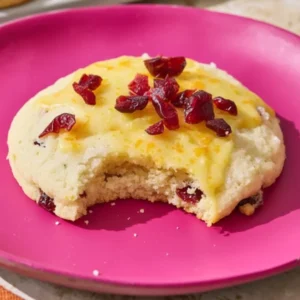
Orange Cranberry Ricotta Cookies: A Tender, Bright Bite
Ingredients
- 1 cup unsalted butter, softened
- 1.5 cups granulated sugar
- 2 large eggs
- 1 tsp vanilla extract
- 1 cup whole milk ricotta cheese
- 1 large orange zest of
- 2.5 cups all-purpose flour
- 1 tsp baking powder
- 0.5 tsp baking soda
- 0.5 tsp salt
- 1 cup dried cranberries, roughly chopped
- 2 cups confectioners’ sugar
- 0.25 cup orange juice (from 1 large orange)
- 1 tsp orange zest, finely grated (for glaze)
Instructions
- Preheat your oven to three hundred seventy-five Fahrenheit. Line two large baking sheets with parchment paper.
- In a large mixing bowl, beat the softened butter and granulated sugar until the mixture is light and fluffy.
- Beat in the eggs one at a time, followed by the vanilla extract, orange zest, and ricotta cheese. Mix until just combined.
- Whisk together the flour, baking powder, baking soda, and salt in a separate bowl.
- Gradually add the dry mixture to the wet mixture, mixing on low speed until the flour is almost fully incorporated. Gently fold in the dried cranberries by hand.
- Drop the dough by rounded teaspoons onto the prepared baking sheets, leaving two inches between each. Bake for 10 to 12 minutes until edges are lightly golden.
- Remove cookies from the oven and transfer them to a wire rack to cool completely before glazing.
- Whisk together the confectioners’ sugar, orange juice, and finely grated zest until smooth. Dip the top of each cooled cookie into the glaze or drizzle it over the top, then allow the glaze to set.
Notes
Equipment
- Large mixing bowl or stand mixer
- rubber spatula
- Baking sheets Lined with parchment paper
- wire cooling rack
- Small bowl for glaze
- measuring spoons and cups