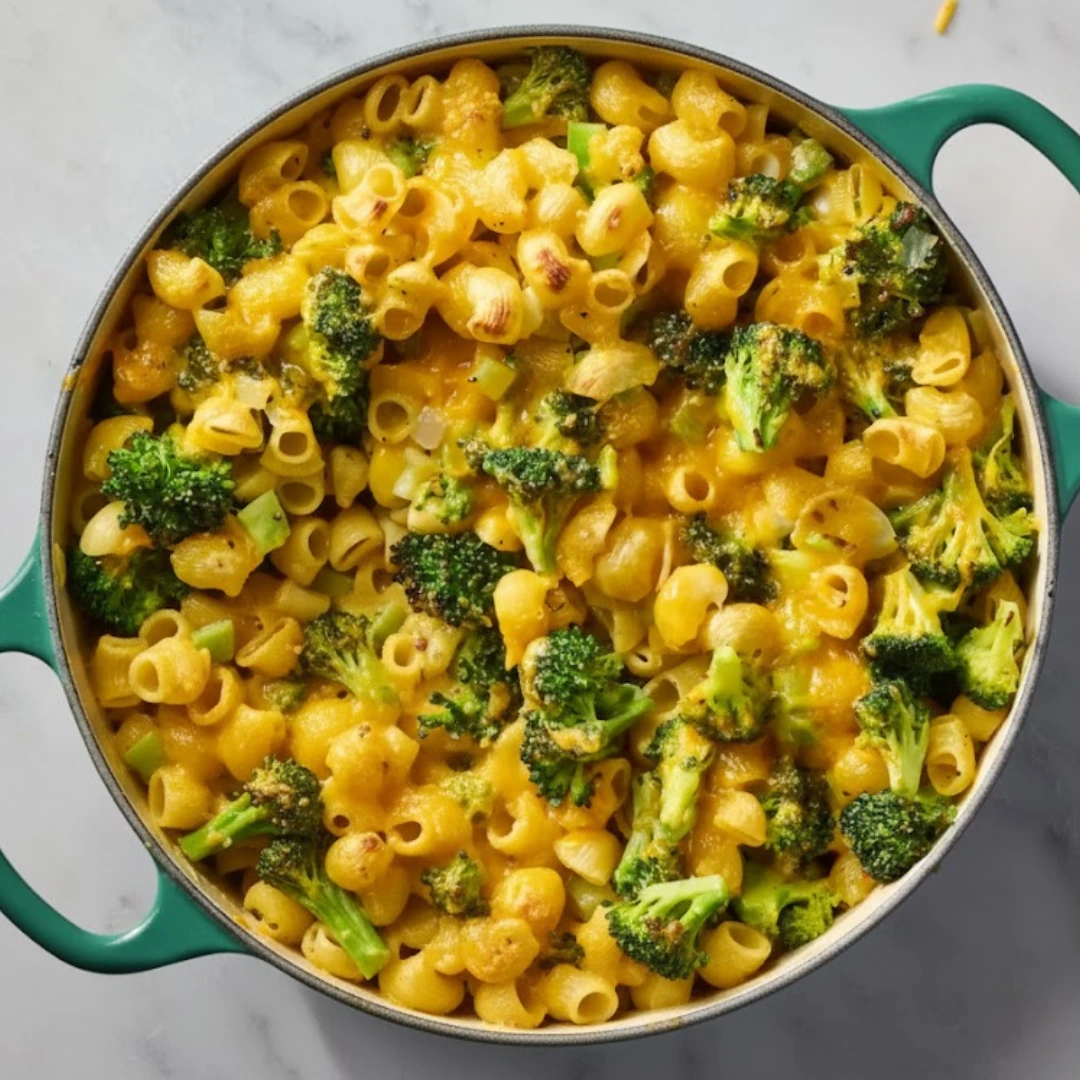
Finding a dinner that satisfies the craving for heavy comfort food while remaining manageable on a Tuesday evening is often a tall order. We have all been there—staring at a sink full of pots and pans after trying to execute a “simple” baked pasta. The beauty of this One-Pot Creamy Broccoli Pasta Bake lies in its efficiency and its lack of pretension. By utilizing a single vessel, you bypass the need for a separate pasta pot, a colander, and a sauce pan.
This dish is not just about convenience; it is a masterclass in texture. By treating the broccoli as two distinct ingredients—the earthy, tender stems and the crispy, seared florets—we elevate a humble vegetable into the star of the show. Coupled with a velvet-like sauce powered by the science of evaporated milk, this recipe transforms basic pantry staples into a gourmet experience that feels like a warm hug in a bowl.
Table of Contents
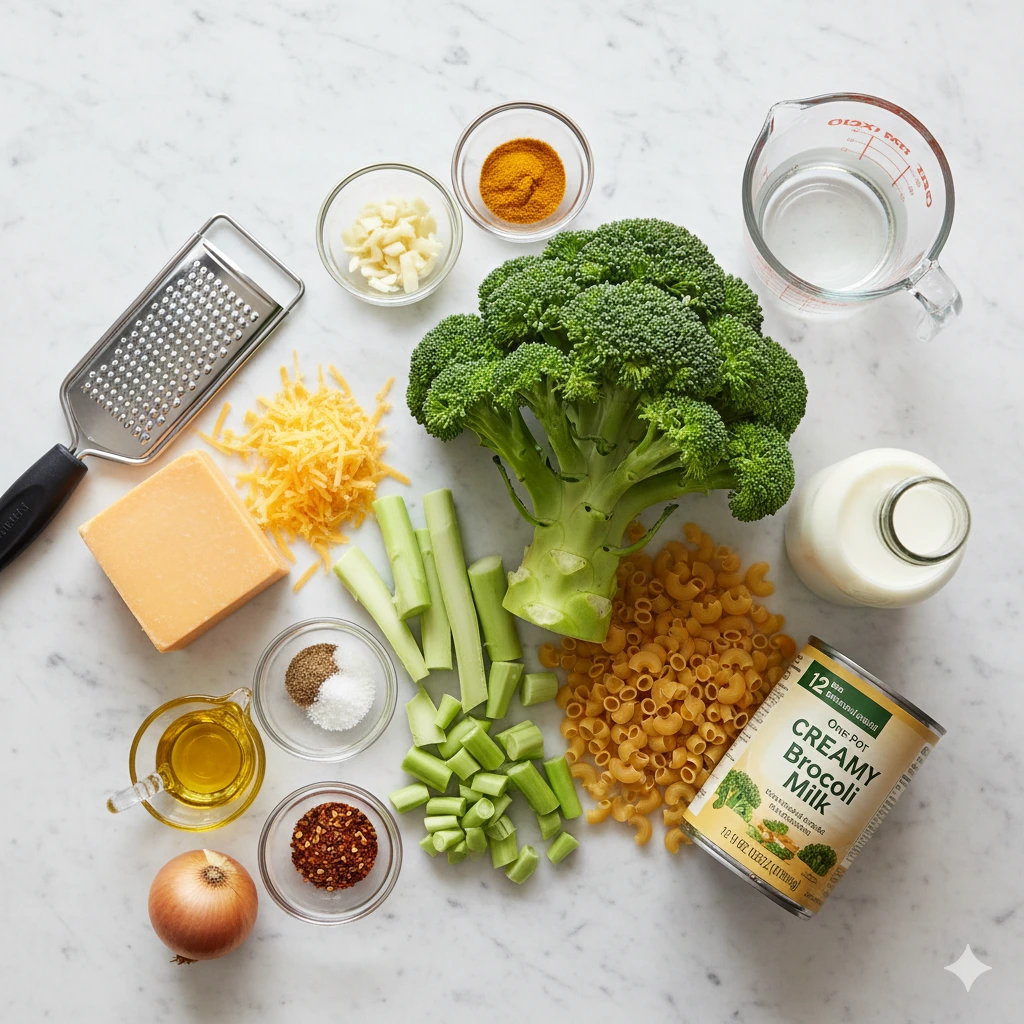
Ingredients
- 1 pound broccoli
- 3 tablespoons olive oil, divided
- 2 teaspoons kosher salt, divided, plus more as needed
- 1 small yellow onion, diced (about 1 cup)
- 4 cloves garlic, thinly sliced
- 1/2 teaspoon ground mustard
- 1/2 teaspoon red pepper flakes (optional)
- 1 pound dried short, small pasta, such as elbow macaroni or small shells
- 2 1/4 cups water
- 2 cups whole milk
- 1 (12-ounce) can evaporated milk
- 8 ounces sharp cheddar cheese, shredded (about 2 cups)
- Freshly ground black pepper
Instructions
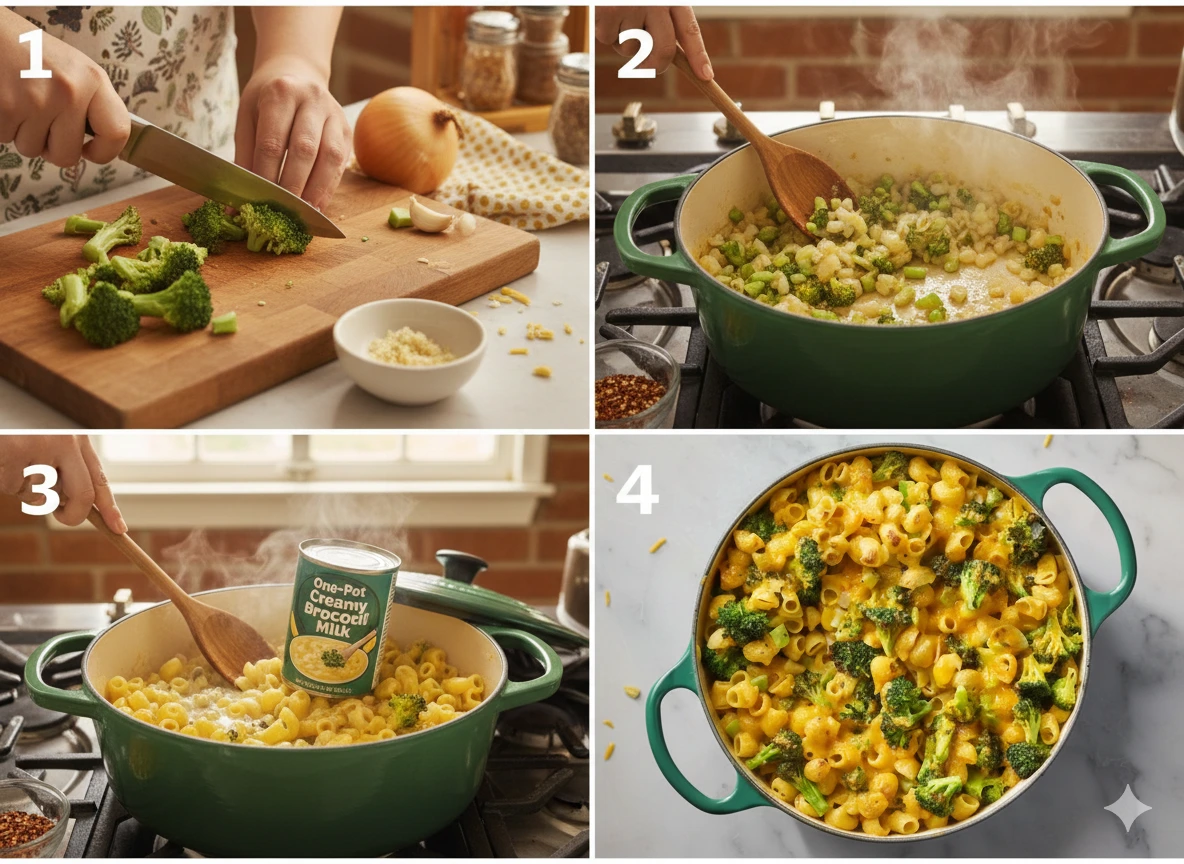
- Begin by preheating your oven to 375 Fahrenheit. While the oven warms, prepare the broccoli by separating the crowns from the stems. Dice the stems into small pieces and cut the florets into bite-sized 1-inch pieces.
- Place a Dutch oven or a large broiler-safe pot over medium heat and add 1 tablespoon of olive oil. Once the oil is shimmering, toss in the broccoli florets and 1/4 teaspoon of kosher salt. Sauté for about 3 minutes until the green color becomes vibrant and bright. Remove the florets and set them aside on a plate.
- Add another tablespoon of olive oil to the same pot. Add the diced broccoli stems and 1/4 teaspoon of kosher salt. Cook for 2 to 3 minutes until they begin to soften and take on a light brown color.
- Incorporate the final tablespoon of olive oil along with the diced yellow onion and another 1/4 teaspoon of kosher salt. Cook for approximately 5 minutes, stirring frequently, until the onion is translucent but not browned. Stir in the sliced garlic, ground mustard, and red pepper flakes. Cook for 60 seconds until the aromatics are highly fragrant.
- Pour in the pound of dried pasta, the water, the whole milk, and the entire can of evaporated milk. Add the remaining 1 1/4 teaspoons of kosher salt. Stir well, cover the pot with a tight-fitting lid, and move it to the oven. Bake for 18 to 20 minutes, making sure to stop halfway through to stir the pasta and prevent it from clumping.
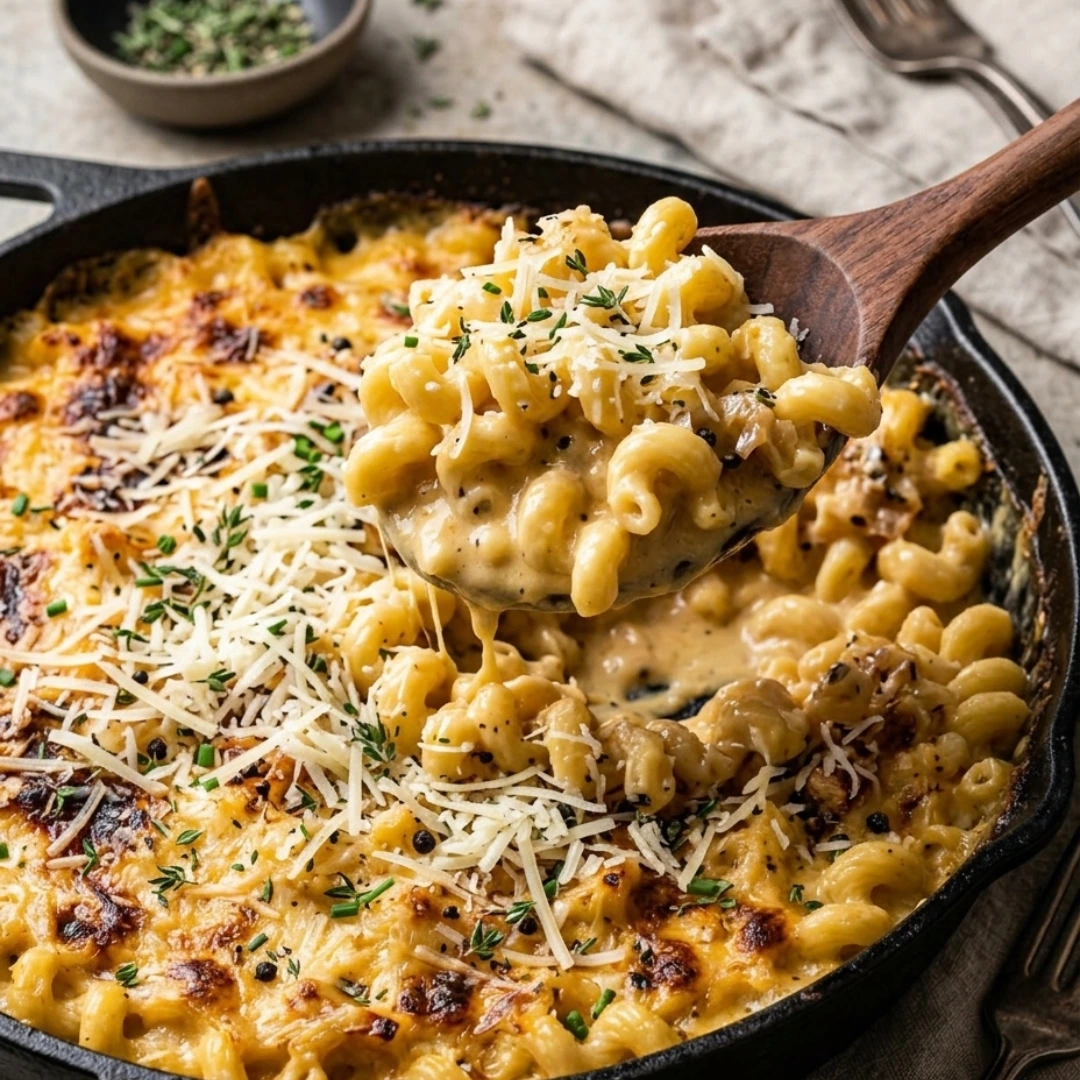
- Once the pasta is almost tender, remove the pot from the oven and turn your broiler to the high setting. Stir in 6 ounces (1 1/2 cups) of the shredded cheddar cheese and the reserved sautéed broccoli florets. Stir until the cheese is completely melted and the sauce is glossy.
- Top the mixture with the remaining 2 ounces (1/2 cup) of shredded cheddar. Place the pot back in the oven, uncovered, and broil for 3 to 5 minutes until the cheese is bubbling and develops dark brown, crispy spots. Season with black pepper and serve.
Expanding the Culinary Journey: Step-by-Step Details
The secret to a successful one-pot bake is understanding how the starch from the pasta interacts with the liquids. Unlike traditional boiling, where the starchy water is drained away, this method keeps every molecule of starch within the pot. This creates a natural thickening agent that, when combined with the fats in the milk and cheese, results in a sauce that is significantly creamier than a standard roux-based mac and cheese.
When you begin by searing the broccoli florets, you are performing a technique called “blanch-sautéing.” By hitting the hot oil for just 3 minutes, you lock in the chlorophyll, ensuring the broccoli stays a stunning emerald green even after it goes back into the oven later. Setting them aside is crucial; if they were to cook with the pasta for the full 20 minutes, they would turn into a mushy puree. By reintroducing them at the end, you provide a necessary structural contrast to the soft pasta.
The stems, however, are the unsung heroes of this dish. Many home cooks discard them, but they contain a wealth of sweetness and fiber. Dicing them small and browning them with the onions allows them to melt into the background of the sauce, adding body and a subtle earthy sweetness that complements the sharp cheddar.
Monitoring the oven-bake phase is also a matter of precision. Because ovens can vary in temperature, that halfway-point stir is your best friend. It ensures that the shells or macaroni at the bottom don’t stick to the floor of the Dutch oven and allows the heat to circulate evenly through the milk mixture. When you pull the pot out, the pasta should still have a very slight “bite” to it—what Italians call al dente—because it will continue to soften during the broiling stage.
Achieving Perfection: Unique Culinary Insights
To truly master this One-Pot Creamy Broccoli Pasta Bake, one must appreciate the science of the sauce. The inclusion of evaporated milk is not an accident. Evaporated milk has about 60 percent of its water content removed, meaning it has a much higher concentration of milk solids and proteins. These proteins act as stabilizers, preventing the cheese from “breaking” or becoming oily when it hits the high heat of the broiler. If you have ever had a grainy cheese sauce, it is usually because the emulsion failed; evaporated milk is your insurance policy against that.
Furthermore, consider the choice of “sharp” cheddar. As cheese ages, its moisture content drops and its flavor compounds intensify. A mild cheddar might get lost in the richness of the whole milk, but a sharp or extra-sharp variety provides the acidic “zing” needed to cut through the fat. If you want to go even deeper, look for a Vermont or English white cheddar for a more complex, nutty profile.
Another professional touch is the use of ground mustard. Mustard contains a compound called isothiocyanate, which acts as a bridge between the fat of the cheese and the liquid of the milk. It doesn’t make the dish taste like mustard; rather, it makes the cheese taste “cheesier.” It provides a foundational warmth that makes the entire flavor profile feel more rounded.
Customizing Your Bake: Modifications and Substitutions
While the classic broccoli and cheddar combination is a timeless staple, this one-pot method is highly adaptable to whatever you might have in your refrigerator.
- Vegetable Swaps: If broccoli isn’t your favorite, cauliflower makes an excellent substitute. Follow the same procedure—sear the florets and sauté the stems. For a more colorful dish, you could add roasted red peppers or even sun-dried tomatoes during the final stir-in.
- The Cheese Factor: While sharp cheddar is the gold standard here, you can experiment with a blend. Adding a bit of Gruyère can introduce a sophisticated, floral note, while Pepper Jack can provide a spicy kick for those who enjoy a bit of heat.
- Protein Additions: To make this a heartier meal, you can stir in cooked rotisserie chicken, sautéed pancetta, or even canned chickpeas at the same time you add the broccoli florets back into the pot.
- Gluten-Free Options: You can use gluten-free pasta, but be aware that rice-based or lentil-based pastas release starch differently. You may need to reduce the oven time by 3 to 5 minutes to prevent the pasta from becoming too soft.
The Art of the Table: Accompaniments and Serving
This One-Pot Creamy Broccoli Pasta Bake is a heavy hitter, so it benefits from sides that offer acidity and crunch to balance the palate. A simple arugula salad dressed with a sharp lemon vinaigrette is perhaps the most effective pairing. The peppery bite of the arugula and the citrus acid help refresh the mouth between bites of rich, cheesy pasta.
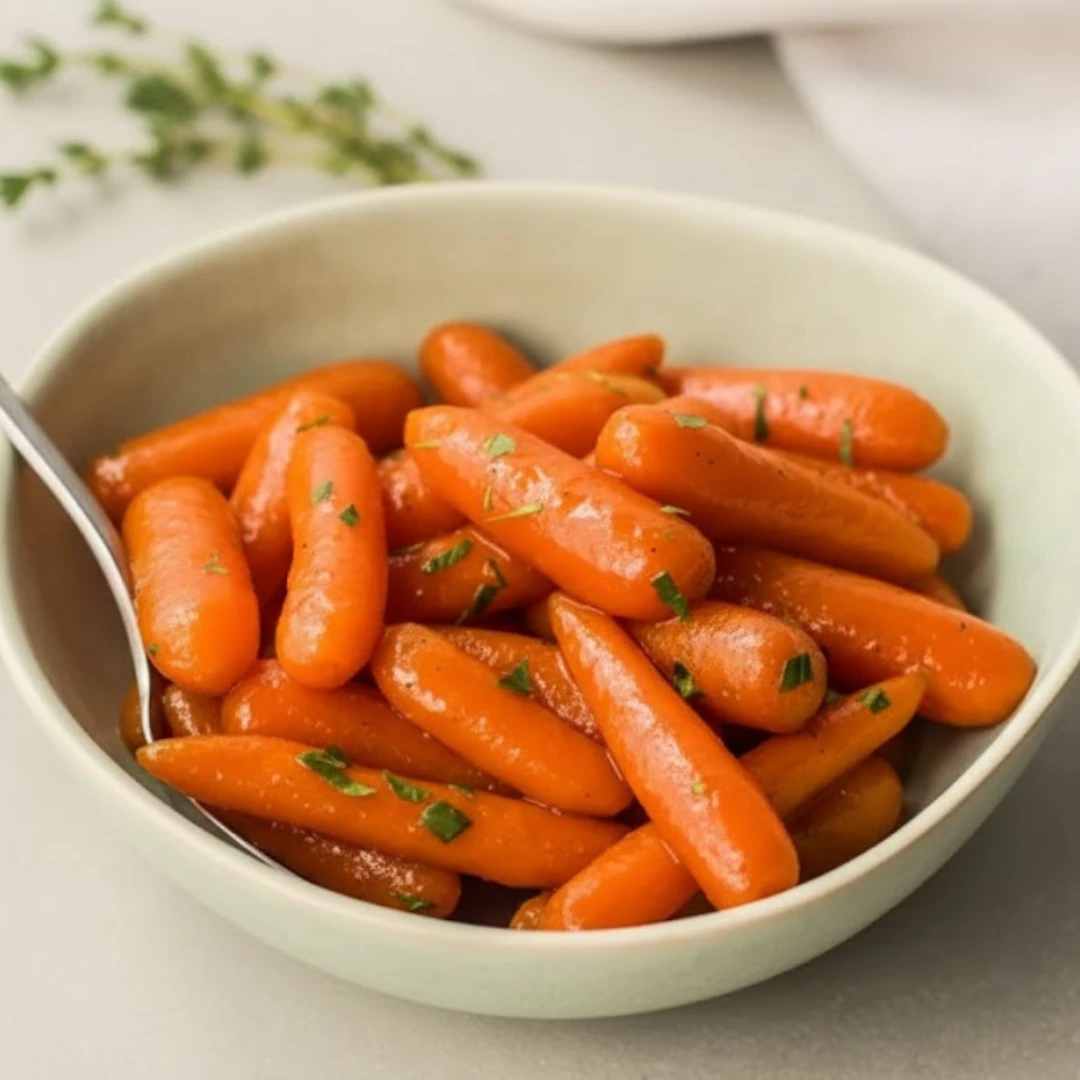
For those who want a bit of a “crunch factor,” serving this with a side of toasted sourdough or garlic bread is a classic choice. If you want to keep it lighter, a tray of roasted carrots with a balsamic glaze provides a nice sweetness that echoes the caramelized onions in the bake.
When serving, remember that the Dutch oven will stay hot for a long time. It is best to let the pasta sit for about 5 minutes after it comes out from under the broiler. This “resting” period allows the sauce to thicken slightly and settle, ensuring that every scoop is perfectly coated rather than being too liquid.
Deep-Dive Culinary FAQ
Why does my pasta sauce look thin when I first take it out of the oven?
Do not panic if the sauce looks a bit liquidy when you first remove the lid. The pasta is designed to finish absorbing the moisture during the final few minutes of stirring and broiling. Once you add the shredded cheese and the broccoli florets, the proteins and fats will bind with the remaining liquid to create that signature creamy consistency.
Can I use frozen broccoli instead of fresh?
While you can use frozen broccoli in a pinch, it is generally not recommended for this specific recipe. Frozen broccoli has a much higher water content because the cell walls have been broken by ice crystals. This leads to a softer, often mushy texture when baked. If you must use it, skip the initial searing step and add it directly from the freezer during the final stir-in.
What is the best way to reheat leftovers without the sauce drying out?
Pasta acts like a sponge, and it will continue to soak up the sauce as it sits in the refrigerator. To restore its glory, reheat it in a pan over low heat or in the microwave with a generous splash of whole milk or a tablespoon of water. This replaces the moisture the pasta has absorbed and helps the cheese fats melt back into a smooth sauce.
Is it necessary to use whole milk, or can I use skim?
You can use lower-fat milks, but the results will not be as creamy. The fat in whole milk provides the “mouthfeel” that defines a comfort food bake. Skim milk is also more prone to curdling if the oven temperature is slightly too high. For the best balance of health and indulgence, stick with the whole milk and evaporated milk combination.
Essential Nutritional Information
This recipe provides a balanced mix of carbohydrates, fats, and proteins, making it a complete meal.
| Nutrient | Amount Per Serving |
| Calories | 545 |
| Total Fat | 28 grams |
| Saturated Fat | 14 grams |
| Cholesterol | 65 milligrams |
| Sodium | 820 milligrams |
| Total Carbohydrates | 52 grams |
| Dietary Fiber | 4 grams |
| Sugars | 8 grams |
| Protein | 24 grams |
Nutritional Disclaimer
The nutritional values provided are estimates based on standard ingredients and common serving sizes. Actual nutritional content may vary depending on specific brands used, exact measurements, and any substitutions made during the cooking process. For precise dietary tracking, it is recommended to use a professional nutritional calculator with your specific ingredients.
Wrapping Up the One-Pot Experience
Transitioning from a hectic workday to a peaceful evening becomes much easier when dinner doesn’t require a tactical plan. This One-Pot Creamy Broccoli Pasta Bake proves that you do not have to sacrifice quality for speed. By respecting the ingredients—treating the broccoli with care and using the science of evaporated milk—you create a dish that tastes like it took hours of preparation. It is a reliable, flavorful, and deeply satisfying addition to any home cook’s repertoire, promising a clean kitchen and a full stomach every time.
One-Pot Creamy Broccoli Pasta Bake
Ingredients
- 1 pound fresh broccoli (stems and florets separated)
- 3 tbsp olive oil, divided
- 2 tsp kosher salt, divided
- 1 small yellow onion, diced (about 1 cup)
- 4 cloves garlic, thinly sliced
- 0.5 tsp ground mustard
- 0.5 tsp red pepper flakes (optional)
- 1 pound dried short pasta, such as elbow macaroni or shells
- 2.25 cups water
- 2 cups whole milk
- 12 ounces evaporated milk (1 can)
- 8 ounces sharp cheddar cheese, shredded
- freshly ground black pepper, to taste
Instructions
- Preheat oven to 375 Fahrenheit. Separate broccoli crowns from stems; dice stems and cut florets into 1-inch pieces.
- Sauté broccoli florets in 1 tbsp olive oil and 1/4 tsp salt until bright green (3 mins). Remove and set aside.
- Sauté broccoli stems in 1 tbsp olive oil and 1/4 tsp salt until softened (2-3 mins).
- Add remaining oil and onion with 1/4 tsp salt. Cook 5 mins. Add garlic, mustard, and pepper flakes; cook 1 min.
- Stir in pasta, water, both milks, and remaining salt. Cover and bake for 18-20 minutes, stirring halfway through.
- Remove from oven and turn on broiler. Stir in 1.5 cups cheese and the reserved florets until melted.
- Sprinkle with remaining cheese. Broil uncovered for 3-5 minutes until golden and bubbling.
Notes
Equipment
- Dutch oven or broiler-safe pot
- Chef’s knife and cutting board
- Cheese grater
- wooden spoon