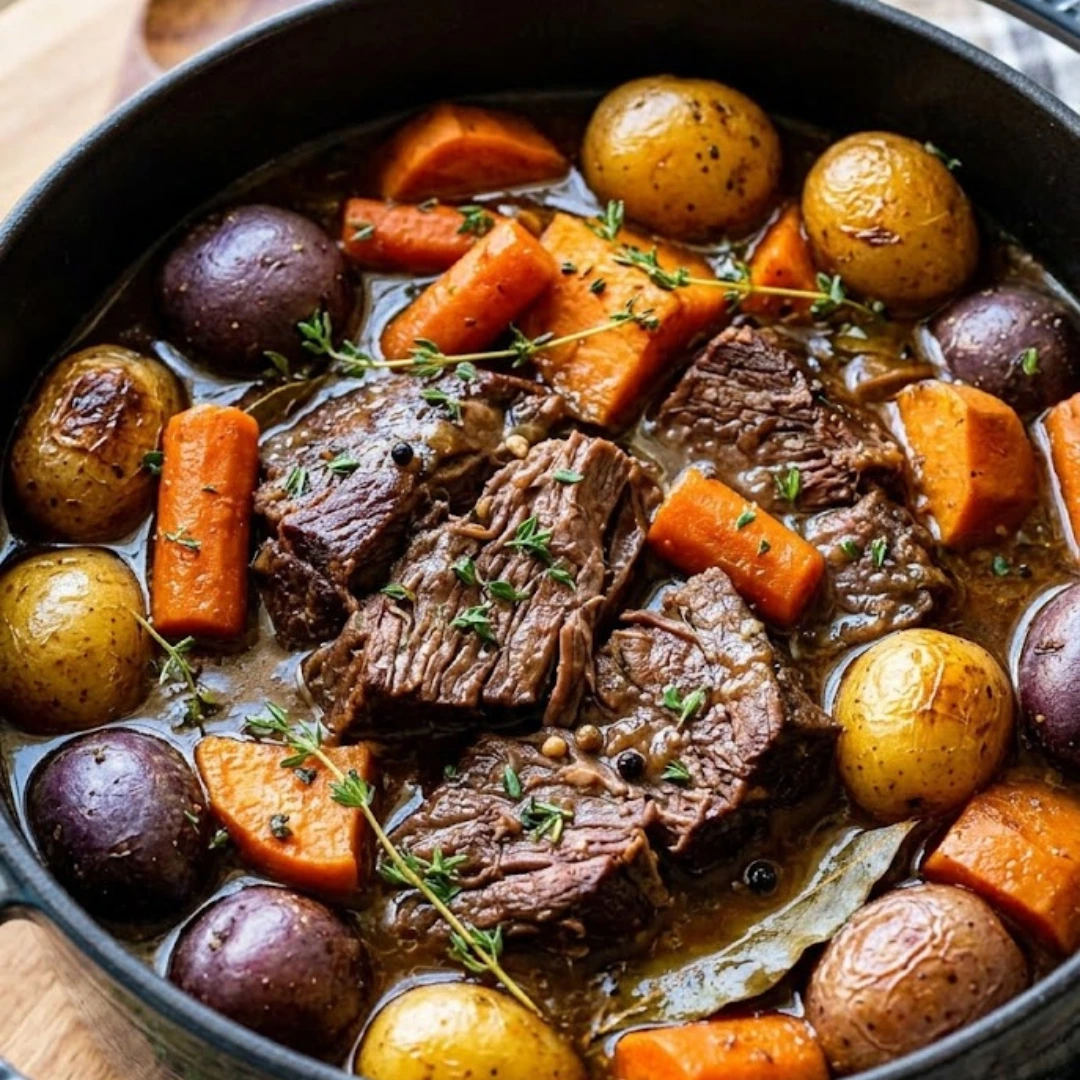
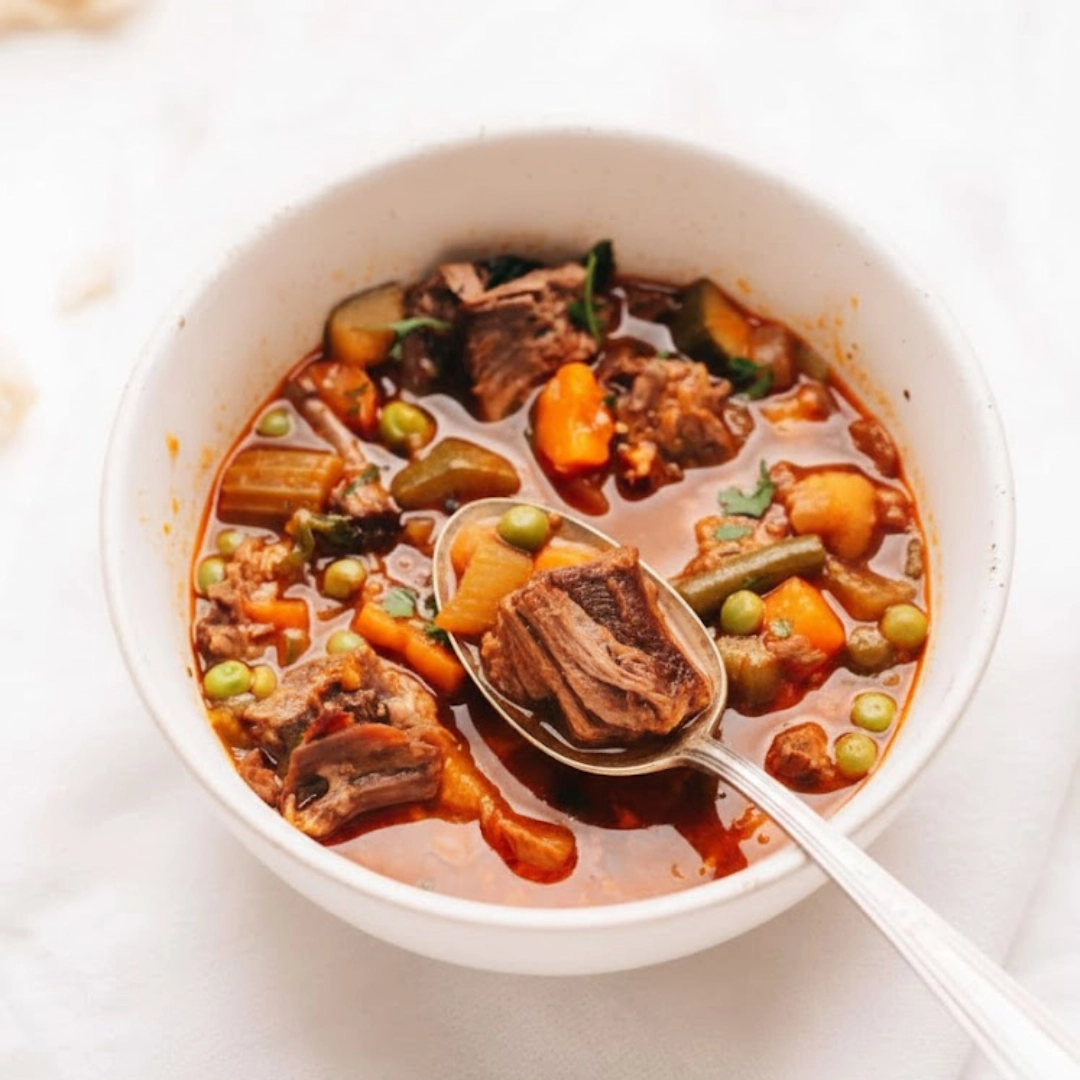
This is the kind of soup that defines a rainy day. It’s hearty, comforting, and deeply satisfying—a bowl brimming with tender shreds of beef and a rainbow of garden vegetables suspended in a rich, savory broth. Forget thin, watery versions; this Old Fashioned Vegetable Beef Soup delivers on its promise of old-school flavor and robust texture. It’s the perfect centerpiece for a simple, cozy meal, capable of warming you from the inside out and easily scaling up to feed a crowd. When the weather turns chilly, or you simply crave something genuinely restorative, this recipe is the one to turn to.
Table of Contents
The Essential Components of a Great Beef and Vegetable Soup
The foundation of any classic soup lies in its ingredients. For this recipe, we focus on quality beef, aromatic vegetables, and a depth of flavor that comes from long, slow simmering. Choosing the right cut of beef and the freshest produce makes all the difference in the final taste profile.
For the Foundation
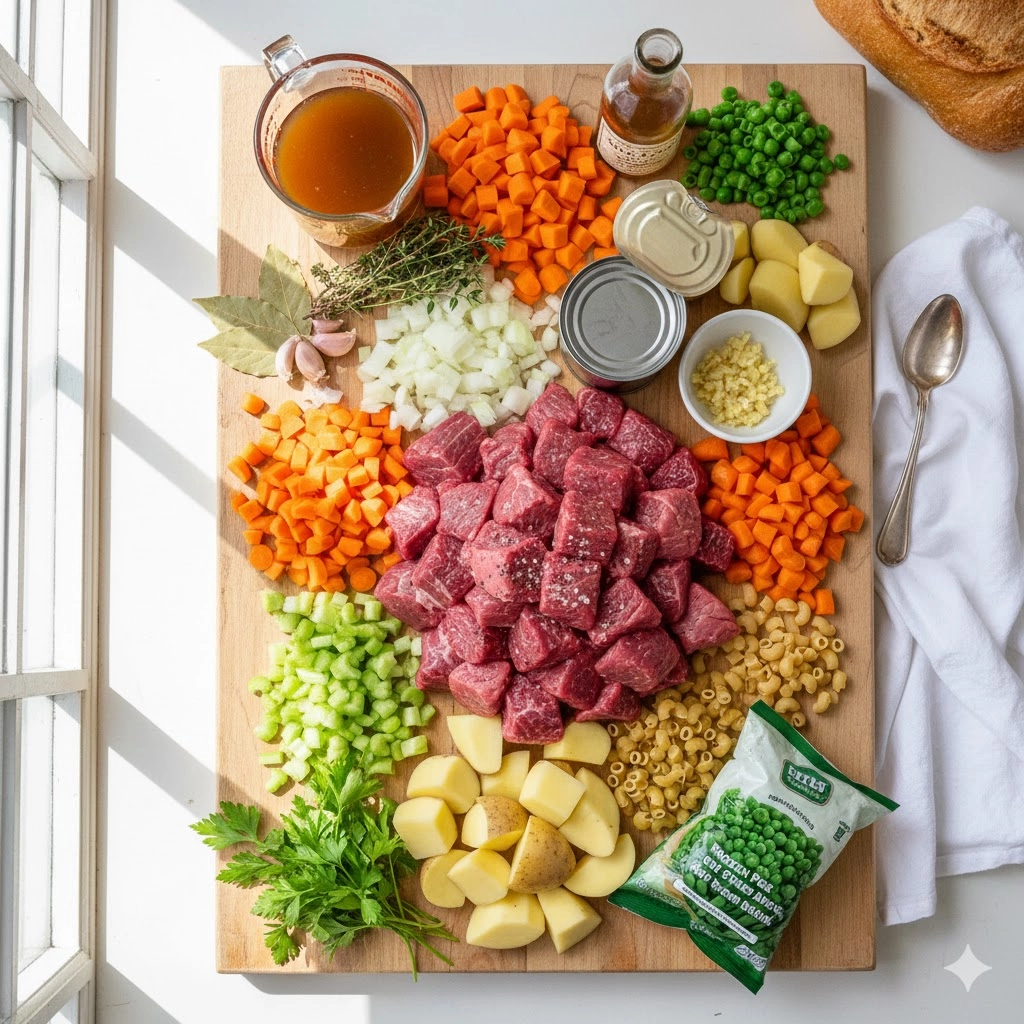
- 1 tablespoon olive oil or rendered beef fat
- 2 pounds boneless beef chuck, trimmed and cut into 1-inch cubes (about 900 grams)
- 2 teaspoons coarse kosher salt
- 1 teaspoon freshly ground black pepper
- 1 large yellow onion, finely diced
- 3 ribs celery, finely diced
- 3 carrots, peeled and diced
For the Broth and Seasoning
- 2 cloves garlic, minced
- 1 (14.5 ounce) can diced tomatoes, undrained
- 8 cups beef broth, preferably low sodium
- 1 cup water
- 2 bay leaves
- 1 teaspoon dried thyme
- 1 teaspoon dried oregano
- 1 tablespoon Worcestershire sauce
For the Vegetables and Finishing Touches
- 3 medium potatoes (Yukon Gold or Russet), peeled and diced
- 1 cup frozen or fresh cut green beans
- 1 cup frozen peas
- 1/2 cup elbow macaroni or small pasta (optional)
- 2 tablespoons fresh parsley, chopped, for garnish
A Structured Approach to Building Flavor
Creating this soup is less about frantic cooking and more about patiently layering flavors. The process is straightforward, but each step contributes significantly to the final, complex taste.
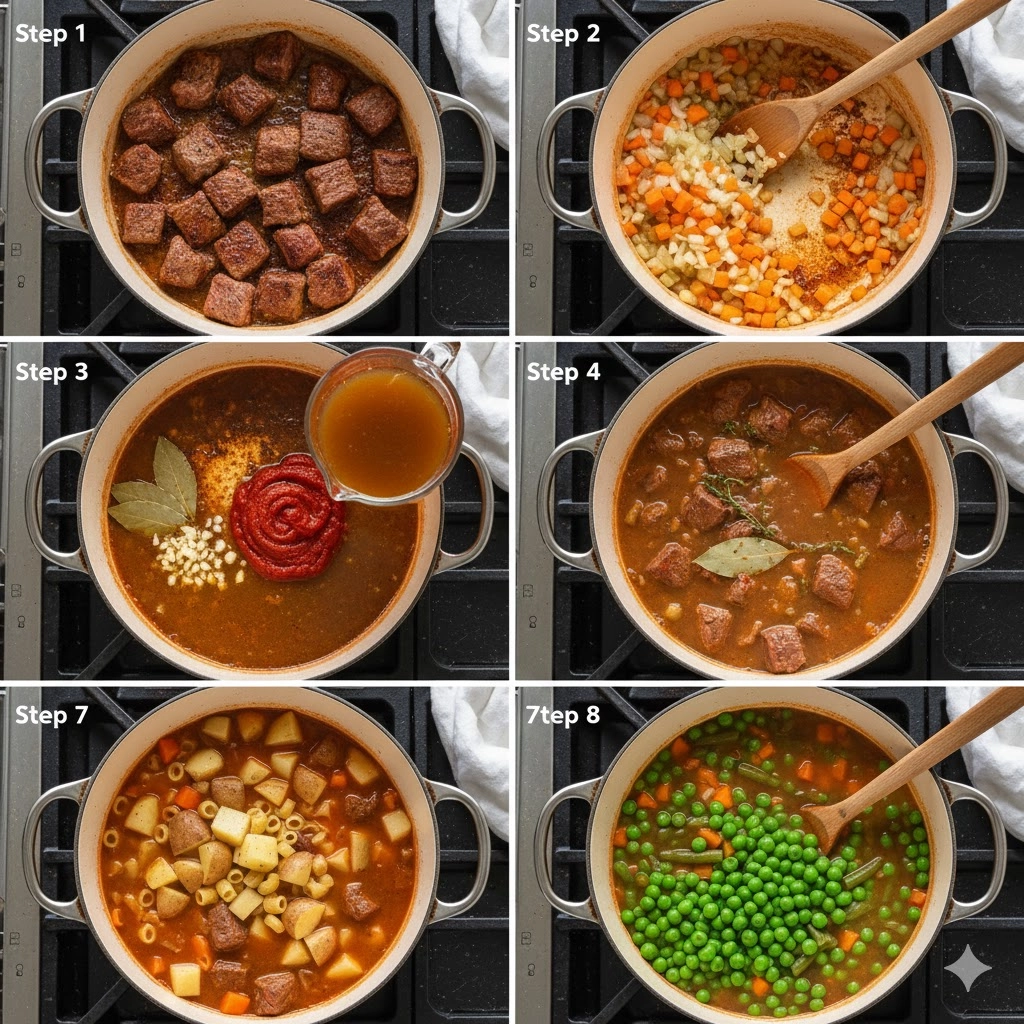
- Sear the Beef: Season the beef cubes and sear them in a heavy-bottomed pot until deeply browned on all sides. Remove the beef and set it aside.
- Soften the Aromatics: Add the diced onion, celery, and carrots to the same pot and cook until they are tender and slightly sweet.
- Build the Broth: Stir in the minced garlic for one minute, then add the canned tomatoes, beef broth, water, bay leaves, thyme, oregano, and Worcestershire sauce.
- Simmer for Tenderness: Return the seared beef to the pot. Bring the liquid to a simmer, then reduce the heat, cover, and cook for at least ninety minutes, or until the beef is fork-tender.
- Add Starchy Vegetables: Stir in the diced potatoes and continue to simmer, covered, for fifteen to twenty minutes, or until the potatoes are almost tender.
- Introduce Pasta (If Using): If including pasta, stir it in now and cook until al dente, checking the package directions for approximate timing.
- Final Vegetable Additions: Stir in the frozen green beans and peas. Cook for five minutes until the vegetables are heated through and bright green.
- Rest and Season: Remove the bay leaves. Taste the broth and adjust the salt and pepper as needed. Let the soup rest for ten minutes before serving.
The Nuances of a Slow Simmer
Cooking is a sensory experience, and paying attention to the details during the simmer is what transforms good soup into great soup.
Browning the Beef
The initial searing step is non-negotiable for true depth of flavor. You are not just cooking the meat; you are creating fond—the dark, caramelized bits stuck to the bottom of the pot. Ensure the oil is hot before adding the beef and avoid crowding the pan, which would steam the meat instead of browning it. The surface of the beef should be a rich, dark mahogany, releasing an aroma that is savory and slightly nutty. This foundation sets the stage for the entire soup.
The Aromatic Sweat
Once the beef is out, scraping up that fond while softening the onion, celery, and carrots (the mirepoix) is critical. Add a splash of broth or water if the fond threatens to burn. The vegetables should soften to the point of translucency—they will lose their sharp, raw edge and gain a subtle sweetness. The aroma should shift from raw vegetable to a sweet, savory perfume.
The Low and Slow Cook
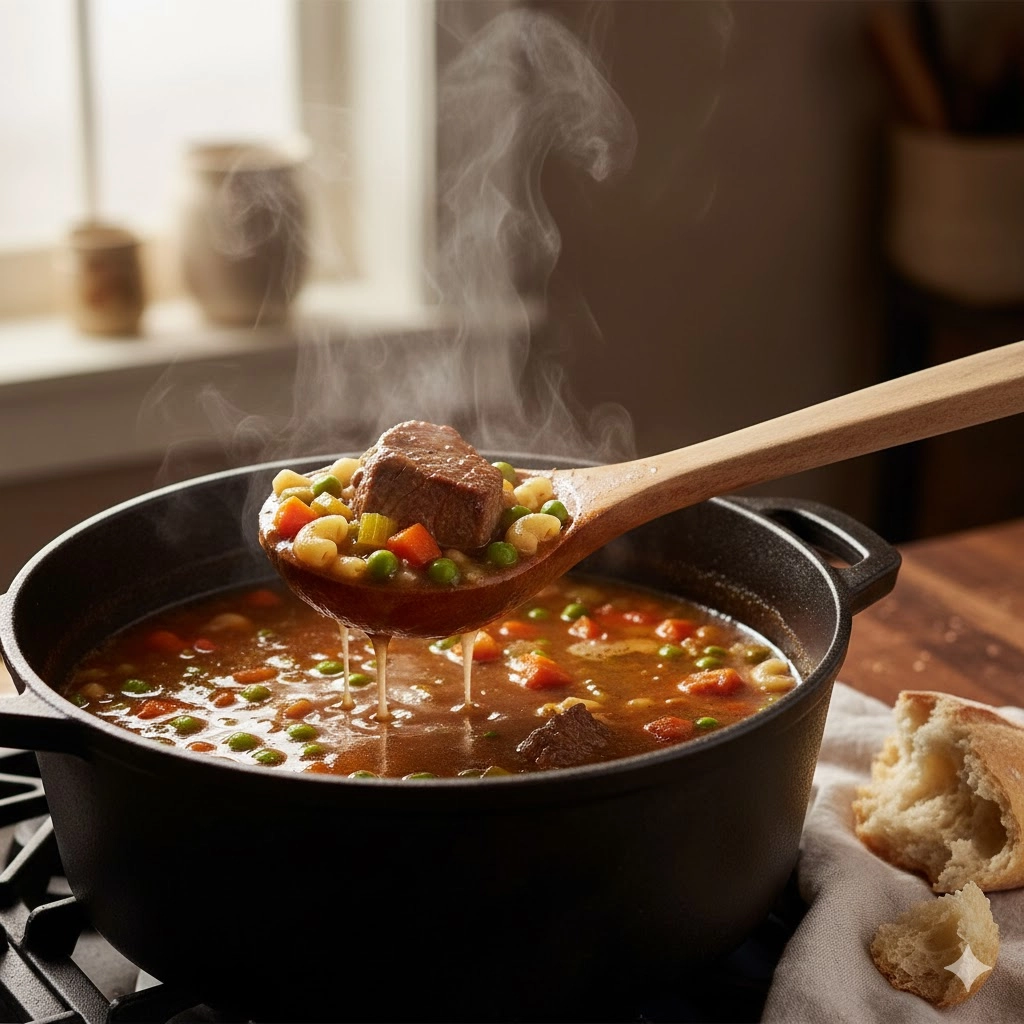
The long, slow simmer is what breaks down the collagen in the beef chuck, turning it from tough muscle into moist, tender morsels. Ninety minutes is a good starting point, but don’t rely solely on the clock. The sign of doneness is when a piece of beef can be easily shredded with a fork. The broth, meanwhile, will have changed color and consistency, deepening from a clear liquid to a cloudy, intensely savory liquid that coats the back of a spoon slightly. Keep the heat low—just a gentle bubble—to prevent the meat from becoming stringy or tough.
Timing the Vegetables
Adding the vegetables in stages ensures everything is cooked perfectly without becoming mushy. Potatoes and harder root vegetables go in first, as they need the most cooking time. The goal is tender, not disintegrating. The frozen peas and green beans are added right at the end because they cook very quickly and we want them to maintain their vibrant color and slight firmness. The visual cue of a bright green pea is an indicator that your soup is ready, retaining the freshness and texture of the vegetables.
Elevating Your Old Fashioned Vegetable Beef Soup
These practical, expert maneuvers will take this simple, rustic soup to the next level of culinary excellence.
The Secret to Depth: Tomato Paste
Before adding the canned diced tomatoes and broth, stir in 2 tablespoons of tomato paste with the garlic and cook it for two minutes until it darkens to a brick-red color. This process, called pincage, concentrates the tomato flavor and reduces its raw acidity, adding an incredible depth, or umami, to the final broth.
The Bone Broth Advantage
While canned beef broth is convenient, substituting it with homemade beef bone broth will exponentially increase the richness and mouthfeel of the soup. Bone broth contains natural gelatin, which gives the finished soup a desirable, slightly viscous texture instead of a thin, watery consistency.
Vinegar for Brightness
After the soup is done cooking and you’ve adjusted the salt, stir in 1 teaspoon of red wine vinegar or a small squeeze of fresh lemon juice. A touch of acid at the end does not make the soup sour; instead, it cuts through the richness of the beef and brightens all the vegetable flavors, making them pop.
The Power of Dried Mushrooms
For an extra layer of earthiness, soak 1/4 cup of dried porcini mushrooms in hot water for twenty minutes. Dice the rehydrated mushrooms and add them to the soup along with the broth. The soaking liquid, strained carefully to remove any grit, can also be added to the pot for an intense, savory boost.
Adaptations for Dietary Needs and Preference
This recipe is highly forgiving and can be modified to suit various tastes or what you have available in the pantry.
- Lentil Thickening: For a naturally thicker, more rustic broth, stir in a half cup of red lentils after the first hour of simmering. They will dissolve and slightly cloud the broth, enriching the texture without needing flour or cornstarch.
- Gluten-Free Option: Simply omit the elbow macaroni. The soup is already hearty enough from the beef and potatoes. You could also substitute the pasta with a half cup of wild rice, added at the same time as the potatoes, for a nuttier flavor.
- Herb Swap: Instead of dried thyme and oregano, try a mix of dried savory and marjoram for a slightly different aromatic profile. Fresh herbs, like a bundled bouquet of parsley stems and thyme sprigs tied with twine (a bouquet garni), can also be simmered with the broth and removed before serving.
- Cut of Beef: While beef chuck is traditional, you can substitute it with stew meat, short ribs, or even browned ground beef, though the cooking time will be significantly reduced, especially with ground beef (cook for only thirty minutes).
Suggested Accompaniments
The simple, robust nature of this beef vegetable soup means it pairs best with uncomplicated, starchy sides designed for dipping and soaking up the savory broth.
- Crusty Sourdough Bread: A loaf of freshly baked, crusty sourdough is the quintessential accompaniment. The tangy crumb provides a perfect counterpoint to the richness of the soup. Slice it thick and serve it alongside.
- Simple Side Salad: A light, crisp salad dressed with a simple vinaigrette—think mixed greens, cucumber, and a light citrus dressing—offers a refreshing palate cleanse between spoonfuls of the heavy soup.
- Cornbread or Biscuits: For a more Southern-style meal, a square of warm, slightly sweet cornbread or a buttermilk biscuit is ideal. They are especially good for crumbling into the bowl to soak up the last drops of the delicious liquid.
- Aged Cheese Sprinkle: Offer a small bowl of freshly grated, aged Parmesan or a sharp white cheddar cheese for guests to sprinkle over their individual servings. The salty, nutty cheese adds a final layer of complexity.
Inquiries Answered
Can I make this soup in a slow cooker?
Yes, this recipe is excellent for a slow cooker. Follow steps one and two in the slow cooker pot if it has a searing function, or sear the beef on the stovetop first. Combine all the remaining ingredients (except the pasta, peas, and green beans) in the slow cooker and cook on low for six to eight hours. Add the remaining vegetables and pasta (if using) for the last twenty minutes.
How should I store the leftovers?
Leftovers should be cooled completely and then stored in an airtight container in the refrigerator for up to four days. If the soup contains pasta, the pasta will absorb more of the liquid overnight, so you may need to add a splash of water or broth when reheating.
Does the soup freeze well?
The soup freezes very well, especially if you omit the pasta and potatoes, as they can sometimes become a bit grainy or mushy after thawing. To freeze, cool the soup completely, then transfer it to freezer-safe containers, leaving about one inch of headspace. It will keep for up to three months.
What is the best cut of beef for this soup?
Beef chuck is the best choice because it has enough fat and connective tissue to stay moist during the long cooking time. As the collagen breaks down, it enriches the broth and makes the beef incredibly tender. If you use a leaner cut, it may become dry and tough.
Nutritional Breakdown
| Nutrient | Amount per Serving |
| Calories | 385 kcal |
| Protein | 35 g |
| Carbs | 30 g |
| Fat | 15 g |
| Fiber | 6 g |
| Sugar | 5 g |
| Sodium | 590 mg |
Disclaimer
Nutrition information is an estimate and may vary based on preparation and ingredients used.
Old Fashioned Vegetable Beef Soup
Ingredients
- 1 tbsp olive oil or rendered beef fat
- 2 lb boneless beef chuck, trimmed and cut into 1-inch cubes
- 2 tsp coarse kosher salt
- 1 tsp freshly ground black pepper
- 1 large yellow onion, finely diced
- 3 ribs celery, finely diced
- 3 carrots, peeled and diced
- 2 cloves garlic, minced
- 14.5 oz can diced tomatoes, undrained
- 8 cups beef broth, preferably low sodium
- 1 cup water
- 2 bay leaves
- 1 tsp dried thyme
- 1 tsp dried oregano
- 1 tbsp Worcestershire sauce
- 3 medium potatoes (Yukon Gold or Russet), peeled and diced
- 1 cup frozen or fresh cut green beans
- 1 cup frozen peas
- 0.5 cup elbow macaroni or small pasta (optional)
- 2 tbsp fresh parsley, chopped, for garnish
Instructions
- Season the beef cubes with salt and pepper, then sear them in a heavy-bottomed pot over medium-high heat until deeply browned on all sides. Remove and set aside.
- In the same pot, add diced onion, celery, and carrots. Cook until softened and slightly sweet, about 5–7 minutes.
- Add minced garlic and stir for 1 minute. Then stir in diced tomatoes, beef broth, water, bay leaves, thyme, oregano, and Worcestershire sauce.
- Return the seared beef to the pot. Bring to a simmer, then reduce heat, cover, and cook for at least 90 minutes until beef is fork-tender.
- Stir in diced potatoes. Simmer covered for 15–20 minutes until nearly tender.
- If using, stir in pasta now and cook until al dente, following package instructions.
- Stir in green beans and peas. Cook 5 minutes until heated through and bright green.
- Remove bay leaves. Taste and adjust salt and pepper. Let soup rest 10 minutes before serving.
Notes
Equipment
- heavy-bottomed soup pot
- wooden spoon or spatula
- measuring cups and spoons
- cutting board and knife
- ladle