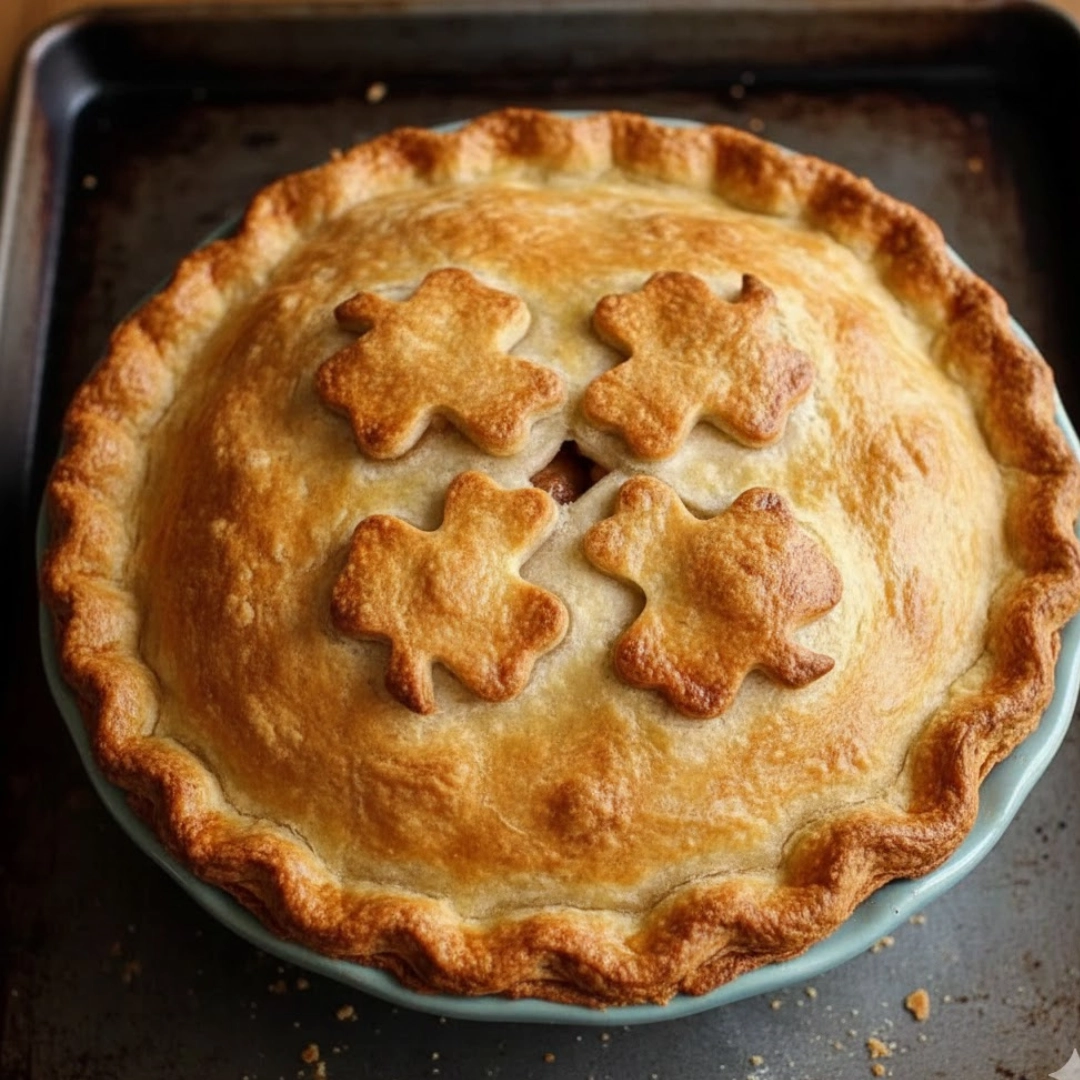
There is something deeply spiritual about a recipe handed down through generations, especially one that carries the misty, coastal essence of County Cork. Mum’s Irish Apple Pie is not just a dessert; it is a culinary bridge to the past. This specific version, rooted in Southern Ireland, departs from the typical American iteration by utilizing a sophisticated pastry blend and a simplified, fruit-forward filling. The result is a pie that balances a rich, almost shortbread-like crust with the sharp, clean bite of Orchard-fresh apples. Whether you are celebrating St. Patrick’s Day or simply yearning for a comforting slice of heritage, this pie delivers a nostalgic warmth that is impossible to replicate with store-bought alternatives.
Table of Contents
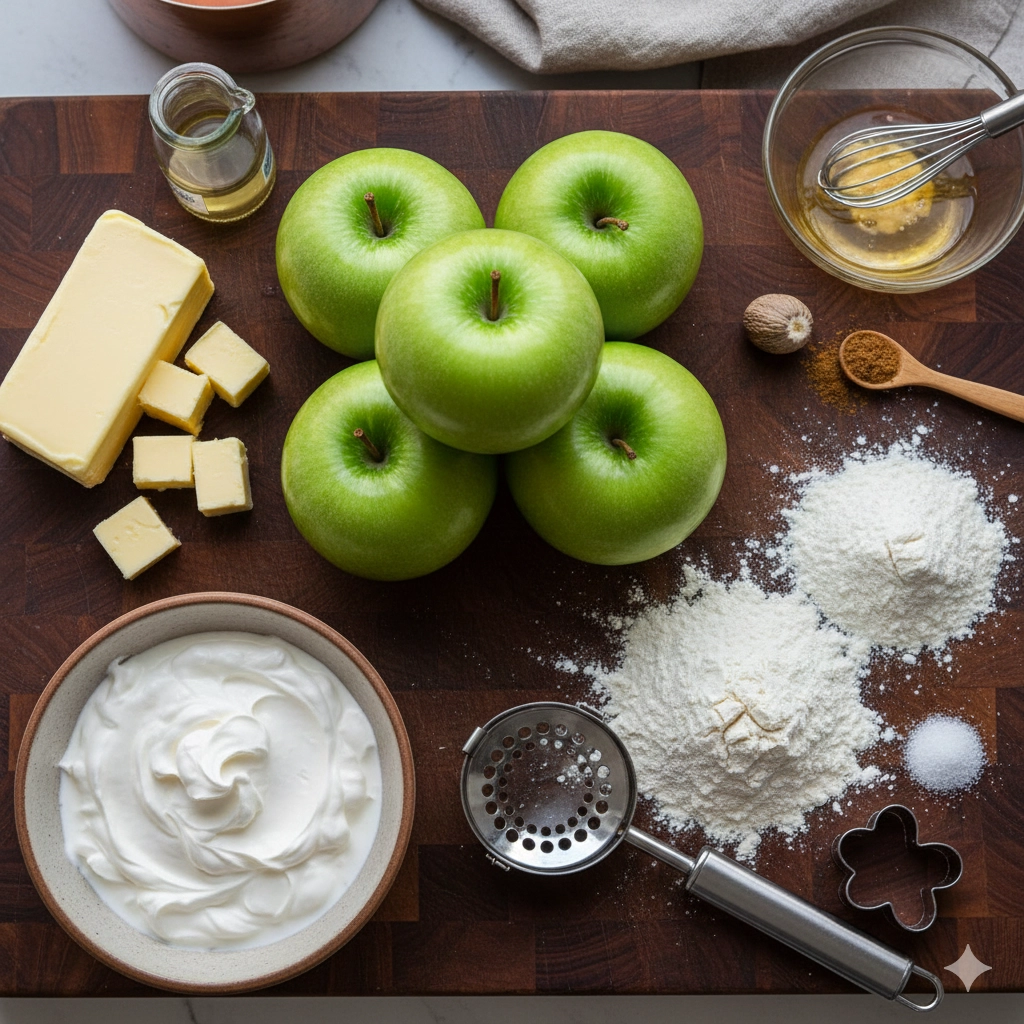
Ingredients for the Perfect Irish Pie
To achieve the legendary status of this dish, you must use high-quality fats and the specific blend of flours mentioned below. The combination of all-purpose and cake flour is the secret to that delicate, “melt-in-your-mouth” Irish texture.
For the Signature Crust:
- 1 and 1/2 cups all-purpose flour
- 3/4 cup cake flour
- 1 tablespoon white sugar
- 1/2 teaspoon salt
- 1 cup cold unsalted butter, cubed into small pieces
- 3 tablespoons shortening
- 1/4 cup sour cream
- 1/8 teaspoon lemon juice
For the Orchard Filling:
- 5 large Granny Smith apples, peeled, cored, and sliced into even wedges
- 1/2 cup white sugar
- 2 tablespoons all-purpose flour
- 1/2 tablespoon ground nutmeg
- 1/8 teaspoon lemon juice
- 1 large egg, thoroughly beaten for the wash
Step-by-Step Instructions
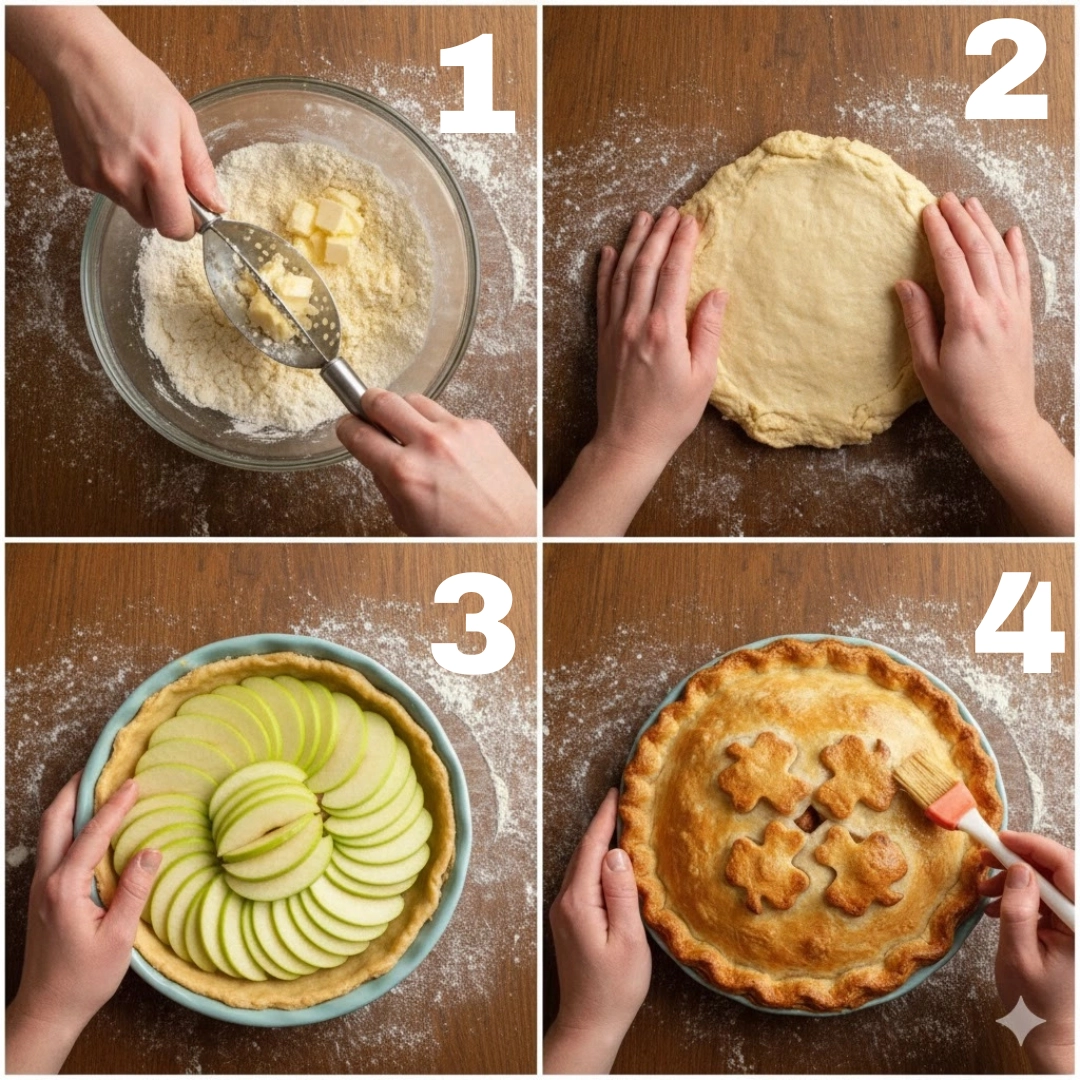
- Prepare the Pastry Foundation: In a large mixing bowl, whisk together the all-purpose flour, cake flour, sugar, and salt. Add the cold cubed butter and the shortening. Using two knives in a crisscross motion or a pastry blender, cut the fats into the flour until the mixture resembles coarse crumbs with some pea-sized bits remaining.
- Bind the Dough: Fold in the sour cream and lemon juice. Mix gently until the dough just starts to come together; it is perfectly fine to see some lumps of fat. Divide the dough into two equal halves, shape them into flat disks, wrap tightly in plastic, and chill in the refrigerator for at least one hour.
- Prepare the Oven and Tin: Preheat your oven to 350 degrees Fahrenheit. Lightly grease a 9-inch pie dish to ensure easy serving.
- Roll the Crust: On a floured surface, roll out the first disk of dough to fit the bottom and sides of your 9-inch dish. Roll out the second disk for the top cover and set it aside momentarily.
- Assemble the Filling: Arrange the sliced Granny Smith apples directly into the bottom crust. In a small separate bowl, stir together the sugar, flour, and nutmeg. Sprinkle this dry mixture evenly over the apples, then drizzle the lemon juice over the top.
- Seal and Glaze: Brush the outer edge of the bottom crust with your beaten egg wash. Place the top crust over the apples. Trim any excess and crimp the edges firmly to seal. Brush the entire top surface with the remaining egg wash and cut four distinct steam vents in the center.
- Bake to Perfection: Place the pie in the center of the oven and bake for approximately 45 minutes, or until the crust is a deep golden brown.
- The Cooling Phase: Remove the pie from the oven and allow it to cool completely on a wire rack before slicing. This ensures the juices set properly.
Achieving the Ultimate Creamy and Flaky Consistency
The architecture of Mum’s Irish Apple Pie relies heavily on the temperature of your ingredients. In an Irish kitchen, the butter is often kept quite cold, which is vital for the “short” texture of the crust. When you incorporate the sour cream, you are adding both fat and acid. This acid works to tenderize the gluten in the flour, ensuring that even if you overwork the dough slightly, it remains tender rather than tough.
When cutting the butter and shortening into the flour blend, resist the urge to create a uniform powder. Those small, visible lumps of butter are what create steam pockets during the baking process. As the water in the butter evaporates in the heat of the oven, it lifts the layers of flour, resulting in that sought-after flakiness. The inclusion of cake flour, which has a lower protein content than standard flour, further ensures that the pastry feels light and delicate on the tongue.
Accompaniments and Serving Suggestions
While this pie is magnificent on its own, the tradition in Cork often involves a bit of added indulgence. For a truly authentic experience, serve a slice while it is still slightly warm—though ensure it has had its full cooling period first to prevent the filling from running.
A dollop of heavily whipped double cream, perhaps slightly sweetened with a touch of sugar, provides a cool contrast to the warm nutmeg spice. Alternatively, a high-quality vanilla bean ice cream is a classic choice, as the melting cream creates a custard-like sauce that mingles with the apple juices. For those who prefer a more savory-sweet profile, a sharp piece of Irish cheddar cheese on the side is an old-world pairing that highlights the tartness of the Granny Smith apples beautifully.
Deep-Dive Frequently Asked Questions
Why does this recipe call for both butter and shortening?
The combination of fats serves two distinct purposes in Irish pastry making. Butter provides the unmistakable rich flavor and contributes to the flakiness through its water content. Shortening, however, has a higher melting point, which helps the pie crust maintain its structural integrity and decorative crimping while it bakes. Using both ensures a crust that is both delicious and beautiful.
Can I use a different type of apple for the filling?
While Granny Smith apples are the standard due to their firm texture and tart profile, you could technically use other baking apples like Braeburn or Honeycrisp. However, Mum’s recipe specifically relies on the acidity of the Granny Smith to balance the sugar and nutmeg. If you choose a sweeter apple, you may find the pie lacks the bright “zing” characteristic of an authentic Irish tart.
Is the chilling time for the dough strictly necessary?
Yes, chilling the dough for at least one hour is a non-negotiable step for success. This rest period allows the gluten strands to relax, which prevents the crust from shrinking when it hits the heat of the oven. Furthermore, it ensures the butter remains cold, which is the primary requirement for a flaky rather than greasy pastry.
What is the purpose of the four steam vents?
Cutting vents into the top crust is not merely decorative. As the apples cook, they release significant amounts of moisture in the form of steam. Without vents, this steam would become trapped, causing the bottom crust to become soggy and the top crust to puff up and potentially detach or crack in an unappealing way. The vents allow for a crisp, even bake.
Modifications and Substitutions
If you find yourself without certain ingredients, there are minor adjustments you can make without straying too far from the spirit of the recipe. If cake flour is unavailable, you can create a substitute by removing two tablespoons of all-purpose flour from a one-cup measurement and replacing them with two tablespoons of cornstarch. This mimics the low-protein environment of cake flour.
Regarding the fat, if you prefer not to use shortening, you can substitute it with an equal amount of very cold lard for an even more traditional, savory crust. For the filling, if nutmeg is too pungent for your palate, you can reduce the amount to a teaspoon, though the half-tablespoon is what gives this pie its “legendary” Irish aroma. Always ensure your lemon juice is fresh, as the acidity is vital for preventing the apples from oxidizing and for brightening the overall flavor profile.
Massive Expansion: Step-by-Step Kitchen Science
When you begin the process of peeling and slicing your five large Granny Smith apples, aim for a thickness of about a quarter-inch. If the slices are too thin, they will turn into applesauce during the 45-minute bake. If they are too thick, they may retain a crunch that feels disconnected from the tender pastry.
As you layer the apples into the crust, you might feel that the pile looks too high. Do not worry; the apples will lose volume as they release their juices and soften. The dry mixture of flour, sugar, and nutmeg acts as a thickening agent. As the apple juices bubble, the flour gelatinizes, creating a silky syrup that coats the fruit. This prevents the “soupy” bottom that plagues many home-baked pies. The egg wash on the bottom rim acts as a culinary “glue,” ensuring that the top and bottom crusts fuse together into a leak-proof seal.
Unique Culinary Insights for Success
One of the most common mistakes in pie baking is a “soggy bottom.” To avoid this with Mum’s recipe, consider baking your pie on the lowest rack of the oven for the first 15 minutes before moving it to the center. This gives the bottom crust a head start in crisping up.
Another insight involves the “sour cream secret.” This ingredient adds a subtle tang that cuts through the richness of the butter. If you find your dough is too dry to form a disk after adding the sour cream, add ice-cold water one teaspoon at a time. The goal is a dough that holds together when pressed but doesn’t feel sticky or tacky to the touch. When rolling out the dough, use the “quarter-turn” method: roll once, turn the dough 90 degrees, and roll again. This ensures an even thickness and prevents the dough from sticking to your counter.
A Heartfelt Irish Farewell
Mastering Mum’s Irish Apple Pie is a rite of passage for any baker looking to capture the essence of Celtic comfort food. It is a dish that rewards patience, from the slow chilling of the dough to the mandatory cooling period that allows the nutmeg-infused juices to thicken. By following these precise measurements and traditional techniques, you aren’t just baking a dessert; you are preserving a piece of County Cork history. Slice it thick, serve it with a bit of cream, and enjoy a taste of the Emerald Isle.
Nutritional Profile
| Nutrient | Amount Per Serving |
| Calories | 527 |
| Total Fat | 31 grams |
| Saturated Fat | 18 grams |
| Cholesterol | 75 milligrams |
| Sodium | 250 milligrams |
| Total Carbohydrates | 61 grams |
| Dietary Fiber | 4 grams |
| Sugars | 28 grams |
| Protein | 5 grams |
Disclaimer
Nutritional values are estimates based on standard ingredient data. Actual nutritional content may vary depending on the specific brands of butter, shortening, and flour used, as well as the exact size of the apples.
Mum’s Irish Apple Pie
Ingredients
- 1.5 cups all-purpose flour
- 0.75 cup cake flour
- 1 tbsp white sugar
- 0.5 tsp salt
- 1 cup unsalted butter, cold and cubed
- 3 tbsp shortening
- 0.25 cup sour cream
- 0.125 tsp lemon juice (for crust)
- 5 large Granny Smith apples, peeled, cored and sliced
- 0.5 cup white sugar (for filling)
- 2 tbsp all-purpose flour (for filling)
- 0.5 tbsp ground nutmeg
- 0.125 tsp lemon juice (for filling)
- 1 large egg, beaten
Instructions
- In a large bowl, whisk together the flours, sugar, and salt. Cut in the cold butter and shortening using a pastry blender or two knives until the mixture looks like coarse crumbs.
- Stir in the sour cream and lemon juice until the dough begins to clump together. Divide the dough into two disks, wrap in plastic, and refrigerate for 1 hour.
- Preheat your oven to 350 degrees Fahrenheit. Lightly grease a 9-inch pie dish.
- Roll out one dough disk on a floured surface to fit the pie dish. Roll out the second disk for the top crust and set aside.
- Arrange apple slices in the bottom crust. In a small bowl, mix sugar, flour, and nutmeg, then sprinkle over apples. Drizzle with lemon juice.
- Brush the edge of the bottom crust with beaten egg. Place the top crust over the apples, trim, and crimp edges to seal.
- Brush the top with the remaining egg wash and cut 4 steam vents in the center.
- Bake for 45 minutes or until the crust is golden brown. Let the pie cool completely before serving to allow the juices to set.
Notes
Equipment
- 9-inch pie dish
- Pastry blender or two knives
- Rolling Pin
- large mixing bowl
- pastry brush