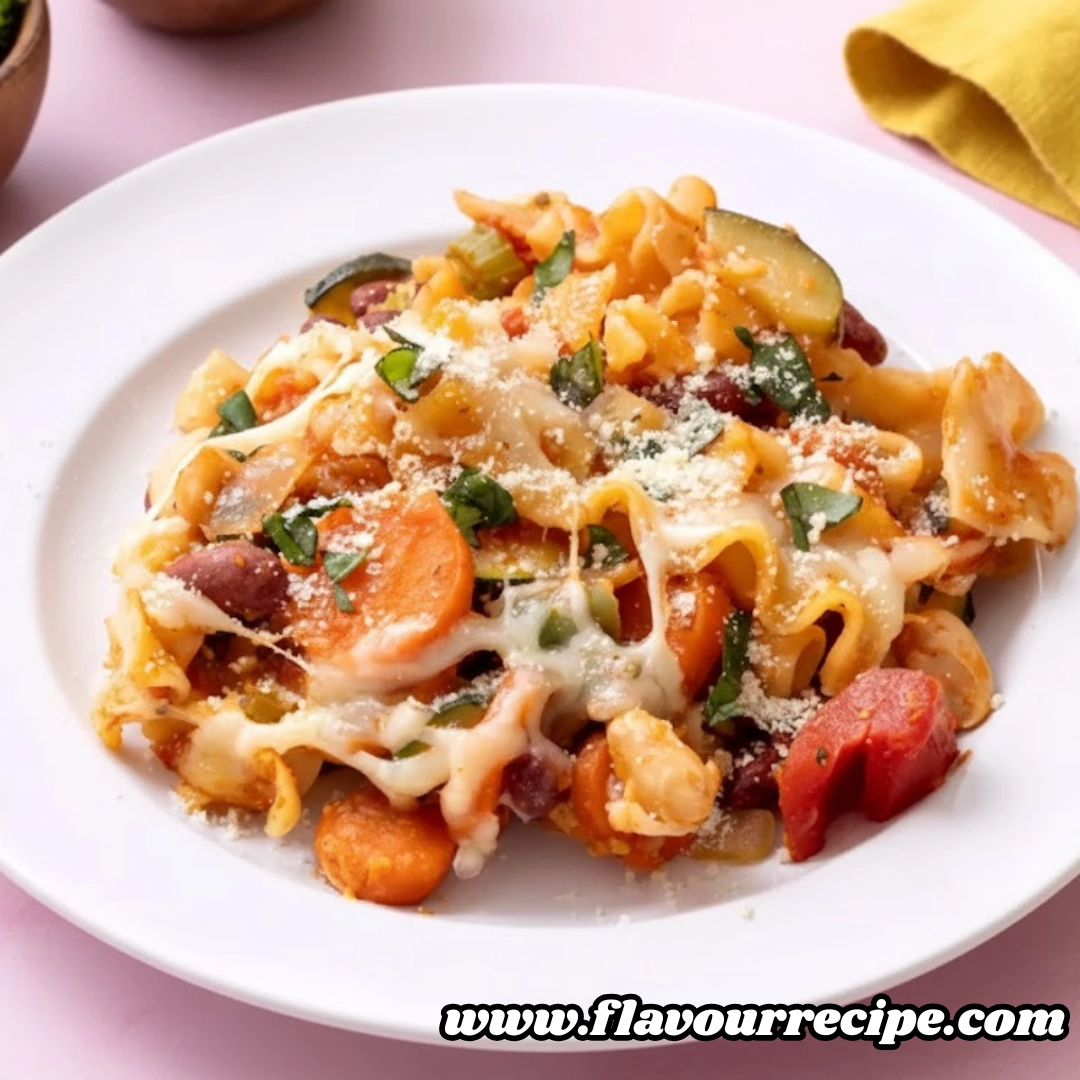
Minestrone has long been celebrated as a versatile, vegetable-forward staple of Italian home cooking, traditionally served as a fluid, hearty soup. This Minestrone Casserole reimagines those iconic flavors into a structured, baked format that emphasizes the interplay between tender pasta and a robust tomato-herb sauce. By concentrating the aromatics and layering in two varieties of protein-rich beans, this dish transitions from a first-course soup to a substantial main event. It provides a clever way to incorporate a diverse array of garden vegetables into a single, cohesive meal that benefits from a golden, melted cheese crust.
This adaptation is particularly effective for those seeking a preparation that holds up well for leftovers or can be transported easily to a gathering. The inclusion of mini lasagna noodles—known as mafalda—adds a whimsical yet practical texture, as the ruffled edges are designed to trap the savory sauce and small pieces of zucchini and carrot. Whether you are looking for a plant-forward dinner option or a unique twist on a classic Mediterranean profile, this baked assembly offers a satisfying depth of flavor.
Table of Contents
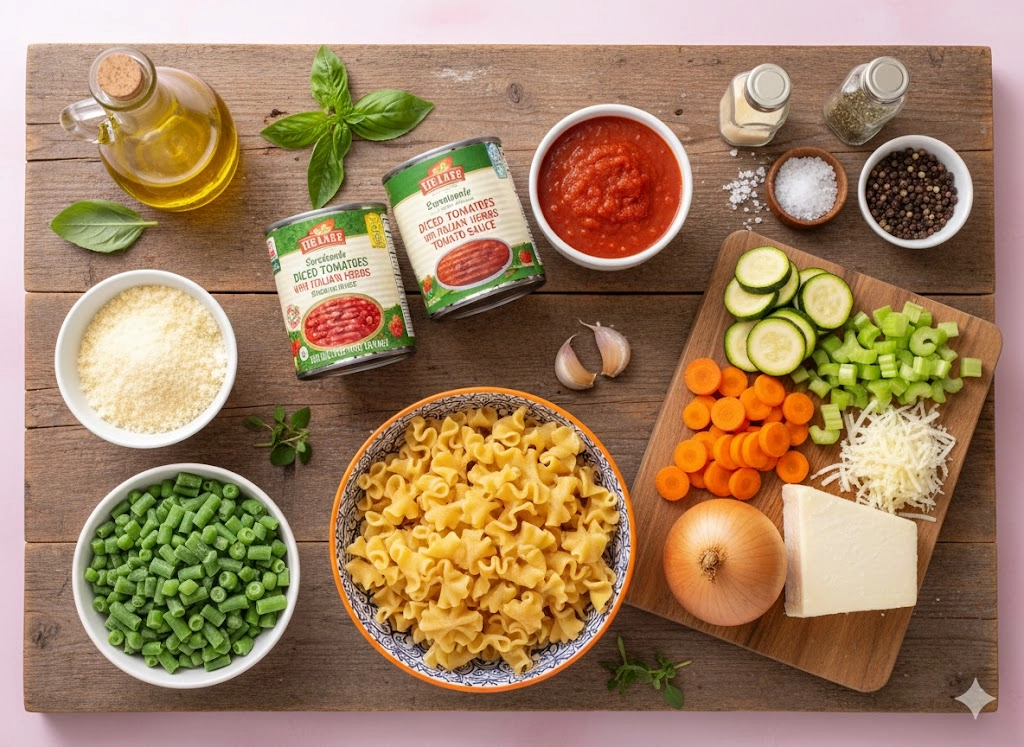
Ingredients
The Pasta Base
- 4 cups dried mafalda pasta (often called mini lasagna noodles)
Fresh Aromatics and Vegetables
- 2 tablespoons extra virgin olive oil
- 2 medium carrots, peeled and sliced into thin rounds
- 2 stalks celery, trimmed and sliced
- 1 large yellow onion, finely chopped
- 1 medium zucchini, quartered lengthwise and sliced into quarter-moons
- 2 cloves garlic, finely minced
- 1 cup frozen cut green beans
Beans and Canned Goods
- 1 can (15 ounces) red kidney beans, rinsed and drained
- 1 can (15 ounces) cannellini beans, rinsed and drained
- 1 can (15 ounces) diced tomatoes with Italian herbs
- 1 can (15 ounces) smooth tomato sauce
Seasoning and Cheeses
- 1/2 cup grated Parmesan cheese, divided into two equal portions
- 1 teaspoon dried Italian seasoning
- 1/2 teaspoon fine sea salt
- 1/4 teaspoon freshly ground black pepper
- 1 cup shredded mozzarella cheese
- 2 tablespoons chopped fresh basil or oregano for garnish
Instructions
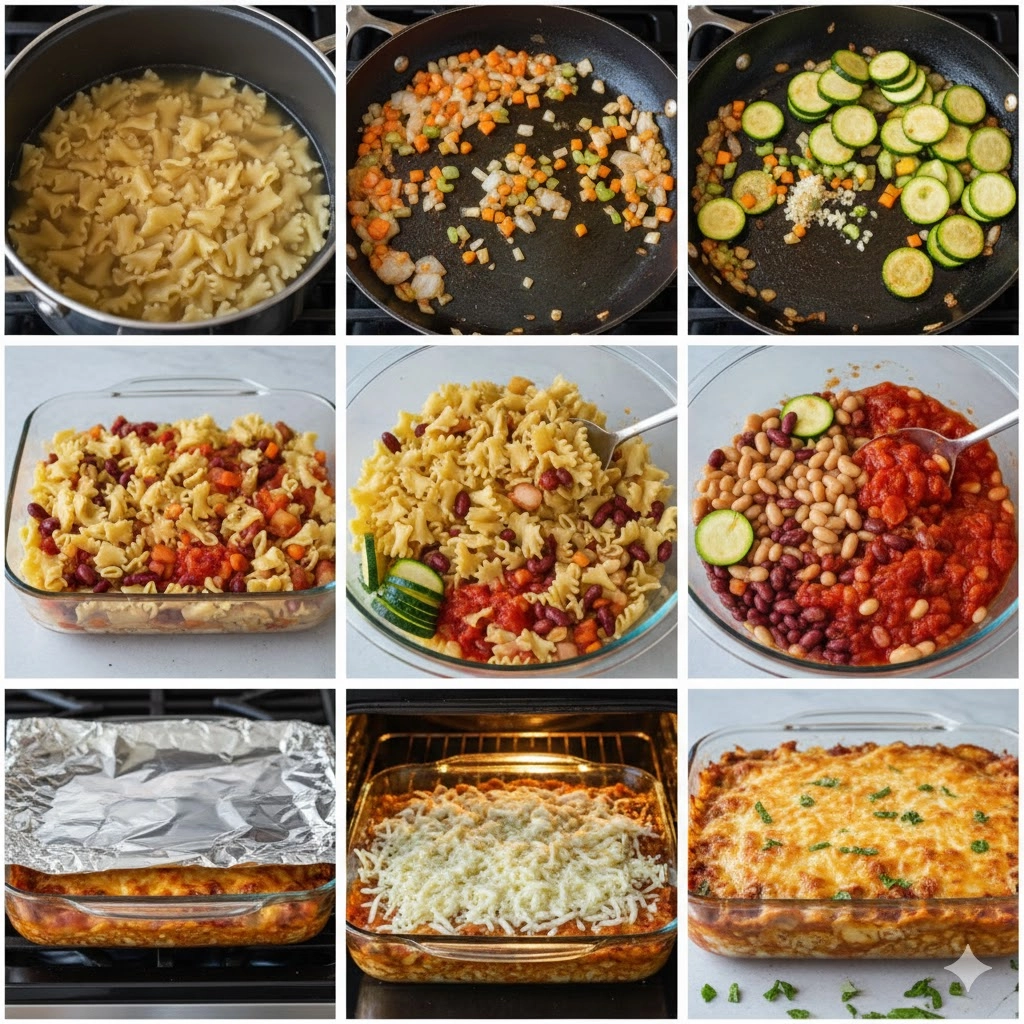
- Prepare your workspace by preheating the oven to three hundred fifty Fahrenheit and lightly greasing a three-quart ceramic or glass baking dish.
- Boil a large pot of salted water and cook the mafalda pasta according to the package instructions, aiming for the minimum time to ensure it remains al dente.
- While the pasta cooks, heat the olive oil in a large skillet over medium heat and sauté the onion, carrots, and celery until they reach a fork-tender consistency.
- Integrate the zucchini and minced garlic into the skillet, stirring for sixty seconds until the garlic becomes fragrant but not browned.
- In a large mixing bowl, combine the drained pasta, the sautéed vegetable mixture, both types of beans, green beans, diced tomatoes, and tomato sauce.
- Fold in one-quarter cup of the Parmesan cheese along with the Italian seasoning, salt, and pepper, ensuring the noodles are evenly coated.
- Transfer the mixture into the prepared baking dish, pressing down slightly to level the surface, and cover tightly with aluminum foil.
- Bake for twenty minutes in the center of the oven to allow the flavors to meld and the vegetables to finish softening.
- Remove the foil, distribute the mozzarella cheese evenly across the top, and return to the oven for an additional ten to fifteen minutes.
- Remove from the heat once the cheese is bubbly and beginning to brown, then garnish with the remaining Parmesan and fresh herbs before serving.
Step-By-Step Details
Preparing the Foundation
The first step is ensuring your pasta does not overcook during the boiling phase. Because the mafalda noodles will undergo a second cooking process in the oven, you want them to have a distinct “bite.” When you drain the pasta, it should feel slightly firmer than you would prefer for a standard bowl of noodles. This prevents the Minestrone Casserole from becoming mushy after it absorbs the tomato sauce during the baking cycle.
Developing the Soffritto
The combination of onion, carrot, and celery—the Italian mirepoix known as soffritto—is the engine of flavor for this dish. Cover the skillet during the first few minutes of sautéing; this uses steam to soften the carrots without needing excessive oil. When you add the zucchini and garlic at the very end, watch for the zucchini to turn a vibrant, bright green. Avoid over-browning the garlic, as bitter notes can easily overwhelm the delicate sweetness of the canned tomatoes.
Assembly and Moisture Balance
When mixing the ingredients in the large bowl, look for a “saucy” consistency. If the mixture looks dry before it even enters the oven, the noodles will soak up all the liquid and leave the final dish parched. The juices from the diced tomatoes and the tomato sauce should create a visible pool at the bottom of the bowl. If it seems too thick, a splash of the pasta cooking water can be added to loosen the texture.
The Two-Stage Bake
Baking the casserole covered for the first twenty minutes is essential for heat distribution. The foil traps steam, ensuring the frozen green beans and carrots reach the perfect level of tenderness. Once the foil is removed and the mozzarella is added, the focus shifts to texture. You are looking for the mozzarella to transition from opaque white to a translucent, stretchy state with small golden-brown toasted spots on the surface.
Pro Tips
- Salt Your Pasta Water: Always season the boiling water generously with salt. Since the pasta makes up a large volume of the casserole, seasoning it from the inside out is the only way to ensure the dish isn’t bland.
- Rinse Your Beans Thoroughly: The liquid in canned beans contains excess starch and sodium which can muddy the flavor of the tomato sauce. Rinsing them under cold water until the bubbles disappear ensures a clean, bright taste.
- Uniform Vegetable Slices: Try to slice your carrots and celery to a similar thickness. This ensures they all finish cooking at the exact same time, preventing the frustration of biting into a hard carrot while the celery is soft.
- Fresh Herb Finish: Do not add the fresh basil or oregano before baking. The high heat of the oven will turn them black and bitter. Adding them as a final flourish preserves their aromatic oils and bright green color.
- Let It Rest: Allow the casserole to sit for five to ten minutes after removing it from the oven. This brief rest period allows the sauce to thicken slightly and makes it much easier to scoop out clean portions.
- Grate Your Own Cheese: If possible, grate your Parmesan and mozzarella from blocks. Pre-shredded cheeses are often coated in potato starch to prevent clumping, which can interfere with the smooth melt you want for a casserole topping.
Variations or Substitutions
- Pasta Alternatives: If you cannot find mafalda, ditalini or medium shells are excellent substitutes. They both offer a similar surface area for the sauce to cling to.
- Protein Boost: For a non-vegetarian version, you can stir in cooked ground Italian sausage or browned ground turkey along with the beans.
- Leafy Green Integration: Swap the frozen green beans for two cups of fresh chopped kale or baby spinach. Fold these in during the mixing stage; they will wilt perfectly during the twenty-minute covered bake.
- Vegan Adaptation: Omit the mozzarella and Parmesan in favor of a nutritional yeast-based crumb topping or a vegan mozzarella alternative. Use a dash of smoked paprika to replicate the depth of the Parmesan.
Serving Suggestions
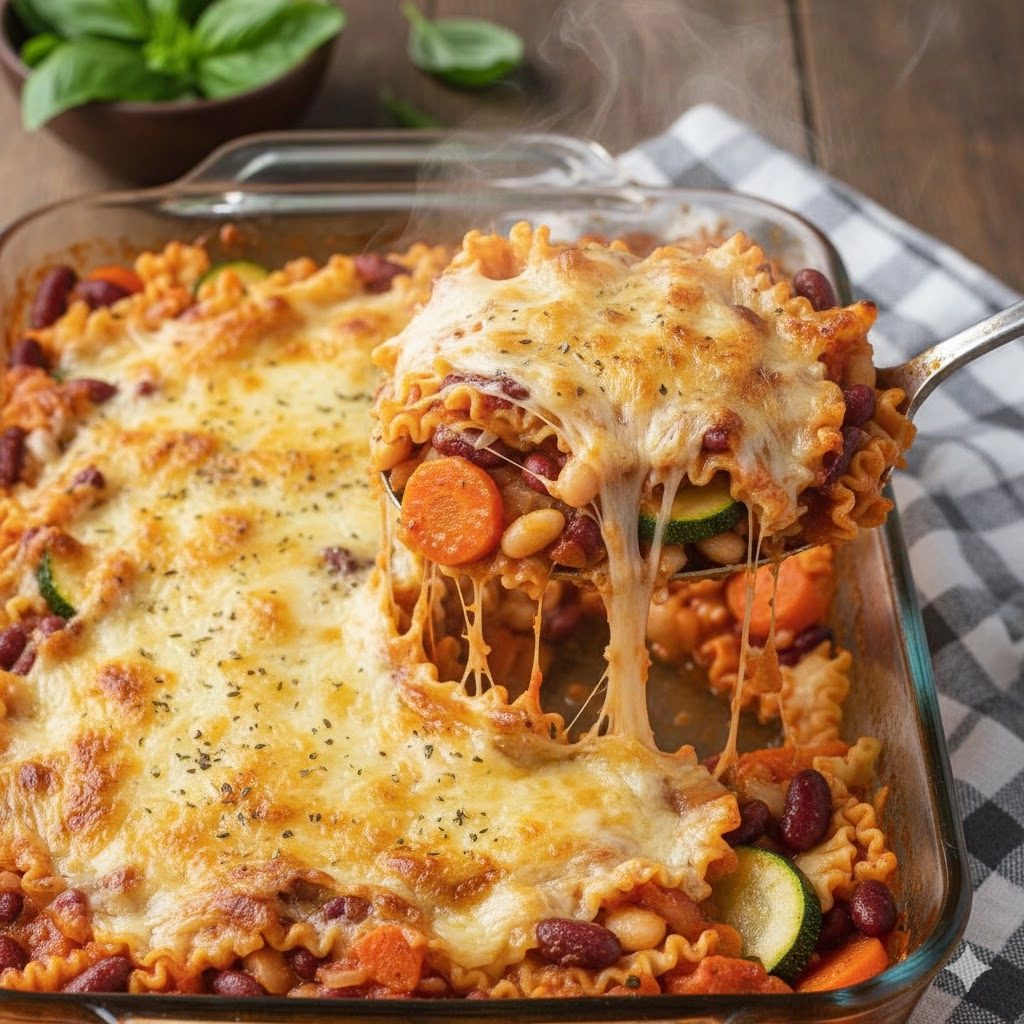
This dish is quite comprehensive on its own, but it pairs beautifully with a crisp green salad tossed in a sharp lemon vinaigrette to cut through the richness of the melted cheese. A side of toasted sourdough or garlic focaccia is also highly recommended for mopping up any remaining sauce on the plate. If you are serving this for a larger dinner party, a chilled platter of roasted red peppers and marinated artichokes makes for a wonderful thematic appetizer.
FAQs
Can I make this dish ahead of time?
Yes, you can assemble the entire casserole up until the point of baking. Cover it tightly and refrigerate for up to twenty-four hours. When you are ready to eat, add five to ten minutes to the covered baking time to account for the cold temperature of the dish.
Is it possible to freeze the Minestrone Casserole?
This casserole freezes quite well. It is best to freeze it after the assembly stage but before the final bake. Wrap it in a double layer of foil and plastic wrap; it will stay fresh for up to three months. Thaw in the refrigerator overnight before baking as directed.
What is the best substitute for zucchini if it’s out of season?
Yellow summer squash is the most direct substitute, providing a similar texture and moisture content. Alternatively, you could use chopped bell peppers, which add a slightly sweeter profile to the vegetable mix.
Why did my pasta turn out mushy?
Mushy pasta is usually the result of overboiling the noodles in the first step. Because the pasta continues to cook and absorb liquid in the oven, it must be removed from the stove while it still has a firm, slightly undercooked center.
Nutrition Information
| Nutrient | Amount per Serving |
| Calories | 356 kcal |
| Protein | 19 g |
| Carbs | 53 g |
| Fat | 9 g |
| Fiber | 8 g |
| Sugar | 6 g |
| Sodium | 840 mg |
Disclaimer
Nutrition information is an estimate and may vary based on preparation and ingredients used.
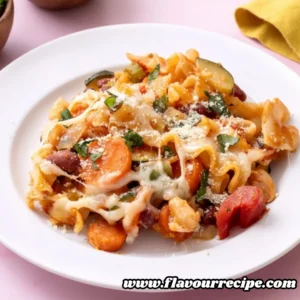
Savory Oven-Baked Minestrone Casserole
Ingredients
- 4 cups dried mafalda pasta (mini lasagna noodles)
- 2 tbsp extra virgin olive oil
- 2 carrots, sliced into thin rounds
- 2 stalks celery, sliced
- 1 large yellow onion, chopped
- 1 medium zucchini, quartered and sliced
- 2 cloves garlic, minced
- 15 oz red kidney beans, rinsed and drained
- 15 oz cannellini beans, rinsed and drained
- 15 oz diced tomatoes with Italian herbs
- 15 oz tomato sauce
- 1 cup frozen cut green beans
- 0.5 cup grated Parmesan cheese, divided
- 1 tsp Italian seasoning
- 0.5 tsp fine sea salt
- 0.25 tsp freshly ground black pepper
- 1 cup shredded mozzarella cheese
- 2 tbsp fresh basil or oregano, chopped
Instructions
- Preheat your oven to 350 Fahrenheit and lightly coat a 3-quart baking dish with nonstick spray.
- Boil the mafalda pasta in salted water for the minimum time on the package; drain and set aside.
- Sauté onion, carrots, and celery in olive oil over medium heat until tender (about 5-8 minutes).
- Stir in zucchini and garlic; cook for one minute until the garlic is fragrant.
- In a large bowl, combine pasta, sautéed vegetables, beans, tomatoes, tomato sauce, green beans, and 1/4 cup Parmesan.
- Season with Italian herbs, salt, and pepper. Transfer to the baking dish and cover tightly with foil.
- Bake for 20 minutes, then remove foil. Top with mozzarella and bake 10-15 more minutes until bubbly.
- Garnish with the remaining Parmesan and fresh herbs before serving.
Notes
Equipment
- 3-quart baking dish
- large pot For boiling pasta
- large skillet For sautéing vegetables
- large mixing bowl
- aluminum foil