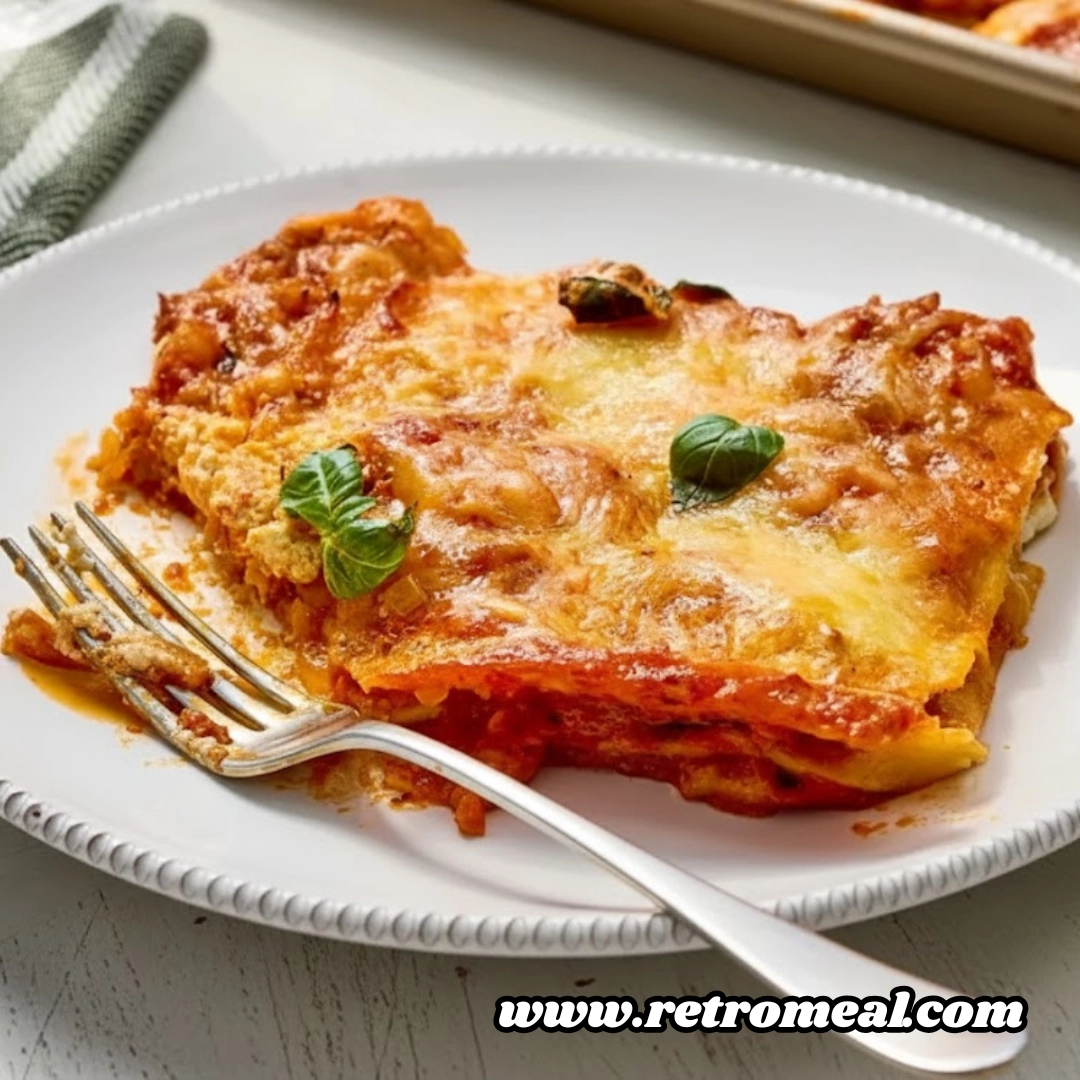
There is a reason the term “million dollar” is attached to certain recipes. It implies a level of decadence, richness, and satisfaction that goes far beyond your average Tuesday night dinner. This Million Dollar Sheet Pan Lasagna is the pinnacle of that philosophy. By ditching the traditional deep-dish pan in favor of a wide, rimmed baking sheet, we maximize the surface area for crispy edges and perfectly browned cheese. Every bite is a harmonious blend of savory Italian sausage, a velvety three-cheese cream layer, and tender pasta. It is a bold, modern take on a classic that delivers high-impact flavor with a much more manageable cooking process.
Table of Contents
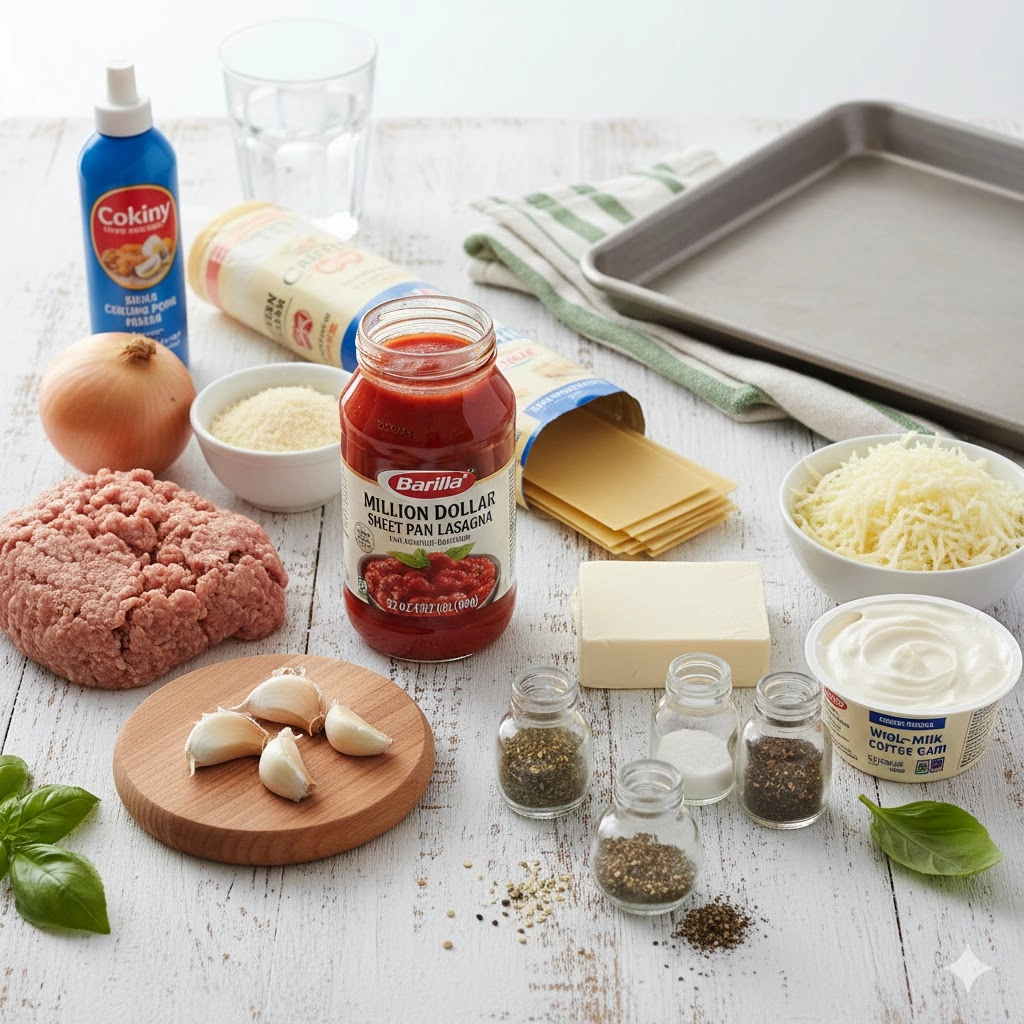
Ingredients for the Perfect Sheet Pan Lasagna
To create this masterpiece, you will need to gather the following high-quality components. Each ingredient plays a specific role in balancing the acidity of the tomatoes with the creamy richness of the dairy.
- 1 pound bulk mild Italian pork sausage
- 1 yellow onion, finely chopped
- 4 large garlic cloves, finely chopped
- 2 teaspoons dried Italian seasoning
- 1 teaspoon kosher salt
- 1/2 teaspoon ground black pepper
- 1 (32 ounce) jar marinara sauce
- 1/2 cup tap water
- 4 ounces Parmesan cheese, grated
- 16 ounces low-moisture part-skim mozzarella cheese, shredded, divided
- 1 (8 ounce) package cream cheese, softened
- 1 cup whole-milk cottage cheese
- 1/4 cup sour cream
- 1 (9 ounce) package no-boil lasagna noodles, such as Barilla brand
- Cooking spray
- Fresh basil leaves for garnish
Step-by-Step Instructions
Follow these precise steps to ensure your lasagna has the structural integrity and flavor profile of a professional kitchen creation.
- Preparation and Oven Setup: Begin by preheating your oven to 450 degrees Fahrenheit. For optimal heat distribution, place your oven racks in the middle and upper-third positions. The upper rack should be approximately 6 inches from the heat source to facilitate the final broiling stage.
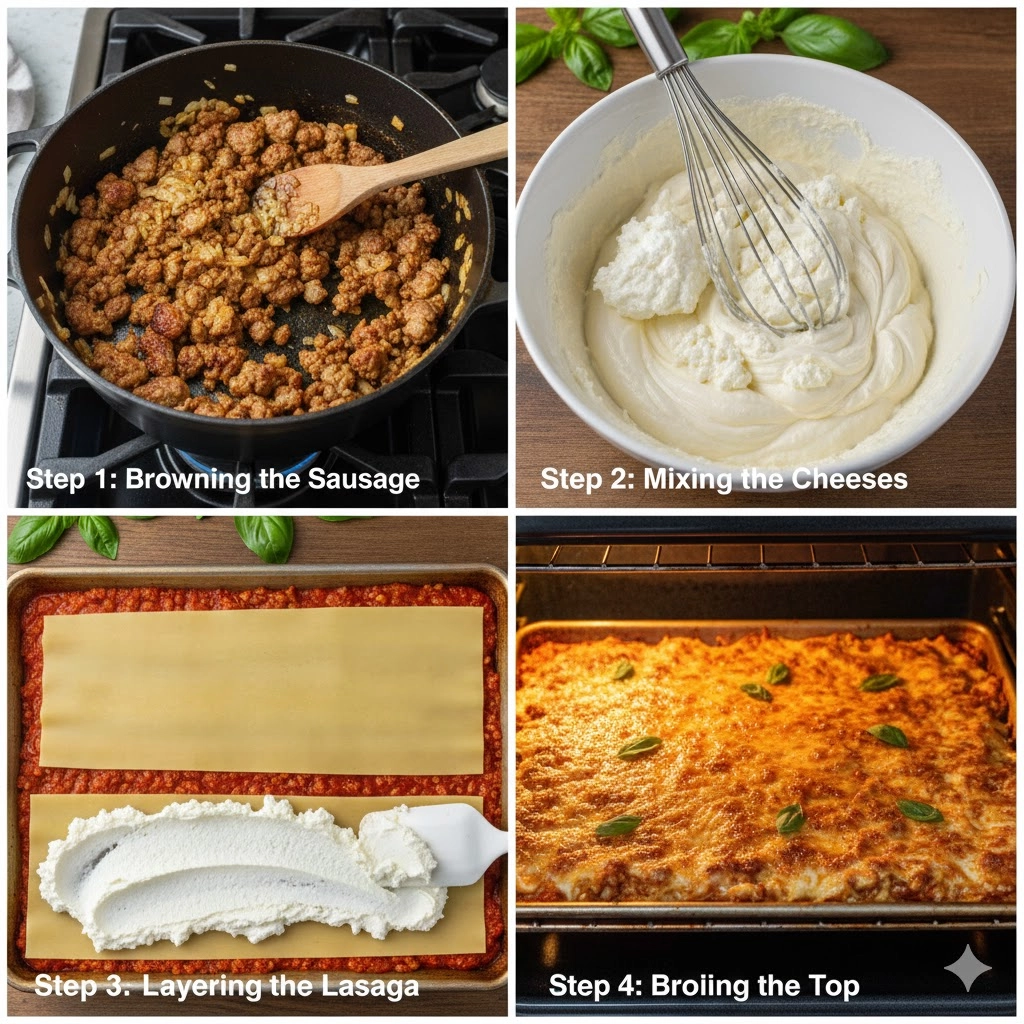
- Searing the Sausage and Aromatics: In a large Dutch oven set over medium-high heat, add the bulk mild Italian pork sausage. Use a wooden spoon to break the meat into small crumbles as it browns. This process typically takes between 6 and 8 minutes. Once the meat is browned, add the finely chopped yellow onion and sauté for about 4 minutes until it becomes translucent and soft.
- Seasoning the Base: Stir in the chopped garlic, dried Italian seasoning, kosher salt, and black pepper. Cook these together for about 1 minute, stirring constantly to prevent the garlic from burning while allowing the oils in the dried herbs to bloom.
- Building the Red Sauce: Pour the 32 ounce jar of marinara sauce into the Dutch oven. To ensure no sauce is wasted, fill the empty jar with 1/2 cup of water, swirl it around, and add that liquid to the pot. Bring the mixture to a simmer over medium heat, then reduce to medium-low. Let it cook for 10 to 12 minutes, allowing the flavors to meld and the sauce to thicken slightly.
- The Cheese Integration: Remove the sauce from the heat. Stir in the 4 ounces of grated Parmesan cheese and half of the shredded mozzarella (8 ounces). Continue stirring for 1 to 2 minutes until the cheeses are fully melted and the sauce is creamy.
- The White Sauce Component: In a separate medium-sized bowl, combine the softened cream cheese, whole-milk cottage cheese, and sour cream. Stir vigorously until the mixture is smooth and uniform in texture.
- Assembling the First Layer: Take an 18×13-inch rimmed baking sheet. Spread roughly 2 and 1/2 cups of the meat and cheese sauce evenly across the bottom. Place half of the no-boil lasagna noodles over the sauce. You may need to overlap them slightly or break them into pieces to ensure full coverage of the pan.
- The Creamy Center: Dollop the entire cream cheese and cottage cheese mixture over the noodles. Use a spatula to spread it into an even layer. Pour another 2 and 1/2 cups of the meat sauce over this white layer.
- Final Assembly: Arrange the remaining lasagna noodles over the sauce, pressing down gently so they sit flat. Spread the remaining sauce over the top of the noodles and sprinkle with the remaining 8 ounces of mozzarella cheese.
- Baking: Lightly coat one side of two large pieces of aluminum foil with cooking spray. Cover the lasagna tightly with the foil, ensuring the oiled side is facing down toward the cheese. Bake on the middle rack for 20 to 25 minutes until the noodles are tender.
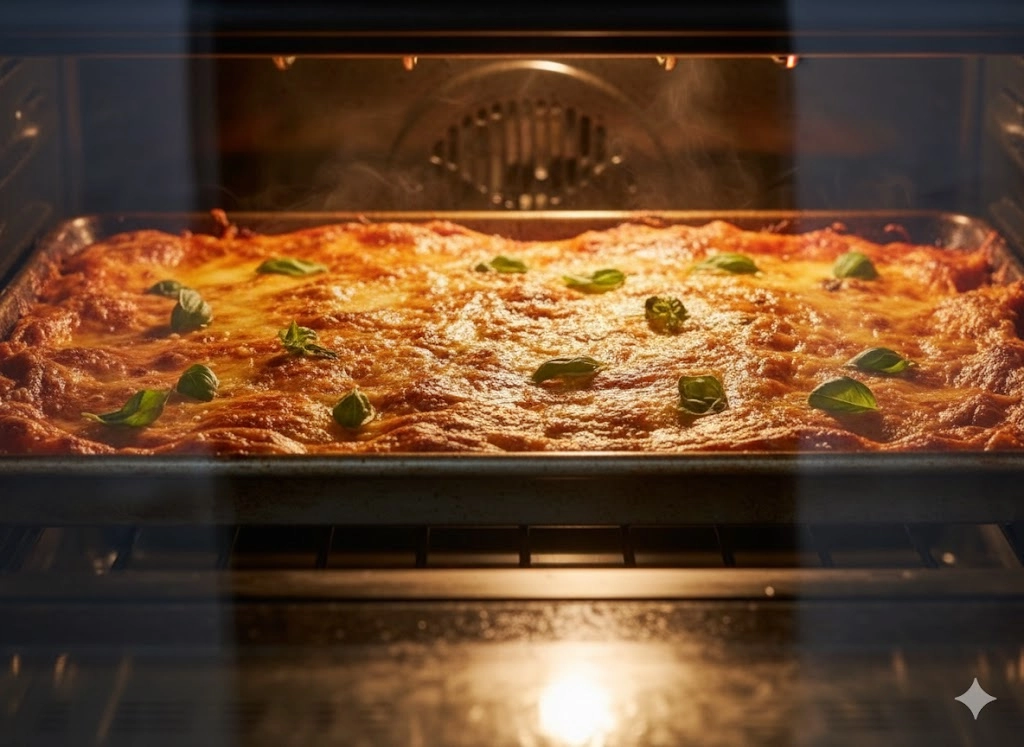
- The Perfect Finish: Remove the foil and discard it. Switch the oven to the broil setting. Move the sheet pan to the upper rack and broil for 2 to 3 minutes, watching closely until the cheese is bubbling and deep golden brown. Garnish with fresh basil before slicing.
Expansive Step-by-Step Details and Kitchen Science
The transition from a deep-dish lasagna to a sheet pan version is a fascinating study in culinary thermodynamics. In a traditional 9×13-inch pan, the center of the lasagna often remains soft, and the ratio of “crispy corner bits” to “soft middle bits” is quite low. By utilizing an 18×13-inch sheet pan, you are effectively doubling the surface area. This allows for a much more rapid evaporation of excess moisture, which concentrates the flavors of the marinara and the pork sausage.
When you are browning the Italian pork sausage, you are initiating the Maillard reaction. This is a chemical reaction between amino acids and reducing sugars that gives browned food its distinctive, savory flavor. It is vital to let the meat brown thoroughly rather than just “graying” it. The fond—those little brown bits stuck to the bottom of the Dutch oven—contains immense flavor that gets deglazed once you add the marinara and water.
The inclusion of cream cheese and sour cream in the white layer is what earns this recipe its “million dollar” title. While traditional Italian recipes might use a bechamel or a simple ricotta, this combination provides a tangy, ultra-stable creaminess that doesn’t “weep” or become watery during the baking process. The cottage cheese adds a textural element that mimics ricotta but with a cleaner, more moisture-rich profile.
Using no-boil noodles is a strategic choice for sheet pan cooking. These noodles are designed to absorb moisture directly from the sauce. Because the sheet pan has more surface area, the noodles are more exposed to the heat, allowing them to cook evenly without becoming mushy. When you press the final layer of noodles into the sauce, you are ensuring they are fully hydrated, which prevents hard, uncooked edges.
Unique Culinary Insights for Success
To truly master this dish, one must pay attention to the moisture content. Because we are using a rimmed baking sheet, the depth is significantly less than a standard casserole dish. This means the lasagna will cook faster, but it also means the sauce needs to be the right consistency. If your marinara is particularly thin, let it simmer for an extra 5 minutes during the sauce-reduction phase.
Another vital tip involves the cheese. Using low-moisture mozzarella is non-negotiable. Fresh mozzarella, while delicious on pizza, contains a high water content that will puddle on a flat sheet pan, potentially making your noodles soggy. Low-moisture mozzarella provides that iconic “cheese pull” and browns beautifully under the broiler without releasing excess liquid.
When it comes to the “Million Dollar” creamy layer, ensure your cream cheese is truly at room temperature. If it is too cold, it will remain lumpy when mixed with the cottage cheese and sour cream. A smooth white layer ensures that every single bite of the lasagna has an even distribution of tangy, creamy goodness.
Finally, do not skip the resting period. While it is tempting to slice into the bubbling tray immediately, letting the lasagna sit for 5 to 10 minutes allows the proteins in the cheese and the starches in the pasta to set. This ensures that when you cut the squares, they maintain their beautiful layers rather than sliding apart on the plate.
Smart Modifications and Substitutions
While the pork sausage provides a robust flavor, you can easily adapt this recipe to suit different dietary preferences or pantry staples.
- Protein Alternatives: If you prefer a lighter profile, ground turkey sausage or chicken sausage works exceptionally well. Simply ensure you add an extra teaspoon of olive oil to the pan, as poultry is leaner than pork and may stick. For a vegetarian version, replace the meat with 1 pound of finely chopped mushrooms and sauté them until all their moisture has evaporated to mimic the texture of crumbled meat.
- Sauce Variations: If you find yourself without a jar of marinara, you can use a 28 ounce can of crushed tomatoes seasoned with extra garlic, onion powder, and a pinch of sugar to balance the acidity.
- Cheese Swaps: If you aren’t a fan of cottage cheese, a high-quality whole milk ricotta can be used in a one-to-one ratio. For a sharper bite, consider mixing some Pecorino Romano in with the Parmesan.
- Herb Adjustments: If fresh basil isn’t available, a drizzle of store-bought pesto over the finished lasagna can provide that necessary hit of herbal brightness.
Accompaniments and Serving Suggestions
This lasagna is incredibly rich, so it pairs best with sides that offer acidity and crunch to cleanse the palate. A bright arugula salad dressed with a simple lemon vinaigrette and shaved radishes is an ideal companion. The bitterness of the arugula cuts through the density of the cream cheese and sausage.
For a more classic Italian-American spread, serve this with garlic bread made from a crusty baguette. The bread is perfect for mopping up any remaining sauce on the sheet pan. Steamed broccolini with a squeeze of lemon and red pepper flakes also provides a nice textural contrast and a pop of color to the plate.
When serving, consider the visual appeal of the sheet pan. This dish is a “showstopper” when brought to the table whole. Use a sharp bench scraper or a sturdy metal spatula to cut clean, square portions. Because it is thinner than traditional lasagna, you might find that guests prefer two smaller squares rather than one large block, allowing them more of those coveted crispy edges.
Deep-Dive Frequently Asked Questions
Why use a sheet pan instead of a traditional deep baking dish?
The primary advantage of a sheet pan is the surface area. In a deep dish, only the very top layer of cheese gets crispy. In a sheet pan, the ratio of crispy edges to soft interior is much higher. Additionally, the thinner layers mean the lasagna cooks more quickly and evenly, making it a great option for weeknight dinners when you want the flavor of a slow-cooked meal in less time.
Can I use regular lasagna noodles instead of the no-boil variety?
You can, but it requires an extra step. You would need to boil the regular noodles until they are just shy of al dente, drain them, and then layer them. However, no-boil noodles are actually preferred for this specific sheet pan method because they absorb the excess moisture from the sauce, which helps the lasagna stay structural rather than becoming a “soup” on the flat tray.
Is it possible to make this recipe ahead of time?
Absolutely. You can assemble the lasagna entirely, cover it tightly with the oiled foil, and refrigerate it for up to 24 hours before baking. Because the ingredients will be cold, you may need to add 5 to 10 minutes to the initial covered baking time. It is a fantastic option for meal prep or for hosting a dinner party without the last-minute mess.
What is the purpose of the water added to the marinara jar?
This serves two purposes. First, it is a practical way to “clean” the jar and ensure you get every last bit of expensive sauce into your pot. Second, the no-boil noodles require a certain amount of liquid to hydrate and soften. The extra half cup of water provides that necessary moisture without diluting the flavor of the sauce significantly.
A New Standard for Home-Cooked Pasta
Redefining a classic dish like lasagna is no small feat, but the Million Dollar Sheet Pan Lasagna manages to elevate every element of the original. By focusing on high-quality aromatics, a unique blend of three creamy cheeses, and the structural benefits of a rimmed baking sheet, this recipe ensures a perfect result every time. It is a dish that feels like a celebration, whether you are serving it to your family on a Monday or to guests at a weekend gathering. The combination of the savory sausage and the tangy cream cheese creates a flavor profile that is truly worth a million dollars.
Nutritional Information
| Nutrient | Amount Per Serving |
| Calories | 920 |
| Total Fat | 63 grams |
| Saturated Fat | 32 grams |
| Cholesterol | 165 milligrams |
| Sodium | 1850 milligrams |
| Total Carbohydrates | 40 grams |
| Dietary Fiber | 3 grams |
| Sugars | 8 grams |
| Protein | 49 grams |
Disclaimer
Nutritional values are estimates based on standard ingredient measurements. Actual nutritional content may vary depending on specific brands used and portion sizes. Please consult a healthcare professional for specific dietary needs.
Million Dollar Sheet Pan Lasagna
Ingredients
- 1 pound bulk mild Italian pork sausage
- 1 yellow onion, finely chopped
- 4 cloves large garlic cloves, finely chopped
- 2 tsp dried Italian seasoning
- 1 tsp kosher salt
- 0.5 tsp ground black pepper
- 1 32 oz jar marinara sauce
- 0.5 cup tap water
- 4 ounces Parmesan cheese, grated
- 16 ounces low-moisture part-skim mozzarella cheese, shredded, divided
- 1 8 oz package cream cheese, softened
- 1 cup whole-milk cottage cheese
- 0.25 cup sour cream
- 1 9 oz package no-boil lasagna noodles (such as Barilla)
- cooking spray
- fresh basil leaves for garnish
Instructions
- Preheat oven to 450 degrees Fahrenheit. Position racks in the middle and upper-third positions (6 inches from heat).
- Cook sausage in a large Dutch oven over medium-high heat until browned and crumbled (6-8 minutes). Add onion and cook until soft (4 minutes).
- Stir in garlic, Italian seasoning, salt, and pepper. Cook for 1 minute until fragrant.
- Add marinara sauce and water (swirl water in the empty jar first). Simmer for 10-12 minutes. Remove from heat and stir in Parmesan and 8oz of mozzarella.
- In a separate bowl, whisk together softened cream cheese, cottage cheese, and sour cream until smooth.
- Spread 2.5 cups of meat sauce on an 18×13-inch rimmed baking sheet. Layer half the noodles, then the white cheese mixture, then 2.5 cups more sauce.
- Top with remaining noodles, remaining sauce, and the rest of the mozzarella. Cover with oiled foil.
- Bake on the middle rack for 20-25 minutes. Remove foil, move to top rack, and broil for 2-3 minutes until golden. Garnish with basil.
Notes
Equipment
- 18×13-inch rimmed baking sheet
- Large Dutch Oven
- mixing bowl
- aluminum foil
- silicone spatula