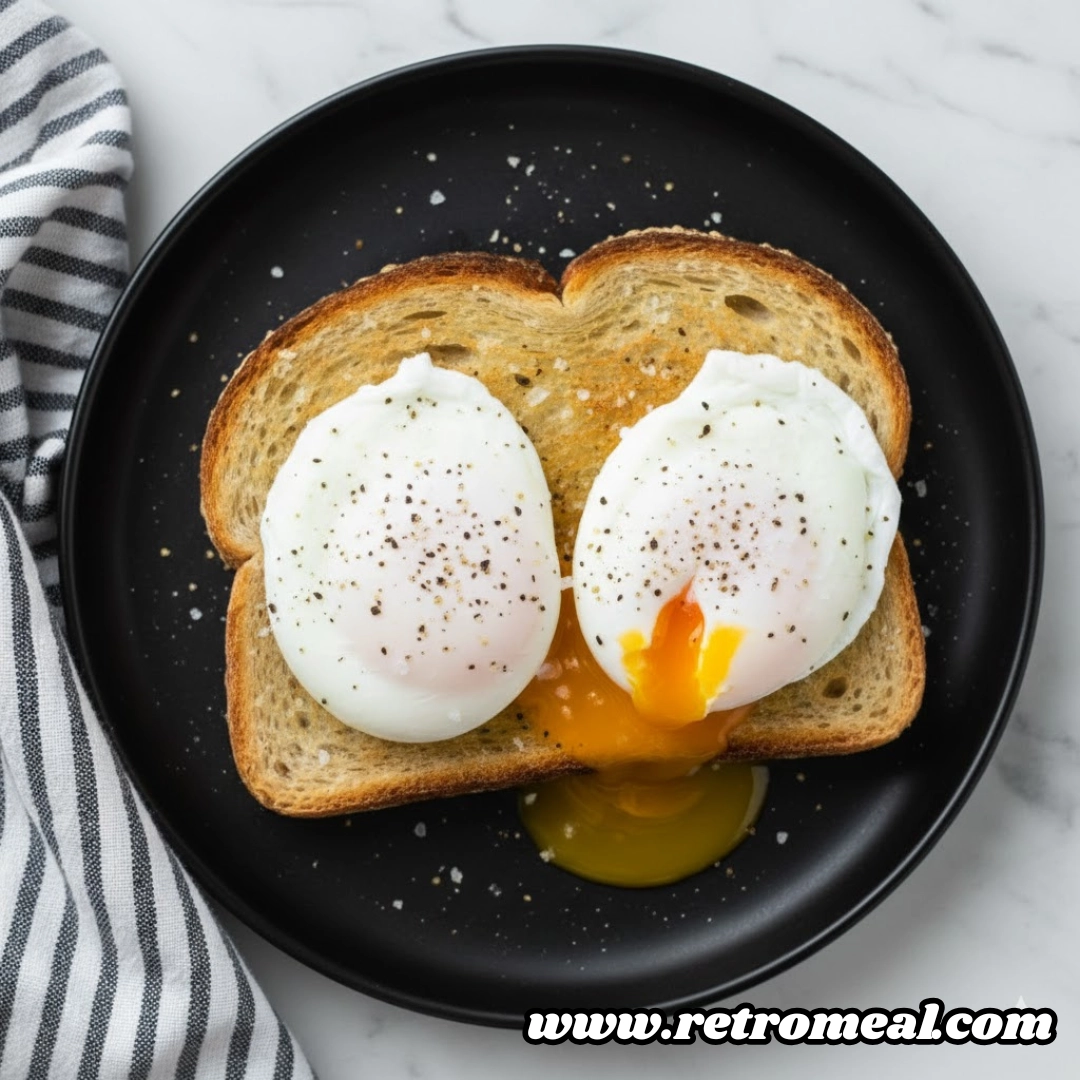
The poached egg is often viewed as the pinnacle of breakfast sophistication, usually reserved for leisurely Sunday brunches at a high-end bistro. There is something undeniably elegant about a silky, opaque white cradling a warm, liquid gold center. However, on a Tuesday morning when you are rushing to start your first meeting or trying to pack a nutritious lunch for the office, the traditional stovetop method feels like an impossible luxury. Bringing a pot of water to a gentle simmer, adding precisely the right amount of vinegar, and mastering the delicate “whirlpool” technique is a lot of work for a single egg.
Enter the microwave poached egg. This method is a total game-changer for those who value both their time and their protein intake. While some purists might scoff at the idea of using a microwave for such a delicate task, the reality is that with the right technique, you can achieve a truly satisfying result in less than five minutes. It is the ultimate kitchen hack for anyone who wants to upgrade their avocado toast or ramen bowl without the cleanup of a dozen pots and pans. This recipe focuses on simplicity, speed, and safety, ensuring you get a consistent poach every time you hear that microwave beep.
Table of Contents
Ingredients
To ensure your eggs turn out perfectly, start with high-quality, fresh ingredients. The following measurements are for one individual serving.
- 1 large egg (taken directly from the refrigerator)
- 1/4 cup water
- Fine sea salt (to taste, for serving)
- Freshly cracked black pepper (to taste, for serving)
Instructions
Follow these precise steps to ensure your egg is cooked safely and reaches the desired consistency.
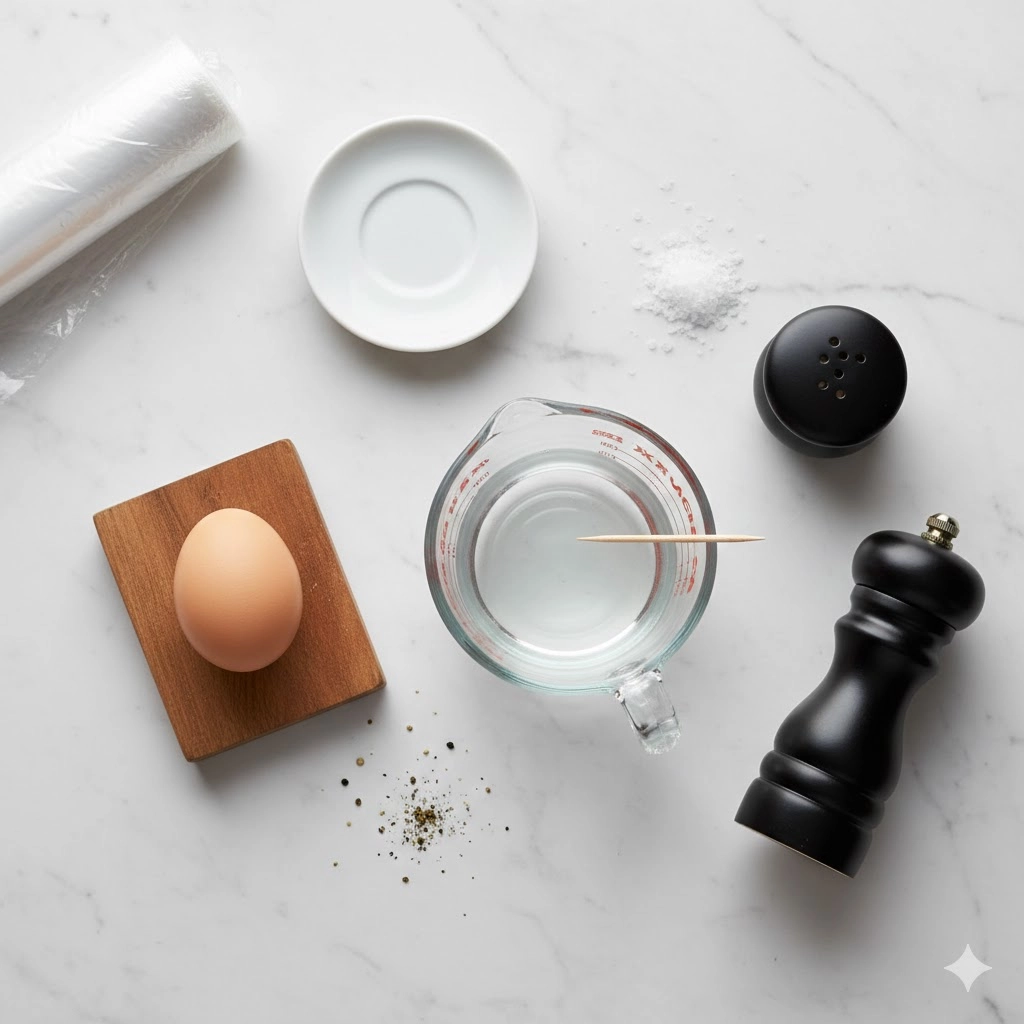
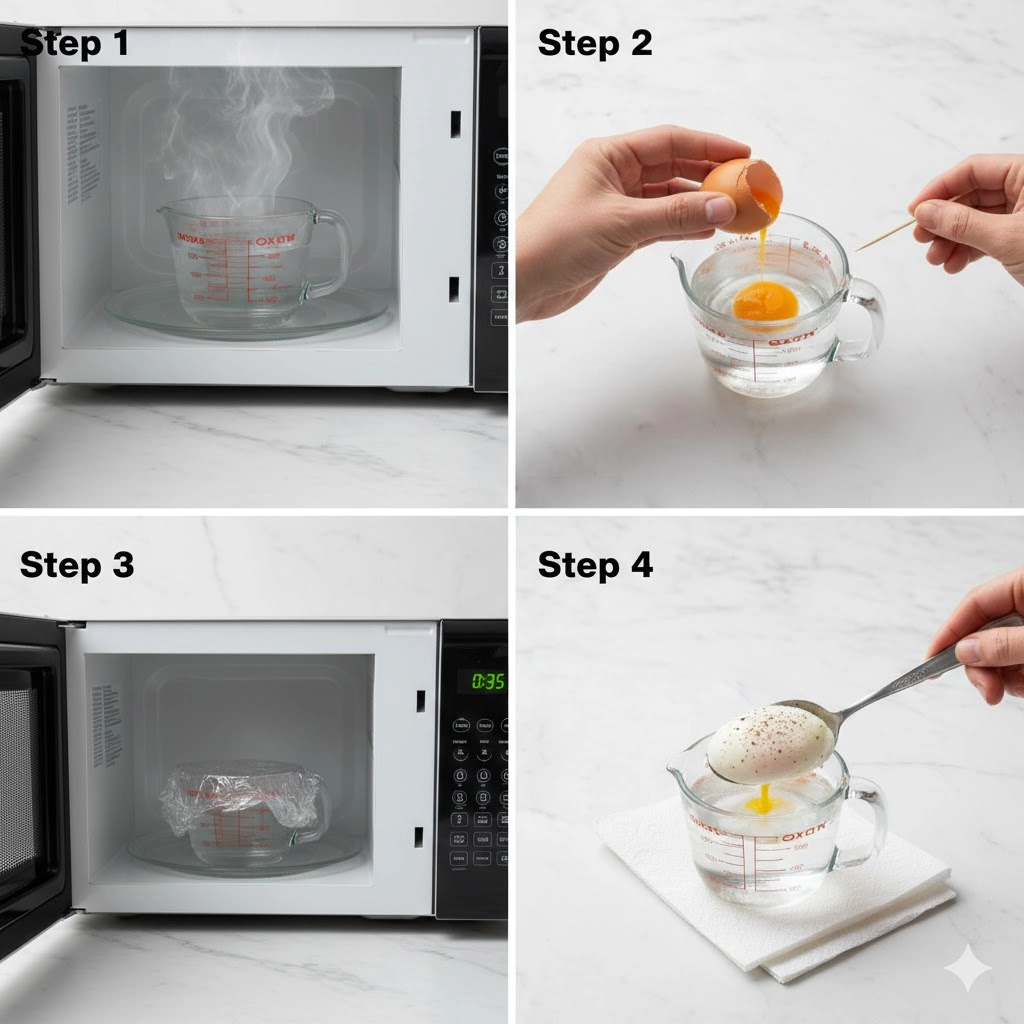
- Prepare the Water: Pour 1/4 cup of water into an 8-ounce glass measuring cup or a heavy, microwave-safe ceramic mug.
- Initial Heating: Place the vessel in the microwave and heat on high power for 30 seconds to 1 minute. You are looking for the water to be steaming and hot, but not reaching a violent, rapid boil.
- Add the Egg: Carefully crack the large egg directly into the hot water.
- Pierce the Yolk: Using a clean toothpick, gently pierce the surface of the egg yolk. This is a safety step to prevent internal pressure buildup. Keep the yolk intact; do not stir it.
- Cover: Place a piece of plastic wrap over the top of the vessel. If you are using a mug, a small microwave-safe saucer or plate works perfectly as a lid.
- The Final Poach: Return the vessel to the microwave and cook on high power for an additional 35 seconds.
- Rest and Inspect: Carefully remove the mug from the microwave. Check the whites; if they are not fully set, continue microwaving in 10-second intervals until they are opaque.
- Drain and Plate: Using a slotted spoon or a large fork, gently lift the egg from the water. Let it rest briefly on a paper towel or a piece of dry toast to remove excess moisture.
- Season: Transfer to your plate and season immediately with salt and pepper.
Master the Science of the Microwave Poach
The transition from a raw egg to a perfectly poached masterpiece in a microwave is a lesson in thermodynamics. Unlike a stovetop, where heat is applied to the bottom of the pan and distributed through convection, a microwave works by exciting water molecules within the food itself. This is why the method of pre-heating the water is so vital. By bringing the 1/4 cup of water to a steaming temperature before the egg ever touches it, you are creating an environment where the egg starts cooking the moment it hits the liquid. This helps the whites coagulate quickly around the yolk rather than spreading out into thin, wispy feathers.
The choice of vessel is equally important. A glass measuring cup is ideal for beginners because it allows you to see the progress of the egg white through the side of the glass. You can observe whether the white has turned from translucent to a solid, milky white. If you prefer a mug, choose one with thick walls. Heavy ceramic or stoneware retains heat better than thin porcelain, providing a more stable “residual heat” environment that helps the egg finish setting while it sits for those few seconds after the timer goes off.
Safety is the most discussed aspect of this method. You might have heard stories of eggs “exploding.” This happens because the yolk is encased in a thin membrane. Under microwave radiation, the interior of the yolk can heat up faster than the steam can escape, creating a pressurized pocket. By simply pricking that membrane with a toothpick, you create a tiny chimney for steam to escape, virtually eliminating the risk of a kitchen-cleaning disaster. Always remember to keep your face back when removing the cover, as the trapped steam will be very hot.
Modifications and Creative Substitutions
While the base recipe is classic, there are several ways to tweak this method to suit your dietary needs or pantry availability.
- Vinegar Addition: If you find your egg whites are spreading too much, you can add one teaspoon of white distilled vinegar or apple cider vinegar to the water before heating it. The acid helps the egg proteins bond more quickly, resulting in a tighter, neater shape.
- Herb-Infused Water: For a subtle flavor boost, drop a sprig of fresh thyme or a leaf of sage into the water while it heats. The aromatics will lightly perfume the egg as it poaches.
- Warmth Adjustment: If you prefer a warmer yolk that is less “runny” and more “jammy,” increase the resting time after the final 35-second burst. Leave the egg in the hot water for 60 seconds after the microwave stops. The residual heat will continue to firm up the center without making the whites rubbery.
- Salt Variations: Instead of standard table salt, try finishing your egg with smoked Maldon sea salt, truffle salt, or a dash of Tajin for a spicy, citrusy kick.
Perfect Accompaniments and Serving Ideas
A poached egg is a versatile component that can turn a simple snack into a complete meal. Because the microwave method is so fast, you can spend your extra time on the “extras.”
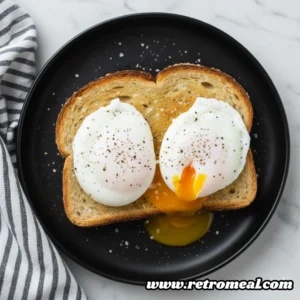
The most classic pairing is, of course, a thick slice of sourdough toast. The nooks and crannies of the bread are designed to catch the liquid yolk. For a modern twist, place your microwave poached egg on top of a bed of smashed avocado seasoned with lemon juice and red pepper flakes. The creaminess of the avocado against the silkiness of the egg is a texture match made in heaven.
If you are looking for a low-carb option, serve the egg over a pile of sautéed spinach or kale. The heat from the egg will slightly wilt the greens if they are fresh, or it can sit atop a warm “grain bowl” featuring quinoa, farrotto, or roasted sweet potatoes. For those who enjoy a bit of heat, a drizzle of chili oil or a spoonful of pesto can transform the flavor profile from “standard breakfast” to “gourmet lunch” in seconds.
Achieving the Ultimate Consistency
Consistency is the biggest challenge when using different microwave models. A 1200-watt microwave will cook an egg significantly faster than a 700-watt dorm-room model. This is why the “35-second rule” is a starting point rather than a law.
When you first try this recipe, pay close attention to how the egg looks after that initial 35 seconds. If the white is still clear or wobbles like jelly when you move the mug, it needs more time. However, do not just hit the “add 30 seconds” button. Egg proteins are sensitive; they can go from perfect to rubbery in a heartbeat. Always use 10-second increments for the final stages.
Another tip for success involves the age of the egg. Fresh eggs have a much thicker, more viscous “inner white.” This part of the egg stays close to the yolk and maintains its shape. As eggs age, the proteins break down and the whites become watery. If you notice your microwave poached egg looks more like an egg-drop soup than a poached egg, your eggs might be a week or two old. In that case, save those eggs for scrambling and buy a fresh carton for your poaching adventures.
Frequently Asked Questions
Why did my egg yolk turn out hard instead of runny?
This is usually a result of the wattage being too high or the cooking time being just a few seconds too long. Microwaves cook from the inside out in many cases, and the yolk can solidify quickly. To fix this next time, try reducing the second cook phase to 25 or 30 seconds and let the egg sit in the hot water for a minute to finish the whites using residual heat.
Is it safe to use plastic wrap in the microwave?
Yes, as long as you use plastic wrap that is labeled as “microwave safe.” If you are concerned about plastic, using a small ceramic saucer or a glass bread-and-butter plate as a lid is an excellent, eco-friendly alternative. The goal of the cover is to trap steam, which helps cook the top of the egg white that might not be fully submerged.
Can I cook two eggs at the same time in one mug?
It is generally not recommended to cook two eggs in the same vessel. The eggs often bump into each other, causing the yolks to break, or they cook unevenly because the microwave energy is being split between two dense items. Since the process only takes about three minutes total, it is much better to cook them one after the other to ensure each one is perfect.
Can I store a microwave poached egg for later?
Poached eggs are best enjoyed immediately. If you must store them, you can place them in a bowl of cold water in the refrigerator for up to 24 hours. To reheat, you would need to drop them into hot (not boiling) water for about 30 seconds. However, given how fast the microwave method is, it is almost always better to just make a fresh one when you are ready to eat.
Beyond the Breakfast Plate
Once you have mastered this technique, you will find yourself adding poached eggs to everything. They are the perfect addition to a bowl of spicy Shin Ramyun, adding a rich, creamy element that cuts through the spice. They also work beautifully on top of a Caesar salad, where the yolk can mingle with the dressing to create an even richer coating for the romaine leaves. This method proves that you don’t need a professional kitchen or a lot of time to eat well. With just a mug, a bit of water, and a single egg, you have the building blocks for a sophisticated, protein-packed meal that fits into even the busiest schedule.
Nutrition Table
| Nutrient | Amount Per Serving |
| Calories | 72 |
| Total Fat | 5g |
| Cholesterol | 186mg |
| Sodium | 71mg |
| Total Carbohydrates | 1g |
| Protein | 6g |
| Vitamin D | 1mcg |
| Calcium | 28mg |
| Iron | 1mg |
| Potassium | 69mg |
Nutritional Disclaimer
The nutritional information provided above is an estimate based on standard large egg data. Individual values may vary depending on the specific brand and size of the eggs used. For those on strict medical diets, please consult with a healthcare professional or registered dietitian.
Microwave Poached Eggs
Ingredients
- 1 large egg, straight from the refrigerator
- 0.25 cup water
- 1 pinch fine sea salt, for serving
- 1 pinch freshly ground black pepper, for serving
Instructions
- Pour 1/4 cup of water into an 8-ounce glass measuring cup or a sturdy, microwave-safe ceramic mug.
- Microwave the water on high power for 30 to 60 seconds until it is steaming but not reaching a rapid boil.
- Carefully crack the egg into the hot water. Gently slide a toothpick into the yolk to pierce the membrane while keeping the yolk intact.
- Cover the vessel with microwave-safe plastic wrap or a small saucer/plate to trap steam.
- Microwave on high power for an additional 35 seconds. If the white is still translucent, continue in 10-second bursts.
- Gently lift the egg out of the water using a spoon or fork. Rest on a paper towel or toast to drain excess water.
- Transfer to a serving plate and season immediately with salt and pepper.
Notes
Equipment
- 8-ounce glass measuring cup or sturdy mug
- Microwave-safe saucer or plastic wrap
- toothpick
- Spoon or fork