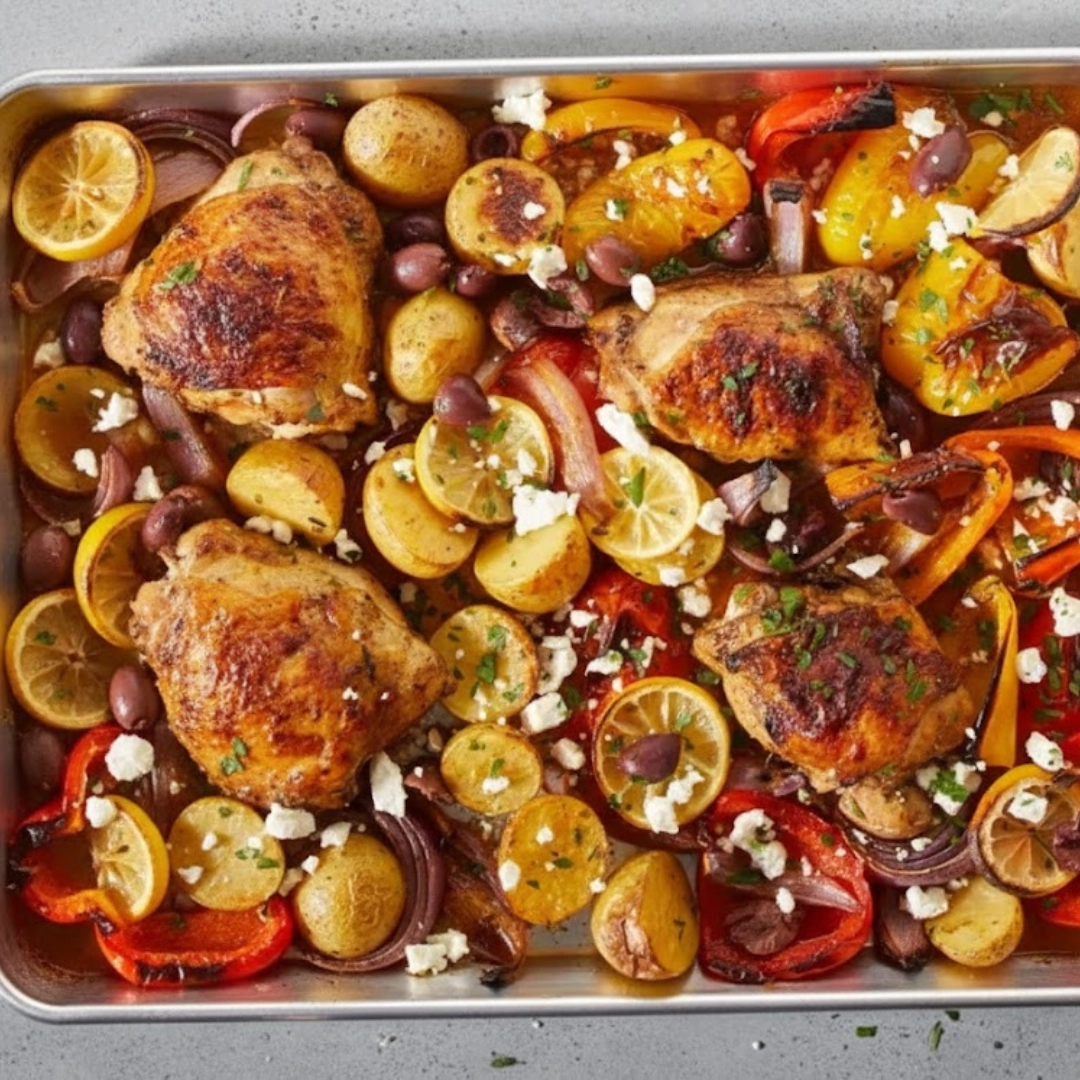
The beauty of the Mediterranean diet lies in its simplicity and reliance on vibrant, fresh ingredients prepared with minimal fuss. This ethos is perfectly captured in the concept of a sheet pan dinner—a streamlined approach to cooking that delivers maximum flavor with astonishingly little cleanup. It is a true culinary secret weapon for home cooks seeking a healthy, satisfying meal without spending an hour at the stovetop. This method brings together richly spiced chicken, tender root vegetables, and the signature tang of lemon and herbs, culminating in a complete, beautifully textured meal. If you are looking for a complete and flavor-packed dish, this Mediterranean Chicken Sheet Pan Dinner will quickly become a fixture in your weekly rotation.
This recipe harnesses the powerful heat of the oven to caramelize the vegetables and render the chicken skin crisp, infusing every component with the rustic, sun-drenched flavors characteristic of Greek and coastal Italian cooking. It’s an exercise in smart prep: toss everything in a robust marinade, spread it across a single pan, and let the oven do the rest of the heavy lifting. The result is a vibrant, balanced plate that looks as inviting as it tastes, easily transitioning from a casual weeknight meal to a sophisticated, yet unfussy, gathering dish.
Table of Contents
The Essential Components
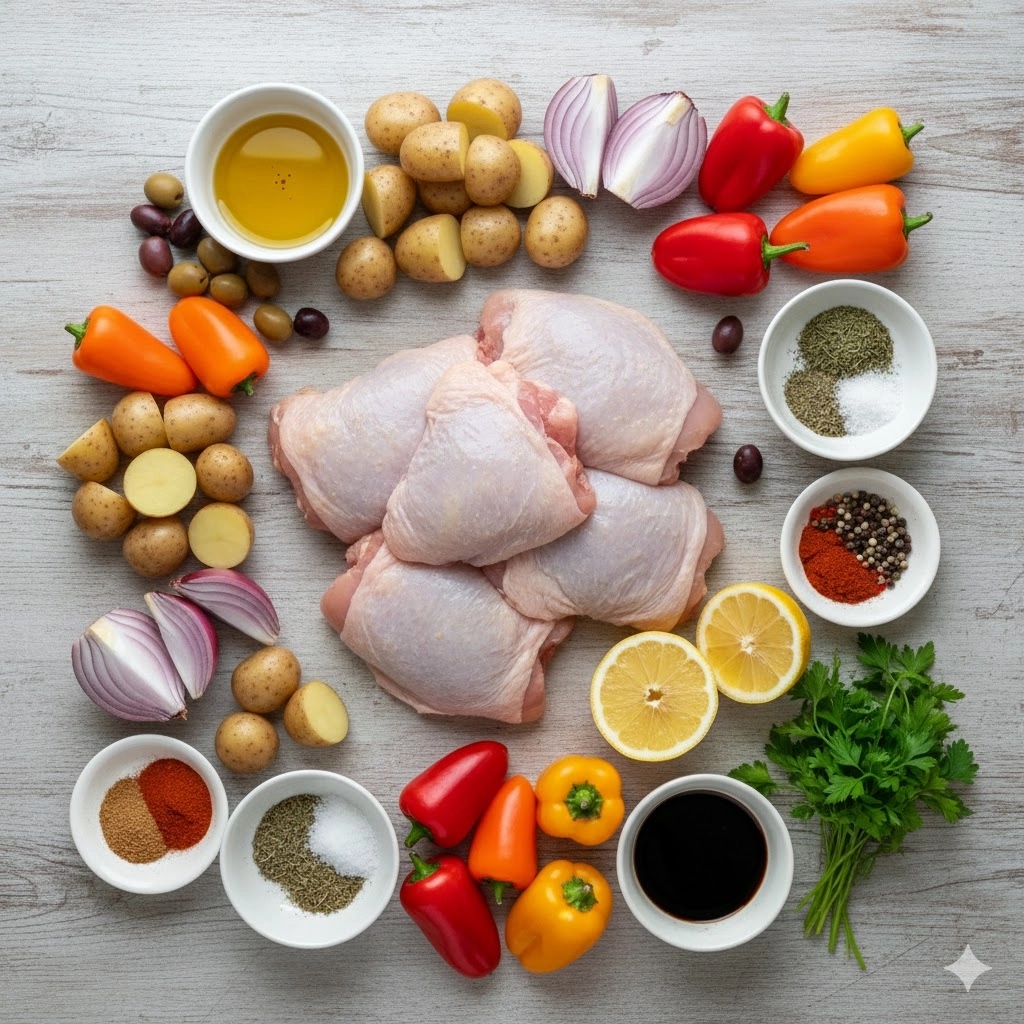
A quality sheet pan dinner begins with quality ingredients. For this dish, we focus on balancing rich proteins, hearty starches, and pungent herbs. Note that we call for bone-in, skin-on chicken thighs, as the bone adds flavor and the skin provides necessary fat to baste the vegetables while ensuring crispness.
For the Primary Roast:
- Four bone-in, skin-on chicken thighs (about two pounds total)
- One pound baby potatoes, halved (such as Yukon Gold or new potatoes)
- One small red onion, cut into large petals
- Eight mini bell peppers, halved lengthwise and seeded
- One large lemon, sliced thinly
The Marinade and Seasoning:
- One-quarter cup extra-virgin olive oil
- Juice of one large lemon (approximately three tablespoons)
- Two tablespoons balsamic vinegar
- One teaspoon dried tarragon
- One teaspoon dried oregano
- One teaspoon paprika
- One teaspoon kosher salt
- One-half teaspoon freshly ground black pepper
The Finishing Touches (Post-Roast):
- One-quarter cup crumbled feta cheese (sheep or goat’s milk preferred)
- One-quarter cup fresh parsley, roughly chopped
- Eight pitted Kalamata olives
Simplified Prep: A Step-by-Step Overview
This dinner is designed to minimize hands-on time. The prep is quick, primarily involving chopping and tossing before the meal transitions into the oven.
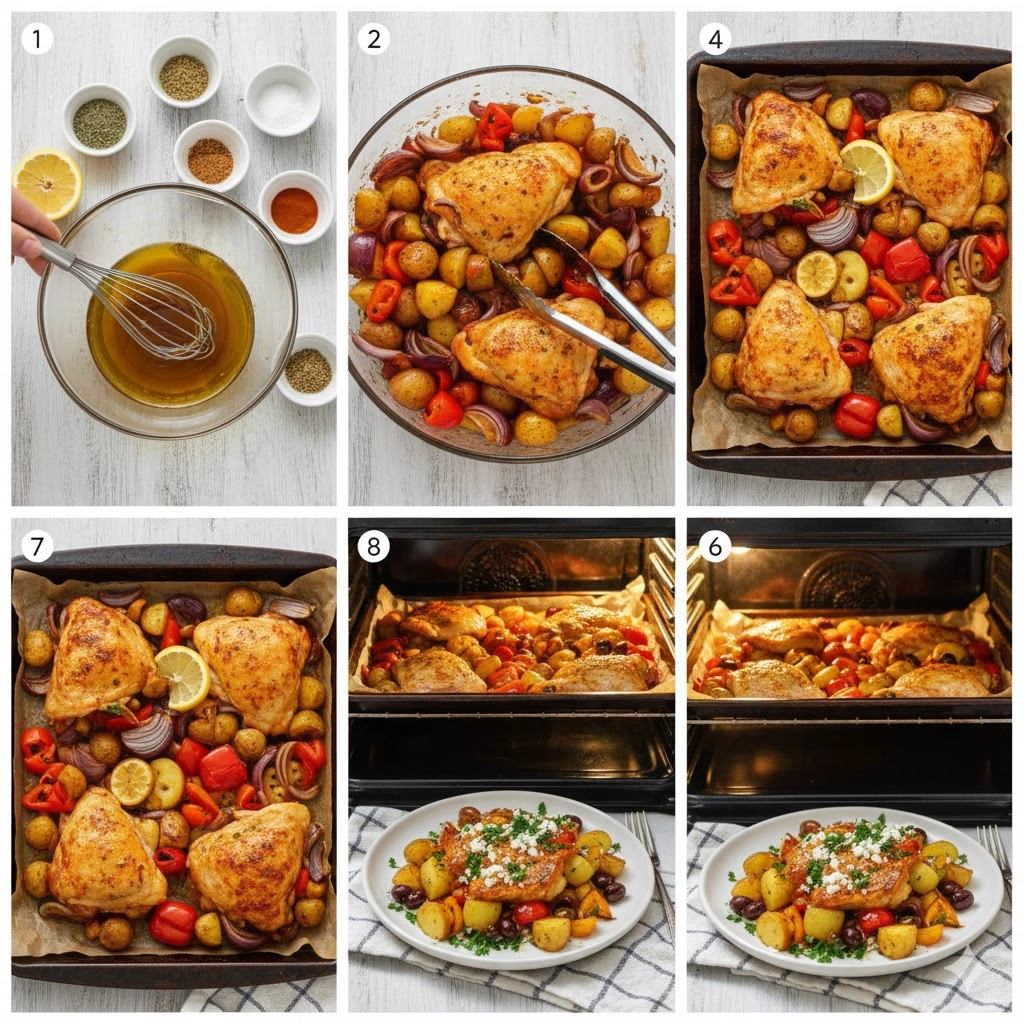
- Prepare the Oven and Pan: Adjust an oven rack to the middle position. Preheat your oven to four hundred twenty-five Fahrenheit. Line a large, rimmed baking sheet (half sheet size, thirteen inches by eighteen inches) with aluminum foil or parchment paper for the easiest cleanup.
- Mix the Marinade: In a large mixing bowl, whisk together the olive oil, lemon juice, balsamic vinegar, tarragon, oregano, paprika, salt, and black pepper until fully emulsified.
- Combine Ingredients: Add the chicken thighs, halved potatoes, red onion petals, and bell pepper halves to the bowl. Use tongs or clean hands to thoroughly toss all components, ensuring the chicken and vegetables are completely coated in the herbed oil mixture.
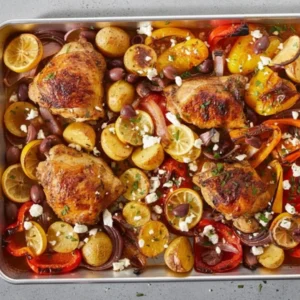
- Arrange the Pan: Transfer the coated mixture from the bowl onto the prepared baking sheet. Spread the chicken and vegetables into a single, even layer. Place the chicken thighs skin-side up and arrange the lemon slices randomly across the vegetables. Crucially, ensure the chicken skin is not covered by any other ingredients.
- Roast: Place the sheet pan into the preheated oven and roast for approximately forty minutes.
- Finish and Serve: Once the chicken is cooked through and the potatoes are tender, remove the pan from the oven. Scatter the crumbled feta cheese, chopped fresh parsley, and pitted Kalamata olives evenly over the entire dish. Serve immediately.
Crafting the Perfect Roast: Details on Technique
While the basic steps are straightforward, mastering the sheet pan technique involves attention to ingredient placement, pan temperature, and sensory cues that indicate optimal doneness. Achieving the ideal balance of tender vegetables and crispy chicken requires strategic execution.
The Marinade: Building the Foundation
The marinade does more than just season; the combination of acid (lemon and balsamic) and oil helps tenderize the chicken while acting as a flavor binder for the herbs. When whisking, aim for a slightly thickened, homogenous mixture. The paprika adds color depth, and the oregano and tarragon deliver the classic Mediterranean perfume. Do not rush this step; take a moment to smell the herbaceous blend before adding the solid ingredients.
Tossing for Maximum Contact
When coating the potatoes and vegetables, ensure that every surface is touched by the marinade. The small, porous cuts on the potatoes and the raw edges of the peppers and onions are where the flavor will penetrate and where caramelization will begin. The skin of the chicken should also be lightly rubbed. If possible, toss the potatoes and onions first, as they are denser, then add the chicken and peppers, which are more delicate, tossing gently.
The Single-Layer Mandate
This is the most critical technical detail: do not overcrowd the sheet pan. The ingredients must be in a single, even layer, with plenty of space between pieces, especially around the chicken. If the pan is overcrowded, the ingredients will steam instead of roast, resulting in soggy vegetables and pale chicken skin. If you are doubling the recipe, you must use two separate sheet pans. This space allows for the rapid evaporation of moisture, leading to the desired browning and crisp edges.
Doneness Checks and Sensory Cues
The forty-minute timeframe is an estimate. You are looking for several simultaneous markers of doneness:
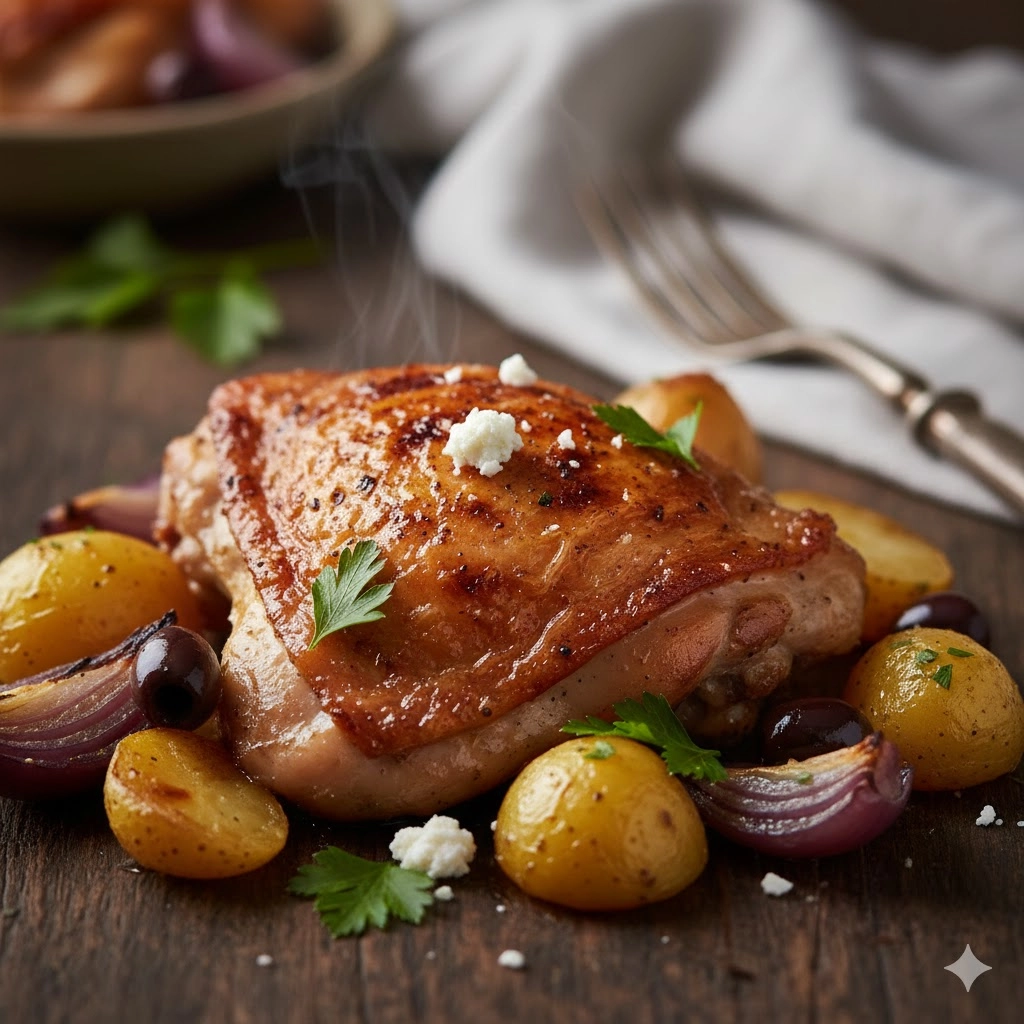
- Chicken: The skin should be deeply golden brown and crisp, with rendered fat bubbling around the edges. Internally, the chicken thighs should register one hundred sixty-five Fahrenheit with a probe thermometer inserted into the thickest part, avoiding the bone. The juices should run clear, not pink.
- Potatoes: They should be fork-tender and possess a golden, slightly wrinkled exterior where the sugars have caramelized. A gentle squeeze with tongs should confirm a soft interior.
- Aroma: About thirty minutes into the roast, the oven should release an intense, savory, garlicky, and herbaceous aroma. This indicates the herbs have bloomed and the sugars in the vegetables have begun to brown.
- The Final Garnish: The feta, parsley, and olives are added after the pan comes out of the heat. The residual warmth of the potatoes and chicken will slightly soften the feta, activating its salty, creamy tang against the heat of the roasted components, while the fresh parsley and olives add a vibrant color contrast and sharp, briney freshness that cuts through the richness of the chicken.
Finessing Your Sheet Pan Technique
Even the simplest recipe benefits from expert-level refinement. These tips focus on optimizing ingredient preparation and cooking dynamics for a superior result.
1. Par-Boil Density:
If you prefer your potatoes extremely creamy inside, or if you are using larger potato cuts, give them a ten-minute head start. Simply par-boil the potatoes in salted water before adding them to the marinade. This ensures they cook completely at the same rate as the chicken and prevents undercooked interiors.
2. The Skin-Side Rule:
Always place the chicken skin-side up. If you are worried about the skin browning too quickly before the meat is cooked, you can lightly tent only the chicken pieces with a small piece of aluminum foil for the first fifteen to twenty minutes, then remove the foil to allow browning.
3. Salt the Potato Water:
When roasting potatoes, always ensure they are salted early, ideally during the toss. If you par-boil them, the water should be aggressively salted. Potatoes are notorious for needing a substantial amount of seasoning, and salting them from the start helps the seasoning penetrate past the surface.
4. Adjust for Vegetable Moisture:
Red onions and bell peppers contain varying amounts of water. If you notice a substantial amount of liquid pooling on the sheet pan during the roast, momentarily open the oven door for ten seconds to allow some steam to escape. Too much trapped steam will prevent the necessary Maillard reaction, yielding soft instead of crisp vegetables.
5. Fresh Herb Finish is Non-Negotiable:
While you use dried herbs in the marinade, do not skip the fresh parsley finish. Roasting destroys the volatile oils that make fresh herbs vibrant. The final scatter of fresh parsley is crucial for adding a high-note, aromatic counterpoint to the deep, savory flavors of the roasted food.
6. Use a Quality Balsamic:
Since balsamic vinegar is a key component of the marinade, using a slightly higher quality vinegar will dramatically improve the depth of the flavor. A thicker, barrel-aged balsamic will coat the ingredients better and caramelize into a richer, sweeter glaze than a thin, watery supermarket variety.
Regional Twists and Component Swaps
The beauty of the sheet pan format is its flexibility. You can easily adapt this base recipe to incorporate different regional influences or accommodate dietary needs without compromising the ease of preparation.
- Greek Island Style: Swap the paprika and tarragon for one teaspoon of dried dill and a pinch of ground cinnamon. Add a handful of cherry or grape tomatoes to the pan during the last ten minutes of cooking. This offers a brighter, distinctly Aegean profile.
- North African Influence: Replace the balsamic vinegar with a tablespoon of harissa paste mixed with a splash of water, and swap the oregano for cumin and coriander. The resulting dish will have a smoky, spicy complexity.
- Protein Swap: This recipe works beautifully with bone-in, skin-on beef chops or even firm white fish fillets like cod or halibut. If using fish, reduce the cooking time to fifteen to twenty minutes and ensure the vegetables (especially the potatoes) are fully cooked before adding the fish.
- Starch Substitution: For a low-carb alternative, substitute the potatoes with chunks of firm butternut squash, parsnips, or zucchini. Note that zucchini and other high-moisture vegetables should be tossed with the marinade just before roasting to prevent them from breaking down too much.
- Brine & Salt Swap: If olives aren’t preferred, use small chunks of artichoke hearts (canned or jarred, drained well) or capers, added at the same time as the feta, to achieve a similar burst of salty, briny flavor.
Pairing and Presentation: Serving Suggestions
A sheet pan dinner is a complete meal, but thoughtful side pairings can enhance the overall experience and provide textural contrast.
- Simple Grain Base: Serve the components over a light, fluffy bed of couscous or quinoa. The grain will absorb the flavorful pan juices, maximizing the flavor of the entire dish and providing extra substance.
- The Lemony Green Salad: Pair this rich meal with a simple, sharp salad. Use tender, peppery greens like arugula or baby spinach, dressed only with a light vinaigrette of extra-virgin olive oil, fresh lemon juice, and a light dusting of salt. The acidity cleanses the palate after each bite of rich chicken.
- Crusty Bread: A thick slice of warm, rustic country bread is ideal for soaking up the remaining herbed oil and chicken drippings left on the pan or plate. This traditional pairing embraces the rustic, casual nature of the meal.
- Yogurt Sauce: A dollop of thick Greek yogurt mixed with a minced clove of garlic and a teaspoon of lemon zest offers a cool, creamy contrast to the warm, roasted flavors. This tzatziki-like accompaniment can be served alongside the chicken.
Addressing Common Queries
A few common questions often arise when mastering the sheet pan technique, particularly for dishes with varied ingredients like this one.
Can I use boneless chicken breasts instead of thighs?
You can, but you must make adjustments. Chicken breasts are leaner and cook faster, risking dryness. To ensure juiciness, either pound the breasts to an even thickness and add them to the pan halfway through the potato cooking time, or roast them with the pan for the first twenty minutes, then remove them and finish roasting only the potatoes and vegetables.
What is the best way to handle cleanup for the pan?
The best defense against scrubbing is using aluminum foil or parchment paper as directed. If you find baked-on bits stuck to the lining, let the pan cool completely, then peel the lining away and discard it. If you roasted directly on the metal, immediately after serving, soak the pan with hot, soapy water and allow it to sit for fifteen minutes to loosen any caramelized, stuck-on food.
Is it necessary to marinate the chicken ahead of time?
While not strictly necessary since the chicken is seasoned before roasting, allowing the chicken thighs to marinate for two to four hours in the refrigerator will deepen the flavor penetration significantly. However, do not add the potatoes or vegetables to the marinade until just before cooking, as the acid can degrade their texture over a long period.
The feta cheese seems to melt too much when added immediately. How can I prevent this?
The feta is intended to soften slightly but should not fully melt. If your feta is melting, your pan is too hot when you add it. Wait five full minutes after pulling the pan from the oven before scattering the feta. This delay allows the internal temperature of the pan and the vegetables to drop just enough to warm the cheese without fully dissolving it.
Nutritional Profile of the Dish
The following is an approximation of the nutritional content per serving for this recipe, based on four servings.
| Nutrient | Amount per Serving |
| Calories | 533 kcal |
| Protein | 23 g |
| Carbs | 41 g |
| Fat | 32 g |
| Fiber | 7 g |
| Sugar | 4 g |
| Sodium | 1113 mg |
Nutrition Disclaimer
Nutrition information is an estimate and may vary based on preparation and ingredients used.
Mediterranean Chicken Sheet Pan Dinner
Ingredients
- The Primary Roast
- 4 bone-in, skin-on chicken thighs (about 2 pounds total)
- 1 pound baby potatoes, halved
- 1 small red onion, cut into large petals
- 8 mini bell peppers, halved lengthwise and seeded
- 1 large lemon, sliced thinly
- The Marinade and Seasoning
- 0.25 cup extra-virgin olive oil
- 3 tbsp lemon juice (from 1 large lemon)
- 2 tbsp balsamic vinegar
- 1 tsp dried tarragon
- 1 tsp dried oregano
- 1 tsp paprika
- 1 tsp kosher salt
- 0.5 tsp freshly ground black pepper
- The Finishing Touches (Post-Roast)
- 0.25 cup crumbled feta cheese
- 0.25 cup fresh parsley, roughly chopped
- 8 pitted Kalamata olives
Instructions
- Adjust an oven rack to the middle position. Preheat your oven to four hundred twenty-five Fahrenheit. Line a large, rimmed baking sheet (13 inches by 18 inches) with aluminum foil or parchment paper for the easiest cleanup.
- In a large mixing bowl, whisk together the olive oil, lemon juice, balsamic vinegar, tarragon, oregano, paprika, salt, and black pepper until fully emulsified.
- Add the chicken thighs, halved potatoes, red onion petals, and bell pepper halves to the bowl. Use tongs or clean hands to thoroughly toss all components, ensuring the chicken and vegetables are completely coated in the herbed oil mixture.
- Transfer the coated mixture from the bowl onto the prepared baking sheet. Spread the chicken and vegetables into a single, even layer. Place the chicken thighs skin-side up and arrange the lemon slices randomly across the vegetables. Crucially, ensure the chicken skin is not covered by any other ingredients.
- Place the sheet pan into the preheated oven and roast for approximately forty minutes, or until the chicken is cooked through (internal temp of one hundred sixty-five Fahrenheit) and the potatoes are tender and caramelized.
- Once cooked, remove the pan from the oven. Scatter the crumbled feta cheese, chopped fresh parsley, and pitted Kalamata olives evenly over the entire dish. Serve immediately.
Notes
Equipment
- Large, rimmed baking sheet (half sheet size)
- large mixing bowl
- whisk
- Meat thermometer (optional but recommended)