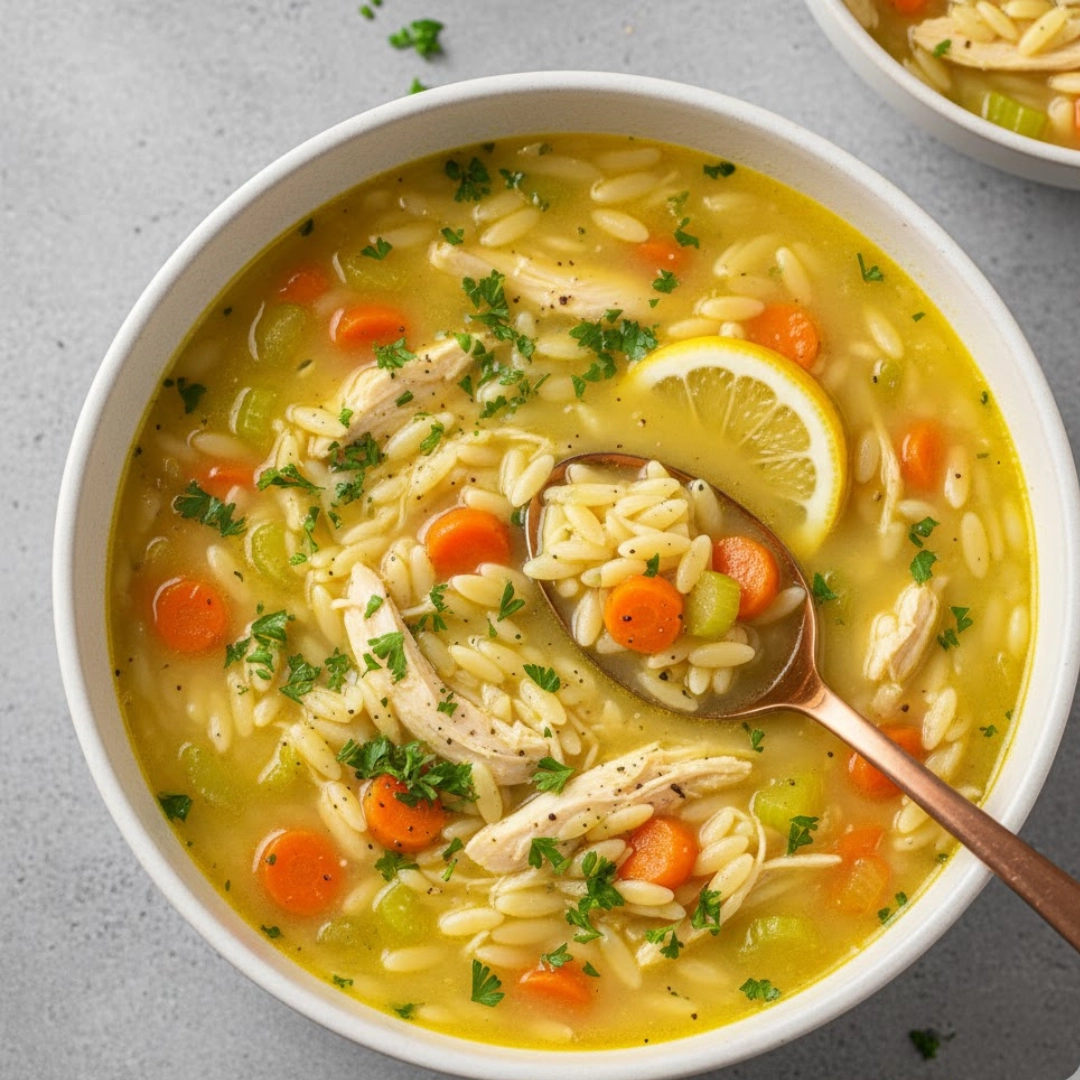
The marriage of tender poultry, light pasta, and a deeply aromatic broth is a cornerstone of comforting cuisine, but when a bright citrus note is introduced, the dish achieves a sophisticated and truly invigorating dimension. This lemon chicken orzo soup transforms from a simple restorative meal into something complex and utterly satisfying. The acidity of the lemon cuts through the richness of the chicken stock and balances the starchiness of the orzo, delivering a flavorful experience that is both nourishing and remarkably fresh. It is an ideal bowl for any season, bringing a welcome warmth in winter while offering a refreshing lightness in the warmer months.
Table of Contents
The Anatomy of a Perfect Chicken and Orzo Soup
Creating an outstanding version of this classic requires an understanding of its four core pillars: the stock, the aromatics, the protein, and the citrus finish. The stock is the foundation; ideally, a quality, low-sodium chicken bone broth that has a clean, robust flavor profile. Next, the aromatics—sautéed slowly—must be fully softened to release their essential oils without browning, which would lead to a bitter undertone. The chicken should be tender but not stringy, and the orzo pasta must be cooked within the soup just until it is al dente, minimizing the chance of it absorbing too much liquid and turning mushy. Finally, the lemon juice and zest must be added precisely at the end to retain their vibrant, raw flavor and brightness.
Essential Components for Lemon Chicken Orzo Soup
These measurements are calibrated to achieve the ideal texture and flavor balance for a generous batch of soup.
For the Aromatic Base
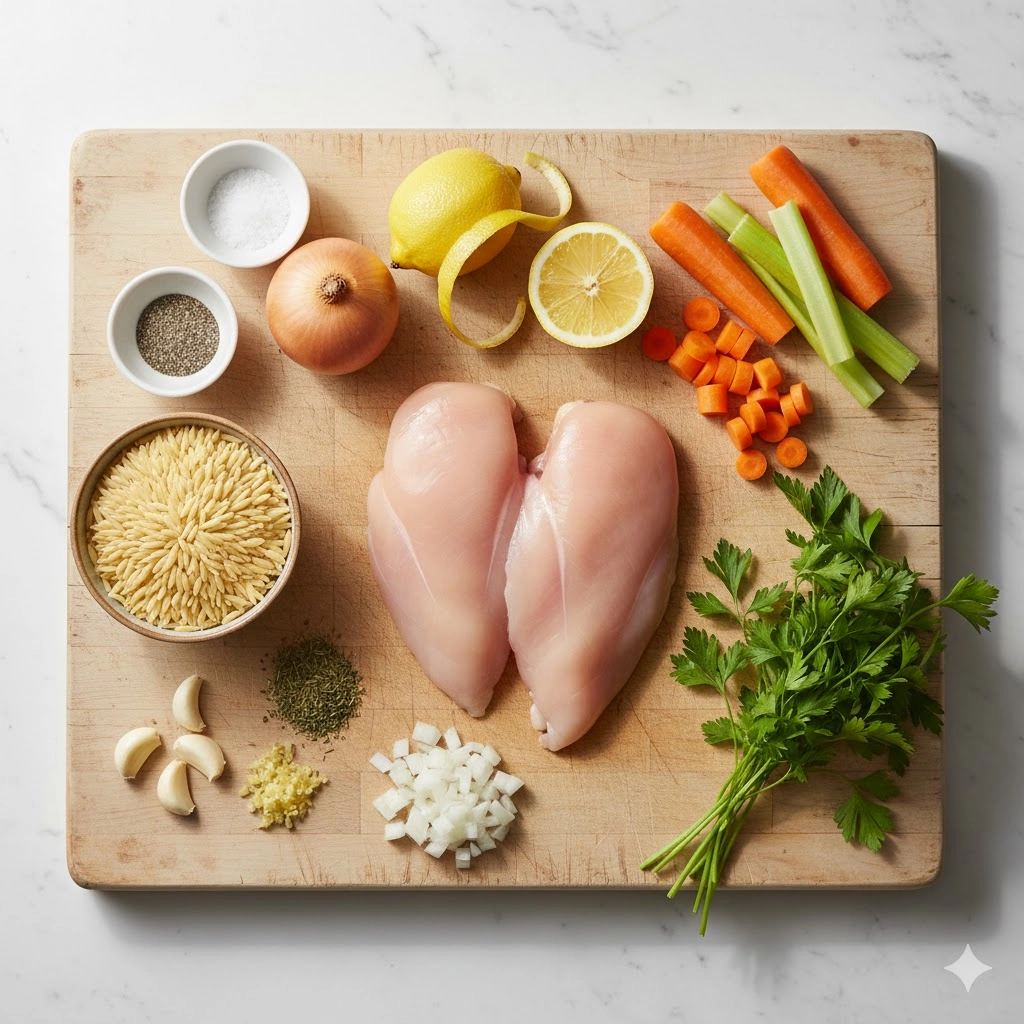
- 2 tablespoons extra virgin olive oil
- 1 large yellow onion, finely diced
- 2 carrots, peeled and small diced (about 1 cup)
- 2 celery stalks, small diced (about three-quarters of a cup)
- 4 cloves garlic, minced
- 1 teaspoon dried oregano
- Half a teaspoon dried thyme
- Half a teaspoon Kosher salt, plus more to taste
- Quarter teaspoon black pepper, freshly ground
For the Broth and Bulk
- 8 cups (two quarts) high-quality chicken stock or bone broth, low sodium
- 1 pound boneless, skinless chicken breasts or thighs (or a mix)
- One-third cup orzo pasta (small rice-shaped pasta)
- 2 tablespoons fresh parsley, chopped, for garnish
For the Essential Finish
- Quarter cup fresh lemon juice (from 1 to 2 lemons)
- 1 teaspoon lemon zest (from 1 lemon)
The Culinary Method: Layering Flavor for Depth
This process is designed to extract maximum flavor from each ingredient before combining them into the final, cohesive soup.
Preparation: Building the Base
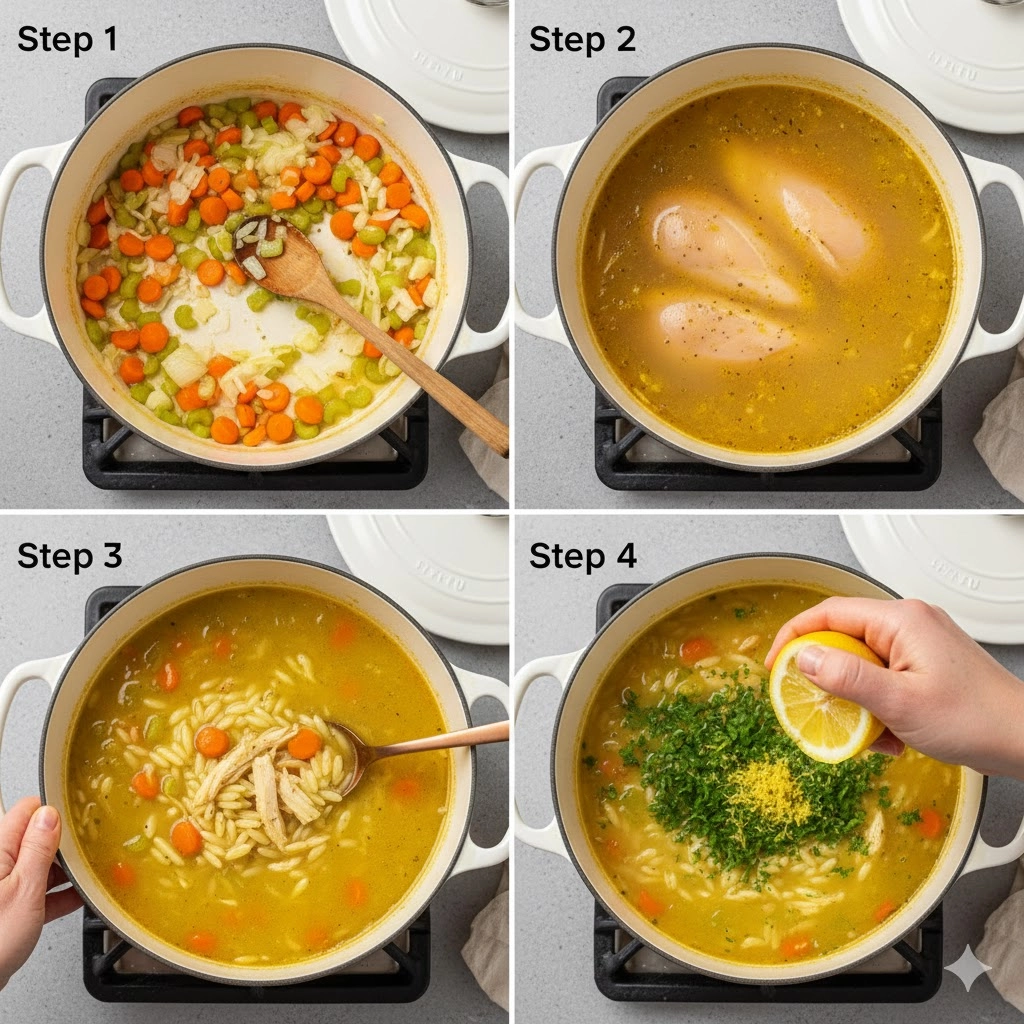
- Aromatic Sauté: In a large Dutch oven or soup pot, heat the olive oil over medium-low heat. Add the diced onion, carrots, and celery. Cook slowly for 8 to 10 minutes, stirring occasionally, until the vegetables are fully softened and translucent but have not taken on any color. This low-and-slow approach is critical.
- Infuse Aromatics: Add the minced garlic, oregano, and thyme to the softened vegetables. Cook for just one minute, stirring constantly, until the garlic is fragrant. Do not allow the garlic to burn, as this will introduce a harsh flavor note.
- Establish the Broth: Pour in the 8 cups of chicken stock. Add the measured salt and pepper. Place the whole chicken pieces directly into the liquid. Increase the heat and bring the mixture to a gentle boil, then immediately reduce the heat to a low simmer.
Execution: The Simmer and Finish
- Poach the Chicken: Cover the pot partially and maintain a gentle simmer for 15 to 20 minutes, or until the chicken is cooked through. The internal temperature of the chicken should register 165 Fahrenheit on an instant-read thermometer.
- Shred the Protein: Remove the cooked chicken pieces from the pot and set them aside to cool slightly. Leave the broth simmering. Once cool enough to handle, shred the chicken using two forks or finely dice it. Return the shredded or diced chicken to the pot.
- Cook the Orzo: Add the orzo pasta to the simmering broth. Continue to simmer, stirring occasionally to prevent the pasta from sticking to the bottom, for 8 to 10 minutes, or until the orzo is al dente. It should be tender with a very slight resistance in the center.
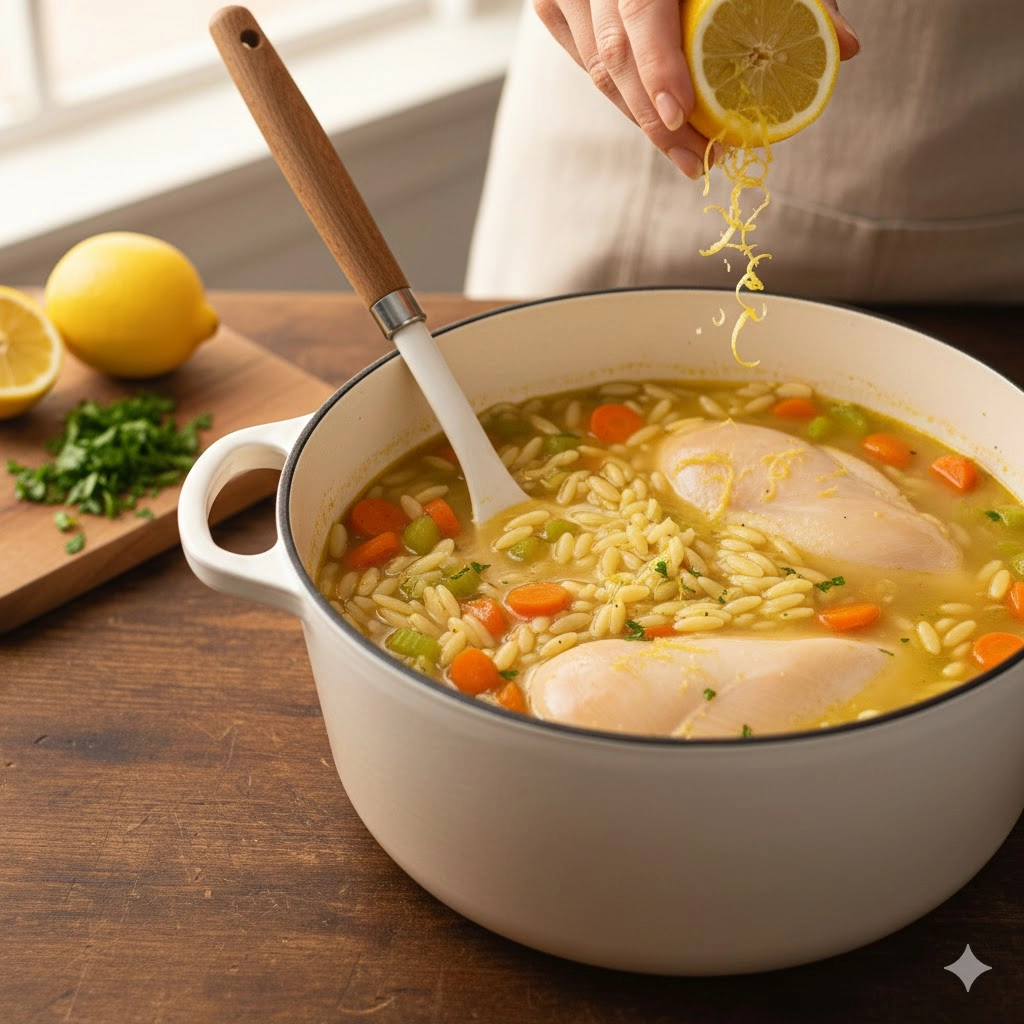
- Final Adjustment and Finish: Remove the pot from the heat completely. Stir in the fresh lemon zest and the lemon juice. Taste the soup and adjust the seasoning with additional salt, pepper, or a small squeeze of extra lemon juice, as needed.
- Serve and Garnish: Ladle the finished soup into bowls. Garnish each serving with a sprinkle of fresh chopped parsley before serving.
Precision Techniques for Exceptional Results
The difference between a good soup and a truly memorable one often lies in the mastery of these nuanced culinary moves.
The Low-and-Slow Aromatic Sweat
Resist the temptation to rush the first step. Cooking the mirepoix (onions, carrots, celery) at medium-low heat for 8 to 10 minutes, a process known as ‘sweating,’ ensures the flavor compounds are released slowly. This gentle process makes the vegetables sweet, transparent, and creates a harmonious base, unlike high-heat sautéing which caramelizes sugars too quickly and can lead to a slightly metallic or bitter taste in the final broth.
The Art of Poaching Chicken
By poaching the raw chicken directly in the simmering stock, you achieve two goals simultaneously: you cook the protein perfectly, and you enrich the flavor of the broth with the chicken’s natural juices. Maintain a temperature just below a rolling boil—a gentle tremble—to ensure the chicken remains moist and tender, avoiding the dry, tough texture that results from aggressive boiling. The internal temperature must hit 165 Fahrenheit.
Orzo Timing and Consistency
Orzo is a starch, and like all starches, it will continue to absorb liquid even after the heat is removed. Adding the orzo just 8 to 10 minutes before the end of the cook time ensures it is al dente for immediate serving. For leftovers, consider cooking the orzo separately and adding it to individual servings. This prevents the pasta from turning into an overly thick, porridge-like consistency after refrigeration.
The Zest and Juice Rule
The essential vibrancy of this lemon chicken orzo soup comes from the citrus, but heat rapidly diminishes the bright, volatile oils in the zest and the fresh acidity in the juice. Always remove the pot from the heat entirely before introducing the lemon juice and zest. This final step preserves the freshest, most pungent lemon flavor, providing the required high-note finish.
A Note on Customization and Swaps
This recipe is robust enough to handle minor structural changes without compromising the overall integrity of the finished dish.
Protein Alternatives
If you prefer a darker, more intensely flavored soup, use only boneless, skinless chicken thighs. They contain more fat and are more forgiving during the poaching process. For a completely different approach, you can substitute the chicken entirely with cannellini beans or shredded, cooked turkey, particularly if you have holiday leftovers, maintaining the same cooking method for the broth.
Greens for Nutritional Depth
To introduce a layer of essential micronutrients, stir in a handful of chopped baby spinach, kale, or Swiss chard during the last two minutes of cooking. The residual heat from the broth is sufficient to wilt the greens without overcooking them. If using kale, it may benefit from a quick massage with olive oil before being added to soften its texture.
Grains Beyond Orzo
While orzo is traditional, you can substitute it with other small, quick-cooking starches. Small egg noodles, ditalini, or even rice (such as basmati or jasmine) can work, though the cook time must be adjusted significantly for rice. For a gluten-free option, use an equivalent amount of white cannellini beans, which should be rinsed and added with the stock to cook through.
Creamy Variation
For a richer, more luxurious soup, stir in a quarter cup of heavy cream or half-and-half after the lemon has been added. This will create a slightly opaque, decadent broth, though it will temper the acidic brightness of the lemon slightly.
How to Serve and Store
This versatile soup is excellent as both a light main course and a satisfying starter.
Serving Suggestions
- Crusty Bread: Pair the soup with slices of high-quality, crusty sourdough or a French baguette. The bread is perfect for soaking up the flavorful, lemony broth.
- Parmesan Crisp: For an elegant touch, grate a small amount of Parmesan cheese onto a baking sheet and bake it at three hundred fifty Fahrenheit until melted and golden. Once cooled, break the cheese into shards and place one atop each bowl of soup.
- Simple Side Salad: A light, peppery arugula salad dressed with a simple vinaigrette (olive oil and red wine vinegar) provides a great textural and flavor contrast to the warm, smooth soup.
Storage and Reheating
The soup will keep well in an airtight container in the refrigerator for 3 to 4 days. When reheating, it is best to use a saucepan over medium-low heat. Because the orzo continues to absorb liquid, the soup will inevitably thicken in the refrigerator. To restore it to its original consistency, add a small splash of additional chicken stock or water while reheating until the desired viscosity is reached. Freezing is possible, but the cooked orzo may become mushy upon thawing. If planning to freeze, cook the orzo separately and add it only upon reheating.
Queries on Preparation and Storage
Can I use leftover cooked chicken for this recipe?
Absolutely. If using pre-cooked, shredded chicken (such as rotisserie chicken), skip step 4 entirely. Add the shredded chicken to the simmering broth along with the orzo, allowing it to heat through for the duration of the pasta’s cook time. This preserves the chicken’s tenderness.
Why did my broth turn cloudy after adding the orzo?
A cloudy broth is usually a sign that too much starch has been released from the pasta. This can happen if the pasta is overcooked, or if you stirred the pot too vigorously. To prevent this, ensure the soup is only simmering gently, and try to stir only enough to prevent the orzo from sticking to the bottom of the pot.
Is it better to use fresh or dried herbs?
For this recipe, dried herbs (oregano and thyme) are recommended for the long simmer as their flavor compounds hold up well to heat. The one exception is the fresh parsley, which is added at the end, along with the lemon, to provide a clean, herbaceous finish that dried herbs cannot replicate.
How do I ensure the lemon flavor is pronounced but not overpowering?
The key is to use both zest and juice and to add them off the heat. The zest carries the volatile lemon oil, which provides the true essence of the citrus, while the juice provides the acidity. Use the amounts specified, then taste. If a sharper flavor is desired, add half a teaspoon of juice at a time. The broth should taste bright, not aggressively sour.
Estimated Nutritional Breakdown
| Nutrient | Amount per Serving |
| Calories | 350 kcal |
| Protein | 30 g |
| Carbs | 35 g |
| Fat | 10 g |
| Fiber | 4 g |
| Sugar | 5 g |
| Sodium | 650 mg |
Nutrition Information Disclaimer
Nutrition information is an estimate and may vary based on preparation and ingredients used.

Bright and Invigorating Lemon Chicken Orzo Soup
Ingredients
- 2 tbsp extra virgin olive oil
- 1 large yellow onion, finely diced
- 2 carrots, peeled and diced (about 1 cup)
- 2 stalks celery, diced (about ¾ cup)
- 4 cloves garlic, minced
- 1 tsp dried oregano
- 0.5 tsp dried thyme
- 0.5 tsp Kosher salt, plus more to taste
- 0.25 tsp freshly ground black pepper
- 8 cups chicken stock or bone broth, low sodium
- 1 lb boneless, skinless chicken breasts or thighs
- 1/3 cup orzo pasta
- 0.25 cup fresh lemon juice (1–2 lemons)
- 1 tsp lemon zest (from 1 lemon)
- 2 tbsp chopped fresh parsley, for garnish
Instructions
- In a large soup pot or Dutch oven, heat olive oil over medium-low heat. Add diced onion, carrots, and celery. Cook for 8–10 minutes until vegetables are softened and translucent without browning.
- Add garlic, oregano, and thyme. Stir constantly for 1 minute until fragrant, ensuring the garlic does not burn.
- Pour in chicken stock and season with salt and pepper. Add whole chicken pieces directly into the broth. Bring to a gentle boil, then reduce heat to low and simmer.
- Partially cover and simmer for 15–20 minutes, or until chicken is cooked through (165°F internal temp).
- Remove chicken, let cool slightly, then shred or dice. Return shredded chicken to the pot.
- Add orzo to the simmering broth. Cook for 8–10 minutes, stirring occasionally, until al dente.
- Remove pot from heat. Stir in lemon juice and zest. Adjust seasoning with more salt, pepper, or lemon as needed.
- Ladle soup into bowls and garnish with chopped parsley before serving.
Notes
– Use chicken thighs for richer flavor.
– Add spinach or kale at the end for extra nutrients.
– To avoid soggy orzo in leftovers, cook pasta separately.
– Want creamier soup? Stir in a splash of heavy cream after the lemon.
– Freeze without orzo for best texture.
Equipment
- Dutch oven or soup pot
- wooden spoon
- measuring cups and spoons
- knife and cutting board
- Instant-read thermometer