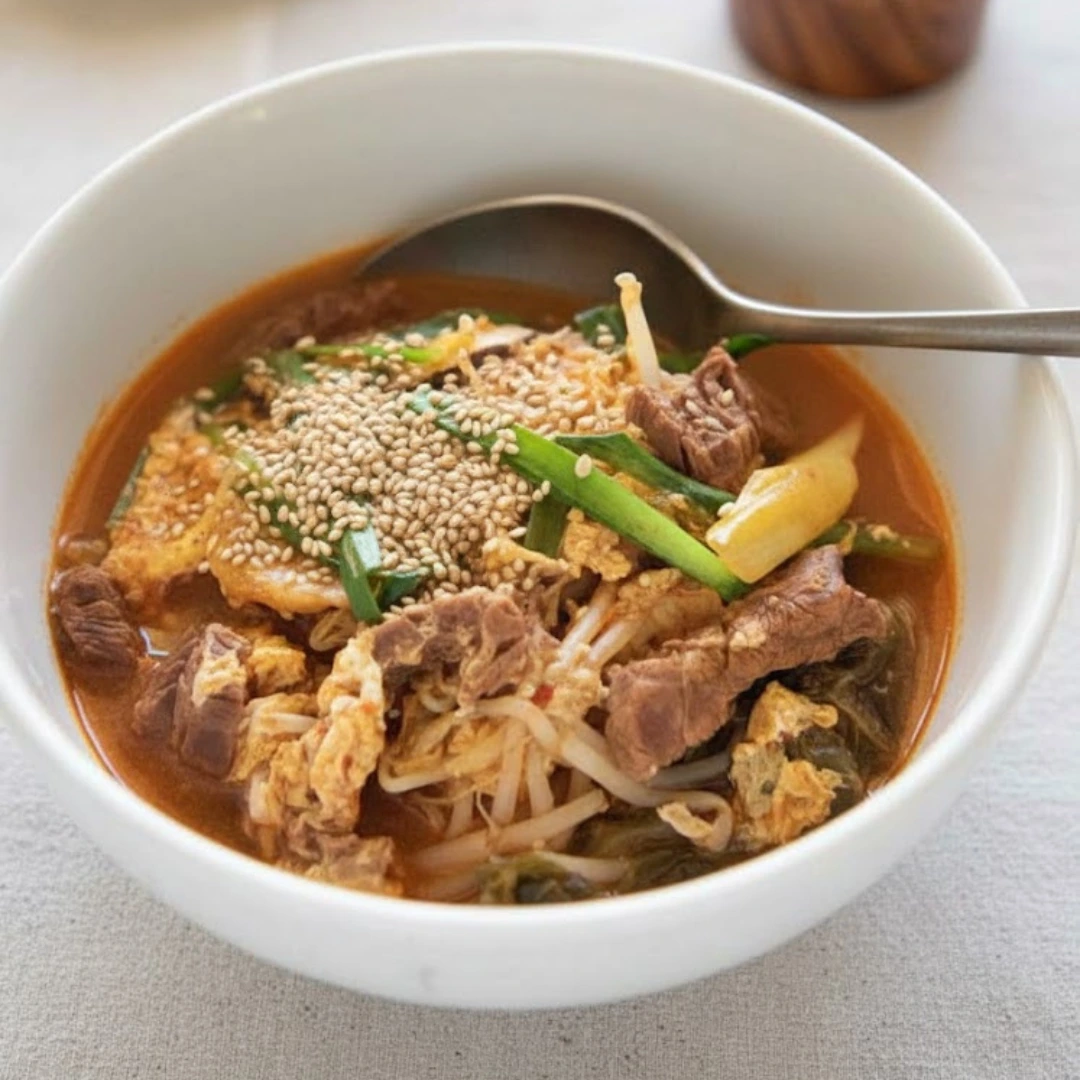
The beauty of fusion cuisine lies in its ability to take a comforting classic and refine it through a different cultural lens. This Japanese-style Korean Beef Soup, often referred to as Gukbap or “Kuppa” in Japan, is the ultimate testament to that culinary harmony. By blending the bold, fermented heat of Korean gochujang with the clean, umami-rich undertones of Japanese konbu, you create a bowl that is both invigorating and deeply soothing. Whether you are looking for a quick weeknight dinner or a restorative meal on a chilly evening, this vibrant soup delivers a complex profile of spicy, sour, and savory notes that dance across the palate without being overwhelming.
Essential Ingredients for the Perfect Gukbap
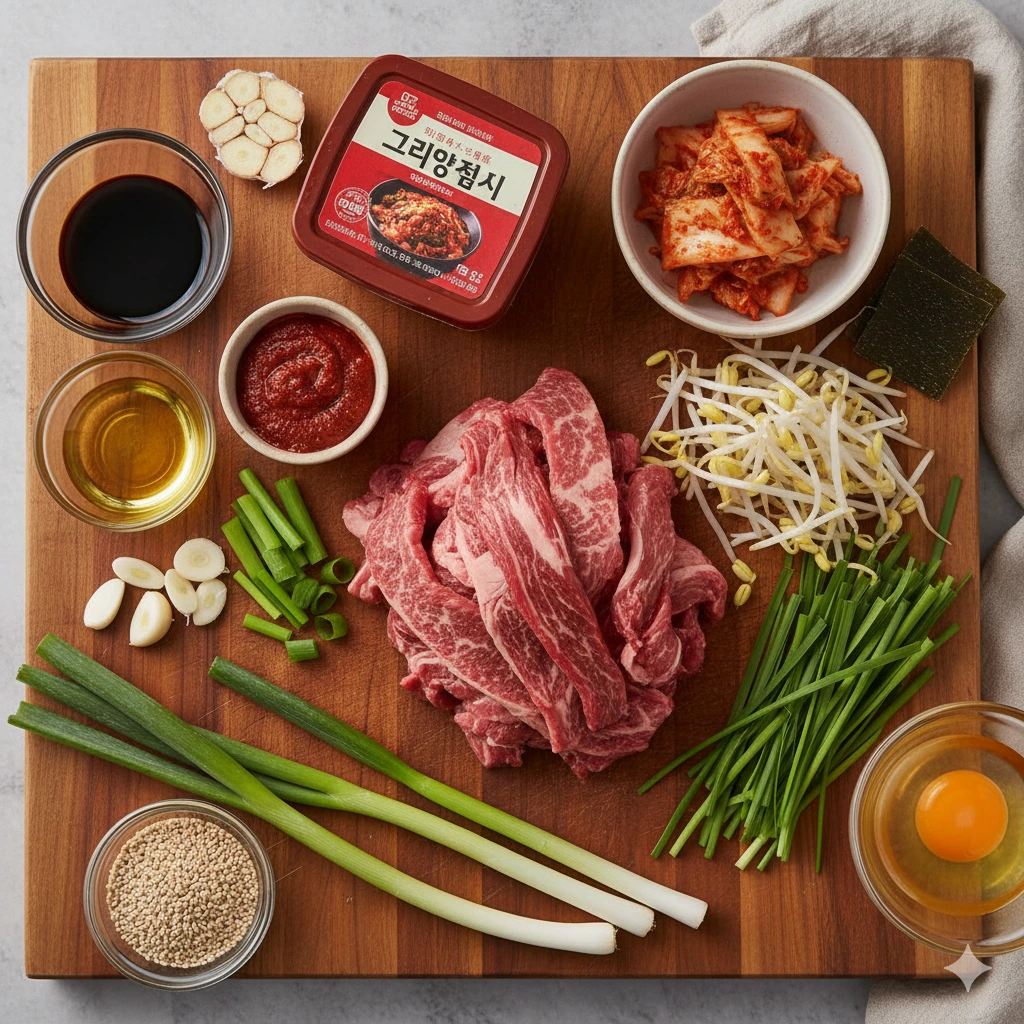
To achieve the authentic flavor profile of this Japanese-interpreted classic, you will need to gather high-quality ingredients. The recipe is divided into the savory beef base, a punchy marinade, and the fresh vegetable and egg finishing touches.
For the Beef Soup Base
- 200 grams (7 ounces) beef, cut into 0.5 to 1 centimeter (3/16 to 3/8 inch) wide strips
- 1/2 tablespoon sesame oil
- 1/2 clove garlic, minced
- 700 milliliters (1.5 pints) water
- 1 piece konbu (5 centimeters x 10 centimeters / 2 inches x 4 inches)
- 1 1/2 tablespoons soy sauce
- 2 teaspoons sugar
- Salt to adjust flavor
- Black pepper to taste
For the Flavorful Marinade
- 1/2 clove garlic, minced
- 1 tablespoon gochujang (Korean chili paste)
- 1 tablespoon soy sauce
- 1/2 tablespoon sesame oil
Vegetables, Egg, and Rice
- 50 grams (1.8 ounces) kimchi, chopped into bite-sized pieces
- 2 stalks shallots, diagonally cut into 6 centimeter (2 3/8 inch) long pieces
- 70 grams (2.5 ounces) bean sprouts
- 30 grams (1.1 ounces) garlic chives, cut into 6 centimeter (2 3/8 inch) long pieces
- 1 egg, lightly beaten
- 230 grams (8 ounces) cooked rice (short, medium, or long grain)
Topping
- Roasted white sesame seeds
Step by Step Cooking Instructions
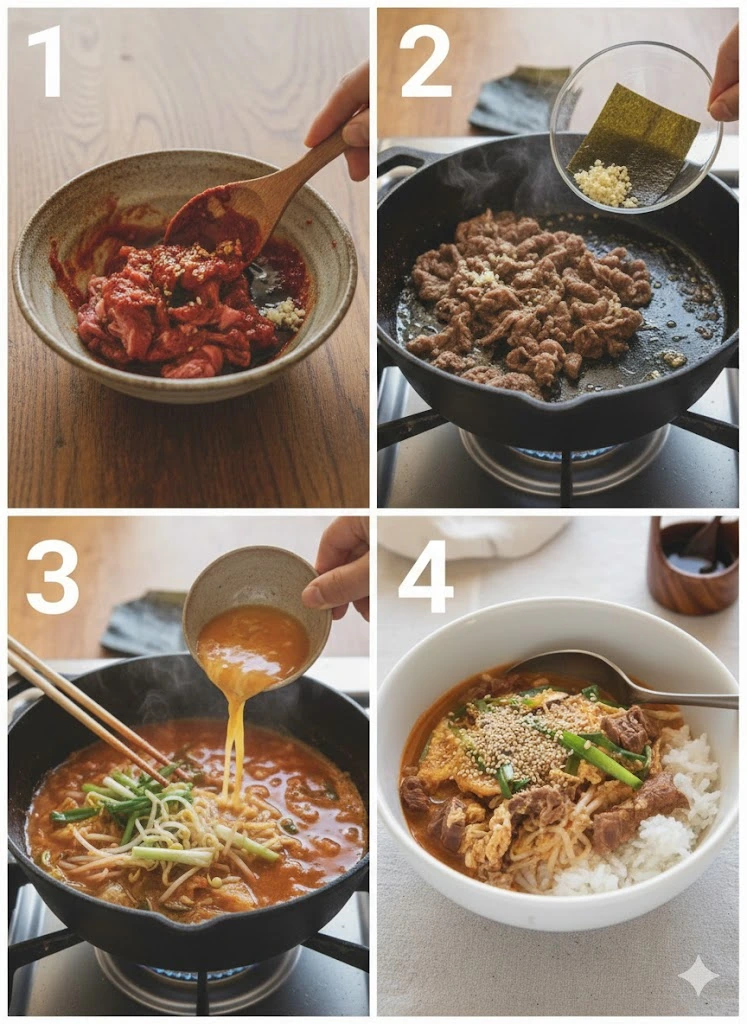
- Begin by preparing the beef marinade. In a small mixing bowl, combine the minced garlic, gochujang, soy sauce, and sesame oil. Whisk until smooth. Add the beef strips to the bowl and massage the marinade into the meat with your hands or a spoon. Set this aside to marinate for a minimum of 10 minutes.
- While the meat marinates, prepare your vegetables. If the cabbage pieces in your kimchi are particularly large, cut them into manageable, bite-sized strips.
- Place a medium-sized soup pot over medium heat. Add the sesame oil and the half clove of minced garlic. Sauté for a few seconds until the garlic becomes fragrant but does not brown.
- Add the marinated beef strips, along with all the excess marinade from the bowl, into the pot. Sauté the beef until the exterior changes color and is no longer raw.
- Pour the water into the pot and add the piece of konbu. Bring the liquid to a boil. As soon as it reaches a boil, remove the konbu immediately to prevent the broth from becoming slimy or bitter.
- Lower the heat to a simmer and cook for 10 minutes. During this time, use a spoon or a fine-mesh skimmer to remove any gray scum or foam that rises to the surface to ensure a clean broth.
- After 10 minutes, stir in the kimchi, shallots, and bean sprouts. Allow them to cook for just 30 seconds to retain their texture.
- Season the soup by adding the soy sauce, sugar, salt, and a pinch of pepper. Stir well, taste the broth, and add an extra pinch of salt if needed.
- Add the garlic chives to the pot. Slowly pour the beaten egg in a circular motion over the surface of the simmering soup.
- Once the egg is about half-cooked (roughly 15 to 20 seconds), turn off the heat. Place a lid on the pot and let it sit for a minute so the residual heat finishes cooking the egg to a silky texture.
- To serve, portion the warm cooked rice into two deep bowls. Ladle the hot soup and all the ingredients generously over the rice. Garnish with a sprinkle of roasted white sesame seeds and serve immediately.
Mastering the Art of the Beef Broth
The foundation of any great Gukbap is the clarity and depth of its broth. In this specific Japanese-style version, we move away from the traditional Korean method of boiling beef bones for many hours. Instead, we rely on a “short-cut” method that extracts maximum flavor from the meat itself in a fraction of the time. Because the cooking time is relatively short—only about ten minutes of simmering—the quality and cut of the beef are paramount.
When selecting your meat, aim for cuts that are naturally tender. Rib eye, sirloin, or even tenderloin work beautifully because they soften quickly without becoming chewy. If you have access to Wagyu, its high fat content adds a luxurious, buttery mouthfeel to the soup that complements the spicy gochujang.
The addition of konbu (dried kelp) is the “secret weapon” in this recipe. It introduces a subtle oceanic umami that bridges the gap between the fiery Korean flavors and the refined Japanese palate. However, it is vital to remove the konbu as soon as the water hits a rolling boil. Leaving it in too long or boiling it aggressively can release bitter tannins and a mucilaginous texture that ruins the clarity of the soup.
Flavor Modifications and Ingredient Substitutions
Cooking is often about working with what you have in your pantry. While this recipe is designed to be balanced, there are several ways to pivot if you are missing an ingredient or want to adjust the intensity.
If you cannot find garlic chives (which have a distinct flat leaf and a pungent aroma), you can substitute them with regular chives or simply increase the amount of green scallion tops. To maintain that signature garlic “punch,” you might add an extra quarter teaspoon of minced garlic to the soup base during the initial sauté.
For the spice element, gochujang is the preferred choice for its thick, fermented sweetness. If you find yourself without it, a combination of sriracha or doubanjiang (Chinese spicy bean paste) can work in a pinch. Keep in mind that doubanjiang is significantly saltier, so you will want to reduce the added salt later in the process.
Vegetable lovers can easily expand the profile of this soup. Thinly sliced carrots add a lovely crunch and a pop of color, while sliced shiitake mushrooms bring an earthy, woody depth that pairs perfectly with beef. If you want to increase the volume of the dish without adding more rice, adding napa cabbage or extra bean sprouts is a fantastic way to make the meal more filling.
Elevating the Presentation and Serving Experience
In Japanese culinary culture, the way a dish is presented is just as important as how it tastes. When serving Gukbap, the goal is to create a bowl that looks as vibrant as it tastes. The contrast between the red-tinged broth, the bright green scallions and garlic chives, and the yellow ribbons of egg creates a visual feast.
The rice plays a structural role here. Unlike a Japanese Zosui, where the rice is simmered in the liquid until it breaks down and thickens the soup, Gukbap serves the soup over the rice. This keeps the grains distinct and prevents the dish from becoming a porridge. Using warm, freshly steamed rice ensures that the temperature of the soup stays high from the first bite to the last.
To make this a complete “meal set” or Teishoku, consider serving it with a few small side dishes, known in Korea as banchan. A small plate of seasoned bean sprouts, a crisp seaweed salad, or even some simmered fish or tofu can provide contrasting textures and temperatures that make the dining experience feel more sophisticated and balanced.
Deep Dive FAQ
What is the main difference between Korean Gukbap and Japanese Kuppa?
While both terms refer to the same concept of “soup and rice,” the Japanese version (Kuppa) often features a milder flavor profile. Traditional Korean Gukbap frequently uses gochugaru (chili flakes) for a sharp heat and may involve long-simmered bone broths. The Japanese interpretation typically introduces dashi components like konbu and uses gochujang for a smoother, slightly sweeter finish that caters to the Japanese preference for balanced umami.
Can I make this soup ahead of time for meal prep?
You can certainly prepare the beef soup base in advance. However, for the best texture, it is recommended to wait until you are ready to serve before adding the fresh vegetables, the egg, and the rice. The bean sprouts and garlic chives lose their pleasant crunch if they sit in hot liquid for too long. If you do store the broth, keep it in an airtight container in the refrigerator for up to three days, then bring it to a boil and finish with the egg and greens just before eating.
Why is my soup broth cloudy instead of clear?
Cloudiness usually occurs for two reasons: not skimming the scum or boiling the meat too vigorously. When you first bring the beef and water to a boil, proteins from the meat will rise to the surface as gray foam. If you don’t skim this off, it integrates back into the liquid, making it look muddy. Additionally, once the soup reaches a boil, you should immediately turn it down to a gentle simmer. A hard boil agitates the fat and proteins, emulsifying them into the water and creating an opaque broth.
A Satisfying Conclusion to Your Culinary Journey
This Japanese-style Korean Beef Soup is more than just a quick meal; it is a bowl of pure comfort that bridges two incredible culinary traditions. By taking the time to marinate the beef and carefully skimming the broth, you transform simple pantry staples into a restaurant-quality experience. The interplay of the spicy kimchi, the silky egg, and the savory beef creates a depth of flavor that belies the short cooking time. It is a versatile, nourishing dish that is sure to become a staple in your home kitchen rotation whenever you crave a bit of warmth and spice.
Nutrition Information
| Nutrient | Amount Per Serving | Daily Value Percent |
| Calories | 587 kcal | 29 percent |
| Total Fat | 27 g | 42 percent |
| Saturated Fat | 8.8 g | 44 percent |
| Cholesterol | 159 mg | 53 percent |
| Sodium | 17393 mg | 75 percent |
| Total Carbohydrates | 56 g | 19 percent |
| Dietary Fiber | 3.5 g | 14 percent |
| Sugars | 15 g | — |
| Protein | 30 g | 60 percent |
| Vitamin A | — | 17 percent |
| Vitamin C | — | 31 percent |
| Iron | — | 33 percent |
Nutritional Disclaimer
The nutritional values provided are estimates based on the specific ingredients and measurements listed in this recipe. Actual nutritional content may vary depending on the brand of gochujang, the cut of beef used, and individual preparation methods. If you have specific dietary concerns, please consult with a healthcare professional or a registered dietitian. Note that the sodium content is notably high due to the fermented pastes and soy sauce; you may adjust salt levels to meet your personal health requirements.
Japanese-Style Korean Beef Soup (Gukbap)
Ingredients
- 200 grams beef (rib eye or sirloin), cut into 0.5-1cm wide strips
- 1 tbsp sesame oil (divided)
- 1 clove garlic, minced (divided)
- 700 ml water
- 1 piece konbu (5cm x 10cm)
- 2.5 tbsp soy sauce (divided)
- 2 tsp granulated sugar
- 1 tbsp gochujang (Korean chili paste)
- 50 grams kimchi, cut into bite-size pieces
- 2 stalks shallots (scallions), cut diagonally into 6cm pieces
- 70 grams bean sprouts
- 30 grams garlic chives, cut into 6cm pieces
- 1 large egg, lightly beaten
- 230 grams cooked rice, warm
- 1 pinch salt and black pepper, to taste
- 1 tsp roasted white sesame seeds, for garnish
Instructions
- In a medium bowl, combine 1/2 clove minced garlic, 1 tbsp gochujang, 1 tbsp soy sauce, and 1/2 tbsp sesame oil. Add the beef strips, massage well, and marinate for at least 10 minutes.
- Heat a pot over medium heat with the remaining 1/2 tbsp sesame oil and 1/2 clove minced garlic. Sauté until fragrant.
- Add the marinated beef to the pot. Cook until the exterior of the beef changes color.
- Pour in the water and add the konbu. Bring to a boil, then immediately remove the konbu piece. Simmer on low for 10 minutes, skimming off any scum.
- Add the kimchi, shallots, and bean sprouts. Stir in the remaining 1.5 tbsp soy sauce, sugar, salt, and pepper. Cook for 30 seconds.
- Add the garlic chives. Slowly pour the beaten egg over the surface. Once half-cooked, turn off the heat and cover with a lid to finish with residual heat.
- Place warm cooked rice in serving bowls. Ladle the hot soup over the rice and garnish with roasted sesame seeds.
Notes
Equipment
- Medium soup pot
- mixing bowl
- Fine mesh skimmer For removing scum from broth
- chef’s knife