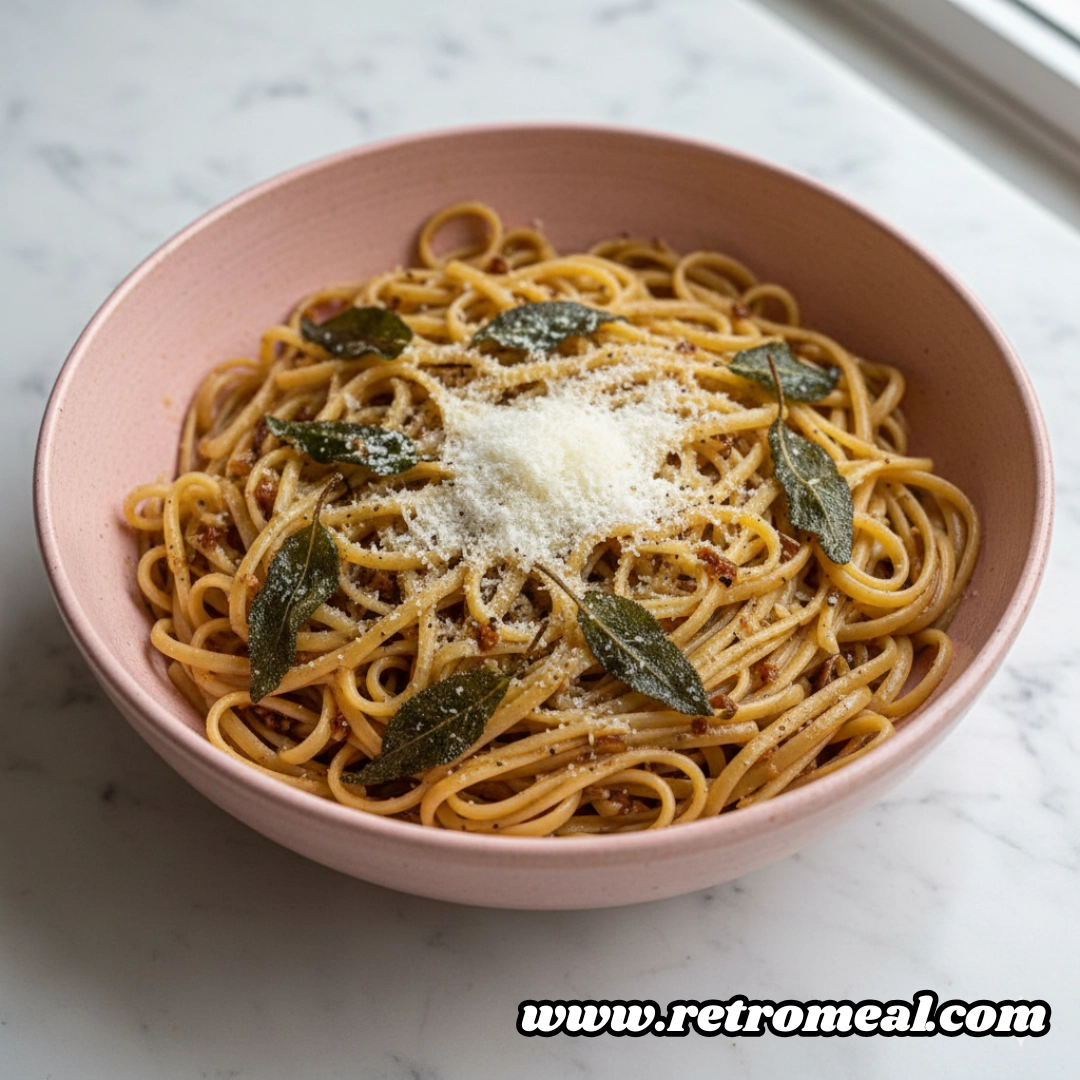
There is something undeniably magnetic about a meal that bridges the gap between Hollywood glamour and the comforting reality of a Tuesday night kitchen. Jennifer Garner’s 5-ingredient pasta has become a viral sensation for exactly this reason. Inspired by her role in the series The Last Thing He Told Me, this recipe is a masterclass in minimalism. By focusing on high-quality ingredients and a specific culinary technique—the browning of butter—you can transform basic pantry staples into a dish that tastes like it belongs on a white tablecloth. This guide will walk you through every nuance of the process, ensuring your version is just as rapturous as the one seen on her Pretend Cooking Show.
Table of Contents
The Essential Grocery List
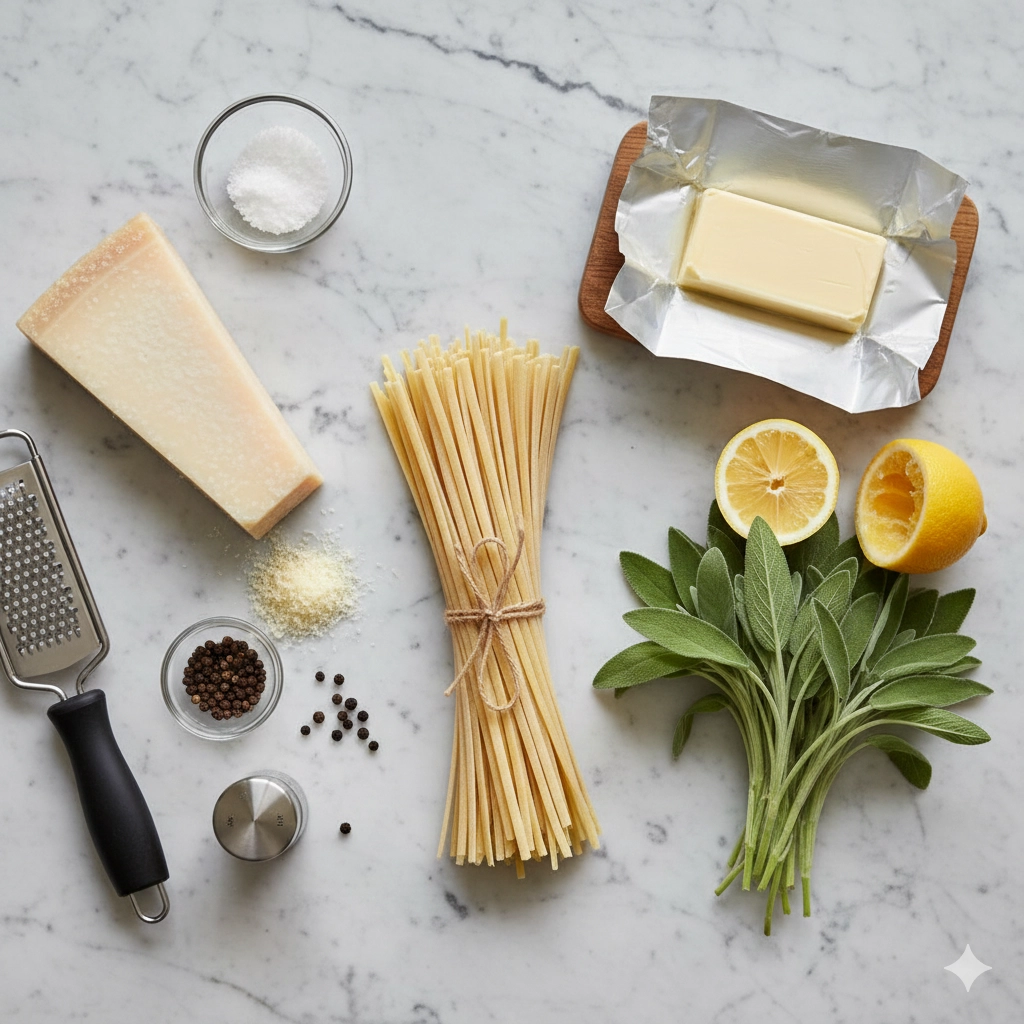
To recreate Jennifer Garner’s 5-ingredient pasta with total accuracy, you must stick to these specific components. The beauty of this dish lies in the lack of clutter, so each item needs to be fresh and of high quality.
- 1 pound linguine pasta
- 1 stick (8 tablespoons) unsalted butter
- 12 fresh sage leaves
- 1 lemon, juiced
- 1 1/2 cups freshly grated Parmigiano Reggiano
- Salt and black pepper for seasoning
Primary Preparation Steps
Follow this sequence exactly to ensure the timing of your sauce aligns perfectly with the texture of your noodles.
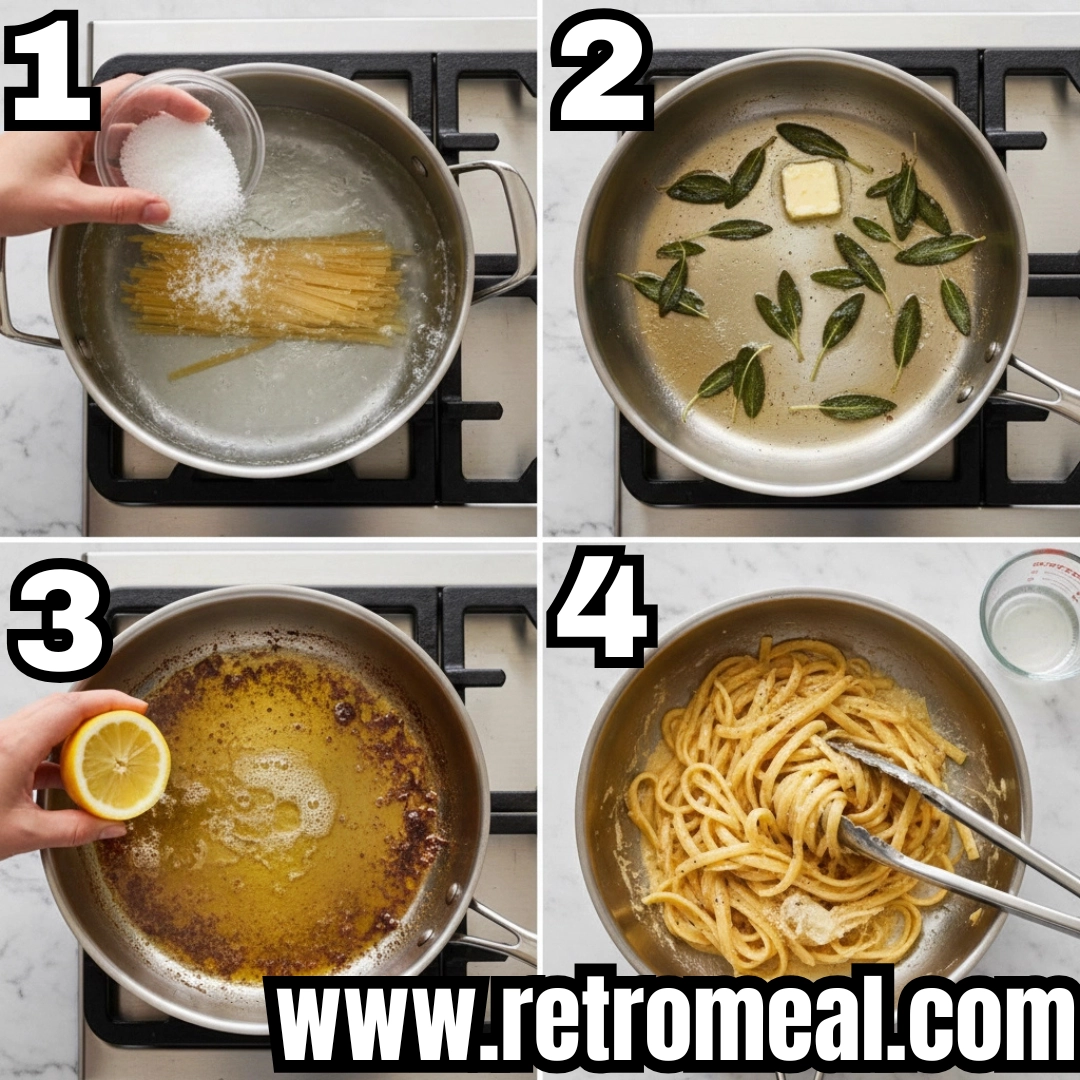
- Begin by bringing a large pot of water to a rolling boil. Add a generous amount of salt to the water. Drop the pound of linguine and cook until it reaches an al dente texture, following the specific package instructions.
- While the water is heating or the pasta is cooking, place a large skillet over medium heat. Add the full stick of unsalted butter and allow it to melt completely.
- Once the butter is melted, add the 12 fresh sage leaves to the skillet.
- Maintain a constant stir for approximately 7 minutes. You are looking for the butter to transition from yellow to a deep amber with visible browned bits at the bottom, and the sage leaves should become noticeably crispy.
- Immediately stir in the fresh lemon juice to halt the browning process and add acidity.
- Before draining the pasta, carefully scoop out 1 cup of the starchy pasta cooking water and set it aside.
- Drain the linguine in a colander and transfer the hot noodles directly into the skillet with the brown butter sauce.
- Use kitchen tongs to toss the pasta thoroughly. Gradually pour in the reserved pasta water while stirring continuously until the liquid emulsifies and thickens into a glossy sauce.
- Sprinkle in the freshly grated Parmigiano Reggiano. Season with salt and black pepper according to your preference.
- Serve the dish immediately, garnished with additional cheese if desired.
Achieving the Perfect Emulsified Sauce
The secret to why Jennifer Garner’s 5-ingredient pasta feels so luxurious is the science of emulsification. When you combine the fat from the browned butter with the starchy, salty pasta water, you aren’t just wetting the noodles; you are creating a structural bond. As you toss the linguine in the skillet, the starch acts as a bridge, allowing the butter and water to join into a creamy, velvet-like coating. If you simply drained the pasta and poured butter over it, the fat would slide to the bottom of the bowl. By following the “scoop and toss” method, the sauce clings to every strand of linguine, ensuring that the nutty flavor of the butter and the bright hit of lemon are present in every single bite.
The browning of the butter, also known as beurre noisette, is the most critical phase of the flavor profile. As the water content in the butter evaporates, the milk solids begin to toast. This creates a chemical reaction known as the Maillard reaction, which produces deep, nutty, and almost caramel-like aromatic compounds. You must watch the skillet closely during those 7 minutes; there is a very fine line between perfectly browned butter and burnt butter. The moment you see those dark brown flecks and smell a popcorn-like aroma, the lemon juice must be added to lower the temperature and stabilize the flavor.
Customizing the Flavor Profile
While the original recipe for Jennifer Garner’s 5-ingredient pasta is perfection in its simplicity, there are several ways to adapt it to your specific pantry or dietary needs. If you find that sage is too earthy for your palate, you can experiment with other woody herbs like rosemary or thyme, though sage provides that classic “brown butter” experience.
For those who need to swap the cheese, look for other hard, aged Italian cheeses. Grana Padano offers a similar texture with a slightly milder flavor, while Pecorino Romano will add a sharper, saltier punch to the dish. If you are looking for a dairy-free alternative, high-quality extra virgin olive oil can be used, though you will lose the specific “browned” notes that define the original. The pasta shape is also flexible; while linguine provides a beautiful surface area for the sauce, fettuccine or even a tubular shape like rigatoni can work wonders by trapping the butter and bits of crispy sage inside the pasta itself.
Pairing and Presentation Suggestions
Because Jennifer Garner’s 5-ingredient pasta is so rich and buttery, it benefits from accompaniments that provide a crisp contrast. A simple arugula salad with a very light balsamic vinaigrette is the perfect partner, as the peppery greens cut through the density of the Parmigiano Reggiano. If you want to lean into the “TV dinner” vibe, serve the pasta in wide, shallow bowls that have been slightly warmed; this prevents the butter sauce from seizing up too quickly as you eat.
For a drink pairing, a crisp white wine with high acidity, such as a Sauvignon Blanc or a Pinot Grigio, complements the lemon juice in the sauce beautifully. If you prefer non-alcoholic options, a sparkling mineral water with a twist of lemon will echo the brightness of the dish. To finish the presentation, don’t be afraid to use the crispy sage leaves as a garnish on top of the final pile of noodles; they provide a delightful textural crunch that contrasts with the soft, al dente linguine.
Deep Dive Kitchen Wisdom
One of the most frequent questions regarding Jennifer Garner’s 5-ingredient pasta involves the saltiness of the dish. It is vital to remember that the pasta water is seasoned, and the Parmigiano Reggiano is naturally high in sodium. Therefore, you should always taste the pasta after adding the cheese before you add any additional table salt. This prevents the dish from becoming oversalted.
Another point of mastery is the temperature. If the skillet is too hot when you add the cheese, the cheese may clump or “string” rather than melting smoothly into the sauce. If you notice this happening, remove the pan from the heat source entirely and add a splash more of the reserved pasta water. The residual heat of the noodles is usually enough to melt the finely grated cheese into a silk-like consistency without breaking the emulsion.
Common Questions About This Celebrity Recipe
How do I know when the butter is properly browned without burning it?
The visual cues are the most reliable way to track the progress of your butter. Initially, the butter will foam up quite a bit as the water boils off. Once the foaming subsides, you will see small brown specks (the toasted milk solids) settling at the bottom of the pan. The liquid itself will turn a golden-amber color. Use your nose as well; it should smell toasted and nutty. As soon as you reach this stage, add the lemon juice to stop the cooking process immediately.
Can I use dried sage instead of fresh sage leaves?
In this specific recipe, fresh sage is highly recommended. The goal is to fry the leaves in the butter until they become crispy, creating a unique texture and a concentrated herbal flavor. Dried sage has a much more powdery or leathery texture and will not crisp up in the same way. If you absolutely cannot find fresh sage, you can omit it or use a very small pinch of dried sage, but the character of the dish will change significantly.
Why is my sauce watery instead of creamy?
If the sauce appears watery, it usually means the pasta water and butter haven’t fully emulsified, or you used too much water at once. Continue to toss the pasta over medium-low heat. The movement of the noodles combined with the starch in the water will eventually pull the sauce together. Adding the cheese also helps to thicken the liquid into a proper sauce. Next time, try adding the pasta water a quarter-cup at a time until you reach the desired thickness.
A Satisfying Conclusion to Your Weeknight Routine
Jennifer Garner’s 5-ingredient pasta is more than just a quick meal; it is a reminder that you do not need an exhaustive list of ingredients to create something truly memorable. By mastering the simple art of browning butter and utilizing the starchy magic of pasta water, you can elevate a humble box of linguine into a dinner that feels like a celebration. Whether you are cooking for a family of four or enjoying a quiet evening in front of your favorite thriller series, this recipe offers a reliable, delicious, and sophisticated solution to the perennial question of what to make for dinner.
Nutrition and Values
| Nutrient | Amount Per Serving |
| Calories | 580 |
| Total Fat | 28 grams |
| Saturated Fat | 17 grams |
| Cholesterol | 75 milligrams |
| Sodium | 650 milligrams |
| Total Carbohydrates | 62 grams |
| Dietary Fiber | 3 grams |
| Sugars | 2 grams |
| Protein | 18 grams |
Recipe Disclaimer
The nutritional information provided is an estimate based on standard ingredient portions. Actual nutritional values may vary depending on the specific brands of butter, pasta, and cheese used. Always consult with a healthcare professional if you have specific dietary restrictions or health concerns related to sodium or fat intake.
Jennifer Garner’s 5-Ingredient Pasta
Ingredients
- 1 pound linguine pasta
- 1 stick unsalted butter (8 tablespoons)
- 12 fresh sage leaves
- 1 lemon, juiced
- 1.5 cups freshly grated Parmigiano Reggiano
- Fine sea salt and freshly ground black pepper to taste
Instructions
- Bring a large pot of water to a boil. Add plenty of salt and cook the linguine according to the package directions until it reaches an al dente texture.
- While the pasta is cooking, melt the stick of butter in a large skillet over medium heat. Add the 12 sage leaves to the melting butter.
- Continue stirring the butter and sage for approximately 7 minutes. Watch for the butter to develop toasted brown bits and for the sage leaves to turn crispy.
- Immediately stir in the fresh lemon juice to the skillet to stop the browning process and add acidity.
- Before draining the pasta, scoop out 1 cup of the starchy cooking water and set it aside. Drain the linguine.
- Transfer the drained pasta into the skillet. Toss with tongs while gradually adding the reserved pasta water to create a thickened sauce.
- Sprinkle in the Parmigiano Reggiano and season with salt and black pepper. Stir until the cheese is melted and creamy. Serve immediately.
Notes
Equipment
- Large stock pot For boiling pasta
- large skillet For the brown butter sauce
- Kitchen tongs For tossing linguine
- Liquid measuring cup To reserve pasta water
- Microplane or grater For fresh Parmesan