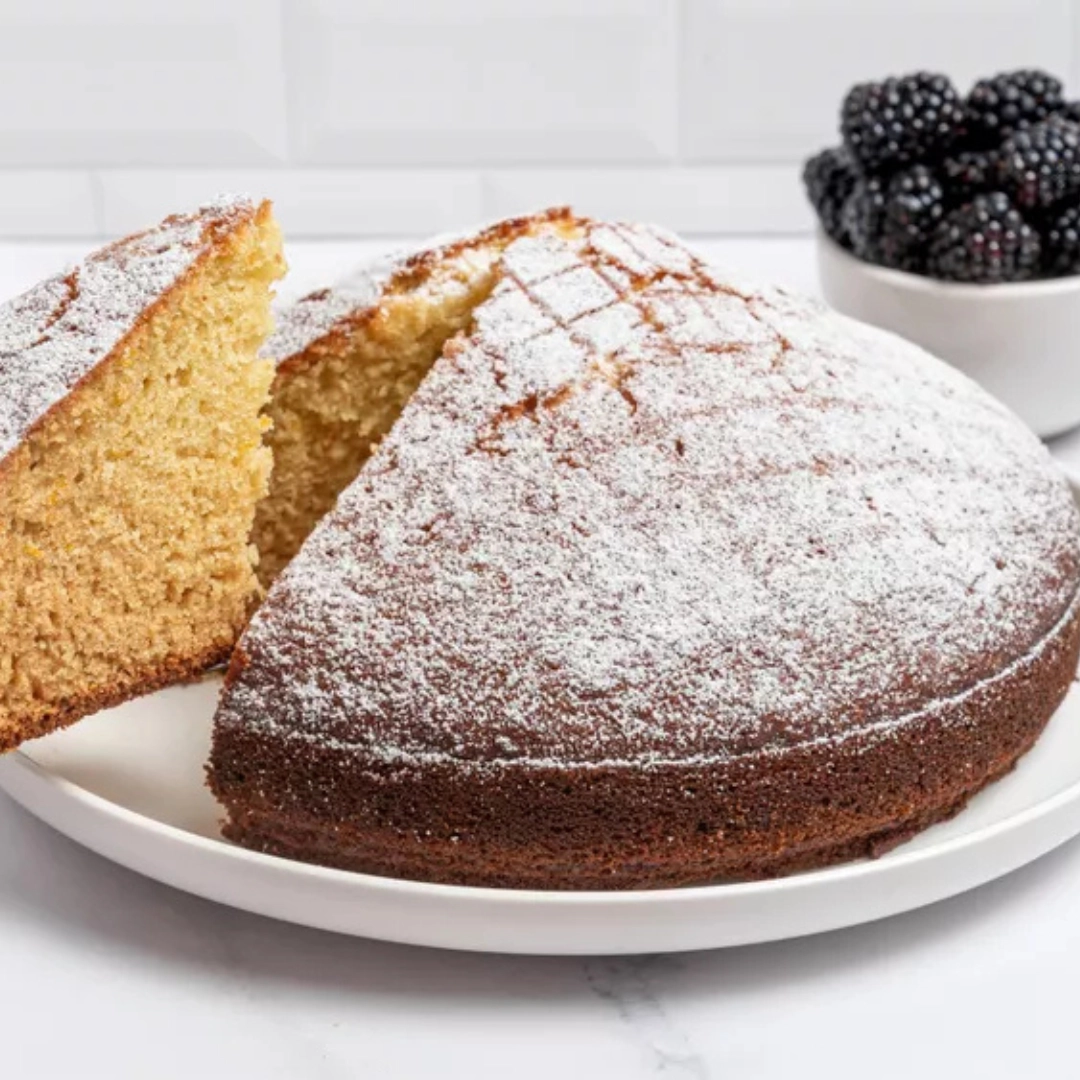
The tradition of baking with olive oil is a practice deeply rooted in the agricultural heartland of Italy, where the richness of the olive grove often dictated the kitchen pantry. This dessert stands apart from its butter-laden cousins, offering a bright, profoundly moist crumb that speaks to simplicity and quality. The best Italian Olive Oil Cake achieves a harmonious balance, where the grassy, vegetal notes of the oil elevate the sweetness of the sugar and the sharp perfume of fresh citrus zest. It is an unassuming centerpiece, beloved for its ability to transition seamlessly from a morning accompaniment to an elegant, lightly sweet finish for an evening meal. Serving this cake is serving history—a delicate, sun-drenched slice of Mediterranean culture.
Table of Contents
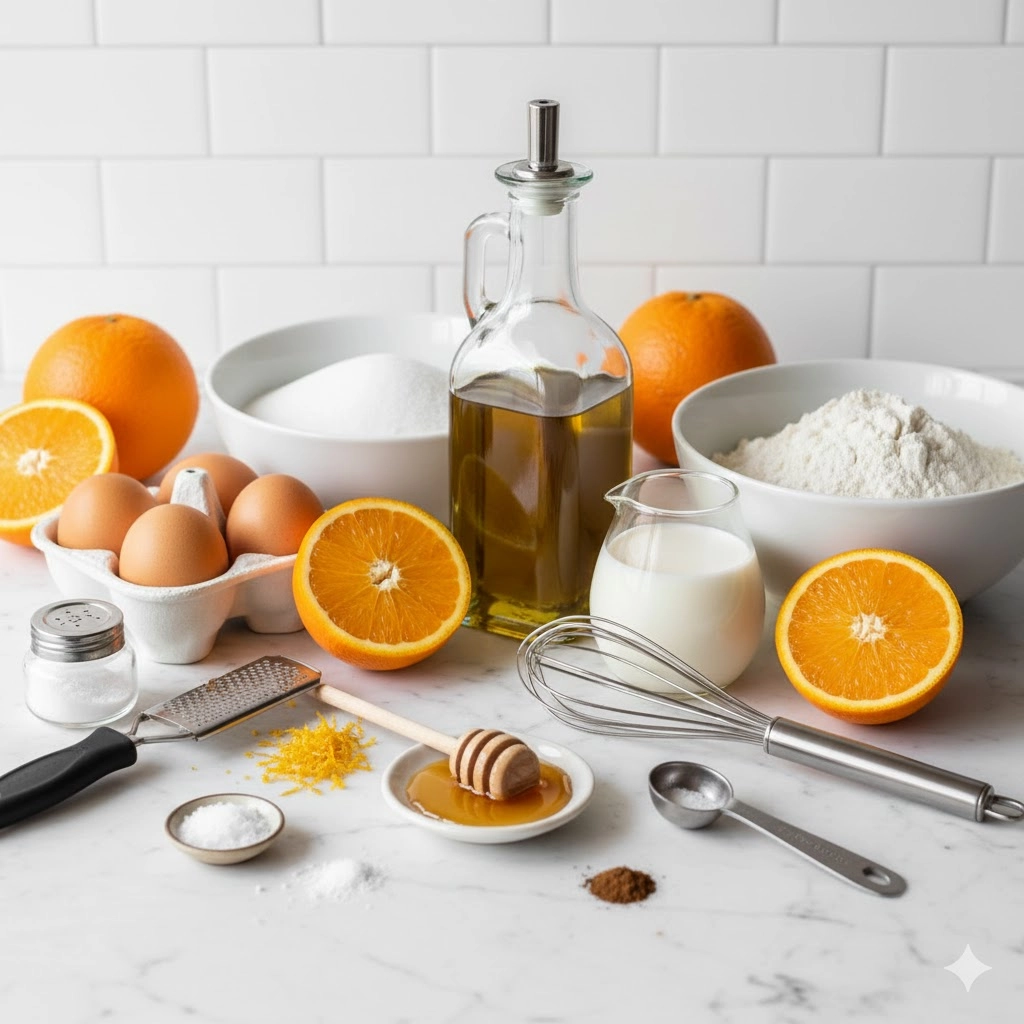
The Baker’s Pantry: Essential Components
This recipe relies on the quality of a few core ingredients. Note that using a mild, high-quality extra virgin olive oil is key; a robust, peppery variety can overpower the delicate citrus notes.
Dry Components
- 3 cups (360 grams) all-purpose flour
- 1 teaspoon baking powder
- One-half teaspoon baking soda
- One and one-half teaspoons kosher salt
Wet Components
- 3 large eggs, preferably at room temperature
- One and three-quarters cups (350 grams) granulated white sugar
- 1 cup (240 milliliters) mild extra-virgin olive oil, plus extra for preparing the pan
- 1 cup (240 milliliters) whole milk
- 1 tablespoon honey
- 2 tablespoons freshly grated orange zest (from approximately two navel oranges)
Finishing Touch
- 1 tablespoon confectioners’ sugar, for dusting (optional)
Mastering the Technique: The Quick-Mix Method
This cake is exceptionally forgiving, relying on straightforward liquid-to-dry integration rather than finicky creaming methods. Here is the process in eight high-level movements:
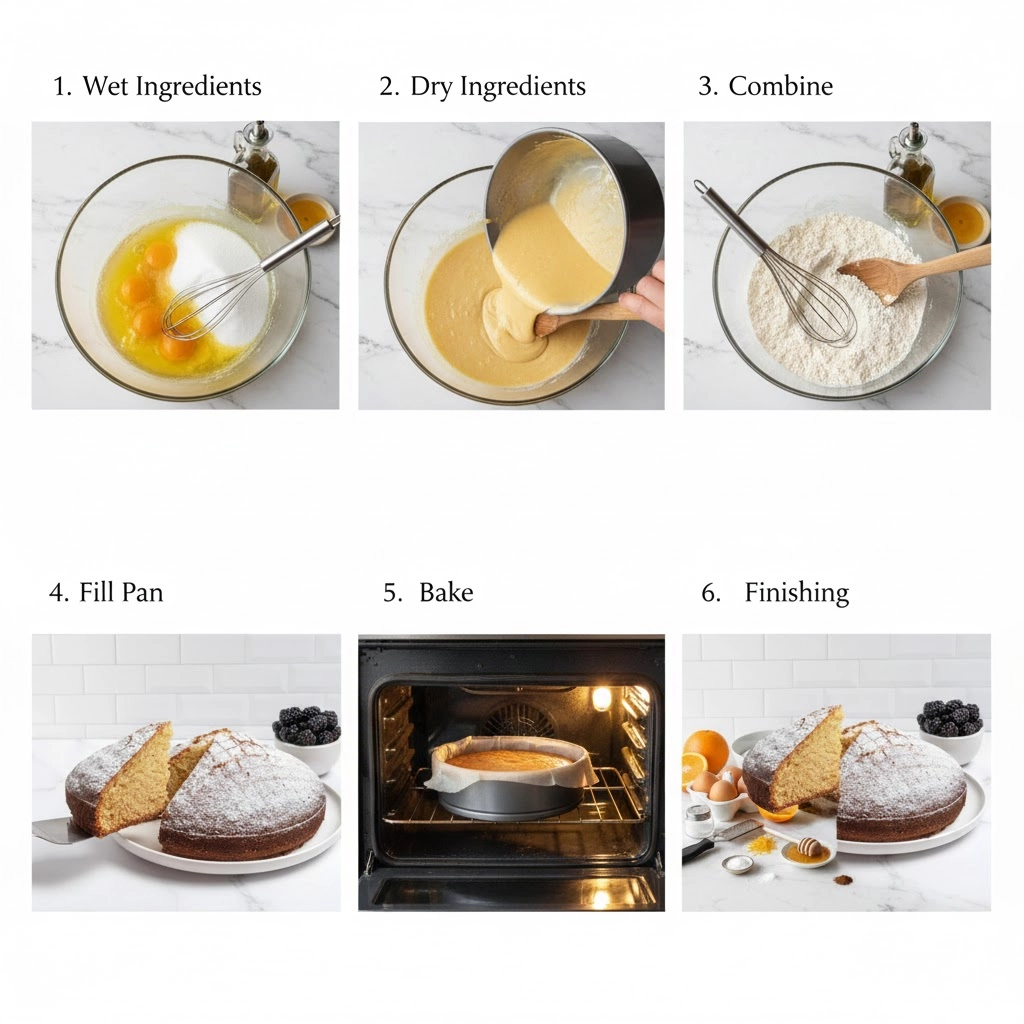
- Preparation: Preheat the oven to three hundred fifty Fahrenheit (175 Celsius). Prepare a ten-inch round springform pan by coating it liberally with olive oil and lining the bottom with parchment paper.
- Dry Whisk: In a medium bowl, thoroughly whisk together the flour, baking powder, baking soda, and salt.
- Wet Combination: In a separate, larger mixing bowl, combine the eggs and sugar, whisking briefly until just incorporated.
- Oil Emulsion: Introduce the olive oil, milk, honey, and orange zest to the egg mixture. Whisk slowly until the mixture is smooth and slightly emulsified.
- Integration: Gently add the dry components into the wet mixture. Use a wooden spoon or a spatula to fold and mix until the flour streaks disappear. Stop immediately.
- Transfer and Set: Pour the batter into the prepared springform pan. Tap the pan once or twice sharply against the counter to release any large air pockets.
- Bake: Bake for sixty to seventy minutes, checking for doneness after the one-hour mark.
- Cooling and Finish: Allow the cake to cool in the pan on a wire rack for thirty minutes before releasing the sides. Cool completely before dusting with confectioners’ sugar.
A Closer Look: Step-by-Step Culinary Guidance
The secret to this cake’s distinctive texture is minimizing gluten development while maximizing the suspension of the fat and liquids. Every action, from the temperature of the milk to the duration of the mixing, contributes to the final result.
The Importance of Temperature
Ensure your eggs and milk are at room temperature. This is not merely a suggestion; it is a foundational step in creating a homogeneous batter. When cold dairy and eggs are introduced to the liquid sugar-oil mixture, they resist combining effectively, resulting in a less integrated batter that can bake up dense or with an uneven crumb. Remove these items from the refrigerator at least thirty minutes prior to starting.
Zesting the Orange Correctly
When grating the orange zest, use a microplane and remove only the brightly colored outer layer. The white pith underneath is intensely bitter and will lend a sharp, unpleasant edge to your cake. Two tablespoons of zest should fill your kitchen with a rich, sweet perfume, a key indicator that you have extracted the optimal amount of essential oils.
The Emulsification Stage
After combining the eggs, sugar, oil, milk, honey, and zest, the goal is to create a stable, smooth liquid mixture before adding any flour. Whisking slowly—not aggressively—is crucial here. You are trying to unify the ingredients, not whip air into them. The mixture should look slightly paler and thicker than the initial components, signaling that the oil is suspended correctly within the other liquids. This is the stage where the character of the olive oil begins to merge with the honey and citrus, creating the foundational flavor.
Integrating the Dry Elements: The Minimalist Approach
When folding the dry mixture into the wet, embrace restraint. Introduce the flour mix all at once and use a folding motion rather than a stirring or beating action. The goal is simply to hydrate the flour until the last visible streaks disappear. This process should take no more than thirty seconds. Overmixing the batter activates the gluten in the flour, leading to a tough, elastic, and heavy cake. When the batter is correctly mixed, it will be fluid but slightly viscous, pouring easily into the pan without being sticky or ropey.
Monitoring the Bake and Doneness Checks
The wide sixty-to-seventy-minute baking window reflects the variation in ovens and pan material. Use the sensory cues to gauge readiness: The cake should be a deep, golden-brown on the surface, and the edges will begin to pull slightly away from the side of the springform pan. The ultimate test is the skewer insertion. When inserted directly into the center, the wooden skewer must emerge completely clean, with no wet crumbs attached. If it comes out moist but not wet, allow another five minutes. A mistake to avoid is removing the cake too early; an undercooked center will collapse upon cooling, resulting in a soggy texture.
Elevating the Result: Proactive Baking Wisdom
Achieving a superior crumb and flavor in your Italian Olive Oil Cake often comes down to these subtle, expert details.
- Pre-seasoning the Pan: Instead of simply greasing the pan, apply a very thin layer of olive oil and then dust it with a small amount of flour before adding the parchment circle to the bottom. This secondary flour barrier ensures a clean, easy release and provides a perfect, slightly crisp texture to the crust.
- Choosing Your Oil Wisely: As the name implies, the oil is the star. Opt for a mild, fruity, or buttery extra virgin olive oil produced from varietals like Hojiblanca or Arbequina. Avoid strong, pungent oils that have a high level of pepperiness or bitterness, as these flavors intensify when baked.
- The Honey Factor: The small amount of honey is critical for texture and moisture retention. It helps keep the cake fresh and succulent for days. Do not omit or substitute the honey with pure sugar; its hygroscopic nature is part of the cake’s foundational structure.
- A Sugar Crust Option: For an added textural layer, sprinkle a thin, even coating of coarse turbinado sugar over the top of the batter before placing it in the oven. This creates a delightful, crunchy crust that contrasts beautifully with the soft, moist interior.
- Cooling Management: While the cake needs to cool for thirty minutes in the pan, remove it promptly afterward. Leaving it to cool completely in the springform pan traps steam, which can lead to a gummy bottom crust. Moving it to a wire rack promotes even air circulation, preventing moisture build-up.
- Enhancing Citrus Aroma: If you want a truly vibrant citrus presence, steep the orange zest in the olive oil for an hour before mixing the batter. The oil draws out the flavor compounds in the zest, making the orange note more pronounced and complex after baking.
- Sifting the Flour: While the recipe uses a whisked dry mixture, sifting the flour and leaveners together ensures there are absolutely no pockets of concentrated baking powder or soda, leading to a smoother, lighter texture and a more even rise.
The Art of the Swap: Tailoring Your Cake
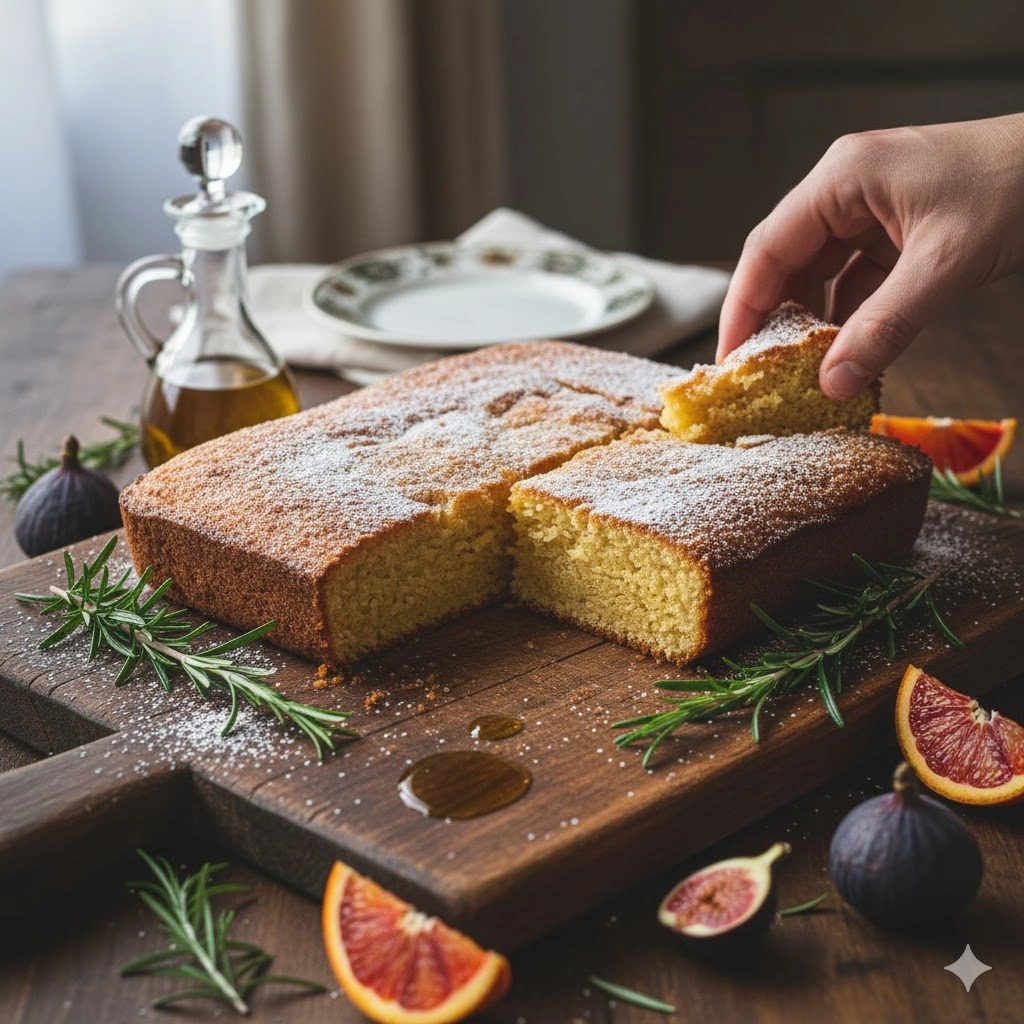
The beauty of this simple formula is its adaptability. Here are three reliable pathways to modify the flavor profile without compromising the structure.
- Lemon and Rosemary: Substitute the orange zest for 2 tablespoons of freshly grated lemon zest and one tablespoon of fresh rosemary leaves, finely minced. The savory herbaceousness of the rosemary complements the lemon’s tartness and deepens the earthiness of the olive oil.
- Almond-Ricotta Enrichment: To achieve an even creamier, richer texture, substitute one-half cup of the whole milk with one-half cup of whole milk ricotta cheese. Whisk the ricotta into the wet ingredients until smooth. Additionally, substitute one-half cup of the all-purpose flour with almond flour for a nutty depth.
- Whole Grain Texture: For a more rustic, complex crumb, replace up to one-third of the all-purpose flour with fine whole wheat pastry flour. This will add a slight chewiness and a wholesome, toasted flavor that pairs particularly well with darker, more robust olive oils. Start with this thirty-three percent substitution before experimenting with higher ratios.
Final Presentation: Pairing and Enjoyment
The subtlety of the Italian Olive Oil Cake makes it an excellent canvas for various accompaniments. These suggestions enhance, rather than overshadow, its core character.
- The Classic Citrus Glaze: Create a simple glaze by whisking one cup of confectioners’ sugar with 2 tablespoons of freshly squeezed orange juice. Drizzle lightly over the cooled cake. This provides a clean, acidic sweetness that brightens the oil flavor.
- Fresh Fruit and Cream: Serve thick slices alongside a spoonful of unsweetened crème fraîche or mascarpone cheese. Pair this with a medley of fresh, peak-season berries, such as blackberries or raspberries, or slices of stone fruit like peaches or apricots.
- The Savory Twist: In Italy, a simple, rustic cake like this is often enjoyed with wine. Serve a small slice alongside a strong, slightly sweet dessert wine, such as Vin Santo, and a sprinkle of sea salt flakes to amplify the contrast between the saltiness and the cake’s hidden honey notes.
Frequently Asked Baking Inquiries
Can I use a different type of oil, such as canola or vegetable oil?
While technically possible, substituting the olive oil fundamentally changes the identity and flavor of the cake. Canola or vegetable oil will yield a very moist cake, but the complexity, depth, and unique aroma that define the Italian dessert will be lost entirely. If you must substitute, use a neutral oil only for the moisture, but consider adding a citrus extract to compensate for the lost flavor profile.
How should I store the finished cake, and how long does it last?
Store the finished cake at room temperature in an airtight container for up to four days. Because of the high oil content, it retains its moisture exceptionally well. For longer storage, slices can be individually wrapped and frozen for up to two months; thaw them overnight at room temperature for the best texture.
My cake peaked in the center. How do I achieve a flat top?
A cake that domes significantly indicates that the edges cooked much faster than the center. To mitigate this, ensure your oven temperature is accurate and try placing a heat core or a metal flower nail in the center of the batter before baking to help conduct heat evenly. Also, avoid over-aerating the batter during the mixing stages, as too much air can contribute to a large central dome.
Is it possible to make this cake gluten-free?
Yes, this recipe works very well with a high-quality gluten-free all-purpose flour blend that contains xanthan gum. Due to the lack of strong gluten structure, the final cake might be slightly more delicate. Reduce the mixing time even further and ensure the batter is poured gently into the pan. The olive oil is key here, as it helps create a tender texture even without traditional flour.
Why did my cake stick to the pan even though I greased it?
Sticking usually occurs if the pan was not adequately prepared or if the cake was removed too soon. Ensure you grease the pan sides generously with oil and line the bottom with parchment paper. If you skip the parchment, the high-sugar batter may caramelize and seize to the metal. Always run a thin, offset spatula or knife around the edges after the initial thirty-minute cool-down period before attempting to release the springform.
Nutritional Breakdown
| Nutrient | Amount per Serving |
| Calories | 520 kcal |
| Protein | 7 g |
| Carbs | 68 g |
| Fat | 25 g |
| Fiber | 1 g |
| Sugar | 34 g |
| Sodium | 430 mg |
Disclaimer
Nutrition information is an estimate and may vary based on preparation and ingredients used.
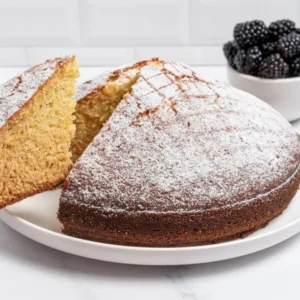
The Essential Italian Olive Oil Cake
Ingredients
- 3 cups all-purpose flour
- 1 tsp baking powder
- 0.5 tsp baking soda
- 1.5 tsp kosher salt
- 3 large eggs, room temperature
- 1.75 cups granulated white sugar
- 1 cup mild extra-virgin olive oil, plus extra for greasing
- 1 cup whole milk, room temperature
- 1 tbsp honey
- 2 tbsp freshly grated orange zest (from approximately two oranges)
- 1 tbsp confectioners’ sugar, for dusting (optional)
Instructions
- Preheat the oven to three hundred fifty Fahrenheit. Prepare a ten-inch round springform pan by coating it liberally with olive oil and lining the bottom with parchment paper.
- In a medium bowl, thoroughly whisk together the flour, baking powder, baking soda, and salt.
- In a separate, larger mixing bowl, combine the eggs and sugar, whisking briefly until just incorporated.
- Introduce the olive oil, milk, honey, and orange zest to the egg mixture. Whisk slowly until the mixture is smooth and slightly emulsified.
- Gently add the dry components into the wet mixture. Use a wooden spoon or a spatula to fold and mix until the flour streaks disappear. Stop immediately to avoid overmixing.
- Pour the batter into the prepared springform pan. Tap the pan once or twice sharply against the counter to release any large air pockets.
- Bake for sixty to seventy minutes, checking for doneness after the one-hour mark. The cake is done when a wooden skewer inserted into the center comes out clean.
- Allow the cake to cool in the pan on a wire rack for thirty minutes before releasing the sides. Cool completely before dusting with confectioners’ sugar.
Notes
Equipment
- 10-inch springform pan
- parchment paper
- Wire whisk and rubber spatula
- wire cooling rack
- Mixing bowls (1 large, 1 medium)