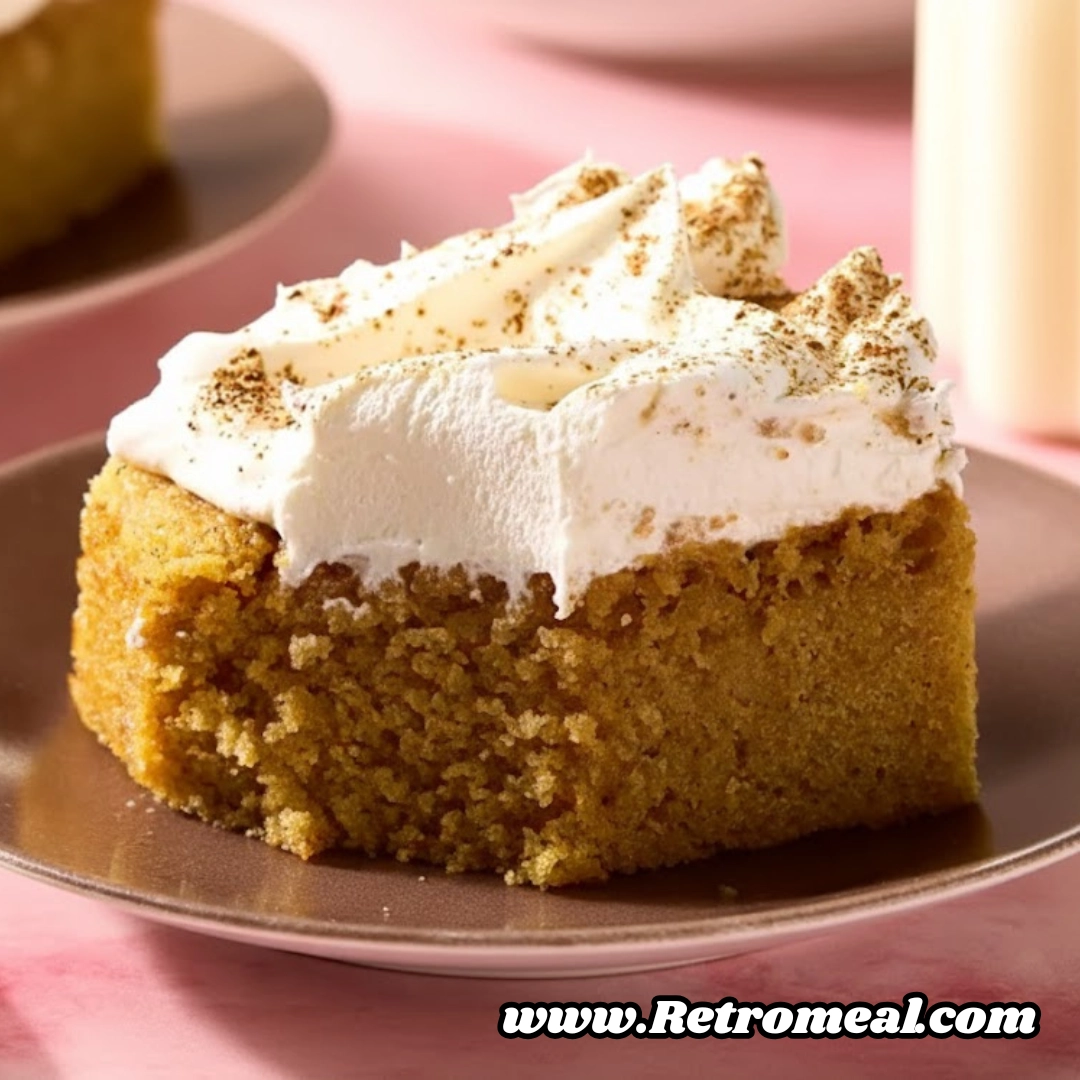
When the worlds of traditional Mexican beverages and modern coffee culture collide, the result is nothing short of spectacular. This Horchata Latte Cake represents the pinnacle of fusion baking, taking the comforting, rice-and-cinnamon notes of classic horchata and marrying them with the bold, sophisticated punch of a dirty espresso latte. Imagine a dessert that possesses the moisture of a soaked sponge but retains the structural integrity of a classic American sheet cake. It is a sophisticated treat that feels equally at home at a casual weekend brunch or as the centerpiece of a festive dinner party. By infusing the batter with warm spices and then drenching the finished crumb in a sweetened horchata-espresso soak, we create a multi-dimensional flavor profile that dances between creamy, spicy, and bitter-sweet.
Table of Contents
Components for the Perfect Horchata Latte Cake
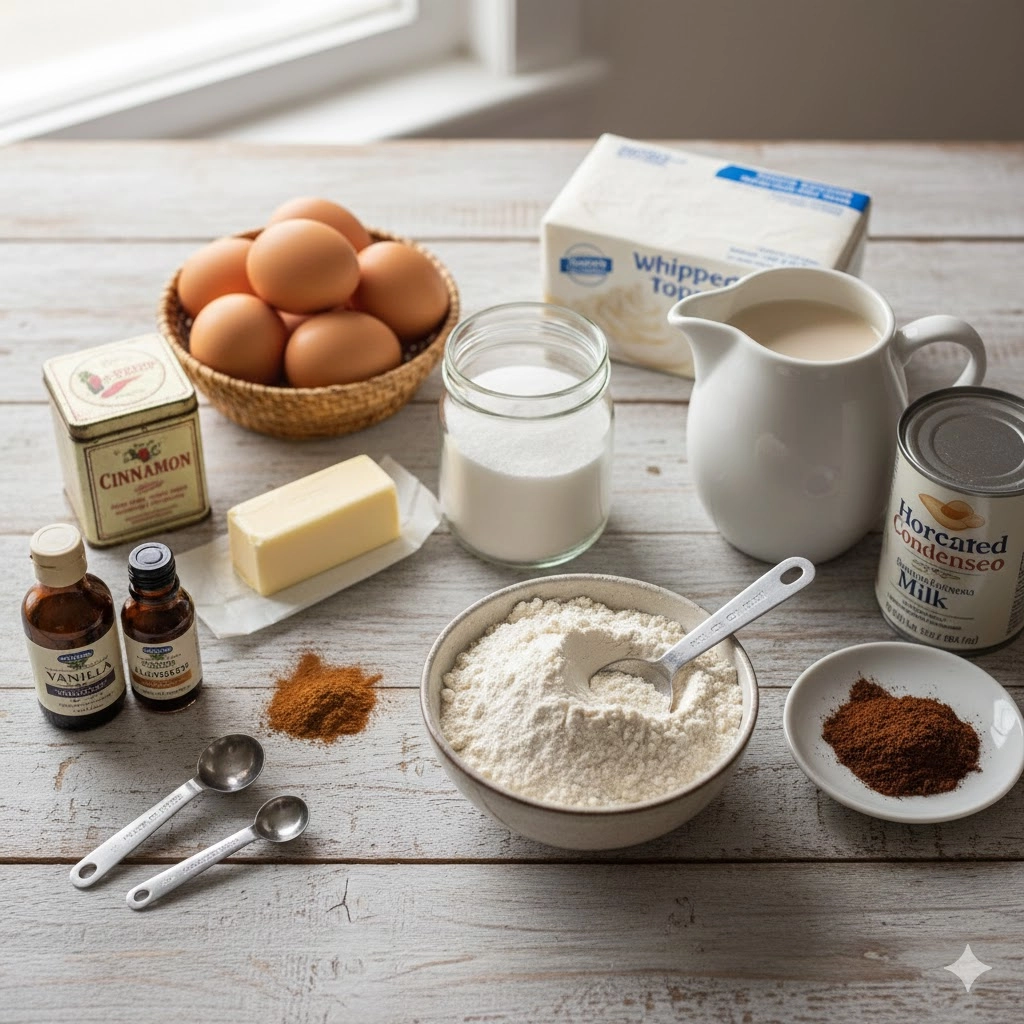
To achieve the specific texture and flavor profile required for this masterpiece, you will need to gather high-quality staples and a few specialty items. Ensuring your refrigerated items are at room temperature will guarantee the smoothest emulsion for your batter.
- 2 3/4 cups all purpose flour
- 1 tablespoon baking powder
- 1 teaspoon salt
- 1 teaspoon ground cinnamon, plus extra for the final garnish
- 1 cup butter, softened to room temperature
- 2 cups granulated sugar
- 4 large eggs
- 2 tablespoons instant espresso coffee powder, divided (save some for the soak and some for the dusting)
- 1 1/2 teaspoons vanilla extract
- 1/2 teaspoon almond extract
- 2 1/2 cups horchata, divided (ensure this is well-shaken if using bottled)
- 2/3 cup canned sweetened condensed milk
- 1 (8 ounce) container frozen whipped topping, fully thawed in the refrigerator
Step-by-Step Baking Instructions
- Preparation and Oven Calibration: Begin by gathering every ingredient onto your workspace to ensure a seamless flow. Preheat your oven to 350 Fahrenheit. Take a 9×13 inch baking pan and carefully grease the bottom and sides with butter or non-stick spray, then dust with a light coating of flour, tapping out any excess to prevent the cake from sticking.
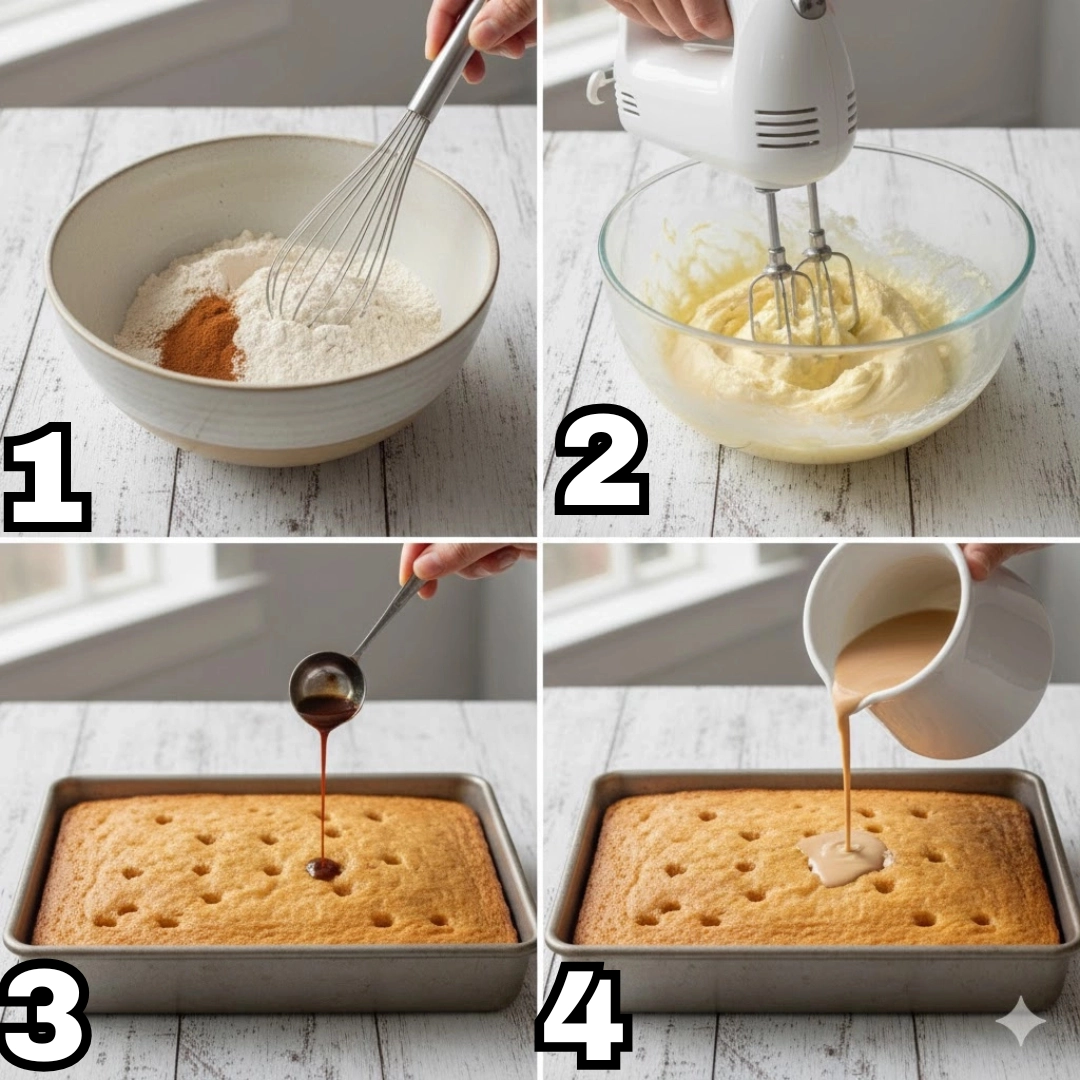
- Sifting the Dry Base: In a medium-sized mixing bowl, combine the all purpose flour, baking powder, salt, and one teaspoon of ground cinnamon. Use a wire whisk to aerate the mixture, ensuring the leavening agents and cinnamon are distributed perfectly throughout the flour.
- Creaming the Fat and Sugar: In a separate large mixing bowl, use an electric mixer on medium speed to beat the softened butter for about 30 seconds until creamy. Gradually introduce the two cups of sugar, adding about 1/4 cup at a time. Scrape down the sides of the bowl frequently. Continue beating for at least two minutes until the mixture looks pale and has a light, fluffy volume.
- Incorporating Aromatics and Protein: Add the eggs to the butter mixture one at a time, beating thoroughly after each addition to maintain the emulsion. Once the eggs are incorporated, mix in 4 teaspoons of the instant espresso powder, the vanilla extract, and the almond extract. The almond extract is the secret bridge between the rice notes of the horchata and the bitterness of the coffee.
- The Alternating Mixing Method: Set your mixer to the lowest speed. You will now alternately add the flour mixture and 1 3/4 cups of the horchata. Start with a third of the flour, then half of the horchata, repeating until just combined. Do not be alarmed if the batter appears slightly curdled; the high moisture content from the horchata causes this, but it will even out beautifully during the bake. Spread the batter evenly into your prepared 9×13 pan.
- The Golden Bake: Place the pan in the center of the oven and bake for 35 to 40 minutes. Test for doneness by inserting a wooden toothpick into the center; it should come out clean or with just a few moist crumbs attached.
- Preparing the Infusion Soak: While the cake is in its final minutes of baking, whisk together the remaining 3/4 cup of horchata, the sweetened condensed milk, and the remaining 2 teaspoons of instant espresso powder. Ensure the espresso is fully dissolved.
- The Saturation Process: Once you remove the hot cake from the oven, immediately use a skewer or a chopstick to poke holes across the entire surface of the cake, spacing them about an inch apart. Gradually and slowly pour the horchata-espresso mixture over the cake, allowing the liquid to disappear into the holes.
- Cooling and Setting: Allow the cake to sit on a wire rack until it reaches room temperature. This is vital as it allows the crumb to absorb the liquid without becoming mushy.
- Finishing Touches: Once cooled, spread the thawed whipped topping over the cake in an even layer. Cover the pan and transfer it to the refrigerator for at least one hour to set.
- Garnish and Presentation: Just before you are ready to slice and serve, sprinkle a generous dusting of ground cinnamon and a light touch of instant espresso powder over the top for a professional, “latte-art” aesthetic.
Masterful Execution of the Baking Process
The magic of this Horchata Latte Cake lies in the science of the soak. Unlike a traditional Tres Leches cake which is often a sponge cake designed to be completely submerged in liquid, this recipe utilizes a sturdier butter-based cake. This results in a texture that is incredibly moist—almost melting on the tongue—yet it still feels like a substantial slice of cake. When you are creaming the butter and sugar, do not rush this stage. This process creates tiny air pockets that provide the structure needed to hold the horchata infusion later on.
When you reach the stage of adding the horchata to the batter, you might notice the mixture looking “broken” or curdled. This is a common occurrence when a high volume of liquid is added to a fat-heavy base. In the oven, the heat will cause the proteins in the flour and eggs to set, locking that moisture into a cohesive crumb. The almond extract is another crucial element; horchata is traditionally made with tiger nuts or rice and cinnamon, and the almond flavor mimics the nutty depth found in authentic Mexican street-side horchata, elevating the cake from a simple vanilla base to something far more complex.
During the soaking phase, timing is everything. You want the cake to be hot when the liquid is introduced. Heat causes the starch molecules in the flour to remain open, acting like a sponge. If you wait until the cake is cold to add the soak, the liquid may just sit on top or result in a gummy surface. By pouring the espresso-infused milk while the cake is steaming, you ensure the flavor penetrates all the way to the bottom of the pan.
Perfect Pairings and Serving Suggestions
While this cake is a powerhouse of flavor on its own, the way you serve it can enhance the overall experience. Because it features both coffee and cinnamon, it is the ultimate companion for a post-dinner beverage service.
- Warm Beverages: Serve a square of this cake alongside a steaming cup of Mexican hot chocolate. The earthiness of the cocoa and the hint of chili often found in Mexican chocolate perfectly complement the creamy horchata notes.
- Cold Contrasts: For a summer gathering, pair the cake with a cold brew coffee or even a glass of iced horchata. The double-hit of horchata is a dream for fans of the beverage.
- Fresh Fruit: A side of macerated strawberries or fresh raspberries provides a necessary acidity that cuts through the richness of the sweetened condensed milk and whipped topping.
- Textural Additions: If you want to add a bit of crunch, consider sprinkling toasted slivered almonds or crushed cinnamon cookies (like Maria cookies) over the whipped topping just before serving.
Essential Insights for Recipe Success
Achieving the perfect balance in a fusion dessert requires attention to detail. One of the most important factors is the quality of the horchata used. If you are buying store-bought horchata, look for a brand that uses real cinnamon and rice rather than just artificial flavorings. If you have the time, making a homemade rice-water base will significantly improve the authenticity of the flavor.
Another insight involves the espresso powder. Do not confuse instant espresso powder with regular ground coffee beans. Espresso powder is dehydrated brewed coffee that dissolves instantly in liquid. If you use regular coffee grounds, the texture will be gritty and unpleasant. If you prefer a less intense coffee flavor, you can slightly reduce the espresso powder in the batter but keep the full amount in the soak, as the soak provides that signature “latte” finish.
Temperature management is your best friend in this recipe. Softened butter should be pliable but not greasy or melting. If your butter is too soft, the cake will be dense and oily. Conversely, if the butter is too cold, it won’t trap the air necessary for a light crumb. Aim for a temperature of about sixty-five Fahrenheit for your butter and eggs to ensure a professional-grade result.
Creative Modifications and Alternative Ingredients
Every kitchen is different, and sometimes you need to adapt based on what is in your pantry or your specific dietary preferences.
- Dairy-Free Adjustments: While this recipe relies heavily on dairy, you can experiment with a dairy-free version by using a plant-based butter stick substitute and a vegan sweetened condensed coconut milk. Ensure your horchata is also rice or nut-based without added milk solids.
- Homemade Whipped Cream: If you are not a fan of frozen whipped topping, you can substitute it with a stabilized homemade whipped cream. Simply beat two cups of heavy whipping cream with half a cup of powdered sugar and a teaspoon of gelatin (dissolved in water) to ensure the topping doesn’t deflate in the refrigerator.
- Boozy Twist: For an adult-only version of this dessert, replace two tablespoons of the horchata in the soak with a coffee liqueur or a spiced rum. This adds a warm, toasted depth that pairs beautifully with the cinnamon.
- Spice Variations: While cinnamon is the star, a tiny pinch of ground cloves or nutmeg added to the flour mixture can create a “spiced latte” vibe that is particularly wonderful during the autumn months.
Deep-Dive Kitchen Knowledge Base
What exactly is horchata and how does it affect the cake texture?
Horchata is a traditional beverage found in various forms across Spain and Latin America. In the context of this cake, we are referring to the Mexican variety, which is typically made from soaked rice, cinnamon, and sugar. Because horchata is thinner than milk but contains suspended rice starches, it adds a unique silkiness to the cake batter. When used in the soak, those starches help thicken the liquid slightly as it absorbs, preventing the cake from becoming overly soggy or leaking liquid when sliced.
Why does the recipe use both vanilla and almond extract?
This is a classic baker’s secret. While vanilla provides the familiar, sweet floral base, almond extract has a way of intensifying the perception of sweetness and “nutttiness” without actually making the cake taste like cherries or almonds. In a horchata-based dessert, the almond extract highlights the earthy rice notes and makes the cinnamon taste “warmer.” It bridges the gap between the bitter espresso and the sugary cake.
Can I bake this in a different pan size like a round cake or cupcakes?
You certainly can, though the 9×13 pan is traditional for “poke cakes” because it contains the soak effectively. If you choose to make cupcakes, reduce the baking time to approximately 18 to 22 minutes. You will still poke the holes and pour the soak over each individual cupcake, but be careful not to over-saturate them, or the liners may break away. For a layered round cake, you would need to be very conservative with the soak to ensure the layers remain stable enough to stack.
How long will this cake stay fresh in the refrigerator?
Because of the high moisture content and the dairy-based soak, this cake must be kept refrigerated. It actually tastes better on the second day once the flavors have had a chance to fully meld and the espresso has permeated the crumb. It will remain delicious for up to four days if kept in an airtight container. We do not recommend freezing the cake after the soak and whipped topping have been added, as the texture of the topping will change significantly upon thawing.
Achieving a Harmonious Flavor Balance
The beauty of the Horchata Latte Cake is its ability to satisfy both the coffee lover and the dessert enthusiast. The bitterness of the espresso acts as a counterweight to the sweetness of the condensed milk, ensuring the cake is rich without being cloying. When you take a bite, you first experience the light, airy whipped topping, followed by the spice-forward, moist crumb of the cake. It is a journey of textures and temperatures that pays homage to the beloved “dirty horchata” drink found in modern cafes. Whether you are celebrating a milestone or simply want to elevate your Sunday baking, this recipe provides a foolproof path to a sophisticated, multi-layered dessert that will have everyone asking for the recipe.
Nutritional Profile and Serving Information
This recipe yields 12 generous servings. The nutritional values provided are estimates based on the ingredients listed and may vary depending on the specific brands of horchata or whipped topping used.
| Nutrient | Amount Per Serving |
| Calories | 538 |
| Total Fat | 24 grams |
| Saturated Fat | 14 grams |
| Cholesterol | 102 milligrams |
| Sodium | 415 milligrams |
| Total Carbohydrates | 75 grams |
| Dietary Fiber | 1 gram |
| Sugars | 52 grams |
| Protein | 7 grams |
Nutritional Disclaimer
The nutritional information provided is for educational purposes only. Accuracy is not guaranteed as values can change based on preparation methods and specific ingredient brands. For those with specific medical dietary requirements, please consult with a certified nutritionist or healthcare professional.
Horchata Latte Cake
Ingredients
- 2.75 cups all purpose flour
- 1 tbsp baking powder
- 1 tsp salt
- 1 tsp ground cinnamon, plus more for sprinkling
- 1 cup butter, softened
- 2 cups granulated sugar
- 4 large eggs
- 2 tbsp instant espresso coffee powder, divided
- 1.5 tsp vanilla extract
- 0.5 tsp almond extract
- 2.5 cups horchata, divided
- 0.66 cup canned sweetened condensed milk
- 8 ounces frozen whipped topping, thawed
Instructions
- Preheat oven to 350 degrees Fahrenheit. Grease and flour a 9×13-inch baking pan.
- Whisk together flour, baking powder, salt, and cinnamon in a medium bowl.
- Beat butter with an electric mixer for 30 seconds. Gradually beat in sugar and continue for 2 minutes until light and fluffy.
- Add eggs one at a time, beating well after each. Mix in 4 teaspoons espresso powder, vanilla, and almond extract.
- Alternately add flour mixture and 1 3/4 cups horchata, beating on low until just combined. Spread into pan.
- Bake for 35 to 40 minutes until a toothpick comes out clean.
- Whisk remaining 3/4 cup horchata, sweetened condensed milk, and remaining 2 teaspoons espresso powder.
- Poke holes all over the hot cake with a skewer. Gradually pour the horchata mixture over the top. Cool completely.
- Top with whipped topping. Chill for at least 1 hour. Sprinkle with cinnamon and espresso powder before serving.
Notes
Equipment
- 9×13-inch baking pan
- Electric hand mixer or stand mixer
- Wooden skewer or chopstick For poking holes
- wire cooling rack
- Large mixing bowls