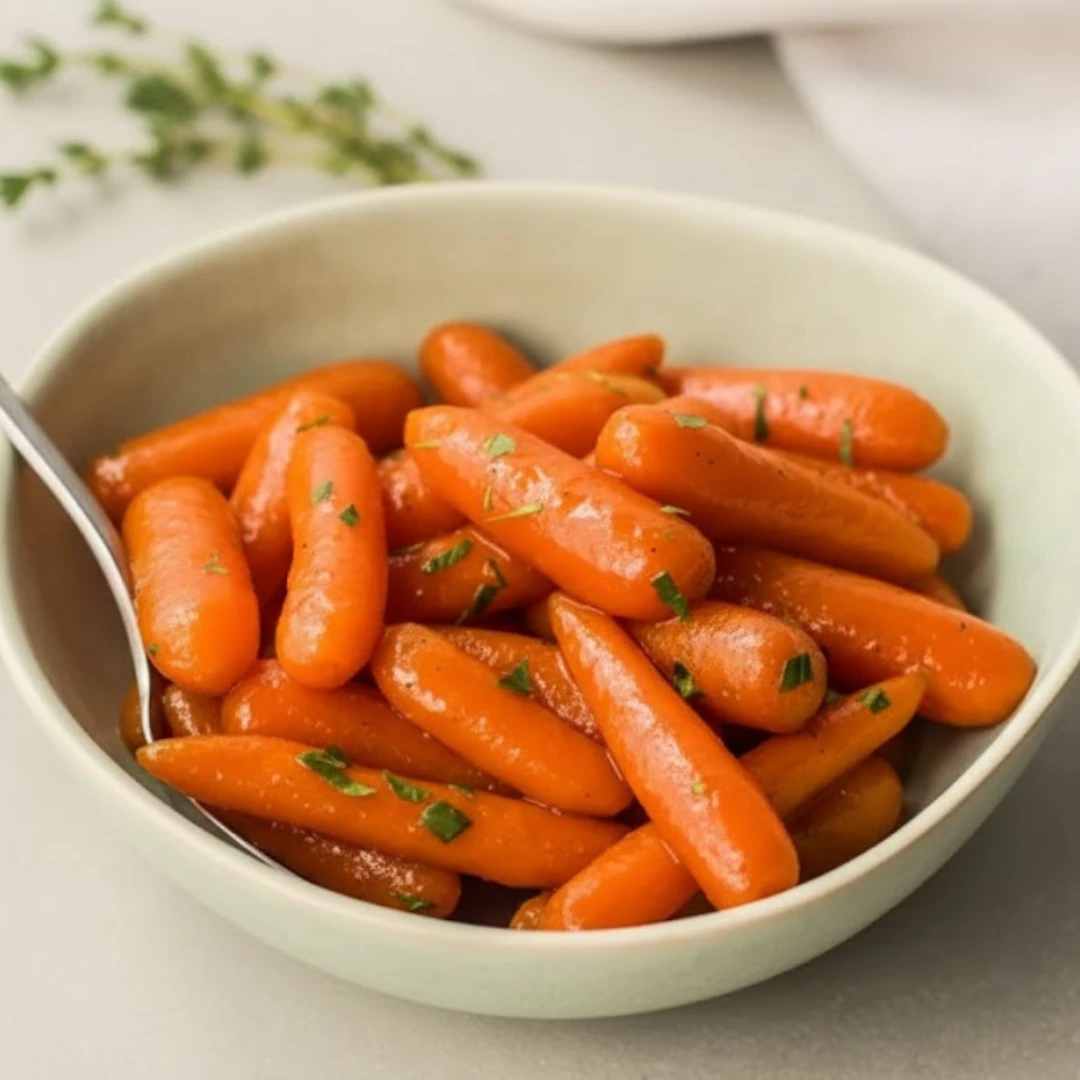
Honey glazed baby carrots are a timeless classic, offering a perfect harmony of natural earthy sweetness and a decadent, syrupy finish. Whether you are preparing a formal holiday feast or a simple Tuesday night dinner, this dish provides a vibrant pop of color and a sophisticated flavor profile that appeals to both children and adults. By gently simmering these tender root vegetables in a blend of honey and butter, you transform a humble staple into a standout accompaniment that complements everything from roasted chicken to grilled steaks.
Table of Contents
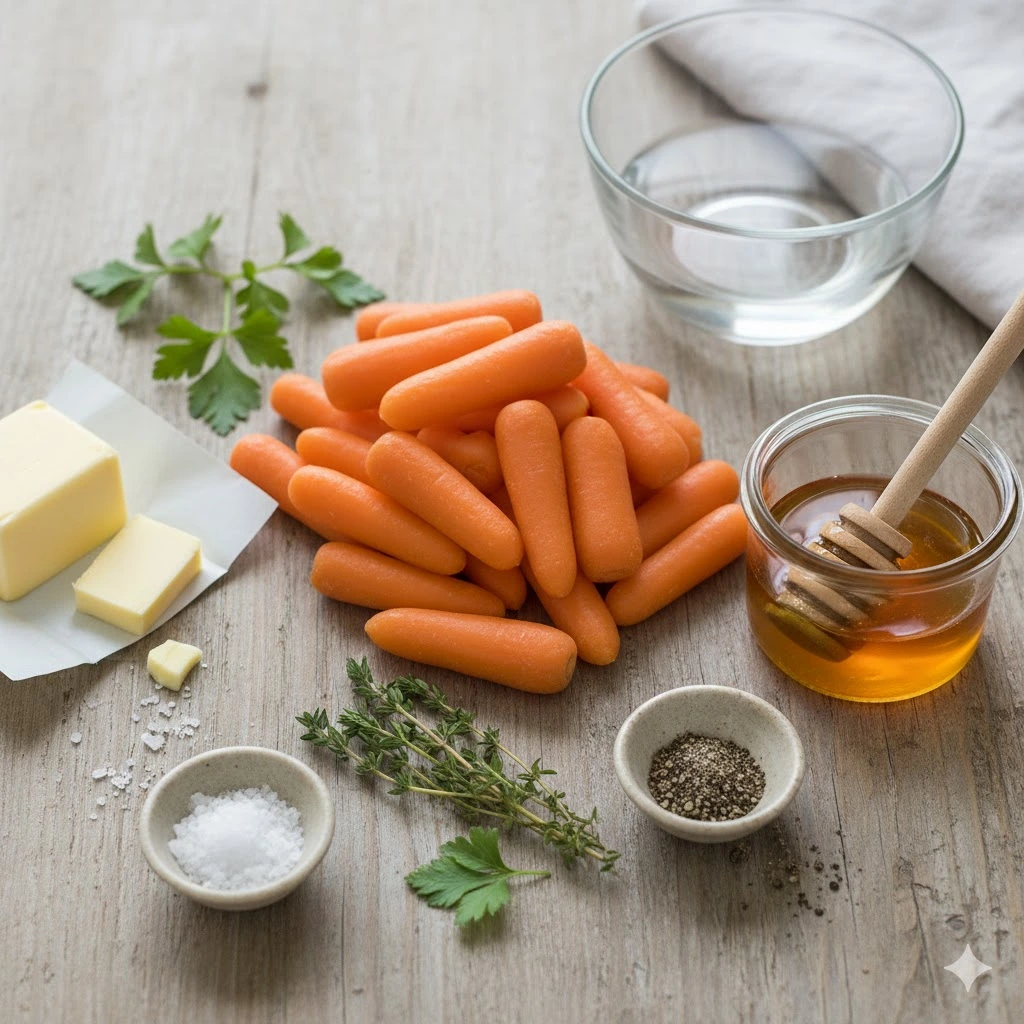
Ingredients
- 1 pound baby carrots
- 1/2 cup water
- 2 tablespoons butter
- 2 tablespoons honey
- 1 dash salt
- 1 dash black pepper
Instructions
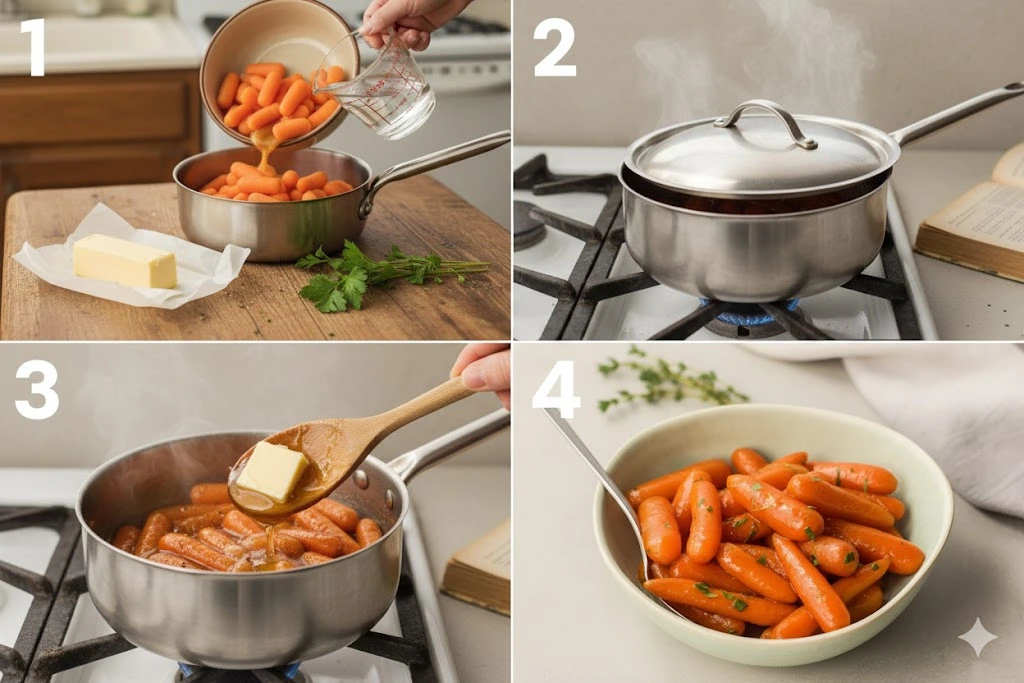
- Place the baby carrots in a medium-sized saucepan and add the water.
- Bring the liquid to a boil over medium-high heat.
- Once boiling, cover the pan with a tight-fitting lid and reduce the heat to low.
- Simmer the carrots for approximately 7 to 10 minutes, or until they reach your desired level of tenderness when pierced with a fork.
- Carefully drain the excess water from the saucepan.
- Add the butter, honey, salt, and black pepper directly into the pan with the warm carrots.
- Cook over medium heat, stirring constantly, for about 2 to 3 minutes.
- Continue cooking until the honey and butter have melted together and thickened into a glossy glaze that thoroughly coats every carrot.
- Remove from the heat and transfer to a serving dish. Serve while hot.
Achieving the Perfect Glaze Consistency
The secret to a world-class honey glaze lies in the final few minutes of reduction. When you return the drained carrots to the heat with the honey and butter, you are essentially creating a quick gastrique. As the water content in the butter evaporates and the sugars in the honey begin to concentrate, the mixture transitions from a thin liquid to a viscous, mirror-like coating.
To ensure the best results, do not walk away during this stage. Constant stirring is essential to prevent the honey from scorching, which can happen quickly due to its high sugar content. You are looking for the glaze to bubble gently and cling to the wooden spoon. If the glaze seems too thin, continue cooking for an additional sixty seconds; if it becomes too thick or tacky, a teaspoon of warm water can loosen it back to a silky consistency.
Unique Culinary Insights for Root Vegetables
Carrots are unique because their cellular structure softens significantly during the steaming phase, making them highly receptive to flavors. Using baby carrots specifically is a culinary advantage because they are harvested (or shaped) to be uniform in size, ensuring that every piece in the pan cooks at the exact same rate. This eliminates the frustration of having some pieces turn to mush while others remain crunchy.
For an even deeper flavor, consider the “glaze-down” technique. Instead of draining all the water, you can leave a tablespoon of the cooking liquid in the pan. When the honey and butter are added, the starch released by the carrots into the water acts as a natural emulsifier, helping the fats and sugars bind together more effectively. This creates a glaze that stays on the carrot rather than pooling at the bottom of the plate.
Enhancing the Dish: Accompaniments and Serving
While Honey Glazed Baby Carrots are spectacular on their own, they truly shine when paired with the right main course. The sweetness of the honey provides a beautiful counterpoint to salty or savory meats.
- Roasted Poultry: The herbal notes in a roast chicken or turkey are elevated by the simple sweetness of the carrots.
- Holiday Ham: The classic pairing of ham and honey is reinforced when these carrots are served alongside a glazed gammon.
- Vegetarian Grain Bowls: Toss these carrots into a bowl of quinoa, feta cheese, and toasted walnuts for a texturally diverse vegetarian lunch.
When serving, presentation is key. Use a shallow white bowl to allow the bright orange hue and the shimmer of the glaze to stand out. A final sprinkle of fresh herbs, though not in the base recipe, can provide a visual contrast that makes the dish look restaurant-quality.
Deep-Dive FAQ
Can I use regular large carrots instead of baby carrots?
Yes, you certainly can. If you choose to use full-sized carrots, ensure you peel them thoroughly and cut them into uniform sticks or “coins” about two inches long. This mimics the shape of baby carrots and ensures the cooking times remain consistent with the instructions provided.
How do I prevent the honey from burning in the pan?
The most effective way to prevent burning is to maintain a medium to medium-low heat during the glazing stage. Honey has a lower burn point than granulated sugar, so it requires a gentle touch. Constant agitation with a spatula ensures that no single part of the glaze sits against the hot metal of the pan for too long.
Can this recipe be made ahead of time for a dinner party?
While these are best served fresh, you can partially cook the carrots (parboil) earlier in the day and store them in the refrigerator. When you are ready to serve, simply perform the final glazing step with the butter and honey. This will take about five minutes and ensures the carrots aren’t overcooked or soggy from sitting in the glaze for too long.
What is the best type of honey to use?
For a neutral, classic sweetness, a standard Clover or Wildflower honey works beautifully. If you want a more robust, earthy flavor, you might experiment with Buckwheat honey, though be aware that its flavor is quite strong and may overshadow the natural taste of the carrots.
Modifications and Substitutions
This recipe is highly adaptable to various dietary needs and flavor preferences. If you are looking for a dairy-free alternative, the butter can be substituted with an equal amount of extra virgin olive oil or coconut oil. Coconut oil, in particular, adds a subtle tropical note that pairs exceptionally well with the sweetness of the honey.
If you find the dish a bit too sweet, you can balance the sugars by adding a teaspoon of apple cider vinegar or lemon juice during the final glazing stage. The acidity cuts through the richness of the butter and the intensity of the honey, resulting in a more complex, bright flavor profile. For those who enjoy a bit of warmth, a pinch of ground ginger or cinnamon added with the salt and pepper can transform this into a more aromatic, spice-forward side dish.
Step-by-Step Details and Kitchen Science
Understanding the science of a simmer is vital for vegetable cookery. When you place the carrots in the half-cup of water and cover them, you are creating a localized steam environment. This is more effective than boiling because it preserves the water-soluble vitamins and prevents the carrots from becoming waterlogged. The goal of the seven to ten-minute simmer is to break down the pectin in the carrot’s cell walls just enough to make them tender-crisp.
Once you drain the water and add the fats and sugars, you are moving from a moist-heat cooking method to a fat-based glazing method. The butter provides a mouthfeel that carries the flavor of the honey across the palate. As the mixture heats up, the honey undergoes a very mild caramelization. This doesn’t just make it sweeter; it creates new flavor compounds that are nutty and rich. The dash of salt is perhaps the most important “silent” ingredient here—it suppresses bitterness and enhances the perception of sweetness, making the carrots taste more like themselves.
The Art of the Perfect Side
Choosing a side dish is often an afterthought, but a well-executed vegetable can often be the most talked-about part of the meal. These Honey Glazed Baby Carrots succeed because they hit multiple sensory notes: the visual appeal of the glossy orange, the aroma of melting butter, and the satisfying “snap” of a perfectly cooked carrot. It is a recipe that relies on the quality of simple ingredients and the patience of the cook to let the glaze reduce to its ideal state.
By following the sequence of steaming followed by glazing, you ensure that the interior of the carrot is seasoned and soft, while the exterior is coated in a decadent sauce. It is a technique that, once mastered, can be applied to other root vegetables like parsnips or even sweet potatoes, making it a foundational skill for any home chef.
Nutrition Table
| Nutrient | Amount Per Serving |
| Calories | 110 |
| Total Fat | 6 grams |
| Saturated Fat | 3.5 grams |
| Cholesterol | 15 milligrams |
| Sodium | 140 milligrams |
| Total Carbohydrates | 15 grams |
| Dietary Fiber | 3 grams |
| Sugars | 11 grams |
| Protein | 1 gram |
Disclaimer
The nutritional information provided is an estimate based on standard ingredient measurements. Actual nutritional content may vary depending on the specific brands of butter and honey used, as well as variations in the size of the produce.
Honey Glazed Baby Carrots
Ingredients
- 1 pound baby carrots
- 0.5 cup water
- 2 tbsp butter
- 2 tbsp honey
- 1 dash salt
- 1 dash black pepper
Instructions
- Place the baby carrots in a medium-sized saucepan and add the water.
- Bring the liquid to a boil over medium-high heat.
- Cover the pan with a tight-fitting lid and reduce the heat to low. Simmer for 7 to 10 minutes or until fork-tender.
- Carefully drain the excess water from the saucepan, ensuring the carrots remain in the pan.
- Add the butter, honey, salt, and black pepper directly to the warm carrots in the pan.
- Cook over medium heat, stirring constantly for 2 to 3 minutes until the glaze thickens and coats the carrots.
- Remove from heat and transfer to a serving dish to serve while hot.
Notes
Equipment
- medium saucepan
- Tight-fitting lid
- Colander or strainer
- wooden spoon or spatula
- serving bowl