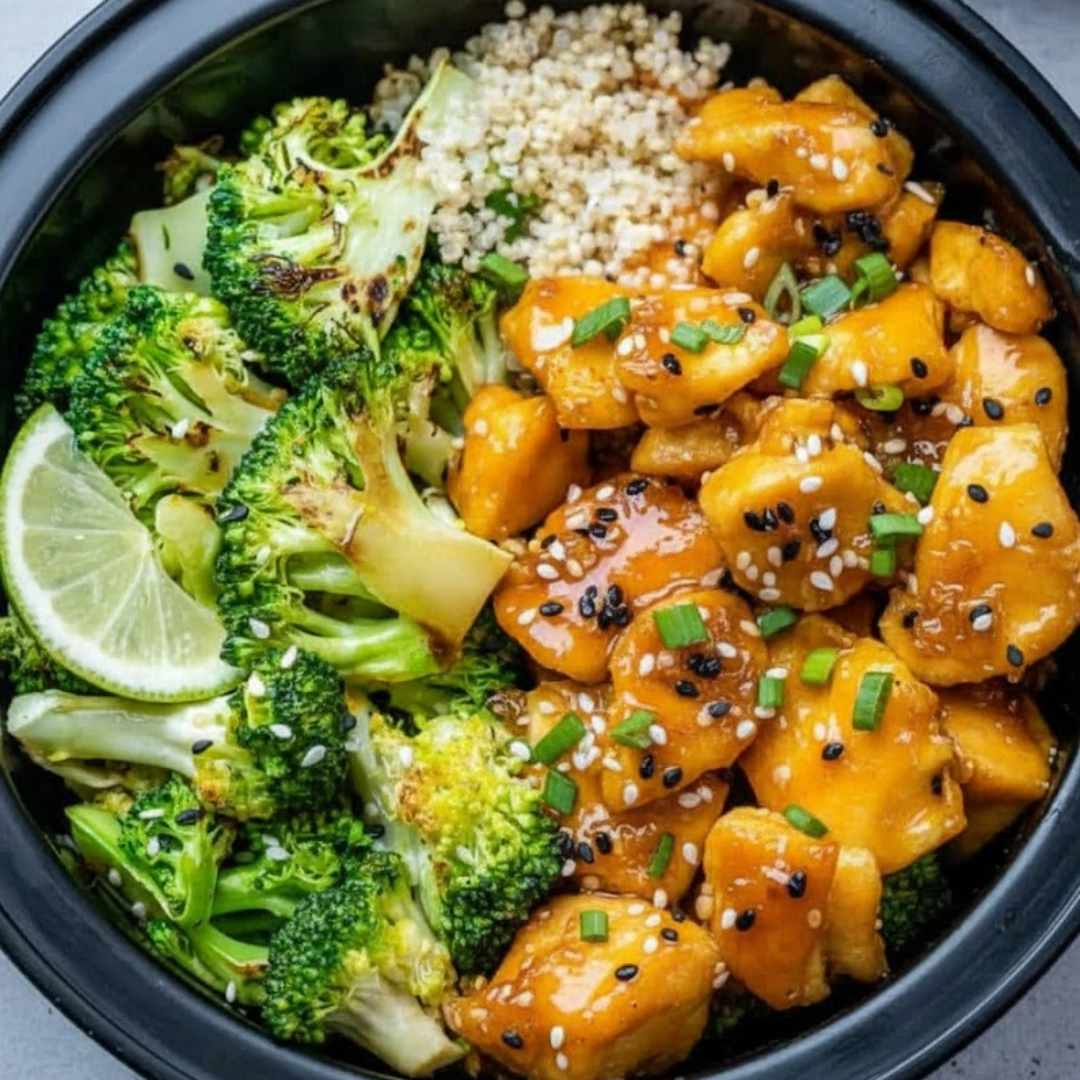
This dish is the cornerstone of efficient, flavor-forward cooking. The marriage of savory soy, bright garlic, and sweet honey creates a glaze that transforms simple chicken into an irresistible, sticky-sweet protein. When cooked in large batches, this Honey Garlic Chicken Meal Prep becomes the foundation for five days of effortless, delicious lunches or dinners. It is the perfect balance of indulgence and utility, ensuring that even on your busiest days, a wholesome, satisfying meal is only moments away. This is not just a dinner recipe; it is a blueprint for simplifying your week.
Table of Contents
The Essential Components
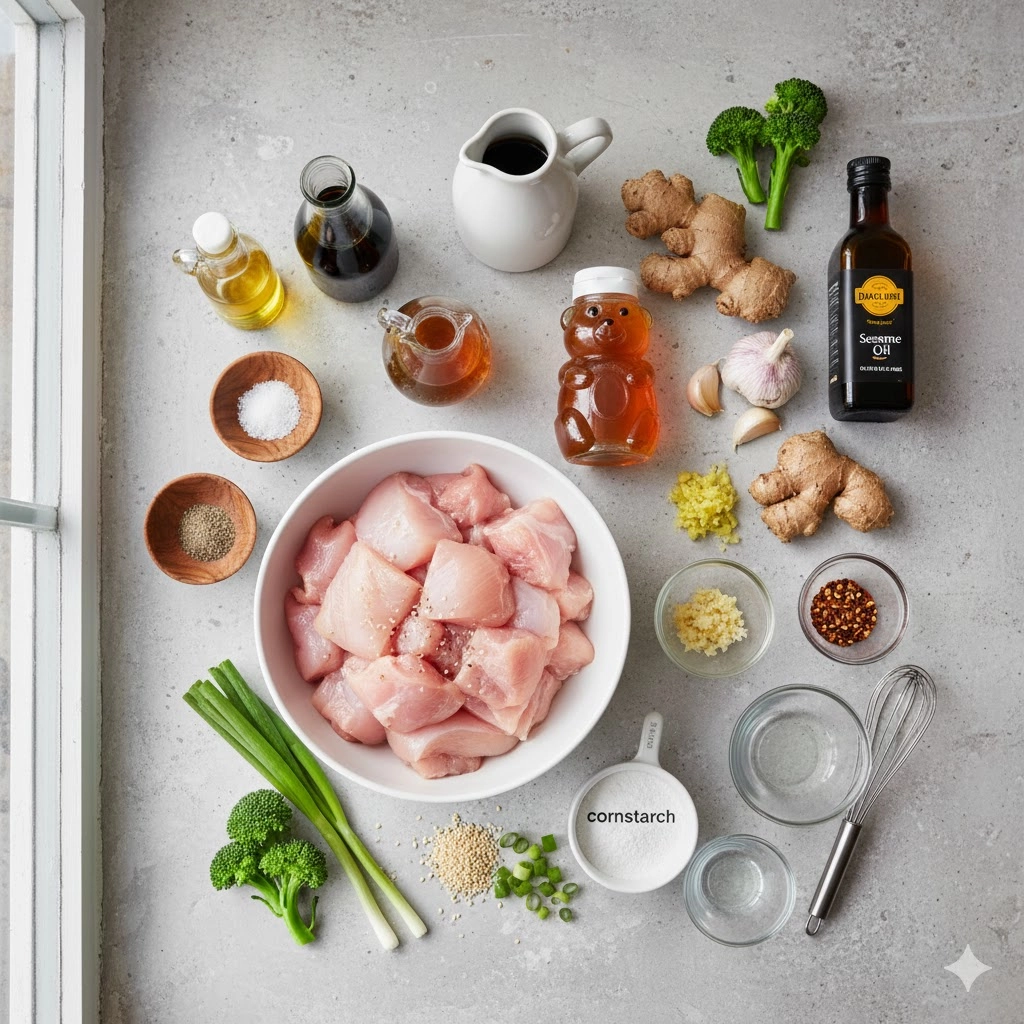
The success of this meal preparation hinges on balancing the sweet, savory, and aromatic ingredients. Precise measurements ensure a perfectly sticky glaze that clings beautifully to the chicken.
For the Chicken:
- Two pounds boneless, skinless chicken breasts or thighs
- One tablespoon olive oil
- One half teaspoon kosher salt
- One quarter teaspoon black pepper
For the Honey Garlic Glaze:
- One half cup reduced-sodium soy sauce
- One half cup honey (or pure maple syrup for a subtle difference)
- Two tablespoons apple cider vinegar
- One tablespoon sesame oil
- Two teaspoons fresh ginger, minced
- Four cloves fresh garlic, minced
- One half teaspoon red pepper flakes (optional, for a slight warmth)
- One tablespoon cornstarch (or arrowroot powder)
- Two tablespoons cold water
For Serving and Garnish:
- One tablespoon toasted sesame seeds
- Two green onions, thinly sliced
Preparing the Star: Quick-Marinating and Roasting
This high-level workflow is designed for maximum efficiency in a meal prep setting, focusing on concurrent steps and minimal cleanup.
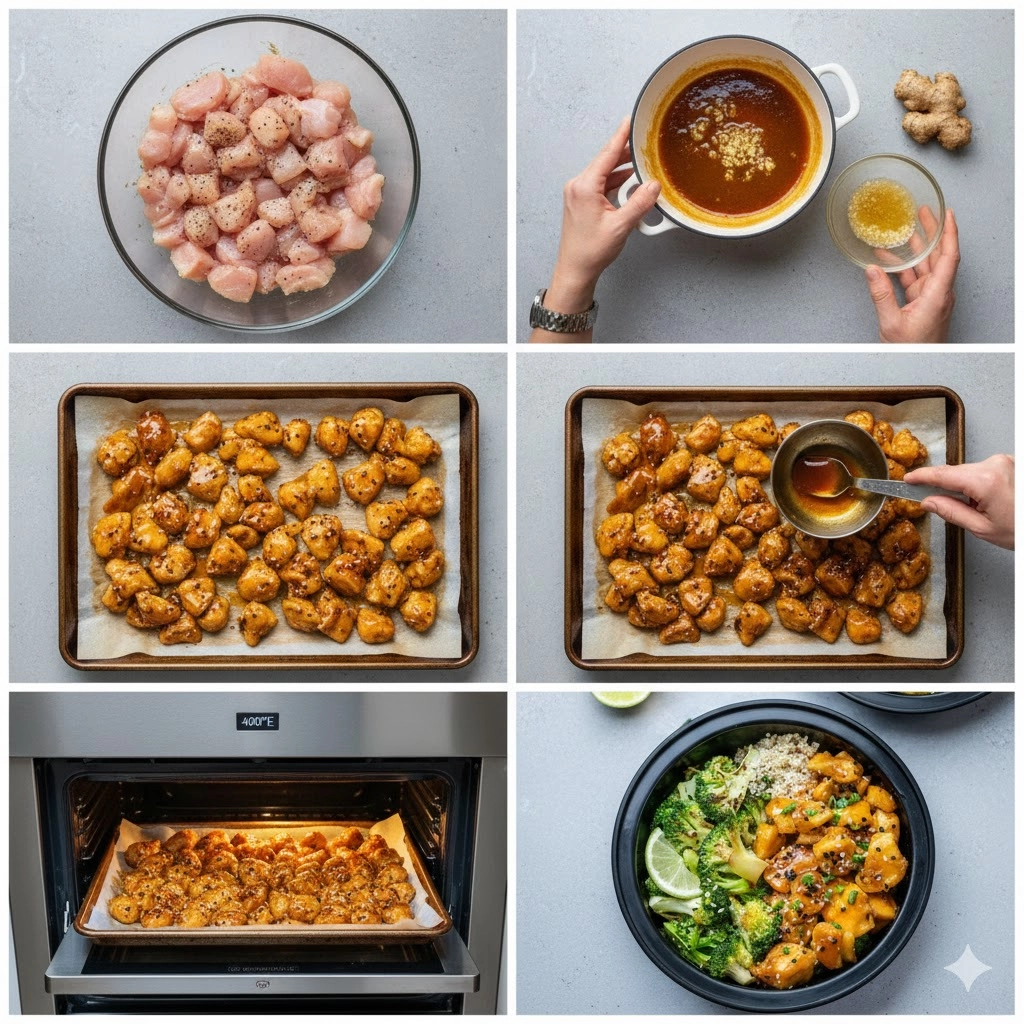
- Prep the Protein: Cut the chicken into uniform one-inch pieces and place them into a large bowl. Toss with olive oil, salt, and pepper until lightly coated.
- Mix the Glaze Base: In a separate medium bowl, whisk together the soy sauce, honey, apple cider vinegar, sesame oil, minced ginger, minced garlic, and red pepper flakes (if using).
- Marinate: Pour about one third of the prepared glaze mixture over the seasoned chicken. Toss gently to coat and allow it to rest for at least ten minutes while the oven preheats.
- Ready the Oven: Preheat your oven to four hundred Fahrenheit. Line a large, rimmed baking sheet with parchment paper or a silicone baking mat for easy release.
- Arrange and Bake: Spread the marinated chicken pieces evenly across the prepared baking sheet in a single layer, ensuring pieces do not touch. Bake for about fifteen minutes.
- Thicken the Sauce: While the chicken bakes, combine the cornstarch and cold water in a small cup, mixing until smooth. Bring the remaining two thirds of the glaze mixture to a gentle simmer in a small saucepan. Slowly whisk in the cornstarch slurry and cook for one to two minutes until the sauce has thickened significantly.
- Glaze and Finish: Remove the chicken from the oven and brush generously with the thickened honey garlic sauce. Return the sheet pan to the oven and bake for another five to seven minutes, or until the internal temperature reaches one hundred sixty-five Fahrenheit.
- Rest and Garnish: Remove the finished chicken from the oven and allow it to rest for five minutes. Toss the glazed chicken with the toasted sesame seeds and sliced green onions just before dividing it into meal prep containers.
Achieving Culinary Harmony: Detailed Preparation and Pacing
The difference between standard batch cooking and an expert meal prep lies in the details of the process. Pacing your steps correctly and paying attention to specific sensory cues will ensure a superior result every time.
The Uniform Cut for Consistent Doneness
When dealing with chicken breasts, or even thighs, the goal is homogeneity. Aim for pieces that are as close to one inch in size as possible. Any significant variation will lead to some pieces being dry and overcooked while others lag behind. Use a sharp chef’s knife and slice the chicken against the grain for the best texture. Once cut, the initial toss with oil, salt, and pepper helps the surface of the meat accept the marinade quickly and creates a seasoned base layer before the glaze is even applied.
The Power of the Quick Marinade
For meal prepping, we are not aiming for a deep, overnight marination, which can sometimes result in rubbery chicken due to the acids in the vinegar. A quick ten to fifteen minute resting period while the oven heats is sufficient. The soy sauce and vinegar begin to penetrate the surface, but the chicken retains its juiciness. This brief period also allows the minced fresh ginger and garlic—the true flavor architects of the dish—to release their volatile oils, preparing them for the heat of the oven. Do not skimp on mincing; the smaller the piece, the more flavor it releases.
Setting the Stage for the Perfect Roast
The oven temperature of four hundred Fahrenheit is crucial here. It is hot enough to cook the chicken quickly and efficiently, which is ideal for meal prep, but not so aggressive that it scorches the glaze. The lining of the baking sheet is non-negotiable. The high sugar content in the honey glaze is prone to sticking and burning, making cleanup a nightmare. Parchment paper is your best defense.
The single layer arrangement of the chicken on the sheet pan is equally important. If the chicken is piled up or crowded, the pieces will steam instead of roast, preventing that desirable sticky surface texture. Leave a small amount of space—about a half-inch—between each piece for optimal airflow.
The Art of the Pan Sauce Reduction
While the initial bake is underway, your focus shifts to the remaining glaze base. Simmering the glaze base before thickening concentrates the flavors. The liquid reduces slightly, intensifying the savory notes of the soy and the aromatic complexity of the sesame oil. Bring it to a steady, low boil, but watch it carefully; too high a heat can scorch the honey.
The cornstarch slurry is the thickening agent, and the key is to ensure the cornstarch is completely dissolved in cold water before adding it to the hot liquid. Adding dry cornstarch directly will result in immediate clumps. Once the slurry is whisked in, the transformation is quick. The glaze will move from watery to a luscious, spoon-coating consistency within a minute or two. Once it has thickened and is bubbling slightly, remove it from the heat. It will continue to thicken as it cools.
The Double-Bake Glaze Technique
The initial fifteen-minute bake cooks the chicken most of the way through. By applying the glaze only after this initial phase, we prevent the sugars from burning and turning bitter before the meat is fully cooked. When you remove the chicken, the surface should be mostly opaque, indicating it is nearly done.
Brush the chicken liberally, coating all exposed sides. The final five to seven minutes in the oven is where the magic happens. The thickened glaze caramelizes beautifully, creating that signature sticky, deep mahogany crust. This is where you look for visual cues: the sauce should be bubbling gently around the edges of the chicken and the meat itself should look glossy and deeply colored. Always confirm doneness with a meat thermometer; it should read one hundred sixty-five Fahrenheit at the thickest part of the piece.
Post-Roast Pointers
Allowing the chicken to rest for five minutes after baking is a technique often overlooked in meal prep, but it is vital. The resting time allows the internal juices, which were driven to the center by the heat, to redistribute back through the meat fibers. This ensures the chicken remains juicy and tender even after a few days in the refrigerator. The final toss with sesame seeds and green onions adds a necessary pop of freshness, texture, and visual appeal before the dish is sealed away for the week.
Elevating Your Batch Cooking: Professional Advice
Creating high-quality meals in bulk requires a slight shift in cooking perspective. These tips focus on maximizing flavor retention and ensuring quality throughout the week.
Pre-Mince Your Aromatics: Mince a double batch of ginger and garlic and store them in small containers in the refrigerator. Having these aromatics ready to go cuts ten minutes off the total preparation time and makes the entire process feel effortless.
Use Thighs for Better Reheating: While breasts are leaner, chicken thighs hold up significantly better when reheated multiple times. Their higher fat content prevents them from drying out, ensuring the meal maintains its succulence four to five days later. If using thighs, increase the initial bake time by two to three minutes.
The Cold Sauce Method: Instead of heating the remaining glaze on the stovetop immediately, chill it thoroughly if you have time. Pouring a cold, thickened glaze onto hot chicken helps rapidly stop the cooking process on the exterior, creating a more defined, thicker crust when it goes back into the oven for the second bake.
Two-Stage Glazing for Maximum Stickiness: For the ultimate sticky coating, only use half of the thickened sauce for the second bake. Once the chicken is fully cooked and removed from the oven, toss the hot pieces immediately with the remaining sauce in a large clean bowl. The residual heat from the chicken will perfectly warm the sauce, ensuring a maximal coating.
Flavor-Infused Oil for Garnish: Instead of plain sesame seeds, toast them gently in one teaspoon of neutral oil (like grapeseed or canola) with a pinch of salt until fragrant. Let them cool completely before sprinkling them on the finished chicken. This small step adds an unexpected layer of roasted depth to the garnish.
Consider the Pan Size: If you are doubling the recipe for a larger family or a longer prep session, use two separate sheet pans and ensure they are placed on two different racks in the oven. Crowding one massive pan will inevitably lead to steaming. Rotate the pans halfway through the cooking process to ensure even heat exposure.
Beyond the Standard Recipe: Ingredient Swaps and Flavor Shifts
The core of the honey garlic profile is robust and welcomes minor substitutions without losing its identity.
Go Thai with Fish Sauce: Replace two tablespoons of the soy sauce with fish sauce. This adds a powerful umami depth that is slightly salty and savory, complementing the honey’s sweetness beautifully. If you choose this path, you can likely reduce the amount of added salt slightly.
Harness the Heat of Sriracha: For a spicier meal prep, swap the red pepper flakes for one tablespoon of Sriracha or sambal oelek, stirring it directly into the glaze base. This introduces a brighter, tangier heat that cuts through the richness of the honey.
Citrus for Brightness: For a fresher, brighter flavor, replace the apple cider vinegar with the juice of one lime or one half orange. Citrus juices add a different dimension of acid that plays wonderfully with the ginger and cuts through the sweetness more cleanly.
Make it Gluten-Free: To accommodate dietary needs, the entire recipe is easily made gluten-free by substituting tamari or coconut aminos for the traditional soy sauce. Ensure the cornstarch is not contaminated, and the final result will be identical in texture and flavor profile.
Herbaceous Touch: Stir in two teaspoons of fresh, finely chopped cilantro or basil leaves into the thickened sauce right before tossing the chicken. This isn’t a typical flavor pairing, but it introduces a complex, herbaceous finish that brightens the entire meal when reheated.
Weekly Service: Ideal Pairings for Meal Prep
The side dishes chosen for meal preparation should be as robust and stable as the main protein. These pairings are selected for their ability to maintain texture and flavor after several days in the refrigerator.
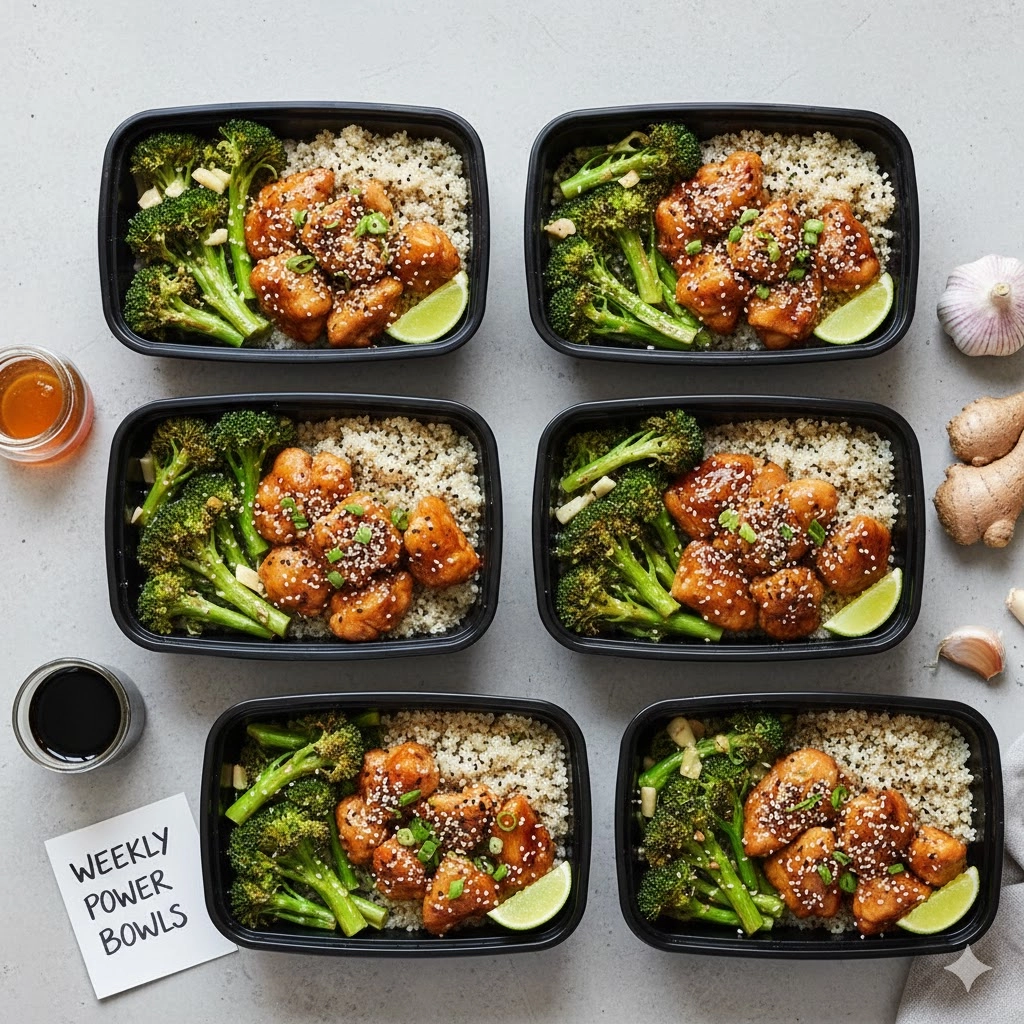
The Foundation: Brown Rice or Quinoa: The simplest and most effective pairing is a batch of perfectly cooked brown rice or quinoa. These complex carbohydrates offer steady energy release and reheat beautifully without becoming mushy. Divide the starch into the bottom of the meal prep containers, and place the chicken directly on top to allow the glaze to soak into the grains.
Crisp, Steamed Green Beans: Blanch or lightly steam green beans until they are still bright green and have a slight crunch—just barely al dente. Avoid cooking them until soft. Their firmness holds up exceptionally well when stored, and they provide a necessary textural contrast to the soft chicken and starchy rice.
Quick Asian Slaw: Instead of a cooked vegetable, opt for a vibrant, raw component. A simple slaw made with shredded red cabbage, carrots, and a light dressing of rice vinegar and a touch of sesame oil maintains its crunch all week. Store the dressing separately and toss with the slaw right before serving or just place the dressing on the side of the container.
Common Kitchen Queries About Poultry Prep
Batch cooking often raises specific questions regarding safety and efficiency. These answers ensure you get the most out of your Honey Garlic Chicken Meal Prep efforts.
How long does this prepared chicken last in the refrigerator?
When stored in sealed, airtight containers at a temperature below forty Fahrenheit, this chicken recipe is safe and delicious to eat for four to five days after the initial preparation date. To ensure maximum freshness, always cool the chicken rapidly after cooking and move it into the refrigerator within two hours.
Can I freeze this chicken meal prep?
Yes, this dish freezes exceptionally well. Once the chicken has cooled completely, transfer it to freezer-safe containers, ideally separating the chicken from any side dishes. It will maintain its best quality for up to three months. To reheat, thaw overnight in the refrigerator and warm gently in the microwave or a low-temperature oven.
What is the best way to reheat the chicken without drying it out?
The optimal way to reheat is in the microwave with a tablespoon of water or a bit of extra glaze added to the container before covering it loosely. The moisture creates steam, which keeps the chicken tender. Alternatively, you can reheat it in an oven set to three hundred twenty-five Fahrenheit for about ten minutes, covered with foil.
I do not have cornstarch; what is the best substitute for thickening the glaze?
You can successfully substitute one and a half tablespoons of all-purpose flour for the cornstarch. To use flour, it must also be mixed into a cold water slurry, just like cornstarch. However, you will need to simmer the glaze for two to three minutes longer to cook out the raw flour flavor and achieve the desired thickening effect.
Can I make this with chicken tenders instead of pieces?
Absolutely. Chicken tenders are a great choice but require reduced cooking time. If using tenders, reduce the initial bake time to about twelve minutes and the final glaze bake to three to five minutes, or simply until the internal temperature is reached. Tenders will also absorb the Honey Garlic Chicken Meal Prep glaze faster due to their thin shape.
Nutritional Overview for Efficient Planning
This table provides estimated values for planning your weekly intake.
| Nutrient | Amount per Serving |
| Calories | 385 kcal |
| Protein | 40 g |
| Carbs | 35 g |
| Fat | 9 g |
| Fiber | 1 g |
| Sugar | 21 g |
| Sodium | 590 mg |
Important Dietary Note
Nutrition information is an estimate and may vary based on preparation and ingredients used.
Honey Garlic Chicken Meal Prep
Ingredients
- 2 pounds boneless, skinless chicken breasts or thighs
- 1 tbsp olive oil
- 1/2 tsp kosher salt
- 1/4 tsp black pepper
- 1/2 cup reduced-sodium soy sauce
- 1/2 cup honey (or pure maple syrup)
- 2 tbsp apple cider vinegar
- 1 tbsp sesame oil
- 2 tsp fresh ginger, minced
- 4 cloves fresh garlic, minced
- 1/2 tsp red pepper flakes (optional)
- 1 tbsp cornstarch (or arrowroot powder)
- 2 tbsp cold water
- 1 tbsp toasted sesame seeds
- 2 green onions, thinly sliced
Instructions
- Cut chicken into 1-inch pieces and toss with olive oil, salt, and pepper in a large bowl.
- In a medium bowl, whisk together soy sauce, honey, apple cider vinegar, sesame oil, ginger, garlic, and red pepper flakes (if using).
- Pour 1/3 of the glaze over the chicken and let it marinate for 10 minutes while oven preheats.
- Preheat oven to 400°F. Line a baking sheet with parchment paper or silicone mat.
- Arrange marinated chicken in a single layer on the baking sheet. Bake for 15 minutes.
- While chicken bakes, mix cornstarch with cold water to form a slurry. Bring remaining glaze to a simmer in a saucepan. Whisk in slurry and cook until thickened (1–2 minutes).
- Remove chicken, brush with thickened glaze, and return to oven for 5–7 more minutes, until cooked through (165°F).
- Let chicken rest for 5 minutes, then toss with toasted sesame seeds and green onions before portioning into containers.
Notes
Equipment
- Large mixing bowls
- whisk
- Rimmed baking sheet
- Parchment paper or silicone baking mat
- small saucepan
- Brush For glazing chicken
- meat thermometer
- Meal prep containers