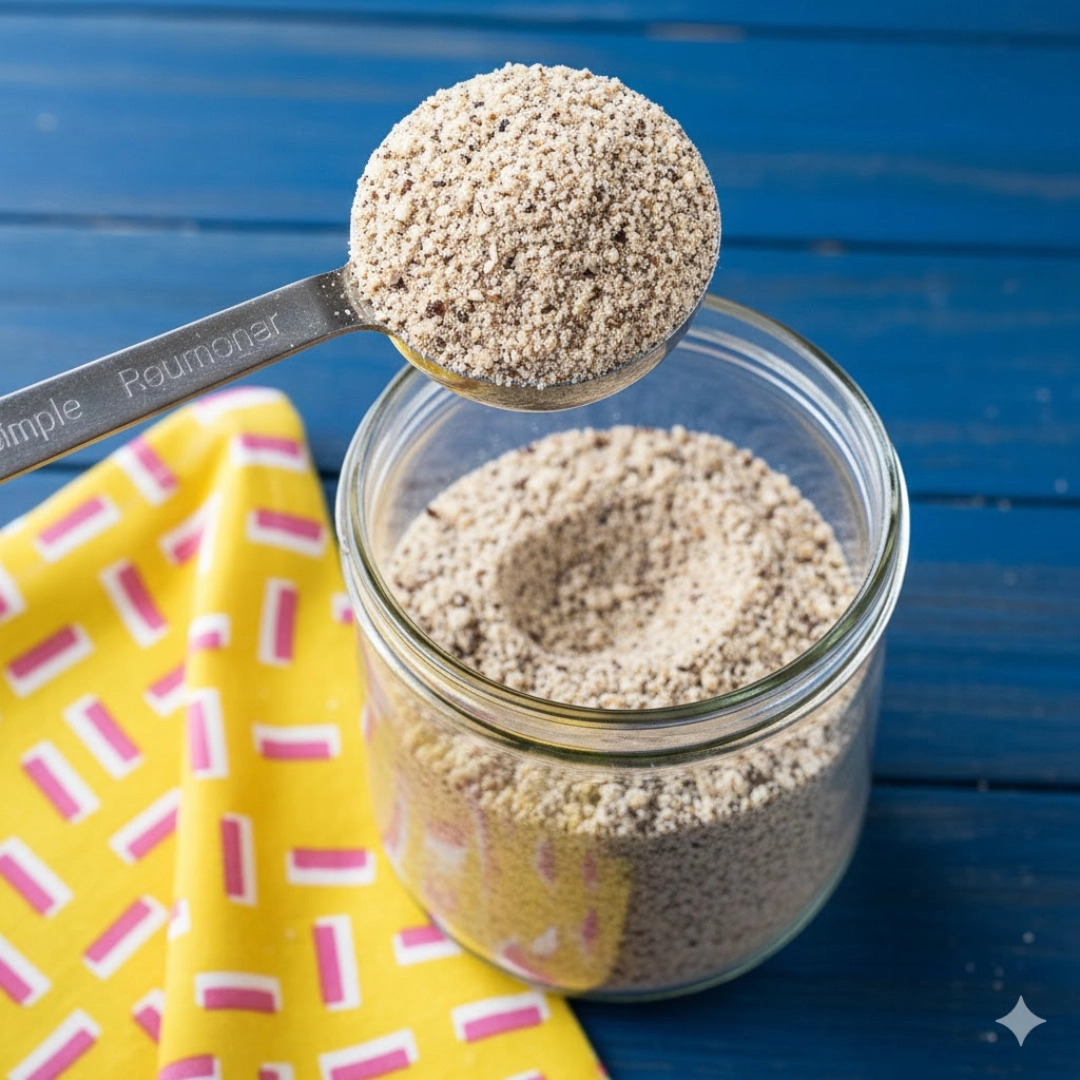
For those who prioritize clean eating and ingredient transparency, the journey often leads back to the kitchen. Pre-packaged protein powders, while convenient, frequently contain a host of ingredients we might prefer to avoid—artificial sweeteners, gums, and obscure fillers. Creating your own Simple Homemade Protein Powder offers a profound level of control over what fuels your body. It allows you to select the purest components, tailor the macronutrient balance to your specific goals, and ensure the freshest flavor profile. This versatile blend moves beyond the shaker cup, acting as an essential pantry staple for baking, boosting breakfast bowls, or thickening nutritious smoothies. It is a fundamental step toward mastering personal nutrition through high-quality, whole ingredients.
Table of Contents
The Foundation of a Better Blend
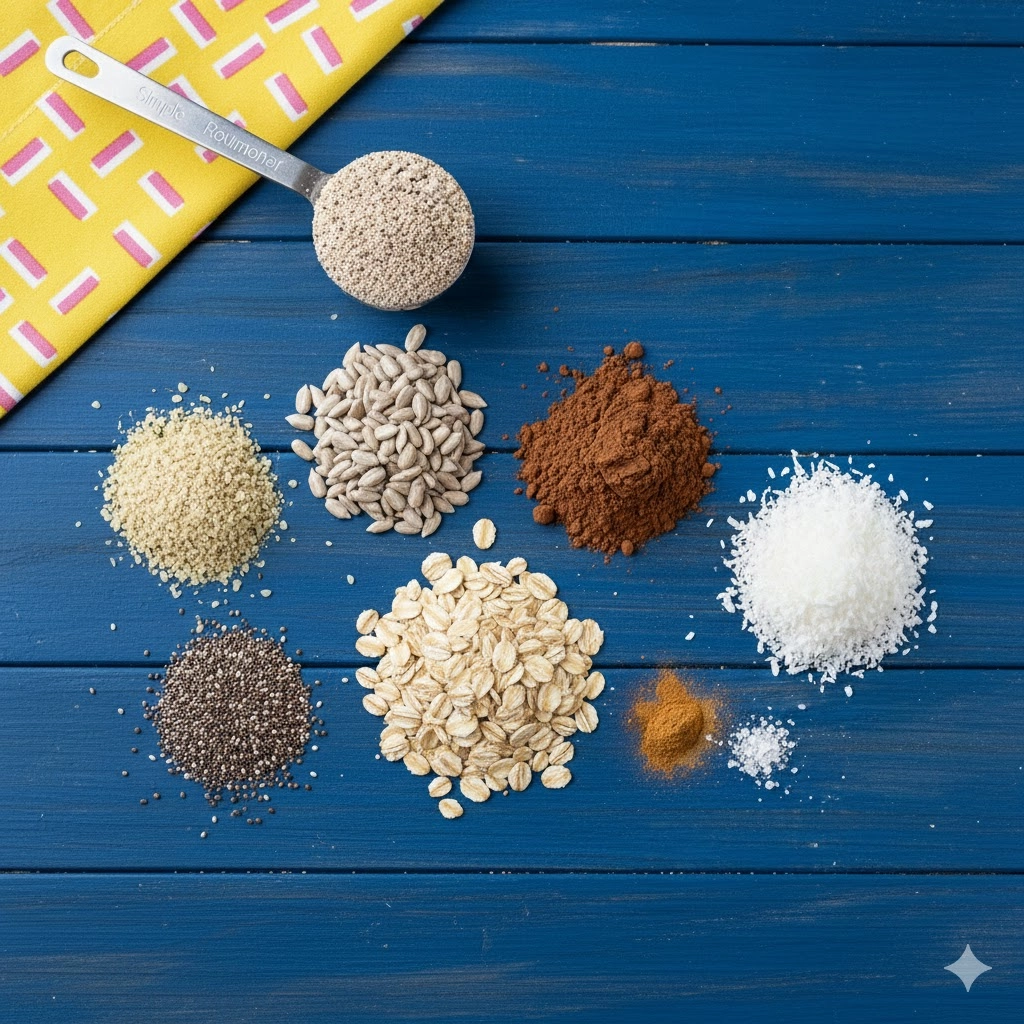
Crafting a high-quality, homemade protein mix begins with carefully selected, nutrient-dense whole foods. The following components are chosen to deliver a balanced array of essential amino acids and healthy fats while providing a neutral, versatile flavor base. All measurements are US standard.
Dry Base Ingredients
- 1 cup (120 g) | Hulled Hemp Seeds: Provides complete protein and Omega-3 fatty acids.
- 1 cup (150 g) | Raw Sunflower Seeds: Offers Vitamin E and magnesium; adds structure.
- 1 cup (140 g) | Old-Fashioned Rolled Oats: A fiber-rich binder and slow-digesting carbohydrate.
- 1/2 cup (60 g) | Chia Seeds: Excellent source of soluble fiber and texture.
- 1/2 cup (70 g) | Unsweetened Dried Coconut Flakes: Adds depth and healthy medium-chain triglycerides.
Flavor and Nutrient Boosters
- 1/4 cup (25 g) | Unsweetened Cocoa Powder (or Cacao): For a gentle chocolate essence and antioxidants.
- 2 tablespoons (30 g) | Collagen Peptides (optional): A highly bioavailable source of protein for skin and joint support.
- 1 tablespoon (10 g) | Ground Cinnamon: Adds warmth and helps balance blood sugar levels.
- 1 teaspoon | Fine Sea Salt: Essential for enhancing the overall flavor profile.
- To Taste | Monk Fruit Powder or Stevia Extract: Used sparingly to achieve desired sweetness without added sugars.
Crafting Your Ideal Protein Base
The preparation of this protein powder is straightforward, but the order and method of blending are critical to achieving a fine, homogenous texture rather than a sticky paste. Ensure all ingredients are dry and at room temperature before you begin.
- Prepare the Primary Seeds: Measure out the hulled hemp seeds, raw sunflower seeds, and dried coconut flakes. Spread them in a single layer on a parchment-lined baking sheet.
- Gentle Toasting (Optional): If you desire a deeper, nuttier flavor, lightly toast these seeds and flakes in an oven preheated to three hundred Fahrenheit for approximately seven to eight minutes. Watch them closely to prevent burning.
- Cool Completely: Remove the seeds from the oven and allow them to cool fully to room temperature. This step is non-negotiable, as warm ingredients will release oils prematurely during blending.
- Initial Dry Blend: Combine the rolled oats, chia seeds, cinnamon, and salt in a high-speed blender or a dedicated spice/coffee grinder. Pulse a few times to break down the oats and chia slightly.
- Integrate the Toasted Elements: Add the cooled sunflower seeds, hemp seeds, and coconut flakes to the blender. Process in short, ten-second bursts.
- Add Flavor and Final Boost: Incorporate the cocoa powder (if using), collagen peptides (if using), and your choice of natural sweetener. Pulse briefly to combine the new powders evenly.
- Achieve a Fine Mill: Blend continuously for thirty to forty-five seconds, stopping every ten seconds to stir the mixture and scrape down the sides. Check the texture frequently.
- Sieve and Refine: Pour the finished powder through a fine-mesh sieve into a large mixing bowl. The goal is to catch any larger, unblended chunks.
- Re-Process Remnants: Transfer any coarse remnants back into the blender and process them again until they reach the desired powder consistency.
- Store Properly: Transfer the finished Simple Homemade Protein Powder into an airtight container and store it in a cool, dark place.
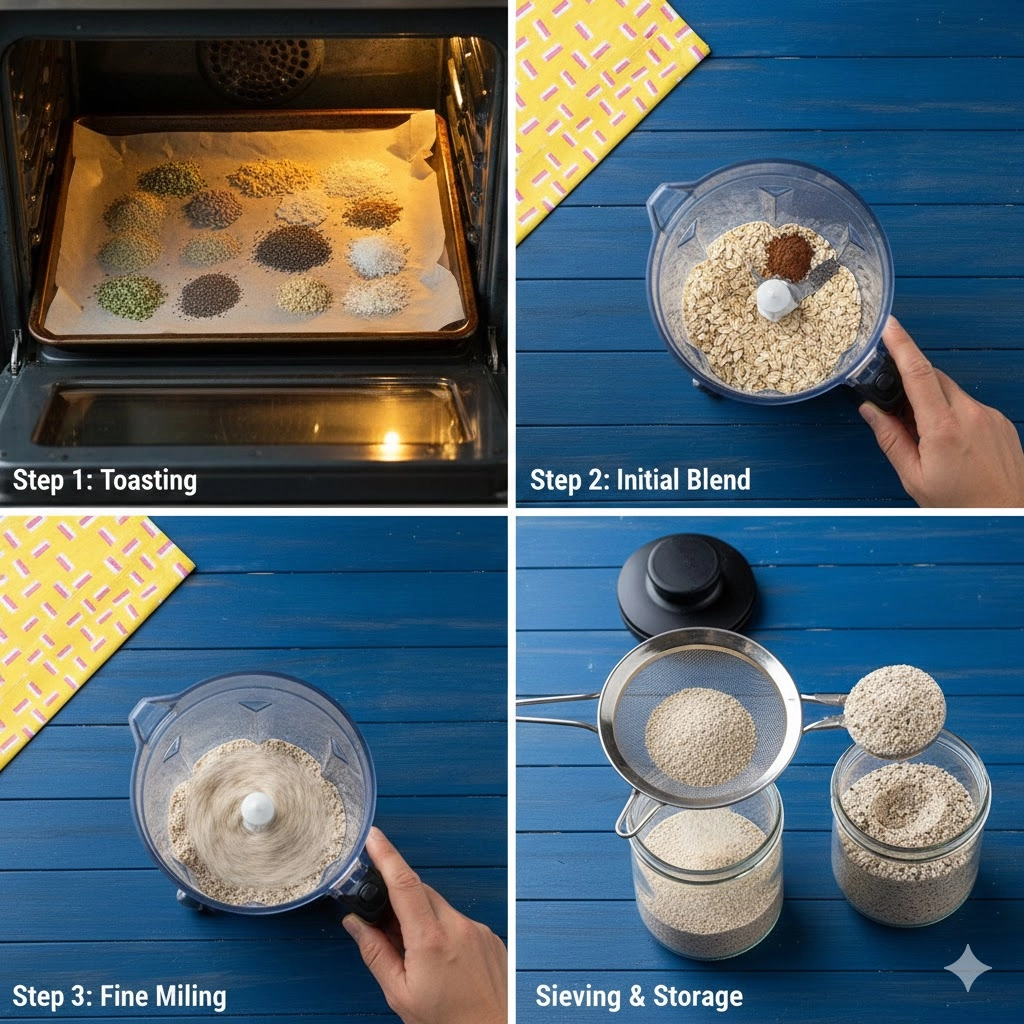
Achieving the Perfect Mill: Technique and Textures
The difference between a gritty, oily mixture and a smooth, dissolving protein powder lies entirely in technique. The composition of this recipe, which includes oil-rich seeds (hemp, sunflower) and fibrous elements (oats, chia), demands a mindful approach to milling.
When you begin the blending process in Step 5, you are trying to break down the cellular structure of the seeds and oats without rupturing the oil-containing sacs. This is why short, powerful pulses are essential. Continuous blending generates friction heat, and heat is the enemy of a dry powder, as it encourages the release of oils. If the temperature of the mix rises too quickly, the contents will transform from a powder into a seed butter, which is not what we want here.
- Sensory Cues for Milling: As you pulse, listen to the blender. Initially, you will hear a harsh, chunky grinding sound. As the particles break down, the sound will become finer and more muted, indicating a smooth powder is forming.
- Doneness Check: Stop the machine and use a small spoon to check the texture. The ideal powder should feel light and almost fluffy between your fingers, not heavy or damp. The appearance should be uniform—you should not be able to distinctly identify large pieces of oats or seeds.
- Aroma Indicators: A perfectly milled powder will smell subtly nutty and fragrant, especially if you toasted the base seeds. If you detect a slightly burnt or overly roasted smell, you’ve likely over-processed the mixture, causing the oils to heat up.
- Mistakes to Avoid: The most common error is adding wet ingredients or blending before the toasted seeds are completely cool. A single warm seed can spoil the entire batch. Another error is neglecting the sieving step (Step 8); this step is your quality control, ensuring that only the finest, most soluble powder makes it into the storage container.
Beyond the Blender: Advanced Preparation Notes
Mastering the foundational recipe allows for deep optimization of your final product. These tips focus on longevity, solubility, and maximum nutrient bioavailability.
- Pre-Soak Oats for Better Digestion: While this recipe uses raw, dry oats, some individuals find that very lightly soaking and then dehydrating the rolled oats before milling aids digestion. Soak them in warm water for thirty minutes, drain, and then dehydrate in a low oven (around two hundred Fahrenheit) until completely crisp and dry.
- Optimize Storage for Shelf Life: Due to the relatively high fat content from the sunflower and hemp seeds, this powder is slightly susceptible to rancidity over very long periods. For maximum freshness, store the powder in the freezer. A chilled powder will also blend into cold liquids more smoothly, reducing clumping.
- Achieving Maximum Solubility: If you use this powder primarily for liquids (like water or milk alternatives), consider investing in a very high-quality burr grinder rather than a standard blender. This tool can achieve a finer, more uniform consistency closer to commercial powders, resulting in superior solubility and less sediment at the bottom of your drink.
- Balance Fiber and Texture: If the finished product feels too gritty, it may be due to the fiber in the chia and oats. Reduce the total amount of these ingredients by twenty-five percent and replace the volume with a neutral, non-fibrous option like toasted white rice flour (often used as a thickener) for a smoother mouthfeel.
- Sourcing Raw, High-Quality Seeds: Always purchase your seeds from a reputable bulk seller that turns over inventory quickly. Seeds that have been sitting on a shelf for months will already have begun the process of oxidation and can impart a stale flavor to your final blend, even after milling.
- Avoid Batch Creep: Do not attempt to double or triple this recipe in a standard home blender. Large batches increase blending time and friction exponentially, making it virtually impossible to prevent the mixture from turning into seed butter. Work in single batches only.
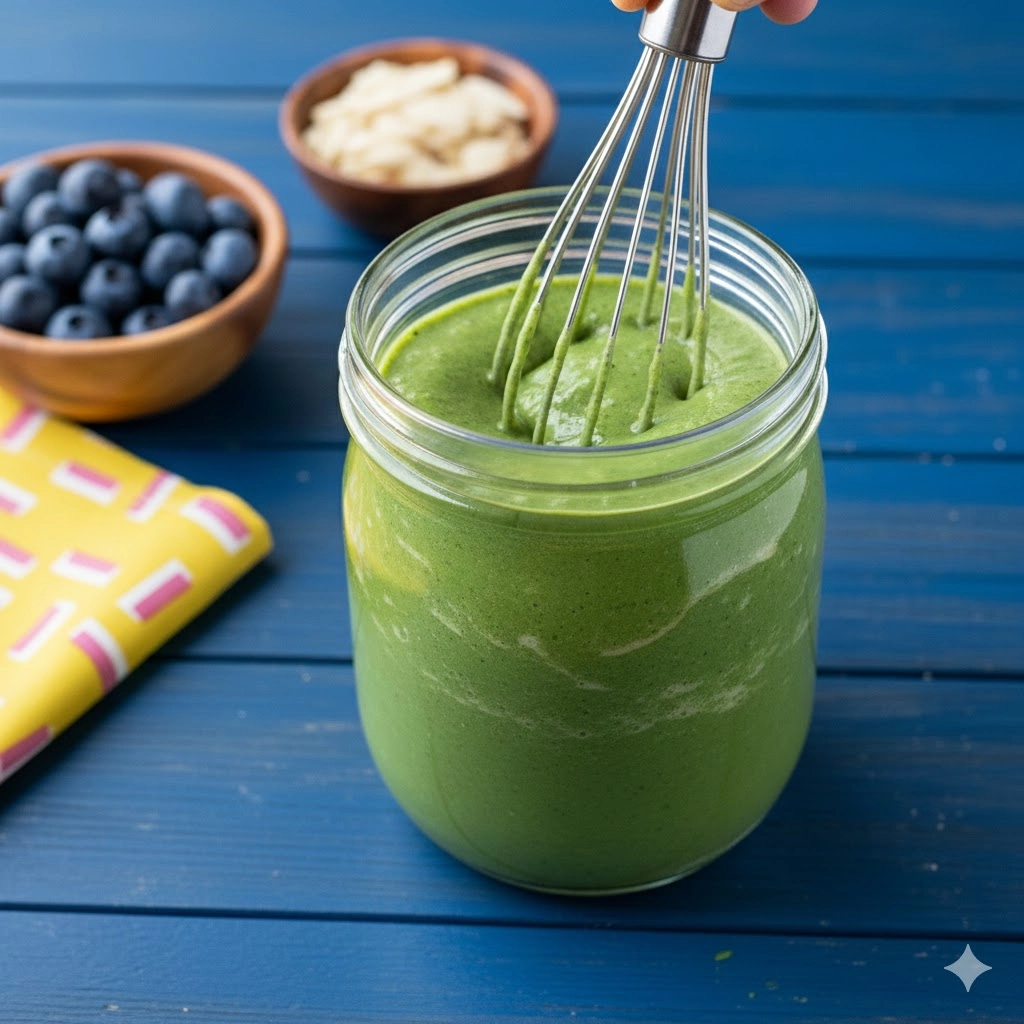
Customizing Your Nutritional Profile
The beauty of a homemade blend is the ability to adjust the ingredients to meet specific dietary requirements, whether you need a full vegan mix, a low-carb profile, or a specific flavor.
Protein Source Modifications
- Legume-Based Boost: Replace one cup of the sunflower seeds with one cup of finely ground, toasted yellow split peas. Legumes must be cooked and dehydrated before milling to ensure they are safe and digestible. This adds a powerful protein boost but can make the texture denser.
- Nut-Free Option: For those with tree nut allergies, the sunflower seeds are already a great choice. To further secure the nut-free status, ensure your oats are certified gluten-free, which often means they are processed in a separate, dedicated facility.
- Egg White Powder Addition: For a non-vegan, high-protein boost, incorporate one-half cup of pasteurized egg white powder (or albumin) in Step 6. This is a very clean, high-protein source, but it significantly alters the texture and can foam when mixed with liquid.
Flavor and Spice Adjustments
- Classic Vanilla: Omit the cocoa powder entirely. Add two teaspoons of high-quality vanilla bean powder (not extract, which is liquid) in Step 6. Vanilla powder provides a true, warm vanilla flavor without the moisture.
- Spiced Chai: Swap the single tablespoon of cinnamon for a blend of spices: one tablespoon cinnamon, one teaspoon ginger powder, one teaspoon cardamom, and one-half teaspoon black pepper. The pepper enhances the bioavailability of the turmeric/ginger.
- Unflavored and Unsweetened: Omit the cocoa and all sweeteners. This creates a purely neutral base that can be added to savory dishes like soups or used as a flour substitute in baking without affecting the flavor.
Integrating the Powder: Usage and Recipes
This Simple Homemade Protein Powder is far more versatile than commercial whey or casein, which are often limited to shakes. The whole-food nature of the blend allows it to seamlessly integrate into baked goods and meals, bolstering the nutritional content of almost anything.
- The Power Breakfast Bowl: The powder is an exceptional addition to overnight oats or hot oatmeal. Stir two tablespoons of the powder into your oats after they have cooked or soaked. This ensures the fibers remain intact and don’t clump during the cooking process. Top with fresh berries and a drizzle of maple syrup.
- Flour Substitution in Baking: In recipes for quick breads, muffins, or pancakes, substitute up to twenty-five percent of the required all-purpose flour with this protein powder. This replacement increases the protein and fiber content significantly while adding a slight, pleasant nuttiness and depth of flavor. Always reduce the wet ingredients by a small amount to compensate for the added absorption of the seed fibers.
- Quick Energy Bites: Combine one cup of the protein powder with one-half cup of almond butter, one-quarter cup of honey or date syrup, and a splash of water until a sticky dough forms. Roll into balls and refrigerate. These provide a complete, shelf-stable snack, perfect for pre- or post-workout fuel.
- Savory Thickener: Because the unflavored version of this powder is primarily comprised of seeds and oats, it can be used to thicken pureed vegetable soups, stews, or even a simple gravy. Whisk it in slowly toward the end of the cooking process—it provides a creamy texture and nutrient density without heavy cream.
Understanding the Ingredients: A Deep Dive
Creating a personalized protein blend is also an exercise in understanding fundamental nutrition. The ingredients chosen here were selected not just for protein content, but for their synergy and complimentary nutritional roles.
Hemp seeds are unique in that they contain all nine essential amino acids, making them a complete protein source, similar to animal products. Their protein structure is highly digestible because they lack the complex oligosaccharides found in legumes that can cause digestive distress. The inclusion of sunflower seeds provides an excellent source of healthy monounsaturated and polyunsaturated fats, which are key for hormone production and satiety.
The role of the rolled oats and chia seeds is primarily to provide soluble and insoluble fiber. Soluble fiber helps stabilize blood sugar and cholesterol, making this a more sustained-release fuel source than a rapid-spike protein supplement. It also serves a practical purpose: the finely milled oats and chia provide bulk and help prevent the oil-rich seeds from turning into a paste during blending. The natural sweetness from the dried coconut and the warmth from the cinnamon elevate the taste profile significantly, helping the powder integrate seamlessly into various meals without a strong, raw seed flavor.
Your Questions Answered
How long will this homemade powder stay fresh?
If stored in a cool, dark pantry in an airtight container, the powder should remain fresh for up to one month. However, due to the natural oils in the hemp and sunflower seeds, for optimal flavor and to prevent any chance of rancidity, storage in the freezer or refrigerator is highly recommended and extends the shelf life to three months or longer.
Can I use steel-cut oats instead of rolled oats?
While you can technically use steel-cut oats, they are much harder and denser than rolled oats. Using them will require a high-powered blender and significantly longer milling time to achieve the fine powder consistency necessary for a smooth drink. Rolled oats are preferred for their softer texture and easier breakdown.
Is this recipe suitable for low-carbohydrate diets?
The presence of rolled oats contributes a notable amount of complex carbohydrates, meaning this specific formulation is not ideal for strict ketogenic or very low-carbohydrate diets. To make it more keto-friendly, you can completely omit the rolled oats and replace the volume with additional hemp seeds and perhaps some psyllium husk powder for fiber.
Why do you recommend toasting the seeds first?
Toasting the seeds and coconut flakes is an optional but recommended step because the gentle application of heat dramatically deepens the flavor profile, giving the final powder a richer, nuttier, and more complex taste. This process is known as the Maillard reaction, which transforms bland raw components into savory, aromatic ones, vastly improving the overall consumption experience.
Can this powder be used to replace flour in a gluten-free diet?
Yes, the blend can be used to replace a portion of the flour in gluten-free baking. It is important to ensure that the rolled oats you use are explicitly labeled as certified gluten-free if the powder is being prepared for someone with celiac disease or gluten sensitivity, as oats are often cross-contaminated during processing.
Nutritional Breakdown
| Nutrient | Amount per Serving |
| Calories | 175 kcal |
| Protein | 12 g |
| Carbs | 11 g |
| Fat | 10 g |
| Fiber | 5 g |
| Sugar | 1 g |
| Sodium | 55 mg |
Disclaimer
Nutrition information is an estimate and may vary based on preparation and ingredients used.
Simple Homemade Protein Powder
Ingredients
- 1 cup (120 g) Hulled Hemp Seeds
- 1 cup (150 g) Raw Sunflower Seeds
- 1 cup (140 g) Old-Fashioned Rolled Oats
- 1/2 cup (60 g) Chia Seeds
- 1/2 cup (70 g) Unsweetened Dried Coconut Flakes
- 1/4 cup (25 g) Unsweetened Cocoa Powder (or Cacao)
- 2 tbsp (30 g) Collagen Peptides (optional)
- 1 tbsp (10 g) Ground Cinnamon
- 1 tsp Fine Sea Salt
- to taste Monk Fruit Powder or Stevia Extract
Instructions
- Measure out hulled hemp seeds, raw sunflower seeds, and dried coconut flakes. Spread them on a parchment-lined baking sheet.
- Optionally, toast the seeds and flakes in a 300°F oven for 7–8 minutes to deepen flavor. Monitor to avoid burning.
- Let all toasted ingredients cool completely to room temperature to prevent oil release during blending.
- In a high-speed blender, pulse rolled oats, chia seeds, cinnamon, and salt to break them down slightly.
- Add the cooled hemp, sunflower seeds, and coconut flakes. Blend in 10-second bursts to avoid overheating.
- Add cocoa powder, collagen peptides (if using), and sweetener. Pulse briefly to incorporate evenly.
- Blend continuously for 30–45 seconds, stirring every 10 seconds to achieve a fine, uniform powder.
- Pour powder through a fine-mesh sieve into a bowl to catch any large chunks.
- Re-blend any coarse remnants caught by the sieve until they match the powder texture.
- Store the final powder in an airtight container in a cool, dark place or freeze for longer shelf life.
Notes
Equipment
- High-speed blender Or spice/coffee grinder
- baking sheet
- parchment paper
- fine mesh sieve
- mixing bowl
- oven For toasting (optional)
- spoon or spatula To stir between blending