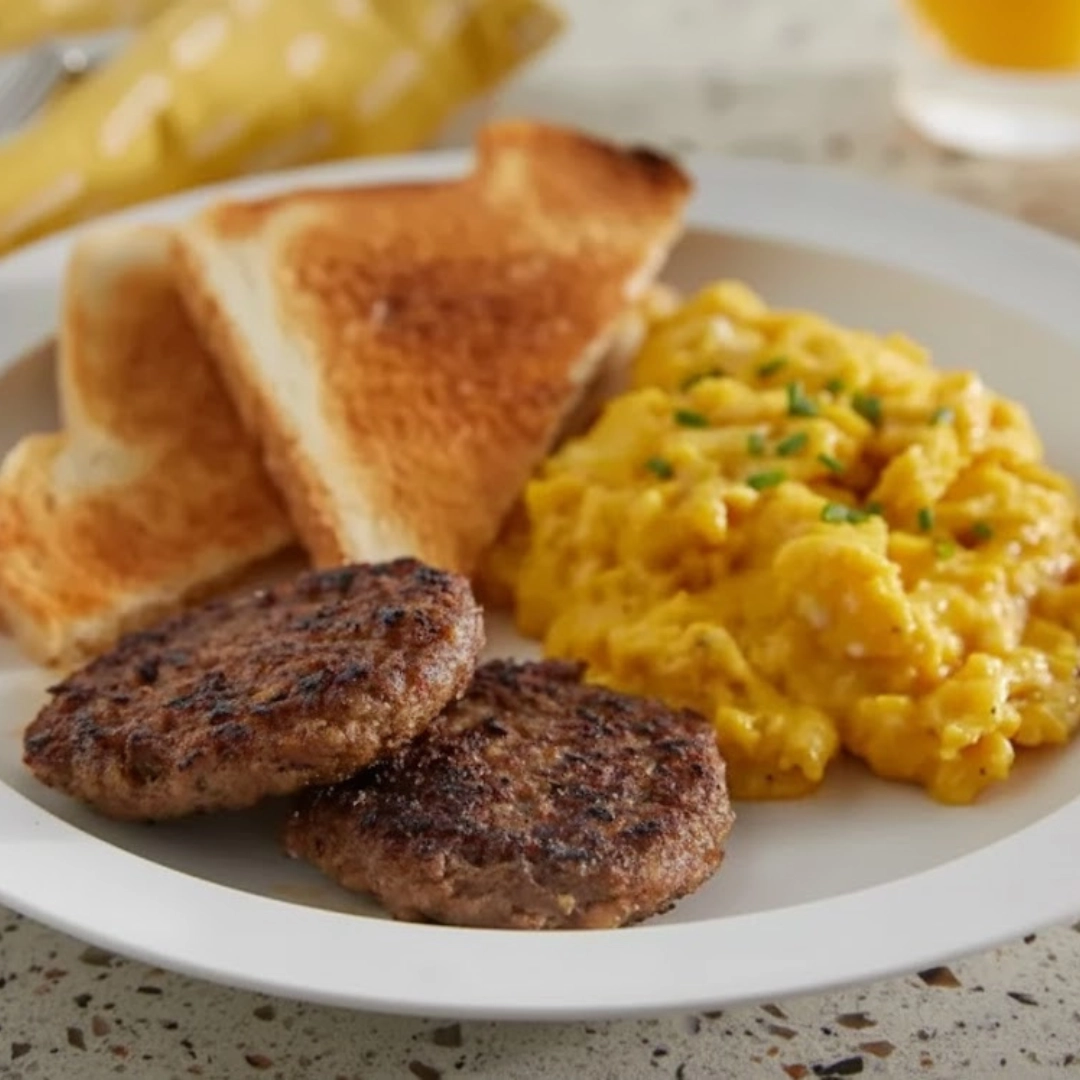
The true joy of a great breakfast often comes down to one perfectly seasoned, savory element: the sausage patty. Moving beyond the pre-made, mass-produced versions allows you to control the quality of the meat and the complexity of the spice blend. When crafted thoughtfully, the result is a savory, lightly sweet, and deeply aromatic patty that elevates everything on the plate, from fluffy scrambled eggs to simple toast. This Homemade Breakfast Sausage recipe achieves that ideal balance, transforming a few simple ingredients into a foundational morning centerpiece worthy of a weekend brunch or even a quick weekday bite.
Table of Contents
Components of the Perfect Patty
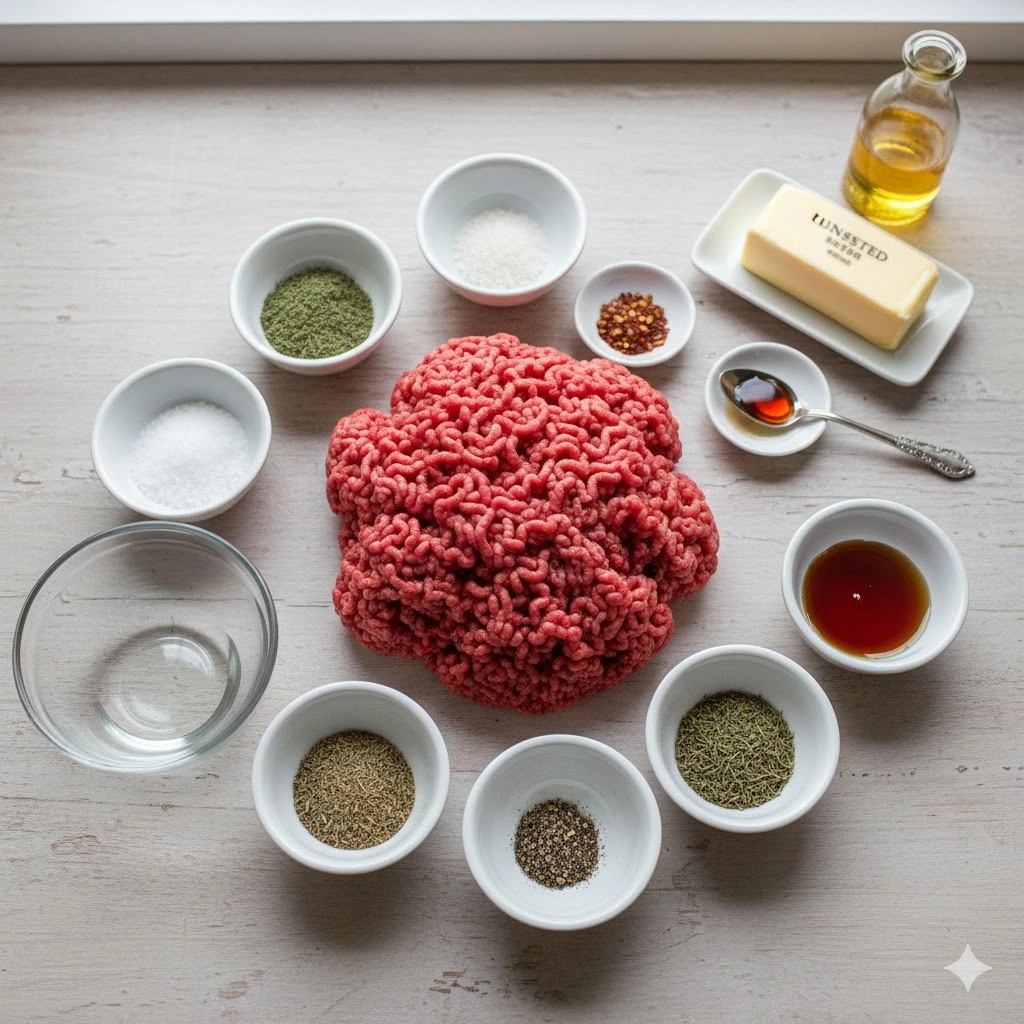
This recipe is designed for ease and purity of flavor, focusing on high-quality ingredients that harmonize beautifully. The precise measurements are crucial for achieving the classic, well-rounded profile.
- The Foundation:
- One pound (450 grams) lean ground turkey (85/15 is ideal for texture)
- One tablespoon cold water
- The Seasoning Blend:
- One teaspoon rubbed sage
- One half teaspoon coarse salt (Kosher or sea)
- One half teaspoon black pepper, freshly ground
- One quarter teaspoon ground thyme
- One quarter teaspoon ground coriander
- One quarter teaspoon red pepper flakes (optional, for a hint of warmth)
- The Sweetener:
- Two teaspoons pure maple syrup (Grade A Dark or Very Dark)
- For Sautéing:
- One tablespoon unsalted butter or preferred high-heat oil
Shaping the Flavor Profile
Achieving perfectly flavored patties requires patience and precision in the mixing and cooking stages. Follow these high-level steps to begin the process.
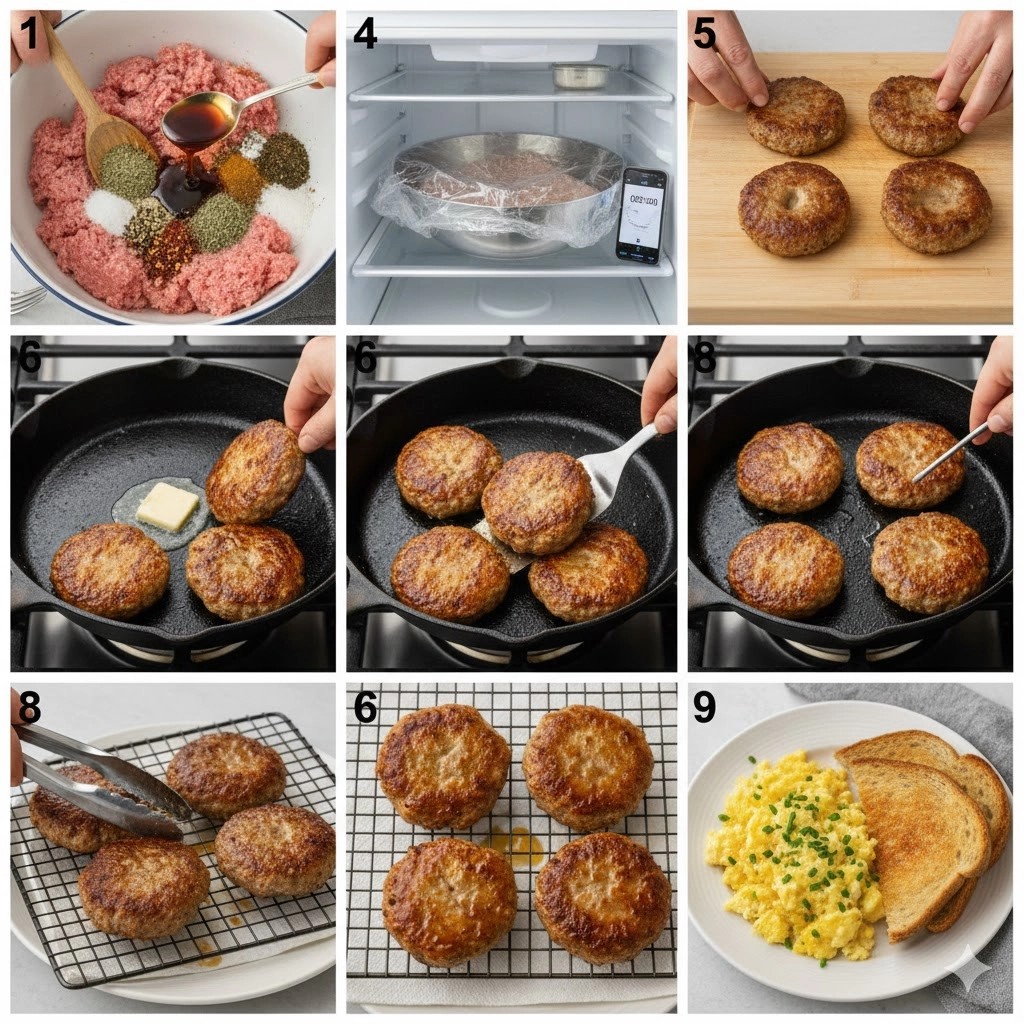
- Prepare the Mixture: In a large bowl, combine the ground turkey, water, and all dry spices (sage, salt, pepper, thyme, coriander, red pepper flakes).
- Add Sweetness: Pour in the maple syrup over the mixture.
- Combine Ingredients: Using clean hands or a sturdy wooden spoon, gently mix the ingredients until just combined. Take care not to overmix the meat.
- Chill for Flavor: Cover the bowl and refrigerate the mixture for at least thirty minutes, or up to twelve hours, allowing the spices to fully hydrate and permeate the meat.
- Form the Patties: Divide the chilled mixture into six equal portions (about two and two thirds ounces each). Roll each portion into a ball, then flatten into patties approximately one half-inch thick.
- Preheat the Pan: Heat the butter or oil in a heavy skillet (cast iron is excellent) over medium heat until shimmering.
- Sear and Cook: Place the patties in the hot skillet, ensuring they are not crowded. Cook for four to five minutes on the first side.
- Finish Cooking: Flip the patties and continue cooking for another three to four minutes, or until an internal temperature of one hundred sixty-five Fahrenheit is reached.
- Serve Warm: Remove the cooked patties from the skillet and allow them to rest briefly before serving.
Mastering the Assembly and Cook
The transition from a simple bowl of spiced meat to a succulent breakfast centerpiece is a delicate process, where every textural and thermal cue matters. This section guides you through the subtle indicators that distinguish a good sausage from a truly outstanding one.
The Gentle Hand of Mixing
The first critical step occurs before any heat touches the meat. After adding the dry seasonings and the liquid components, the instinct might be to aggressively fold and knead the mixture to ensure everything is distributed. However, ground turkey, like many lean ground meats, develops a tough, bouncy texture if it is overworked.
The moment to stop mixing is the exact point where you can no longer see streaks of pure, unseasoned meat. The texture should feel light and slightly sticky, but not compacted. If the mixture starts to look pasty or feels dense, you have gone too far. The goal is to bind, not emulsify. The addition of one tablespoon of cold water is a small, but vital trick here; it prevents the dry spices from drawing too much moisture out of the turkey during the rest period, ensuring the final patty remains juicy.
The Chill: A Non-Negotiable Step
Refrigeration is not merely about holding the mix until you are ready to cook; it is the stage where the flavor profile truly sets. When the spices—especially the aromatic rubbed sage and thyme—meet the cold, moist meat, their essential oils begin to dissolve and infuse the turkey. This thirty-minute minimum chill time ensures that every bite, from edge to center, carries the full, balanced essence of the seasoning blend.
Furthermore, working with cold meat prevents the fat (even the small amount in ground turkey) from rendering out prematurely in your hands, which keeps the patties together and prevents them from crumbling during cooking. When you retrieve the mixture, the aroma should be noticeably stronger and more complex than immediately after mixing.
Forming Patties for Even Cooking
Uniformity is the key to perfect sausage cooking. Aim for patties that are no more than one half-inch thick. Thinner patties risk drying out, while thicker ones may burn on the outside before reaching a safe internal temperature.
After rolling the mixture into a ball, flatten it gently, making sure the edges are clean and intact. A common pitfall is the “sausage dome.” As meat cooks, the proteins contract, causing the patty to puff up in the center and thin out at the edges. To counteract this, use your thumb to create a very small, slight indentation (a dimple) in the center of each patty before placing it in the pan. This dimple accommodates the contraction, ensuring the patty cooks flat and evenly across its entire surface.
Sensory Cues in the Skillet
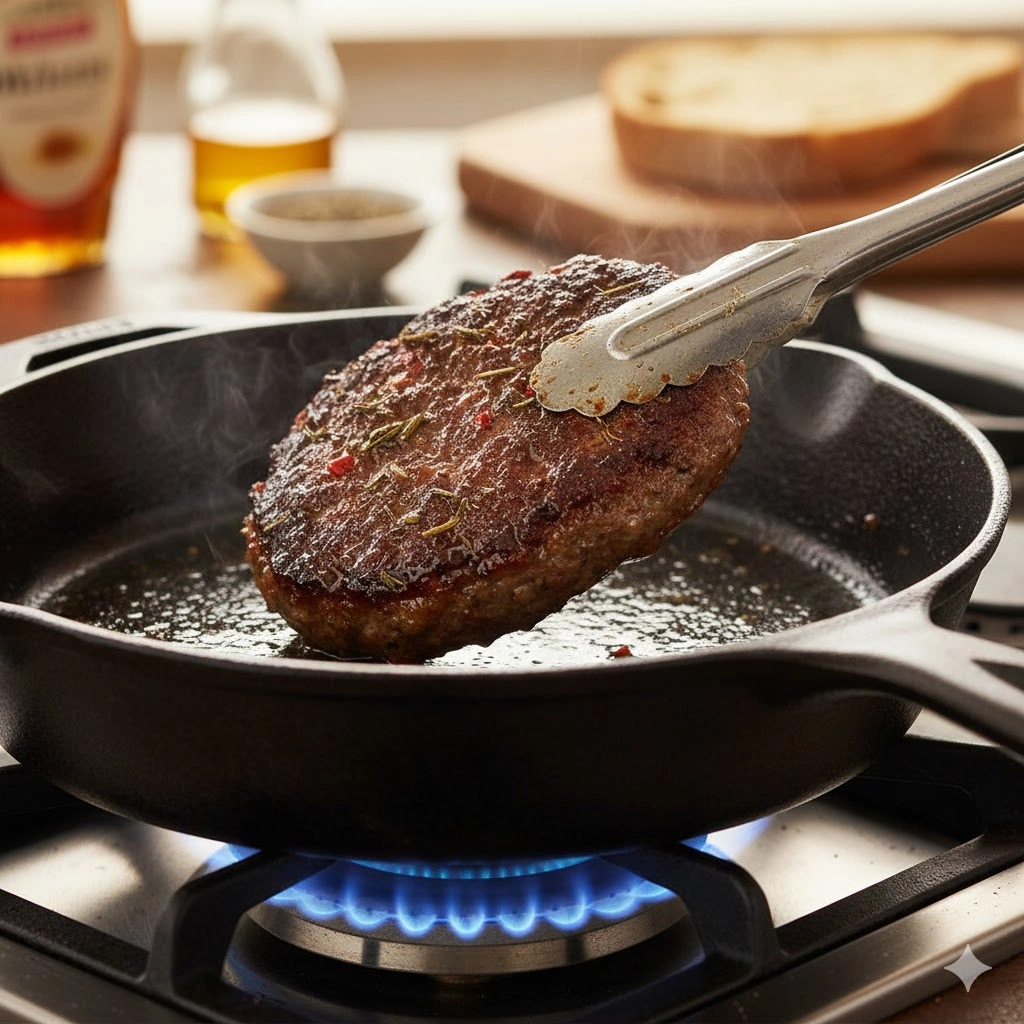
The cooking phase demands attention to temperature and sound. You should hear a consistent, medium sizzle as the patties hit the pan. If the sizzle is violent and aggressive, your heat is too high, risking a dark, nearly burnt exterior before the center is done. If the sizzle is weak, the heat is too low, and the patties will steam and release moisture, resulting in grey, tough meat.
- First Side Doneness: After four to five minutes, the edges of the patty touching the skillet will show a rich, deep caramelization—a sign of the Maillard reaction. This is the flavor development you are looking for. The uncooked portion of the side facing up should appear opaque and pale, and the patty should release easily from the pan. If it sticks, give it thirty more seconds before attempting to flip.
- Final Check: Once flipped, the second side typically takes less time. The final internal temperature must register one hundred sixty-five Fahrenheit (74 Celsius) at the thickest part. Visually, there should be no pink remaining. Once finished, transfer the sausage to a wire rack or a plate lined with a paper towel to momentarily drain excess surface moisture before serving.
Enhancing Your Blend: Expert Tips from the Butcher Block
These specialized techniques go beyond the basic instructions, ensuring your Homemade Breakfast Sausage achieves truly professional-level flavor and texture every single time.
- Toast the Whole Spices First: If you are grinding your own spices (such as fennel seed in a variation), lightly toast them in a dry skillet for sixty seconds until fragrant. This vital step releases the volatile oils, intensifying the final flavor of the blend tenfold before they are mixed into the meat.
- The Test Patty Method: Before forming all six patties, take a very small spoonful of the mixture (about one teaspoon) and form a tiny test patty. Cook it in a clean skillet until done. Taste it immediately. If it needs more salt, pepper, or heat, adjust the main batch before committing to forming the rest of the sausages. This eliminates guesswork and guarantees perfect seasoning.
- Fat Content and Juiciness: While using lean ground turkey keeps the meal light, the ideal fat ratio for a juicy sausage is fifteen percent. If your turkey is ninety-three percent lean or higher, consider adding one teaspoon of chilled, rendered fat (like duck fat or schmaltz) to the mixture before chilling, which will improve the mouthfeel without significantly impacting the nutritional profile.
- The Grater Trick for Onions: For an extra layer of savory depth, grate one quarter of a small yellow onion directly into the mixture. The grating process turns the onion into a fine pulp, which easily incorporates without leaving noticeable chunks, ensuring its moisture keeps the patties tender and adds aromatic complexity.
- Freezing for Meal Prep: To prepare a large batch, wrap the formed, uncooked patties tightly in parchment paper, then transfer them to an airtight freezer bag. They keep well for up to three months. Cook from frozen by adding four to five minutes to the total cooking time, keeping the skillet heat slightly lower than medium to allow the heat to penetrate evenly.
- Binding with Breadcrumb: If you find the mixture is too loose or your patties are prone to cracking, you can bind it slightly. Add one tablespoon of plain, finely ground breadcrumbs (Panko or traditional) to the mixture before the chilling step. This absorbs excess liquid and helps the protein structure hold together under heat, creating a more cohesive patty.
- The Smash Technique: For a classic, diner-style aesthetic, when the patties are halfway through cooking on the first side (after about two minutes), place a piece of parchment paper over them and gently press down with a flat spatula. This maximizes the surface contact with the hot pan, creating an excellent, uniform crust across the bottom surface.
Customizing the Grind: Substitutions and Flavor Variations
The foundation of a good sausage is the meat, but the personality is found in the seasoning. These variations allow you to tailor the recipe to your personal preferences and dietary needs.
Protein Swaps
The classic flavor profile used in this recipe is versatile and works wonderfully across several types of meat, assuming they have adequate fat for moisture.
- Ground Chicken: An excellent alternative to turkey, offering a milder, slightly sweeter flavor base. Use ground chicken thigh for the best results, as the lean ground breast tends to dry out quickly unless extra fat is added.
- Ground Beef: For a richer, deeper flavor, use ground beef that is eighty percent lean. The more robust taste of the beef pairs exceptionally well with a heavier hand on the black pepper and a dash of smoked paprika in the seasoning blend.
Global Seasoning Twists
Move away from the traditional sage and thyme with these exciting flavor swaps.
- Spicy Tex-Mex Blend: Omit the sage, thyme, and coriander. Instead, use one teaspoon smoked paprika, one teaspoon ground cumin, one half teaspoon oregano, and double the red pepper flakes. For fresh heat, a finely minced jalapeño or serrano pepper can be added to the mixture.
- Fennel and Black Pepper: For a rustic, slightly Italian-inspired feel, remove the maple syrup and sage. Add one teaspoon fennel seeds, lightly crushed, and one half teaspoon dried basil. Increase the black pepper to three quarters of a teaspoon. Serve these with sun-dried tomatoes and sautéed spinach for a savory, Mediterranean twist.
- Sweet Applewood Smoke: For a subtle sweetness and warmth, add two tablespoons of finely shredded, peeled apple (like a Fuji or Honeycrisp) to the mix. Add one half teaspoon liquid smoke extract and one quarter teaspoon ground allspice. The apple cooks down to lend a gentle sweetness that complements the smokiness.
Building a Complete Plate: What to Serve Alongside
A truly satisfying breakfast is a study in contrasts, balancing the rich, savory sausage with complementary textures and temperatures.
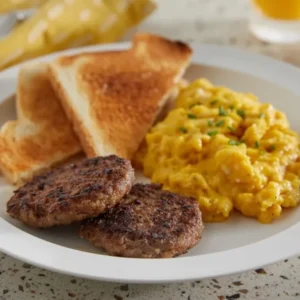
- Classic Eggs and Grits: A southern staple. Serve two patties alongside creamy, slow-cooked stone-ground grits, finished with a pat of butter, and a simple set of scrambled or perfectly poached eggs. The smooth texture of the grits contrasts beautifully with the firm, spiced sausage.
- Maple-Glazed Waffle Sandwich: Use two thin sausage patties as the centerpiece of a savory breakfast sandwich. Serve them inside two crispy, airy Belgian waffles (or slices of French toast), drizzled with extra maple syrup and perhaps a layer of softened cream cheese or sharp white cheddar for tang and creaminess.
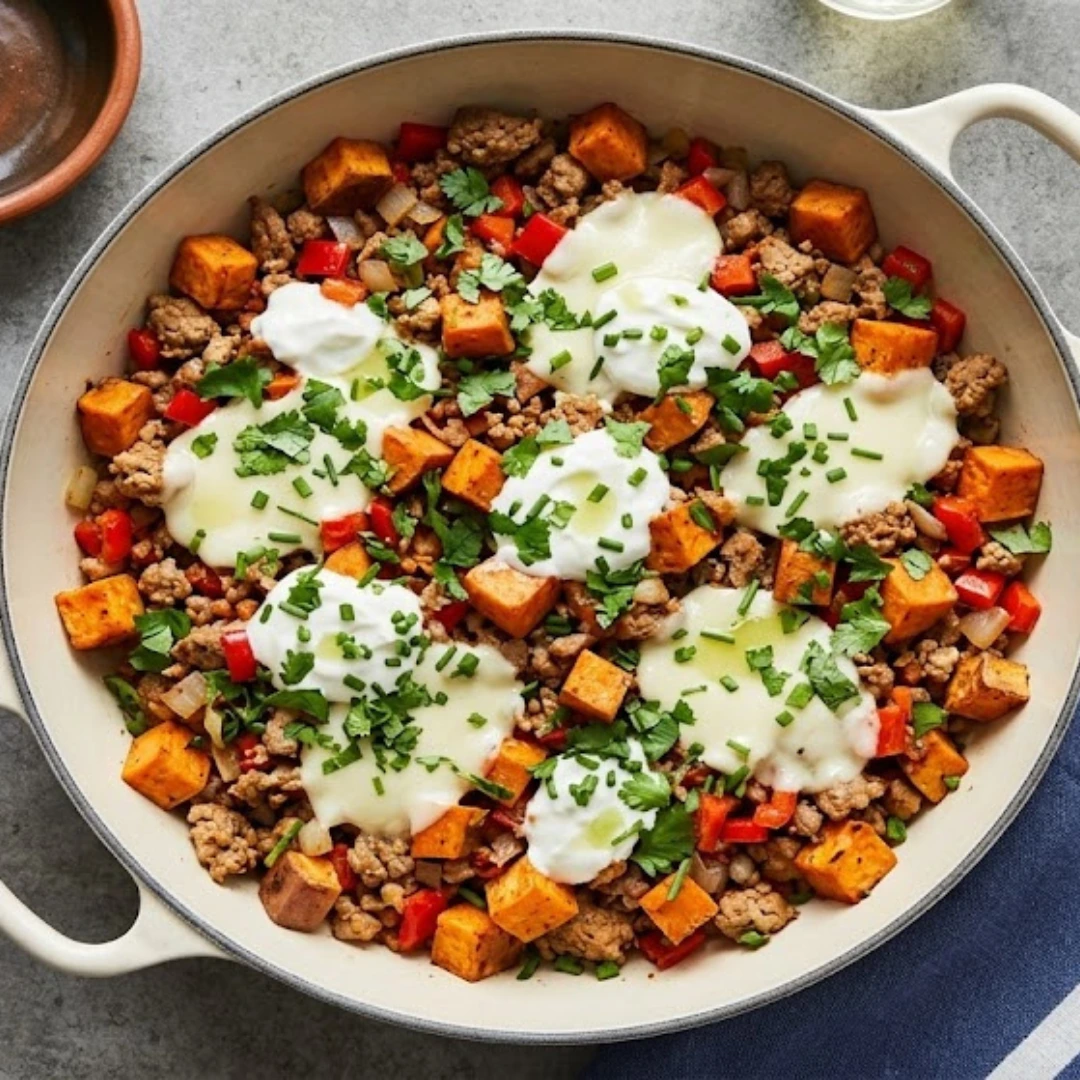
- The Hash Companion: Incorporate the cooked, crumbled sausage into a dynamic breakfast hash. Sear diced potatoes, peppers, and onions in the same skillet you cooked the sausage in (to capture the fond) and then fold in the crumbled meat just before serving, topping the entire dish with a perfectly runny fried egg.
- Simple Side of Fruit: For a lighter approach, balance the savory and spiced notes with the bright acidity of seasonal fruit. Grapefruit halves, sliced oranges, or a simple bowl of fresh raspberries cut through the richness of the sausage and cleanse the palate, making the meal feel less heavy.
The Morning Meal Q and A
This section addresses common queries that often arise when preparing a recipe for the first time, ensuring your journey to crafting the perfect Homemade Breakfast Sausage is smooth and successful.
Can I bake or air fry these patties instead of pan-frying?
Absolutely. Baking is a great option for cooking large batches simultaneously, offering a less hands-on approach. Place the formed patties on a parchment-lined baking sheet and bake at three hundred seventy-five Fahrenheit for eighteen to twenty minutes, flipping them halfway through. The air fryer works even faster; cook at three hundred sixty Fahrenheit for ten to twelve minutes until fully cooked and browned.
Why did my patties fall apart during cooking?
Patties tend to crumble for two primary reasons: the meat mixture was too warm before cooking, or it was over-handled. If the mixture is warm, the small amount of fat renders out immediately, leaving no binder. Always chill the mixture for the full thirty minutes. Secondly, ensure you only mix the meat until the spices are just incorporated, as overworking develops tough proteins that fracture when cooked.
How long can I safely store the raw sausage mix?
The raw, seasoned sausage mixture can be safely stored in an airtight container in the refrigerator for up to two days. If you need to keep it longer, it is best to form the patties, wrap them individually, and freeze them. This preserves the texture and the potency of the spice blend better than keeping the bulk mixture refrigerated for an extended period.
Can I use ground ginger or cloves in this blend?
Yes, those spices can add a wonderful, complex warmth, but use them sparingly. Ground ginger is strong; start with a pinch (one eighth of a teaspoon). Cloves are extremely pungent, so using one sixteenth of a teaspoon (or the very lightest possible sprinkle) is usually enough. They pair particularly well if you are using the Applewood Smoke variation.
What is the advantage of using pure maple syrup over brown sugar?
Maple syrup offers a more complex, liquid sweetness that integrates smoothly and evenly into the meat mixture during the chilling process. Unlike granulated brown sugar, which can sometimes crystallize or leave pockets of uneven sweetness, maple syrup ensures that the subtle, caramelized notes are distributed uniformly throughout the patty. This contributes to a softer interior texture as well.
Nutritional Insights
| Nutrient | Amount per Serving |
| Calories | 175 kcal |
| Protein | 18 g |
| Carbs | 3 g |
| Fat | 9 g |
| Fiber | 0 g |
| Sugar | 2 g |
| Sodium | 280 mg |
Disclaimer
Nutrition information is an estimate and may vary based on preparation and ingredients used.
Homemade Breakfast Sausage: The Essential Morning Staple
Ingredients
- 1 pound lean ground turkey (450 grams)
- 1 tablespoon cold water
- 1 teaspoon rubbed sage
- 0.5 teaspoon coarse salt (Kosher or sea)
- 0.5 teaspoon black pepper, freshly ground
- 0.25 teaspoon ground thyme
- 0.25 teaspoon ground coriander
- 0.25 teaspoon red pepper flakes (optional)
- 2 teaspoons pure maple syrup
- 1 tablespoon unsalted butter or high-heat oil
Instructions
- In a large bowl, combine the ground turkey, water, and all dry spices (sage, salt, pepper, thyme, coriander, red pepper flakes).
- Pour in the maple syrup over the mixture.
- Using clean hands or a sturdy wooden spoon, gently mix the ingredients until just combined. Take care not to overmix the meat to keep it tender.
- Cover the bowl and refrigerate the mixture for at least thirty minutes, or up to twelve hours. This step allows the spices to fully hydrate and infuse the meat.
- Divide the chilled mixture into six equal portions (about two and two thirds ounces each). Roll each portion into a ball, then flatten into patties approximately one half-inch thick. Create a small dimple in the center to prevent puffing.
- Heat the butter or oil in a heavy skillet (cast iron is excellent) over medium heat until shimmering. Place the patties in the hot skillet, ensuring they are not crowded. Cook for four to five minutes on the first side until a rich brown crust forms.
- Flip the patties and continue cooking for another three to four minutes, or until an internal temperature of one hundred sixty-five Fahrenheit is reached.
- Remove the cooked patties from the skillet and allow them to rest briefly before serving.
Notes
Equipment
- large mixing bowl
- Heavy skillet or cast iron pan
- spatula
- meat thermometer