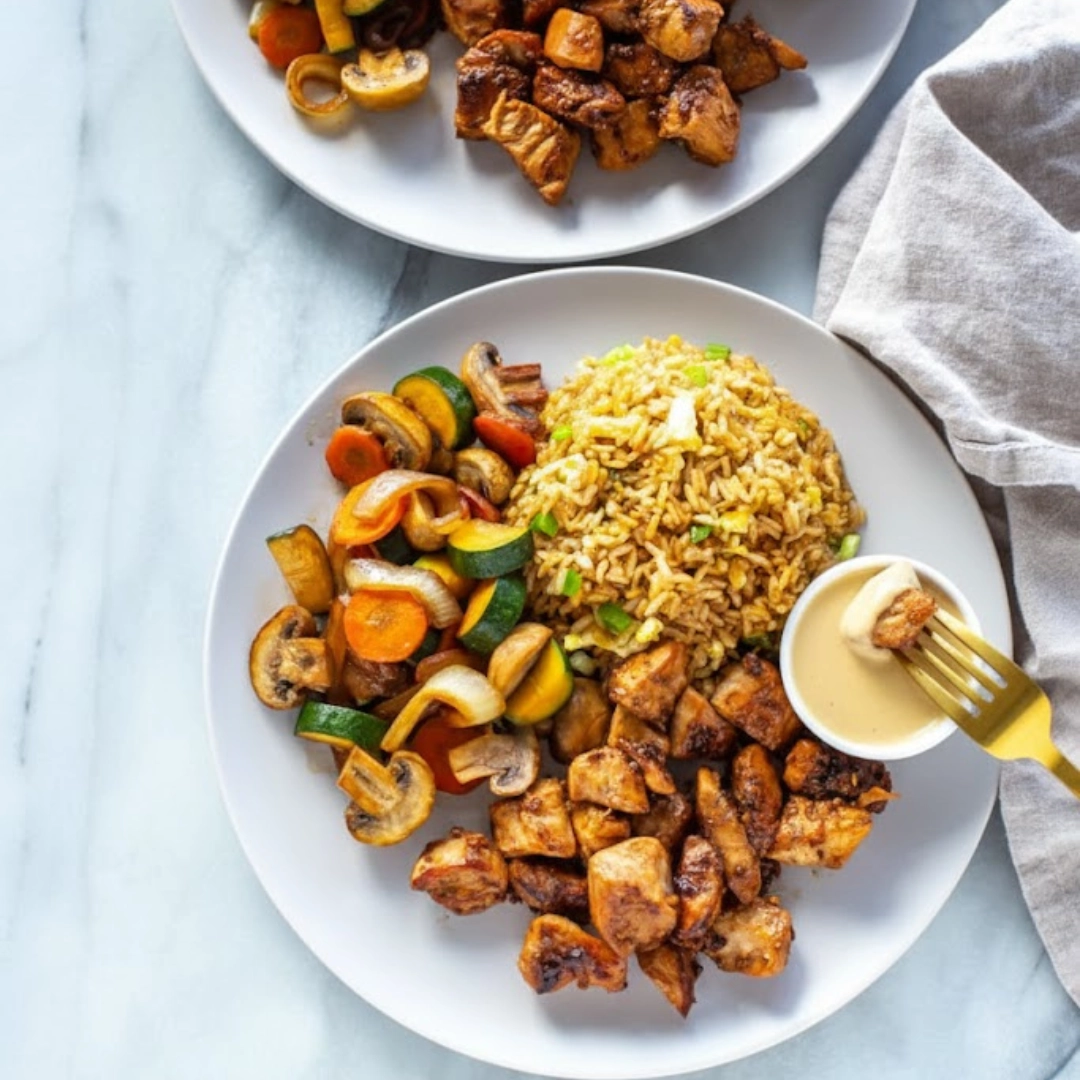
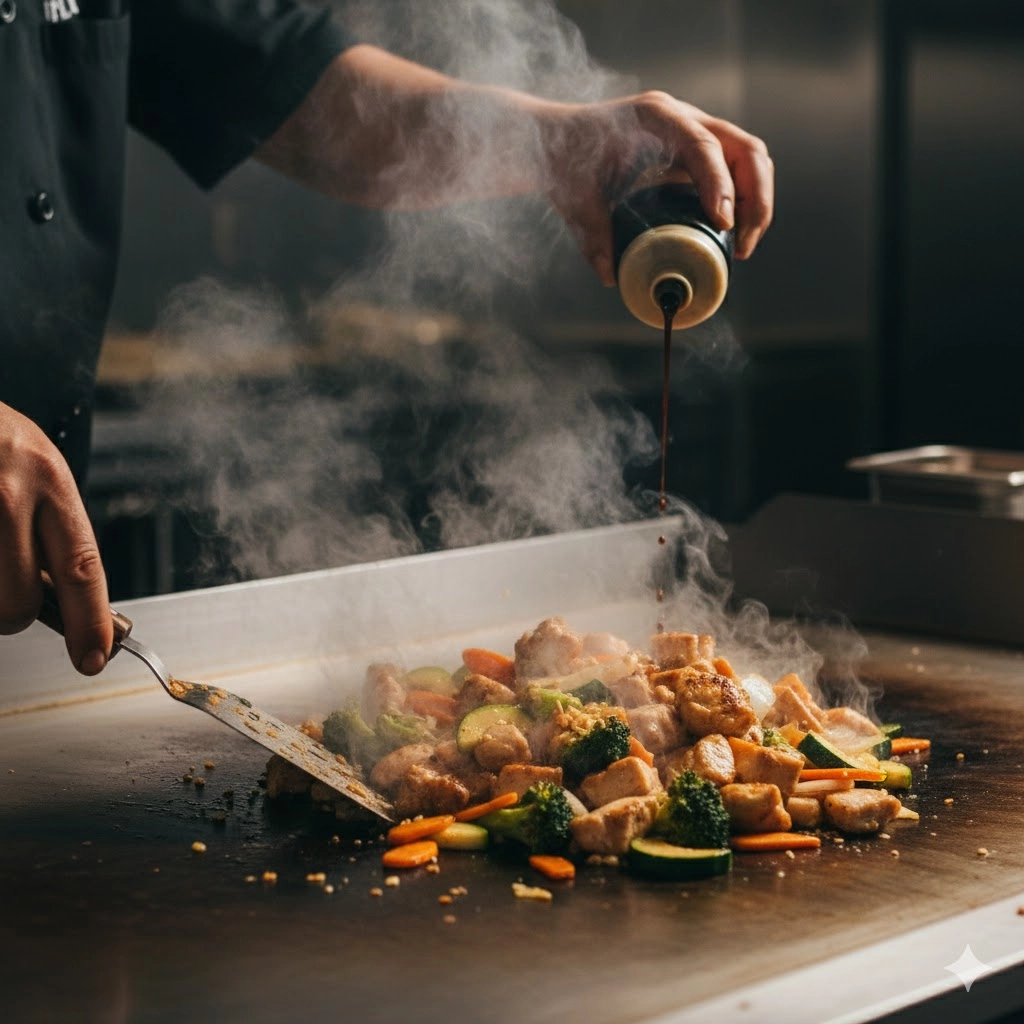
The experience of authentic Japanese steakhouse cooking, specifically the sizzling, savory drama of the hibachi grill, is something many seek to replicate at home. At the heart of this flavorful cuisine is a deceptively simple yet profoundly satisfying dish: Hibachi Chicken. This is not your average pan-fried poultry; it is chicken and vegetables cooked quickly over high heat, often alongside a signature blend of garlic, soy, and sesame, resulting in tender meat with deeply caramelized edges and vibrant, perfectly crisp-tender vegetables. It’s an ideal choice for a lively dinner party or whenever you crave that restaurant-quality flavor without leaving your kitchen. The secret lies in the efficient mise en place and the ability to embrace high heat, transforming everyday ingredients into an exciting, aromatic meal.
Essential Building Blocks: What You’ll Need
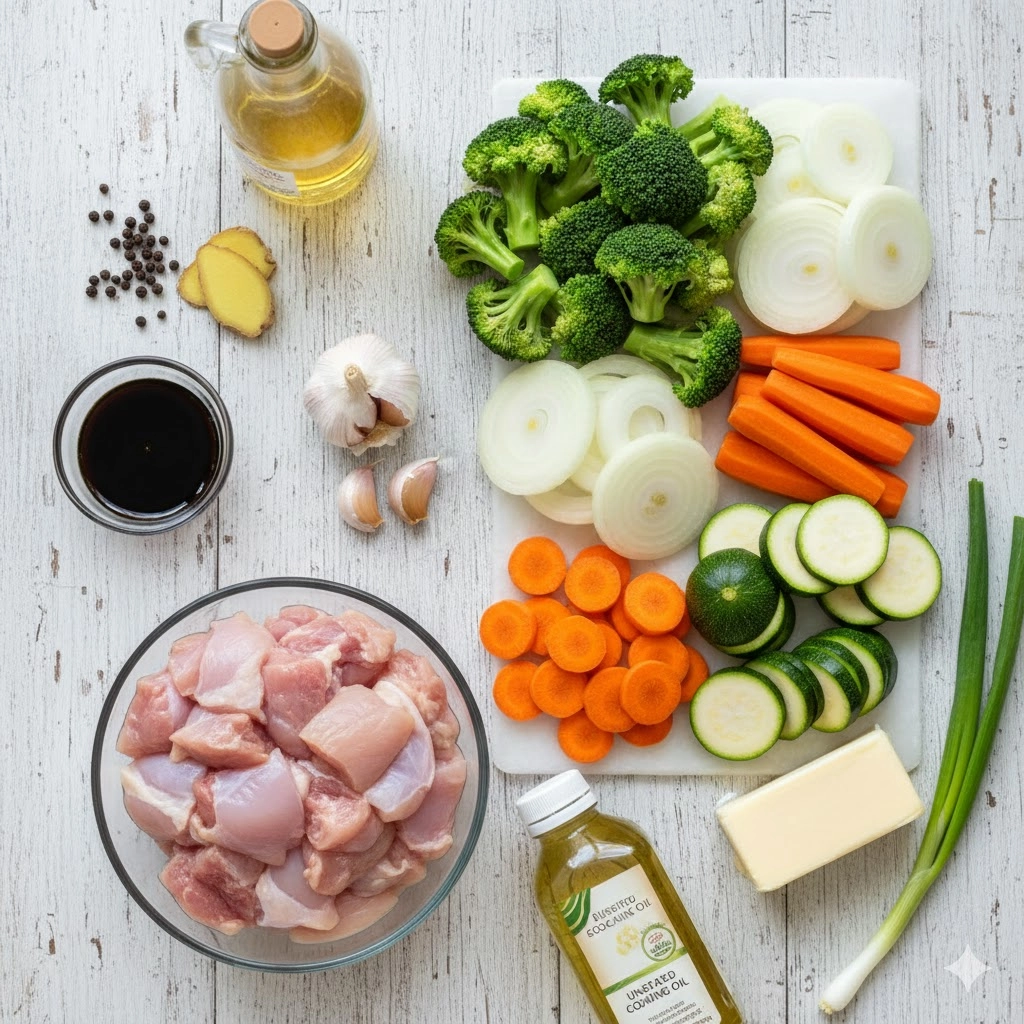
Achieving that characteristic hibachi flavor relies on a few core ingredients. Precision in cutting and measuring is key to ensuring everything cooks evenly and quickly.
For the Chicken and Marinade
- One and one half pounds boneless, skinless chicken thighs or breasts, cut into one-inch cubes
- Two tablespoons soy sauce
- One tablespoon toasted sesame oil
- One half teaspoon ground ginger
- One quarter teaspoon freshly ground black pepper
For the Vegetables
- One tablespoon neutral high-heat oil (such as avocado or canola)
- One half cup sliced yellow onion
- Two cups broccoli florets, roughly same size
- One cup sliced zucchini, cut into quarter-inch half-moons
- One half cup sliced carrots, cut into thin bias slices
For Cooking
- Four tablespoons unsalted butter, divided
- Two cloves garlic, minced
- One tablespoon extra soy sauce, to taste
The Cooking Sequence: Step-by-Step
This method is designed for a large flat-top griddle or a large, heavy-bottomed skillet, mimicking the surface of a traditional hibachi grill.
- Prepare the Chicken: In a medium bowl, toss the cubed chicken with the marinade ingredients (soy sauce, sesame oil, ginger, and pepper). Set aside to marinate for fifteen to twenty minutes.
- Ready the Vegetables: Ensure all vegetables are washed, dried thoroughly, and cut to uniform size. This is crucial for quick, even cooking.
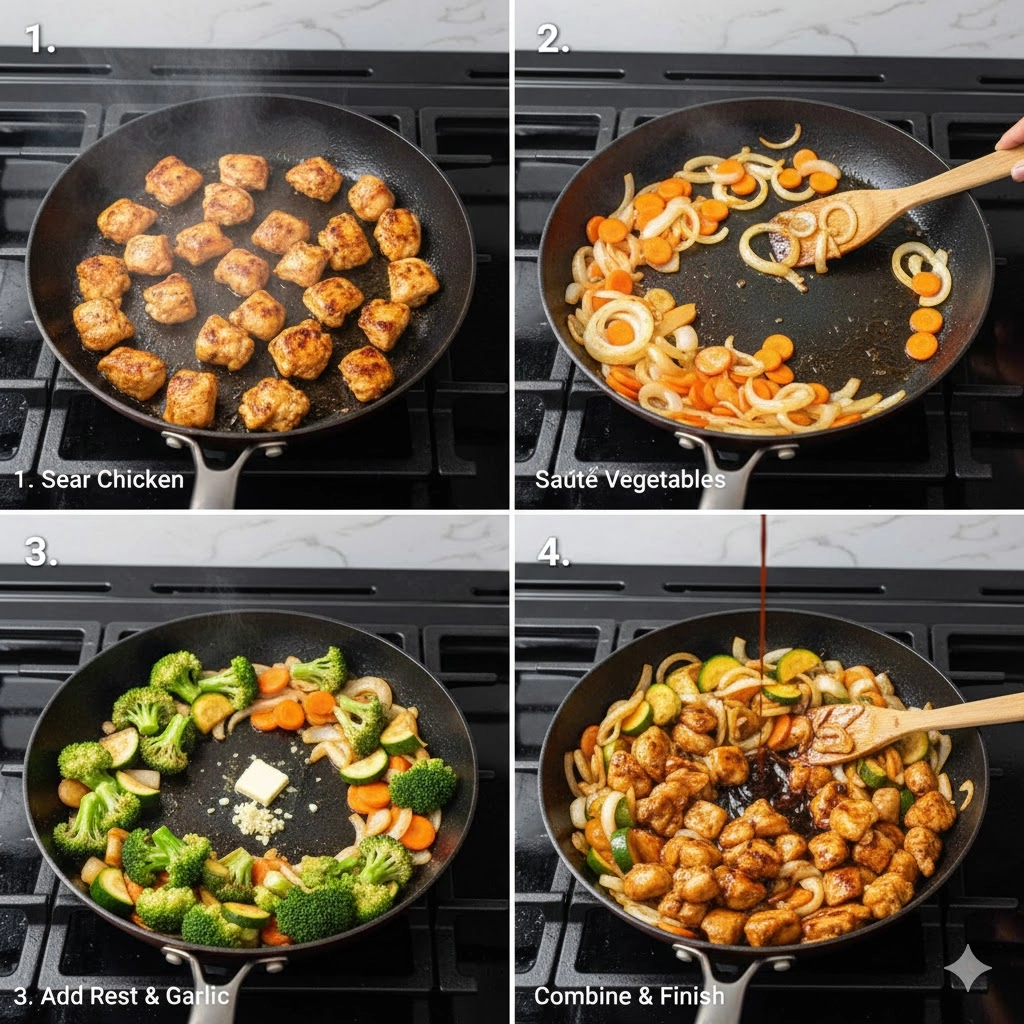
- Sear the Chicken: Melt two tablespoons of butter and the high-heat oil on a large cooking surface over medium-high heat. Add the chicken, spreading it into a single layer. Cook for four to six minutes, turning occasionally until golden brown and cooked through. Remove the chicken to a plate and set aside.
- Sauté the Carrots and Onions: Add one tablespoon of butter to the hot pan. Introduce the carrots and onions. Cook for three to four minutes, stirring frequently until the onions are translucent and the carrots begin to soften.
- Add the Remaining Vegetables and Aromatics: Introduce the broccoli and zucchini to the pan, stirring constantly. After two minutes, create a space in the center, add the final tablespoon of butter and the minced garlic. Cook the garlic until fragrant, about thirty seconds, then quickly incorporate it into the vegetables.
- Combine and Finish: Return the cooked chicken to the pan. Add the tablespoon of extra soy sauce. Toss everything together vigorously for one minute to coat and reheat the chicken.
- Serve Immediately: Transfer the Hibachi Chicken and vegetables to serving plates.
Detailed Technique: Achieving the Signature Texture
The appeal of hibachi cooking is the remarkable texture—the chicken is tender and juicy, while the vegetables maintain a desirable snap. This requires vigilance and a specific understanding of how heat interacts with the ingredients.
Marinating for Moisture and Flavor
Though the marinade is simple, giving the chicken fifteen to twenty minutes to absorb the flavors is essential. The small amount of soy sauce not only seasons the meat but its salt content acts as a brine, helping the chicken retain moisture during the rapid, high-heat cooking process. Do not over-marinate; an hour is the maximum needed to prevent the protein structure from becoming too tight.
The Sear and the Sizzle
The most common mistake when making this at home is overcrowding the pan. When you add the marinated chicken, it must hit a very hot surface to achieve the Maillard reaction—that deep, savory browning that defines the dish. If your pan sizzles weakly or the chicken begins to steam, it means the heat is too low or you have too much food in the pan. The goal is a quick sear. If using a standard home skillet, it is far better to cook the chicken in two separate batches, maintaining a high surface temperature and ensuring a consistent, beautiful caramelization on all pieces. When removing the chicken, do not worry about scraping up the fond (the browned bits) at this stage; those will be released and incorporated later by the vegetables.
Vegetable Sequencing and Texture
Vegetables must be added in a specific order based on their density and cooking time. Carrots and onions are the hardest and need a head start. By the time the zucchini and broccoli are added, the carrots should be about half-way to being tender. The pan should remain on medium-high to high heat throughout this process. The key is to stir continuously, giving the vegetables a light char but preventing them from releasing excess water, which leads to a soggy result. The final few seconds with the garlic is a classic hibachi move: adding butter and garlic at the end for an intensely fresh, aromatic finish that coats the vegetables right before the chicken is reintroduced.
Elevated Expert Pointers
Moving beyond the basic steps ensures your meal tastes exactly like the restaurant-version, delivering on both aroma and flavor complexity.
- The Power of the Sear: Always preheat your cooking surface for at least five minutes over medium-high heat. Use a temperature-safe cooking oil that won’t smoke immediately. A small amount of smoke from the cooking oil is a good sign that the pan is ready to properly sear the meat.
- Wok or Griddle: While a large skillet works, a carbon steel wok over high heat or a flat-top electric griddle offers the best results, maximizing surface area and maintaining heat better than a typical non-stick pan.
- The Butter Finish: Do not skip the final addition of butter when adding the garlic. Unlike oil, butter contains milk solids that brown and add a critical, nutty depth of flavor that binds the chicken and vegetables into a cohesive dish.
- Dried vs. Fresh Aromatics: While the recipe calls for ground ginger in the marinade for even distribution, using a small piece of grated fresh ginger with the garlic at the end of the vegetable cook can give a brighter, more pungent zing.
- Salt and Pepper Management: Resist the urge to aggressively salt the vegetables until the very end. The soy sauce is very salty, and seasoning in layers is key. A final taste-test and a light grind of black pepper before serving is usually sufficient.
- Serving Temperature: Hibachi food is best served moments after it leaves the heat. Have your rice or noodles and serving plates ready to go before you begin cooking, as the entire process only takes about twenty minutes.
Realistic Substitutions and Flavor Extensions
While the simple structure of Hibachi Chicken is part of its charm, a few simple tweaks can customize the dish to suit other preferences or dietary needs.
- Protein Swaps: Shrimp, scallops, or thinly sliced sirloin steak (a classic hibachi addition) can be substituted for the chicken. When using steak, cut it against the grain and cook it in the pan for only two to three minutes per side to achieve a medium-rare finish, removing it immediately after searing.
- Vegetable Riff: Replace or supplement the vegetables with mushrooms, bell peppers (red or yellow), snap peas, or asparagus. For heartier vegetables like potatoes, cut them very small or steam them partially before adding to the pan to ensure they cook quickly alongside the others.
- Gluten-Free Option: Simply swap the traditional soy sauce for tamari or a certified gluten-free soy sauce alternative. All other ingredients are naturally gluten-free, maintaining the flavor integrity.
- Heat Integration: For those who like a little fire, incorporate a quarter teaspoon of chili flakes with the garlic and butter, or drizzle with a few drops of Sriracha or chili oil right before serving.
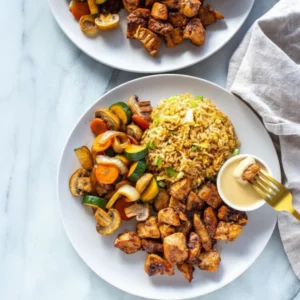
The Complete Meal: Serving Suggestions
A hibachi plate feels incomplete without the full array of complementary elements. These suggestions round out the meal and provide the necessary balance.
- Fried Rice Foundation: The most classic accompaniment is a simple vegetable fried rice, often cooked on the same flat top grill after the main protein. A quick toss of leftover rice with a scrambled egg, a few chopped green onions, and a splash of soy sauce provides the perfect base.
- Yum Yum Sauce: The creamy, tangy pink sauce—or “white sauce”—is a signature condiment. It’s often a blend of mayonnaise, tomato paste, rice vinegar, a pinch of sugar, and sometimes paprika. A generous drizzle is non-negotiable for an authentic experience.
- Miso Soup and Salad: To start the meal, a light, clear broth miso soup and a simple iceberg salad with a ginger dressing provide refreshing contrast to the richness of the main course.
- Noodle Alternatives: Serve the chicken and vegetables over a bed of yakisoba noodles instead of rice. The noodles can be lightly tossed with a combination of soy sauce and oyster sauce for an enhanced depth.
Frequently Asked Questions
Can I use frozen vegetables for this recipe?
While you can technically use frozen vegetables, the dish’s texture will suffer. Frozen vegetables release a lot of water as they cook, which will significantly drop the pan’s temperature and result in steaming instead of searing. This is what leads to soggy, mushy vegetables. If you must use frozen, thaw them completely and pat them extremely dry before adding them to the hot pan.
What is the ideal type of oil for hibachi cooking?
A high-heat, neutral oil is best. The ideal choices are avocado oil, canola oil, or refined peanut oil. Avoid extra virgin olive oil, which has a low smoke point and will burn and taste bitter when subjected to the necessary high heat. The small amount of sesame oil is for flavor and should not be used as the primary cooking fat.
Can I prepare any components ahead of time?
You can certainly prepare a few things in advance to make dinner assembly faster. Cutting the chicken and tossing it in the marinade up to four hours ahead is fine, provided you keep it refrigerated. You can also chop all the vegetables several hours earlier and store them in an airtight container in the refrigerator. Do not mince the garlic until just before you cook, as the flavor deteriorates quickly once crushed.
Why is my chicken tough and dry?
Tough, dry chicken is almost always a result of overcooking, which is easy to do over high heat. The small, one-inch pieces cook very fast. Once you’ve achieved a golden-brown exterior, cut into the thickest piece—if the juices run clear and the center is opaque white, remove it from the heat immediately. Using chicken thighs, which have more fat, is a good preventative measure against dryness.
Nutritional Breakdown
This table provides estimated values based on the ingredients used in the core recipe.
| Nutrient | Amount per Serving |
| Calories | 340 kcal |
| Protein | 45 g |
| Carbs | 10 g |
| Fat | 14 g |
| Fiber | 3 g |
| Sugar | 3 g |
| Sodium | 590 mg |
Disclaimer
Nutrition information is an estimate and may vary based on preparation and ingredients used.
Authentic Hibachi Chicken
Ingredients
- 1.5 pounds boneless, skinless chicken thighs or breasts, cut into 1-inch cubes
- 3 tbsp soy sauce (divided)
- 1 tbsp toasted sesame oil
- 0.5 tsp ground ginger
- 0.25 tsp freshly ground black pepper
- 1 tbsp neutral high-heat oil (such as avocado or canola)
- 0.5 cup sliced yellow onion
- 2 cups broccoli florets
- 1 cup sliced zucchini, cut into quarter-inch half-moons
- 0.5 cup sliced carrots, cut into thin bias slices
- 4 tbsp unsalted butter, divided
- 2 cloves garlic, minced
Instructions
- In a medium bowl, toss the cubed chicken with 2 tablespoons of soy sauce, sesame oil, ginger, and pepper. Set aside to marinate for fifteen to twenty minutes.
- Melt 2 tablespoons of butter and the high-heat oil on a large flat-top griddle or skillet over medium-high heat. Add the chicken, spreading it into a single layer. Cook for four to six minutes, turning occasionally until golden brown and cooked through. Remove the chicken to a plate.
- Add 1 tablespoon of butter to the hot pan. Introduce the carrots and onions. Cook for three to four minutes, stirring frequently until the onions are translucent and the carrots begin to soften.
- Add the broccoli and zucchini, stirring constantly. After two minutes, add the final tablespoon of butter and the minced garlic. Cook the garlic until fragrant (about thirty seconds), then quickly incorporate it into the vegetables.
- Return the cooked chicken to the pan. Add the remaining 1 tablespoon of extra soy sauce. Toss everything together vigorously for one minute to coat and reheat the chicken.
- Transfer the Hibachi Chicken and vegetables to serving plates immediately while hot.
Notes
Equipment
- Large, heavy-bottomed skillet or flat-top griddle A wok can also be used.
- Tongs or wooden spoon
- Cutting board and sharp knife
- medium mixing bowl