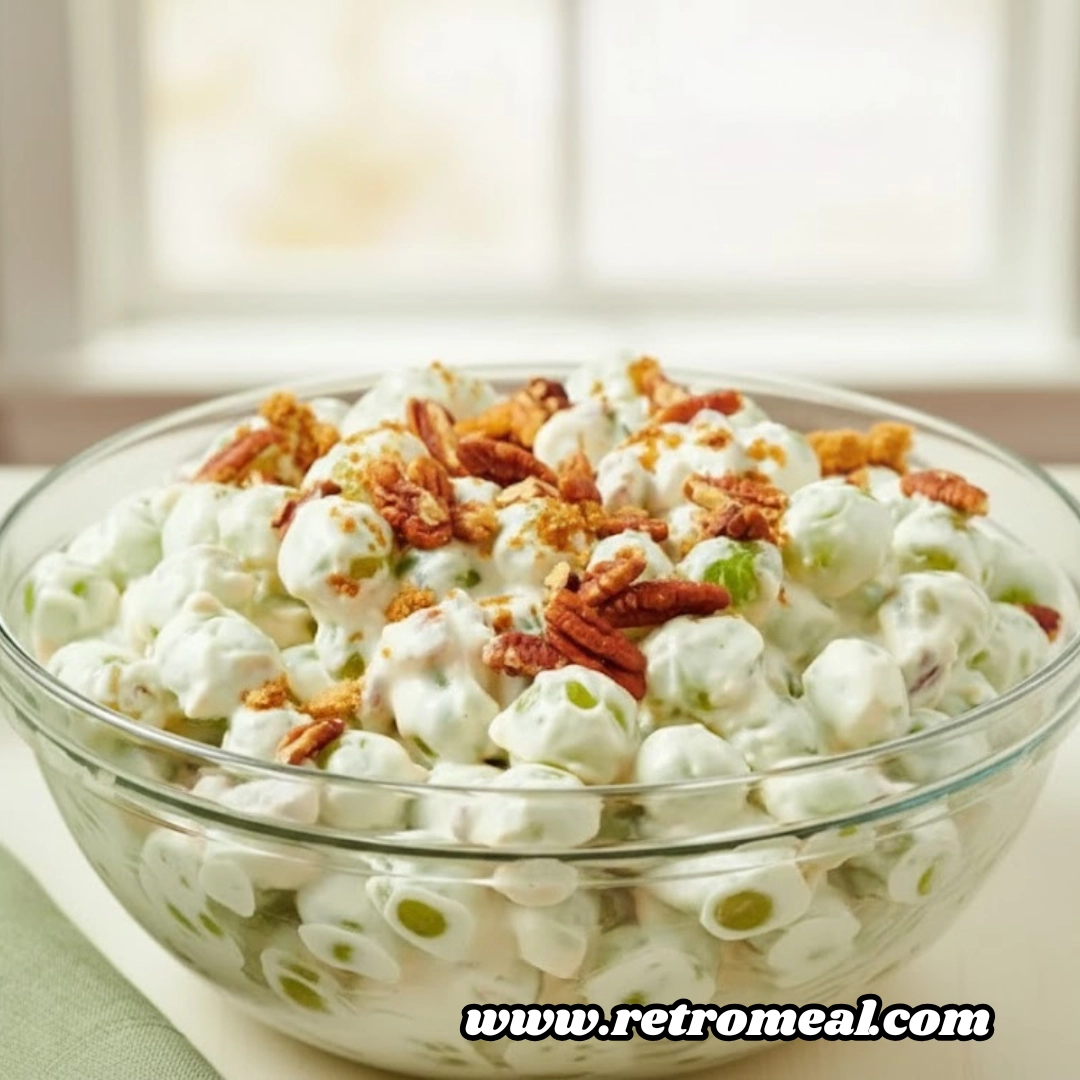
There are certain dishes that define a backyard gathering or a holiday potluck, and this creamy green grape salad is undeniably one of them. While it technically carries the name salad, it leans beautifully into the dessert category, offering a refreshing, fruit-forward alternative to heavy cakes or pies. The magic lies in the contrast between the crisp, snapping skins of chilled grapes and a velvety, cloud-like dressing made from cream cheese and sour cream. When prepared ahead of time, the brown sugar topping undergoes a chemical transformation, melting into the cream to create a natural caramel notes that elevate the entire experience.
The Essential Components
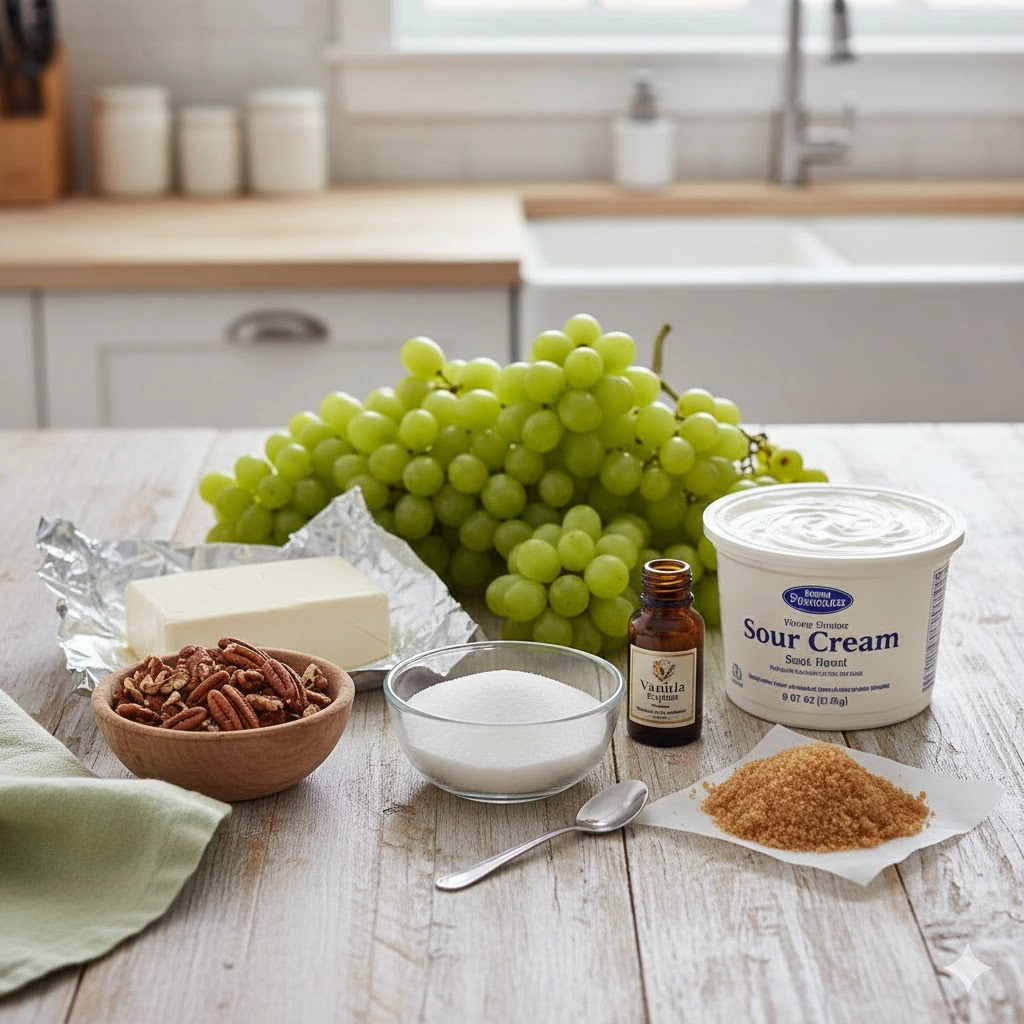
To ensure your salad has the exact flavor profile that has made this recipe a staple for generations, you will need the following high-quality ingredients.
- 4 pounds seedless green grapes
- 1 8 ounce package cream cheese
- 1 8 ounce container sour cream
- One half cup white sugar
- 1 teaspoon vanilla extract
- 4 ounces chopped pecans
- 2 tablespoons brown sugar
Step-by-Step Preparation Guide
Follow these precise steps to assemble your salad. Remember that the texture of this dish relies heavily on the proper integration of the dairy elements.
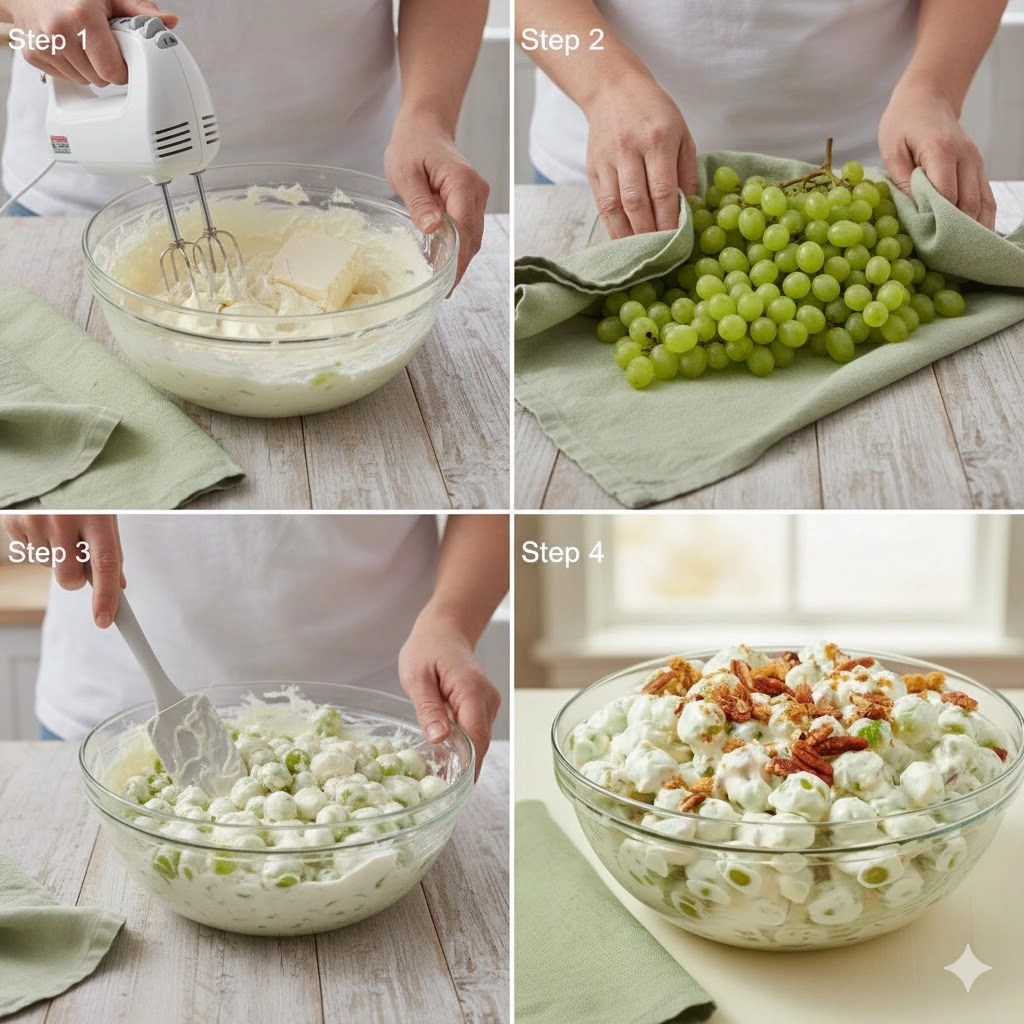
- Gather all ingredients and ensure your cream cheese has softened slightly at room temperature for easier mixing.
- Thoroughly wash and dry the green grapes. It is vital that the grapes are completely dry so the dressing adheres to the fruit rather than sliding off.
- In a large mixing bowl, combine the cream cheese, sour cream, white sugar, and vanilla extract. Whisk or beat until the mixture is completely smooth and free of lumps.
- Add the dried grapes to the bowl and fold them gently into the cream mixture until every grape is evenly coated.
- Sprinkle the top of the mixture with the brown sugar and the chopped pecans.
- Mix the topping into the salad or leave it as a layered garnish, then cover and refrigerate until you are ready to serve.
Crafting the Perfect Creamy Base
The heart of this green grape salad is the emulsion created by the cream cheese and sour cream. To achieve a professional-level consistency, start with cream cheese that is soft but not melted. If the cream cheese is too cold, you will end up with tiny white flecks in your salad that are difficult to incorporate. Using a hand mixer on a medium setting allows you to whip air into the base, which lightens the heavy fats of the dairy and creates a mousse-like texture.
When you add the sour cream, you introduce a necessary acidity that cuts through the sweetness of the white sugar. This balance is what prevents the dish from feeling overly cloying. The addition of vanilla extract acts as a flavor bridge, connecting the tanginess of the sour cream with the floral notes of the green grapes. Ensure the white sugar is fully dissolved into the fats before adding the fruit; you can test this by rubbing a small amount of the dressing between your thumb and forefinger to check for grittiness.
Handling Your Grapes with Care
With four pounds of grapes, the fruit is the undisputed star of the show. Selecting the right grapes is the first step toward success. Look for bunches where the stems are still green and flexible rather than brown and brittle. The grapes should be firm to the touch; if they feel soft, they will release too much juice once mixed with the sugar, resulting in a watery salad.
Drying the grapes is perhaps the most overlooked yet critical step in the entire process. After rinsing them in a colander, spread them out on a clean kitchen towel or several layers of paper towels. Roll them gently to soak up every drop of moisture. If the grapes are even slightly damp, the water will prevent the cream cheese dressing from “grabbing” onto the skins. This leads to a separation of the dressing, leaving a pool of liquid at the bottom of your serving bowl.
Enhancing the Texture with Pecans and Sugar
The final flourish of this recipe involves the chopped pecans and brown sugar. The pecans provide a much-needed crunch that contrasts with the softness of the grapes and the cream. While the recipe calls for chopped pecans, you can enhance their flavor significantly by toasted them in a dry pan for three to five minutes until they become fragrant. This brings out the natural oils and provides a deeper, woodier flavor profile.
The brown sugar serves a dual purpose. Initially, it adds a hit of molasses-rich sweetness. However, as the salad sits in the refrigerator, the moisture from the cream cheese and the ambient humidity begin to dissolve the sugar crystals. This creates a thin, syrupy layer that tastes remarkably like homemade caramel. This is why many seasoned cooks prefer to make this salad twenty four hours in advance. The resting period allows the flavors to meld and the “caramel” to develop its full potential.
Adaptive Strategies and Substitutions
While the original recipe is a classic, there are ways to adapt it based on what you have in your pantry or your personal taste preferences. If you find the recipe a bit too sweet, you can easily reduce the white sugar to one quarter cup without affecting the structural integrity of the dressing. The natural sugars in the grapes often provide enough sweetness for those who prefer a more tart dessert.
For those who may not have pecans on hand, walnuts make an excellent substitute, offering a similar crunch with a slightly more bitter edge that complements the sweet cream. If you are looking to change the fruit profile, you can use a mix of red and green seedless grapes. This adds a beautiful visual variety to the bowl, though green grapes are traditional because of their specific tart-to-sweet ratio. If you need a lower-fat version, Greek yogurt can be substituted for the sour cream, though it will result in a tangier flavor and a slightly thinner consistency.
Pairing and Presentation Suggestions
This green grape salad is a versatile performer. It shines as a side dish during a summer barbecue, where its coolness provides a reprieve from grilled meats and hot sun. It also fits perfectly on a brunch buffet alongside savory quiches and salty bacon. When serving, consider using a clear glass bowl. The vibrant green of the grapes and the snowy white of the dressing make for a clean, appetizing presentation that is obscured in ceramic or plastic containers.
For a more formal presentation, you can serve the salad in individual chilled ramekins or martini glasses. Garnish each serving with a single whole mint leaf or a dusting of extra brown sugar right before it hits the table. If you are taking this to a potluck, keep the pecans in a separate small bag and sprinkle them on just before serving to ensure they maintain their maximum crunch.
Understanding the Chemistry of Fruit Salads
The science behind why this salad works involves the interaction of sugar and moisture. When you macerate fruit in sugar, the sugar draws moisture out of the fruit cells through osmosis. In many fruit salads, this is a disadvantage because it makes the fruit mushy. However, because grapes have a thick, protective skin, they resist this process better than berries or sliced peaches.
The high fat content in the cream cheese and sour cream acts as a barrier, further protecting the grapes. The vanilla extract is an alcohol-based flavoring, which means it carries aromatic compounds to your nose more effectively than water-based flavors. This is why the salad smells so inviting the moment you peel back the plastic wrap. The cool temperature of the refrigerator is essential not just for food safety, but for maintaining the viscosity of the dressing, ensuring it stays thick and luxurious rather than runny.
Common Questions About Grape Salad
Can I use frozen grapes for this recipe?
It is highly recommended that you stick to fresh grapes. Frozen grapes have a wonderful texture when eaten as a snack, but as they thaw, the cell walls break down, and they become very soft and watery. This would ruin the creamy consistency of the dressing and result in a thin, unappealing soup. Always opt for the firmest fresh grapes you can find at the market.
How long can this salad stay in the refrigerator?
This dish is at its absolute peak between twelve and twenty four hours after assembly. This gives the brown sugar enough time to melt into that signature caramel topping. While it is safe to eat for up to three days, the grapes will eventually begin to soften and release their juices, which will thin out the cream cheese base. If you have leftovers, give them a good stir before serving again.
Is it possible to make this recipe nut-free?
Absolutely. If you have a nut allergy or simply don’t care for pecans, you can omit them entirely. To maintain that textural contrast, you might consider substituting the pecans with toasted sunflower seeds or even a sprinkle of crushed graham crackers or granola just before serving. This provides the crunch without the risk associated with tree nuts.
Why did my dressing turn out lumpy?
Lumpy dressing usually occurs when the cream cheese is too cold when you begin mixing. If the fat is firm, it won’t blend smoothly with the liquid of the sour cream. To fix this, you can let the mixture sit at room temperature for twenty minutes and then hit it again with a high-speed mixer. Alternatively, you can pass the dressing through a fine-mesh sieve before adding the grapes to ensure a perfectly silky texture.
A Timeless Crowd Pleaser
Whether you are preparing this for a quiet Sunday dinner or a massive neighborhood block party, the green grape salad remains a consistent favorite. Its beauty lies in its simplicity and the high-impact flavor of its few ingredients. By taking the time to dry your grapes thoroughly and allowing the flavors to develop overnight, you transform humble supermarket fruit into a sophisticated dessert that guests will be asking for year after year. It is a testament to the fact that sometimes the most straightforward recipes are the ones that leave the most lasting impressions.
Nutritional Profile
The following information is calculated per serving based on the original recipe yield of eight servings.
| Nutrient | Amount Per Serving |
| Calories | 479 |
| Total Fat | 27 grams |
| Saturated Fat | 11 grams |
| Cholesterol | 43 milligrams |
| Sodium | 104 milligrams |
| Total Carbohydrates | 60 grams |
| Dietary Fiber | 4 grams |
| Total Sugars | 55 grams |
| Protein | 6 grams |
| Vitamin C | 25 milligrams |
| Calcium | 93 milligrams |
| Iron | 1 milligram |
| Potassium | 557 milligrams |
Nutritional Disclaimer
The nutritional values provided are estimates based on standard ingredient data. Actual nutritional content may vary depending on the specific brands of dairy products used and the size of the grapes. If you are following a strict medical diet, please consult with a healthcare professional or a registered dietitian.
Classic Creamy Green Grape Salad
Ingredients
- 4 pounds seedless green grapes
- 8 ounces package cream cheese, softened
- 8 ounces container sour cream
- 0.5 cup white sugar
- 1 tsp vanilla extract
- 4 ounces chopped pecans
- 2 tbsp brown sugar
Instructions
- Gather all ingredients and ensure the cream cheese is at room temperature for easy blending.
- Wash the green grapes thoroughly and pat them completely dry with a kitchen towel.
- In a large mixing bowl, beat together the cream cheese, sour cream, white sugar, and vanilla extract until the mixture is smooth and creamy.
- Add the grapes to the bowl and stir gently until every grape is fully coated in the dressing.
- Sprinkle the chopped pecans and brown sugar over the top of the salad and mix lightly or leave as a topping.
- Cover the bowl and refrigerate until ready to serve, ideally for several hours to allow the caramel flavor to develop.
Notes
Equipment
- large mixing bowl
- hand mixer or whisk
- colander
- rubber spatula
- Kitchen towel