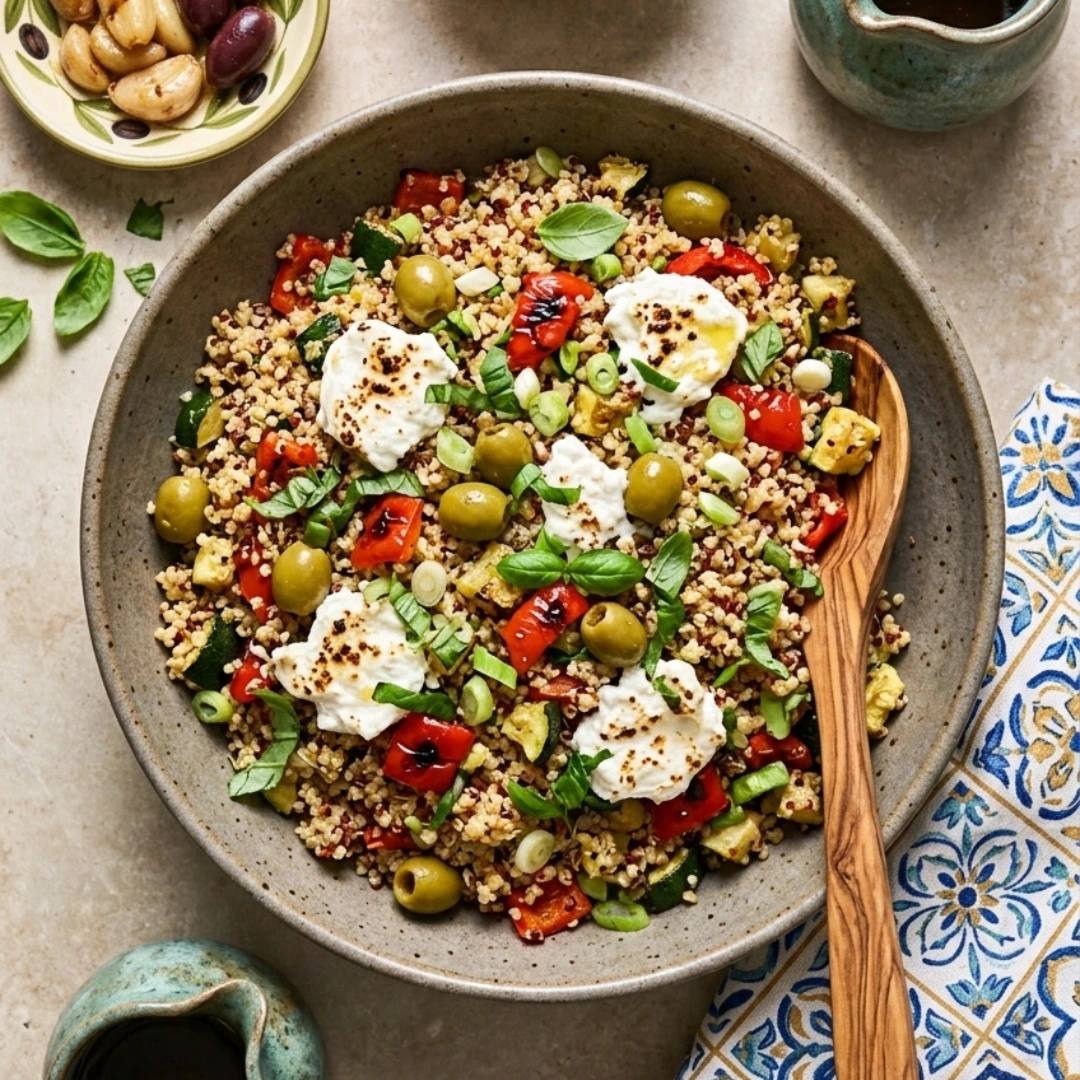
The Mediterranean diet has long been celebrated as one of the healthiest and most flavorful ways to eat, and this Greek Quinoa Salad is a shining example of why. By swapping traditional pasta or bulgur for protein-rich quinoa, we transform a classic salad into a powerhouse meal that keeps you satisfied without feeling heavy. This dish is a vibrant explosion of textures—from the snap of English cucumbers to the creamy crumble of high-quality feta cheese—all tied together by a bright, citrusy dressing that wakes up every taste bud. Whether you are looking for a reliable meal prep solution for a busy work week or a colorful side dish to impress guests at your next backyard gathering, this salad delivers on every front. It is naturally gluten-free, vegetarian-friendly, and incredibly adaptable, making it a staple in any modern kitchen.
Essential Ingredients for Success
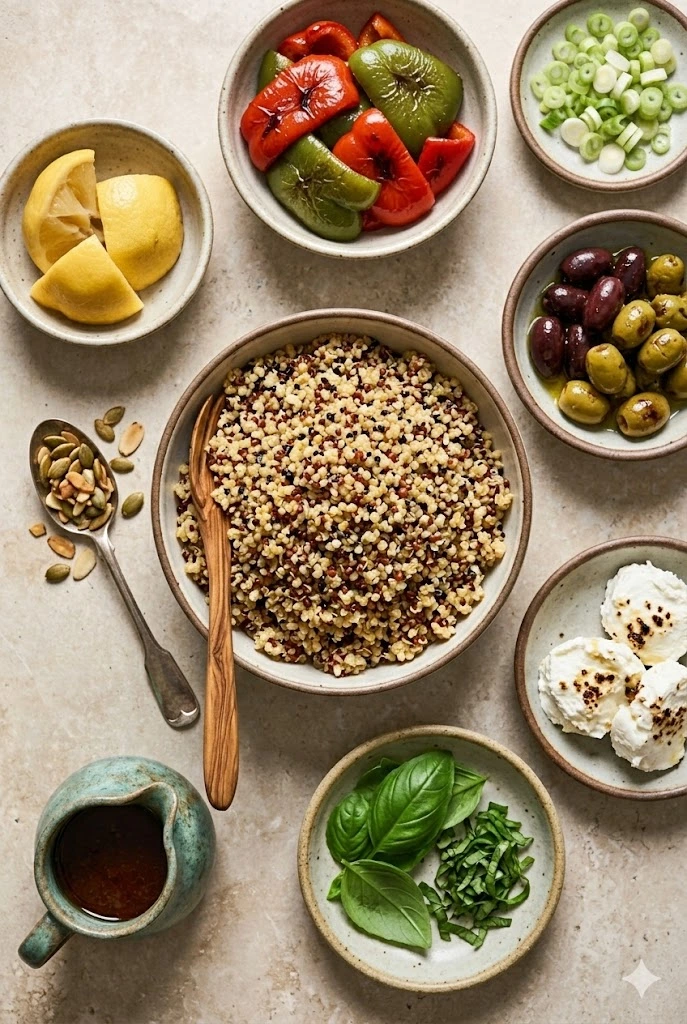
To achieve the best flavor profile, ensure your produce is as fresh as possible. The contrast between the earthy quinoa and the sharp, briny olives is what makes this dish truly iconic.
For the Salad Base:
- 1 cup dry quinoa (any color: white, red, or tri-color)
- 2 cups water
- 1 pinch Kosher salt
- 2 cups grape tomatoes, halved
- 1 English cucumber, chopped into bite-sized pieces
- 1/2 cup pitted Kalamata olives, sliced into halves
- 1/3 cup red onion, finely diced
- 1/2 cup feta cheese, crumbled
- Kosher salt and freshly ground black pepper to taste
For the Zesty Vinaigrette:
- 1/3 cup extra virgin olive oil
- 2 tablespoons red wine vinegar
- 1 tablespoon fresh lemon juice
- 1 teaspoon honey
- 1 clove garlic, minced fine
- 1/4 teaspoon Dijon mustard
- 1 teaspoon dried oregano
- Kosher salt and black pepper to taste
Core Preparation Instructions
Follow these precise steps to ensure your grains are fluffy and your vegetables remain crisp.
- Rinse the Grains: Place the dry quinoa in a fine-mesh strainer and rinse thoroughly under cold running water for at least thirty seconds. This removes the naturally occurring saponin coating which can cause a bitter aftertaste.
- Cook the Quinoa: In a medium-sized saucepan, combine the rinsed quinoa, two cups of water, and a pinch of salt. Bring the mixture to a rolling boil over medium-high heat. Once boiling, reduce the heat to low, cover the pan with a tight-fitting lid, and simmer for approximately fifteen minutes. You will know it is done when the water is fully absorbed and the quinoa appears translucent with a small visible “tail” or germ.
- Rest and Cool: Remove the pan from the heat and let it sit, covered, for five minutes. Remove the lid, fluff the grains gently with a fork, and then allow the quinoa to cool completely to room temperature.
- Emulsify the Dressing: While the quinoa cools, prepare the vinaigrette. In a small glass bowl or a mason jar, combine the olive oil, red wine vinegar, lemon juice, honey, minced garlic, Dijon mustard, and dried oregano. Whisk vigorously or shake the jar until the ingredients are fully emulsified.
- Combine the Components: In a large mixing bowl, add the cooled quinoa, halved grape tomatoes, chopped English cucumber, sliced Kalamata olives, diced red onion, and crumbled feta cheese.
- Dress and Season: Pour the prepared vinaigrette over the salad. Use a large spoon or salad tongs to toss everything together until the quinoa and vegetables are evenly coated. Taste and add Kosher salt or freshly ground black pepper as needed.
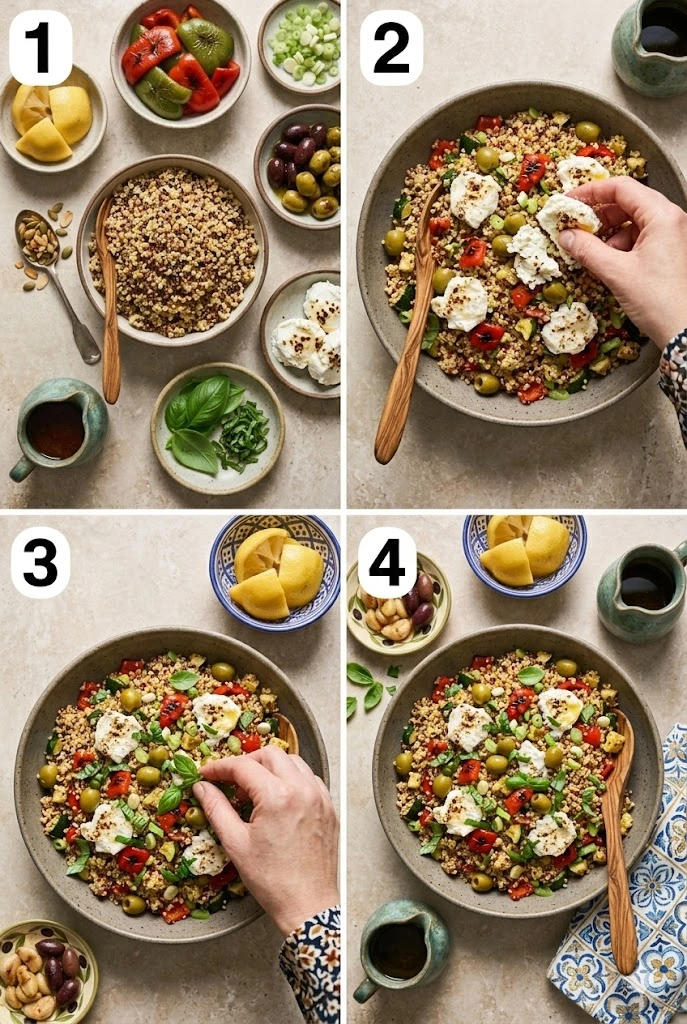
Mastering the Art of Fluffy Quinoa
The foundation of this Greek Quinoa Salad is, of course, the quinoa itself. Achieving the perfect texture—tender yet slightly al dente—is a culinary skill that elevates this dish from a simple salad to a gourmet experience. One of the most common mistakes home cooks make is skipping the rinsing process. Quinoa seeds are protected by saponins, which are bitter-tasting compounds. While many pre-packaged quinoas claim to be pre-rinsed, a quick thirty-second blast under the tap ensures a clean, nutty flavor profile every time.
When simmering, the ratio of liquid to grain is paramount. We use a two-to-one ratio of water to quinoa. For a deeper flavor, some chefs prefer to use vegetable broth instead of water, though water keeps the flavors of the fresh Greek vegetables at the forefront. The most critical part of the cooking process happens after the heat is turned off. Allowing the quinoa to steam with the lid on for five minutes after the water has vanished allows the moisture to redistribute, preventing the bottom from sticking and ensuring every grain is separate and fluffy. If you mix the dressing into hot quinoa, the grains will absorb the liquid too quickly and become mushy. Patience is your best friend here; let those grains reach room temperature before the assembly begins.
Achievable Modifications and Flavor Swaps
While the traditional Greek Quinoa Salad is a masterpiece of balance, there are plenty of ways to tailor it to your dietary needs or pantry availability. If you are following a vegan lifestyle, the most obvious swap is the feta. You can find excellent plant-based feta alternatives made from almond or coconut oil that mimic that signature tang. Alternatively, adding a half-cup of toasted chickpeas provides a similar textural contrast without the dairy.
For those who enjoy a bit of extra crunch, consider adding diced bell peppers—red or yellow work beautifully to add sweetness and color. If you find raw red onion to be too pungent, a professional trick is to soak the diced onions in a bowl of ice water for ten minutes before draining and adding them to the salad. This “tames” the sulfurous bite while retaining the crunch. If you don’t have English cucumbers on hand, Persian cucumbers are an excellent substitute because they have thin skins and very few seeds, maintaining the structural integrity of the salad even after a day or two in the refrigerator.
Elevating the Dish with Unique Culinary Insights
To take this salad to a restaurant-quality level, consider the “layering” of flavors. The dressing uses both red wine vinegar and fresh lemon juice. This dual-acid approach is a secret of many Mediterranean chefs. The vinegar provides a sharp, consistent acidity, while the lemon juice adds a bright, floral top note that cuts through the richness of the olive oil.
Furthermore, the choice of feta matters. If possible, purchase feta that comes in a block of brine rather than the pre-crumbled variety. Brined feta is significantly creamier and more flavorful. When you crumble it yourself, you get a mix of large chunks and tiny specks that melt into the dressing, creating a semi-creamy texture that coats the quinoa beautifully. Lastly, don’t underestimate the power of dried oregano. In Greek cooking, dried oregano is often preferred over fresh because its flavor is more concentrated and earthy, standing up better to the strong flavors of garlic and olives.
Optimal Serving Suggestions and Accompaniments
This Greek Quinoa Salad is hearty enough to serve as a standalone vegetarian main course, but it truly shines when paired with other Mediterranean classics. It is the perfect companion to grilled proteins. Imagine a skewer of lemon-marinated chicken kabobs or a piece of flaky wild-caught salmon served right on top of a bed of this chilled salad. The contrast of the warm protein against the cool, crisp vegetables is phenomenal.
If you are hosting a larger gathering, serve this alongside a platter of warm pita bread, a bowl of silky hummus, and a dollop of fresh tzatziki. It also works as a fantastic “base” for a Mediterranean bowl. You can add a scoop of roasted eggplant or a handful of fresh baby spinach to the bottom of the bowl before piling on the quinoa salad. For a finishing touch, a sprinkle of fresh parsley or mint can add an extra layer of herbaceous freshness that complements the dried oregano in the vinaigrette.
Comprehensive Guide to Meal Prepping and Storage
One of the greatest advantages of this recipe is its longevity. Unlike leafy green salads that wilt within hours of being dressed, quinoa actually benefits from a bit of “marinating” time. When stored in an airtight glass container, this salad remains fresh and delicious for up to four days in the refrigerator.
If you are meal prepping for the week, consider storing the dressing separately if you prefer the vegetables to stay at their absolute peak of crispness. However, if you enjoy the way the quinoa soaks up the lemon and garlic flavors, dressing it immediately is perfectly fine. The only ingredient that doesn’t hold up well over long periods is the tomato; if you plan on eating this on day four or five, you might consider adding the halved tomatoes right before you eat. This salad should never be frozen, as the cellular structure of the cucumbers and tomatoes will collapse upon thawing, resulting in a watery and unappealing texture.
Deep-Dive Culinary FAQ
How do I prevent my quinoa from being bitter?
The bitterness in quinoa comes from a natural coating called saponin. To eliminate this, always rinse your dry quinoa in a fine-mesh strainer under cold water for at least thirty seconds. Even if the box says “pre-rinsed,” a second wash is a foolproof way to ensure a clean, nutty taste.
Can I make this salad ahead of time for a party?
Absolutely! In fact, this salad often tastes better after two or three hours in the fridge because it gives the dressing time to penetrate the quinoa. If you are making it twenty-four hours in advance, just give it a quick toss before serving and perhaps a tiny squeeze of fresh lemon to “wake up” the flavors.
What is the best type of quinoa to use for this recipe?
While white quinoa is the most common and has the softest texture, red or tri-color quinoa holds its shape slightly better and offers a more pronounced “pop” when you bite into it. Any variety will work, so feel free to use what you have in your pantry or whatever looks most vibrant to you.
Is this salad suitable for a gluten-free diet?
Yes, quinoa is naturally gluten-free. It is actually a seed, not a grain, making it an excellent choice for those with celiac disease or gluten sensitivities. Always ensure your Dijon mustard and vinegar are certified gluten-free if you are cooking for someone with a severe allergy.
How can I add more protein to make this a full meal?
While quinoa is a complete protein on its own, you can easily boost the heartiness by adding a can of rinsed chickpeas (garbanzo beans). You could also stir in some shredded rotisserie chicken or serve it with a side of grilled shrimp.
A Final Word on the Mediterranean Lifestyle
Creating this Greek Quinoa Salad is about more than just following a recipe; it is about embracing a style of eating that prioritizes whole, unprocessed ingredients and bold, natural flavors. There is a certain joy in the ritual of chopping fresh vegetables and whisking together a homemade vinaigrette that you just can’t get from a store-bought kit. As you enjoy this dish, you are nourishing your body with fiber, healthy fats, and essential minerals, all while indulging in a meal that feels like a vacation in a bowl. Whether it becomes your go-to Tuesday lunch or your signature potluck contribution, this salad is sure to become a permanent fixture in your culinary repertoire.
Nutrient Profile Per Serving
| Nutrient | Amount Per Serving |
| Calories | 315 calories |
| Total Fat | 18 grams |
| Saturated Fat | 4 grams |
| Cholesterol | 10 milligrams |
| Sodium | 480 milligrams |
| Total Carbohydrates | 32 grams |
| Dietary Fiber | 6 grams |
| Sugars | 4 grams |
| Protein | 9 grams |
Disclaimer
The nutritional information provided is an estimate based on standard ingredient measurements. Actual nutritional values may vary depending on the specific brands of feta, olive oil, and produce used. Consult with a healthcare professional for specific dietary advice.
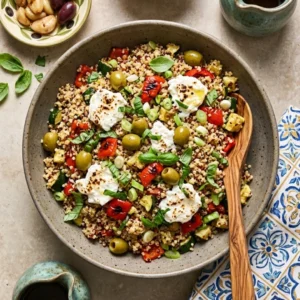
The Ultimate Greek Quinoa Salad
Ingredients
- 1 cup dry quinoa (any color)
- 2 cups water
- 1 pinch Kosher salt
- 2 cups grape tomatoes, halved
- 1 English cucumber, chopped
- 0.5 cup pitted Kalamata olives, sliced
- 0.33 cup red onion, finely diced
- 0.5 cup feta cheese, crumbled
- 0.33 cup extra virgin olive oil
- 2 tbsp red wine vinegar
- 1 tbsp fresh lemon juice
- 1 tsp honey
- 1 clove garlic, minced
- 0.25 tsp Dijon mustard
- 1 tsp dried oregano
Instructions
- Rinse the quinoa thoroughly in a fine-mesh strainer under cold water for 30 seconds to remove bitterness.
- In a medium saucepan, combine quinoa, water, and a pinch of salt. Bring to a boil, then reduce heat to low, cover, and simmer for 15 minutes.
- Remove from heat and let the quinoa sit covered for 5 minutes. Fluff with a fork and let it cool to room temperature.
- Whisk together the olive oil, red wine vinegar, lemon juice, honey, garlic, mustard, and oregano in a small jar or bowl.
- In a large mixing bowl, combine the cooled quinoa, tomatoes, cucumber, olives, red onion, and crumbled feta.
- Pour the dressing over the salad and toss well. Season with salt and black pepper to taste before serving.
Notes
Equipment
- Fine-mesh strainer
- Medium saucepan with lid
- large mixing bowl
- Small whisk or mason jar