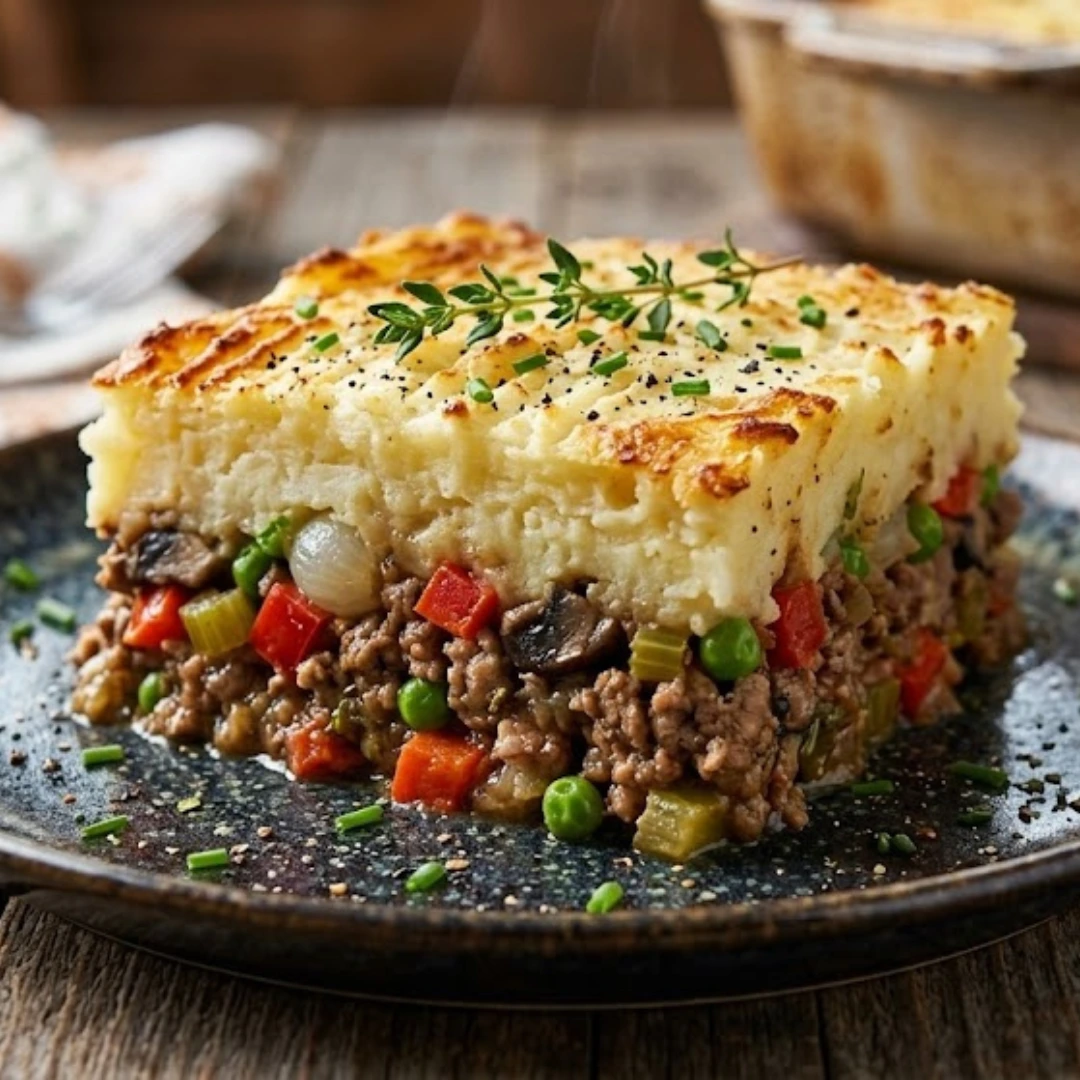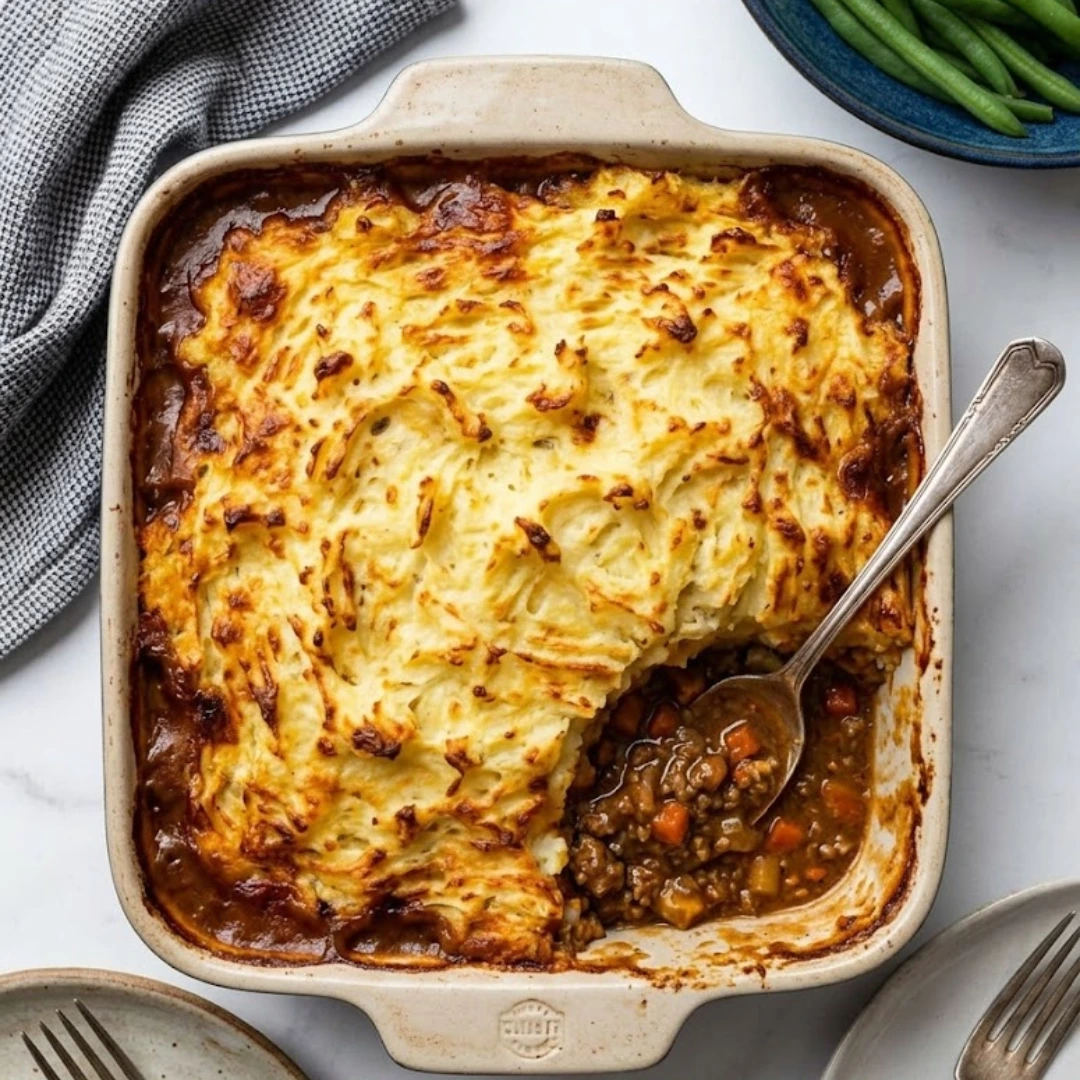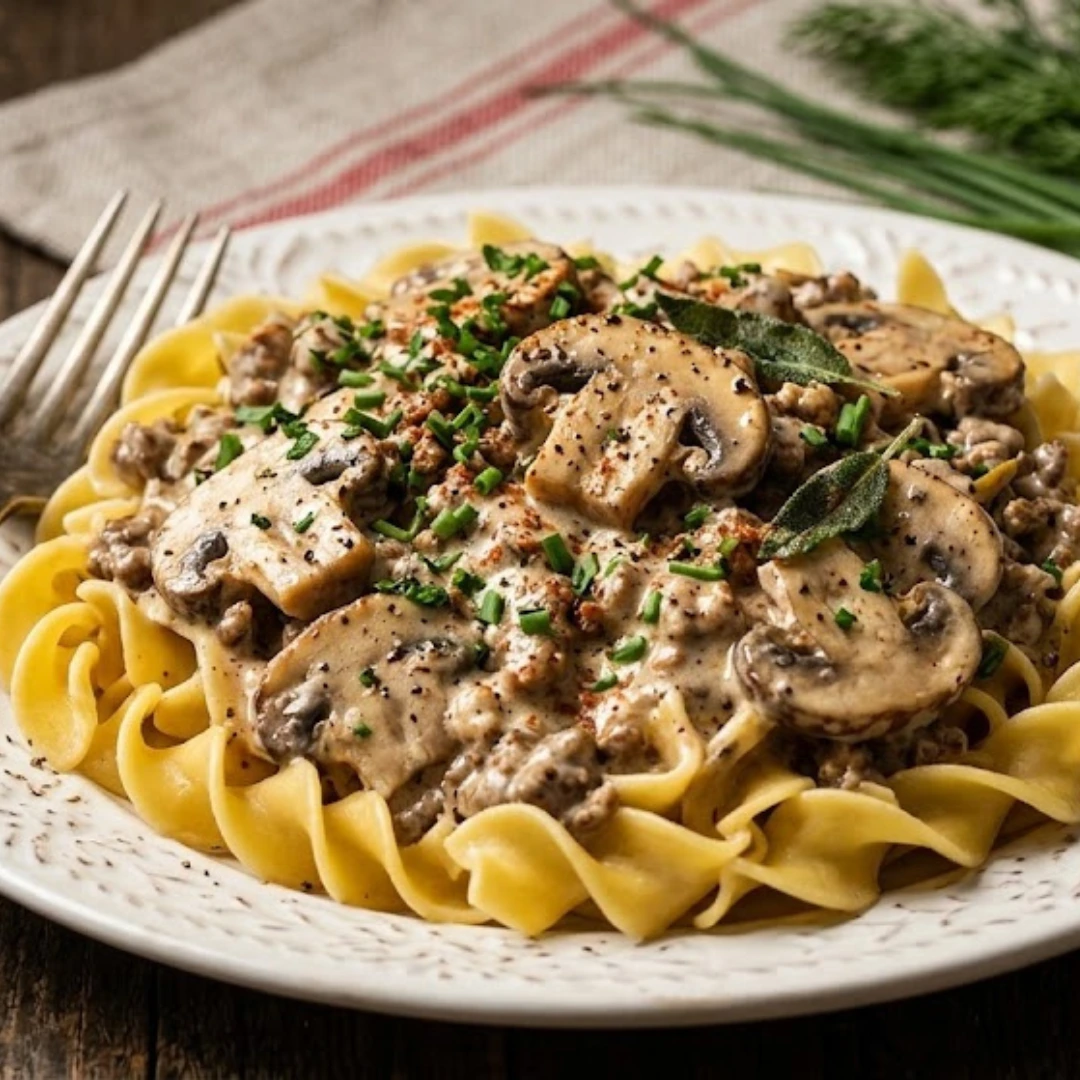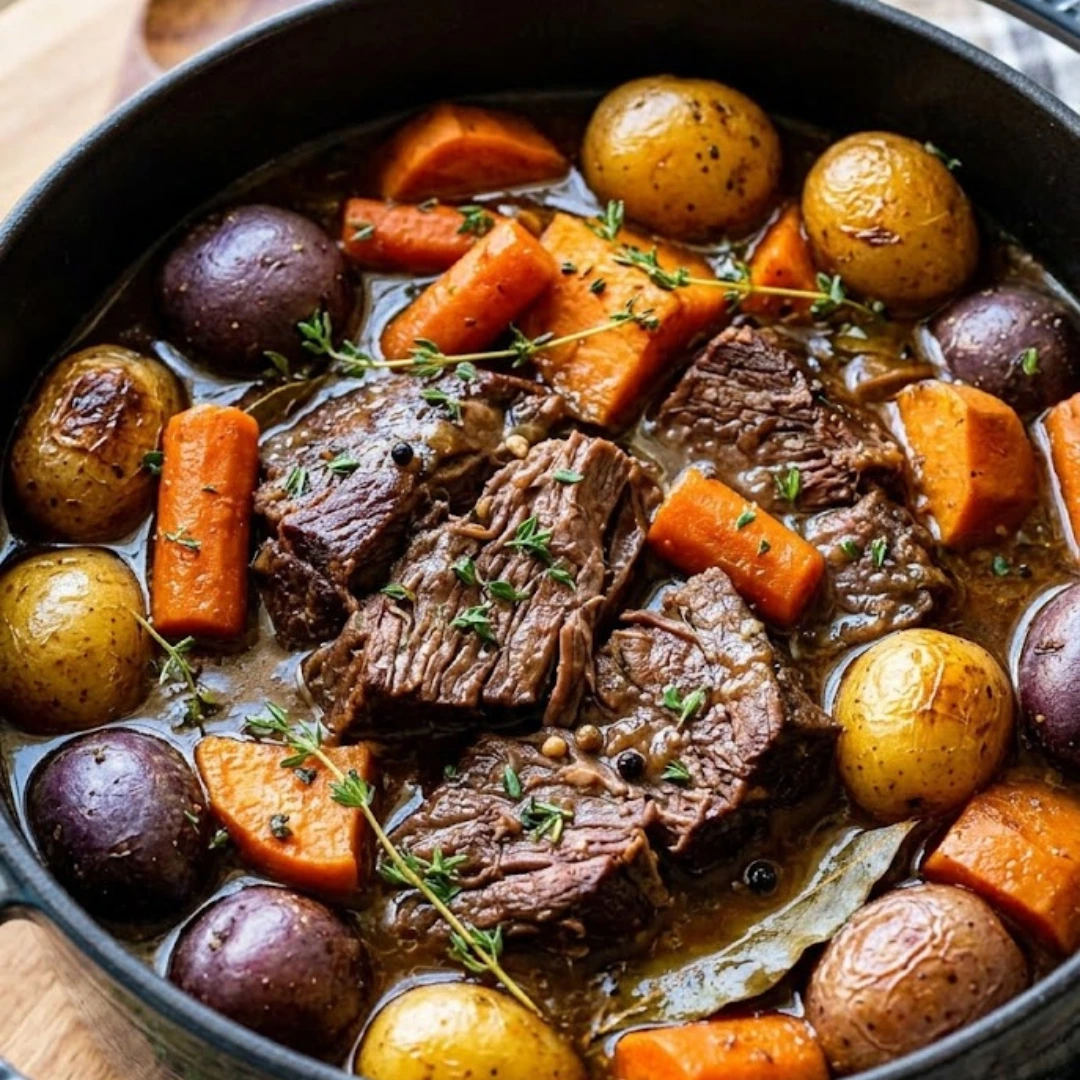
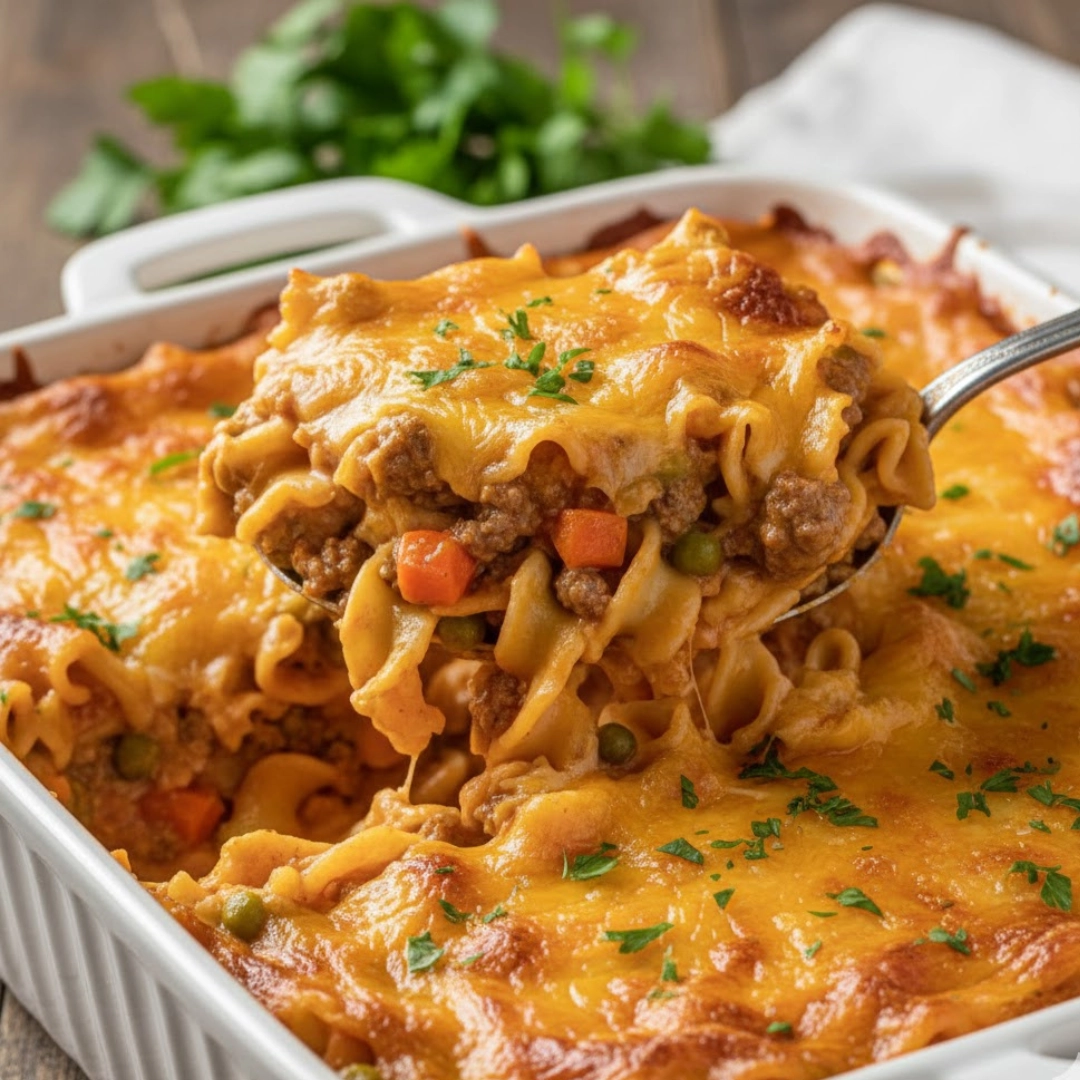
This dish is more than just dinner; it’s a direct link to the Sunday suppers of your childhood, a recipe that speaks to simple, hearty American cooking. The beauty of this Grandma’s Ground Beef Casserole lies in its unpretentious nature—layers of savory, seasoned ground beef, tender vegetables, and a creamy binder, all topped with golden, bubbly cheese. It’s the ultimate make-ahead meal, perfect for a busy weekday when you need reliable comfort without the fuss, or a gathering where you want to serve something universally loved and deeply satisfying. This rendition focuses on deep, complex flavor with techniques that ensure a moist interior and a perfect crust every time.
Table of Contents
The Essential Building Blocks
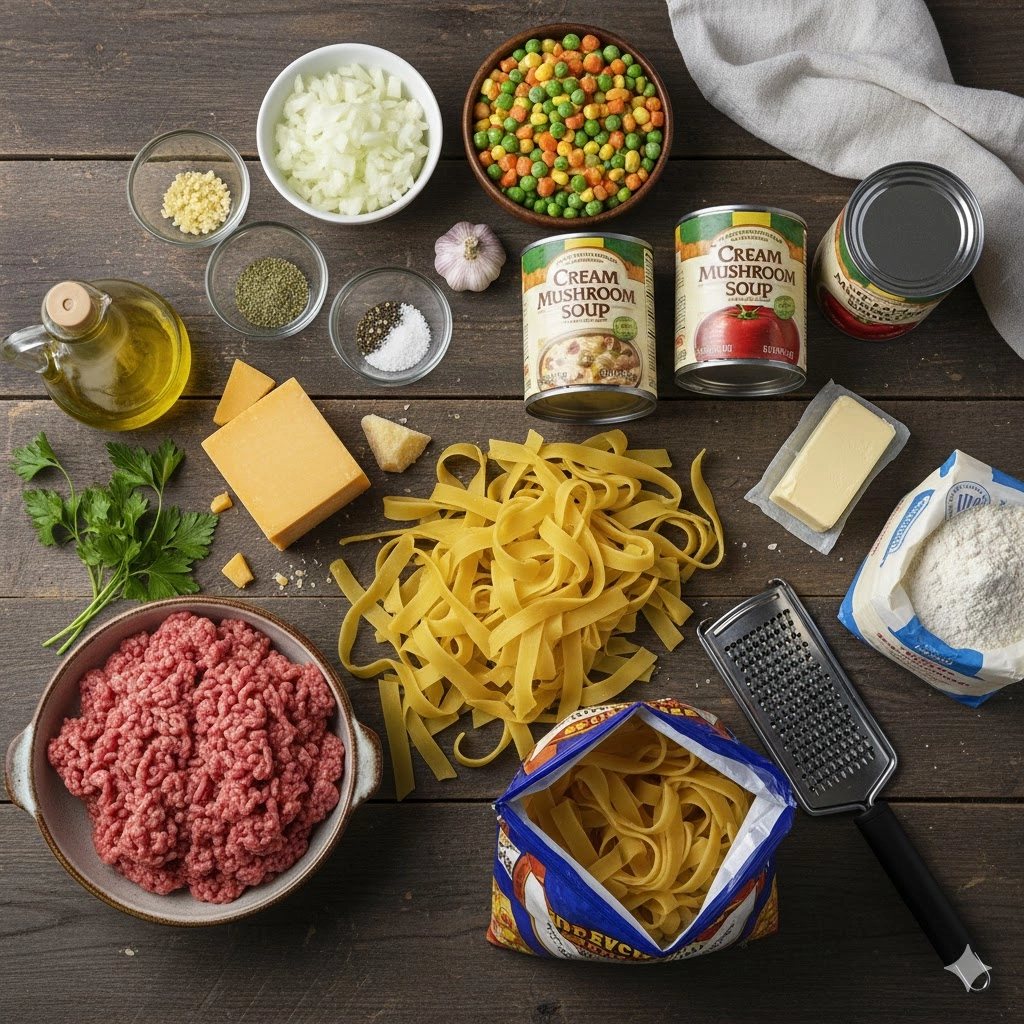
A classic dish requires a foundational list of high-quality ingredients. For best results, use fresh, whole-milk dairy and grate the cheeses yourself.
For the Beef Base:
- 2 pounds lean ground beef (eighty percent lean recommended)
- 1 medium yellow onion, finely diced
- 2 cloves garlic, minced
- 1 cup frozen mixed vegetables (peas, carrots, corn)
- 1 (10.5 ounce) can condensed cream of mushroom soup
- 1 (15 ounce) can tomato sauce
- 1 teaspoon dried Italian seasoning
- 1/2 teaspoon salt
- 1/4 teaspoon black pepper
- 2 tablespoons olive oil
For the Noodle and Topping Layer:
- 1 (12 ounce) package wide egg noodles
- 4 tablespoons unsalted butter
- 1/4 cup all-purpose flour
- 2 cups milk, whole or two percent
- 1 cup sharp cheddar cheese, shredded
- 1/2 cup Parmesan cheese, grated
Assembling the Foundation
This is the macro-level view of the process, designed for quick reference.
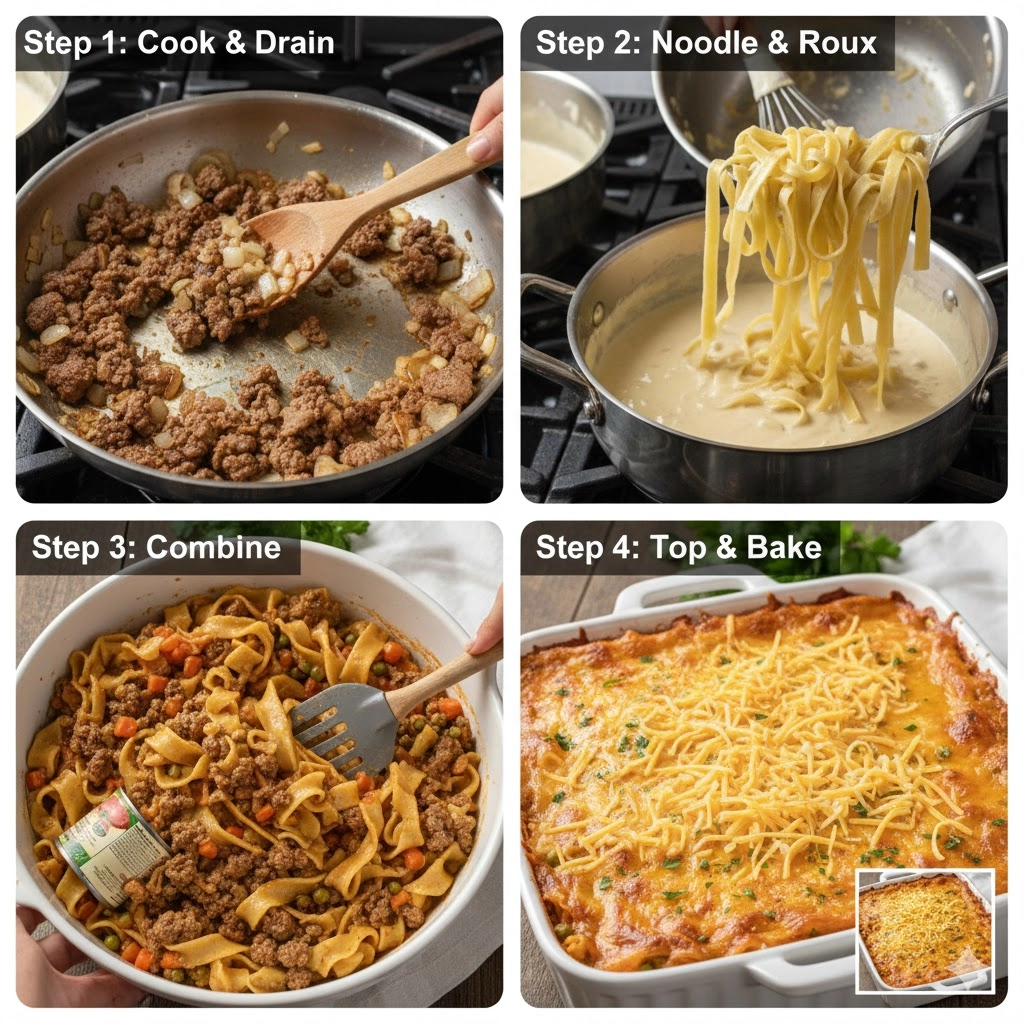
- Cook the egg noodles until they are just shy of tender, according to package directions. Drain immediately and set aside.
- Brown the ground beef with the diced onion and garlic in a large skillet until no pink remains. Drain any excess fat thoroughly and reserve the mixture.
- Prepare the savory binding sauce by melting the butter, whisking in the flour to form a roux, and gradually adding the milk until the sauce is thick and smooth.
- In a large mixing bowl, combine the cooked ground beef, the cream of mushroom soup, tomato sauce, Italian seasoning, salt, and pepper.
- Gently fold the partially cooked noodles and the frozen mixed vegetables into the beef mixture until everything is evenly coated in the sauce.
- Transfer the entire mixture into a well-greased 9×13-inch baking dish, spreading it into an even layer.
- Sprinkle the shredded cheddar and Parmesan cheeses evenly over the top layer of the casserole.
- Bake the dish in a preheated oven at three hundred fifty Fahrenheit for twenty-five to thirty minutes, until the topping is melted, golden, and visibly bubbling at the edges.
Mastering the Bake: Technique and Timing
True success in casserole making is found in the details—the sensory cues, the precise timing, and the avoidance of common kitchen pitfalls. Achieving that coveted, deeply satisfying texture requires focus on technique from the very first step.
The genesis of flavor starts with a proper sauté. Begin by heating your olive oil over a medium-high flame. The onion and garlic need careful attention here. Add the onion first, letting it soften and become translucent—a process that should take four to six minutes. You are looking for a complete breakdown of the onion’s sharp sulfurous notes, leaving behind a subtle, sweet mellowness, not browning. Once the onions have begun to yield, introduce the minced garlic for the final minute. The resulting scent should be powerfully fragrant and pungent; if you smell a hint of bitterness, you have pushed the heat too high.
The ground beef should be added to the same skillet, breaking it up initially with a wooden spoon or spatula. Keep the heat steady. The audible cue for readiness is the intense sizzling quieting down as the fat renders out and the water evaporates. You must continue cooking until every speck of pink has completely vanished, transitioning the color to a rich, uniform brown. After browning, the single most crucial step for a palatable casserole is drainage. Tilt the pan and use a spoon to remove every drop of rendered fat. A greasy casserole is a heavy one; a well-drained one is savory and clean, allowing the intended flavors of the seasoning and sauce to shine.
The creamy binder is what separates a good casserole from a dry one. In a separate saucepan, melt the measured butter over medium heat. When it foams and subsides, whisk in the all-purpose flour. This combination creates the roux. Let it cook for one full minute, stirring constantly. This necessary step, sometimes called the cuisson, eliminates the raw, pasty flour taste. The mixture should smell faintly nutty, a sign of its readiness. Now, introduce the milk slowly, about half a cup at a time, whisking vigorously after each addition to eradicate any potential lumps. You are looking for a sauce that coats the back of a spoon thickly, indicating a velvety texture suitable for binding the entire dish.
The cooked noodles, the beef mixture, the soup, tomato sauce, and the white binder sauce all converge here. Use the largest mixing bowl you own to ensure you can fold the ingredients without mashing the delicate noodles. The goal is even distribution, ensuring that every bite of the finished Grandma’s Ground Beef Casserole contains a perfect balance of beef, noodle, and sauce. The seasoning is applied now—the Italian herbs and simple salt and pepper—to allow the flavors to begin their meld before baking. Sensory check: The raw mixture should taste slightly salty and highly savory, as the flavors will mellow and unify somewhat during the heat of the oven.
When transferring the mixture to the baking dish, ensure the surface is relatively flat; this promotes even cooking and an aesthetically pleasing, uniform cheese crust. Distribute the shredded cheddar and Parmesan evenly across the top layer. The temperature of three hundred fifty Fahrenheit is intentionally conservative because it allows the dish to heat all the way through without burning the cheese or overcooking the noodles. The visual cue of doneness is unmistakable: the sides will be visibly bubbling, and the cheese topping will be completely melted and transformed into a deep golden-brown, with a few slightly crispy, caramelized edges. Once removed, let the casserole rest for ten minutes. This allows the creamy sauce to set up and prevents it from running out when you cut the first slice, making for a cleaner, more appealing presentation.
Elevating the Classic: Culinary Insights
These recipe-specific insights transform a basic casserole into a memorable, deeply flavored main dish.
- Roast Your Aromatics: Instead of simply sautéing the onion and garlic, try roasting the yellow onion whole (peeled) for twenty minutes at four hundred Fahrenheit before dicing and sautéing. The natural sugars caramelize beautifully, lending a subtle, deep sweetness to the entire dish that exquisitely balances the acidity of the tomato sauce.
- The Power of Umami Dust: After thoroughly draining the ground beef, sprinkle in two teaspoons of Worcestershire sauce or a quarter cup of beef broth and let it fully absorb before adding the remaining seasonings. This provides a depth of savory umami that makes the beef flavor pop against the creaminess of the sauce and adds richness.
- Preventing Soggy Noodles: Always cook your wide egg noodles al dente—or even slightly less cooked than that. They will continue to absorb moisture from the substantial sauce during the baking process. If they are cooked perfectly on the stove, they will inevitably become mushy and overdone in the final dish. A little chewiness is desirable before baking.
- A Smoked Cheese Edge: For the topping, substitute one-half cup of the sharp cheddar with smoked Gouda or smoked provolone. This introduces a smoky, complex layer of flavor that elevates the classic topping beyond simple sharpness and adds an unexpected depth to the crust.
- Achieving a Flawless Crust: If your cheese is browning too quickly before the casserole is fully heated through, loosely tent the dish with aluminum foil for the first fifteen minutes of baking. Remove the foil for the final ten to fifteen minutes to achieve the perfect balance of internal temperature and external golden color.
- Herb Finish: Don’t let the fresh herbs stop at the dried Italian seasoning. Upon serving, sprinkle the top generously with freshly chopped parsley and chives. The bright, verdant flavor and color cut through the inherent richness of the casserole, making it feel less heavy and more vibrant on the palate.
- Skip the Can (Partially): If you wish to minimize reliance on the condensed soup, you can substitute it with a half cup of reserved beef broth mixed with one tablespoon of cream cheese and a teaspoon of cornstarch. This thickens the liquid with a familiar tanginess but allows for more control over the sodium content.
Swapping and Shifting: Creative Modifications
The flexibility of a casserole is one of its greatest strengths. Here are tested modifications for different dietary needs and flavor preferences.
- Protein Swap: While the classic recipe calls for ground beef, you can easily substitute ground turkey or a fifty-fifty mix of ground pork and beef. If using turkey, you will need to add an extra tablespoon of olive oil or use a higher-fat turkey mixture (ninety percent lean or less) during the browning process, as turkey is significantly leaner and benefits from the added fat to carry flavor and prevent dryness.
- Vegetable Overhaul: Beyond the standard frozen mixed vegetables, consider adding finely chopped mushrooms, which blend seamlessly into the beef base and provide an earthy, meaty note. Alternatively, gently wilted spinach or kale stirred in during the final mixing step introduces a nutritional boost and a pleasant dark green color without drastically changing the texture of the main components.
- Gluten-Free Alternative: This casserole adapts well for those avoiding gluten. Use a gluten-free wide egg noodle (often rice or corn-based). For the creamy binder, substitute the all-purpose flour with a cornstarch slurry (one tablespoon cornstarch mixed with two tablespoons cold water, added slowly to the simmering milk). Ensure the slurry fully thickens before incorporating it into the main mixture.
- Spice Kick: Introduce a subtle warmth by stirring in a quarter teaspoon of red pepper flakes with the Italian seasoning and black pepper. For a bolder, more Southwestern profile, dice one small jalapeño (seeds removed) and sauté it alongside the onions in the initial step. The heat is largely muted by the dairy in the dish, leaving a pleasant warmth rather than overwhelming spice.
- Cheese Profile Change: For those who prefer sharper flavors, replace the cheddar with a mature, grated Gruyère cheese. Gruyère melts beautifully and provides a nutty, more complex flavor than standard cheddar, lending the casserole a slightly more elevated character.
Presentation and Pairing: Completing the Meal
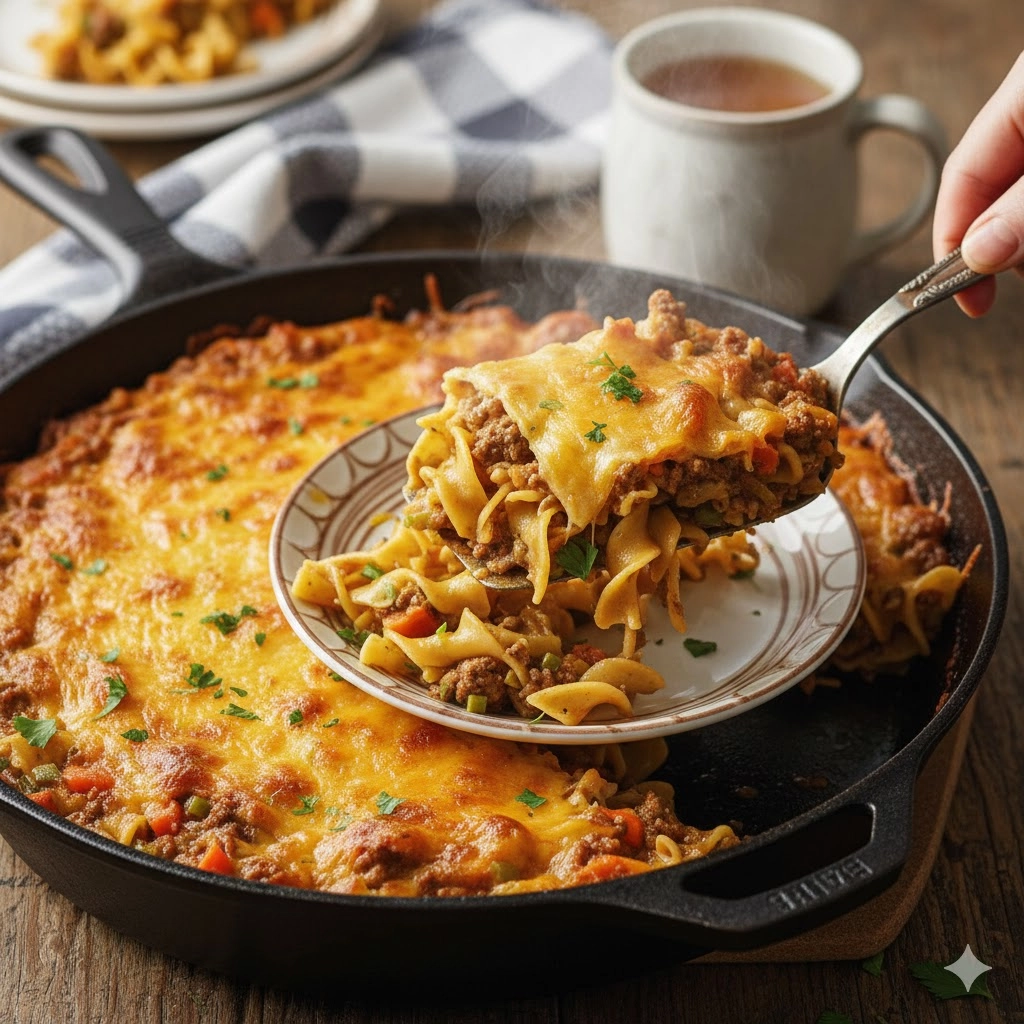
A generous serving of this casserole is truly a meal unto itself, but the richness of the dish benefits immensely from contrasting textures and flavors on the plate. Pairing the casserole with the right side dish can turn a simple weeknight dinner into a balanced, impressive spread.
- Bright, Acidic Salad: The most traditional and effective pairing is a simple, undressed green salad or one tossed lightly in a sharp vinaigrette. A mixed greens salad featuring cucumber, thinly sliced radishes, and a lemon-Dijon dressing provides the necessary acidity to cut through the inherent richness of the ground beef and creamy sauce, cleansing the palate between bites. The cool, crisp texture offers a fantastic textural counterpoint to the soft, creamy casserole.
- Blistered Green Beans: Instead of soft, boiled vegetables, try blanching fresh green beans for two minutes, then finishing them in a screaming-hot skillet with a drizzle of olive oil, a pinch of salt, and a dash of pepper until the skins are slightly charred and blistered. This introduces a desirable smokiness and a snappy texture that plays well against the deep savoriness of the main dish. The textural difference is key to a balanced plate.
- A Crusty French Loaf: Given the ample, comforting sauce base, serving thick slices of a crusty baguette or Italian bread is essential. This serves two purposes: it’s an immediate crowd-pleaser and it acts as the perfect vehicle for soaking up any residual sauce left on the plate, ensuring nothing goes to waste. A light brush of melted garlic butter on the bread before a quick toast adds an extra layer of aroma.
Your Casserole Questions Answered
Addressing the most common inquiries about preparation, storage, and texture.
How do I store and reheat leftovers effectively?
Leftover portions should be cooled completely before being covered tightly with a lid or plastic wrap and refrigerated for up to four days. To reheat, the best method is to cover individual servings and bake them in an oven at three hundred Fahrenheit until heated through, which preserves the crust and prevents the noodles from drying out. Avoid using a microwave for large portions, as it can often heat unevenly and make the cheese rubbery and tough.
Can I freeze this recipe for later meal preparation?
Absolutely. This Grandma’s Ground Beef Casserole freezes exceptionally well both before and after baking. If freezing unbaked, cover it tightly with plastic wrap and then foil, and thaw it in the refrigerator overnight before baking as directed. If freezing baked leftovers, cut the dish into individual servings, wrap securely in foil, and freeze for up to three months for the best quality.
My cheese crust is very greasy; what went wrong?
Grease separation in the cheese topping usually happens when the cheese contains high moisture or high oil content, or when the ground beef was not properly drained. To fix this, ensure you are using a sharp cheddar that you shred yourself, as pre-shredded varieties often contain anti-caking agents that contribute to a grainy texture. Most importantly, it is imperative to thoroughly drain the beef fat before assembling the casserole to keep the entire dish light and clean.
What is the best way to prevent the noodles from becoming mushy?
The key is undercooking the noodles significantly in the initial step; aim for about one-half to two-thirds of the recommended cooking time on the package instructions. The noodles should still have a tough, chalky center. Also, make sure the casserole is baked only until the center is hot and bubbling, as every minute past this point contributes to over-softening the pasta.
Can I use a different type of soup base?
While cream of mushroom is the classic choice, you can easily substitute cream of celery or cream of chicken soup if preferred. Each one will impart a slightly different background flavor, but they all provide the necessary thick, creamy base that holds the casserole together.
Nutritional Snapshot
| Nutrient | Amount per Serving |
| Calories | 645 kcal |
| Protein | 48 g |
| Carbs | 55 g |
| Fat | 28 g |
| Fiber | 5 g |
| Sugar | 7 g |
| Sodium | 890 mg |
A Note on Estimates
Nutrition information is an estimate and may vary based on preparation and ingredients used.
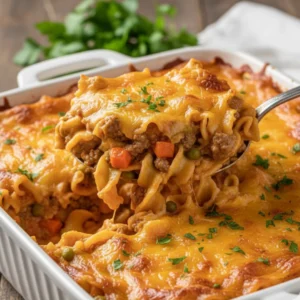
Grandma’s Ground Beef Casserole: A Timeless Family Meal
Ingredients
- 2 pounds lean ground beef (eighty percent lean recommended)
- 1 medium yellow onion, finely diced
- 2 cloves garlic, minced
- 1 cup frozen mixed vegetables (peas, carrots, corn)
- 1 (10.5 ounce) can condensed cream of mushroom soup
- 1 (15 ounce) can tomato sauce
- 1 teaspoon dried Italian seasoning
- 0.5 teaspoon salt
- 0.25 teaspoon black pepper
- 2 tablespoons olive oil
- 1 (12 ounce) package wide egg noodles
- 4 tablespoons unsalted butter
- 0.25 cup all-purpose flour
- 2 cups milk, whole or two percent
- 1 cup sharp cheddar cheese, shredded
- 0.5 cup Parmesan cheese, grated
Instructions
- Cook the egg noodles until they are just shy of tender (al dente), according to package directions. Drain immediately and set aside. (They will finish cooking in the oven.)
- Heat olive oil over medium-high heat. Brown the ground beef with the diced onion and garlic until no pink remains. Drain any excess fat thoroughly and reserve the mixture.
- Prepare the savory binding sauce: melt the butter, whisk in the flour to form a roux, and let it cook for one minute. Gradually add the milk, whisking constantly until the sauce is thick and smooth and coats the back of a spoon.
- In a large mixing bowl, combine the cooked ground beef, the cream of mushroom soup, tomato sauce, Italian seasoning, salt, and pepper.
- Gently fold the partially cooked noodles and the frozen mixed vegetables into the beef mixture until everything is evenly coated in the sauce. Transfer the entire mixture into a well-greased 9×13-inch baking dish.
- Sprinkle the shredded cheddar and Parmesan cheeses evenly over the top layer. Bake the dish in a preheated oven at three hundred fifty Fahrenheit for twenty-five to thirty minutes, until the topping is melted, golden, and visibly bubbling at the edges. Let rest for ten minutes before serving.
Notes
Equipment
- 9×13-inch baking dish
- large skillet or Dutch oven
- large mixing bowl
- saucepan For the creamy binder.