
When it comes to quick breads, there is a distinct charm in something that feels simultaneously elegant and incredibly comforting. A beautifully crafted lemon loaf is exactly that: a bright, moist, and tender dessert or breakfast slice, topped with a crystalline glaze that shatters slightly when you bite into it. This recipe for Glazed Lemon Loaf is engineered for maximum flavor—it’s not just faintly lemon, but intensely citrusy, drawing flavor from both the zest and the juice in the cake itself and, crucially, in the final, breathtaking glaze. This is the ideal bake for a chilly morning or as a bright conclusion to a heavier meal, proving that sometimes, the simplest flavors are the most profound.
Table of Contents
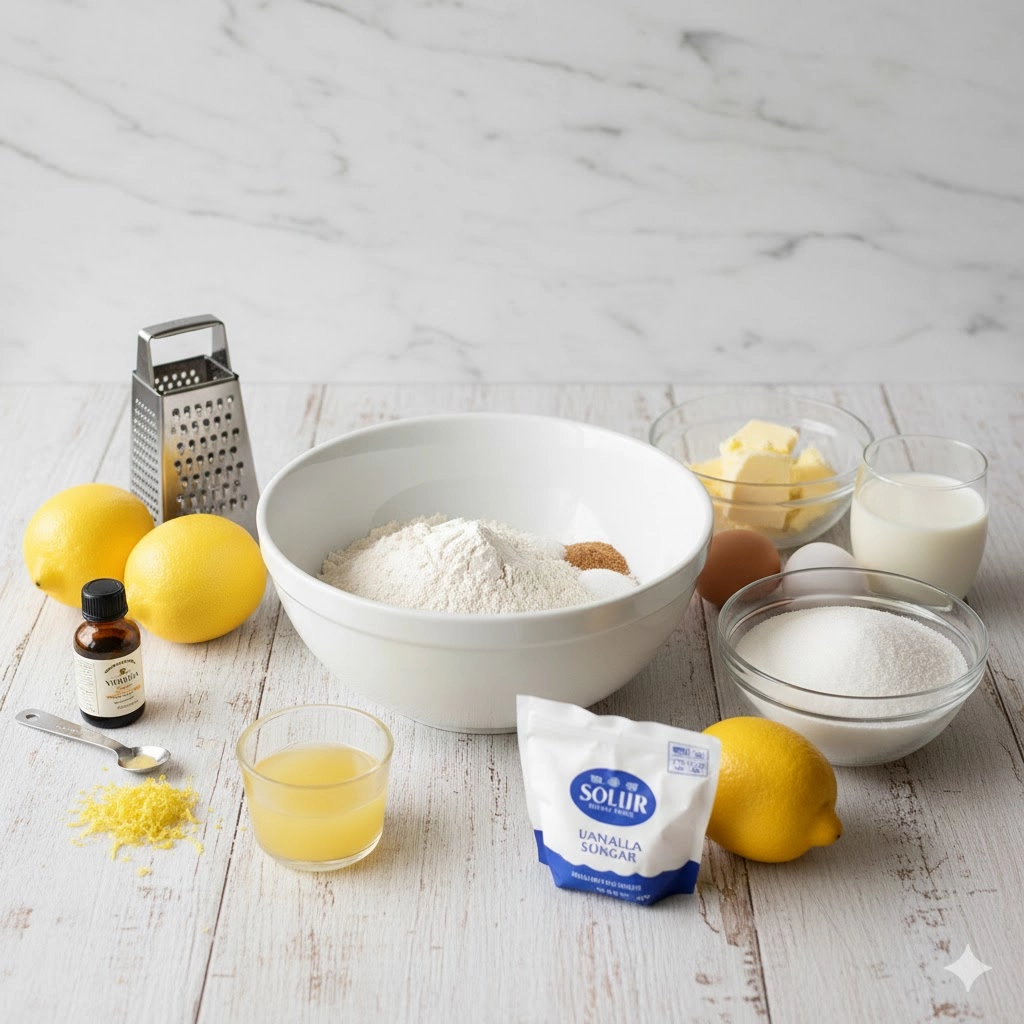
The Essential Components for Perfect Texture
A successful quick bread relies on precise ratios of wet and dry ingredients, coupled with the correct fat source, to ensure a tender crumb. For this recipe, we are using both butter and milk to achieve richness without becoming dense, and a careful balance of leaveners to give it that desirable dome.
For the Loaf:
- Dry Ingredients
- Two cups (240 grams) All-Purpose Flour
- One and one half teaspoons Baking Powder
- One half teaspoon Kosher Salt
- Dairy and Fat
- Eight tablespoons (113 grams or one stick) Unsalted Butter, softened to room temperature
- Three quarters cup Granulated Sugar
- Two large Eggs, at room temperature
- One half cup Whole Milk, at room temperature
- The Citrus Core
- Three tablespoons fresh Lemon Zest (from approximately three medium lemons)
- One quarter cup fresh Lemon Juice (plus two tablespoons extra for the post-bake soak)
- One teaspoon pure Vanilla Extract
For the Classic Glaze:
- One and one half cups Powdered Sugar (Confectioners’ Sugar)
- Four to six tablespoons fresh Lemon Juice
- One half teaspoon Lemon Zest (optional, for garnish)
Rapid Assembly: A Quick Bread Approach
The beauty of a loaf cake like this is its speed. Unlike yeast breads, there is no waiting for a rise, and the mixing process should be efficient.
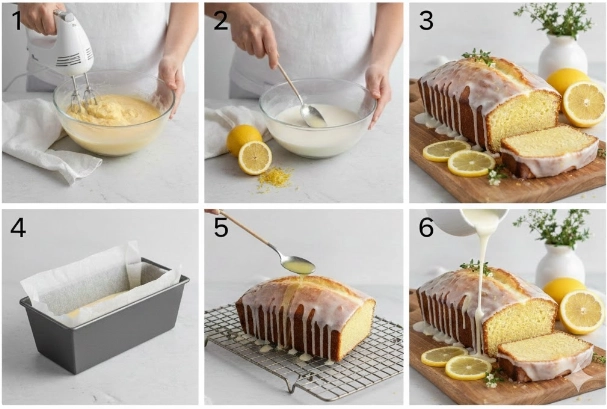
- Prepare the Pan and Dry Mix: Adjust the oven rack to the center position and preheat the oven to three hundred fifty Fahrenheit. Lightly grease a nine-inch by five-inch standard loaf pan, then line it with parchment paper, leaving an overhang on the long sides for easy removal. In a medium bowl, whisk together the flour, baking powder, and salt.
- Cream the Butter and Sugar: In a large mixing bowl, beat the softened butter and the granulated sugar together until the mixture is visibly lightened and fluffy, about three minutes. Ensure the mixture scrapes down the sides of the bowl frequently.
- Add Eggs and Zest: Beat in the eggs one at a time, ensuring each is fully incorporated before adding the next. Then, stir in the three tablespoons of lemon zest and the vanilla extract.
- Alternate Wet and Dry: Incorporate the dry mixture and the milk/lemon juice mixture in alternating additions. Start and end with the dry ingredients: add one third of the dry mixture, mix until just combined, then half of the milk/lemon juice mixture, then another third of the dry, the remaining liquid, and finally the last of the dry. Do not overmix.
- Bake the Loaf: Scrape the batter into the prepared loaf pan and smooth the top. Bake for fifty to sixty minutes.
- The Lemon Soak: Immediately upon removing the loaf from the oven, use a skewer to poke holes deeply and systematically across the entire top surface. Drizzle the two tablespoons of reserved lemon juice evenly over the hot cake. Let the cake cool completely in the pan for ten minutes before transferring to a wire rack.
- Glaze and Finish: Once the loaf is completely cool, whisk the powdered sugar and lemon juice together until smooth and thick. Pour the glaze over the loaf, allowing it to drizzle down the sides. Allow the glaze to set for at least thirty minutes before slicing.
Mastering the Oven Environment and Doneness
Baking a quick bread often seems straightforward, but the difference between a dry, dense cake and a tender, moist one often comes down to attention during the creaming and baking stages. A perfectly tender Glazed Lemon Loaf requires a careful eye on the clock and a sensitive hand during the mixing phase.
Prep Work Before Mixing
The absolute most critical step before beginning is ensuring all cold ingredients—the butter, eggs, and milk—are at true room temperature. Cold ingredients will resist emulsifying with the fat and sugar, resulting in a chunky, curdled batter that will bake into a heavy, unevenly textured cake. If your butter is too hard, slice it into smaller pieces and let it sit for twenty minutes. If you’re pressed for time, submerge the eggs in hot tap water for five minutes and lightly warm the milk in the microwave for ten seconds. This ensures a beautifully cohesive batter that holds moisture.
The Batter’s Consistency
The creaming process, where butter and sugar are beaten together, is key to incorporating air, which acts as a leavener. The mixture should be noticeably lighter in color, pale yellow, and airy, not just combined. After this, you must exercise restraint. Once you begin incorporating the flour, you are developing gluten. Overmixing the final batter will result in a tough, chewy, or rubbery crumb, which ruins the texture of a quick bread. Mix only until the last streaks of flour have disappeared—the batter should still look thick, slightly shaggy, and certainly not smooth and fluid like a cake batter.
Monitoring the Bake
The typical baking time is fifty to sixty minutes, but ovens vary wildly, and the size and material of your loaf pan will affect this timing. Start checking at forty-five minutes. You are looking for several visual cues. First, the top crust should be deeply golden brown, and the center should be fully set and firm to the touch. The most reliable test, however, is the standard toothpick test: insert a long wooden skewer or toothpick deep into the center of the loaf. It should come out clean, perhaps with a few moist, sticky crumbs attached, but never wet batter. If the top is browning too quickly before the center is cooked, loosely tent the loaf with a piece of aluminum foil to shield it for the remainder of the baking time.
Elevating the Experience: Glazing Technique and Pointers
The glaze is not just decoration; it is integral to the flavor profile and texture of a high-quality lemon loaf. It provides that final acidic punch and creates a lovely, crisp counterpoint to the soft cake crumb.
- The Hot Soak is Mandatory: The most important tip for an intensely flavored loaf is the post-bake lemon soak. The two tablespoons of lemon juice must be drizzled over the loaf immediately when it comes out of the oven. The loaf’s structure is still porous from the heat, and the acidic liquid penetrates deeply, infusing the cake with a concentrated citrus essence that otherwise gets cooked out during the bake.
- Achieving Glaze Viscosity: The difference between a thin, runny glaze that simply soaks into the cake and a thick, opaque glaze that sits proudly on top is often just a matter of teaspoons. Start with the smaller amount of liquid (four tablespoons of lemon juice for the one and one half cups of powdered sugar). If the glaze is too thick to pour, add the juice one half teaspoon at a time until it reaches the consistency of heavy cream—it should coat the back of a spoon and flow slowly.
- The Cooling Requirement: Do not, under any circumstances, attempt to glaze a warm cake. The heat will melt the powdered sugar, causing the mixture to thin out, turn transparent, and disappear into the loaf. You must wait until the cake is fully cooled to room temperature, which often takes about an hour, to ensure the glaze sets into that beautiful, hard, white shell.
- Glaze Application: For a professional, even coating, place the cooling rack over a sheet pan (to catch drips). Pour the glaze slowly and evenly down the center of the loaf. Allow it to set for about one minute before carefully coaxing the drips down the sides with the back of a spoon if needed.
- Zesting Technique: Always zest your lemons before you juice them. Use a microplane zester and avoid the white pith underneath the yellow peel, as this is extremely bitter. Zest directly into the sugar, and then use your fingers to rub the zest into the sugar. This releases the essential oils from the zest, deepening the flavor significantly.
Customizing the Crumb: Simple Flavor Swaps
While the Glazed Lemon Loaf is perfect as written, the foundational batter is robust enough to carry other flavors, allowing for easy, realistic variations.
- Lime and Coconut: Replace one half of the lemon zest with lime zest and one quarter cup of the all-purpose flour with finely shredded, unsweetened coconut. Substitute the glaze with a simple lime juice glaze or a glaze made with coconut milk and powdered sugar for a tropical twist.
- The Poppy Seed Addition: To give the loaf a classic diner feel, fold in two tablespoons of poppy seeds along with the dry ingredients. The poppy seeds add a fantastic subtle nuttiness and textural element that pairs beautifully with the strong lemon flavor.
- A Brown Butter Base: For a richer, deeper flavor profile, brown the eight tablespoons of butter before mixing. Melt the butter and cook it over medium heat until the milk solids turn golden brown and the butter smells nutty. Cool the brown butter until it is just setting up and solid again, then proceed with the creaming step. This adds a lovely, complex note of caramel and butterscotch.
- Gluten-Friendly Flour: This quick bread recipe adapts quite well to gluten-free all-purpose flour blends (specifically those containing xanthan gum). Follow the recipe instructions exactly, but be aware that the final texture may be slightly more delicate.

Pairing and Presentation
The light, sweet-tart flavor of this Glazed Lemon Loaf makes it incredibly versatile, working across breakfast, dessert, and afternoon tea service.
- Classic Afternoon Tea: Serve slices alongside a strong, traditional black tea like English Breakfast or Earl Grey. The tannins in the tea cut through the sugar in the glaze, creating a palate-cleansing effect. The loaf can be served at room temperature, perhaps with a sprig of fresh mint for color.
- Brunch Platter: Present the loaf as part of a larger brunch spread, alongside fresh berries (especially raspberries or blueberries), a dollop of fresh crème fraîche, and perhaps some candied pecans for contrasting texture.
- Simplified Dessert: Warm a slice slightly in the microwave for ten seconds, then serve it with a generous scoop of high-quality vanilla bean ice cream or sorbet. The hot cake against the cold dairy/sorbet creates a delightful temperature contrast.
Common Questions from the Loaf Baker
Addressing some common concerns ensures a smooth, successful baking process, especially when tackling a new quick bread recipe for the first time.
Why did my loaf sink in the middle after I took it out of the oven?
A sunken middle is almost always caused by underbaking. If you remove the loaf before the center structure is fully set, the cooling process will cause the moist, unsupported batter in the middle to collapse. Always rely on the toothpick test in the exact center, and ensure your oven thermometer is accurate.
Can I make this batter ahead of time?
It is not recommended to make the batter ahead of time. Once the baking powder and baking soda (if using) meet the liquid ingredients, the chemical reaction that creates carbon dioxide gas begins immediately. If you leave the batter sitting, the leavening power will dissipate, resulting in a dense, flat, and heavy loaf.
How should I store the leftover lemon loaf?
Store the fully cooled and glazed loaf in an airtight container at room temperature for up to three days. If you need to keep it longer, you may store it in the refrigerator for up to a week, though the texture may begin to dry out slightly after day three. For longer storage, slices can be frozen for up to three months.
Can I substitute oil for the butter?
Yes, you can substitute a neutral oil like canola or vegetable oil for the butter to achieve a moister, more tender crumb. However, you will sacrifice some of the complex, rich flavor that the butter provides. If using oil, use two thirds cup of oil instead of the eight tablespoons of butter, and proceed with the recipe, skipping the creaming step.
My glaze is grainy, what happened?
A grainy glaze is typically a result of not whisking the powdered sugar completely, or using a type of sugar other than powdered sugar. Always ensure the powdered sugar is finely sifted, and whisk vigorously until the liquid is fully incorporated and the glaze is completely smooth. The glaze should not be cooked or heated, which can sometimes cause crystallization.
Nutritional Snapshot
Please note that these values are an estimate and can fluctuate based on the exact quantity of ingredients used, especially the thickness of the glaze layer.
| Nutrient | Amount per Serving |
| Calories | 385 kcal |
| Protein | 5 g |
| Carbs | 68 g |
| Fat | 11 g |
| Fiber | 1 g |
| Sugar | 45 g |
| Sodium | 180 mg |
Estimated Nutritional Value
Nutrition information is an estimate and may vary based on preparation and ingredients used.

Glazed Lemon Loaf
Ingredients
- 2 cups all-purpose flour
- 1 1/2 teaspoons baking powder
- 1/2 teaspoon kosher salt
- 8 tablespoons unsalted butter, softened
- 3/4 cup granulated sugar
- 2 large eggs, at room temperature
- 1/2 cup whole milk, at room temperature
- 3 tablespoons fresh lemon zest
- 1/4 cup fresh lemon juice
- 2 tablespoons lemon juice (for post-bake soak)
- 1 teaspoon vanilla extract
- 1 1/2 cups powdered sugar
- 4 to 6 tablespoons fresh lemon juice (for glaze)
- 1/2 teaspoon lemon zest (optional for garnish)
Instructions
- Preheat oven to 350°F and grease a 9×5 inch loaf pan. Line with parchment, leaving overhang on long sides. In a bowl, whisk flour, baking powder, and salt.
- In a large bowl, beat softened butter and sugar until light and fluffy (about 3 minutes). Scrape down sides as needed.
- Add eggs one at a time, beating well after each. Stir in lemon zest and vanilla extract.
- Alternate additions of dry mix and milk/lemon juice mixture: dry-wet-dry-wet-dry. Mix gently—don’t overmix.
- Scrape batter into pan and smooth top. Bake 50–60 minutes, checking at 45 minutes.
- While still hot, poke holes with skewer and drizzle 2 tbsp lemon juice over top. Let cool 10 minutes in pan, then transfer to wire rack.
- Once loaf is fully cool, whisk glaze ingredients (powdered sugar and lemon juice). Pour over loaf, letting it drip. Let glaze set 30 minutes.
Notes
Equipment
- 9×5-inch loaf pan
- mixing bowls
- hand or stand mixer
- whisk
- parchment paper
- skewer or toothpick
- cooling rack