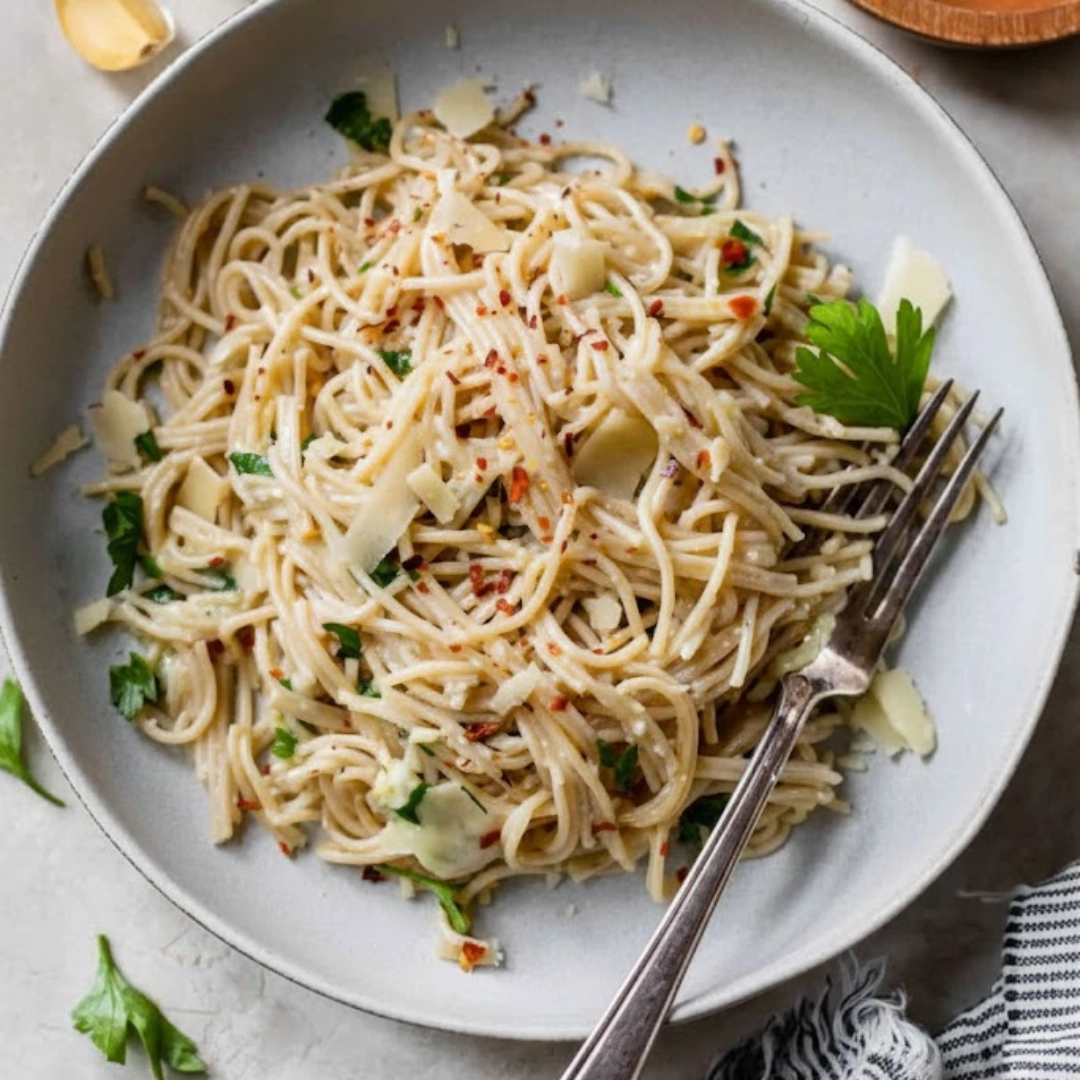
This sophisticated and incredibly flavorful Garlic Pasta is a masterclass in culinary simplicity. By transforming humble cloves of garlic into a caramelized, roasted puree and emulsifying it with high-quality olive oil and starchy pasta water, you create a silkiness that rivals heavy cream-based sauces without the added weight. Whether you are looking for a quick weeknight dinner or an elegant side dish for a dinner party, this recipe delivers maximum flavor with minimal effort.
Table of Contents
Ingredients for the Perfect Garlic Pasta
To achieve the best results with this Italian-inspired dish, the quality of your ingredients is paramount. Since the ingredient list is short, each component must be of the highest caliber.
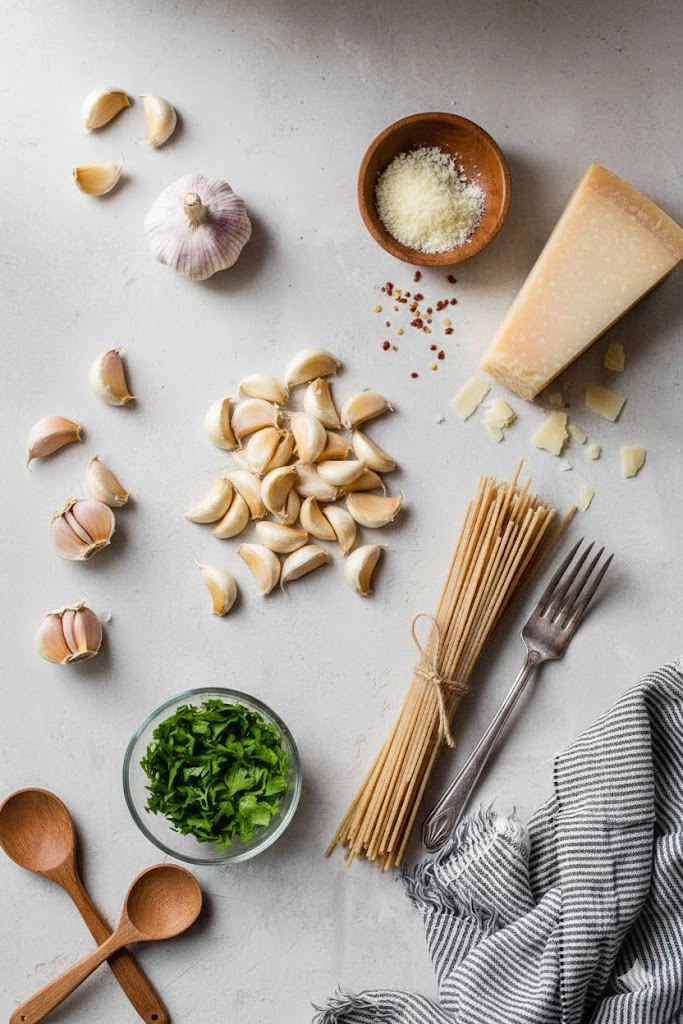
- 20 to 25 cloves of garlic: This is approximately one large head. Ensure the garlic is fresh and firm to the touch.
- 1/3 cup, plus 2 tablespoons extra virgin olive oil: Divided for roasting and for the final sauce emulsion.
- 13 ounces dried whole wheat spaghetti: You may also use traditional semolina pasta if preferred.
- 2 tablespoons plus 2 teaspoons kosher salt: Divided for the boiling water and the finishing sauce.
- 3/4 cup Parmesan cheese: Divided, freshly grated from a block for the best melting properties.
- 1/2 teaspoon crushed red pepper flakes: To add a subtle, warming heat.
- 1/2 cup freshly chopped parsley: For a bright, herbaceous finish.
Step-by-Step Instructions
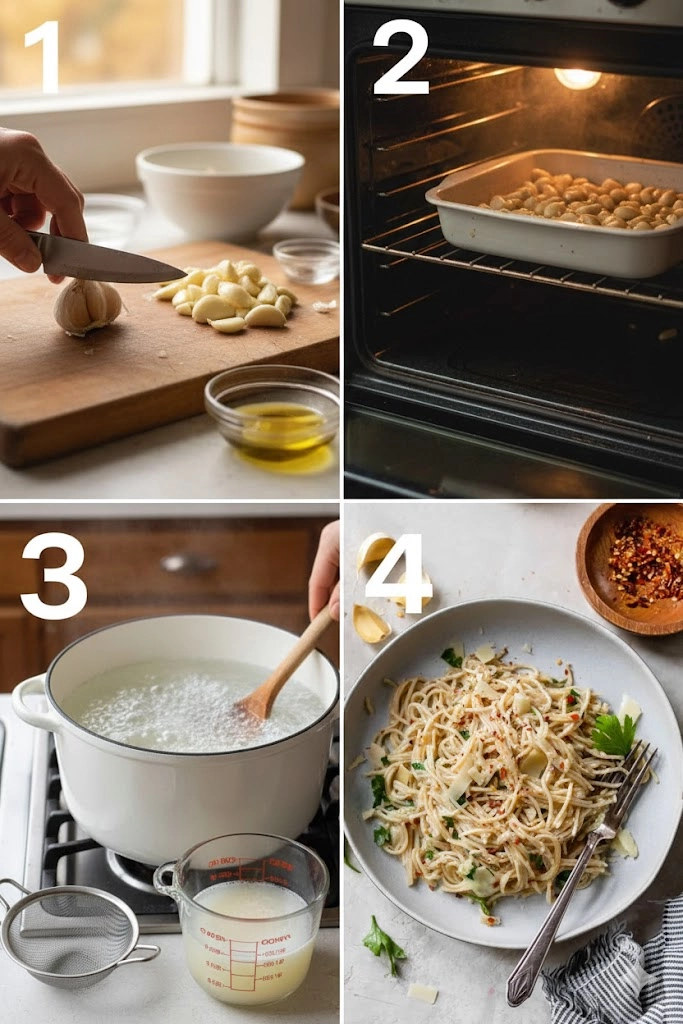
- Prepare the Oven and Garlic: Position your oven rack in the upper third portion and preheat the oven to 350 degrees Fahrenheit. Peel your garlic cloves and place them in a small, ovenproof pan. Drizzle them with 2 tablespoons of extra virgin olive oil and toss them thoroughly to ensure every clove is coated.
- Roast the Aromatics: Place the pan in the preheated oven. Roast for about 15 minutes, or until the cloves are a light golden brown. Be sure to remove them promptly to avoid any bitterness from over-browning.
- Boil the Pasta: While the garlic roasts, bring a large pot of water to a rolling boil. Add 2 tablespoons of kosher salt. Cook the whole wheat spaghetti until it reaches a perfect al dente texture.
- Reserve the Liquid: Before draining the pasta, carefully scoop out and reserve 1 and 1/2 cups of the starchy pasta cooking liquid. Drain the rest of the water and toss the noodles with a tiny splash of olive oil to keep them from sticking.
- Create the Garlic Base: Transfer the roasted garlic and the oil from the roasting pan into a food processor or blender. Add 1/4 cup of the Parmesan cheese. Pulse a few times to break down the cloves.
- Emulsify the Sauce: With the processor running, slowly stream in the remaining 1/3 cup of olive oil until the mixture is mostly smooth.
- Simmer the Sauce: Place a large skillet over medium heat. Add the blended garlic and oil mixture along with the red pepper flakes. Sauté for 30 seconds to wake up the spices, then pour in the reserved pasta water. Bring it to a boil, then reduce the heat and add the remaining 2 teaspoons of salt. Let it simmer for 5 minutes until reduced by about one third.
- Combine and Rest: Toss the drained spaghetti into the skillet. Remove the pan from the heat and stir in the remaining 1/2 cup of Parmesan and the fresh parsley. Let the pasta rest for 5 minutes so the noodles can fully absorb the luscious garlic sauce. Serve warm with extra cheese on top.
Elevating the Process with Kitchen Science
When you embark on making this Garlic Pasta, you are engaging in a beautiful bit of kitchen chemistry. The massive expansion of flavor comes from the “quick roast” technique. Unlike traditional roasting, which can take an hour for a whole head of garlic, peeling the cloves first exposes more surface area to the 350 degrees Fahrenheit heat. This results in a faster Maillard reaction, where the sugars and amino acids in the garlic transform into a complex, nutty, and sweet profile.
The use of pasta water is equally scientific. This liquid is packed with starch released from the wheat during the boiling process. When you simmer this starchy water with the blended garlic and olive oil, you are creating an emulsion. The starch acts as a bridge between the fat (oil) and the water, resulting in a sauce that clings to the spaghetti rather than sliding off to the bottom of the bowl.
Furthermore, the resting period is non-negotiable for a truly high-end result. During those five minutes off the heat, the wheat fibers in the pasta act like a sponge, drawing the seasoned garlic liquid into the center of the noodle. This ensures that the flavor isn’t just on the surface, but deeply integrated into every bite.
Achieving the Ultimate Creamy Consistency
To ensure your sauce is velvety and never greasy, focus on the temperature of your skillet when adding the cheese. Parmesan is a “hard” cheese with a high protein content. If you add it to a boiling sauce, the proteins can clump together, resulting in a grainy texture. By removing the pan from the heat before tossing in the final 1/2 cup of cheese, you allow the residual heat to melt the Parmesan gently, creating a smooth, creamy coating.
Another secret to consistency is the “slow stream” method when blending your garlic. Much like making a mayonnaise or a vinaigrette, adding the olive oil slowly while the food processor is running helps break the oil into tiny droplets. These droplets are then suspended in the garlic pulp, providing a much thicker and more luxurious mouthfeel than if you were to simply stir the two ingredients together by hand.
Ideal Accompaniments and Serving Suggestions
While this Garlic Pasta is a powerhouse on its own, it serves as an incredible canvas for various proteins and greens. If you want to lean into the Italian theme, serving this alongside a crisp, chilled glass of Sauvignon Blanc or a light-bodied Chardonnay is a fantastic choice. The acidity in the juice cuts through the richness of the olive oil and Parmesan perfectly.
For a more substantial meal, consider these additions:
- Seafood: Garlic and shrimp are a match made in heaven. Sauté some large shrimp with lemon zest and place them right on top of the finished pasta.
- Greens: To add some color and nutrients, stir in a handful of baby spinach during the final 5-minute resting period. The residual heat will wilt the spinach perfectly.
- Protein: Grilled chicken breast seasoned with basic salt and pepper provides a lean protein boost that doesn’t overshadow the delicate garlic notes.
Personalizing with Modifications and Substitutions
This recipe is remarkably flexible. If you do not have whole wheat spaghetti on hand, feel free to use linguine, fettuccine, or even angel hair. If you choose angel hair, reduce the pasta water simmer time slightly, as those thin noodles absorb liquid much faster.
For those who prefer a dairy-free version, you can substitute the Parmesan with a high-quality nutritional yeast or a vegan Parmesan alternative. Because the roasted garlic itself provides so much body and “creaminess,” the dish remains satisfying even without traditional cheese. If you enjoy a bit of acidity, a squeeze of fresh lemon juice right before serving can brighten the deep, roasted notes of the garlic and oil.
Deep-Dive Garlic FAQ
Is it possible to use garlic powder or jarred minced garlic for this recipe?
While those ingredients have their place in a busy kitchen, they will not work for this specific recipe. The flavor profile relies entirely on the caramelization of fresh cloves during the roasting process. Jarred garlic often has an acidic preservative that would clash with the mellow sweetness we are aiming for, and powder lacks the textural body required to create the sauce emulsion.
Why is my pasta water so important, and can I just use plain water?
Plain water will not work because it lacks the starch necessary to bind the oil and the liquid. Without that starch, your sauce will likely separate, leaving you with a puddle of oil at the bottom of the plate. If you accidentally pour your pasta water down the drain, a whisked mixture of one cup water and a half-teaspoon of cornstarch can act as a “fake” pasta water in a pinch.
How do I prevent the garlic from becoming bitter?
Bitterness in garlic occurs when it is burnt. In this recipe, we roast at a moderate 350 degrees Fahrenheit specifically to avoid this. Keep a close eye on your oven during the last few minutes of roasting. You are looking for a light tan or golden hue. If the garlic turns dark brown or black, it has gone too far and should be discarded, as it will ruin the flavor of the entire dish.
Can I make the roasted garlic base in advance?
Yes, this is an excellent meal-prep strategy. You can roast the garlic and blend it with the oil and cheese up to three days in advance. Store the mixture in an airtight glass jar in the refrigerator. When you are ready to eat, simply boil your pasta, reserve the water, and proceed with the skillet steps. This cuts your active cooking time down to about 15 minutes.
Nutritional Information and Values
The following estimates are based on a serving size of one-quarter of the total recipe. Please note that using different types of pasta (such as gluten-free or traditional white semolina) will alter these values slightly.
| Nutritive Component | Amount Per Serving |
| Calories | 594 calories |
| Total Fat | 26 grams |
| Saturated Fat | 6 grams |
| Polyunsaturated Fat | 3 grams |
| Monounsaturated Fat | 16 grams |
| Cholesterol | 13 milligrams |
| Sodium | Approximately 1200 milligrams |
| Total Carbohydrates | 75 grams |
| Dietary Fiber | 1 gram |
| Sugars | 1 gram |
| Protein | 21 grams |
| Vitamin A | 854 IU |
| Vitamin C | 15 milligrams |
| Calcium | 300 milligrams |
| Iron | 4 milligrams |
Nutritional Disclaimer
The nutritional information provided is an estimate intended for educational purposes only. Exact values can vary based on the specific brands of ingredients used and individual preparation methods. If you have specific dietary requirements or health concerns, please consult with a registered dietitian or healthcare professional.
Embracing the Art of Minimalist Cooking
This Garlic Pasta is proof that you do not need a pantry full of exotic ingredients to create a restaurant-quality meal. By focusing on the technique of roasting and the science of emulsification, you transform five or six basic staples into a dish that feels like a true indulgence. It is a recipe that honors the Italian tradition of respecting the ingredient, allowing the natural pungency of the garlic to soften into a sweet, nutty masterpiece. Once you master the balance of starchy water and roasted garlic, this will undoubtedly become a permanent fixture in your culinary rotation.
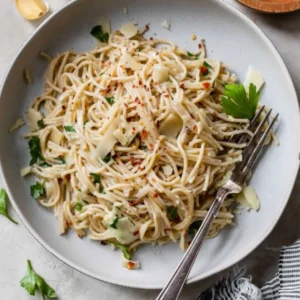
Roasted Garlic Pasta with Parmesan
Ingredients
- 20 cloves garlic, peeled (about 1 large head)
- 0.33 cup extra virgin olive oil, plus 2 extra tablespoons
- 13 ounces dried whole wheat spaghetti
- 2 tbsp kosher salt (for pasta water)
- 2 tsp kosher salt (for sauce)
- 0.75 cup Parmesan cheese, freshly grated and divided
- 0.5 tsp crushed red pepper flakes
- 0.5 cup freshly chopped parsley
Instructions
- Position oven rack in the upper third and preheat to 350 degrees Fahrenheit. Drizzle peeled garlic with 2 tablespoons olive oil in a small ovenproof pan.
- Roast garlic for 15 minutes until light golden brown. Remove promptly from the oven.
- Boil a large pot of water with 2 tablespoons salt. Cook pasta until al dente. Reserve 1 and 1/2 cups of starchy pasta water before draining.
- In a food processor, pulse roasted garlic, pan oil, and 1/4 cup Parmesan. Slowly stream in the remaining 1/3 cup olive oil while running until smooth.
- Heat a large skillet over medium. Sauté the garlic mixture and red pepper flakes for 30 seconds. Add reserved pasta water and bring to a boil.
- Add 2 teaspoons salt and simmer for 5 minutes until the liquid reduces by about one third.
- Toss pasta in the skillet to coat. Remove from heat, then add the remaining 1/2 cup Parmesan and parsley. Toss well.
- Let the pasta rest for 5 minutes to allow the sauce to absorb into the noodles. Serve warm with extra Parmesan.
Notes
Equipment
- Food processor or blender Used to create the garlic emulsion.
- Large pasta pot
- large skillet
- Small ovenproof baking dish