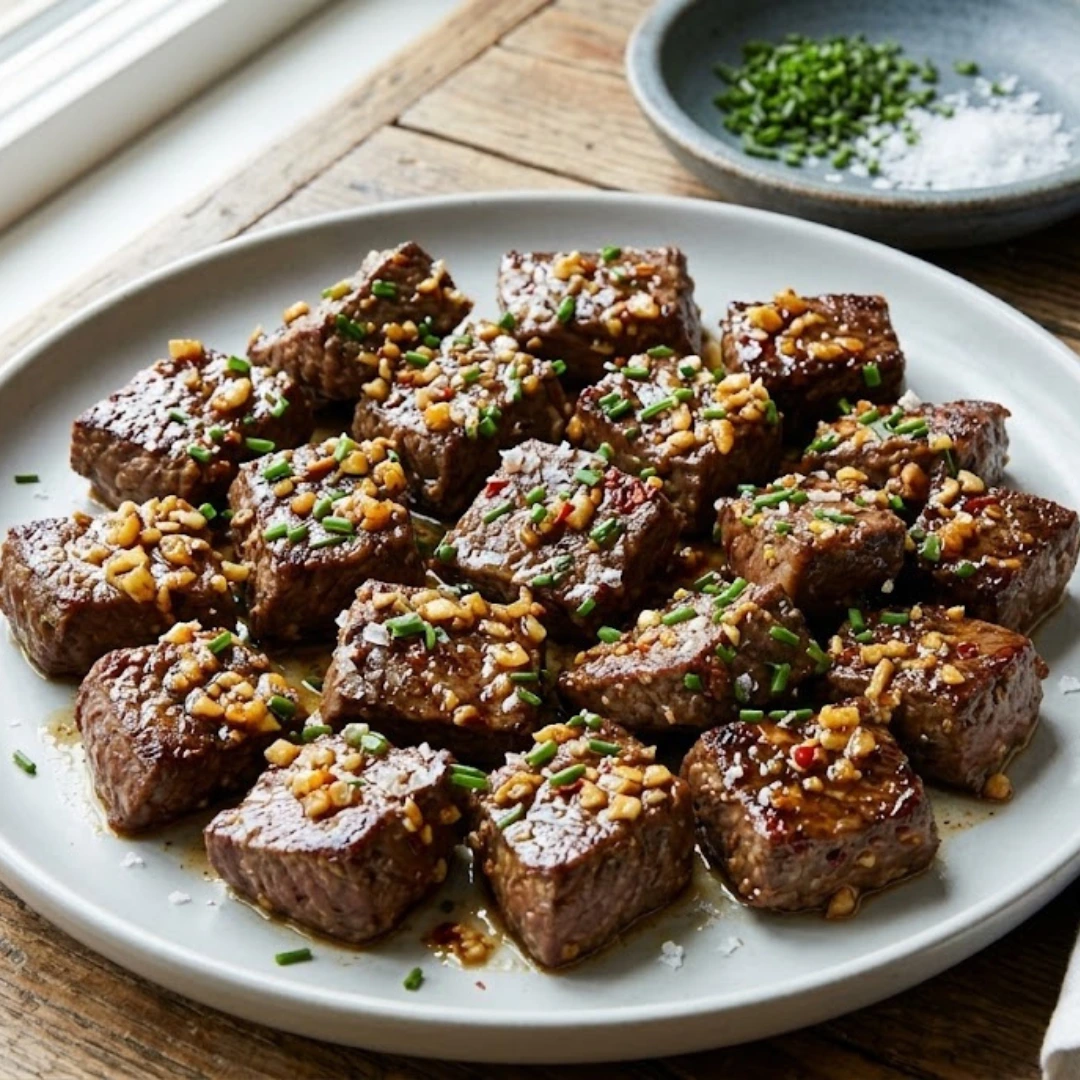
Imagine the aroma of high-quality beef searing in a heavy skillet, followed quickly by the intoxicating scent of fresh garlic melting into golden butter. These Garlic Butter Steak Bites are the ultimate answer to the craving for a high-end steakhouse experience without the high-end price tag or the need for a formal reservation. Perfectly seared on the outside and tender on the inside, each morsel acts as a vehicle for a rich, savory sauce that clings to the meat. Whether you are looking for a rapid weeknight protein or an impressive appetizer for a weekend gathering, this recipe delivers maximum impact with minimal effort.
Table of Contents
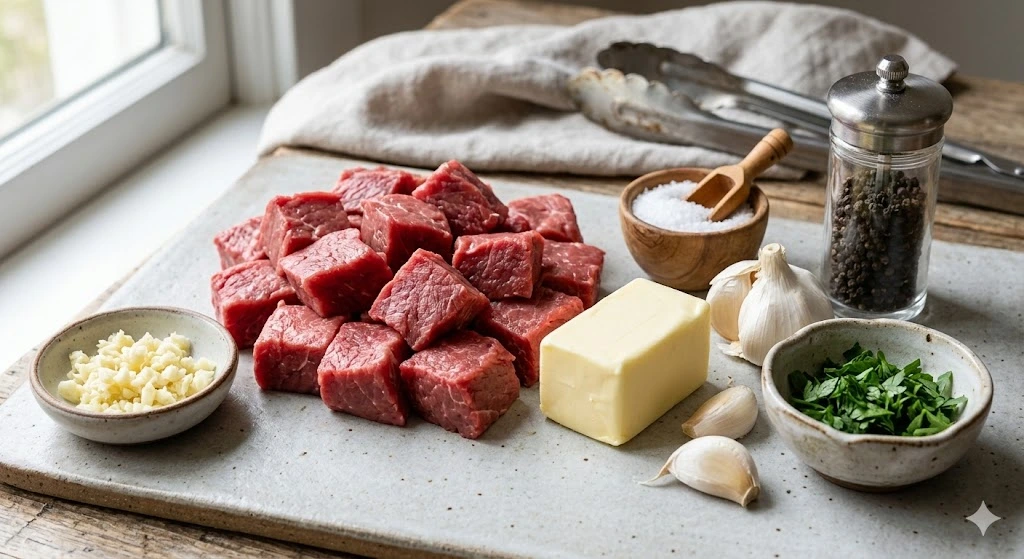
Ingredients for Savory Steak Bites
The beauty of this dish lies in its simplicity. By focusing on a few high-quality components, the natural flavors of the beef and garlic can truly shine. To achieve the best results, ensure your ingredients are at room temperature before you begin the cooking process.
- 1 to 1 1/4 pounds top sirloin, tri-tip, ribeye, or strip steak
- Kosher salt and freshly ground black pepper, to taste
- 3 tablespoons unsalted butter, divided
- 4 to 6 cloves garlic, chopped
- 1 tablespoon chopped fresh parsley, for garnish, optional
Instructions for the Perfect Sear
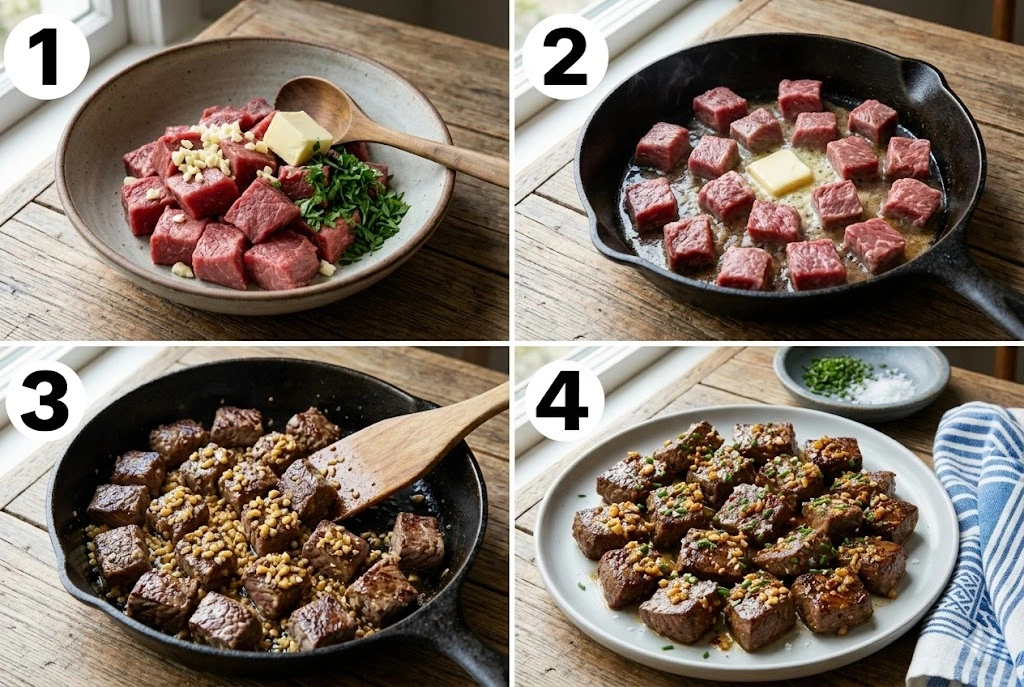
- Prepare the Beef: Begin by cutting your chosen cut of steak into uniform pieces, approximately 1 1/2 inches in size. Use a paper towel to pat the meat thoroughly dry on all surfaces. Generously season the steak cubes with kosher salt and freshly cracked black pepper.
- Heat the Pan: Set a large 12 inch stainless steel or cast iron skillet over medium heat. Allow the pan to preheat for about 3 minutes. Introduce 1 tablespoon of the unsalted butter to the pan.
- The Initial Sear: Once the butter is sizzling and just beginning to turn a nutty brown, place the steak bites into the skillet in a single layer. Ensure there is at least 1/2 inch of space between each piece to prevent steaming. If your pan is smaller, work in separate batches.
- Cook to Perfection: Leave the steak undisturbed for 3 minutes to develop a deep crust. Flip the pieces using tongs and continue cooking for another 2 to 3 minutes until the internal temperature reaches 140 to 145 degrees Fahrenheit for a medium finish. Move the steak to a separate plate.
- Create the Garlic Butter: Lower the stovetop heat to medium-low. Add the remaining 2 tablespoons of butter and the freshly chopped garlic. Sauté for 2 to 3 minutes, stirring constantly with a wooden spatula to lift the flavorful browned bits (fond) from the bottom of the pan. The garlic should be fragrant and softened but not browned or burnt.
- Combine and Serve: Remove the skillet from the heat source. Return the seared steak bites to the pan and toss them thoroughly so every surface is coated in the liquid gold garlic butter. Garnish with fresh parsley if desired and serve immediately while hot.
Masterful Execution of the Searing Process
To truly elevate this dish from a simple meal to a culinary masterpiece, one must understand the science of the Maillard reaction. This is the chemical process that occurs when heat transforms the proteins and sugars on the surface of the meat into a complex, savory crust. Achieving this requires a very dry surface. Even a small amount of moisture on the exterior of the beef will cause it to steam rather than sear, resulting in a grey, rubbery texture rather than a dark, caramelized finish. This is why patting the meat dry with paper towels is the most critical preparatory step.
The choice of cookware also plays a massive role in your success. A 12 inch cast iron skillet is the gold standard for this recipe because of its incredible heat retention. Once the heavy iron gets hot, it stays hot, even when you drop cold meat onto its surface. If you prefer stainless steel, ensure it is a high-quality, heavy-bottomed pan. These materials allow the butter to brown effectively without scorching instantly, providing a flavorful base for the garlic.
When the meat hits the pan, the sound should be a sharp, aggressive sizzle. If it sounds faint, your pan isn’t hot enough. Resistance is often the best teacher in the kitchen; if you try to flip a steak bite and it sticks to the pan, it is telling you it isn’t ready. Once a proper crust has formed, the meat will naturally release from the surface. Patience during those first 3 minutes of searing is what separates an amateur dish from a professional-grade steakhouse dinner.
Variations and Recipe Modifications
While the classic combination of garlic and butter is hard to beat, this recipe serves as a fantastic canvas for various flavor profiles. If you find yourself wanting a bit of acidity to cut through the richness of the fats, consider stirring in a teaspoon of Dijon mustard during the final butter-melting phase. The mustard acts as an emulsifier, thickening the sauce and adding a sophisticated tang.
For those who enjoy a deeper, more robust sauce, deglazing is an excellent technique to employ. After removing the steak from the pan but before adding the final butter and garlic, pour in a small splash of dry red wine, such as a Cabernet Sauvignon or Merlot. Use your wooden spoon to scrape up all the caramelized bits of beef stuck to the pan. Let the wine reduce by half before adding the butter. This creates a “pan sauce” style variation that feels incredibly elegant.
Herbal modifications can also breathe new life into the dish. While parsley is the traditional garnish for a pop of color and freshness, adding woody herbs like rosemary or thyme during the garlic-sautéing stage allows the oils from the herbs to infuse into the butter. This creates an earthy, aromatic experience that pairs beautifully with the beef. If you prefer a bit of heat, a pinch of red pepper flakes added with the garlic provides a subtle back-end glow that balances the creamy butter.
Choosing the Ideal Cut of Beef
Not all steaks are created equal when it comes to quick-cooking methods. Because this recipe relies on a fast sear rather than a long braise, you must select a naturally tender cut. Top sirloin is the most frequent recommendation for steak bites because it is lean, flavorful, and generally more budget-friendly than “premium” cuts. It holds its shape well when cut into cubes and offers a satisfying chew without being tough.
Tri-tip is another spectacular option if you can find it. It often features better marbling than sirloin, which means more intramuscular fat that melts during the searing process, keeping the meat juicy. If you are looking to splurge for a special occasion, ribeye or New York strip are the peak choices. A ribeye bite will be incredibly rich and buttery due to its high fat content, while a strip steak offers a tighter grain and a very “beefy” forward flavor.
Regardless of which cut you choose, avoid anything labeled as “stew meat.” While it might look convenient because it is already cubed, stew meat is typically cut from the shoulder or hindquarters of the animal (like chuck or round). These muscles are full of connective tissue that requires hours of low-temperature simmering to break down. If you try to sear stew meat for 5 minutes, you will end up with something resembling a pencil eraser. Always buy a whole steak and cut it yourself to ensure the quality and tenderness are up to par.
Optimal Accompaniments and Serving Ideas
Creating a balanced plate is all about contrasting textures and flavors. Since the Garlic Butter Steak Bites are incredibly rich and savory, they pair wonderfully with starch-based sides that can soak up the extra garlic butter. A bed of fluffy mashed potatoes is the classic choice, but for a lighter touch, steamed jasmine rice or buttered egg noodles work beautifully. If you want to keep the steakhouse theme going, crispy roasted fingerling potatoes seasoned with sea salt offer a delightful crunch that mimics the sear on the beef.
Vegetables are essential to round out the meal. To cut through the richness of the butter, look for green vegetables with a bit of “bite.” Roasted broccoli or charred Brussels sprouts provide an earthy bitterness that cleanses the palate between bites of steak. For a quicker option, a simple medley of frozen peas or green beans, lightly steamed and seasoned with lemon juice, adds a bright acidity that lifts the entire dish.
For a unique presentation, you can serve these steak bites “tapas style” with toothpicks as a party appetizer. Place the skillet in the center of the table (on a heat-safe trivet) and let guests dip crusty pieces of French baguette directly into the garlic butter pooling at the bottom of the pan. It transforms a simple meal into an interactive dining experience that people will talk about long after the last bite is gone.
Deep-Dive Culinary Questions
Why should I use fresh garlic instead of the jarred minced variety? Fresh garlic is non-negotiable in a recipe with so few ingredients. Jarred garlic is often preserved in citric acid or water, which alters its chemical composition and lends a sour, metallic, or muted flavor to the dish. Because the garlic is sautéed quickly in butter to create the primary sauce, you need the pungent, spicy, and sweet notes that only come from freshly chopped cloves. The texture of fresh garlic also holds up better during the brief sauté, providing a nice bit of “crunch” that jarred versions lack.
Is it really necessary to use unsalted butter? Using unsalted butter gives you total control over the sodium levels of your final dish. Different brands of salted butter have varying amounts of salt, which can make the outcome unpredictable. By starting with unsalted butter, you can season the steak bites aggressively with kosher salt to build the crust, and then adjust the seasoning of the butter sauce at the very end. If you only have salted butter on hand, simply reduce the amount of salt you apply directly to the raw steak cubes to avoid an overly salty finish.
How do I prevent the butter from burning during the high-heat sear? Butter has a relatively low smoke point because of its milk solids. To prevent it from burning while you are trying to get a high-heat sear on the steak, we only use one tablespoon of butter initially. The fat from the steak itself will also render out slightly to help protect the butter. More importantly, we add the bulk of the butter (the remaining two tablespoons) at the very end over lower heat. This ensures that the butter used for the sauce remains golden and creamy rather than charred and bitter.
What is the best way to reheat leftovers without making the steak tough? Steak is notorious for becoming rubbery in the microwave. If you have leftovers, the best way to reheat them is gently in a skillet over medium-low heat. Add a tiny splash of water or beef broth to the pan and cover it with a lid. This creates a small amount of steam that warms the meat through without overcooking the center. Alternatively, you can slice the cold steak bites thin and toss them into a hot salad or a wrap, where the residual heat from other ingredients will take the chill off without toughening the beef.
Excellence in Every Bite
The journey to a perfect meal doesn’t have to be complicated or time-consuming. These Garlic Butter Steak Bites prove that with a solid technique and an eye for quality ingredients, you can produce a dish that rivals any professional kitchen. The combination of the hard, caramelized sear and the silky, aromatic garlic butter creates a sensory experience that hits every mark. It is a recipe that rewards the cook with immediate gratification and leaves the diners asking for seconds.
| Nutrient | Amount per Serving |
| Calories | 480 |
| Total Fat | 35 grams |
| Saturated Fat | 16 grams |
| Cholesterol | 115 milligrams |
| Sodium | 450 milligrams |
| Total Carbohydrates | 2 grams |
| Dietary Fiber | 0 grams |
| Sugars | 0 grams |
| Protein | 37 grams |
Nutritional Accuracy Disclaimer
The nutritional information provided above is an estimate based on standard ingredient databases. Values may vary depending on the specific cut of beef selected (for example, ribeye will be higher in fat than top sirloin) and the specific brands of butter used. For those with specific dietary requirements, it is recommended to calculate values based on the exact products used in your kitchen.
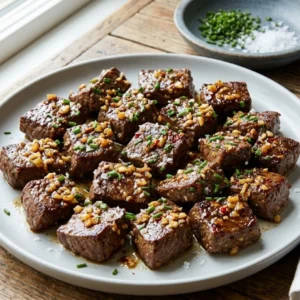
Garlic Butter Steak Bites
Ingredients
- 1 to 1.25 pounds top sirloin, tri-tip, ribeye, or strip steak
- Kosher salt and freshly ground black pepper, to taste
- 3 tbsp unsalted butter, divided
- 4 to 6 cloves fresh garlic, chopped
- 1 tbsp fresh parsley, chopped (for garnish, optional)
Instructions
- Cut the steak into approximately 1.5-inch pieces and pat them dry with a paper towel. Season all sides generously with salt and pepper.
- Heat a 12-inch stainless steel or cast iron skillet over medium heat for 3 minutes. Add 1 tablespoon of butter.
- Once the butter sizzles, add steak bites in a single layer with 0.5-inch space between them. Sear undisturbed for 3 minutes.
- Flip the bites and sear for another 2 to 3 minutes until well browned and internal temperature reaches 140 to 145 degrees Fahrenheit. Transfer steak to a dish.
- Lower heat to medium-low. Add the remaining 2 tablespoons of butter and the chopped garlic to the pan.
- Sauté for 2 to 3 minutes until garlic is cooked through but not browned, scraping up the browned bits from the bottom of the pan.
- Remove pan from heat. Return the steak bites to the skillet and toss thoroughly to coat in the garlic butter.
- Transfer to a serving plate, garnish with optional fresh parsley, and serve immediately.
Notes
Equipment
- 12-inch cast iron or stainless steel skillet Heavy bottom for better heat retention
- tongs or spatula
- paper towels To dry the meat
- Instant-read thermometer To check for 140-145 degree Fahrenheit medium doneness
- Wooden spatula For scraping browned bits