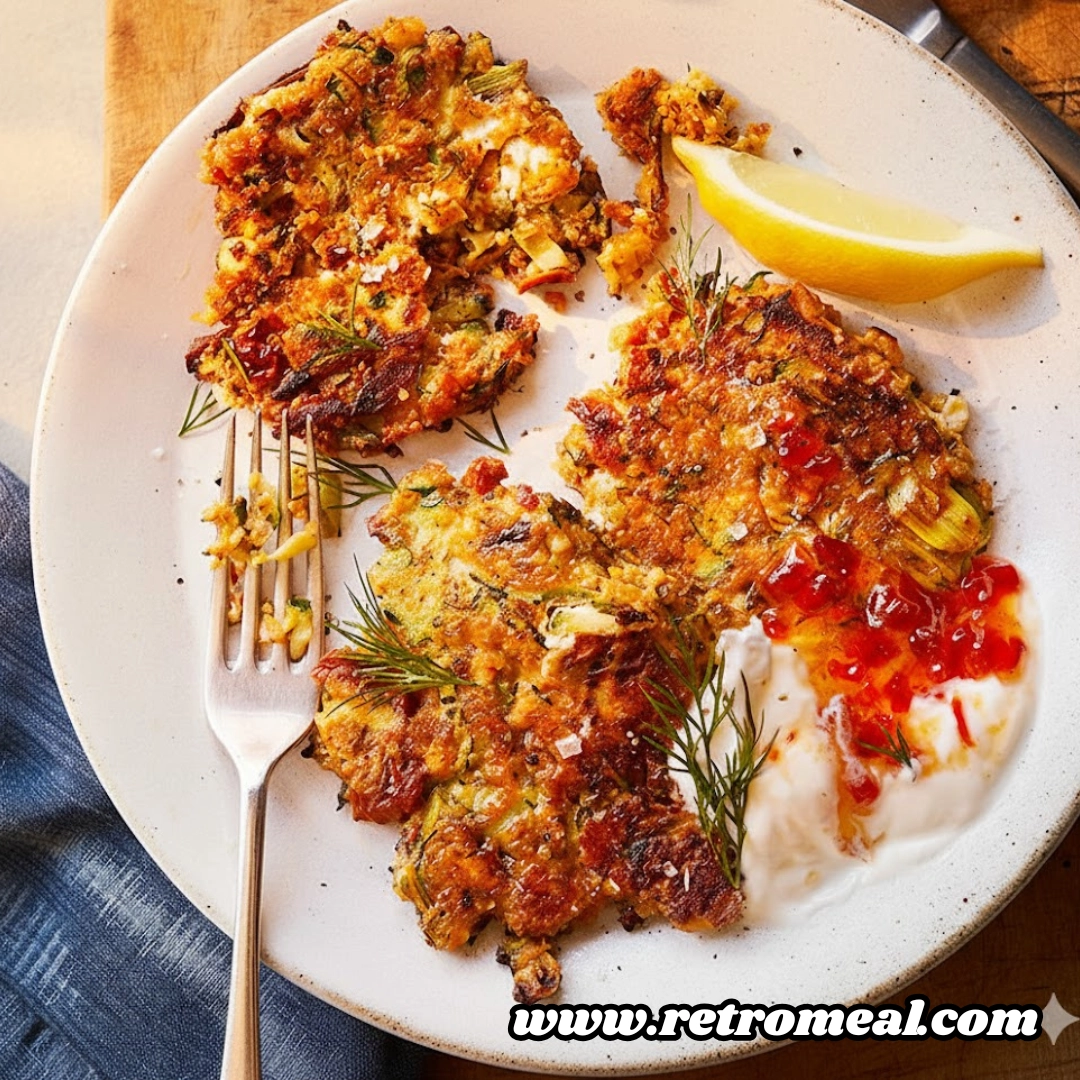
There is something inherently comforting about a crispy, savory pancake that can bridge the gap between a lazy weekend brunch and a sophisticated weekday dinner. These Feta and spring onion fritters are the epitome of versatile vegetarian cooking, offering a delightful crunch on the outside while maintaining a tender, flavor-packed interior. By combining the salty tang of Mediterranean feta with the earthy goodness of quinoa and the brightness of fresh garden herbs, this recipe creates a multi-dimensional eating experience. Whether you are looking for a way to use up garden zucchini or need a high-protein meal prep option, these fritters deliver satisfaction in every bite.
Table of Contents
Essential Components for Feta and Spring Onion Fritters
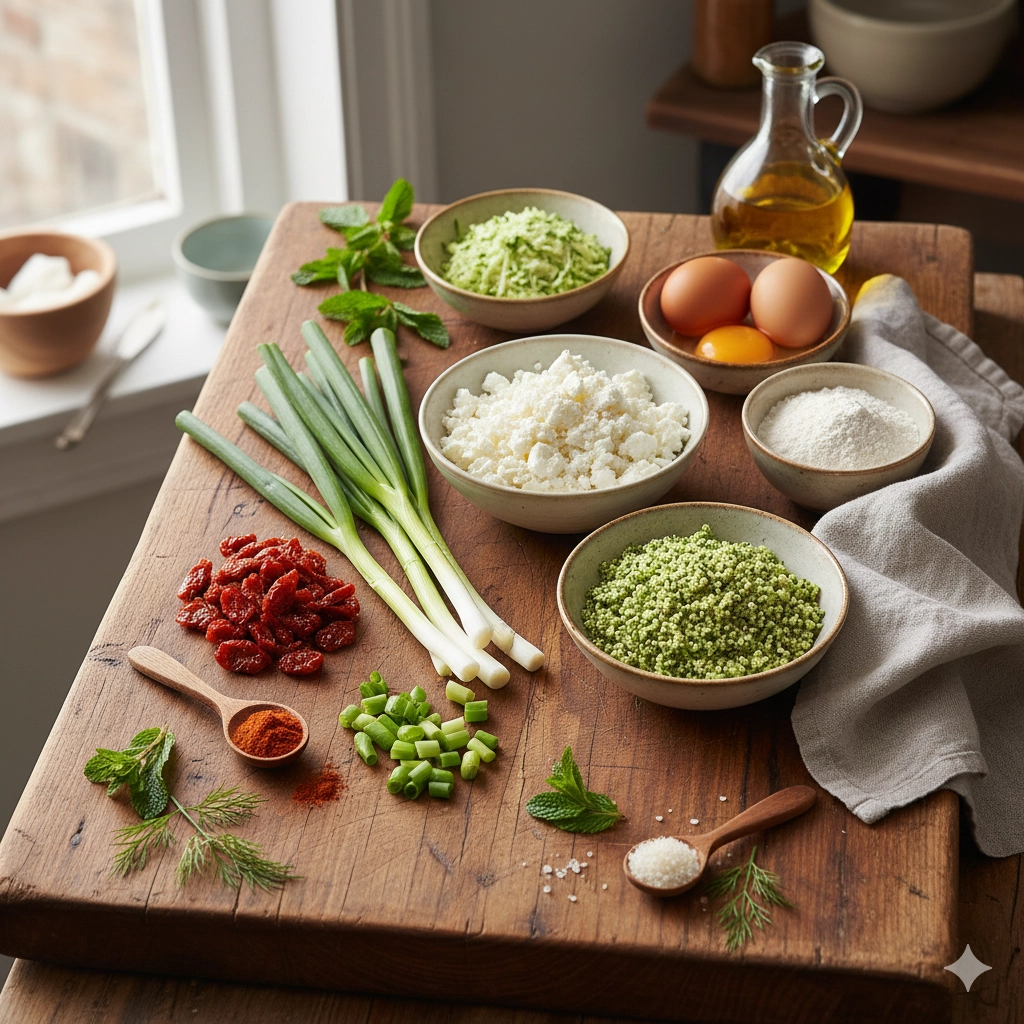
To achieve the perfect balance of texture and taste, you will need to gather the following ingredients. Please ensure your measurements are precise to maintain the structural integrity of the fritters.
- 4 tablespoons olive oil (divided for sautéing and frying)
- 1 bunch of spring onions (approximately 8 to 10 onions), chopped into 1 centimeter pieces
- 1 courgette (approximately 150 grams), grated
- 200 grams cooked quinoa
- 100 grams feta cheese, crumbled
- 6 sundried tomatoes, finely chopped
- 1 teaspoon smoked paprika
- 1 teaspoon garlic granules
- Small handful of fresh mint, leaves picked and finely chopped
- Small handful of fresh dill, finely chopped
- 2 eggs, beaten
- 5 tablespoons plain flour
- Yogurt, lemon wedges, and chili jam (for serving)
Primary Preparation and Cooking Steps
Follow these steps carefully to ensure your fritters are cooked through and beautifully browned.
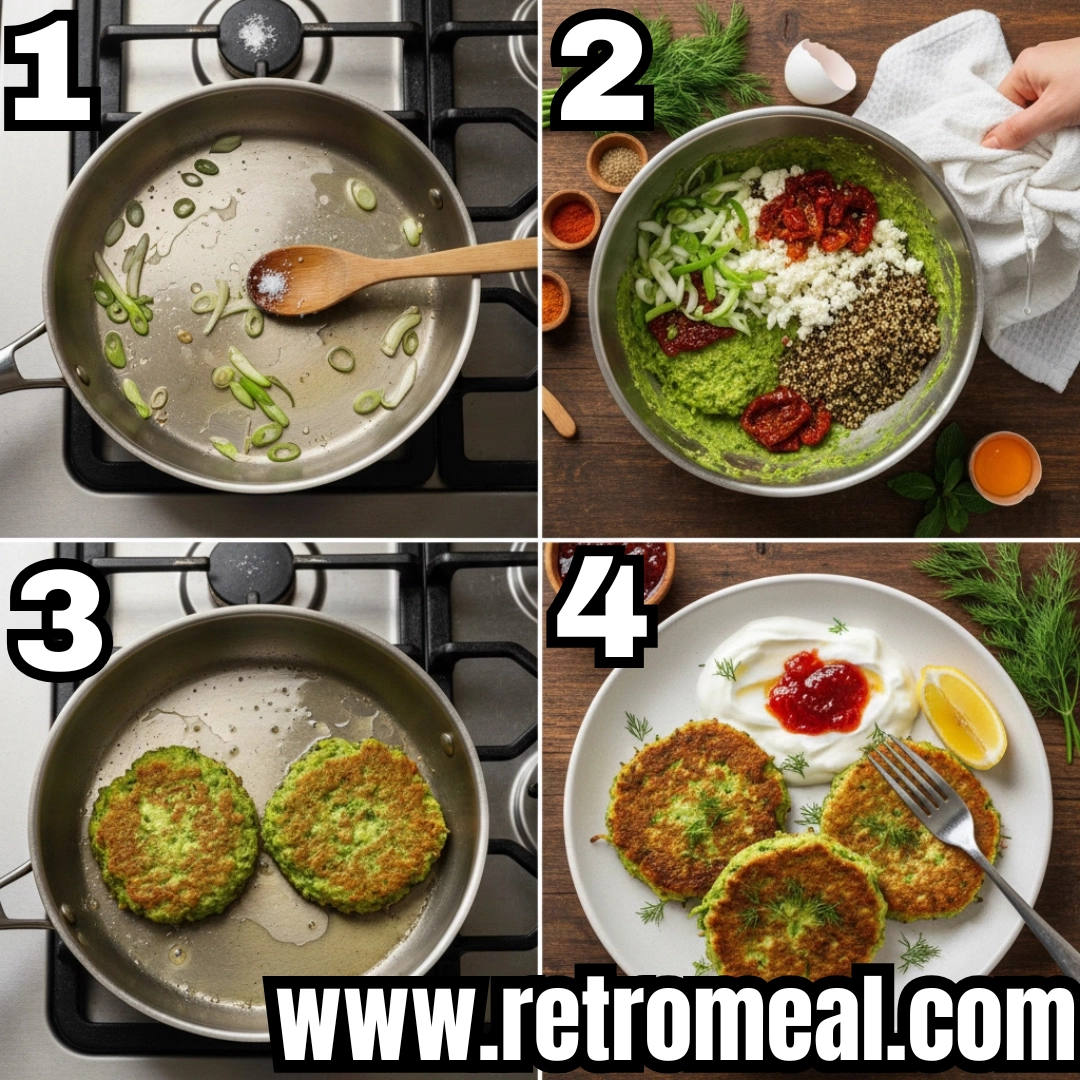
- Begin by heating 2 tablespoons of the olive oil in a large frying pan over a medium heat. Introduce the chopped spring onions to the pan along with a small pinch of salt. Sauté them gently for 6 to 8 minutes until they have softened and released their sweetness.
- While the onions cook, prepare the courgette. Place the grated courgette into the center of a clean tea towel. Gather the edges and wring the towel tightly over a sink to squeeze out as much excess moisture as possible. This step is vital for a crispy result.
- In a large mixing bowl, combine the squeezed courgette and the softened spring onions. Add the cooked quinoa, crumbled feta, chopped sundried tomatoes, smoked paprika, garlic granules, mint, and most of the dill (reserve a little for the final garnish).
- Pour the beaten eggs and the plain flour into the bowl. Season the mixture with a bit of salt and pepper, then stir thoroughly until all components are evenly distributed and the flour has bound the ingredients into a thick batter.
- Wipe out your frying pan if necessary and drizzle in 1 tablespoon of olive oil over a medium heat.
- Using a large spoon, add 2 heaped tablespoons of the mixture into the pan for each fritter. Use the back of the spoon to gently smooth them out into circular discs.
- Cook the fritters in batches to avoid overcrowding the pan. Fry for 6 to 8 minutes, or until the underside is crisp and deep golden brown. Carefully flip them over and repeat on the other side.
- Add the remaining oil as needed between batches.
- Once cooked, serve the fritters warm alongside a dollop of yogurt, fresh lemon wedges for squeezing, and a spoonful of spicy chili jam. Finish with a sprinkle of the remaining fresh dill.
Mastery of the Frying Technique
To ensure your Feta and spring onion fritters reach their full culinary potential, the frying stage requires patience and attention. The heat should remain at a steady medium. If the oil is too hot, the exterior of the fritter will scorch before the egg and flour have a chance to set the interior. Conversely, if the oil is too cool, the fritters will absorb the fat and become greasy rather than crisp.
When you place the batter into the pan, listen for a gentle sizzle. This indicates that the Maillard reaction is beginning, which is responsible for that savory, browned crust. Resist the urge to flip them too early. Let the fritter sit undisturbed for at least 3 or 4 minutes so a solid crust can form. This crust acts as a structural shell, making the flipping process much easier. If you find the fritters are sticking, they likely need another minute of cooking or a tiny bit more oil drizzled near the edges.
Elevated Flavor Profiles and Substitutions
While this recipe is meticulously balanced, there are ways to adapt it based on your pantry or personal preferences. If you do not have quinoa on hand, cooked couscous or even finely mashed chickpeas can provide a similar bulk, though the nutritional profile will change.
For the greens, if spring onions are unavailable, you could use finely diced shallots or the white parts of leeks, provided you sauté them long enough to remove their sharp bite. The feta cheese provides the primary salt component, so if you choose to swap it for a milder cheese like goat cheese or ricotta salata, you may need to adjust the salt seasoning in the batter. If you enjoy a bit of heat, consider adding a pinch of dried chili flakes directly into the mixture alongside the smoked paprika.
Achieving the Ideal Fritter Consistency
The most common pitfall in fritter making is a soggy center. This is almost always caused by excess moisture. Courgettes are famously water-dense vegetables, often consisting of over 90 percent water. By using the tea towel method to wring out the liquid, you are concentrating the flavor and ensuring that the flour can do its job of binding the ingredients rather than just absorbing vegetable juice.
Furthermore, the quinoa should be relatively dry when added to the mix. If you have just boiled your quinoa, let it steam dry for a few minutes in a sieve before incorporating it. The combination of the protein in the eggs and the starch in the flour creates a matrix that holds the vegetables and cheese together. If the batter feels too loose, you can add an extra tablespoon of flour, but be cautious not to add too much, as this can lead to a “cakey” rather than “crispy” texture.
Creative Serving Suggestions and Pairings
These Feta and spring onion fritters are incredibly adaptable to various meal times. For a hearty breakfast, top a pair of warm fritters with a poached egg. The runny yolk acts as a natural sauce that complements the salty feta. For a light lunch, serve them over a bed of arugula or baby spinach tossed in a simple lemon vinaigrette.
In a dinner setting, these work beautifully as a side dish for grilled lamb or roasted chicken. The brightness of the mint and dill cuts through the richness of grilled meats. If you are serving them as a standalone vegetarian main, consider doubling the portion and adding a side of roasted red pepper dip or a chunky cucumber salad to provide a cooling contrast to the warm, savory fritters.
Comprehensive Kitchen FAQs
Can I make these fritters gluten free?
Yes, you can easily adapt this recipe for a gluten free diet. Simply replace the 5 tablespoons of plain flour with a high quality gluten free all purpose flour blend or even chickpea flour (besan). Chickpea flour works particularly well with Mediterranean flavors and provides an extra boost of protein, though it may require a slightly longer cooking time to remove the raw bean taste.
How do I store and reheat leftover fritters?
If you have leftovers, allow them to cool completely on a wire rack to prevent them from becoming soggy. Store them in an airtight container in the refrigerator for up to 3 days. To reheat, avoid the microwave, as it will make the fritters soft. Instead, place them in a dry frying pan over medium heat for 2 to 3 minutes per side, or pop them into a toaster oven until they regain their original crispness.
Is it possible to bake these instead of frying them?
While frying in olive oil provides the best texture, you can bake them for a lower fat option. Preheat your oven to 400 degrees Fahrenheit. Place the fritter mounds on a parchment lined baking sheet and flatten them slightly. Brush the tops lightly with olive oil. Bake for 20 to 25 minutes, flipping halfway through, until they are golden brown and firm to the touch.
Final Culinary Thoughts
Bringing these Feta and spring onion fritters to your table is a wonderful way to celebrate fresh ingredients and simple cooking techniques. The interplay between the smoky paprika, the salty feta, and the fresh herbs creates a sophisticated flavor profile that belies the simplicity of the preparation. By mastering the art of moisture control and temperature management, you can produce a batch of fritters that are consistently golden, crispy, and utterly delicious. Whether shared with friends at a brunch or enjoyed as a quiet solo dinner, these fritters are sure to become a recurring favorite in your kitchen repertoire.
Nutritional Information
| Nutrient | Amount Per Serving |
| Calories | 186 kcal |
| Total Fat | 10 grams |
| Saturated Fat | 3 grams |
| Carbohydrates | 16 grams |
| Sugars | 0 grams |
| Fiber | 2 grams |
| Protein | 7 grams |
| Salt | 0.38 grams |
Important Dietary Disclaimer
The nutritional information provided above is an estimate based on standard ingredient calculations. Actual values may vary depending on the specific brands of feta, oil, and flour used. If you have specific dietary requirements or health concerns, please consult with a certified nutritionist or medical professional.
Feta and Spring Onion Fritters with Quinoa
Ingredients
- 4 tbsp olive oil, divided
- 1 bunch spring onions (8-10), chopped into 1cm pieces
- 150 g courgette, grated
- 200 g cooked quinoa
- 100 g feta cheese, crumbled
- 6 sundried tomatoes, finely chopped
- 1 tsp smoked paprika
- 1 tsp garlic granules
- 1 handful fresh mint, leaves picked and chopped
- 1 handful fresh dill, chopped
- 2 large eggs, beaten
- 5 tbsp plain flour
- 1 pinch salt and pepper, to taste
- Yogurt, lemon wedges, and chili jam for serving
Instructions
- Heat 2 tablespoons of olive oil in a frying pan over medium heat. Add the spring onions and a pinch of salt; cook for 6-8 minutes until softened.
- Place grated courgette in a clean tea towel and wring it tightly to squeeze out all excess moisture. Tip the dry courgette into a large mixing bowl.
- To the bowl, add the softened onions, cooked quinoa, crumbled feta, chopped tomatoes, smoked paprika, garlic granules, mint, and most of the dill.
- Stir in the beaten eggs and flour. Season with salt and pepper, mixing until a thick batter forms.
- Heat 1 tablespoon of oil in the pan. Add 2 heaped tablespoons of batter per fritter, flattening them with the back of a spoon.
- Fry in batches for 6-8 minutes until golden and crisp. Flip and repeat on the other side, adding remaining oil as needed.
- Serve the fritters warm with a side of yogurt, lemon wedges, and chili jam. Garnish with the remaining dill.
Notes
Equipment
- Large frying pan
- Clean tea towel Essential for drying courgette
- large mixing bowl
- Grater
- spatula