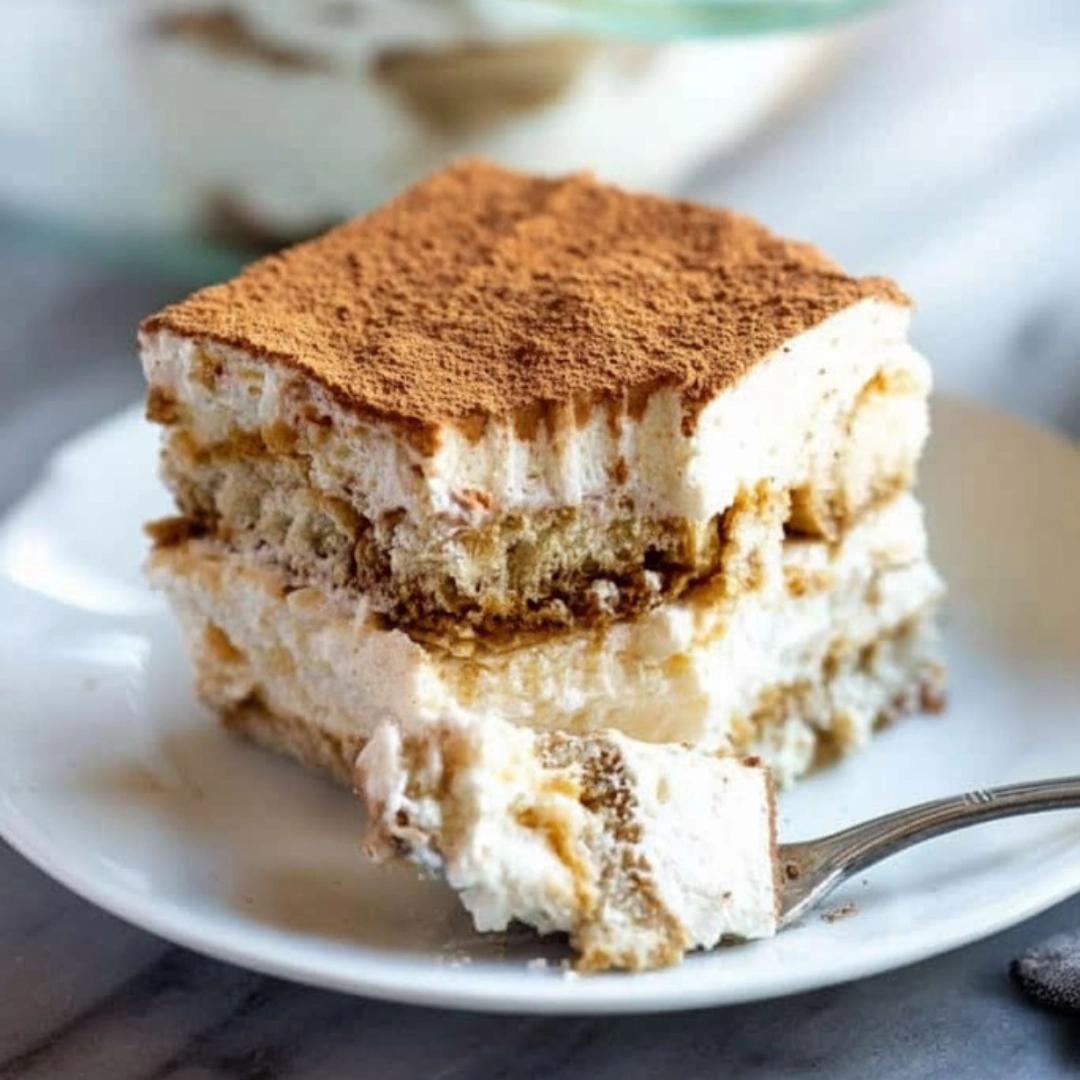
Tiramisu, the iconic Italian dessert whose name translates literally to “pick me up” or “cheer me up,” has earned its global fame through an irresistible balance of textures and flavors. It is a deceptively simple construction of coffee-soaked ladyfingers and rich, airy mascarpone cream, finished with a generous dusting of cocoa. This classic confection is the perfect finale to any meal, providing a sweet lift without the heaviness of a baked cake. We’ve streamlined the process to deliver an Easy Tiramisu recipe that respects tradition while making the assembly seamless and foolproof. This iteration relies on perfectly tempered mascarpone and a light, stable whipped cream to achieve that unmistakable ethereal texture.
Table of Contents
Assembling Your Culinary Components: The Tiramisu Lineup
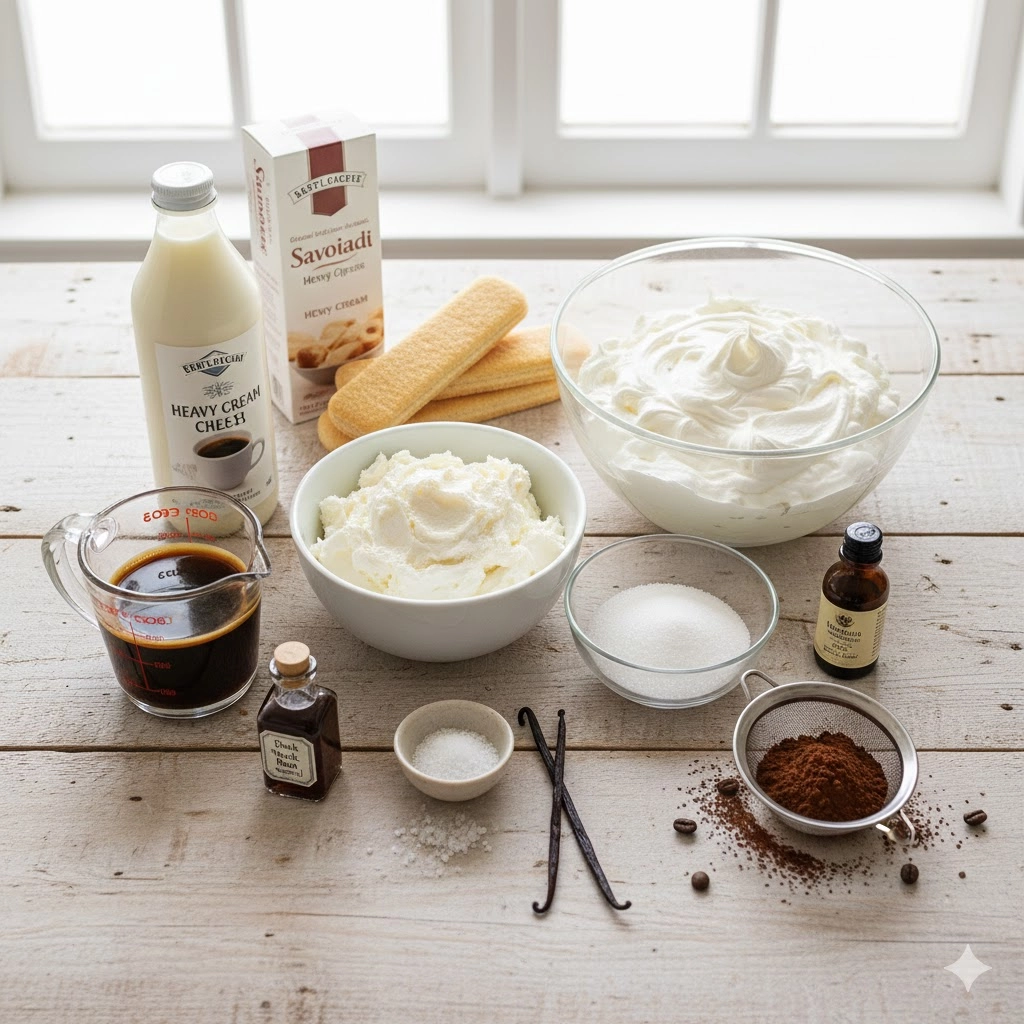
The magic of this dessert lies in the quality of its individual parts. Select the freshest ingredients possible—it truly makes a difference in the final taste and structure.
For the Mascarpone Cream
- 16 ounces (450 grams) Mascarpone cheese, chilled
- 1 and one-half cups heavy cream, chilled (plus two tablespoons extra for blending)
- Two-thirds cup granulated sugar
- 2 teaspoons pure vanilla extract
- One-quarter teaspoon fine sea salt
For the Soaking Liquid and Assembly
- 2 cups freshly brewed espresso or very strong coffee, cooled (you may substitute decaf)
- One-third cup dark rum or coffee liqueur (optional, may substitute with one-quarter cup orange juice for a citrus lift)
- 40 to 45 Savoiardi ladyfingers (typically one standard 7- to 8-ounce package)
- One-quarter cup unsweetened cocoa powder, for dusting
The Essential Four Steps to Building Tiramisu
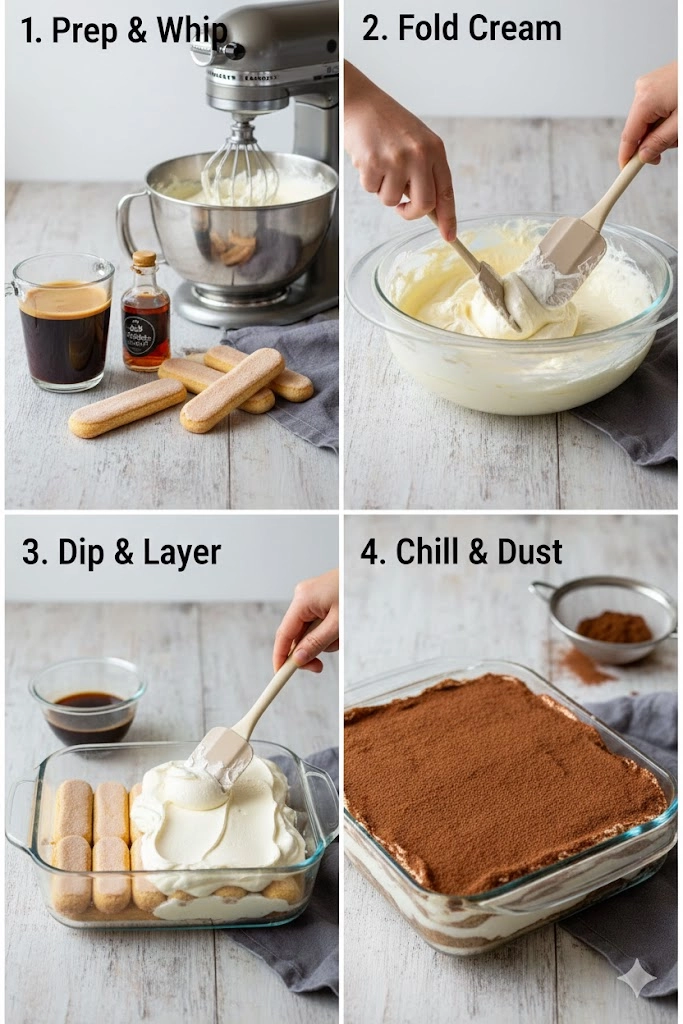
This recipe focuses on four high-level actions: preparation, cream aeration, dipping, and layering. Follow these steps for flawless execution.
- Prepare the Coffee Mixture: Combine the cold espresso and the selected liqueur or substitution in a shallow dish. Allow the liquid to sit at room temperature while you prepare the cream, which prevents the ladyfingers from cooling the liquid too drastically during the dipping process.
- Whip the Cream Base: In a large mixing bowl, beat the chilled heavy cream, sugar, and vanilla extract until stiff peaks form. The volume should nearly double. Set aside approximately one cup of the mixture for immediate use, and transfer the rest to the refrigerator to maintain its structure.
- Construct the Mascarpone Filling: Using the separate portion of whipped cream, gently beat the chilled mascarpone and salt into it until just combined. The mixture should be thick, smooth, and homogenous without being over-mixed.
- Assemble and Chill: Dip the ladyfingers quickly into the coffee mixture and arrange them in a single layer in a 9×13-inch baking dish. Spread half of the mascarpone cream over the ladyfingers. Repeat the process with a second layer of dipped ladyfingers and the remaining cream. Cover tightly and refrigerate for a minimum of eight hours. Dust with cocoa powder just before serving.
Unlocking the Secrets of Tiramisu: Deep Dive into the Process
Achieving the perfect Tiramisu texture—that pillowy, dissolving richness—comes down to attention to detail in three critical areas: the cream base, the final filling, and the speed of the ladyfinger dip.
Crafting the Perfect Mascarpone Cream
Unlike many traditional recipes that rely on cooked egg yolks (a zabaglione base) or raw eggs, this method achieves stability and richness by focusing on the quality and handling of two dairy components: heavy cream and mascarpone.
Phase One: Whipping the Cream
The key here is temperature and aeration. Ensure your heavy cream is straight from the refrigerator, ideally along with your mixing bowl and whisk attachment. Begin whipping the cream slowly, gradually increasing the speed. As soft trails appear and the cream volume increases significantly, slowly rain in the granulated sugar and vanilla. Continue whipping until you achieve what is called stiff peaks. This means that when you lift the whisk, the peaks of cream stand straight up without drooping. This stable structure is crucial because it provides the entire lift and body for the finished filling. If you over-whip, the cream will turn grainy and could break, resulting in a thin, oily filling later on.
Phase Two: Incorporating the Mascarpone
Mascarpone is a very delicate, high-fat Italian cream cheese. Its texture is essential—it should be supple, velvety, and easily spreadable. It is best incorporated when it is cool, but not rock-hard. We incorporate it into a small portion of the stable whipped cream mixture first. This initial blend prevents the cold, dense cheese from collapsing the entire batch of aerated cream. Mix the mascarpone and salt just until the mixture is uniform. Overmixing the mascarpone can cause it to “break,” separating the fat from the liquid, leading to a lumpy, weeping filling. The goal is to fold gently until all streaks of plain cream or cheese disappear, achieving a pale, homogenous, and thick texture that holds its shape.
The Art of the Quick Dip
The ladyfingers (Savoiardi) are porous, dry biscuits that act as the sponge for the coffee. The success of the final dessert hinges on how wet they become.
Sensory and Texture Cues: When dipping, move quickly. The goal is not to soak them until they fall apart, but to allow the espresso to lightly permeate the surface layer. Dip one flat side into the liquid for approximately two seconds, flip, and dip the other side for one to two seconds. You should feel the biscuit soften slightly but still maintain its integrity. It should not feel heavy, floppy, or saturated. The interior core of the ladyfinger should remain mostly dry. This inner dryness is vital: it allows the biscuit to slowly absorb the surrounding mascarpone cream as the dessert chills, resulting in that perfectly homogenous, melting texture.
Mistakes to Avoid:
- Soaking: If you let the ladyfingers sit in the coffee, they will turn to mush when layered, creating a watery, unpleasant texture in the final dish.
- Hot Coffee: Always ensure the espresso is cool or room temperature. Dipping the biscuits in hot liquid will dissolve them immediately.
- Uneven Layers: Lay the dipped ladyfingers snugly side-by-side. Gaps can cause the cream to seep and sink, leading to an uneven distribution of flavor and texture. If necessary, break a ladyfinger to fill a small space at the end of the row.
The Chilling Imperative
Tiramisu is not a dessert you can rush. While the assembly takes minimal time, the transformation happens in the refrigerator. A minimum chill time of eight hours is necessary, and truly, twelve to twenty-four hours is optimal.
During this resting phase, two important things occur:
- Flavor Blending: The sharpness of the espresso, the richness of the mascarpone, and the aromatic qualities of the vanilla and liqueur mellow and fuse together. The separate flavors begin to taste like one integrated, complex whole.
- Moisture Equalization: The moisture from the mascarpone cream migrates into the slightly dry core of the ladyfingers, and the coffee softens the outer layers. The structure sets, making the dessert firm enough to be sliced cleanly, yet tender enough to melt instantly on the palate. When a slice is properly set, the layers will be distinct, and the mascarpone cream will look glossy, not runny. This long, patient chill is perhaps the most crucial step in the entire Easy Tiramisu recipe. (KW use: 3)
Mastering the Details: Advanced Tiramisu Techniques
While the process is straightforward, these advanced tips, drawn from years of kitchen experience, elevate a good Tiramisu to a truly unforgettable one.
1. Tempered Mascarpone:
Before blending, leave the tub of mascarpone out of the refrigerator for fifteen minutes. This slight tempering helps it blend smoothly without becoming overly stiff or prone to clumping when introduced to the whipped cream. If it is too cold, it will fight the whipping cream; if it is too warm, it will be soft and runny.
2. The Double Espresso Factor:
For a pronounced coffee flavor, use concentrated espresso. If you are using standard brewed coffee, use a French press and double the amount of grounds you would normally use. The coffee should be dark, highly aromatic, and robust to stand up to the richness of the cream. You want the deep, slightly bitter note to cut through the sweetness.
3. Strategic Cocoa Dusting:
Wait to dust the cocoa powder until minutes before serving. Cocoa powder, being hydrophilic, will begin to absorb moisture from the cream and the air in the refrigerator. If dusted too early, it can turn dark, damp, and slightly muddy. Use a fine-mesh sieve for an even, light coating that retains its beautiful, dusty appearance.
4. Lining the Pan:
For ease of cutting and presentation, particularly if using a glass or metal pan, line the pan first with parchment paper, leaving an overhang on the two long sides. Once the Tiramisu is fully chilled, you can lift the entire dessert out of the pan using the parchment handles, place it on a cutting board, and achieve perfect, clean slices.
5. Utilizing Aged Coffee:
Coffee can taste harsher when freshly brewed. For a smoother, deeper flavor in the soaking liquid, brew your espresso two to three hours in advance and allow it to cool completely at room temperature, or even overnight in the refrigerator. This allows the volatile aromatic compounds to settle.
6. Choosing the Right Liqueur:
Marsala wine, a sweet fortified wine traditionally used, offers a subtle, nutty, caramel flavor. Coffee liqueur (like Kahlua or Tia Maria) doubles down on the espresso notes. Dark rum or a fine aged brandy introduces a warm, slightly spicy depth. Select the spirit that best complements your desired flavor profile, or omit it entirely.
Creative Swaps and Flavor Twists for Your Tiramisu
Tiramisu is a canvas for culinary creativity. While the core structure of mascarpone and ladyfingers remains, these realistic changes can result in exciting new desserts.
- Lemon-Mascarpone Variation: Replace the coffee/espresso with a combination of two-thirds cup limoncello and one cup fresh lemon juice. Omit the cocoa dusting and instead, top the finished cream with thin, candied lemon slices and white chocolate shavings. This creates a bright, refreshing Tiramisu ideal for warmer months.
- Chocolate Chip Cookie Crust: For a substantial base, use crispy, store-bought almond or hazelnut biscotti instead of ladyfingers. The sturdier biscuit requires a slightly longer dip—about four seconds per side—but yields a delightful crunch against the creamy filling.
- Spice Infusion: During the winter, consider infusing your coffee liquid. Steep the cooling espresso with one cinnamon stick and three star anise pods for twenty minutes before straining and using. Dust the finished product with a blend of cocoa powder and ground cinnamon. This adds a warming, autumnal depth.
- Nut-Free Cream Base: If you need to avoid alcohol but still want a nuanced flavor, blend two teaspoons of high-quality almond extract into the mascarpone cream. The gentle marzipan aroma pairs beautifully with the bitterness of the coffee and gives the impression of a deep, complex flavor note. (KW use: 4)
- The Ricotta Swap: While not strictly traditional, if mascarpone is unavailable or too costly, a combination of half cream cheese and half full-fat ricotta can be used. Whip the mixture with a generous extra tablespoon of heavy cream to achieve a smoother, more spreadable consistency.
Presenting Your Masterpiece: Serving Suggestions
Tiramisu is a dramatic dessert that requires minimal fuss to serve beautifully. Its elegance is inherent.
- The Clean Cut: Always use a very sharp knife to slice the chilled Tiramisu. For the cleanest possible cuts, wipe the knife blade with a damp, hot towel between each slice. This prevents the mascarpone from sticking and dragging.
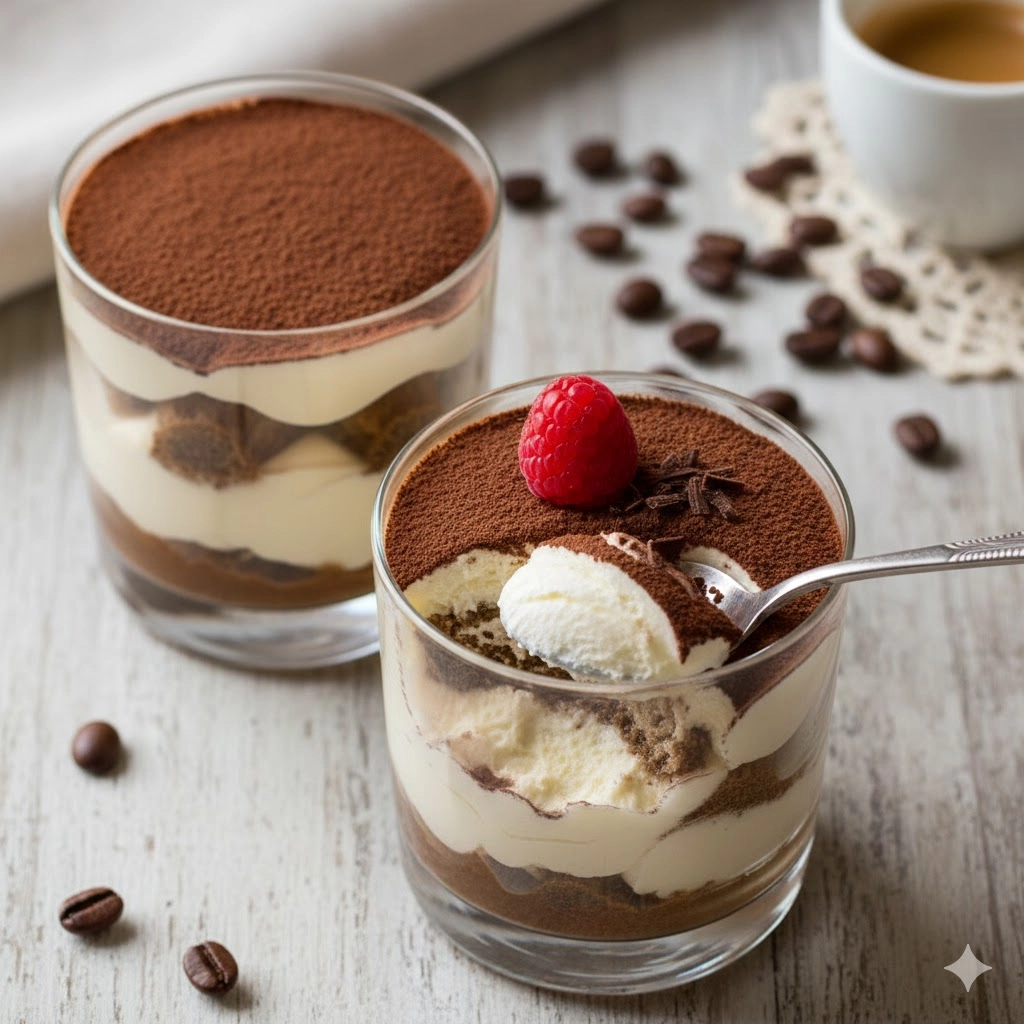
- Individual Portions: For catering or special dinners, assemble the Tiramisu in wide-mouth glass jars or clear tumblers. Layer the components directly in the glass. This eliminates the need for slicing and provides a stunning, modern presentation where the layers are fully visible.
- Temperature Matters: Serve the Tiramisu directly from the refrigerator. While the cream is stable, its texture is best when still cold. Remove it from the fridge only moments before you intend to serve.
- Garnish Simplicity: The classic unsweetened cocoa dusting is often enough. For added flair, serve with a single, perfectly ripe raspberry or a shaving of high-quality dark chocolate (seventy percent cacao or higher) placed directly on the sliced portion. A small espresso cup served alongside provides a complementary, final flavor lift.
Your Tiramisu Questions Answered
How long does Tiramisu last in the refrigerator?
When stored correctly, tightly covered in an airtight container, Tiramisu can last in the refrigerator for three to four days. However, the texture is at its peak during the first two days after the initial chilling period. After the fourth day, the ladyfingers may become too saturated and the texture will begin to degrade.
Can I make Tiramisu without alcohol?
Absolutely. The alcohol is entirely optional. It is primarily used for flavor depth and aromatic complexity. Excellent non-alcoholic substitutions include a small amount of pure vanilla extract, a splash of orange juice, or simply using a higher concentration of coffee in the soaking liquid. The structural integrity of the dessert is not dependent on the presence of alcohol.
What is the difference between Mascarpone and Cream Cheese?
Mascarpone is an Italian double or triple cream cheese with an exceptionally high fat content (around sixty to seventy percent), giving it a rich, almost butter-like flavor and a silky texture. Cream cheese has a lower fat content (around thirty-five percent) and a noticeably tangier flavor profile. While you can substitute cream cheese, the characteristic sweetness and velvety mouthfeel of traditional Tiramisu will be diminished.
Can I freeze Tiramisu?
Yes, Tiramisu freezes well. Assemble the entire dessert in a freezer-safe dish but do not dust with cocoa powder. Cover the dish tightly with plastic wrap and then a layer of aluminum foil. It can be stored frozen for up to two months. To thaw, move it to the refrigerator overnight. Dust with cocoa powder just before serving.
How do I fix my mascarpone cream if it looks runny?
If your mascarpone cream is runny, it is likely due to either overmixing the mascarpone (causing it to break) or not whipping the heavy cream to stiff peaks. If the cream has not fully set, try chilling the mixture immediately for thirty minutes. If it is still too loose, try very gently folding in one additional tablespoon of chilled, stiffly whipped heavy cream to bind the mixture. Do not attempt to whip the runny mixture, as this will only exacerbate the issue.
Understanding the Nutritional Landscape
Tiramisu is an indulgent dessert, and its nutritional content reflects the high-fat dairy components essential for its richness and flavor. The following is an estimation based on a twelve-serving yield of the core recipe.
| Nutrient | Amount per Serving |
| Calories | 385 kcal |
| Protein | 6 g |
| Carbs | 32 g |
| Fat | 25 g |
| Fiber | 1 g |
| Sugar | 17 g |
| Sodium | 88 mg |
Nutrition information is an estimate and may vary based on preparation and ingredients used.
The Definitive Easy Tiramisu Recipe for Home Kitchens
Ingredients
- 16 ounces Mascarpone cheese, chilled (450 grams)
- 1.5 cups heavy cream, chilled (plus 2 tablespoons extra for blending)
- 0.66 cup granulated sugar (2/3 cup)
- 2 tsp pure vanilla extract
- 0.25 tsp fine sea salt
- 2 cups freshly brewed espresso or very strong coffee, cooled
- 0.33 cup dark rum or coffee liqueur (optional)
- 40 to 45 Savoiardi ladyfingers (approx. 7- to 8-ounce package)
- 0.25 cup unsweetened cocoa powder, for dusting
Instructions
- Combine the cold espresso and the selected liqueur or substitution in a shallow dish. Allow the liquid to sit at room temperature while preparing the cream base.
- In a large, chilled mixing bowl, beat the chilled heavy cream, sugar, and vanilla extract until stiff peaks form. Set aside approximately one cup of this mixture and refrigerate the remainder.
- Using the separate cup of whipped cream, gently beat the chilled mascarpone and salt into it until just combined. The mixture should be thick, smooth, and homogenous. Do not overmix.
- Dip the ladyfingers quickly into the coffee mixture (two seconds per side is sufficient). Arrange them in a single layer in a 9×13-inch baking dish. Spread half of the mascarpone cream evenly over this layer.
- Repeat the dipping process and add a second, final layer of dipped ladyfingers. Smooth the remaining mascarpone cream over the top to cover completely.
- Cover the dish tightly and refrigerate for a minimum of eight hours, or ideally 24 hours, to allow the flavors to blend and the dessert to fully set. Dust generously with unsweetened cocoa powder just before serving.
Notes
Equipment
- 9×13-inch baking dish
- Electric mixer (handheld or stand mixer)
- large mixing bowl
- Shallow dish for coffee
- fine mesh sieve For dusting cocoa