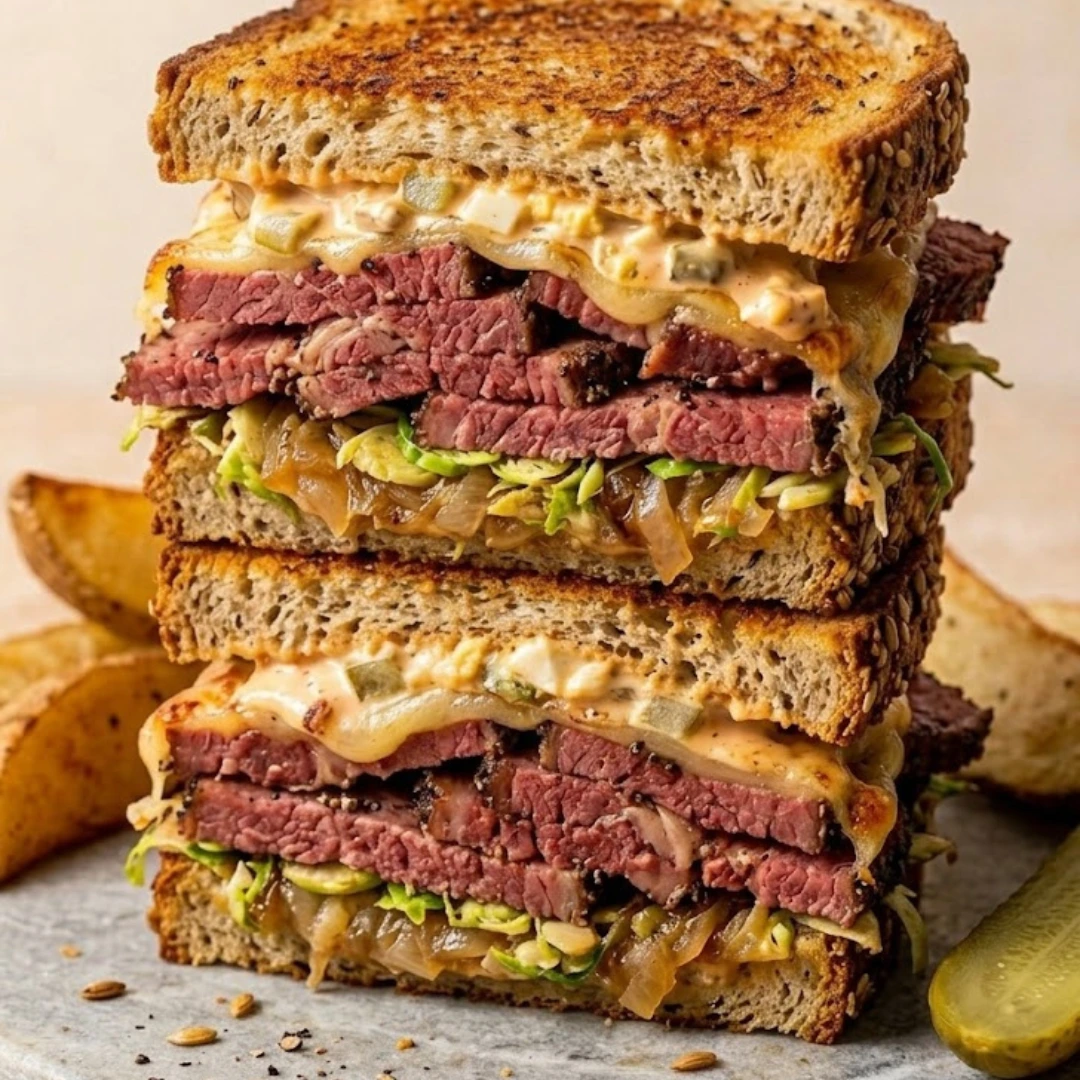

There is something undeniably nostalgic and comforting about the scent of fresh, warm pretzels wafting through a kitchen. Whether you are prepping for a high-energy game day, hosting a casual backyard get-together, or simply craving a salty treat to get you through a rainy afternoon, easy soft pretzel bites are the quintessential crowd-pleaser. These miniature morsels offer everything we love about the traditional large twist—the distinct golden-brown crust, the coarse salt crunch, and that signature chewy interior—but in a convenient, poppable form. The best part is that you do not need to be a professional baker to achieve that authentic “mall-style” quality in your own oven. With just a handful of pantry staples and about an hour of your time, you can transform simple flour and yeast into a snack that rivals any professional bakery.
Table of Contents
The Essential Components for Homemade Pretzel Success
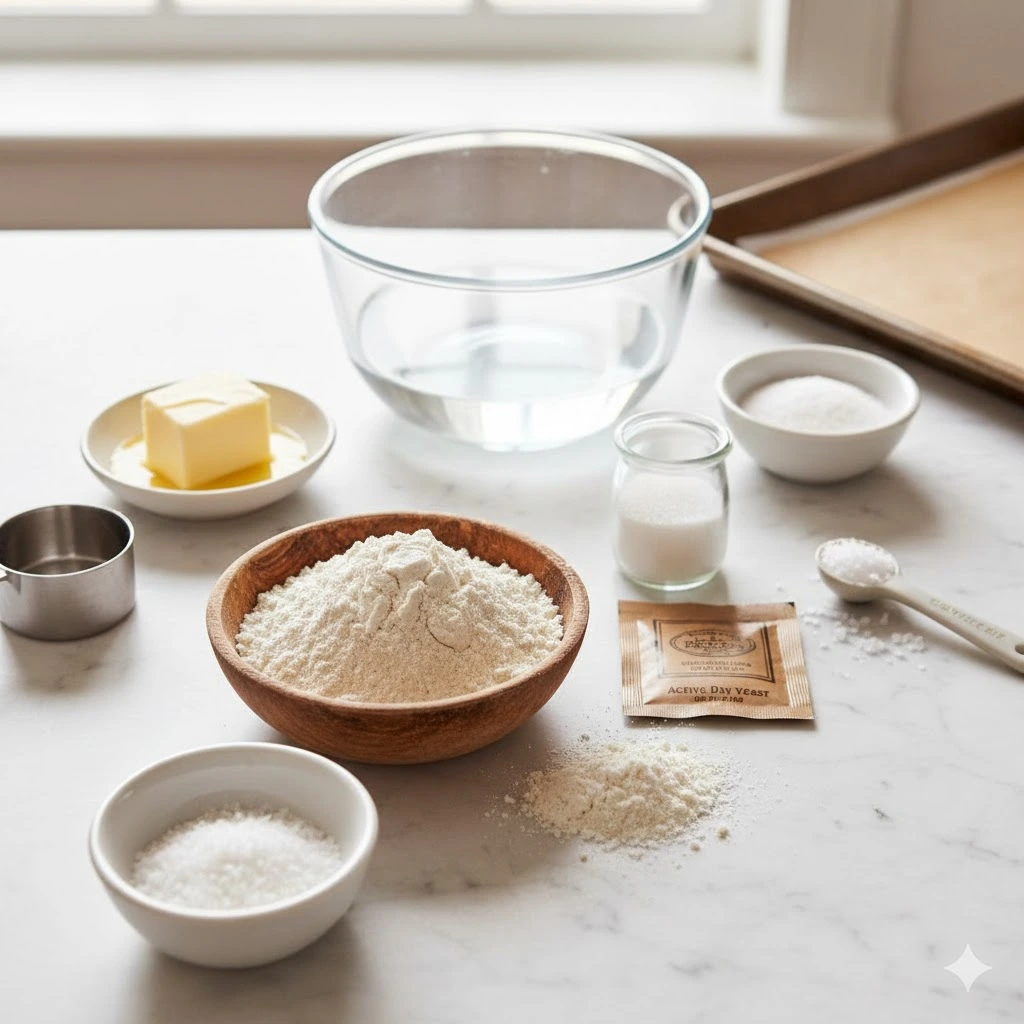
To begin this culinary journey, you will need to gather your ingredients. Precision is helpful here to ensure the dough remains supple and the crust develops that iconic alkaline tang.
- 1 cup warm water (aim for 110 degrees Fahrenheit; it should feel like warm bath water)
- 2 and 1/4 teaspoons active dry yeast (equivalent to one standard packet)
- 1 tablespoon granulated sugar
- 2 and 3/4 cups all-purpose flour
- 1 teaspoon salt
- 2 tablespoons unsalted butter (melted for the dough)
- 6 cups water (reserved specifically for the boiling process)
- 2 tablespoons baking soda (the secret to the pretzel crust)
- Coarse salt (for that classic topping)
- 2 tablespoons butter (melted separately for brushing over the finished bites)
Step-by-Step Preparation Instructions
Following the proper sequence is vital for ensuring the yeast activates and the dough develops the necessary gluten structure.
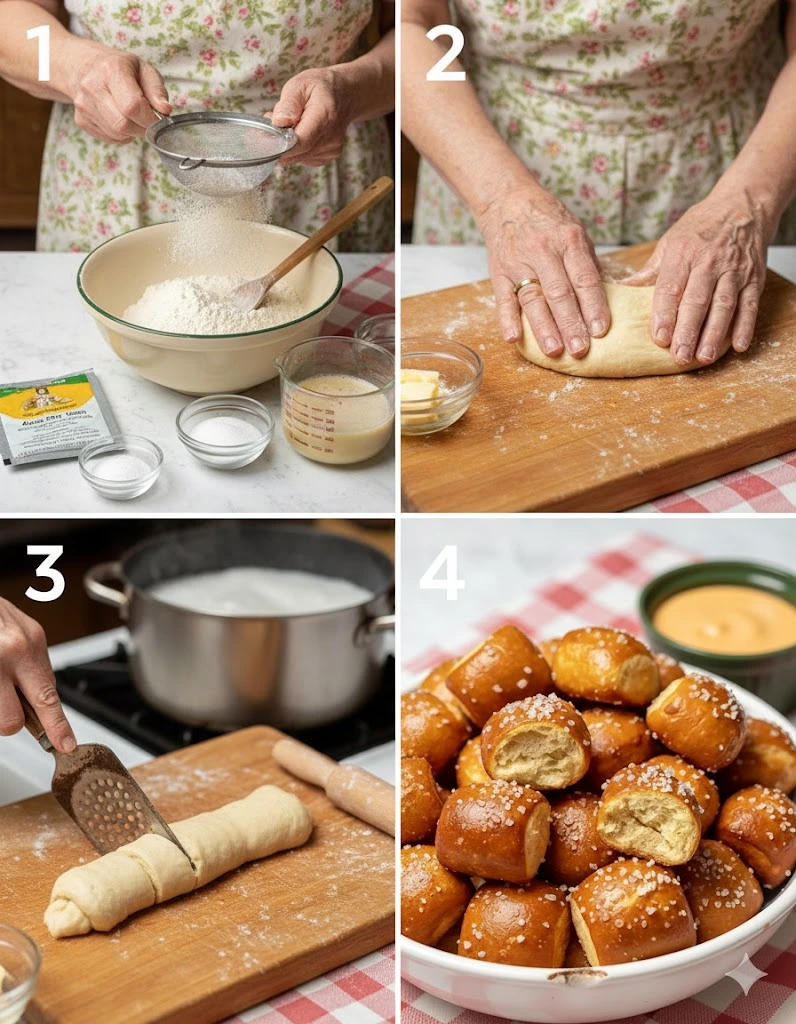
- In a large mixing bowl, combine the warm water, active dry yeast, and granulated sugar. Give it a gentle stir and allow it to sit undisturbed for approximately 5 minutes. You are looking for a foamy, frothy head to develop on the surface, which indicates the yeast is alive and active.
- Once the yeast is ready, incorporate the all-purpose flour, salt, and the first 2 tablespoons of melted butter. Mix the ingredients together until a shaggy dough begins to pull away from the sides of the bowl.
- Transfer the dough to a floured surface and knead by hand for about 5 minutes. If you prefer using a stand mixer, use the dough hook attachment on medium-low speed. You are aiming for a smooth, elastic texture. The dough should feel soft to the touch but should not stick to your fingers.
- Lightly grease a clean bowl with a bit of oil or cooking spray. Place the dough inside, cover it with a clean kitchen towel or plastic wrap, and let it rise in a warm, draft-free spot for 30 minutes. It does not need to double in size, but it should look noticeably puffy.
- While the dough rests, preheat your oven to 425 degrees Fahrenheit (220 degrees Celsius). Line a large baking sheet with parchment paper to prevent sticking.
- Prepare your boiling station by bringing 6 cups of water to a rolling boil in a large pot. Carefully and slowly add the baking soda. It will bubble up vigorously, so add it in small increments.
- Turn the risen dough out onto a work surface. Divide it into 4 equal portions. Roll each portion out into a long rope, approximately 1 inch thick.
- Using a sharp knife or a bench scraper, cut the ropes into 1-inch bite-sized pieces.
- Drop the bites into the boiling baking soda water in batches. Let them boil for only 20 to 25 seconds. If you leave them in too long, they can develop a metallic aftertaste.
- Use a slotted spoon to fish the bites out of the water, letting the excess moisture drain off, and arrange them on your prepared baking sheet.
- Immediately sprinkle the damp bites with coarse salt so it adheres well.
- Slide the tray into the oven and bake for 12 to 15 minutes. You are looking for a deep, rich golden-brown color.
- As soon as you pull them out of the oven, brush the tops generously with the remaining melted butter. Allow them to cool for just a minute or two before serving.
Mastering the Art of the Pretzel Dough
The magic of easy soft pretzel bites lies in the science of the dough. When you combine the warm water and yeast, you are initiating a fermentation process where the yeast consumes the sugar and releases carbon dioxide. This is what creates those tiny air pockets that make the pretzel interior fluffy. When kneading, pay close attention to the “feel” of the dough. All-purpose flour can vary in moisture content depending on your local climate; if your dough feels overly tacky, add a tablespoon of flour at a time. However, be cautious not to over-flour, as this leads to a dense, heavy snack rather than a light and airy one.
The 30-minute rise time is a crucial resting period. While it might be tempting to skip this to save time, this window allows the gluten strands to relax. A relaxed dough is much easier to roll into ropes without it snapping back like a rubber band. This resting phase also allows the flavor of the yeast to develop, providing that subtle “bread-like” aroma that defines a great pretzel.
The Science Behind the Baking Soda Bath
You might wonder why we boil bread dough before baking it. This is the defining characteristic of a pretzel. The baking soda increases the pH level of the water, creating an alkaline environment. When the dough hits this boiling alkaline solution, it gelatinizes the starches on the exterior of the dough. This creates a barrier that prevents the pretzel from rising too much in the oven, resulting in that classic chewy texture.
Furthermore, this alkaline surface accelerates the Maillard reaction—the chemical reaction between amino acids and reducing sugars that gives browned food its distinctive flavor. This is why pretzels turn a much deeper brown than standard dinner rolls. If you skip the boil, you are essentially just making salty bread nuggets. To get that authentic flavor, the 20-second dip is mandatory.
Achieving the Ultimate Creamy Consistency in Dips
While easy soft pretzel bites are delicious on their own, they truly shine when paired with a complementary dip. The salty, chewy profile of the pretzel is the perfect vessel for something creamy or tangy.
- Cheese Sauce: A classic cheddar sauce is the gold standard. For an extra kick, try a spicy taco-seasoned cheese dip or a beer cheese infusion using a sharp cheddar and a splash of amber ale.
- Sweet Contraste: If you prefer a “sweet and salty” vibe, honey mustard is an excellent choice. The vinegar tang and honey sweetness play beautifully against the coarse salt.
- Marinara and Queso: For a more substantial snack, treat these bites like mini breadsticks and dip them in a rich marinara sauce or a smooth white queso.
- The Dessert Route: If you want to transform these into a treat, skip the coarse salt before baking. Once they come out of the oven, brush them with butter and toss them in a mixture of cinnamon and sugar. Pair these with a simple cream cheese frosting or a chocolate ganache dip.
Creative Recipe Variations and Flavor Twists
Once you have mastered the base recipe for easy soft pretzel bites, the possibilities for customization are endless. You can easily pivot from a savory appetizer to a decadent dessert with just a few minor adjustments.
Everything Bagel Style
Instead of using plain coarse salt, brush the bites with an egg wash (one egg beaten with a tablespoon of water) before baking and sprinkle them liberally with everything bagel seasoning. The addition of dried garlic, onion, and sesame seeds adds a sophisticated layer of flavor that makes these bites feel like they came from a high-end deli.
Garlic and Herb Infusion
For those who love savory, aromatic snacks, try rolling the dough bites in a mixture of melted butter, minced garlic, and dried parsley immediately after the boiling step but before they go into the oven. The garlic roasts as the pretzels bake, infusing the crust with a deep, savory punch.
Stuffed Pretzel Surprises
If you are feeling adventurous, you can stuff the center of each bite. Before rolling the dough into ropes, flatten small discs of dough and place a small cube of sharp cheddar or a slice of pepperoni in the center. Pinch the dough tightly to seal it into a ball, then proceed with the boiling and baking steps. You will end up with gooey, melted centers that are a delight to bite into.
Troubleshooting Common Pretzel Pitfalls
Even the most seasoned home cooks can run into issues when working with yeast dough. If your pretzel bites didn’t turn out quite right, here are a few things to check for next time:
- Density Issues: If your bites are too hard or dense, you likely added too much flour. Always use the “spoon and level” method rather than scooping the flour directly with the measuring cup, which packs the flour down.
- Yeast Failure: If the dough didn’t rise at all, your water might have been too hot (killing the yeast) or too cold (failing to wake it up). Invest in a simple kitchen thermometer to ensure your water is between 105 and 115 degrees Fahrenheit.
- Lack of Color: If the pretzels stayed pale in the oven, check the amount of baking soda in your water bath. The alkalinity is what drives the browning process. Also, ensure your oven is fully preheated to the high temperature of 425 degrees Fahrenheit.
Smart Storage and Reheating Methods
Soft pretzels are best enjoyed fresh and warm, but if you have leftovers, they can be saved. To store them, allow the bites to cool completely to room temperature. Place them in an airtight container or a zip-top bag. They will stay fresh at room temperature for about 2 days.
To reheat and regain that “just baked” texture, avoid the microwave, which can make the dough rubbery. Instead, place the bites on a baking sheet and pop them into a 350-degree Fahrenheit oven for 5 to 8 minutes. This will crisp up the exterior while softening the middle. If you want to store them longer, these bites freeze exceptionally well. Freeze them in a single layer on a tray before transferring to a freezer bag. You can bake them directly from frozen at 350 degrees Fahrenheit for about 10 to 12 minutes.
Frequently Asked Questions About Pretzel Making
Can I make the dough ahead of time?
Yes, you can prepare the dough and let it undergo its first rise in the refrigerator overnight. The cold environment slows down the yeast, allowing for a slower fermentation which actually improves the flavor. Just let the dough come back to room temperature for about 30 minutes before you start rolling it into ropes.
What is the best substitute for baking soda?
While professional bakeries use food-grade lye for the ultimate pretzel crust, it is a caustic substance that requires safety gear. Baking soda is the safest and most accessible household substitute. For an even stronger effect, some bakers “bake” their baking soda in the oven at 250 degrees Fahrenheit for an hour before using it to increase its alkalinity.
Can I use whole wheat flour for this recipe?
You can substitute up to half of the all-purpose flour with whole wheat flour. Keep in mind that whole wheat flour absorbs more liquid, so you may need to add an extra tablespoon or two of water to keep the dough supple. The result will be a heartier, nuttier bite that is slightly more dense.
Why do my pretzels taste like metal?
A metallic or soapy taste usually comes from leaving the dough in the baking soda bath for too long. Stick strictly to the 20 to 25-second window. This is just enough time to set the crust without allowing the alkaline solution to soak too deeply into the interior of the dough.
Nutritional Information and Values
The following values are estimates based on a single serving (approximately 8 to 10 bites, depending on size).
| Nutrient | Amount Per Serving |
| Calories | 170 |
| Total Fat | 4 grams |
| Saturated Fat | 2 grams |
| Cholesterol | 10 milligrams |
| Sodium | 450 milligrams |
| Total Carbohydrates | 28 grams |
| Dietary Fiber | 1 gram |
| Sugars | 2 grams |
| Protein | 4 grams |
Nutritional Disclaimer
Please note that all nutritional values provided are approximate and can vary based on the specific brands of ingredients used and the exact size of the portions served. For those with specific dietary requirements or medical conditions, please consult with a registered dietitian or healthcare professional.
Bringing the Bakery Experience to Your Kitchen
Creating easy soft pretzel bites at home is more than just a way to satisfy a craving; it is a rewarding baking project that fills your home with incredible aromas and provides a customizable snack for any occasion. By following the precise boiling method and giving your dough the time it needs to rest, you ensure a professional result every single time. Whether you keep them classic with a dusting of coarse salt or get creative with garlic and cheese, these bites are destined to become a staple in your recipe rotation. Now that you have the tools and the knowledge, it is time to roll up your sleeves, dust off your flour, and start baking.

Easy Soft Pretzel Bites
Ingredients
- 1 cup warm water (about 110 Fahrenheit)
- 2.25 tsp active dry yeast (1 packet)
- 1 tbsp granulated sugar
- 2.75 cups all-purpose flour
- 1 tsp salt
- 2 tbsp unsalted butter, melted
- 6 cups water (for boiling)
- 2 tbsp baking soda
- 1 tbsp coarse salt (for topping)
- 2 tbsp butter, melted (for brushing after baking)
Instructions
- In a large bowl, mix warm water, yeast, and sugar. Let sit for 5 minutes until foamy.
- Add flour, salt, and melted butter. Mix until a dough forms.
- Knead by hand or mixer for 5 minutes until smooth and elastic. The dough should be soft but not sticky.
- Place dough in a lightly greased bowl, cover, and let rise for 30 minutes until slightly puffy.
- Preheat oven to 425 Fahrenheit. Line a baking sheet with parchment paper. Bring 6 cups of water to a boil and add baking soda carefully.
- Divide dough into 4 pieces. Roll each into a rope about 1-inch thick and cut into 1-inch bite-size pieces.
- Boil pretzel bites in baking soda water for 20–25 seconds. Do not overboil. Remove with a slotted spoon to the baking sheet.
- Sprinkle with coarse salt. Bake for 12–15 minutes until deep golden brown. Brush with melted butter immediately.
Notes
Equipment
- large mixing bowl
- large pot For the boiling water bath
- baking sheet
- parchment paper
- slotted spoon
- pastry brush