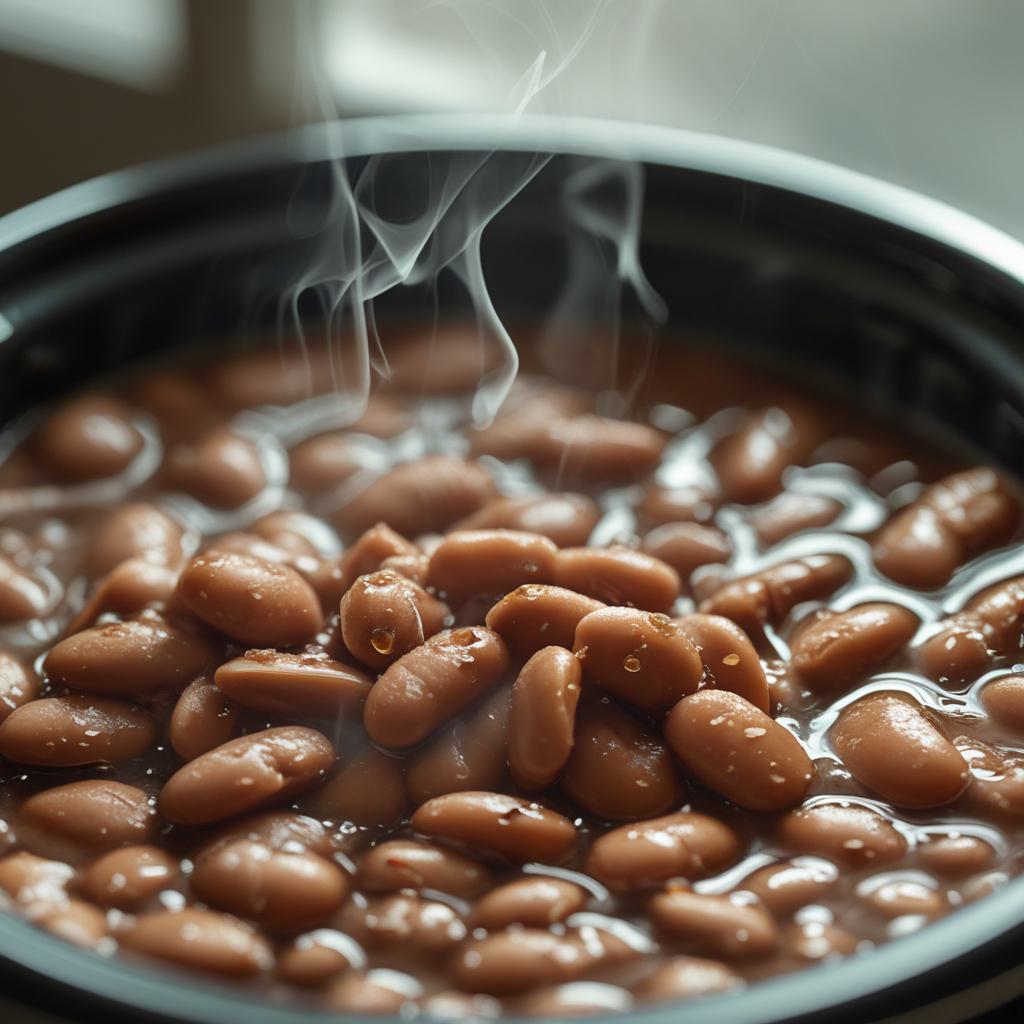
The hearty perfume of slow-cooked pinto beans unfolds like a culinary sonata—earthy cumin pirouetting with smoky paprika, sweet onions caramelizing into the rich bass notes of simmering beans. This humble legume transforms under patient heat into velvet-textured morsels, their russet skins splitting to reveal creamy interiors that embrace pork stock like longtime lovers reunited. Mexican grandmothers and French-trained chefs alike understand this alchemy: water, time, and fire conspiring to elevate peasant food into profound cuisine. As your slow cooker exhales its aromatic sighs through the kitchen, you’ll detect whispers of campfire cassoulet, hints of Oaxacan mole negro, and the universal poetry of patience rewarded. The beauty lies in absence—no need for fussy techniques when dried beans soak up flavors like desert rain, swelling with the complex soul of smoked meats, charred peppers, and the kind of depth only hours can bestow.
Table of Contents
Ingredient Deep Dive
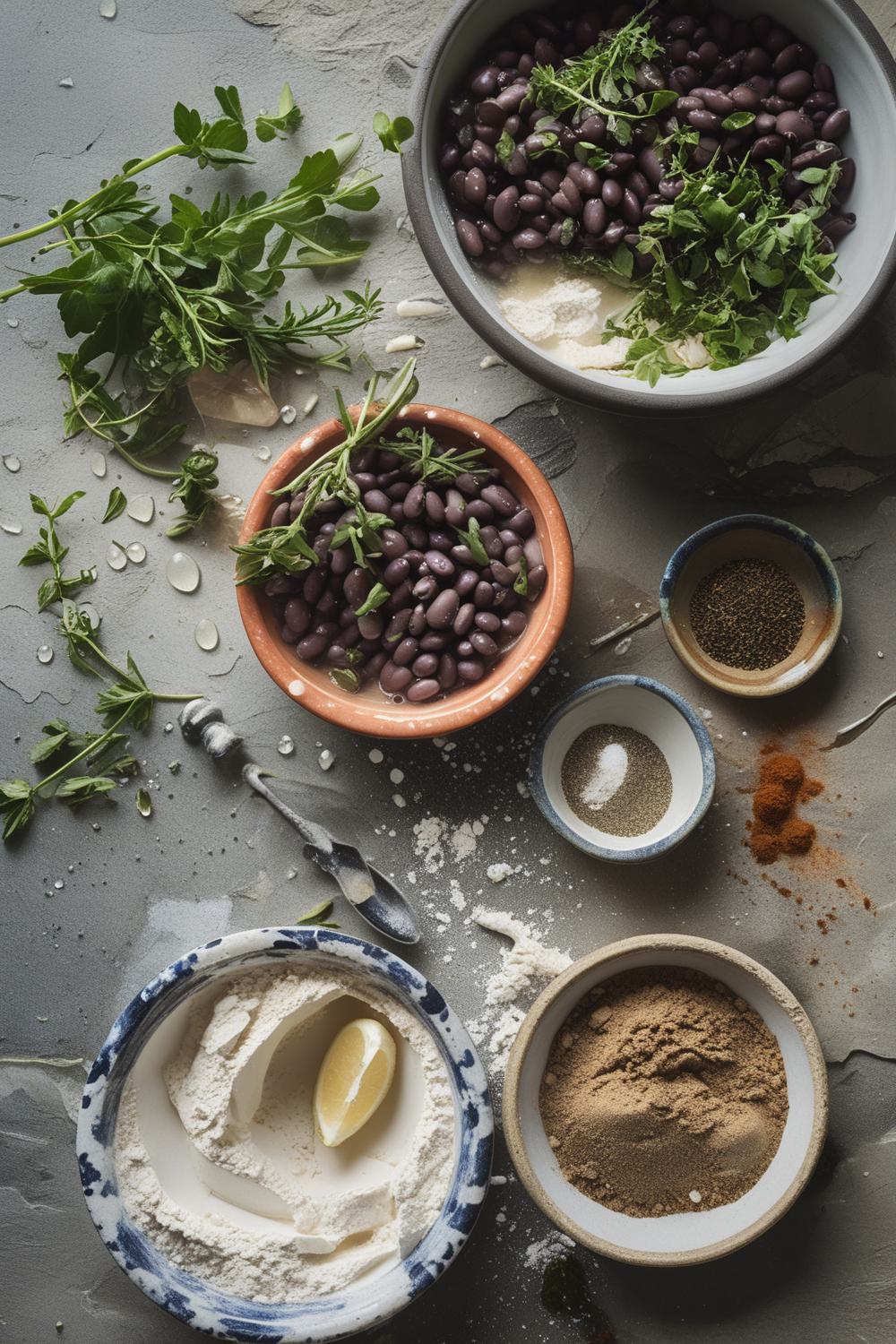
Every element serves both flavor and structural purpose in this bean symphony:
| Ingredient | Quantity | Purpose |
|---|---|---|
| Dry pinto beans | 2 cups | Protein foundation that breaks down into creamy texture |
| Smoked ham hock | 1 large | Provides collagen for viscosity and umami smokiness |
| Yellow onion | 1 diced | Caramelizes to balance earthiness with sweetness |
| Garlic cloves | 6 minced | Builds aromatic complexity without bitterness |
| Cumin seeds | 2 tsp | Toasted whole for nutty, warm undertones |
| Mexican oregano | 1 tbsp | Floral citrus notes distinct from Mediterranean varieties |
| Bay leaves | 3 | Subtle tannins to cut richness |
| Chicken stock | 6 cups | Superior depth vs water (contains gelatin) |
| Apple cider vinegar | 2 tbsp | Brightens finished dish; adds after cooking |
| Sea salt | 1 tbsp | Always added after cooking to prevent bean toughness |
The ham hock’s collagen dissolves during the slow cook, acting as a natural thickener while providing smoky depth no liquid smoke can replicate. Whole cumin seeds toast in residual skillet heat before joining the pot, their essential oils remaining intact unlike pre-ground powder which loses 60% flavor within months.
Beans must remain completely submerged during cooking—the 3:1 liquid ratio accounts for evaporation over 8 hours. Vinegar addition at the end follows food chemistry principles: introducing acid early can prevent bean softening, while post-cook seasoning preserves texture and allows salt to hit taste receptors directly rather than being absorbed into the starch matrix.
Substitutions & Swaps
For vegetarians, replace ham hock with 1 cup smoked sun-dried tomatoes and 2 tsp smoked paprika. Vegetable broth suffices though lacks gelatin—add 1 tbsp agar-agar powder as thickener. Gluten-free diners face no concerns here beyond broth verification. Rancho Gordo’s heirloom pintos offer superior creaminess, but standard supermarket beans work when soaked overnight. Pressure cooker adaptation: reduce liquid to 4 cups and cook 45 minutes on high. No Mexican oregano? Marjoram with lime zest approximates its citrus-pine character. Bacon ends substitute for ham hock—use 6 oz uncured variety. Short on time? Quick-soak beans by boiling 2 minutes then steeping 1 hour before cooking.
Equipment Guide
A 6-quart oval slow cooker proves ideal—its shape accommodates ham hocks better than round models. Before slow cookers existed, earthenware olla pots worked similarly; if using vintage ceramic, avoid sudden temperature changes. Sear aromatics in a 10-inch cast iron skillet—its heat retention creates superior fond (those browned bits equal flavor gold) compared to nonstick. For mashing some beans to thicken sauce, a stainless steel potato masher outperforms silicone tools that flex too much. Always use wooden spoons for stirring to prevent scratching cooker inserts. Digital probe thermometers ensure meats reach safe 165°F when checked during last hour.
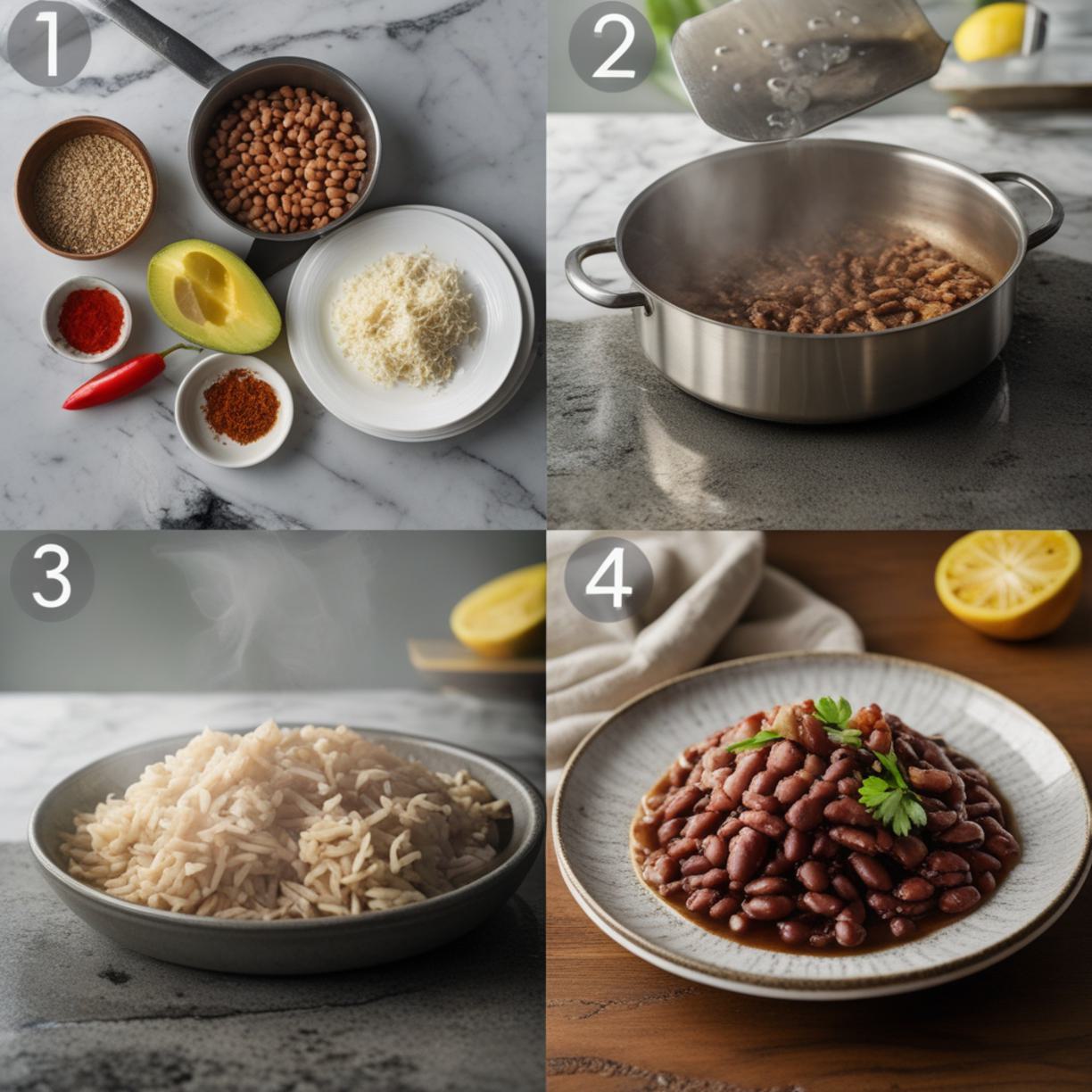
Step-by-Step Walkthrough
- Spread beans on light-colored tray, discard pebbles or shriveled specimens
- Rinse thrice in colander until water runs clear—removes dust affecting texture
- Sear ham hock in dry cast iron over medium until mahogany crust forms (5 mins/side)
- Sauté onions in rendered fat 4 minutes until edges caramelize
- Add garlic, cumin seeds, oregano; toast 90 seconds until fragrant
- Deglaze skillet with 1 cup stock, scraping fond with wooden spatula
- Transfer everything to slow cooker including remaining stock
- Cook on LOW 8 hours—NO PEEKING—heat loss extends cooking time
- Remove bones from ham hock; shred meat into beans
- Stir in vinegar and salt; let rest 15 minutes for flavors to marry
Resist stirring during cooking—beans remain intact when undisturbed. Old beans (over 2 years) often stay hard regardless of cooking time—always buy from stores with high bean turnover. For richer sauce, scoop out 1 cup beans at end, mash with fork, then stir back in. Water bath slow cookers (where heating unit surrounds crock) outperform models with heating elements only at bottom—consistent heat prevents uneven doneness.
Expert Tips & Troubleshooting
If beans remain firm after 8 hours, stir in 1/2 tsp baking soda—alkaline softens stubborn skins—and cook 1 additional hour. Underseasoned? Add 1 tsp fish sauce (even for vegetarians—it melds invisibly). Should liquid evaporate too much, top with boiling (never cold) water to prevent temperature shock. Overly salty? Float a peeled raw potato for 30 minutes to absorb excess. For creamier texture without mashing, add 2 tbsp masa harina during last hour. Mushy bean culprit? Overcrowding—ensure beans stay submerged or they’ll steam instead of simmer. Acid lovers finish with pickled red onions: combine 1 sliced red onion, 1/2 cup lime juice, 1 tsp sugar—steep 30 minutes as beans rest.
Flavor Variations
New Mexico style: Swap pinto for Anasazi beans, add 2 roasted Hatch chiles. Texas chili twist: Omit ham hock, stir in 1 lb browned chuck roast chunks. Kid-friendly: add 1 tbsp maple syrup with vinegar, use smoked turkey leg for milder flavor. Caribbean flair: coconut milk replaces 2 cups stock, add allspice berries and Scotch bonnet. Breakfast beans: Simmer finale with 8 oz chorizo and top with fried eggs. Kentucky inspired: Bourbon barbecue version with 1/4 cup bourbon and 3 tbsp molasses added last hour.
Storage & Reheating
Cool completely within 2 hours—transfer to shallow containers. Refrigerate 5 days or freeze 6 months in vacuum-sealed bags with cooking liquid. Thaw overnight before reheating. Revive on stovetop over low heat with splash of water or broth. Avoid microwaves—uneven heating creates hot spots that degrade texture. Garnish always after reheating: fresh cilantro, diced onions, lime wedges. Freezer tip: Portion beans in muffin tins (1/2 cup each), freeze solid, then transfer to bags—perfect single servings.
FAQ Section
Must I soak beans overnight?
Not mandatory but reduces cooking time by 30% and minimizes intestinal discomfort.
Can I cook on HIGH instead?
Yes—reduce to 4 hours but check hourly after 3 hrs. LOW yields creamier texture.
Why avoid salt during cooking?
Salt ions compete with calcium in bean skins, resulting in tough beans.
How to use leftovers?
Bean dip: blend with cream cheese. Enfrijoladas: dip tortillas in bean puree before rolling. Bean burgers: mix 2 cups beans with 1 cup breadcrumbs.
The Recipe Card
Creamy pinto beans infused with smoked ham hock, cumin, and oregano. 8-hour slow cooking yields velvety texture. Finished with apple cider vinegar for brightness. Serves 6-8. Gluten-free adaptable. Vegan variation possible. Total active time: 25 minutes.
Nutrition Information
| PER SERVING (1.5 cups) | |
|---|---|
| Calories | 382 |
| Protein | 21g |
| Carbohydrates | 45g |
| Fiber | 11g |
| Sugars | 4g |
| Fat | 12g |
| Sodium | 780mg |
*Nutrition calculated with ham hock. Vegan version: 290 calories, 4g fat.
DISCLAIMER: Cooking times vary by elevation, bean age, and slow cooker model. Adjust liquids as needed. Consume beans within 5 days when refrigerated. Consult physician if using salt substitutes.