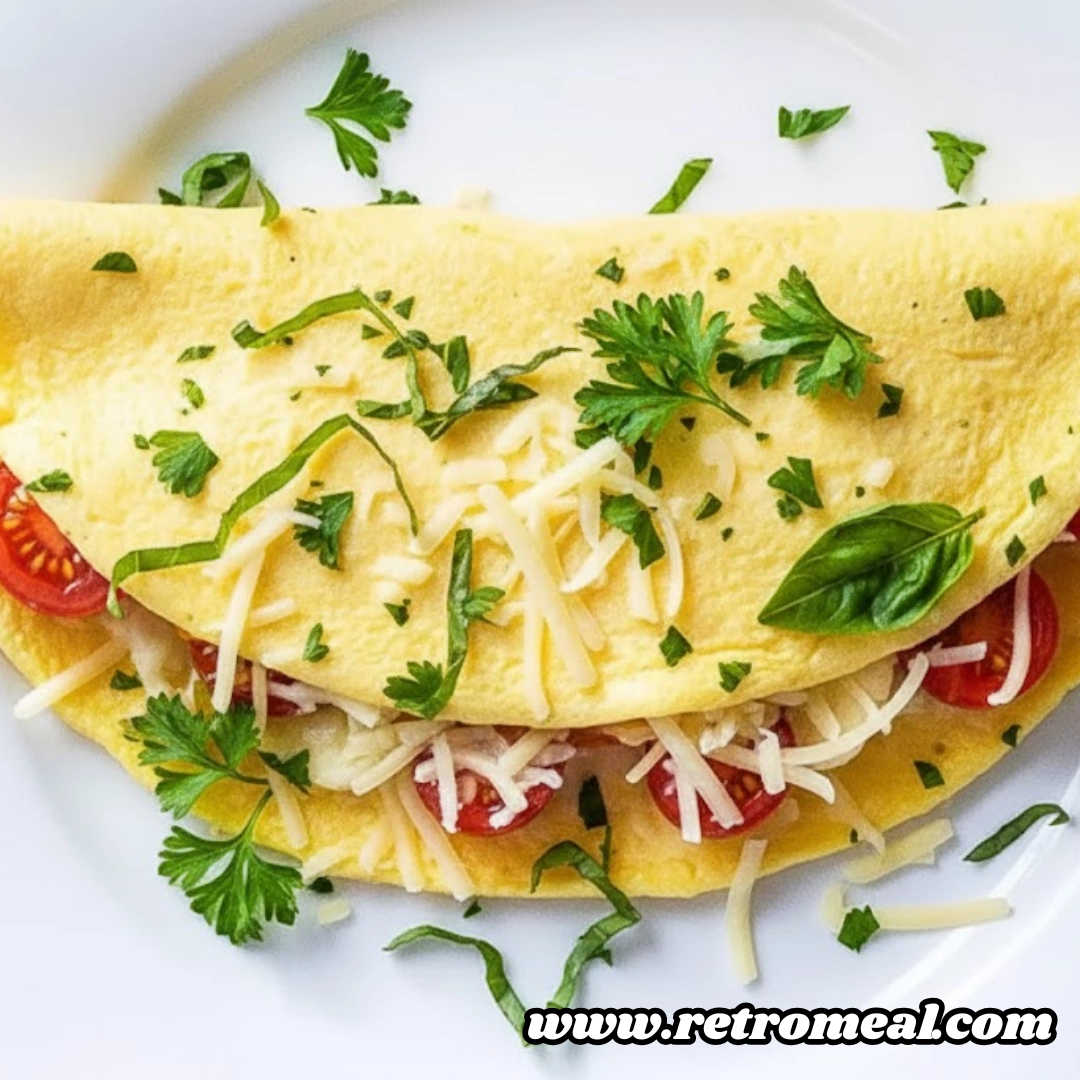
The humble omelette is perhaps the most versatile and essential dish in any home cook’s repertoire. It represents the perfect marriage of economy and elegance, allowing you to transform a few simple eggs and whatever remains in your vegetable crisper into a gourmet meal in under ten minutes. While many feel intimidated by the “flip” or the fear of a rubbery texture, the process is actually a soothing, rhythmic exercise in heat management. Whether you are seeking a protein-packed start to your day or a sophisticated, low-effort dinner paired with a crisp glass of white wine, mastering the American-style omelette is a culinary milestone that pays dividends for a lifetime.
Table of Contents
Ingredients
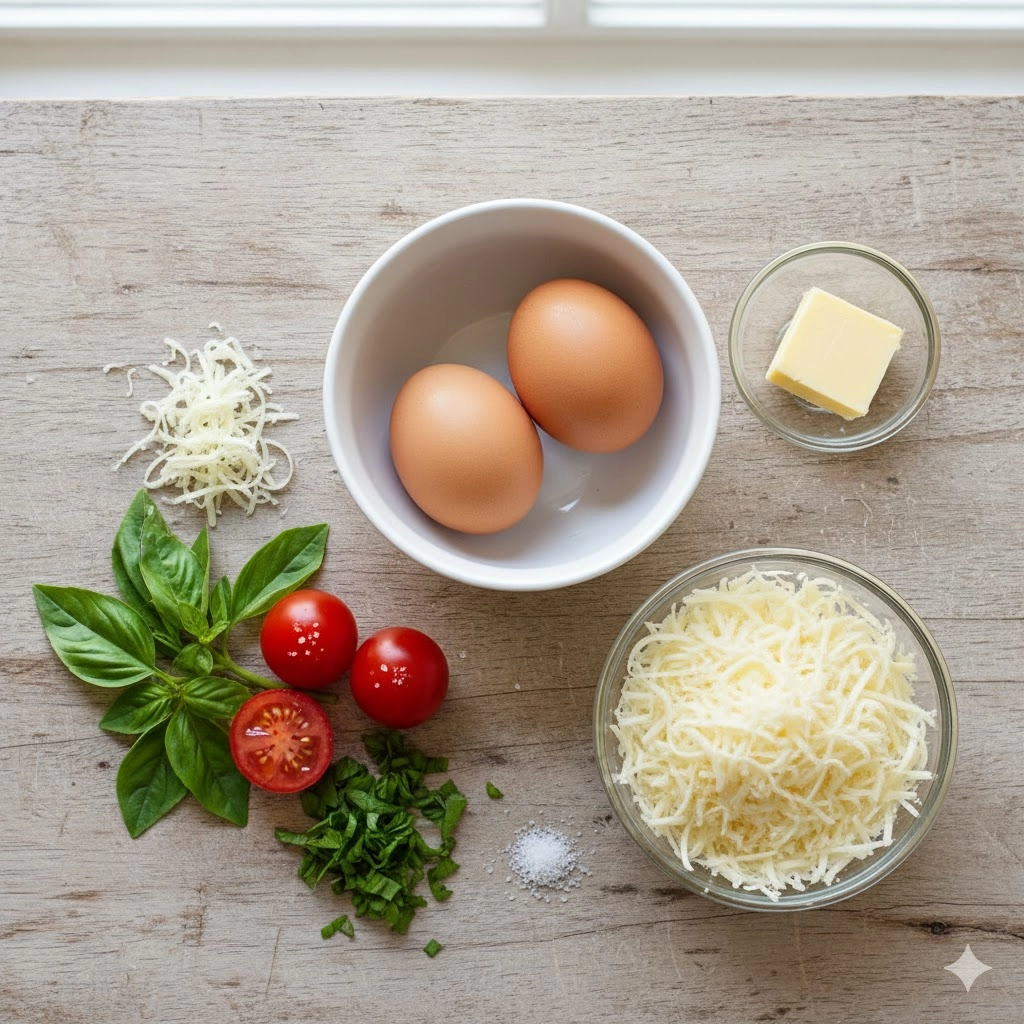
To create a single, flawless serving of this classic dish, you will need the following high-quality components. Ensure your ingredients are fresh to achieve the best flavor profile and structural integrity.
- 2 large eggs
- Pinch salt
- 1 tablespoon unsalted butter
- 2 tablespoons grated cheese, any kind
- 3 to 4 cherry tomatoes, cut in half and sprinkled lightly with salt
- 2 tablespoons chopped basil, parsley, or herb of your choice
Instructions
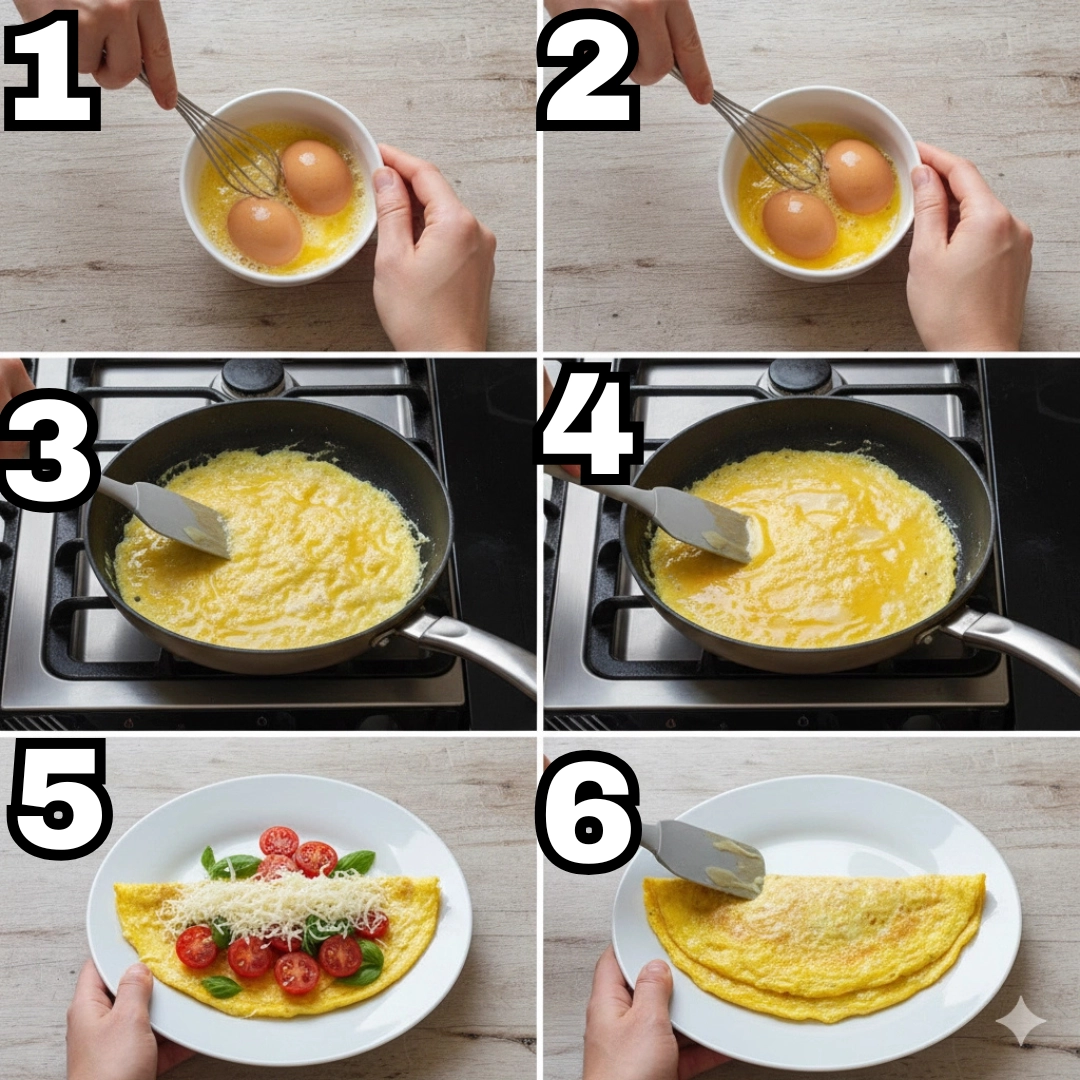
- Prep the eggs: Crack the eggs into a small glass or ceramic bowl. Add a small pinch of salt and beat the eggs vigorously with a fork until the yolks and whites are fully integrated and no streaks of white remain.
- Melt the butter: Place an 8-inch nonstick skillet over medium-low heat. Add the tablespoon of unsalted butter and allow it to melt completely, swirling the pan to coat the bottom and the lower sides.
- Add the eggs and cook the omelette: Pour the beaten eggs into the center of the skillet. Let them sit undisturbed for about one minute until the edges begin to set. Using a heatproof silicone spatula, gently push the cooked edges toward the center of the pan. Simultaneously tilt the pan so the liquid, uncooked eggs flow into the empty space at the edge.
- Achieve the set: Repeat this lifting and tilting motion around the circumference of the pan until the eggs are mostly set but still retain a slightly soft, glistening appearance in the very center. This process should take approximately six minutes on a low heat setting.
- Fill the omelette: Arrange the grated cheese, halved cherry tomatoes, and fresh herbs in a neat line down the center of the egg disk. Continue to cook for roughly one minute more, allowing the cheese to begin its melt and the eggs to firm up slightly more while remaining tender.
- Fold and plate the omelette: Carefully slide your spatula around the edge of the omelette to ensure it is loose. Slip the spatula under one side and fold the egg over the filling to create a classic half-moon shape. Slide the spatula underneath the entire folded structure to loosen it from the skillet. Gently tilt the pan over a serving plate and nudge the omelette out. Serve immediately.
Achieving the Ultimate Creamy Consistency
The secret to a world-class omelette lies in the relationship between the heat of the pan and the movement of the spatula. Unlike a fried egg, which benefits from the high-heat “frizzle” of browned butter, the American omelette thrives on a gentle, medium-low temperature. When you add your eggs to the melted butter, you aren’t looking for a loud sear; you want a quiet, gradual setting of the proteins.
By pushing the cooked curds toward the center and allowing the raw egg to fill the gaps, you are essentially building layers of delicate, cooked egg “ribbons.” This technique ensures that the bottom of the dish doesn’t become brown and tough before the top has a chance to solidify. If you see the edges starting to turn golden brown or bubbles forming rapidly, your heat is too high. Lower the flame and move the pan off the burner for a few seconds to regulate the temperature. The ideal texture should be reminiscent of a soft custard—firm enough to hold its shape but yielding and moist to the bite.
The Science of the Nonstick Surface
When it comes to egg cookery, the equipment is just as important as the technique. For a standard two-egg recipe, an 8-inch nonstick skillet is the industry standard. The size is crucial because it dictates the thickness of the egg layer. If the pan is too large, the egg spreads too thin and dries out instantly; if it is too small, the omelette becomes thick and difficult to fold without breaking.
Modern nonstick surfaces, often reinforced with ceramic or high-grade fluoropolymers, allow the egg to glide effortlessly. However, even the best pan requires the lubrication of fat. Butter is the preferred medium because the milk solids provide a visual cue for temperature—once the foam subsides and it begins to smell nutty, it is ready for the eggs. Using a silicone spatula is equally vital; metal utensils will scratch your nonstick coating, and wooden spoons are often too blunt to get under the delicate edge of the egg.
Filling Combinations and the Golden Rule of Volume
While the reference recipe calls for the classic brightness of cherry tomatoes and fresh herbs, the omelette is a blank canvas. One of the most important lessons in omelette making is the “Golden Rule of Volume”: do not overstuff. It is tempting to pile in every leftover in the fridge, but an overfilled omelette will tear during the folding process and spill its contents unceremoniously onto the plate.
Consider these balanced pairings that respect the structural integrity of the eggs:
- The Mediterranean: A crumble of feta cheese, a few kalamata olives, and a handful of wilted baby spinach.
- The Alpine: Nutty Gruyere cheese paired with thinly sliced roasted potatoes and a pinch of thyme.
- The Bistro: A simple blend of goat cheese and “fines herbes”—usually a mix of chives, chervil, parsley, and tarragon.
- The Hearty American: Crispy bacon bits and sharp cheddar, perhaps with a few chives for a pop of color.
Remember to pre-cook any fillings that release moisture, such as mushrooms or raw spinach, to prevent a watery interior.
Beyond the Breakfast Table
In many cultures, particularly in France, the omelette is not strictly a morning food. It is often served as a light lunch or a late-night supper. The beauty of this dish is its ability to feel like a complete, sophisticated meal when accompanied by a simple side. A crisp green salad dressed in a sharp dijon vinaigrette provides the perfect acidic counterpoint to the rich, buttery eggs.
If you are serving this for dinner, the addition of a crusty baguette and a glass of chilled Sauvignon Blanc or a light Pinot Noir transforms the experience. It is a meal that feels intentional and cared for, despite its rapid preparation time. For those evenings when you are too exhausted to cook a complex multi-course meal, the omelette offers a moment of culinary Zen.
Troubleshooting Your Fold and Texture
Even experienced cooks occasionally encounter a “broken” omelette. If your eggs stick to the pan, it is likely that the pan wasn’t sufficiently preheated or the nonstick coating is wearing thin. If the omelette breaks in half when you try to fold it, the eggs may have become too dry. Next time, try removing the pan from the heat a few seconds earlier; the residual heat of the pan will continue to cook the eggs even after you have folded them.
Another common issue is “weeping” eggs, where water pools on the plate. This usually happens when the salt is added too early in the beating process or if the fillings (like the tomatoes) are particularly watery. Salt the tomatoes separately as instructed to draw out their moisture before they hit the eggs, and ensure you are using high-quality, large eggs which have a better protein-to-water ratio.
Modifications and Substitutions
The beauty of the omelette is its adaptability to various dietary needs and pantry limitations.
- Dairy-Free: If you are avoiding dairy, substitute the unsalted butter with a high-quality extra virgin olive oil or a plant-based butter alternative. For the cheese, use a vegan shred that melts well or omit it entirely in favor of creamy avocado slices added just before folding.
- Herb Variations: If fresh basil or parsley isn’t available, dried herbs can work in a pinch, though you should use about one-third of the amount. Alternatively, use the green tops of scallions for a mild onion bite.
- Egg Whites: For a lighter, lower-cholesterol version, you can use four egg whites in place of two whole eggs. Be aware that egg whites cook faster and are more prone to sticking, so keep your heat strictly on the lower end of medium-low.
- Fat Content: While unsalted butter is traditional for flavor, salted butter can be used; just reduce the pinch of salt you add to the raw eggs to maintain a balanced flavor profile.
Sophisticated Breakfast Accompaniments
An omelette is a star on its own, but pairing it with the right sides can elevate the entire dining experience.
- Bread: A thick slice of sourdough toast, heavily buttered, is the traditional companion. For a more indulgent brunch, try a warm croissant or toasted brioche.
- Fruit: A small bowl of seasonal berries or sliced melon provides a refreshing, sweet contrast to the savory eggs.
- Potatoes: If you have more than ten minutes, crispy home fries or a hash brown patty offer a satisfying textural crunch.
- Beverages: Beyond the standard coffee or orange juice, try a sparkling water with a splash of cranberry or, for a weekend treat, a classic Mimosa.
Deep-Dive Culinary Questions
Can I make an omelette in a stainless steel or cast iron pan?
While it is technically possible, it is significantly more difficult for beginners. Eggs are high in protein and low in fat, making them prone to bonding with the microscopic pores of metal pans. To use stainless steel, you must master the “Leidenfrost effect,” heating the pan until water droplets bead and dance, then using a generous amount of fat. For most home cooks, a dedicated nonstick omelette pan is a worthwhile investment for stress-free mornings.
Is it better to use a whisk or a fork to beat the eggs?
A fork is actually the preferred tool for a classic American or French omelette. A whisk tends to incorporate too much air, creating a “soufflé” effect that can make the omelette too puffy and prone to drying out. A fork allows you to break the proteins and combine the yolks and whites thoroughly without creating excessive foam, resulting in a denser, creamier texture.
Why should I add salt to the eggs before cooking instead of after?
Salting the eggs about five to ten minutes before they hit the pan actually acts as a stabilizer. The salt begins to break down the egg proteins (denaturation), which helps them stay tender during the cooking process. This prevents the proteins from bonding too tightly, which is what causes that “rubbery” texture people often complain about in overcooked eggs.
How do I know exactly when to add the fillings?
Timing is everything. You want to add your fillings when the top surface of the egg looks “wet” but is no longer “runny.” If you tilt the pan and the liquid egg no longer rushes to the side, it is time to lay down your cheese, tomatoes, and herbs. Adding them too early will cause them to sink into the egg base, while adding them too late may mean they don’t get warm enough or the cheese doesn’t melt.
The Joy of the Simple Omelette
There is a profound satisfaction in the ritual of making a perfect omelette. It is a dish that rewards patience and attention to detail rather than complex gadgetry or expensive ingredients. As you slide that golden, steaming half-moon onto your plate, you aren’t just looking at breakfast; you are looking at a testament to your growing culinary intuition. Every omelette you make is an opportunity to refine your technique, and soon, the “flip of the wrist” will become second nature, turning your kitchen into a personal French bistro any day of the week.
Nutrition Information
| Nutrient | Amount Per Serving |
| Calories | 322 |
| Total Fat | 26g |
| Cholesterol | 415mg |
| Sodium | 480mg |
| Total Carbohydrates | 6g |
| Dietary Fiber | 1g |
| Sugars | 3g |
| Protein | 16g |
Nutritional Disclaimer
The nutritional information provided here is an estimate based on standard ingredient databases. Actual values may vary depending on the specific brands used and the precision of measurements. Individuals with specific dietary requirements or health conditions should consult with a qualified healthcare professional.

Easy American Style Omelette
Ingredients
- 2 large eggs
- 1 pinch fine sea salt
- 1 tbsp unsalted butter
- 2 tbsp grated cheese (cheddar, swiss, or your choice)
- 3 cherry tomatoes, halved and lightly salted
- 2 tbsp chopped fresh herbs (basil, parsley, or chives)
Instructions
- Crack the eggs into a small bowl. Add a pinch of salt and beat with a fork until the yolks and whites are completely combined.
- Melt the butter in an 8-inch nonstick skillet over medium-low heat. Swirl the pan to ensure the bottom and sides are coated.
- Pour the egg mixture into the pan. Let sit for one minute until the edges begin to set.
- Using a silicone spatula, gently push the cooked edges toward the center while tilting the pan to let raw egg flow to the edges. Repeat until mostly set.
- Arrange the cheese, tomatoes, and herbs in a line down the center of the omelette. Cook for 1 more minute.
- Fold the omelette in half using the spatula. Slide it onto a plate and serve immediately while hot.
Notes
Equipment
- 8-inch nonstick skillet Crucial for a 2-egg omelette
- Heatproof silicone spatula Protects the pan surface
- small mixing bowl
- Fork Better than a whisk for this style