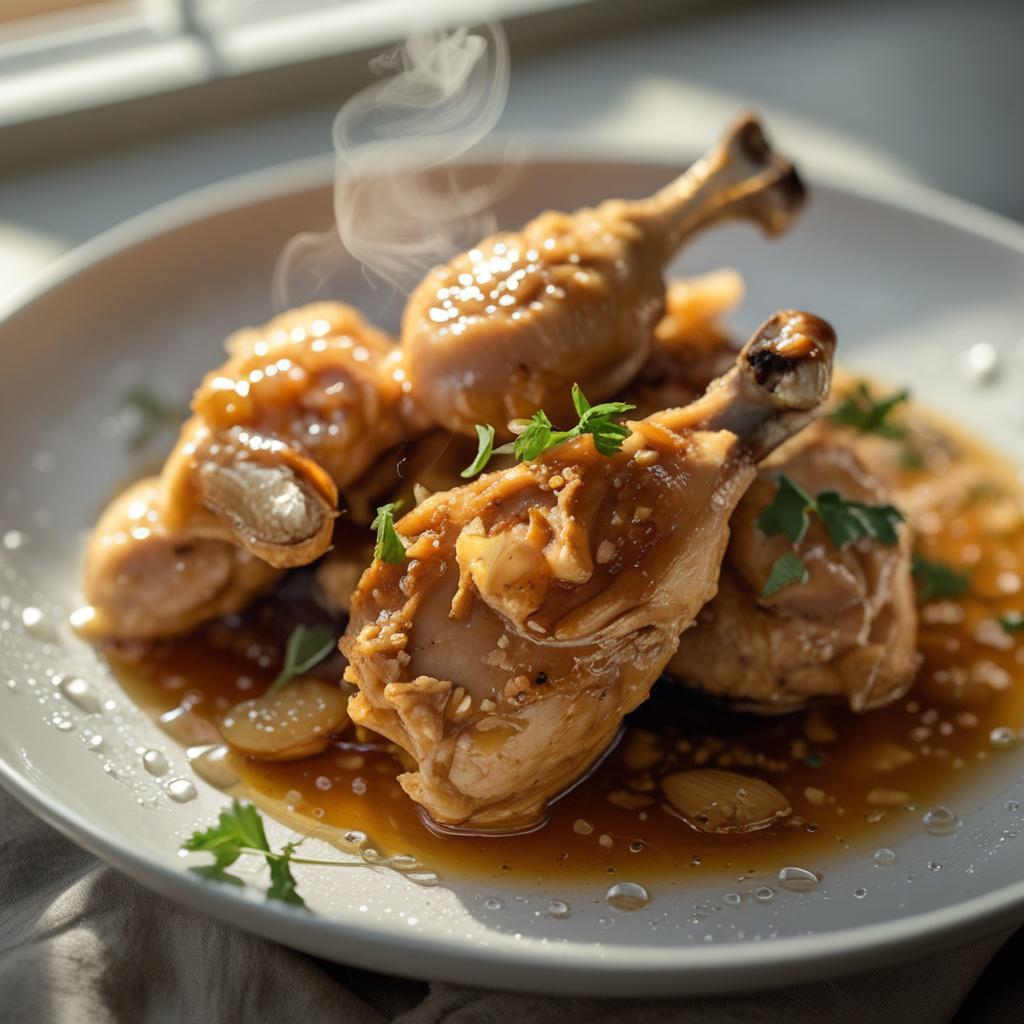
The first sizzle of chicken hitting a hot skillet releases an orchestra of anticipation – the sharp hiss of proteins contracting against cast iron mingling with the heady perfume of minced garlic surrendering to golden fat. This is the overture to a culinary sonata called honey garlic chicken, where sticky-sweet nectar and pungent alliums perform a delicate pas de deux. As a chef who’s chased umami across continents, I can attest few weeknight dishes achieve such profound complexity with such deceptive simplicity. The magic lies in the transformative melt of honey – raw, wildflower notes caramelizing into deep, almost bourbon-like richness as it clings to bronzed poultry skin. Meanwhile, garlic undergoes its own metamorphosis: what begins as sharp and vegetal becomes nutty and mellow, a supporting act that amplifies rather than overwhelms. When balanced perfectly – a challenge in itself – the sauce achieves nappe consistency, coating the back of a spoon like liquid amber velvet. This dish whispers of crisp autumn evenings in Normandy orchards yet thrills with the unabashed decadence of a New York gastropub. It requires no sous-vide circulators nor twice-clarified stocks, proving that culinary alchemy isn’t confined to Michelin-starred kitchens. The true artistry? Making sticky fingers and contented sighs feel like the highest praise.
Table of Contents
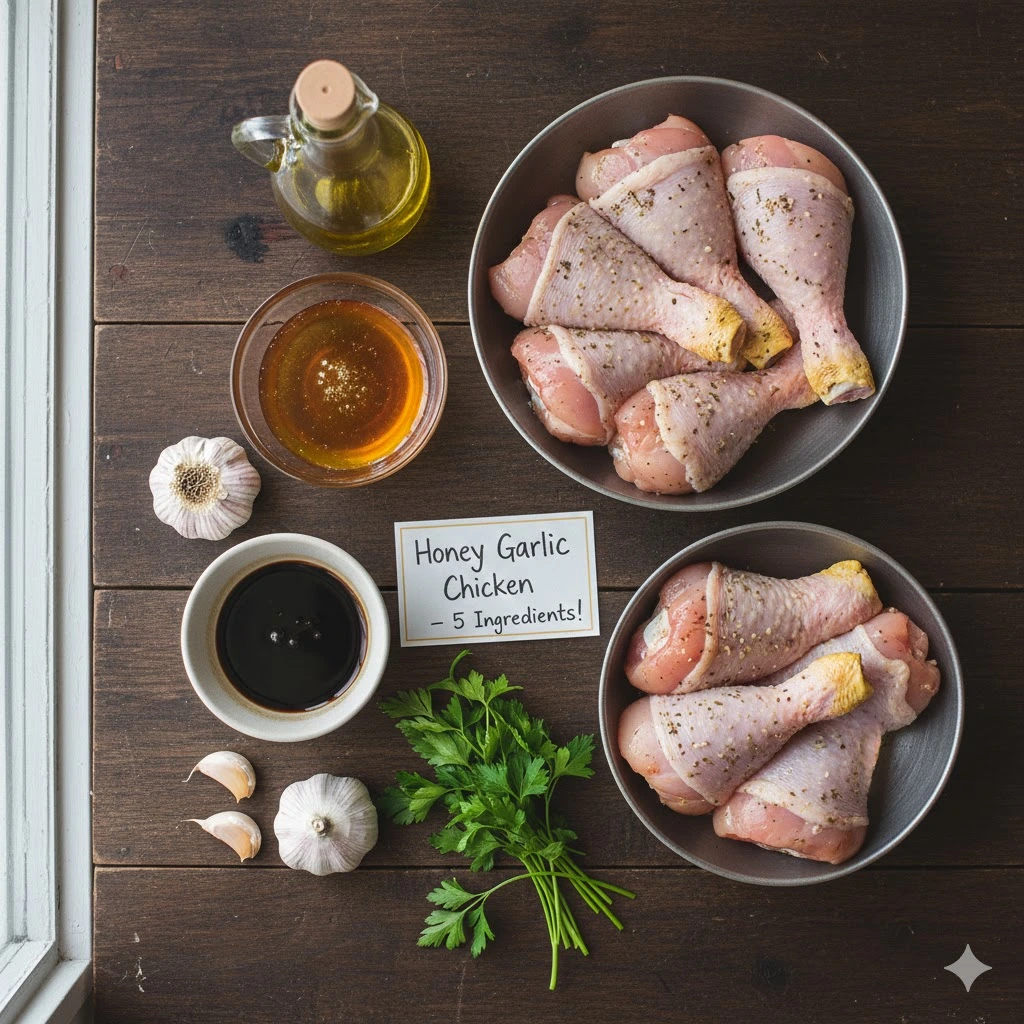
Ingredient Deep Dive
| Ingredient | Quantity | Purpose |
|---|---|---|
| Chicken thighs (bone-in, skin-on) | 6 pieces | Structural integrity during searing; fat renders to flavor sauce |
| Wildflower honey | 1/3 cup | Primary sweetener with floral notes that survive caramelization |
| Garlic cloves (fresh) | 8 cloves | Alliinase enzymes transform into sweet, nutty compounds when cooked |
| Tamari (or soy sauce) | 1/4 cup | Glutamates boost umami; darker than regular soy for visual depth |
| Rice vinegar | 2 tbsp | Acidity balances sweetness; prevents sauce from becoming cloying |
| Toasted sesame oil | 1 tbsp | Lipid-soluble flavor carrier with nutty undertones |
The choice of bone-in, skin-on chicken thighs isn’t accidental – it’s structural engineering for flavor. The collagen-rich bones release gelatin during cooking, adding body to the sauce, while the skin acts as a natural barrier to prevent moisture loss during the initial high-heat sear. This specific cut maintains textural integrity far better than breasts when subjected to the dual-phase cooking process required for this dish.
Wildflower honey reigns supreme over clover or manuka varieties here, offering nuanced floral notes that survive the Maillard reaction. Its fructose content ensures smooth caramelization without crystallization. The garlic quantity may seem aggressive, but slow cooking converts the sulfur-containing compound alliin into sweet allicin. Tamari provides nearly double the glutamates of standard soy sauce (1265mg vs 780mg per tbsp), creating an umami backbone that supports the sweet-tart profile.
Substitutions & Swaps
For gluten-free adaptations, swap tamari with coconut aminos, which provide similar umami depth with a subtle tropical nuance (reduce honey by 1 tbsp as aminos are sweeter). Vegan versions shine with king oyster mushrooms – their fibrous texture mimics pulled chicken when shredded. Pantry limitations? Replace rice vinegar with apple cider vinegar plus 1/4 tsp sugar to mirror its balanced acidity. In honey emergencies, dark maple syrup works but introduces woody notes; counteract with extra garlic. Those avoiding refined soy products could use 1 tbsp miso paste dissolved in 3 tbsp water, though sauce viscosity will decrease – compensate with 1 tsp cornstarch slurry.
Chicken alternatives follow strict rules: pork tenderloin requires 25% less cooking time, while firm tofu must be pressed, frozen, thawed, and squeezed to achieve proper absorbency. For nut allergies, replace sesame oil with avocado oil but add 1/2 tsp ground coriander to approximate nuttiness. Alcohol-free? Substitute rice vinegar’s tang with pineapple juice reduction (simmer 1/3 cup until syrupy).
Equipment Guide
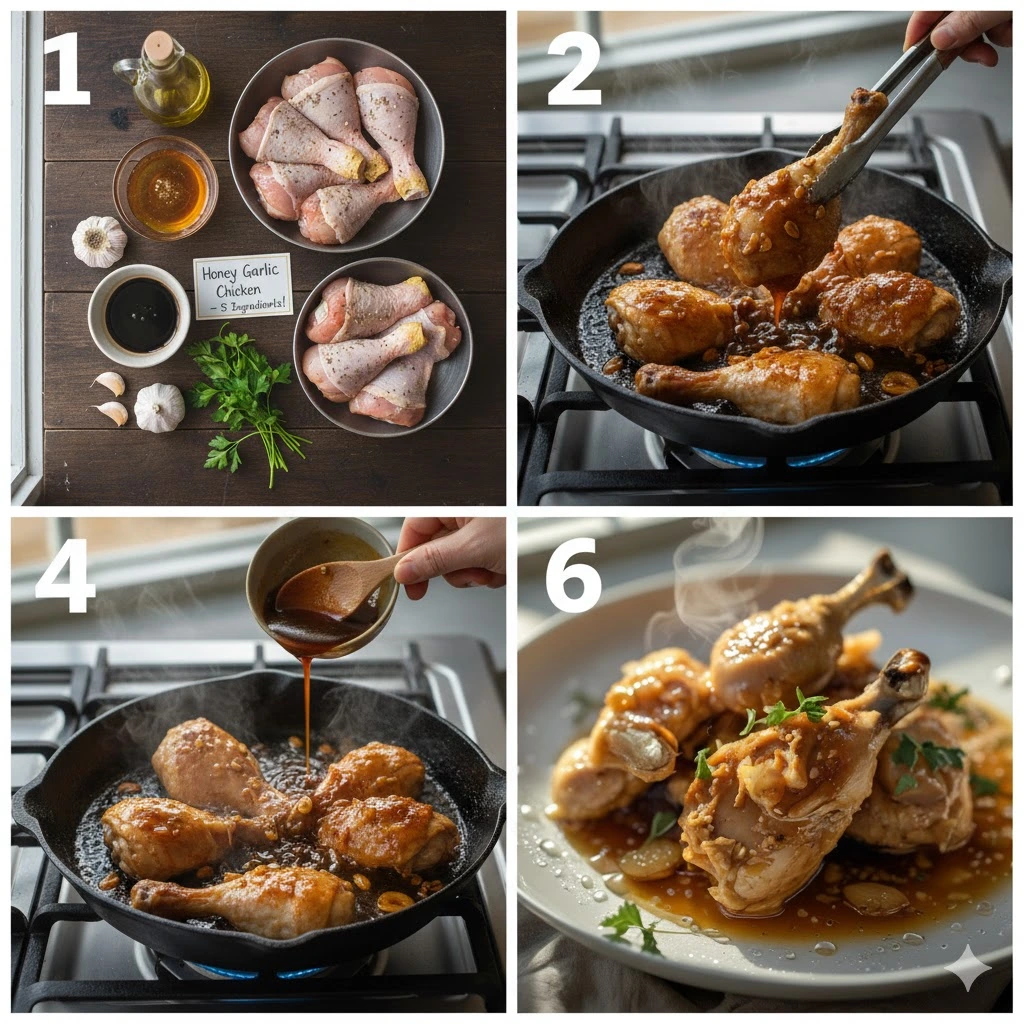
A 12-inch cast iron skillet proves indispensable – its superior heat retention enables the perfect transition from high-heat searing to gentle simmering without temperature crashes. Avoid non-stick surfaces; their inability to exceed 500°F prevents proper fond development. For sauce emulsification, use a balloon whisk with at least eight thin wires – their flexibility scrapes pan drippings effectively without scratching seasoned iron. Given honey’s tendency to crystallize, opt for a Japanese-style garlic press that crushes cloves without mincing, preserving essential oils that volatile blades destroy.
An instant-read thermometer (Thermapen recommended) is non-negotiable – chicken must reach 175°F internally for collagen breakdown into gelatin. For consistent garlic mincing, a microplane zester creates fluffy, oxidation-resistant particles. Finally, select straight-sided saucepans with tri-ply bottoms when reducing liquids; their vertical walls facilitate even evaporation rates crucial for sauce consistency.
Step-by-Step Walkthrough
- Pat chicken thighs aggressively dry with paper towels; season skin with diamond crystal kosher salt (1 tsp total)
- Heat skillet over medium-high until water droplets dance violently (375°F surface temp)
- Place thighs skin-side down; weight with bacon press for 8 minutes to maximize contact
- Flip once deep mahogany crust forms; sear bone-side for 4 minutes undisturbed
- Remove chicken; pour off all but 1 tbsp fat (save for roasting vegetables)
- Reduce heat to medium-low; sauté garlic until blonde – 2 minutes max
- Deglaze with vinegar using whisk to scrape fond; simmer until nearly evaporated
- Add honey, tamari, sesame oil; stir until homogenized but DO NOT BOIL yet
- Return chicken skin-side up; baste thighs with sauce using metal spoon
- Simmer uncovered 15 minutes; tilt pan to pool sauce for frequent basting
- Transfer chicken to rack; rest 7 minutes while reducing sauce to nappe consistency
The salt application serves dual purposes: seasoning and desiccation. Salt crystals absorb surface moisture through osmosis, creating a drier skin that browns faster during searing. When placing thighs in skillet, lay them “north to south” initially; after 4 minutes, rotate 45 degrees to achieve crosshatched grill marks without a grill.
The garlic sauté must remain below 300°F to avoid bitter allyl sulfide formation. Watch for color progression: translucent → pale gold → blonde → brown (discard if reaching brown stage). Deglazing with vinegar before adding honey exploits acetic acid’s ability to dissolve fond’s flavorful polymers. During reduction, surface bubbles should resemble slow-popping magma, never a rolling boil which causes sauce separation.
Expert Tips & Troubleshooting
Foundation first: use chilled chicken straight from fridge – colder fat renders slower, preventing skin shrinkage. Achieve audible searing by waiting until the skillet visibly shimmers with heat waves. If skin sticks, don’t panic – it’s not ready to release. Wait until hydrophobic effects create natural separation (about 6-7 minutes). Never overcrowd the pan; cook in batches if necessary to maintain 1/2 inch between thighs, ensuring proper evaporation.
Troubleshooting common issues: If sauce crystallizes mid-reduction, add 1 tsp cold butter and whisk vigorously to emulsify. Burnt garlic? Start over – bitterness permeates the entire dish. Sauce too thin? Mix 1 tsp arrowroot with 1 tbsp cold water; drizzle in slowly while simmering. Chicken drying out indicates either overcooking (verify internal temp) or insufficient fat retention (avoid poking with forks; use tongs instead). For sticky pan residue post-cooking, deglaze with 1/4 cup white wine, scraping to create instant pan sauce for vegetables.
Flavor Variations
Spice enthusiasts can amplify heat through three stages: infuse oil with dried arbol chilies pre-searing; add 2 tsp gochujang to sauce for fermented complexity; finish with Szechuan peppercorn dust (0.5g) for tingling ma-la effect. For nursery palates, replace 1/4 cup honey with maple syrup, reduce garlic to 4 cloves, and add 1 tbsp unsalted butter during sauce reduction for creaminess.
Seasonal adaptations shine: summer calls for grilled pineapple salsa topping; autumn pairs with roasted pear slices deglazed with apple brandy. For floral elegance, steep 1 tsp dried lavender in warm honey pre-mixing. Umami seekers can add 3 rehydrated shiitake mushrooms minced into sauce – their guanylate compounds synergize with soy’s glutamates. Citrus variations: replace vinegar with yuzu juice and garnish with finger lime caviar.
Storage & Reheating
Refrigerate in airtight glass containers within 1 hour of cooking; separate sauce from chicken to prevent sogginess. Properly stored, chicken maintains texture for 3 days (72 hours max), while sauce lasts 5 days due to honey’s preservative properties. Freezing isn’t recommended for sauced chicken due to textural breakdown upon thawing.
Reheating requires gentle thermodynamics: place chicken on wire rack over simmering water to steam evenly (5 minutes), then finish under 500°F broiler for 90 seconds to recrisp skin. Sauce should be rewarmed separately in double boiler; avoid microwaves which cause fat separation. For leftover makeovers: shred chicken into sauce, mix with cooked jasmine rice, form into patties, and pan-fry for honey-garlic arancini.
FAQ Section
Can I marinate chicken in the honey garlic sauce overnight?
Absolutely not – honey’s enzymes break down proteins excessively, creating mushy texture. Maximum 45 minutes if desired.
Is baking possible instead of stovetop?
Yes, but texture differs. Bake at 425°F skin-up for 25 minutes, then broil 2 minutes. Baste every 5 minutes after first 10.
Why does my sauce separate?
Heat shock likely occurred. Always enter honey into cool pans, and maintain gentle simmer. Fix by whisking in 1 tsp cold butter.
Can I freeze extra sauce?
Yes, but viscosity changes. Store in 1/4 cup portions. Reheat with 1 tbsp water while whisking over low heat.
The Recipe Card
Nutrition Information
| Nutrient | Per Serving (2 thighs) |
|---|---|
| Calories | 612kcal |
| Protein | 38g |
| Total Carbohydrates | 32g (fiber 0.4g) |
| Total Fat | 36g (saturated 9g) |
| Sodium | 1023mg |
*Disclaimer: Nutritional estimates utilize USDA databases; actual values vary based on ingredient brands and preparation precision.