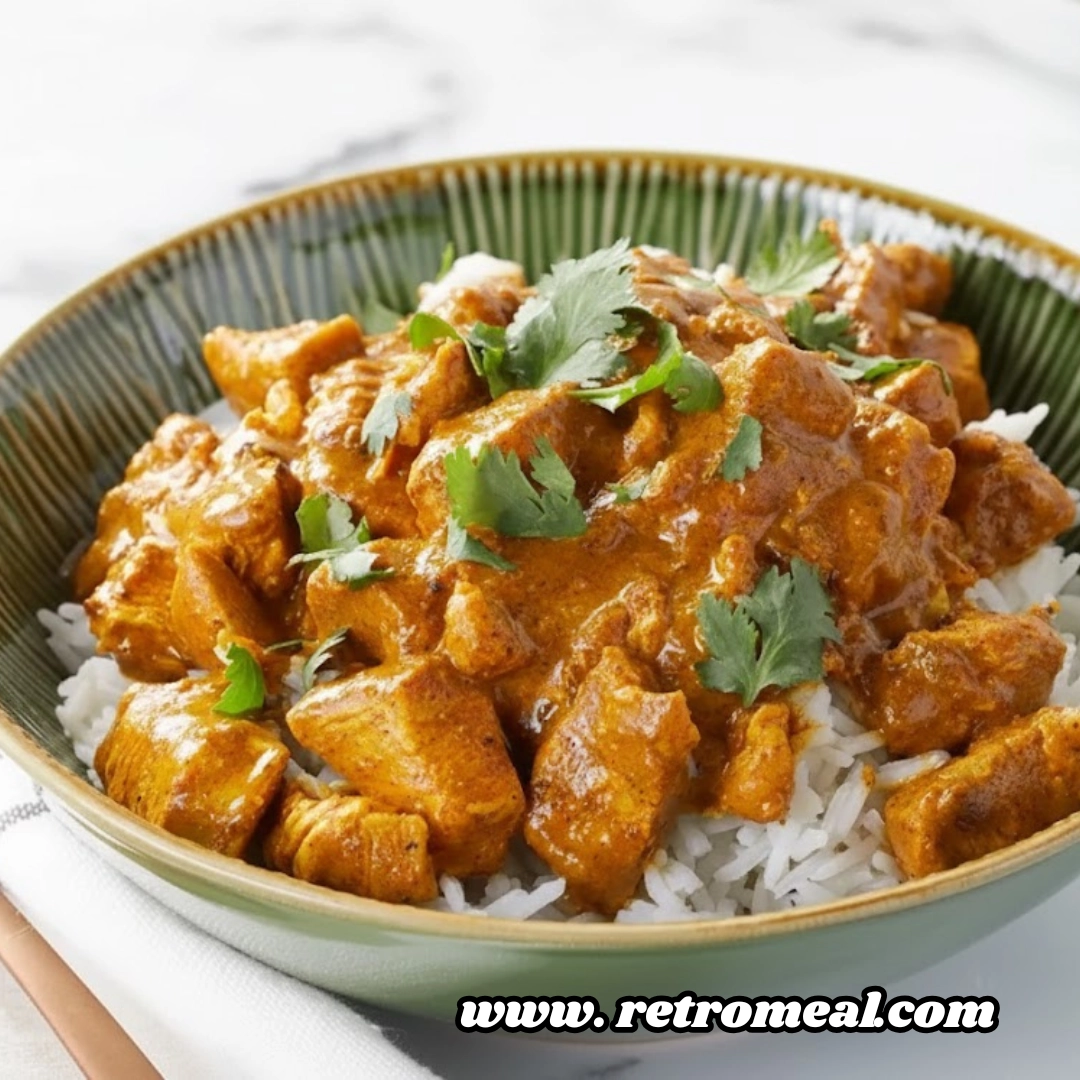
Finding the perfect balance between a quick weeknight dinner and a meal that tastes like it has been simmering on a back burner for hours is the ultimate culinary goal. This Easy Curry Chicken achieves exactly that, offering a luxurious, velvet-textured sauce infused with the warming aromatics of the Indian subcontinent. Whether you are a newcomer to spice-forward cooking or a seasoned enthusiast looking for a reliable go-to, this recipe delivers a restaurant-quality experience in under an hour. By combining accessible pantry staples like curry powder and cinnamon with the richness of coconut milk and tangy yogurt, you create a profile that is savory, slightly sweet, and immensely satisfying.
Table of Contents
Essential Ingredients for the Perfect Curry
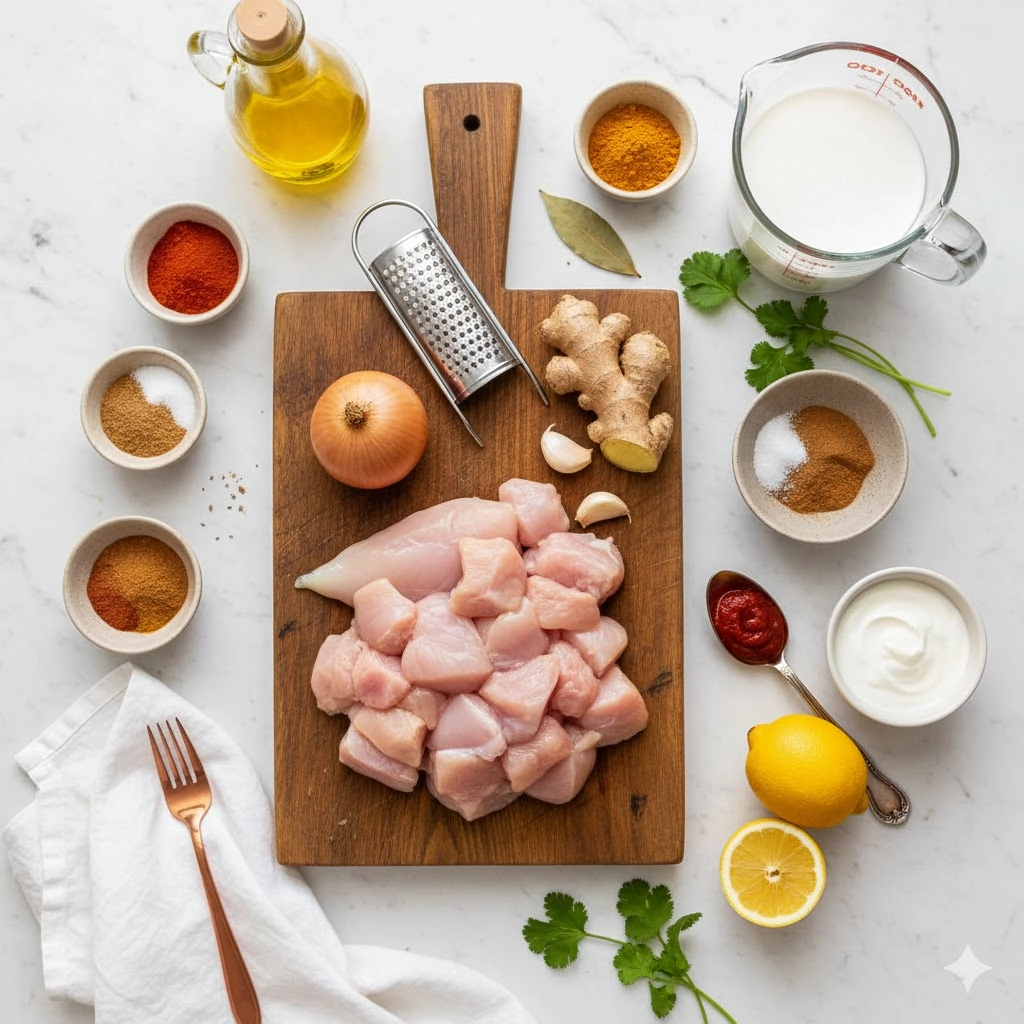
To ensure the most authentic and vibrant flavor profile, gather these specific items. Using fresh aromatics like ginger and garlic provides a brightness that pre-packaged pastes often lack.
- 3 tablespoons olive oil
- 1 small onion, chopped
- 2 cloves garlic, minced
- 3 tablespoons curry powder
- 1 teaspoon ground cinnamon
- 1 teaspoon paprika
- 1 bay leaf
- 1/2 teaspoon grated fresh ginger root
- 1/2 teaspoon white sugar
- Salt to taste
- 2 skinless, boneless chicken breast halves, cut into bite-size pieces
- 1 tablespoon tomato paste
- 1 cup plain yogurt
- 3/4 cup coconut milk
- 1/2 lemon, juiced
- 1/2 teaspoon cayenne pepper
Step-by-Step Cooking Instructions
Following the correct sequence is vital for layering flavors so that every bite of chicken is infused with the spice blend.
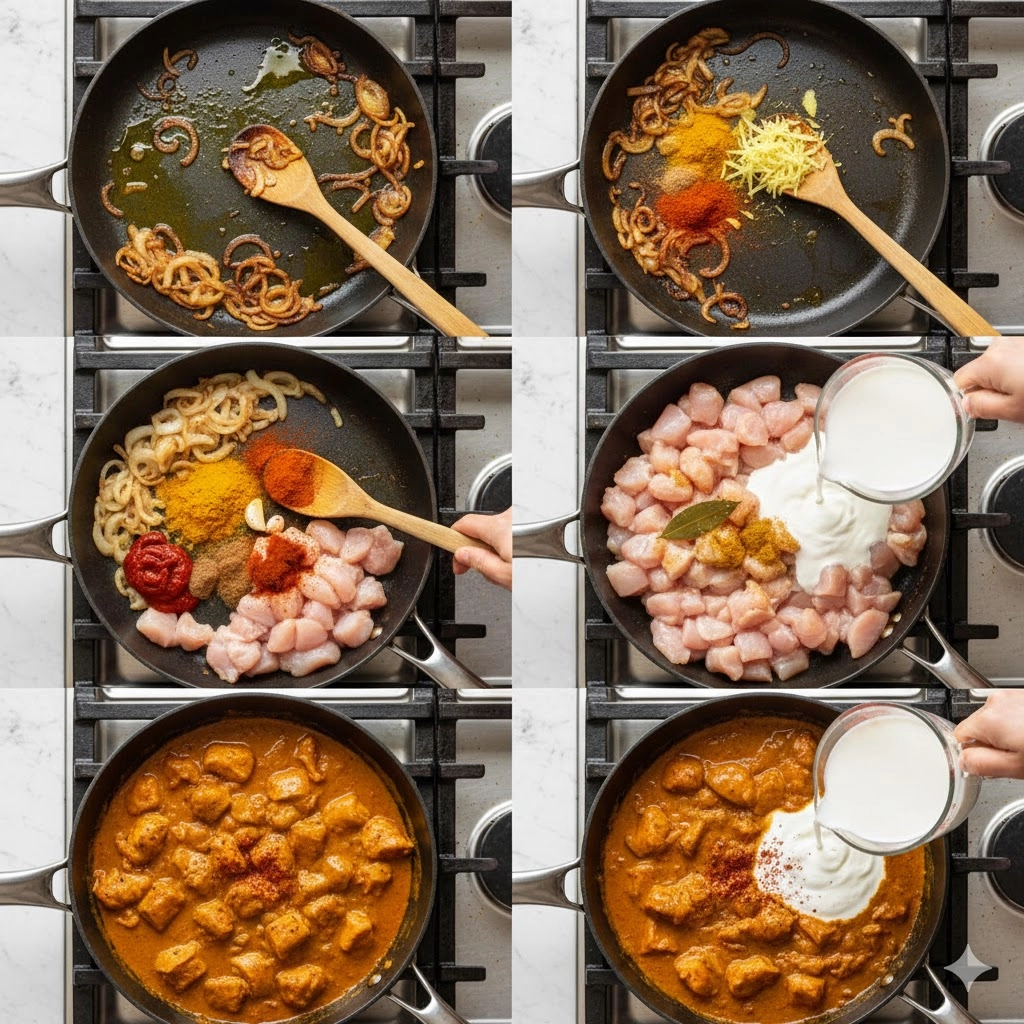
- Begin by heating the olive oil in a large skillet or wide saucepan over medium heat. Once the oil is shimmering, add the chopped onion. Sauté the onion steadily until it reaches a beautiful light brown color, which provides a sweet, caramelized base for the sauce.
- Stir in the minced garlic, curry powder, ground cinnamon, paprika, the whole bay leaf, grated ginger, white sugar, and salt. Continue to stir and toast these spices for exactly 2 minutes. This “blooming” process awakens the essential oils in the spices.
- Carefully add the bite-sized chicken pieces to the skillet along with the tomato paste, plain yogurt, and coconut milk. Stir thoroughly to ensure the tomato paste is fully integrated. Bring the mixture to a gentle boil, then immediately reduce the heat to a low simmer. Cover and let the flavors meld for 20 to 25 minutes.
- After the initial simmer, remove and discard the bay leaf. Stir in the fresh lemon juice and the cayenne pepper. Allow the curry to simmer for an additional 5 minutes to let the heat and acidity brighten the heavy creaminess of the sauce.
- Serve immediately while steaming hot, ideally over a bed of fluffy rice or alongside warm bread.
Deep-Dive into the Cooking Process
The magic of a great Easy Curry Chicken lies in the chemical transformations that happen in your skillet. It begins with the olive oil and the onions. While many quick recipes suggest just translucent onions, taking the extra time to achieve a “light brown” state is a technique known as browning or partial caramelization. This creates a depth of flavor that offsets the sharp acidity of the yogurt later in the recipe.
When you add the spices—the curry powder, cinnamon, paprika, ginger, and garlic—you are performing a technique called “tadka” or tempering, though done here at the start. Toasting these dry spices in oil allows the fat-soluble flavor compounds to release. If you simply boiled the spices in the liquid, the curry would taste “raw” and dusty. The addition of a small amount of white sugar at this stage isn’t meant to make the dish dessert-sweet; rather, it acts as a flavor enhancer that bridges the gap between the earthy turmeric in the curry powder and the floral notes of the cinnamon.
The simmering phase is where the chicken transforms. By cutting the breast meat into bite-sized pieces, you increase the surface area available to contact the sauce. As the chicken simmers in the mixture of yogurt and coconut milk, the lactic acid in the yogurt acts as a gentle tenderizer. Coconut milk provides the high fat content necessary for that silky mouthfeel. It is important to keep the heat low during this 20 to 25 minute window; boiling the yogurt too vigorously can cause it to break or curdle, resulting in a grainy texture rather than a smooth gravy.
The final five minutes are perhaps the most critical for balance. The lemon juice provides a necessary hit of ascorbic acid that cuts through the fat of the coconut milk. Cayenne pepper is added last so you can control the heat level without it becoming bitter through prolonged cooking. This two-stage simmering process ensures the chicken is cooked through and succulent while the sauce reaches the perfect consistency to coat the back of a spoon.
Unique Culinary Insights for Success
Achieving a professional-level curry at home requires attention to detail. One of the most important tips is to ensure your ginger is truly fresh. Grating ginger root right before it hits the pan releases juices that dried ginger simply cannot replicate. If you find your sauce is looking a bit thin toward the end of the 25-minute simmer, you can leave the lid off for the final few minutes to allow for slight reduction.
Another insight involves the temperature of your dairy. Before adding the yogurt and coconut milk to the hot pan, try to have them at room temperature. Adding ice-cold yogurt to a hot skillet increases the risk of the proteins seizing and the sauce separating. If you are worried about curdling, you can whisk a teaspoon of cornstarch into the yogurt before adding it to the pan; this acts as a stabilizer.
Finally, consider the “resting” period. Much like a stew, curry often tastes even better after sitting for ten minutes off the heat. This allows the starches in the sauce to settle and the chicken to reabsorb some of the seasoned liquid. If you are serving this for a dinner party, making it thirty minutes ahead of time and gently reheating it can actually improve the complexity of the spices.
Modifications and Substitutions
While this recipe is designed for chicken breasts, it is highly adaptable to what you have in your refrigerator.
- Protein Alternatives: If you prefer a richer, more traditional flavor, you can substitute the breast meat with boneless, skinless chicken thighs. Thigh meat is more forgiving and stays incredibly moist during the simmering process. For a vegetarian version, extra-firm tofu cubes or a can of drained chickpeas (garbanzo beans) work beautifully in this exact spice base.
- Dairy Swaps: If you need to keep the dish strictly dairy-free, you can replace the cup of plain yogurt with an additional cup of full-fat coconut milk or a dairy-free unsweetened almond yogurt. Note that the tanginess of the yogurt is a key flavor component, so you might want to add a tiny bit more lemon juice at the end if you skip the dairy.
- Vegetable Add-ins: To turn this into a one-pot meal, many home cooks enjoy stirring in two cups of baby spinach during the final five minutes of simmering. The heat of the sauce will wilt the leaves perfectly. Diced bell peppers or frozen peas are also excellent additions that add color and nutrition without requiring extra prep time.
- Spice Adjustments: If you are sensitive to heat, feel free to reduce the cayenne pepper to a pinch or omit it entirely. The curry powder provides plenty of flavor without significant “burn.” Conversely, if you love spice, you can double the cayenne or add finely chopped green chilies along with the garlic.
Accompaniments and Serving Suggestions
To truly elevate this Easy Curry Chicken, you must consider what sits alongside it. The sauce is the star of the show, and you want vessels that can soak up every drop.
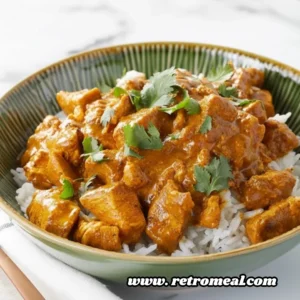
- The Grain Base: Traditional basmati rice is the gold standard here. Its long, slender grains and nutty aroma complement the cinnamon and ginger in the curry. For a quicker option, jasmine rice works well, or even quinoa if you are looking for a higher protein base.
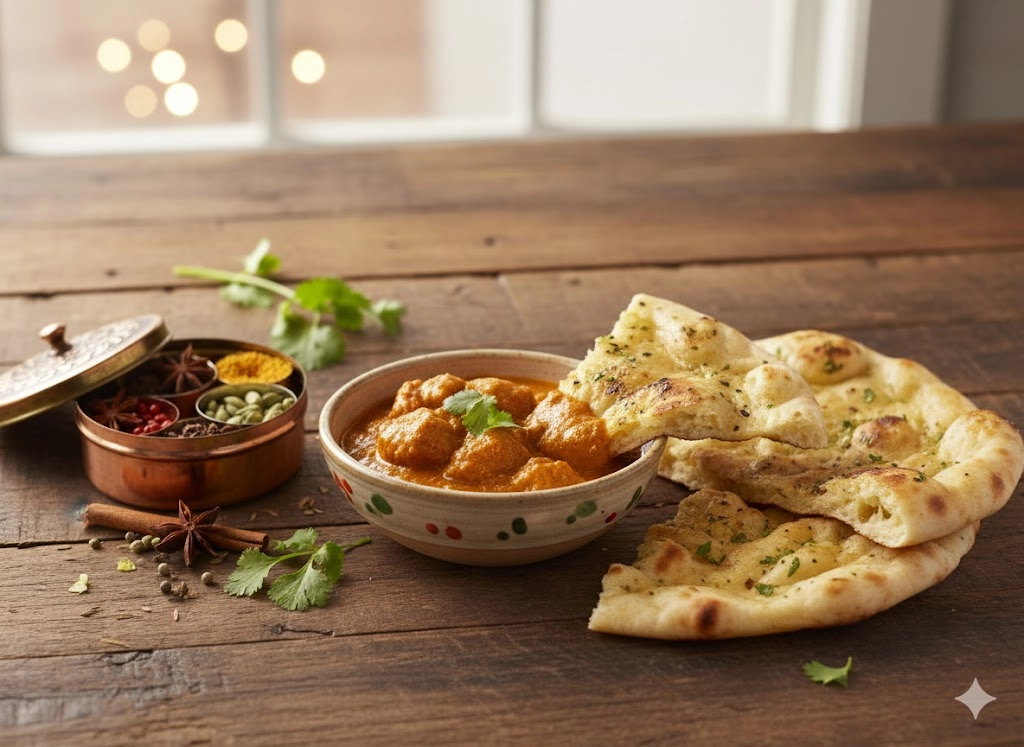
- The Bread: No curry experience is complete without naan. You can find high-quality naan in most grocery stores; simply brush it with a little melted butter and garlic and warm it in the oven for three minutes. It serves as the perfect “edible spoon” for the thick sauce.
- Garnishes: Never underestimate the power of a fresh garnish. A handful of chopped cilantro adds a refreshing, herbaceous note that balances the heavy spices. For added texture, consider topping the dish with fried shallots or crispy onions. The crunch provides a delightful contrast to the tender chicken and creamy sauce.
- Cooling Sides: If you find the curry a bit spicy, a side of cucumber raita (yogurt mixed with grated cucumber and mint) can provide a cooling counterpoint to the warmth of the dish.
Deep-Dive FAQ
How can I prevent the yogurt from curdling in the sauce?
Curdling happens when the proteins in the yogurt are heated too quickly or come into contact with high acidity without a stabilizer. To prevent this, use full-fat yogurt rather than non-fat versions, as the fat helps protect the proteins. You should also lower the heat of your skillet to a minimum before stirring the yogurt in, and avoid bringing the sauce to a rolling, violent boil. Tempering the yogurt by stirring a little bit of the warm sauce into the yogurt container before adding it all to the pan can also help equalize the temperature.
Can I use curry paste instead of curry powder?
While this recipe specifically calls for curry powder to achieve a certain texture and flavor profile, you can use curry paste in a pinch. However, curry paste is much more concentrated and often contains oil and aromatics already. If you make this switch, start with one tablespoon and taste as you go. Be aware that red or green Thai curry pastes have very different flavor profiles (Thai vs. Indian) and will significantly change the character of the dish.
What is the best way to reheat leftovers?
This curry reheats beautifully, as the spices continue to develop overnight. The best method is on the stove over low heat, adding a splash of water or coconut milk to loosen the sauce, as it will thicken significantly in the refrigerator. If using a microwave, heat in thirty-second intervals, stirring in between to ensure even heating and to prevent the sauce from popping.
Is this recipe suitable for meal prep?
Absolutely. This Easy Curry Chicken is an excellent candidate for meal prepping because the flavors actually improve after twenty-four hours. You can portion it out into containers with rice and it will stay fresh in the refrigerator for up to four days. It also freezes well for up to two months; just be sure to thaw it in the refrigerator overnight before reheating to maintain the best texture.
A Satisfying Culinary Conclusion
Mastering the art of a quick Indian-inspired meal is a game-changer for any home cook. This Easy Curry Chicken proves that you do not need an exhaustive list of exotic ingredients to create a dish that feels special and deeply flavored. By focusing on the foundational techniques of browning onions and blooming spices, you unlock a level of taste that rivals your favorite takeout spot. It is a comforting, warm, and vibrant meal that invites you to slow down and enjoy the process of cooking, even on your busiest days. Serve it up, share it with loved ones, and enjoy the rich aromas that will linger beautifully in your kitchen.
Nutrition Facts
| Nutrient | Amount Per Serving |
| Calories | 347 |
| Total Fat | 23 grams |
| Saturated Fat | 10 grams |
| Cholesterol | 65 milligrams |
| Sodium | 450 milligrams |
| Total Carbohydrates | 14 grams |
| Dietary Fiber | 3 grams |
| Sugars | 5 grams |
| Protein | 24 grams |
Disclaimer
The nutritional information provided is an estimate based on the ingredients and cooking methods described. Actual nutritional values may vary depending on specific brands used and individual preparation techniques.
Ultimate Easy Curry Chicken
Ingredients
- 3 tbsp olive oil
- 1 small onion, chopped
- 2 cloves garlic, minced
- 3 tbsp curry powder
- 1 tsp ground cinnamon
- 1 tsp paprika
- 1 bay leaf
- 0.5 tsp grated fresh ginger root
- 0.5 tsp white sugar
- salt to taste
- 2 skinless, boneless chicken breast halves – cut into bite-size pieces
- 1 tbsp tomato paste
- 1 cup plain yogurt
- 0.75 cup coconut milk
- 0.5 lemon, juiced
- 0.5 tsp cayenne pepper
Instructions
- Heat olive oil in a skillet over medium heat. Sauté onion until lightly browned.
- Stir in garlic, curry powder, cinnamon, paprika, bay leaf, ginger, sugar, and salt. Continue stirring for 2 minutes to bloom the spices.
- Add chicken pieces, tomato paste, yogurt, and coconut milk. Bring to a boil, then reduce heat and simmer for 20 to 25 minutes.
- Remove the bay leaf. Stir in the fresh lemon juice and cayenne pepper. Simmer for an additional 5 minutes before serving.
Notes
Equipment
- Large skillet or wide saucepan
- wooden spoon or spatula
- chef’s knife
- measuring spoons and cups