
The creation of a truly exceptional quick bread stands as a testament to simple, balanced baking. It requires no yeast, no kneading, and no patient proofing—just a careful hand and an understanding of how wet and dry ingredients interact. When the inherent sweetness of deeply ripened bananas meets the buttery crunch of toasted pecans, the result is nothing short of sublime. This Easy Banana Pecan Bread recipe delivers a tender, moist crumb and a deeply satisfying flavor that makes it a staple for weekend breakfasts, afternoon coffee breaks, or even a late-night treat. It is the perfect blend of rustic simplicity and refined taste, inviting you to slow down and savor every slice.
Essential Components for Baking Success
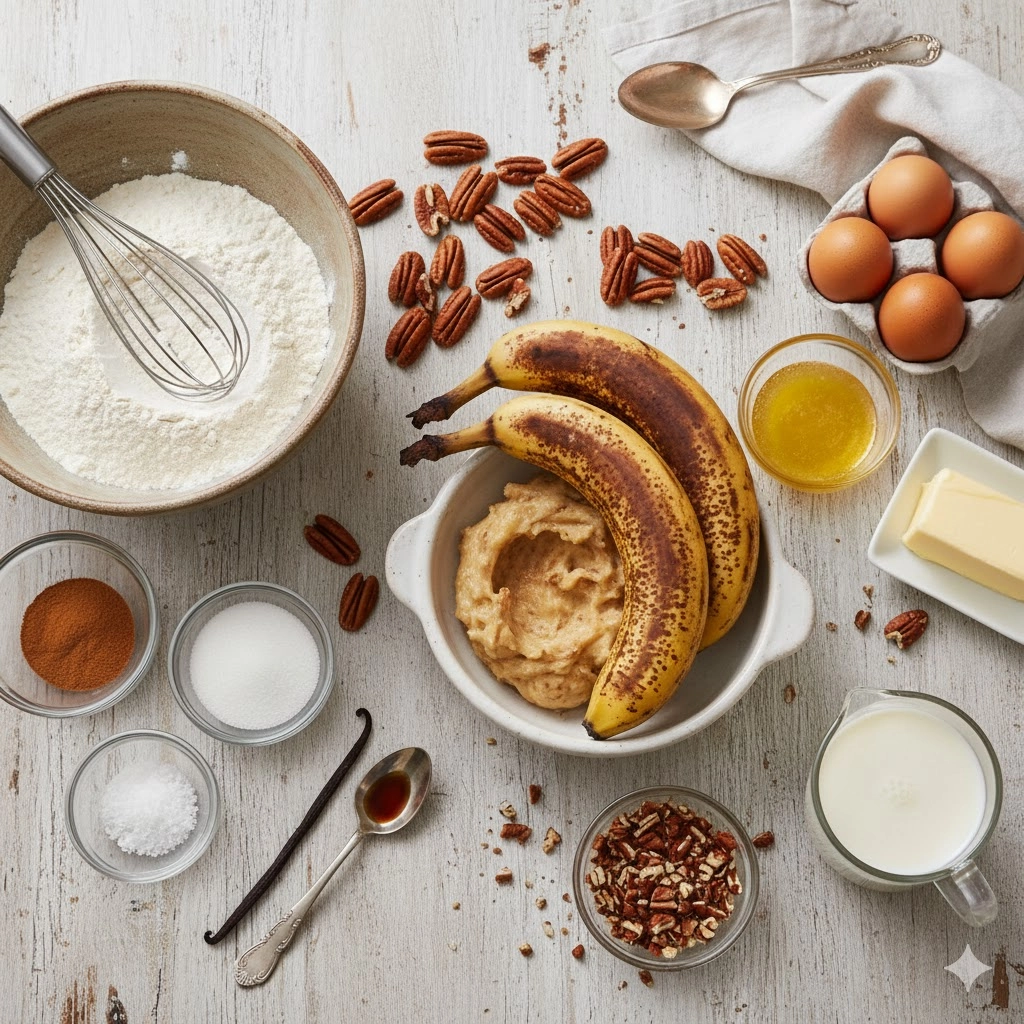
Achieving that signature moistness and delicate crumb requires precise measurement and specific ingredient characteristics. For the best result, aim for bananas that are heavily spotted or entirely brown—the natural sugars are fully developed, deepening the flavor profile significantly.
For the Dry Ingredients:
- Two cups (280 grams) All-purpose flour, spooned and leveled
- One teaspoon Baking soda
- One-half teaspoon Fine sea salt
- One-quarter teaspoon Ground cinnamon
For the Wet Ingredients and Flavor:
- One stick (one-half cup or 113 grams) Unsalted butter, melted and cooled slightly
- Three large Eggs, at room temperature
- One cup (200 grams) Granulated sugar
- One-third cup (80 milliliters) Buttermilk or whole milk (see Pro Tips for alternatives)
- One teaspoon Vanilla extract
- Three very ripe large Bananas (about one and one-half cups mashed)
For the Pecans:
- One cup Pecans, roughly chopped (plus two tablespoons for topping)
Mastering the Method: High-Level Instructions
Baking quick bread is primarily about preventing gluten over-development. The goal is to mix just enough to incorporate the ingredients while ensuring the dry components are fully moistened.
- Preparation: Preheat your oven and prepare a nine-by-five inch loaf pan.
- Combine Dry Elements: Whisk together the flour, leavening agent, salt, and spice in a medium bowl.
- Mash the Bananas: In a separate large bowl, mash the ripened bananas thoroughly.
- Create the Wet Base: Whisk the melted butter and sugar into the mashed bananas until fully blended. Introduce the eggs, buttermilk, and vanilla extract, mixing until smooth.
- Merge Batter Components: Gently fold the dry ingredients into the wet mixture, mixing only until just a few streaks of flour remain.
- Fold in Pecans: Incorporate the bulk of the chopped pecans into the batter.
- Bake: Pour the batter into the prepared pan, sprinkle the remaining pecans over the top, and bake at three hundred fifty Fahrenheit.
- Cool and Serve: Allow the loaf to cool in the pan before carefully removing and slicing.
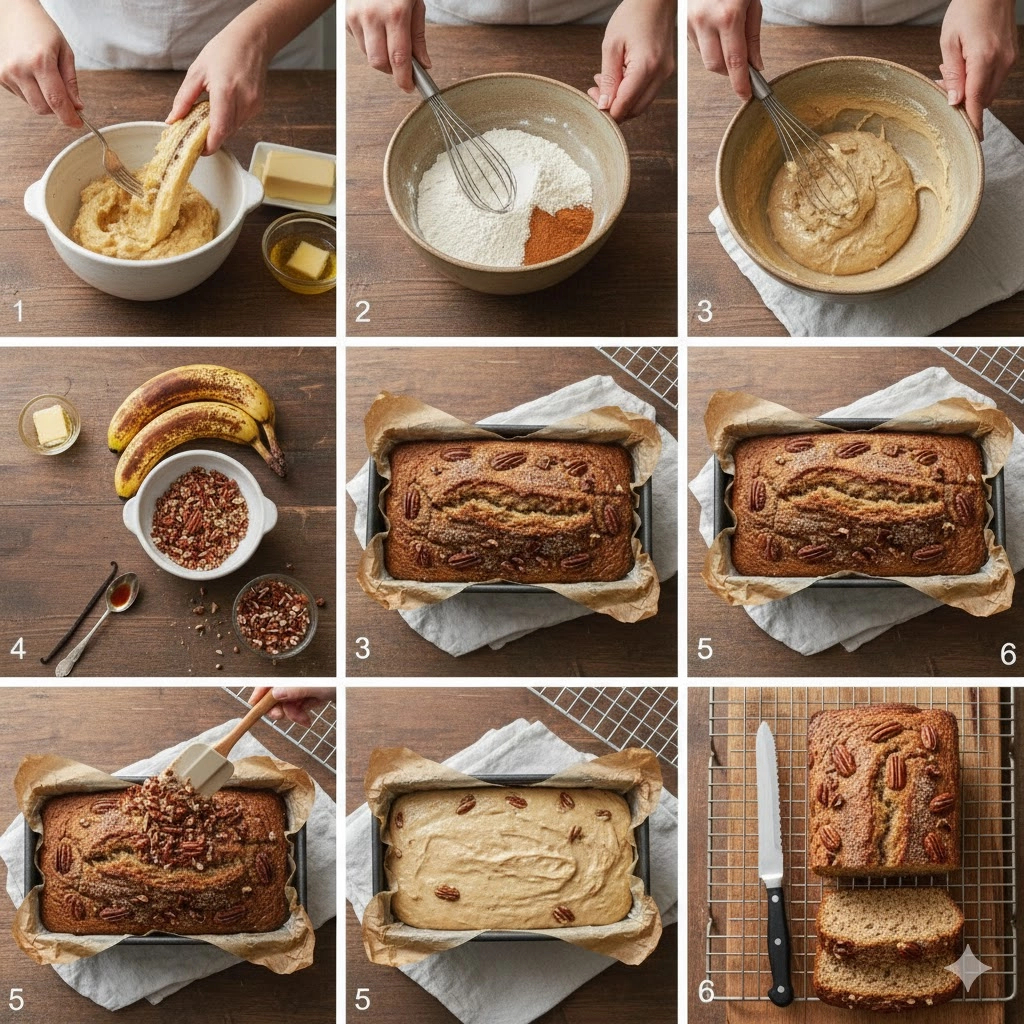
Deep Dive into the Batter: Techniques and Textural Cues
The success of a banana quick bread hinges on a delicate balance of speed and attention to texture during the mixing phase. This detailed walk-through guides you past common pitfalls to guarantee a supremely moist result.
Setting the Stage and Prepping the Pan
Before you begin, ensure your oven rack is positioned in the center. Preheat the oven to three hundred fifty Fahrenheit. For the loaf pan, a simple application of softened butter followed by a light dusting of flour works well. For easier removal, consider lining the pan with a strip of parchment paper that overhangs the long sides like a sling. This simple step eliminates the anxiety of a loaf stuck to the pan walls.
The Importance of Separating the Components
In the bowl for your dry ingredients—flour, baking soda, salt, and cinnamon—the whisking motion is key. This isn’t just about blending; it’s about aerating the flour and, more importantly, evenly distributing the baking soda and salt. If the leavening agent is clumped, you’ll end up with uneven pockets of air, or a collapsed center. Whisk for about thirty seconds until the color and texture are uniform.
Building the Moist Foundation
The three mashed bananas should be reduced to a texture similar to thick applesauce, leaving only a few small lumps for texture. Over-mashing can lead to a slightly gummy result, but not mashing enough will create large pockets of raw banana in the finished bread. Once mashed, introduce the melted butter and granulated sugar. The melted butter should be warm enough to integrate quickly but cool enough not to cook the eggs. Whisking the sugar into the warm butter and banana slightly dissolves the sugar, contributing to a tender crust and reducing graininess.
The addition of room-temperature eggs is crucial. Cold eggs can re-solidify the butter, creating tiny lumps that prevent a smooth emulsion. Beat the eggs and vanilla into the banana mixture until the mixture is glossy and homogenous. Finally, incorporate the buttermilk. The acidity in the buttermilk reacts perfectly with the baking soda, resulting in a gentle, even rise and enhancing the bread’s signature softness.
The Gentle Merge: The Minimalist Mixing Approach
This is the most critical stage. Pour the dry ingredients into the wet mixture all at once. Using a rubber spatula, begin folding the mixture using a cutting motion, moving from the outside of the bowl inward. Mistake to Avoid: Resist the urge to use an electric mixer or to mix vigorously. Excessive mixing develops the gluten in the flour, leading to a tough, dry, or rubbery loaf—the antithesis of good quick bread. Stop mixing the moment you see only a few ribbons of dry flour remaining. The batter will look shaggy and slightly uneven; this is precisely what you want.
Final Touches and Oven Entry
Fold in the bulk of the chopped pecans. They should be evenly distributed without further mixing the batter. Pour the batter into the prepared loaf pan. It will be thick. Use the spatula to gently level the top and ensure the batter fills the corners of the pan. Sprinkle the reserved two tablespoons of pecans over the surface. These will toast beautifully in the oven, providing visual appeal and a rich, nutty aroma.
The baking duration is generally between fifty-five to seventy minutes. Begin checking the loaf at the fifty-five-minute mark. The crust should be a deep, rich golden brown. Doneness Check: The most reliable test is the toothpick test. Insert a clean wooden toothpick or thin metal skewer deep into the center of the loaf. It should emerge with moist, sticky crumbs attached, but not wet batter. If the toothpick is clean, the loaf may be slightly over-baked. If the top is browning too quickly, you can loosely tent the pan with aluminum foil for the remaining bake time.
Cooling for Optimum Moisture
When the loaf is done, let it rest in the hot pan for ten minutes. This allows the crumb structure to fully set and makes it much easier to remove. After ten minutes, use the parchment paper sling (if used) or carefully invert the bread onto a wire cooling rack. The Easy Banana Pecan Bread must be cooled completely—which can take up to two hours—before slicing. Slicing too early releases steam, which is essential for the bread’s moisture content, resulting in a drier finished texture.
Next-Level Baking Wisdom: Expert Tips for a Flawless Loaf
These specialized tips elevate your banana quick bread from standard fare to bakery quality, ensuring maximum flavor and moisture retention every time.
- The Flour Soak Technique: For the ultimate tender crumb, weigh your flour and subtract about ten percent of the weight. Add that ten percent back as an equal weight of already hot melted butter or oil to the wet ingredients. This method, often called the “flour soak,” coats a portion of the flour with fat before hydration, limiting gluten formation and making the bread incredibly soft.
- Toasting the Pecans: Never use raw pecans directly in the batter. Spread the chopped nuts on a sheet pan and bake them for seven to ten minutes at three hundred fifty Fahrenheit before you begin the recipe. Toasting amplifies the nut’s inherent oils and flavor compounds, preventing them from tasting raw or muted against the sweet banana backdrop.
- The Sugar Switch: If you prefer a more complex flavor profile, substitute half of the granulated sugar with light or dark brown sugar. Brown sugar contains molasses, which not only adds a deeper, caramelized note but also contributes slightly more moisture to the final loaf.
- Use Quality Vanilla: Since vanilla extract is one of the few non-fruit flavors in this recipe, use pure vanilla extract, not imitation. Better yet, scrape the seeds from half a vanilla bean into the wet ingredients for an unparalleled aromatic depth.
- Achieving the Perfect Peak: To help the loaf develop an attractive, professional-looking crack down the center, run a knife dipped in melted butter down the center of the unbaked batter immediately before placing it in the oven. This creates a weak point where the steam can easily escape, guiding the bread to rise uniformly.
- The Ripeness Trick: If your bananas are not ripe enough, you can quickly ripen them for baking. Place unpeeled green or yellow bananas on a baking sheet and bake at three hundred Fahrenheit for fifteen to twenty minutes. The peels will turn completely black, but the fruit inside will be soft and perfectly sweet for mashing.
- Freezing the Loaf: This bread freezes beautifully. Once completely cooled, wrap the entire loaf or individual slices tightly in plastic wrap, followed by a layer of aluminum foil. It can be frozen for up to three months. Thaw overnight at room temperature while still wrapped to prevent moisture loss.
- The Zest Lift: To add a bright, balancing note that cuts through the richness of the butter and banana, grate the zest of one medium lemon directly into the wet ingredients. The subtle citrus oil will lift the entire flavor profile without making the bread taste distinctly lemon-flavored.
Flavor Frontiers: Creative Substitutions and Variations
The classic banana and pecan combination is a masterpiece, but the base recipe is robust enough to support several compelling changes and additions for variety.
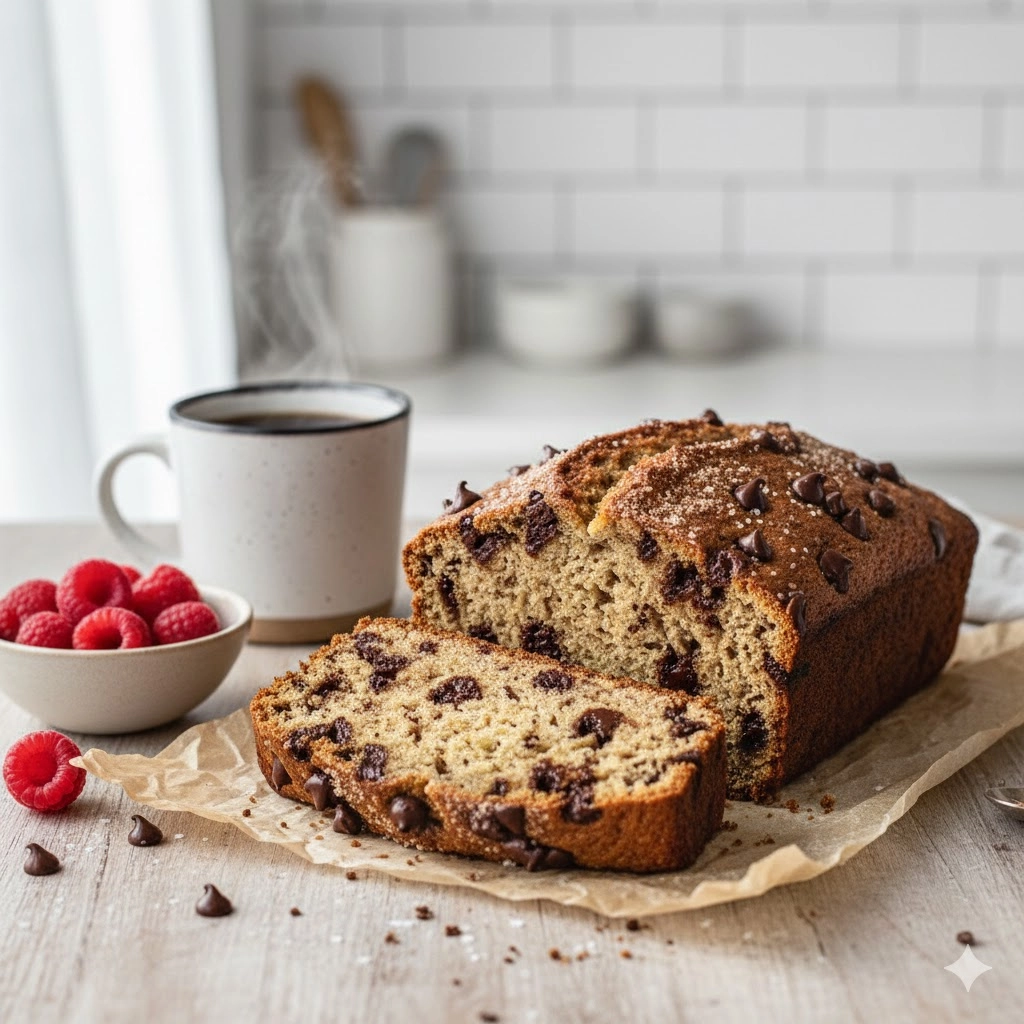
1. Chocolate Chip Swirl
Replace the pecans entirely with one cup of mini chocolate chips, or use a half cup of chocolate chips and a half cup of pecans. For a marbled effect, reserve one-quarter cup of the batter and whisk in one tablespoon of unsweetened cocoa powder and one teaspoon of milk. Dollop the chocolate batter over the top of the plain batter and swirl gently with a knife before baking.
2. Spiced Rum and Walnut
For an adult-friendly twist, substitute the buttermilk with an equal amount of spiced rum. You may need to slightly increase the flour by one to two tablespoons to account for the liquid content difference. Replace the pecans with toasted walnuts for a richer, more bitter counterpoint to the sweet banana. You can also brush the warm, cooled loaf with a simple glaze made from powdered sugar and a few drops of rum.
3. Whole Wheat Blend
For a slightly denser, more nutrient-rich loaf, substitute up to one half of the all-purpose flour with whole wheat pastry flour. Avoid using one hundred percent standard whole wheat flour, as it will result in a heavy, dry crumb. The pastry version is finer and maintains a better quick bread texture. Ensure you check the loaf five minutes earlier, as whole wheat flour absorbs liquid faster.
4. Dairy-Free Adaptation
This recipe is easily adapted to be dairy-free. Simply substitute the melted butter with an equal amount of a neutral-flavored oil, such as grapeseed or avocado oil. Replace the buttermilk with a non-dairy milk alternative (like almond or oat milk) mixed with one teaspoon of apple cider vinegar, allowed to sit for five minutes to curdle slightly, mimicking buttermilk’s acidity.
Presentation and Pairing: Ideal Serving Moments
The dense, aromatic nature of banana bread makes it incredibly versatile, working equally well as a decadent dessert or a simple morning slice.
- The Brunch Centerpiece: Serve thin slices alongside fresh fruit salad, Greek yogurt, and a drizzle of pure maple syrup. The richness of the bread provides a fantastic foundation for lighter, refreshing elements.
- A Melted Butter Slather: The simplest, most satisfying way to enjoy it is to toast a thick slice and slather it with softened, salted butter. The warmth unlocks the pecan aroma and banana notes, while the salt balances the sweetness.
- Ice Cream Sandwich: For a summer dessert, slice the bread into thicker pieces and lightly grill them until warmed. Place a scoop of vanilla bean or caramel ice cream between two slices to create a surprisingly elegant ice cream sandwich.
- The Coffee Companion: Pair it with a robust, dark-roast coffee. The coffee’s bitter undertones are the perfect foil to the intense sweetness of the baked bananas and sugar.
Troubleshooting Common Queries
Understanding the fundamentals of quick bread ensures that your loaf comes out perfectly every time, but a few questions often arise when encountering issues.
My bread sunk in the middle. What happened?
A sunken center is typically caused by one of two factors: either the oven door was opened too early during the baking process, allowing cold air to collapse the fragile, rising structure, or the bread was removed before it was fully cooked. Always wait until the prescribed baking time, and rely on the toothpick test in the deepest part of the center to confirm doneness.
Why is my loaf tough and dry?
The primary culprit for toughness is over-mixing the batter. As soon as wet and dry ingredients combine, gluten begins to form. When baking quick breads, you must mix only until the flour is hydrated—no longer. A secondary reason is using too much flour, which happens if you scoop the flour directly from the container instead of spooning it lightly into the measuring cup and leveling it off.
Can I make this Easy Banana Pecan Bread batter ahead of time?
It is strongly advised against preparing the batter in advance. The baking soda is activated the moment it mixes with the wet ingredients (especially the acidic buttermilk). If the batter sits for more than fifteen minutes, the leavening power is spent, resulting in a dense, flat loaf. You can, however, prepare the dry mix and the wet mix separately, storing them overnight, and combine them right before baking.
What is the best way to store leftovers?
Store the cooled loaf wrapped tightly in aluminum foil or in an airtight container at room temperature for up to three days. Do not refrigerate banana bread. The cool environment will cause the starches to rapidly crystallize and stale, drying out the bread far faster than if left on the counter.
My pecans burned on top. How can I prevent that?
If the top crust is browning too quickly before the center is cooked, the pecans may scorch. This can be prevented by loosely tenting the loaf with a sheet of aluminum foil once the crust reaches your desired color, usually around the thirty-minute mark. This deflects the direct heat away from the surface while allowing the center to continue baking.
Estimated Nutritional Breakdown
Quick breads are designed to be a treat, and while this recipe focuses on whole ingredients, the final numbers will vary based on the specific sizes of your bananas and eggs. This table provides an approximation for one standard serving (one slice from a twelve-slice loaf).
| Nutrient | Amount per Serving |
| Calories | 345 kcal |
| Protein | 5 g |
| Carbs | 48 g |
| Fat | 15 g |
| Fiber | 2 g |
| Sugar | 24 g |
| Sodium | 205 mg |
Nutrition information is an estimate and may vary based on preparation and ingredients used.
Easy Banana Pecan Bread
Ingredients
- 2 cups all-purpose flour (spooned and leveled)
- 1 tsp baking soda
- 0.5 tsp fine sea salt
- 0.25 tsp ground cinnamon
- 0.5 cup unsalted butter, melted and cooled slightly
- 3 large eggs, at room temperature
- 1 cup granulated sugar
- 0.33 cup buttermilk or whole milk
- 1 tsp vanilla extract
- 1.5 cups mashed ripe bananas (about 3 large bananas)
- 1 cup pecans, roughly chopped
- 2 tbsp pecans, for topping
Instructions
- Preheat oven to 350°F (175°C). Grease and flour a 9×5 inch loaf pan or line with parchment paper.
- In a medium bowl, whisk together flour, baking soda, salt, and cinnamon until evenly combined.
- In a large bowl, mash ripe bananas until smooth with a few small lumps remaining.
- Add melted butter and granulated sugar to the mashed bananas. Whisk until blended.
- Add eggs, buttermilk, and vanilla extract. Whisk until the mixture is smooth and glossy.
- Fold the dry ingredients into the wet mixture using a rubber spatula. Mix only until just combined.
- Fold in 1 cup of chopped pecans until evenly distributed.
- Pour batter into the prepared loaf pan. Smooth the top and sprinkle with 2 tablespoons of pecans.
- Bake for 55–70 minutes or until a toothpick inserted into the center comes out with moist crumbs. Tent with foil if top browns too quickly.
- Cool in pan for 10 minutes, then transfer to a wire rack. Cool completely before slicing.
Notes
Equipment
- Loaf pan (9×5 inch)
- mixing bowls
- whisk
- spatula
- cooling rack
- Toothpick or skewer