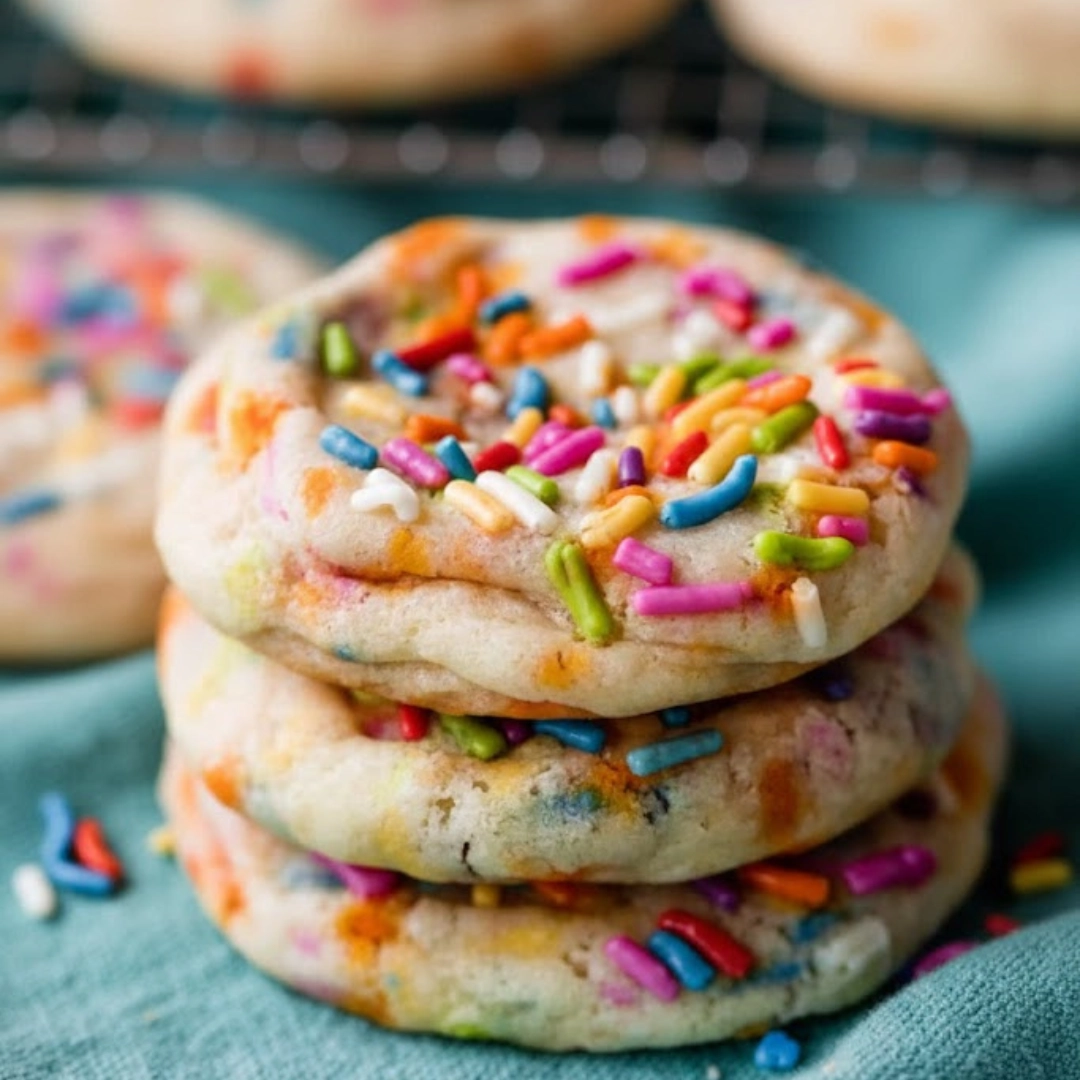
Sugar cookies are a cornerstone of the baking world, often associated with the meticulous work of rolling pins, flour-dusted countertops, and the patient application of royal icing. However, there is a soulful, simpler side to this classic treat that focuses entirely on texture and buttery flavor without the structural demands of a cutout cookie. These drop sugar cookies represent the height of convenience and indulgence, offering a thick, chewy center and a festive crunch from a generous helping of colorful sprinkles. By moving away from the traditional rolling and cutting method, you allow the dough to retain a specific moisture level that results in a much softer bite. This recipe is designed for the baker who wants the nostalgic flavor of a birthday party or a holiday gathering but prefers a straightforward process that yields professional-quality results every single time.
Table of Contents
Ingredients for the Perfect Sprinkle Cookie
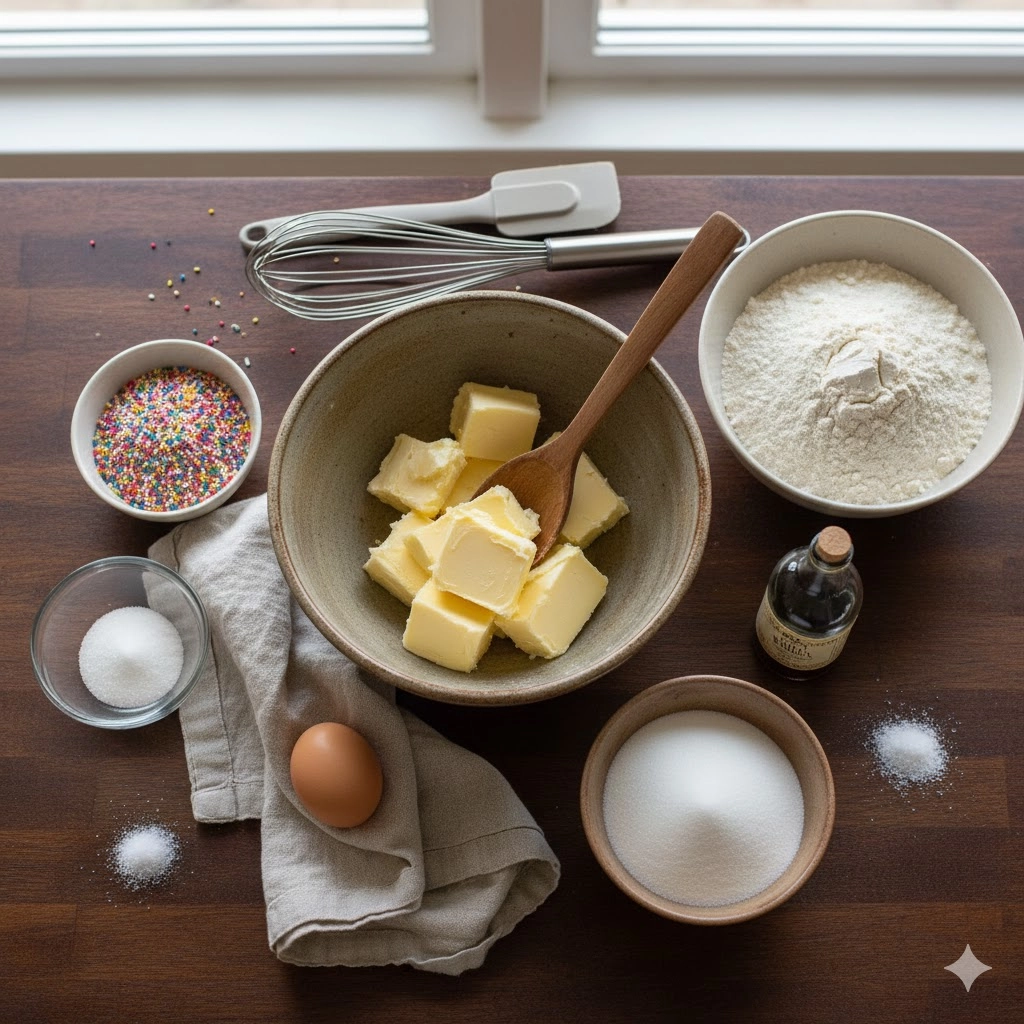
The beauty of this recipe lies in its simplicity. With only eight staple pantry items, you can create a batch of cookies that rivals any high-end bakery. Each ingredient plays a specific role in the chemistry of the dough.
- 1 and 1/2 cups (188 grams) all-purpose flour (be sure to spoon and level the flour)
- 1 and 1/2 teaspoons baking powder
- 1/4 teaspoon salt
- 1/2 cup (8 tablespoons; 113 grams) unsalted butter, softened to room temperature
- 3/4 cup (150 grams) granulated sugar
- 1 large egg, at room temperature
- 1 teaspoon pure vanilla extract
- 1/2 cup (80 grams) sprinkles, plus additional sprinkles for topping the dough balls
Master the Preparation: Mixing and Baking
To achieve the iconic soft-baked texture, the mixing process must be handled with care. Follow these steps to ensure your dough is perfectly aerated and well-incorporated.
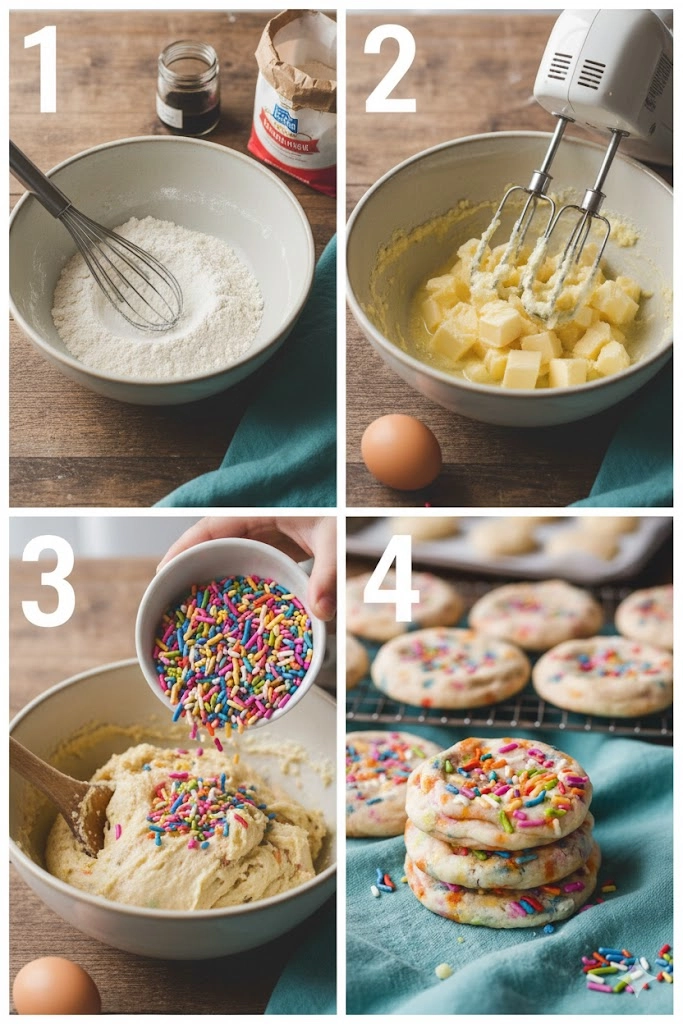
- Begin by combining your dry base. Whisk the all-purpose flour, baking powder, and salt together in a medium-sized mixing bowl until perfectly blended. Set this mixture aside.
- Prepare the wet ingredients. In a large bowl, using either a hand mixer or a stand mixer equipped with a paddle attachment, beat the softened unsalted butter and granulated sugar together. Use medium-high speed for approximately 1 minute until the mixture looks light and creamy.
- Incorporate the liquids. Add the large egg and the pure vanilla extract to the butter mixture. Beat on high speed for another minute. Use a spatula to scrape down the sides and the bottom of the bowl to ensure no pockets of butter remain unmixed.
- Merge the dough. Turn the mixer to low speed and gradually add the dry ingredients to the wet ingredients. Mix just until the white streaks of flour disappear.
- Add the color. Fold in the 1/2 cup of sprinkles. The dough will feel quite thick and slightly sticky to the touch.
- Shape the cookies. Scoop large sections of dough, approximately 2 tablespoons or 40 grams each, and roll them into smooth balls between your palms. If you want an extra pop of color, lightly dip the tops of these balls into a small bowl of extra sprinkles.
- The chilling phase. Place the dough balls onto a large plate or a lined baking sheet. Cover them tightly and refrigerate for at least 2 hours. This step can be extended up to 4 days if you are prepping ahead.
- The bake. Preheat your oven to 350 Fahrenheit. Line your baking sheets with parchment paper or silicone mats. Arrange the chilled dough balls 3 inches apart. Bake for 12 to 13 minutes. The edges should be just barely golden, while the centers will still look quite soft and underdone.
- Cooling. Let the cookies rest on the hot baking sheet for 5 minutes to set before transferring them to a wire rack to cool completely.
Maximizing Success with Deep-Dive Culinary Insights
Achieving a bakery-style drop cookie requires more than just following steps; it requires an understanding of how temperature and measurements interact. One of the most critical factors is the temperature of your butter. Softened butter should be cool to the touch but should dent easily when pressed with a finger. If the butter is too warm or greasy, the sugar will not aerate properly, leading to a cookie that is oily rather than fluffy.
Furthermore, the choice of leavener here is intentional. By using baking powder instead of a combination of baking soda and cream of tartar, the recipe remains approachable. Baking powder contains its own acid, meaning you do not need to worry about adding buttermilk or cream of tartar to activate the rise. This creates a clean, sweet flavor profile where the vanilla and butter can truly shine.
Finally, consider the “spoon and level” method for your flour. Scooping a measuring cup directly into a bag of flour packs the grains down, often resulting in 20 to 30 percent more flour than the recipe requires. This excess flour is the primary culprit behind cookies that do not spread or feel overly dry and crumbly. For the most accurate results, use a kitchen scale to measure out exactly 188 grams of all-purpose flour.
Deep-Dive FAQ: Expert Solutions for Common Baking Questions
Why do my cookies look raw in the middle when I take them out of the oven?
Sugar cookies are notorious for appearing underbaked when they are actually perfect. This is known as “carry-over cooking.” The heat from the baking sheet continues to cook the center of the cookie for several minutes after it is removed from the oven. If you wait until the center looks firm and dry before pulling them out, the cookie will become hard and crunchy once it cools. For a soft, chewy texture, always pull them out when the edges are just turning gold and the middle still looks slightly pale and soft.
Can I use any type of sprinkles for this specific dough?
While you can technically use any sprinkle, “jimmies” (the long, rod-shaped sprinkles) are the gold standard for drop cookies. They hold their shape well and provide a pleasant crunch. Nonpareils, the tiny round balls, are beautiful but have a tendency to bleed their dye into the dough during the mixing and chilling process, which can turn your dough a muddy grey or purple color. If you do use nonpareils, fold them in very gently at the very last second.
What happens if I skip the two-hour chilling period?
If you skip the chilling phase, your cookies will likely spread into thin, flat puddles on the baking sheet. Chilling the dough solidifies the fat (the butter). As the cookies bake, the chilled fat takes longer to melt, allowing the flour and eggs to set the structure of the cookie before the butter spreads too far. Chilling also deepens the flavor, as the flour has more time to hydrate and the sugar has time to dissolve into the moisture of the egg.
In-Depth Step-by-Step Details and Science
The process of creaming butter and sugar is more than just mixing; it is a mechanical process of creating air pockets. When the jagged edges of sugar crystals rub against the butter, they carve out tiny bubbles. These bubbles capture the carbon dioxide released by the baking powder during the heat of the oven. Without this initial minute of high-speed beating, your cookies would be dense and heavy.
When you transition to adding the egg, ensure it is at room temperature. A cold egg hitting room-temperature butter will cause the fat to seize and curdle, resulting in an uneven dough. If you forgot to take your egg out of the fridge, simply place it in a bowl of warm water for 5 minutes to take the chill off.
The final stage of rolling the dough before chilling is a strategic move. Once the dough has been refrigerated for two hours, it becomes quite firm and difficult to scoop. By portioning it while it is still pliable, you ensure that every cookie is the same size (40 grams), which guarantees they will all bake at the exact same rate. This uniformity is what separates a homemade batch from a professional-looking display.
Strategic Modifications and Substitution Ideas
While this recipe is a classic, it serves as a wonderful canvas for experimentation. If you want to lean into a more complex flavor profile, you can substitute the vanilla extract with a combination of half vanilla and half almond extract. The almond provides a “wedding cake” flavor that pairs beautifully with the sprinkles.
For those looking to adjust the texture, you can swap the granulated sugar for an equal amount of superfine sugar to create an even more delicate crumb. If you find yourself out of unsalted butter, you can use salted butter, but be sure to omit the 1/4 teaspoon of salt from the dry ingredients to prevent the cookies from becoming overly savory.
For a gluten-free variation, a high-quality “one-to-one” gluten-free flour blend typically works well with this specific fat-to-flour ratio. However, because gluten-free flours absorb moisture differently, you may find that the dough requires an extra thirty minutes of chilling to prevent excessive spreading.
Suggested Accompaniments and Serving Ideas
These cookies are festive enough to stand alone, but they also pair beautifully with various beverages and desserts. For a classic afternoon treat, serve them alongside a cold glass of whole milk or a steaming cup of Earl Grey tea. The floral notes of the tea complement the vanilla-heavy dough.
If you are hosting a party, these cookies make an excellent base for ice cream sandwiches. Because they remain soft even when cold, you can sandwich a scoop of strawberry or cake batter ice cream between two cookies and freeze them for an hour before serving. For a holiday-specific platter, mix the sprinkle colors to match the season—red and green for December, pastels for spring, or orange and black for October.
Nutrition Information and Caloric Breakdown
The following values are estimates based on a yield of 15 cookies using the specified measurements.
| Nutrient | Amount Per Cookie |
| Calories | 185 |
| Total Fat | 8 grams |
| Saturated Fat | 5 grams |
| Cholesterol | 28 milligrams |
| Sodium | 95 milligrams |
| Total Carbohydrates | 26 grams |
| Dietary Fiber | 0.5 grams |
| Sugars | 16 grams |
| Protein | 2 grams |
Nutritional Disclaimer
The nutritional information provided is an estimate based on standard ingredient data. Actual values may vary depending on specific brands used, accuracy of measurements, and any substitutions made during the baking process. For precise dietary planning, please consult a certified nutritionist.
Final Thoughts on Homemade Sprinkle Cookies
Mastering the drop sugar cookie is a rewarding journey into the heart of simple, effective home baking. By focusing on the quality of your butter, the precision of your flour measurement, and the patience required for a proper chill, you can produce a cookie that is far superior to store-bought alternatives. These treats are designed to bring joy, color, and a sense of celebration to any table. Whether you are baking for a school event or simply filling your own cookie jar, this recipe provides a reliable, delicious result that you will find yourself returning to year after year.
Drop Sugar Cookies with Sprinkles
Ingredients
- 1.5 cups all-purpose flour (spooned & leveled)
- 1.5 tsp baking powder
- 0.25 tsp salt
- 0.5 cup unsalted butter, softened to room temperature
- 0.75 cup granulated sugar
- 1 large egg, at room temperature
- 1 tsp pure vanilla extract
- 0.5 cup sprinkles, plus more for topping
Instructions
- Whisk the flour, baking powder, and salt together in a medium bowl. Set aside.
- In a large bowl using a hand mixer or stand mixer fitted with a paddle attachment, beat the softened butter and granulated sugar together on medium-high speed until creamed and smooth, about 1 minute.
- Add the egg and vanilla extract. Beat on high speed until fully combined, about 1 minute, scraping down the sides of the bowl as needed.
- Add the dry ingredients to the wet ingredients and mix on low speed until just combined. Fold in the 1/2 cup of sprinkles. Note: The dough will be thick and sticky.
- Scoop large sections of dough (about 2 tablespoons or 40g each) and roll into balls. Lightly dip the tops of the balls in extra sprinkles if desired. Place onto a plate or lined sheet.
- Cover and chill the cookie dough balls in the refrigerator for at least 2 hours (and up to 4 days).
- Preheat oven to 350°F (177°C). Line baking sheets with parchment paper or silicone mats. Arrange chilled balls 3 inches apart.
- Bake for 12-13 minutes until the edges are very lightly browned. The centers will still look soft. Cool on the pan for 5 minutes before moving to a wire rack.
Notes
Equipment
- Electric Mixer (Handheld or Stand)
- Medium whisk
- Baking sheets
- Parchment paper or silicone baking mats
- wire cooling rack
- Cookie scoop (2 tablespoon size)