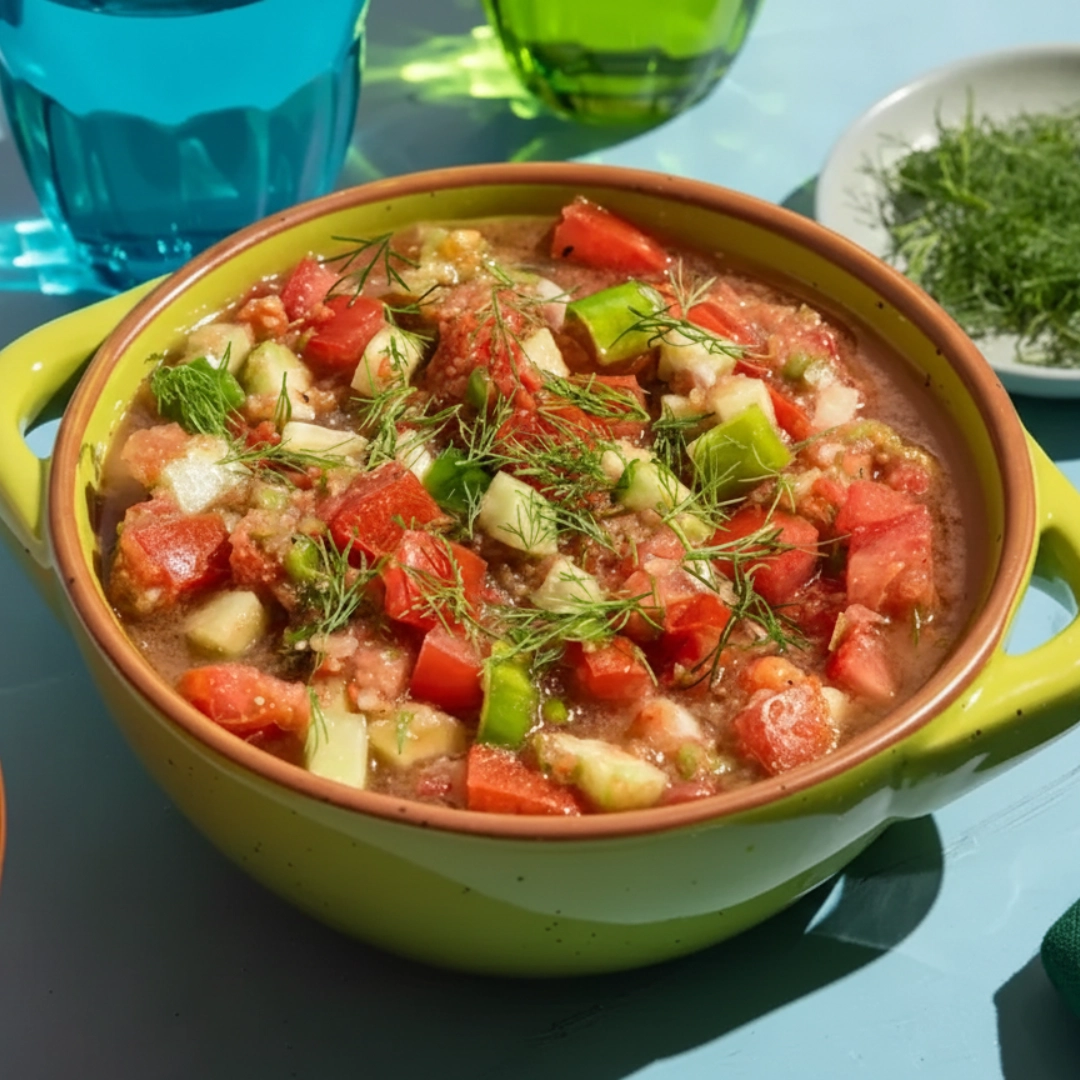
There is nothing quite like the peak of summer when the garden is overflowing with heavy, sun-ripened tomatoes and crisp, cool cucumbers. When the humidity climbs and the kitchen feels too warm for a traditional stove-top meal, the chilled, vibrant flavors of a homemade Dill Gazpacho offer the ultimate culinary relief. This particular version moves away from the heavy tomato paste or bread-thickened bases of some traditional Spanish recipes, focusing instead on the raw, unadulterated essence of fresh produce. By incorporating a generous amount of fragrant fresh dill, this soup takes on a sophisticated, herbal profile that is both light and deeply satisfying. It is a celebration of seasonal bounty in a bowl, requiring no heat and only a bit of patient chopping to achieve a texture that is part silky puree and part crunchy garden salsa.
Table of Contents
Ingredients for Your Fresh Dill Gazpacho
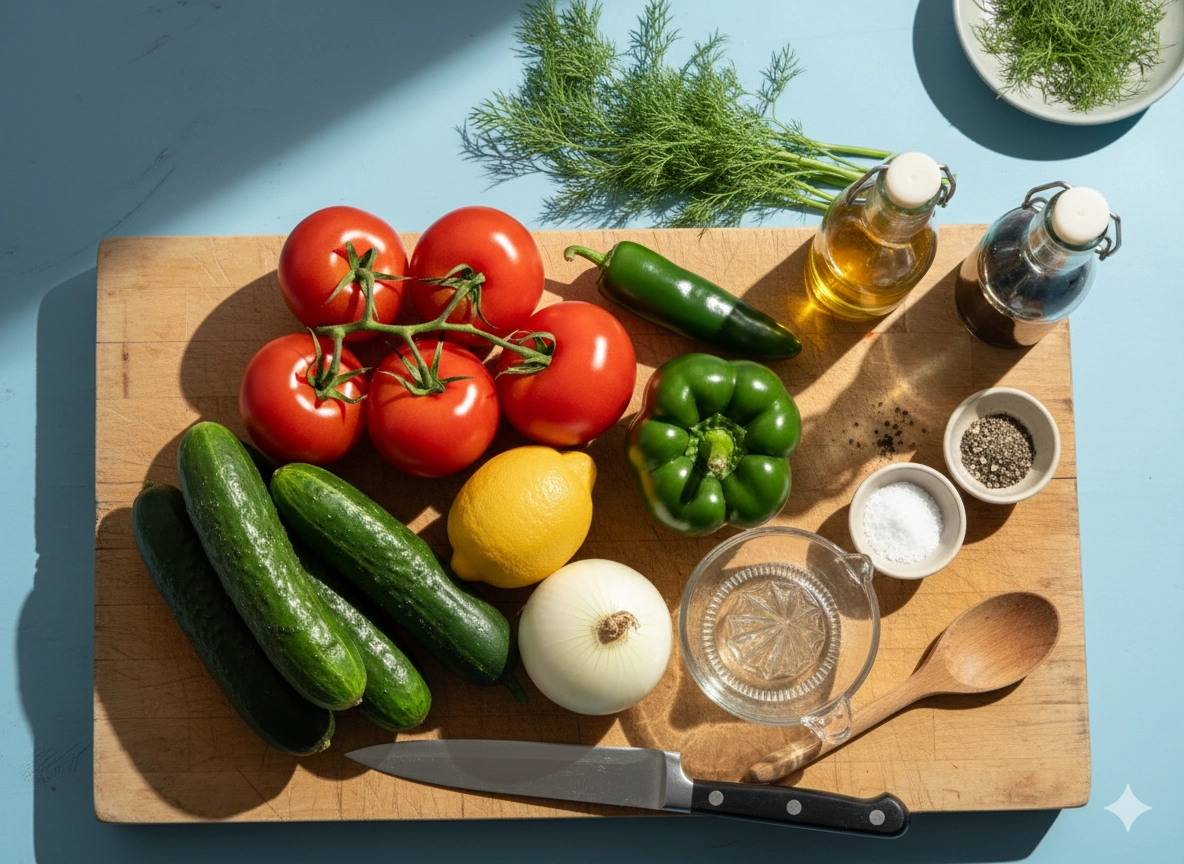
To create this vibrant chilled soup, you will need to gather the following fresh components. For the best results, seek out the heaviest tomatoes and the firmest cucumbers available at your local farmers market or in your backyard garden.
- 6 medium ripe tomatoes, finely chopped
- 2 cucumbers, peeled and finely chopped
- 1 onion, finely chopped
- 1 green bell pepper, finely chopped
- 1 jalapeno pepper, seeded and minced
- 1 large lemon, juiced
- 1 tablespoon balsamic vinegar
- 2 teaspoons olive oil
- 1 teaspoon kosher salt
- 1/2 teaspoon ground black pepper
- 1/4 cup chopped fresh dill
Instructions for Preparing the Perfect Batch
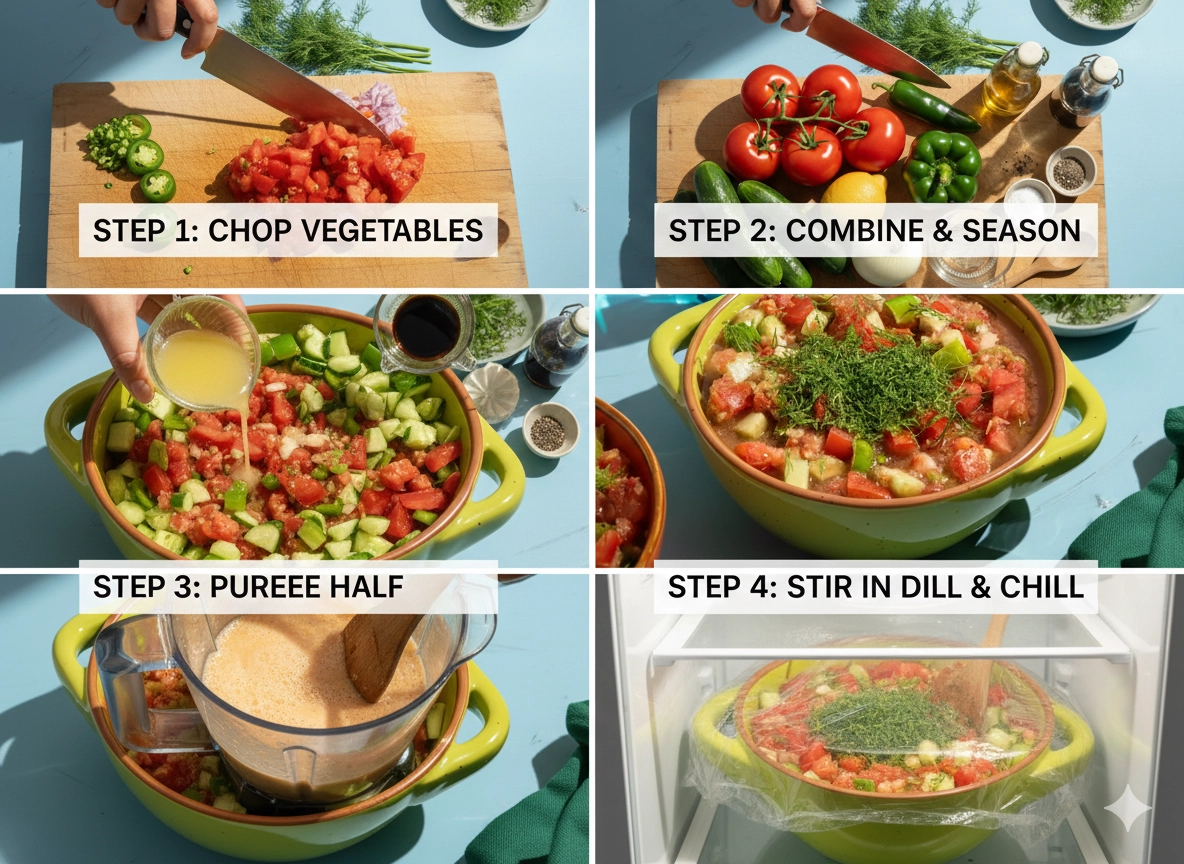
- Prepare the Base: Begin by gathering all your fresh vegetables. Using a sharp chef’s knife, finely chop the tomatoes, cucumbers, onion, and green bell pepper. Ensure the jalapeno is seeded and minced very finely to distribute the heat evenly.
- Combine and Season: In a large glass or ceramic mixing bowl, combine the chopped tomatoes, cucumbers, onions, bell pepper, and jalapeno. Pour in the freshly squeezed lemon juice, balsamic vinegar, and olive oil. Sprinkle the kosher salt and ground black pepper over the mixture and stir thoroughly to ensure the seasonings are well-distributed.
- Create the Texture: Transfer exactly half of the vegetable and liquid mixture into a high-speed blender or a food processor. Pulse and then blend until the mixture is completely smooth and liquid.
- Incorporate the Herbs: Pour the pureed portion back into the large bowl with the remaining chunky vegetables. Add the chopped fresh dill and mix well until the herbs are fully integrated into the soup.
- Chill and Set: Cover the bowl tightly with plastic wrap or a lid. Place it in the refrigerator for a minimum of one hour. This allows the flavors of the raw garlic, onion, and dill to meld and the soup to reach a refreshing temperature before serving.
Mastering the Texture and Consistency
The magic of a truly great Dill Gazpacho lies in the play between the smooth, drinkable base and the crisp, bite-sized pieces of vegetable. When you are finely chopping your ingredients, aim for uniformity. This isn’t just for aesthetics; smaller, even pieces release more juice, which contributes to the natural broth of the soup. While the recipe calls for finely chopping everything, some cooks prefer to leave the tomatoes slightly larger to provide a juicy burst, while keeping the onions and peppers very small so they don’t overpower a single spoonful.
The blending step is the most critical part of the process for those who want a “restaurant-style” finish. By pureeing exactly half of the mixture, you create a thick, emulsified liquid that binds the rest of the ingredients together. If you find the soup is too thick for your liking after blending, do not be tempted to add water. Instead, take another handful of the tomatoes and blend them in; the natural water content of the fruit provides a much richer flavor than tap water ever could.
If you prefer an even smoother soup, you can blend two-thirds of the mixture, leaving only a small amount of “crunch.” Conversely, if you enjoy a very rustic, chunky gazpacho, you can blend just one-third. However, the fifty-fifty split suggested in the instructions generally provides the most balanced mouthfeel.
Unique Culinary Insights and Science
The science of gazpacho is rooted in maceration. When you add salt and acids like lemon juice and balsamic vinegar to raw vegetables, they begin to draw out the internal moisture through osmosis. This is why the chilling time is not just about temperature; it is a vital part of the “cooking” process. As the soup sits in the refrigerator, the cell walls of the tomatoes and cucumbers soften slightly, and their juices mix with the olive oil and vinegar to create a complex vinaigrette-like broth.
The use of dill in this recipe is a brilliant departure from the traditional cilantro or parsley often found in cold tomato soups. Dill contains oils that are incredibly volatile, meaning they release a potent aroma as soon as they are cut. Adding the dill after the blending process ensures that these delicate flavors are not bruised or oxidized by the high-speed blades of a blender. It keeps the herb tasting bright and “green” against the acidity of the lemon.
Regarding the acidity, the combination of lemon juice and balsamic vinegar serves two purposes. The lemon provides a high, bright note that wakes up the palate, while the balsamic vinegar offers a deeper, slightly sweet undertone that rounds out the sharp edges of the raw onion and jalapeno. Using a high-quality, aged balsamic can add a subtle richness that makes the soup feel more decadent despite its low calorie count.
Adaptations and Ingredient Substitutions
While the original recipe is a masterpiece of summer simplicity, there are several ways to adapt it based on what you have on hand or your personal dietary preferences.
- Tomato Variations: If medium ripe tomatoes are not available, you can use an equivalent weight of cherry tomatoes or Roma tomatoes. Cherry tomatoes tend to be sweeter, which can balance the bite of the onion beautifully.
- Vinegar Swaps: If you find balsamic vinegar too heavy, a champagne vinegar or a high-quality sherry vinegar can be used. Sherry vinegar is the traditional choice for Spanish gazpacho and offers a nutty complexity.
- Heat Levels: The jalapeno provides a mild background warmth. If you prefer a completely mild soup, you can substitute the jalapeno with a small amount of finely diced celery for extra crunch. If you want more heat, leave some of the seeds in the jalapeno or add a dash of your favorite hot sauce.
- Oil Choices: While olive oil is standard, using a cold-pressed extra virgin olive oil will provide a peppery finish that complements the fresh dill. Avoid neutral oils like vegetable or canola, as they lack the flavor profile needed to stand up to the raw vegetables.
Optimal Serving and Accompaniments
Serving Dill Gazpacho is all about maintaining that ice-cold temperature. For an elegant touch, chill your serving bowls in the freezer for ten minutes before ladling the soup. This prevents the soup from warming up too quickly as it sits on the table.
To enhance the meal, consider the following pairings:
- Crusty Breads: A toasted sourdough or a rustic baguette is perfect for dipping into the bottom of the bowl to soak up the herb-flecked juices.
- Added Protein: For a more substantial lunch, top the gazpacho with chilled poached shrimp, grilled scallops, or even a few morsels of lump crabmeat. The sweetness of the seafood is a fantastic foil for the dill.
- Creamy Toppings: A dollop of Greek yogurt, sour cream, or even a few slices of ripe avocado can add a creamy fat element that tames the acidity of the tomatoes and lemon.
- Garnishing: Always save a few sprigs of fresh dill to place on top of each bowl. A final drizzle of extra virgin olive oil and a light dusting of cracked black pepper right before serving makes the dish look professional and inviting.
Deep-Dive Culinary FAQ
How long can I store this Dill Gazpacho in the refrigerator?
This soup is best enjoyed within forty-eight hours of preparation because the vegetables will eventually lose their structural integrity and become overly soft. While it remains safe to eat for up to four days, the vibrant “pop” of the cucumber and the bright green color of the dill will begin to fade after the second day. Always store it in an airtight glass container to prevent it from picking up other odors from the fridge.
Can I freeze gazpacho for later use?
Freezing is generally not recommended for this style of gazpacho. Because the vegetables are raw and have a high water content, the freezing and thawing process breaks down the cell walls completely, resulting in a mushy texture once defrosted. If you must freeze it, plan on blending the entire batch into a smooth liquid after thawing and perhaps using it as a cold sauce or a base for a different soup.
What is the best way to peel cucumbers for this recipe?
To maintain the best texture, use a Y-peeler to remove the tough outer skin. If you are using English cucumbers or Persian cucumbers, which have very thin skins, you can actually skip the peeling process entirely or peel them in “stripes” to leave a bit of green color. For standard garden cucumbers, however, peeling is essential as the skins can be bitter and waxy.
Why does my gazpacho taste different every time I make it?
Since this is a raw soup, the flavor is entirely dependent on the quality and ripeness of the produce. Tomatoes in July will be much sweeter and more acidic than those found in the winter. If your batch tastes a bit flat, it likely needs a tiny pinch more salt or an extra teaspoon of lemon juice to brighten the flavors. Always taste and adjust your seasoning after the one-hour chilling period, as cold temperatures can mute flavors.
A Final Note on This Summer Classic
This Dill Gazpacho is more than just a cold soup; it is a testament to the idea that the best ingredients need very little intervention to shine. By balancing the acidity of citrus and vinegar with the earthy, cooling notes of fresh dill, you create a dish that is sophisticated enough for a dinner party yet simple enough for a weekday lunch. It captures the very essence of a summer garden, providing a nutritious, hydrating, and flavorful experience that will leave you feeling refreshed even on the hottest afternoon.
Nutrition Information
| Item | Amount Per Serving |
| Calories | 58 |
| Total Fat | 2g |
| Cholesterol | 0mg |
| Sodium | 395mg |
| Total Carbohydrates | 11g |
| Dietary Fiber | 3g |
| Sugars | 6g |
| Protein | 2g |
Nutritional Disclaimer
Nutritional values are estimates based on standard ingredient measurements. Variations may occur depending on the specific size and ripeness of the produce used.
Refreshing Summer Garden Dill Gazpacho
Ingredients
- 6 medium ripe tomatoes, finely chopped
- 2 cucumbers, peeled and finely chopped
- 1 onion, finely chopped
- 1 green bell pepper, finely chopped
- 1 jalapeno pepper, seeded and minced
- 1 large lemon, juiced
- 1 tbsp balsamic vinegar
- 2 tsp olive oil
- 1 tsp kosher salt
- 0.5 tsp ground black pepper
- 0.25 cup chopped fresh dill
Instructions
- In a large bowl, stir together the finely chopped tomatoes, cucumbers, onion, bell pepper, and jalapeno pepper.
- Season the vegetable mixture with the lemon juice, balsamic vinegar, olive oil, salt, and black pepper. Stir well to coat.
- Transfer half of the mixture into a blender or food processor. Puree until completely smooth.
- Return the pureed mixture to the bowl with the chunky vegetables. Stir in the fresh chopped dill and mix thoroughly.
- Cover the bowl and refrigerate for at least one hour. Serve chilled with an extra sprig of dill for garnish.
Notes
Equipment
- large mixing bowl
- chef’s knife For fine chopping
- blender or food processor
- citrus juicer