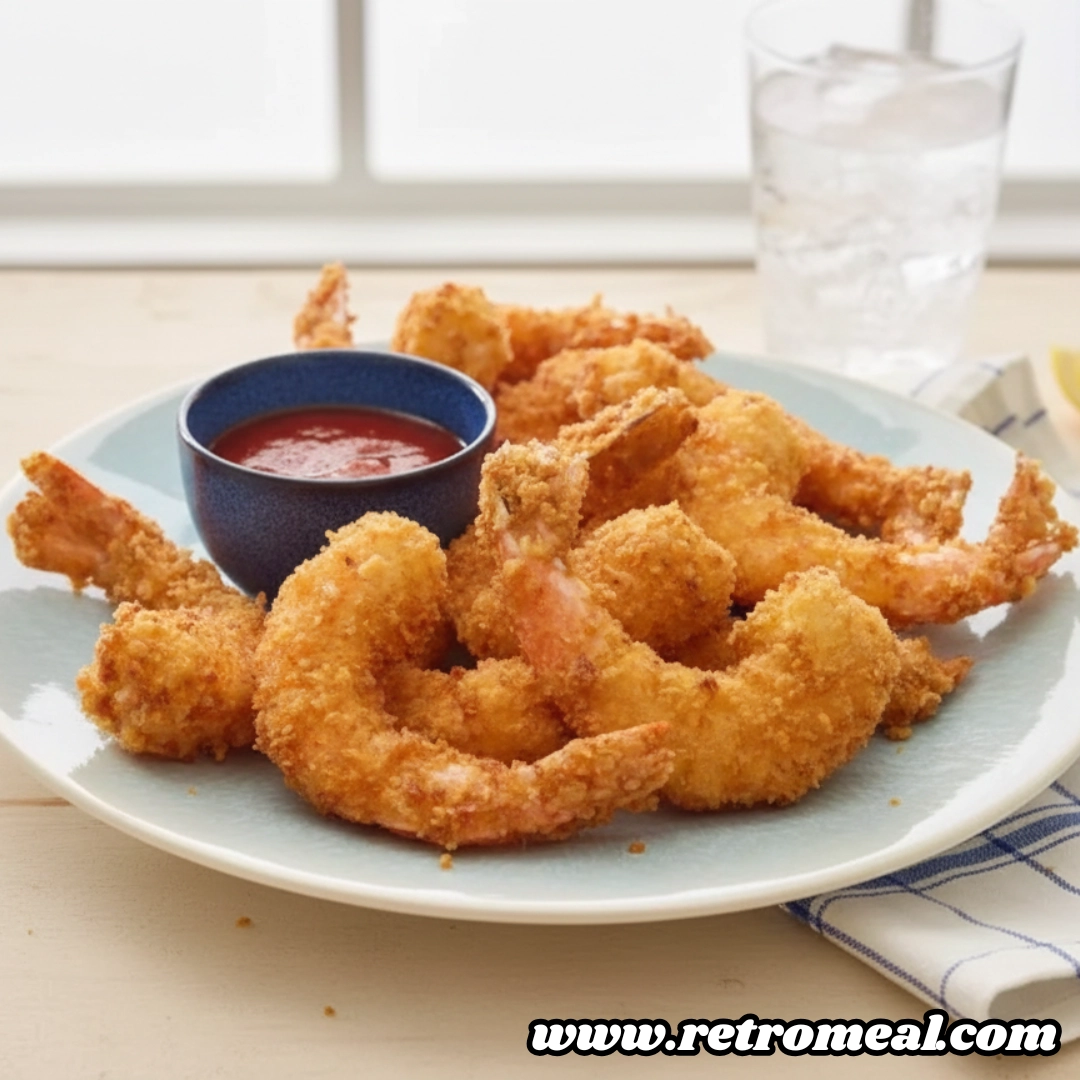
There is something undeniably nostalgic and comforting about a platter of perfectly prepared crunchy fried shrimp. Whether you are recreating the atmosphere of a seaside fish shack or looking to impress guests at a summer dinner party, achieving that specific, shatteringly crisp exterior while maintaining a succulent, tender interior is a culinary art form. Many home cooks struggle with soggy breading or rubbery seafood, but the secret lies in the simplicity of the technique and the quality of the panko. This recipe focuses on a foolproof triple-dredge method that ensures every jumbo shrimp is encased in a golden armor of flavor.
In just fifteen minutes, you can transform humble kitchen staples like flour, eggs, and bread crumbs into a restaurant-quality feast. By using jumbo shrimp, you allow the seafood enough time to develop a crust in the hot oil without overcooking the delicate protein inside. This guide will walk you through the nuances of temperature control, breading adhesion, and the science behind why panko reigns supreme in the world of deep-frying.
Table of Contents
Ingredients for the Perfect Crunch
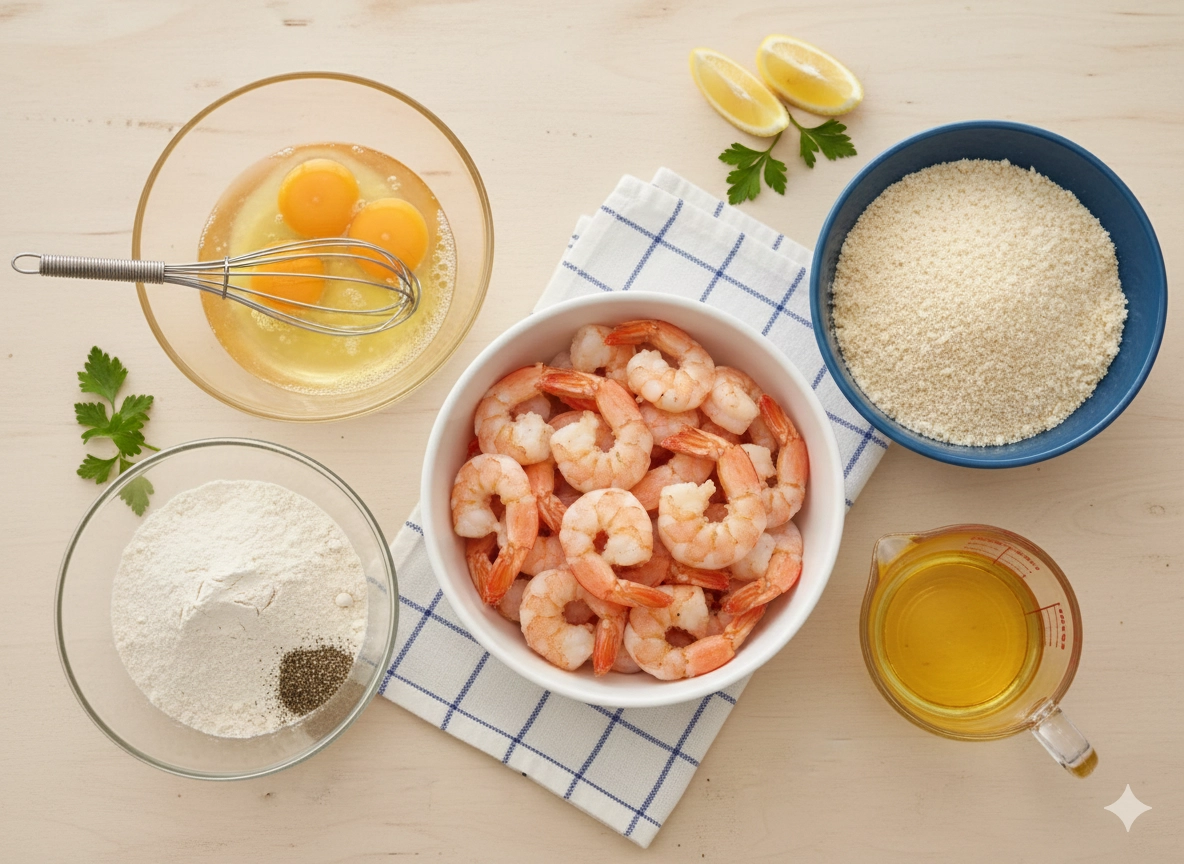
To create this masterpiece, you will need a handful of high-quality ingredients. Ensure your shrimp are properly prepared before you begin the dredging process to keep your workspace organized and efficient.
- one third cup all-purpose flour
- three fourths teaspoon salt
- one half teaspoon ground black pepper
- three large eggs
- one and one half cups Kikkoman Panko Bread Crumbs
- one pound uncooked jumbo shrimp, peeled and deveined, tails left intact
- one cup vegetable oil for frying, or as needed
Mastering the Fried Shrimp Technique
Follow these precise steps to ensure your shrimp come out golden and delicious every single time.
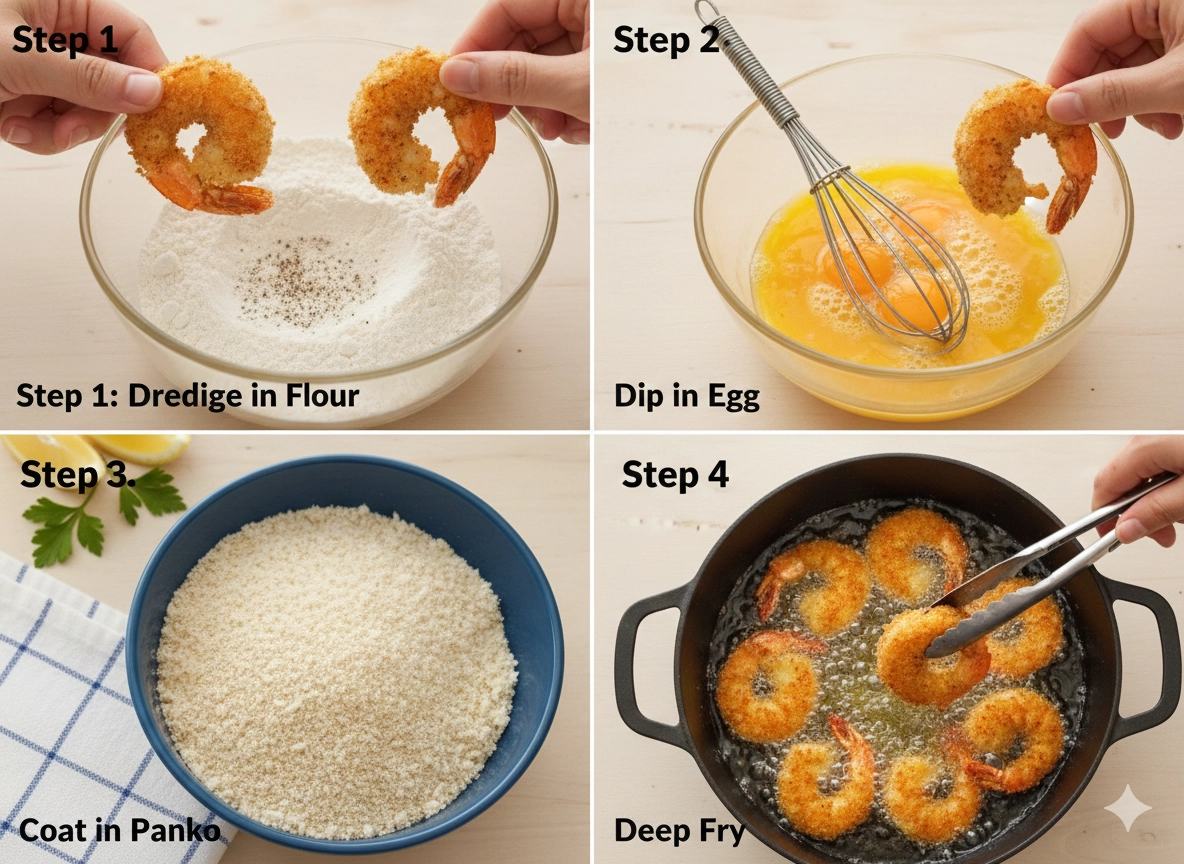
- Prepare the Dredging Stations: Begin by gathering all your ingredients and setting up three separate bowls. In the first medium bowl, whisk together the all-purpose flour, salt, and black pepper until the seasoning is evenly distributed.
- Whisk the Binder: In a second medium bowl, crack the three large eggs and beat them vigorously until they are frothy and uniform in color. This frothiness helps the egg cling better to the floured shrimp.
- Prepare the Panko: Pour the Kikkoman Panko Bread Crumbs into a third bowl. Having these lined up in an assembly line fashion (flour, then egg, then crumbs) will make the process much smoother.
- The First Coating: Take a jumbo shrimp by the tail and dredge it thoroughly in the flour mixture. Shake off any excess flour; you want a light, even dusting, not a heavy paste.
- The Binding Dip: Submerge the floured shrimp into the beaten eggs, ensuring every crevice is coated.
- The Final Crust: Press the shrimp firmly into the panko bread crumbs. Turn it over and press again to ensure the crumbs adhere to both sides, creating a thick, textured coating.
- The Frying Process: Pour about two inches of vegetable oil into a large, heavy pot. Heat the oil until it reaches 350 degrees Fahrenheit. Working in small batches to avoid crowding, carefully lower the shrimp into the hot oil.
- Drain and Serve: Deep-fry the shrimp for approximately one minute or until they are cooked through and a deep golden brown. Use tongs to transfer them to a plate lined with paper towels to drain excess oil. Repeat with the remaining shrimp and serve immediately.
Expanding the Step-by-Step Details
The journey to the perfect crunchy fried shrimp begins long before the seafood hits the oil. Understanding the “why” behind the “how” can elevate your cooking from basic to professional.
The Importance of the Dry-Wet-Dry Method
The three-bowl system is not just a suggestion; it is a structural necessity for fried foods. The flour acts as a primer, absorbing the natural moisture on the surface of the shrimp. Without this layer, the egg wash would simply slide off. The egg acts as the “glue,” providing a sticky surface for the panko. Finally, the panko provides the architectural integrity of the crunch. Panko is different from traditional bread crumbs because it is processed into large, airy flakes that don’t absorb as much oil, resulting in a lighter, crispier bite.
Precision Temperature Management
Maintaining your oil at 350 degrees Fahrenheit is the most critical variable in deep-frying. If the oil is too cold, the breading will sit in the fat and absorb it, leading to a greasy, heavy shrimp. If the oil is too hot, the panko will burn before the shrimp is cooked through. Using a heavy pot, such as a cast-iron Dutch oven, helps maintain a steady temperature even when cold shrimp are added to the oil.
The Batch Frying Strategy
It is tempting to throw all the shrimp in at once to finish faster, but patience is a virtue in the kitchen. Dropping too many shrimp into the pot simultaneously will cause the oil temperature to plummet. This results in steamed, soggy breading rather than a crisp fry. Cook no more than five or six jumbo shrimp at a time, allowing the oil a few moments to return to 350 degrees Fahrenheit between batches.
Unique Culinary Insights for Exceptional Results
While the recipe is straightforward, these professional nuances can help you achieve a superior result that rivals the best seafood houses in the country.
Tail-On Presentation
Leaving the tails intact on your jumbo shrimp serves two purposes. First, it provides a “natural handle” for your guests, making these an excellent finger food for parties. Second, it adds an aesthetic appeal that makes the dish look more sophisticated. During the frying process, the tails will turn a vibrant pink-orange, providing a beautiful color contrast to the golden-brown crust.
The Aerated Egg Secret
When beating your eggs, aim for a “frothy” consistency rather than just mixing them. The air bubbles created during whisking help create a more voluminous coating. This prevents the breading from becoming too dense or “leathery.” If you find the egg wash is too thick, you can add a single teaspoon of water to thin it out slightly without losing its binding properties.
Pressing for Success
When you reach the panko stage, do not simply toss the shrimp in the bowl. You must physically press the shrimp into the flakes. This ensures that the panko is embedded into the egg wash, creating a multi-layered texture. A light toss will often result in “bald spots” where the breading falls off during the frying process.
Modifications and Substitutions
Every kitchen is different, and sometimes you need to adapt based on what you have in the pantry or specific dietary preferences.
Flour Alternatives
If you are looking to change the texture of the initial dredge, some cooks prefer using cornstarch instead of all-purpose flour. Cornstarch creates an even finer barrier and can result in an exceptionally crisp, almost glass-like crunch. However, all-purpose flour remains the standard for the classic American fried shrimp profile.
Oil Selection
While vegetable oil is the standard due to its neutral flavor and high smoke point, you can also use canola oil or peanut oil. Peanut oil is highly prized in professional frying for its ability to withstand high heat without breaking down, though you must be mindful of potential nut allergies among your guests. Avoid using olive oil or butter for this deep-frying application, as their smoke points are too low and they will impart a burnt flavor to the panko.
Seasoning Variations
The base recipe calls for salt and pepper, which allows the sweet, natural flavor of the jumbo shrimp to take center stage. However, if you want a bolder profile, you can add garlic powder, onion powder, or a dash of cayenne pepper to the flour mixture. Just ensure the dry spices are finely ground so they don’t prevent the egg wash from sticking.
Accompaniments and Serving Suggestions
A plate of crunchy fried shrimp is a versatile centerpiece that pairs beautifully with a variety of sides and sauces.
Classic Dipping Sauces
The reference recipe suggests Kikkoman Tonkatsu Sauce, which offers a savory, tangy, and slightly sweet Japanese profile that complements the panko perfectly. However, the American classics are also highly recommended. A zesty cocktail sauce with plenty of horseradish provides a sharp bite that cuts through the richness of the fried coating. Alternatively, a creamy tartar sauce with capers and dill adds a cooling, herbal element.
Side Dish Pairings
To turn this into a full meal, consider the following pairings:
- Starch: Crispy French fries or homemade tater tots are the natural companions for a “basket-style” meal. For a lighter touch, try a fluffy jasmine rice or a lemon-infused orzo.
- Greens: A cold, crisp coleslaw provides the essential acid and crunch needed to balance the deep-fried shrimp. A Caesar salad with plenty of parmesan also works well, as the salty dressing mirrors the savory notes of the panko.
- Vegetables: Grilled corn on the cob or a quick summer veggie sauté can add color and nutrition to the plate.
Deep-Dive Questions and Answers
Can I prepare these shrimp in an air fryer instead of deep-frying?
Yes, you can certainly use an air fryer if you prefer a lighter version of this dish. To do so, preheat your air fryer to 400 degrees Fahrenheit. Lightly spray the basket with a non-stick cooking spray and arrange the breaded shrimp in a single layer, ensuring they are not touching. Air fry for approximately five minutes, or until the exterior is golden and the shrimp are opaque. While the texture will be slightly different from the oil-immersed version, it still yields a very satisfying crunch.
How do I prevent the breading from falling off when I fry?
The most common reason breading falls off is moisture. If the shrimp are too wet before the flour dredge, the flour will turn into a paste that eventually steams off the meat. Always pat your shrimp dry with paper towels before starting the process. Additionally, make sure the oil is at the correct temperature; if the oil is too cool, the egg wash doesn’t “set” quickly enough, causing the breading to slide away.
What is the best way to reheat leftovers?
Fried shrimp are best enjoyed immediately, but if you have leftovers, avoid the microwave at all costs, as it will make the panko soggy and the shrimp rubbery. Instead, use an oven or a toaster oven set to 375 degrees Fahrenheit. Place the shrimp on a wire rack over a baking sheet and heat for about five to eight minutes. This allows the hot air to circulate around the shrimp, crisping up the panko once again without overcooking the seafood.
How do I know for sure when the shrimp is cooked?
Shrimp cook very quickly, especially in 350-degree oil. A jumbo shrimp usually takes only sixty seconds. Look for the physical cues: the breading should be a rich, golden brown, and the shrimp itself should curl into a “C” shape. If the shrimp curls tightly into an “O” shape, it is likely overcooked and may be tough. The meat should be opaque and pearly white inside.
A Perfect Seafood Feast
Bringing the flavors of a high-end seafood restaurant into your own kitchen has never been easier than with this crunchy fried shrimp recipe. By focusing on the triple-coating technique and maintaining precise oil temperatures, you ensure a result that is both visually stunning and incredibly delicious. Whether you serve them as an appetizer with a spicy cocktail sauce or as a main course alongside a fresh summer slaw, these shrimp are guaranteed to be a crowd-pleaser. The combination of the airy panko and the juicy jumbo shrimp creates a texture profile that is simply unbeatable.
Nutrition Information
| Category | Amount per Serving |
| Calories | 875 |
| Total Fat | 70 grams |
| Saturated Fat | 11 grams |
| Cholesterol | 285 milligrams |
| Sodium | 950 milligrams |
| Total Carbohydrates | 37 grams |
| Dietary Fiber | 2 grams |
| Sugars | 1 gram |
| Protein | 27 grams |
Nutritional Disclaimer
The nutritional data provided is an estimate based on the ingredients listed. Please note that the actual amount of breading and oil consumed will vary. This calculation assumes a ten percent oil retention rate after the frying process. For those with specific dietary requirements, please consult a professional nutritionist.
Crunchy Fried Shrimp
Ingredients
- 0.33 cup all-purpose flour
- 0.75 tsp salt
- 0.5 tsp ground black pepper
- 3 large eggs
- 1.5 cups Kikkoman Panko Bread Crumbs
- 1 pound uncooked jumbo shrimp, peeled and deveined, tails intact
- 1 cup vegetable oil for frying, or as needed
Instructions
- Gather all ingredients and set up three medium bowls. In the first bowl, mix the flour, salt, and pepper. In the second, beat the eggs until they are frothy. Place the panko crumbs in the third bowl.
- Take each shrimp and dredge it in the seasoned flour mixture. Shake off any excess flour to ensure a light coating.
- Dip the floured shrimp into the beaten eggs, ensuring the entire shrimp (except the tail) is covered in the egg wash.
- Press the shrimp firmly into the panko bread crumbs. Turn to coat both sides thoroughly so the crumbs adhere well.
- Heat 2 inches of oil in a large, heavy pot to 350 degrees Fahrenheit (175 degrees Celsius).
- Deep-fry the shrimp in small batches to avoid crowding. Cook for about 1 minute until the shrimp are cooked through and golden brown.
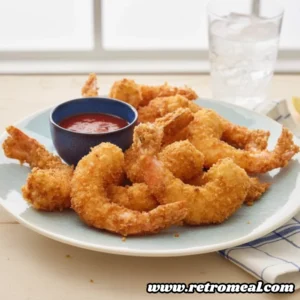
- Use tongs to transfer the hot shrimp to a paper towel-lined plate to drain. Serve immediately on a platter.
Notes
Equipment
- Large heavy-bottomed pot A Dutch oven works best for temperature stability
- Three medium mixing bowls For the dredging stations
- Kitchen tongs
- Deep-fry or candy thermometer To monitor oil temperature
- Paper towels and a plate For draining