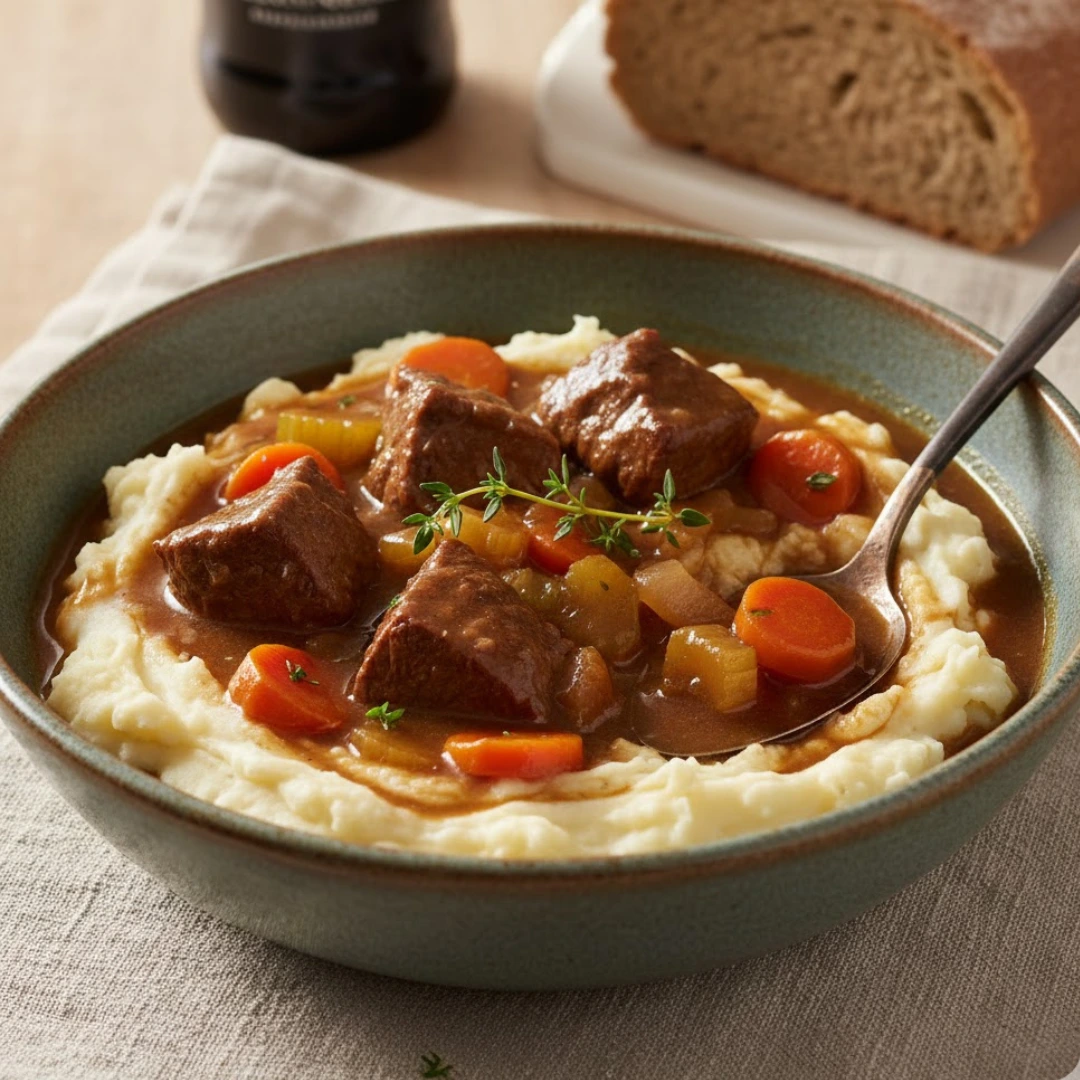
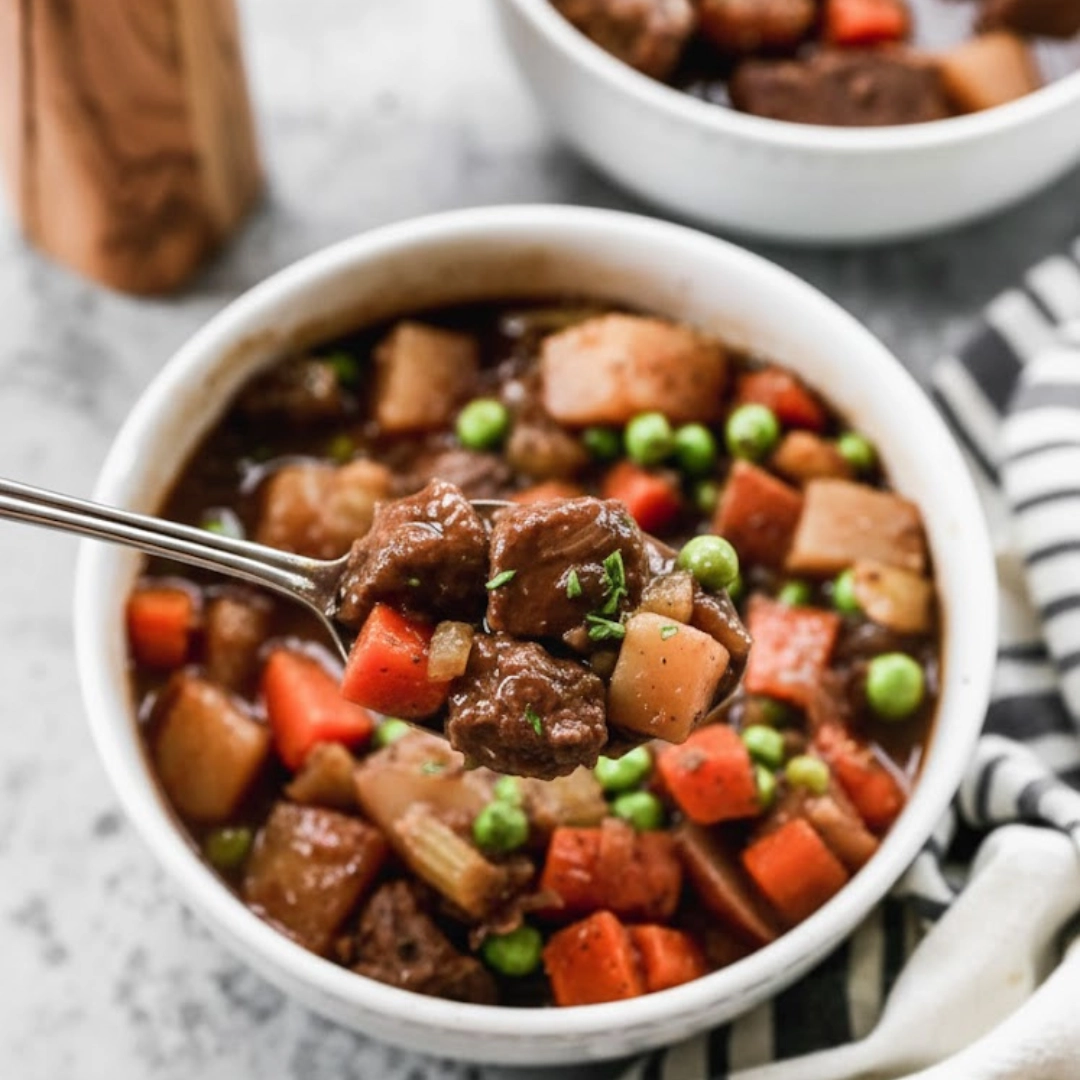
There is something inherently nostalgic about a pot of soup simmering on a quiet afternoon. While its cousin, the beef stew, is known for a thick and heavy gravy, the Slow Cooker Beef and Vegetable Soup offers a more refined, broth-forward experience that highlights the individual integrity of every carrot, potato, and piece of tender beef. This dish is the epitome of “set it and forget it” culinary excellence. It is designed for those days when the schedule is packed, but the soul craves a home-cooked meal that feels like a warm hug. By utilizing the gentle, consistent heat of a crockpot, we transform a tough cut of beef into something that practically melts upon contact, all while creating a complex liquid gold broth infused with red wine and fresh herbs.
Table of Contents
Ingredients for Your Slow Cooker Creation
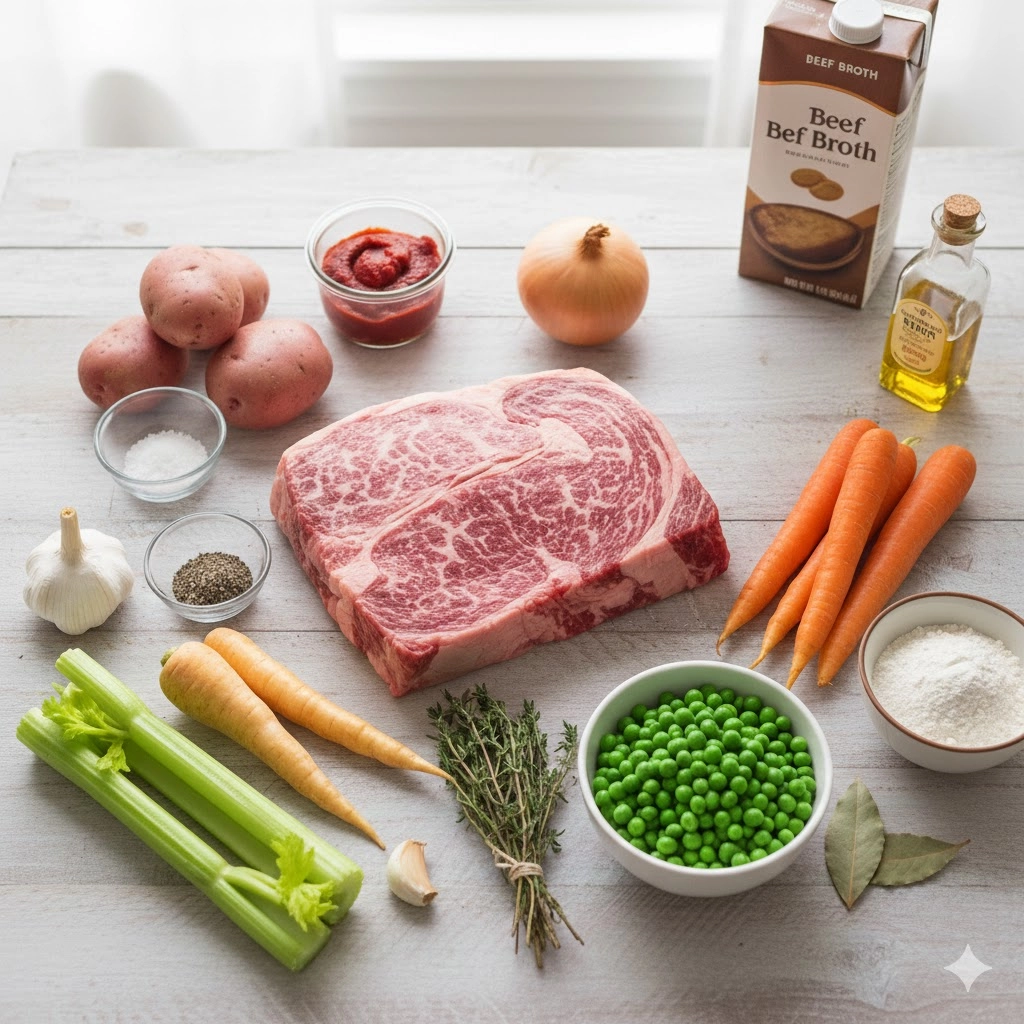
To create this masterpiece of comfort, you will need to gather these specific ingredients. Accuracy in your measurements ensures the perfect balance of savory, sweet, and earthy notes.
- 2 1/2 pounds boneless chuck roast
- 1 teaspoon kosher salt (divided into two portions)
- 1/2 teaspoon ground black pepper (divided into two portions)
- 1/4 cup white whole wheat flour (all-purpose flour is an excellent substitute)
- 3 tablespoons extra-virgin olive oil (used in stages)
- 1 1/2 cups dry red wine (Cabernet Sauvignon is preferred, or a dark porter beer)
- 1 large yellow onion
- 3 celery stalks
- 2 cloves garlic
- 2 tablespoons tomato paste
- 1 tablespoon Worcestershire sauce
- 4 large carrots
- 2 parsnips
- 3/4 pound red potatoes (roughly 2 medium-sized potatoes)
- 1 bay leaf
- 3 sprigs fresh thyme (or 2 teaspoons of dried thyme)
- 3 to 4 cups low-sodium beef broth
- 1 1/2 cups fresh or frozen peas
- Fresh parsley (for a vibrant garnish)
Master Instructions for the Perfect Simmer
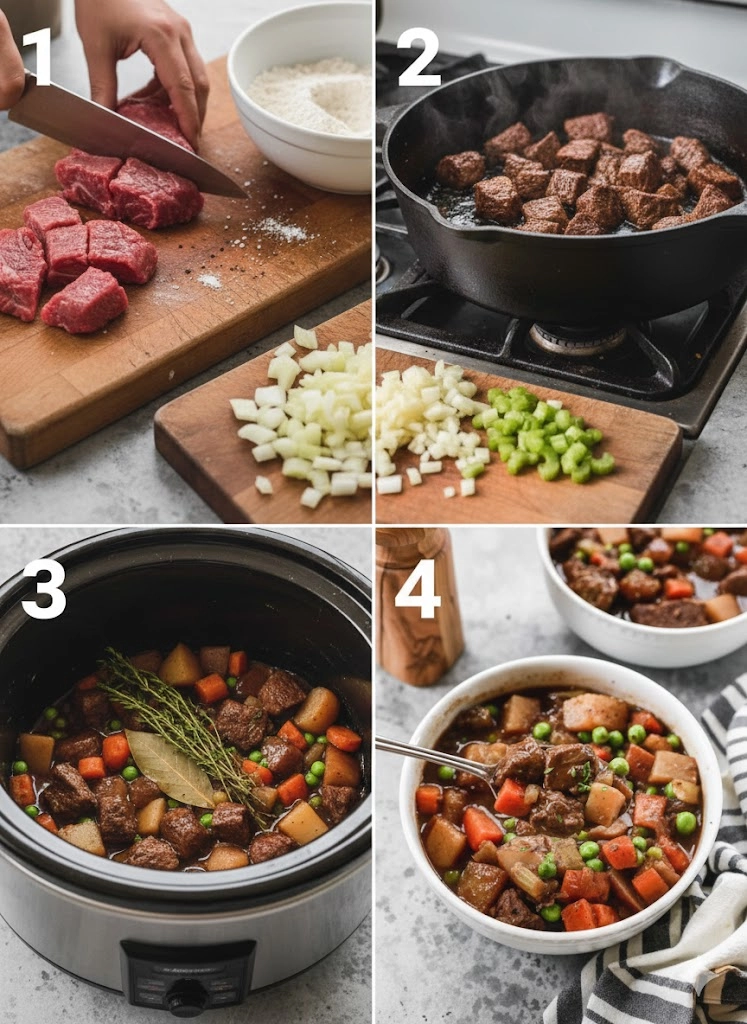
- Beef Preparation: Start by dicing your boneless chuck roast into 1-inch cubes. It is vital to remove any large, rubbery pieces of fat to ensure a pleasant mouthfeel. Toss the cubes in a large bowl with half of the salt, half of the pepper, and the flour until fully coated.
- The Searing Process: Heat 1 tablespoon of olive oil in a Dutch oven over medium-high heat. Add the beef in batches, ensuring there is plenty of space between pieces. Sear for 4 to 5 minutes per side until a deep, mahogany crust forms. Move the browned beef to a separate plate.
- Aromatic Base: While the beef browns, take the time to finely dice your yellow onion and celery, and mince the garlic cloves.
- Vegetable Sauté: Lower the heat to medium. Add another tablespoon of oil and sauté the onions and celery for about 7 minutes. Once translucent, add the garlic for 30 seconds until the fragrance fills the room.
- Flavor Integration: Stir in the tomato paste, Worcestershire sauce, and the remaining salt and pepper.
- Deglazing: Crank the heat back to medium-high and pour in your red wine or beer. Use a wooden spatula to scrape the bottom of the pot, releasing all the caramelized beef drippings. Let the liquid bubble and reduce for 2 to 3 minutes.
- Assembly: Transfer the wine and onion mixture into your 6-quart slow cooker. Add the seared beef, chopped carrots, parsnips, cubed red potatoes, bay leaf, and thyme.
- Broth Addition: Pour 3 cups of the beef broth over the ingredients and stir gently to combine.
- The Slow Cook: Secure the lid and cook on LOW for 6 1/2 to 8 hours, or on HIGH for 3 1/2 to 4 1/2 hours. The meat should be tender enough to break apart with a spoon.
- Finishing: Discard the bay leaf and thyme stems. Stir in the peas. If the soup is too thick for your liking, add the remaining cup of broth. Serve in deep bowls with a sprinkle of fresh parsley.
Step-by-Step Details and Kitchen Wisdom
The secret to a soup that tastes like it came from a high-end bistro lies in the preparation of the chuck roast. Because the chuck is a muscle that does a lot of work on the cow, it is loaded with connective tissue. In a standard frying pan, this meat would be tough and chewy. However, in the moist, low-heat environment of a crockpot, that tissue transforms into gelatin. This process not only tenderizes the meat but also gives the broth a silky, rich body that you simply cannot get from boxed broth alone.
When browning the meat, patience is your best friend. Many home cooks make the mistake of stirring the meat constantly. To get that iconic crust, you must leave the beef undisturbed. That crust represents the “fond,” which is the concentrated essence of beef flavor. When you later deglaze with red wine, you are harvesting that flavor and incorporating it into the liquid base of your soup.
The choice of vegetables also plays a significant role in the structural integrity of the dish. By using red potatoes, we ensure that the cubes remain distinct and don’t turn into mashed potatoes within the soup. The parsnips, often overlooked, provide a complex sweetness that bridges the gap between the savory beef and the aromatic thyme.
Unique Culinary Insights for Success
To take this soup from good to legendary, consider the “aromatic bloom.” When you add the tomato paste and garlic to the sautéed onions, you are essentially frying the aromatics. This removes the “raw” taste from the tomato paste and deepens the garlic’s sweetness. This small step, taking only about a minute, fundamentally changes the flavor profile of the finished broth.
Another insight involves the “resting phase.” While it is tempting to serve the soup the second the timer goes off, letting it sit for about fifteen minutes with the heat turned off allows the temperature to stabilize and the flavors to settle. You will find that the broth becomes clearer and the beef even more succulent after this brief rest.
Accompaniments and Serving Suggestions
This beef and vegetable soup is a complete meal in itself, but it truly shines when paired with the right textures. A loaf of crusty French bread or a sourdough boule is the perfect tool for wiping the bowl clean. For a more “homestyle” feel, serve the soup alongside a wedge of honey-drizzled cornbread.
If you are looking to add a bit of brightness to the meal, a side salad featuring bitter greens like radicchio or endive can help cut through the richness of the beef. Additionally, a small dollop of horseradish cream on top of each bowl can provide a sophisticated “zing” that many adults find irresistible.
Modifications and Creative Substitutions
This recipe is incredibly sturdy, meaning it can handle a few changes based on what you have in your pantry. If you don’t have parsnips, you can simply double the amount of carrots or add a peeled and diced turnip. If you prefer a soup with a bit more of a “kick,” a teaspoon of smoked paprika added during the onion sauté can provide a wonderful smoky undertone.
For those who want to avoid alcohol entirely, the red wine can be replaced with an equal amount of beef broth mixed with a teaspoon of lemon juice. The lemon juice provides the acidity necessary to mimic the wine’s role in breaking down the meat’s richness. If you are watching your carbohydrate intake, the potatoes can be swapped for cauliflower florets, though you should add the cauliflower during the last hour of cooking to prevent it from becoming too soft.
Deep-Dive Kitchen FAQ
Can I make this soup in an Instant Pot instead?
Yes, this recipe adapts beautifully to a pressure cooker. You would follow the searing and sautéing steps using the “Sauté” function on the machine. Once all ingredients (except the peas) are added, you would seal the lid and cook on High Pressure for 35 minutes, followed by a natural pressure release for 15 minutes. This is a great option if you forgot to start the crockpot in the morning!
How do I keep my garlic from burning during the sauté?
Garlic is very delicate because of its high sugar content. It can turn from fragrant to bitter and burnt in a matter of seconds. To prevent this, always add the garlic at the very end of the vegetable sauté, once the onions and celery have already released their moisture. The moisture from the other vegetables acts as a heat buffer for the garlic.
What is the best way to store and reheat leftovers?
This soup is a meal-prepper’s dream. It stays fresh in the refrigerator for up to 3 days. When reheating, it is best to do so on the stovetop over medium-low heat. This prevents the beef from becoming rubbery, which can sometimes happen in the microwave. If the soup has thickened too much in the fridge, just add a splash of water or broth to loosen it up.
Why do I need to toss the beef in flour?
The flour serves two purposes. First, it helps the beef brown more efficiently by creating a dry surface for the Maillard reaction. Second, as the soup cooks, the flour on the meat gently thickens the broth. This results in a liquid that has more “body” and clings to the spoon better than a thin, watery broth.
A Satisfying Conclusion to Your Meal
As you spoon this Slow Cooker Beef and Vegetable Soup into bowls, you are serving more than just nutrients; you are serving a labor of love. The combination of the melt-in-your-mouth chuck roast, the sweet parsnips, and the herbaceous broth creates a dining experience that is both sophisticated and deeply grounded. It is a reminder that the best flavors often come to those who are willing to wait. This dish will undoubtedly become a staple in your household, perfect for rainy afternoons and busy Mondays alike.
Nutrition Table
| Nutrient | Amount Per Serving |
| Calories | 463 calories |
| Total Carbohydrates | 27 grams |
| Protein | 33 grams |
| Total Fat | 22 grams |
| Saturated Fat | 8 grams |
| Cholesterol | 98 milligrams |
| Fiber | 6 grams |
| Vitamin A | 5414 IU |
| Iron | 4 milligrams |
Disclaimer
The nutritional values provided are estimates based on standard serving sizes and ingredients. Actual values may vary depending on specific brands and preparation methods.
Slow Cooker Beef and Vegetable Soup
Ingredients
- 2.5 pounds boneless chuck roast, cut into 1-inch cubes
- 1 tsp kosher salt, divided
- 0.5 tsp ground black pepper, divided
- 0.25 cup white whole wheat flour or all-purpose flour
- 3 tbsp extra-virgin olive oil, divided
- 1.5 cups dry red wine (such as Cabernet Sauvignon) or dark beer
- 1 large yellow onion, diced
- 3 celery stalks, diced
- 2 cloves garlic, minced
- 2 tbsp tomato paste
- 1 tbsp Worcestershire sauce
- 4 large carrots, peeled and diced
- 2 parsnips, peeled and diced
- 0.75 pound red potatoes, scrubbed and cut into rough dice
- 1 bay leaf
- 3 sprigs fresh thyme or 2 teaspoons dried
- 3 cups low-sodium beef broth, plus more as needed
- 1.5 cups fresh or frozen peas
- fresh parsley, for garnish
Instructions
- Season beef cubes with 1/2 tsp salt and 1/4 tsp pepper. Toss with flour to coat evenly.
- Heat 1 tbsp oil in a Dutch oven. Brown beef in batches for 4-5 minutes per side until a dark crust forms. Remove to a plate.
- Add final tbsp oil. Sauté onions and celery for 7 minutes. Add garlic and cook 30 seconds.
- Stir in tomato paste, Worcestershire, and remaining salt/pepper.
- Deglaze pan with wine/beer, scraping up brown bits. Reduce for 2-3 minutes.
- Transfer pan mixture to slow cooker. Add beef, carrots, parsnips, potatoes, bay leaf, and thyme.
- Pour in beef broth. Cover and cook on LOW for 6.5–8 hours or HIGH for 3.5–4.5 hours.
- Remove bay leaf and thyme stems. Stir in peas. Adjust consistency with extra broth if needed and garnish with parsley.
Notes
Equipment
- 6-quart slow cooker
- Dutch Oven or large skillet For browning the meat
- chef’s knife
- mixing bowls