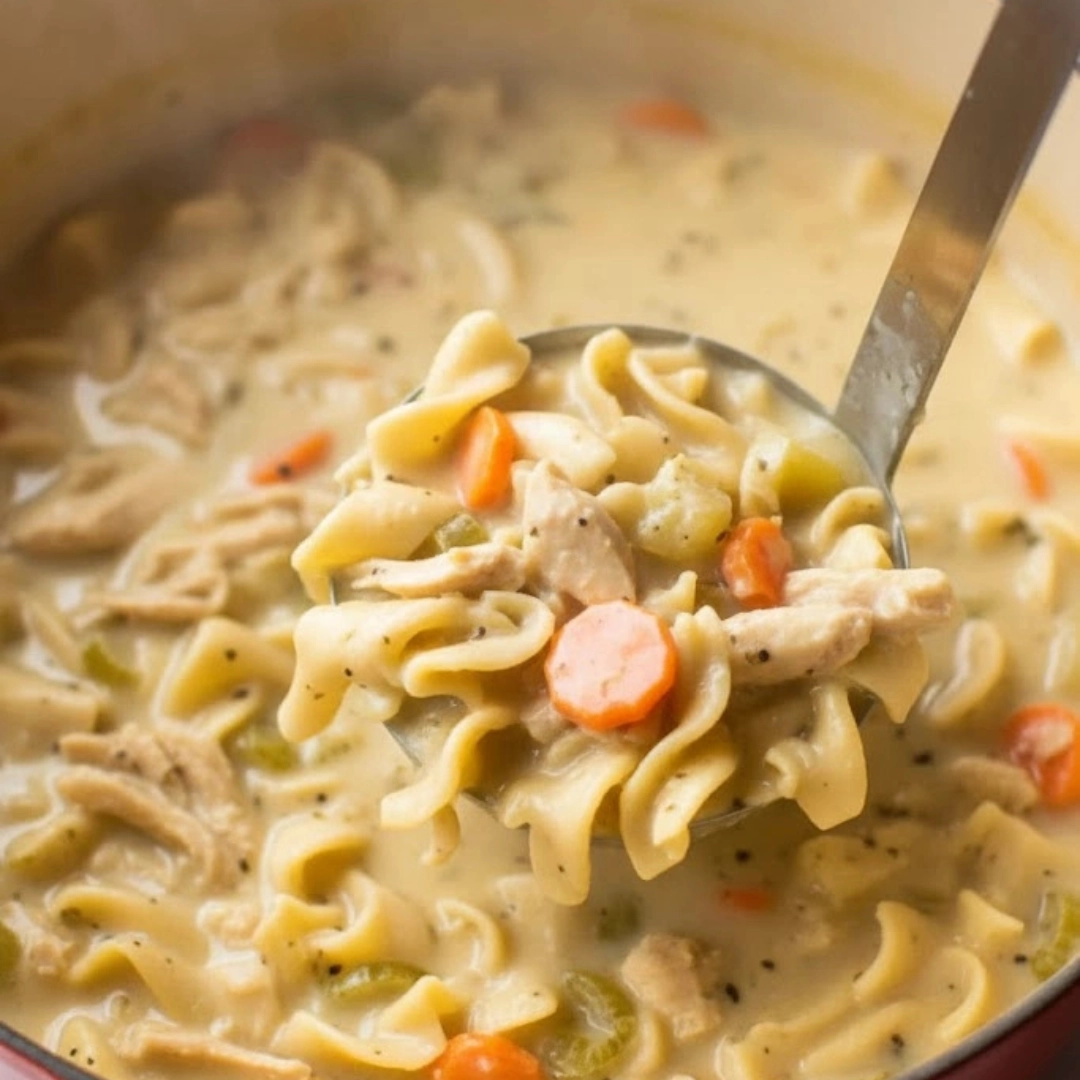
There is a moment in every cold season when nothing else will satisfy quite like a bowl of creamy chicken noodle soup. It’s a dish that transcends mere sustenance, offering a kind of soothing warmth that starts in your hands and spreads through your entire being. This recipe takes the classic, clear-broth version and enriches it just slightly, moving it into the realm of truly luxurious comfort without relying on heavy cream or complicated steps. It’s the kind of uncomplicated, nourishing meal that makes a rainy Tuesday feel manageable, or a quiet Sunday night feel deeply satisfying. The secret lies in a careful balance of aromatics, a well-seasoned broth, and a gentle finishing step that transforms the texture from simple to silken. It’s your new go-to for a deeply flavorful, subtly thickened, and truly restorative bowl.
Table of Contents
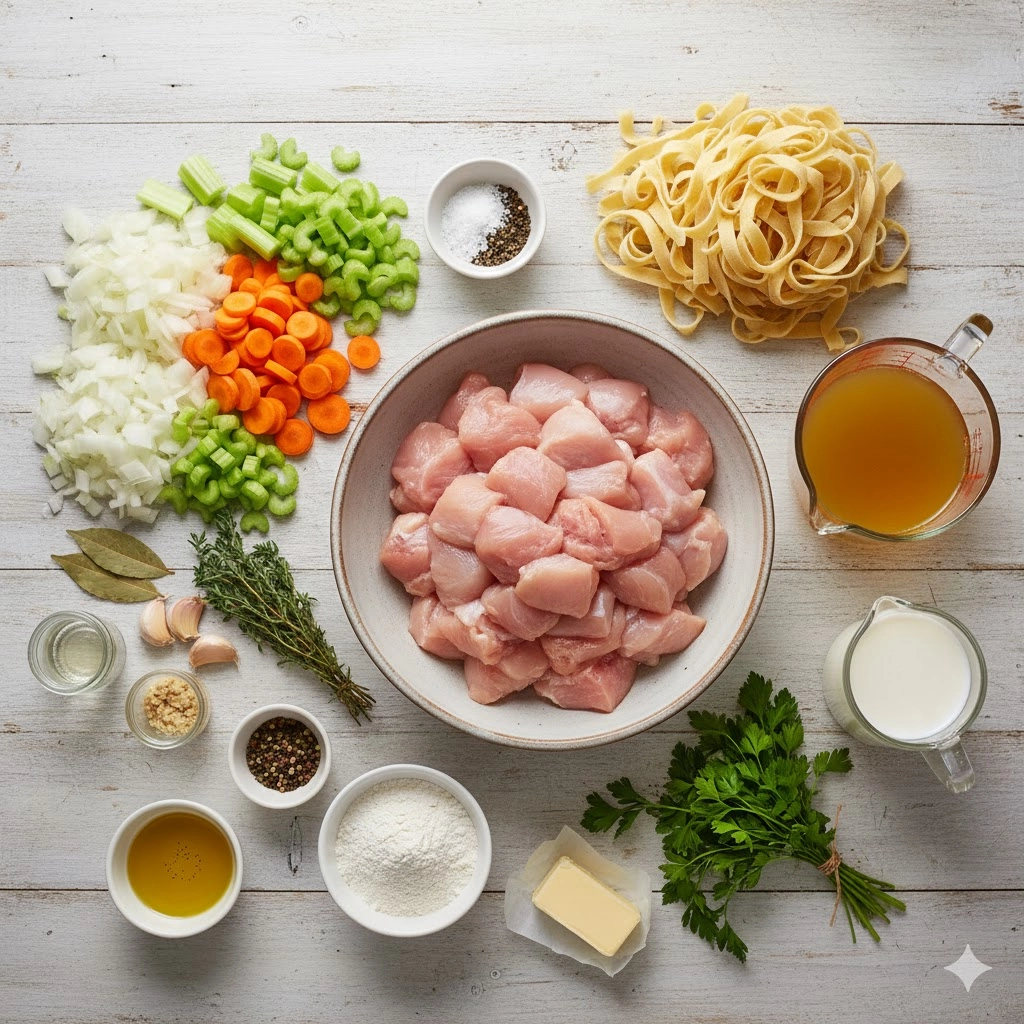
The Kitchen Roster: What You’ll Need
For the Foundation and Aromatics
- 2 tablespoons unsalted butter
- 1 tablespoon olive oil
- 1 large yellow onion, diced fine (about one cup)
- 3 large carrots, peeled and sliced into half-moon shapes
- 4 ribs celery, sliced (about one cup)
- 2 cloves garlic, minced
- 1 teaspoon dried thyme
- 1 bay leaf
The Liquids and Seasoning
- 8 cups low-sodium chicken broth, divided
- 1 teaspoon salt, plus more to taste
- Half teaspoon black pepper, plus more to taste
- Half cup whole milk or half-and-half
The Core Ingredients
- 1 pound boneless, skinless chicken breasts or thighs, cut into half-inch cubes
- 8 ounces egg noodles (wide or medium width)
- Half cup all-purpose flour
- Half cup finely chopped fresh parsley, for garnish
The Assembly: A High-Level Overview
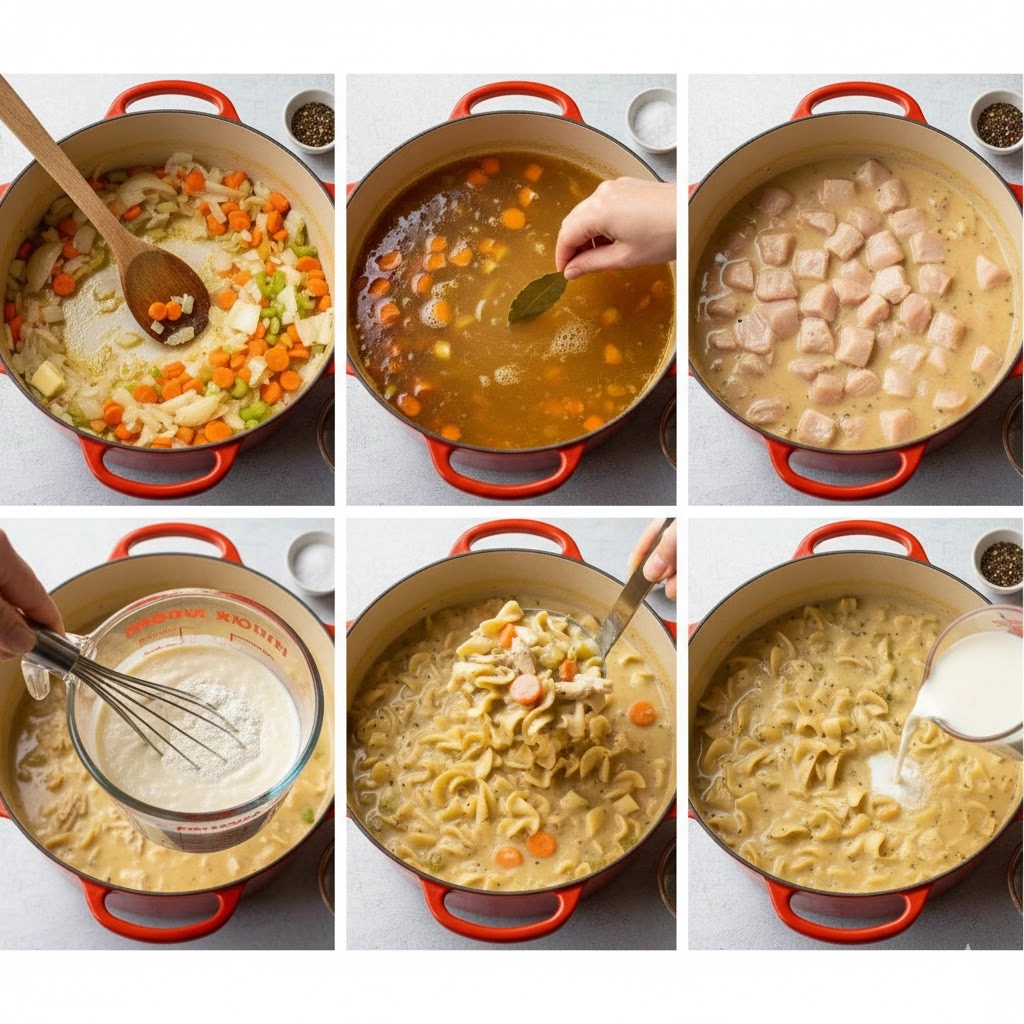
- Sauté the Vegetables: Melt the butter and oil in a large pot or Dutch oven, then cook the onions, carrots, and celery until they begin to soften. Stir in the minced garlic and dried thyme.
- Build the Broth Base: Add seven cups of the chicken broth, the bay leaf, salt, and pepper. Bring the mixture up to a gentle simmer and let it cook for ten minutes.
- Introduce the Chicken: Add the cubed chicken to the simmering broth and cook until it is just opaque in the center.
- Create the Thickener (Roux Substitute): In a separate bowl, whisk together the remaining one cup of chicken broth and the flour until smooth.
- Thicken and Noodle: Pour the flour mixture into the simmering soup, stirring constantly until the broth begins to visibly thicken. Add the egg noodles and cook according to package directions, typically five to seven minutes.
- Finish the Creaminess: Remove the soup from the heat, take out the bay leaf, and stir in the milk or half-and-half. Taste and adjust seasonings before ladling into bowls and garnishing with fresh parsley.
Deep Dive: Technique and Sensory Details
The true success of any great soup lies in its development of flavor layers, and this creamy chicken noodle soup is no exception. We begin with the aromatics, sautéing the mirepoix (onion, carrot, celery) low and slow in a mix of butter and olive oil. The butter provides richness, while the oil prevents scorching. Look for the onions to become translucent and the carrots to lose their harsh, raw edge—a process that takes about eight to ten minutes. When you add the minced garlic and thyme, they should only cook for about sixty seconds until they become fragrant; cooking them longer can turn the garlic bitter.
When building the broth base, seven cups of broth allow the vegetables and chicken to fully submerge and tenderize. Bring it just to a simmer, which is indicated by small, lazy bubbles breaking the surface, not a vigorous boil. This gentle heat is key to extracting flavor without clouding the broth.
The addition of the cubed chicken is crucial. If you are using breast meat, monitor it carefully. Once added to the simmering liquid, it will only need four to six minutes to cook through. To check for doneness, you should be able to press the thickest piece against the side of the pot and have it flake easily; it should be entirely white or light beige inside with absolutely no pink. Overcooked chicken will be tough and stringy, so pull it off the heat if you notice the edges curling tightly.
Instead of a traditional butter-based roux, we are using a slurry of flour and cold broth to thicken the soup. This creates a slightly lighter, less fatty result while still achieving that satisfying, velvety mouthfeel. The secret here is to use cold or room-temperature broth for the slurry—hot liquid will instantly clump the flour. Pour the slurry in slowly while constantly stirring the soup. The thickening reaction will occur almost immediately, transforming the thin broth into a light sauce.
Finally, the noodles absorb liquid quickly and can make your soup overly thick if added too early. Wait until the broth is fully thickened before adding them, and cook them only until al dente—they will continue to soften in the residual heat. The final touch of milk or half-and-half provides a cooling contrast and a beautiful opaque finish, delivering the true “creamy” element without the heaviness of full cream. Remember to remove the bay leaf before serving, as its flavor is concentrated and can be overwhelming if left in the final dish.
Chef’s Insights: Elevating Your Broth
The difference between a good soup and a truly memorable one often comes down to small, intentional moves. These tips are designed to maximize the depth of flavor and texture.
- Roast Your Mirepoix First: For a deeper, almost caramelized base note, toss your carrots, celery, and onion with olive oil, a sprinkle of salt, and a pinch of thyme. Roast them on a sheet pan at three hundred fifty Fahrenheit for twenty minutes before adding them to your pot. This small step adds an incredible layer of savory complexity.
- The Power of Lemon Zest: A tiny pinch of freshly grated lemon zest, added right when you stir in the milk, brightens the entire soup. It’s an essential lift that cuts through the richness and prevents the dish from feeling heavy.
- Use Chicken Thighs for Texture: While chicken breast is traditional, using boneless, skinless chicken thighs will result in meat that stays significantly more tender and moist, even if the soup is reheated. They have a richer flavor and are more forgiving if you cook them a minute or two too long.
- Don’t Rush the Bloom: When you add the flour and broth slurry, let the soup simmer for at least one full minute after it has thickened. This step is called “cooking out the flour,” and it removes the raw, pasty taste that uncooked flour can impart to the final broth.
- Fresh Herbs Are Non-Negotiable: Skip the dried parsley for the garnish. Freshly chopped parsley or dill provides an aromatic counterpoint to the richness. Add the herb after the soup is ladled, not into the pot, to maintain its vibrant color and flavor.
- Adjust Salt at the End: Because chicken broth, even low-sodium, has salt, and the flavors will concentrate as the broth reduces, always hold back on adding the majority of your salt until the very end. Once the noodles, flour, and milk are added, taste, and adjust as needed.
Creative Twists and Ingredient Swaps
This foundational creamy chicken noodle soup recipe is highly adaptable. Feel free to use it as a canvas for your own favorite ingredients or dietary needs.
- Make it Gluten-Free: Substitute the all-purpose flour with a high-quality gluten-free all-purpose blend (ensure it contains xanthan gum) for the thickening slurry. For the noodles, swap traditional egg noodles for gluten-free egg noodles or small-cut pasta like rice rotini.
- Spice it Up: Add a small pinch of cayenne pepper or a quarter teaspoon of smoked paprika alongside the thyme for a subtle, smoky warmth. Alternatively, garnish the final bowls with a few drops of chili oil.
- Herb Variations: Replace the thyme with half a teaspoon of dried rosemary and a quarter teaspoon of dried sage for an earthier, more autumnal flavor profile. This pairs exceptionally well if you use chicken thighs.
- Mushroom Enhancement: Sauté one cup of sliced cremini mushrooms with the onion and carrots for added umami depth. Mushrooms absorb the broth beautifully and provide a wonderful meaty texture.
Serving Suggestions for a Full Meal
This soup is hearty enough to be a standalone meal, but a few simple additions can turn it into a comforting, complete supper.
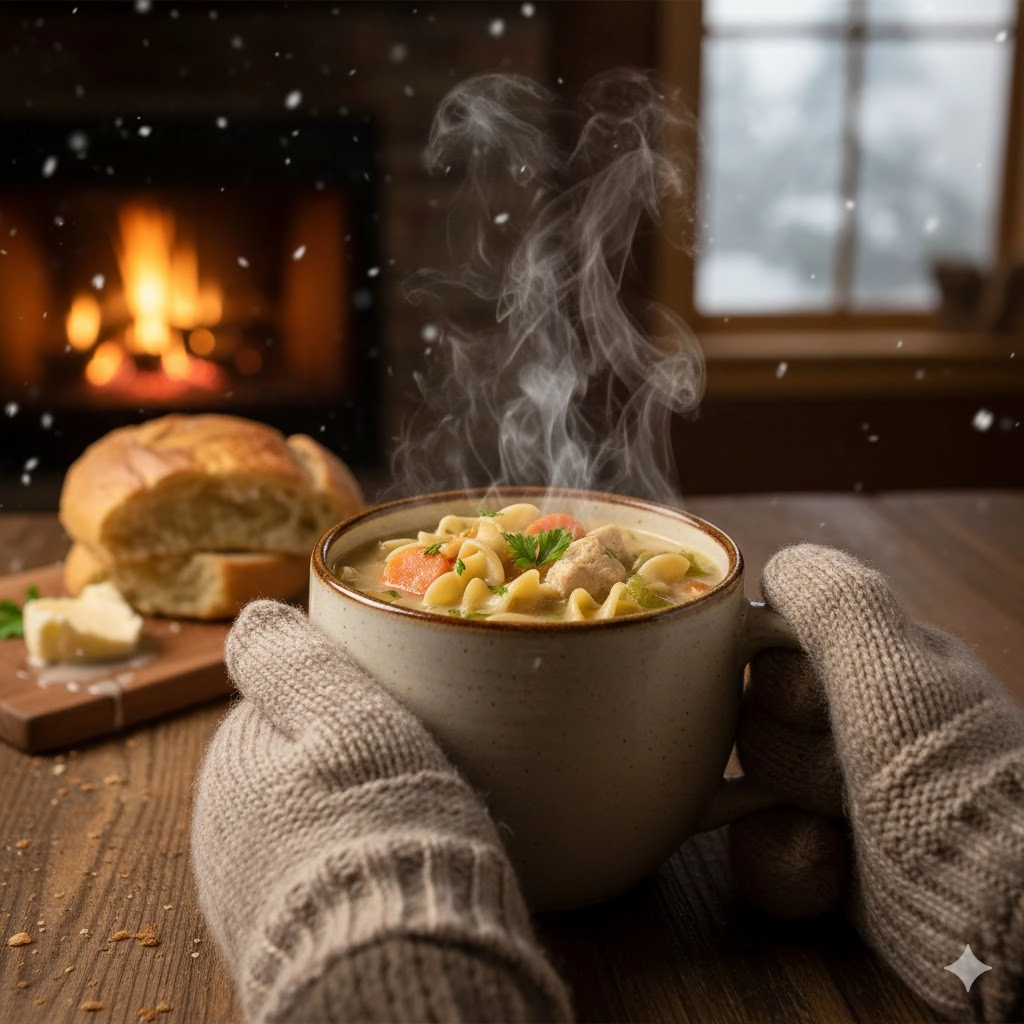
- The Classic Pairing: Nothing complements the warmth of soup like a slice of rustic bread. Serve with thick slices of crusty sourdough or a homemade baguette, perfect for soaking up the remaining creamy broth.
- Green Contrast: Offer a simple side salad of mixed greens tossed in a bright, acidic vinaigrette (like a lemon-dijon dressing). The brightness and crisp texture provide a welcome contrast to the soup’s richness.
- Open-Faced Melt: For a more substantial offering, serve the soup alongside a grilled cheese or an open-faced tuna melt sandwich. The salty, toasted crunch is deeply satisfying next to the smooth, warm liquid.
- A Spritz of Sherry: A small splash (about a teaspoon) of dry sherry, added right before serving, will enhance the savory notes of the chicken broth and add a layer of sophistication.
Common Questions About Preparation
Why did my soup broth separate or look grainy after adding the milk?
This usually happens when the milk is added to a vigorously boiling soup or when the soup is reheated too rapidly. To avoid this, always remove the soup from the heat before stirring in the milk or half-and-half, and ensure the soup is not boiling when you add it. When reheating, do so gently over low heat, stirring occasionally.
Can I use pre-cooked chicken?
Yes, you can absolutely use shredded rotisserie chicken or leftover cooked chicken breast. If you do, skip Step 3. Add the pre-cooked chicken in Step 5, right after the noodles have finished cooking, to simply warm it through. This prevents the pre-cooked meat from becoming dry and rubbery.
How do I store and reheat leftovers?
Store leftover soup in an airtight container in the refrigerator for up to four days. Note that the noodles will absorb more liquid over time, making the soup very thick. To reheat, transfer to a saucepan and gently warm over medium-low heat. You may need to add a splash of extra chicken broth or milk to reach your desired consistency.
Can I freeze this soup?
Soups thickened with flour and those containing pasta and dairy do not freeze perfectly. The pasta can become mushy, and the creamy base can sometimes separate upon thawing and reheating. If you plan to freeze it, cook the soup without adding the noodles or the milk. Freeze the broth base, and when ready to serve, thaw it, bring it to a simmer, add fresh noodles, and then finish with the milk.
Is it possible to use fresh herbs instead of dried thyme?
Absolutely. If using fresh thyme, use three times the amount of dried—so, three teaspoons of finely chopped fresh thyme leaves. Add the fresh herbs at the same time you would add the dried herbs in Step 1.
Essential Nutrition Information
| Nutrient | Amount per Serving |
| Calories | 320 kcal |
| Protein | 28 g |
| Carbs | 30 g |
| Fat | 10 g |
| Fiber | 3 g |
| Sugar | 5 g |
| Sodium | 550 mg |
Disclaimer
Nutrition information is an estimate and may vary based on preparation and ingredients used.

Creamy Chicken Noodle Soup
Ingredients
- 2 tbsp unsalted butter
- 1 tbsp olive oil
- 1 large yellow onion, diced (about 1 cup)
- 3 large carrots, peeled and sliced into half-moons
- 4 ribs celery, sliced (about 1 cup)
- 2 cloves garlic, minced
- 1 tsp dried thyme
- 1 bay leaf
- 8 cups low-sodium chicken broth, divided
- 1 tsp salt, plus more to taste
- 0.5 tsp black pepper, plus more to taste
- 0.5 cup whole milk or half-and-half
- 1 pound boneless skinless chicken breasts or thighs, cubed
- 8 oz egg noodles (wide or medium)
- 0.5 cup all-purpose flour
- 0.5 cup finely chopped fresh parsley, for garnish
Instructions
- Melt butter and olive oil in a large pot or Dutch oven. Sauté the diced onion, sliced carrots, and celery over medium heat until softened, about 8–10 minutes. Stir in minced garlic and dried thyme; cook 1 more minute.
- Pour in 7 cups of chicken broth. Add bay leaf, salt, and pepper. Bring to a gentle simmer and cook for 10 minutes to allow flavors to develop.
- Add cubed chicken to the simmering soup. Cook for 4–6 minutes or until chicken is opaque and cooked through. Avoid overcooking.
- In a separate bowl, whisk remaining 1 cup broth with the flour until smooth to form a slurry.
- Slowly pour the slurry into the soup while stirring constantly. Cook until the soup thickens visibly. Add egg noodles and cook per package directions, 5–7 minutes.
- Remove the pot from heat. Discard bay leaf. Stir in the milk or half-and-half. Taste and adjust salt and pepper as needed.
- Ladle soup into bowls and garnish with fresh parsley just before serving.
Notes
Equipment
- Large Dutch oven or soup pot
- cutting board and knife
- mixing bowl
- whisk
- ladle