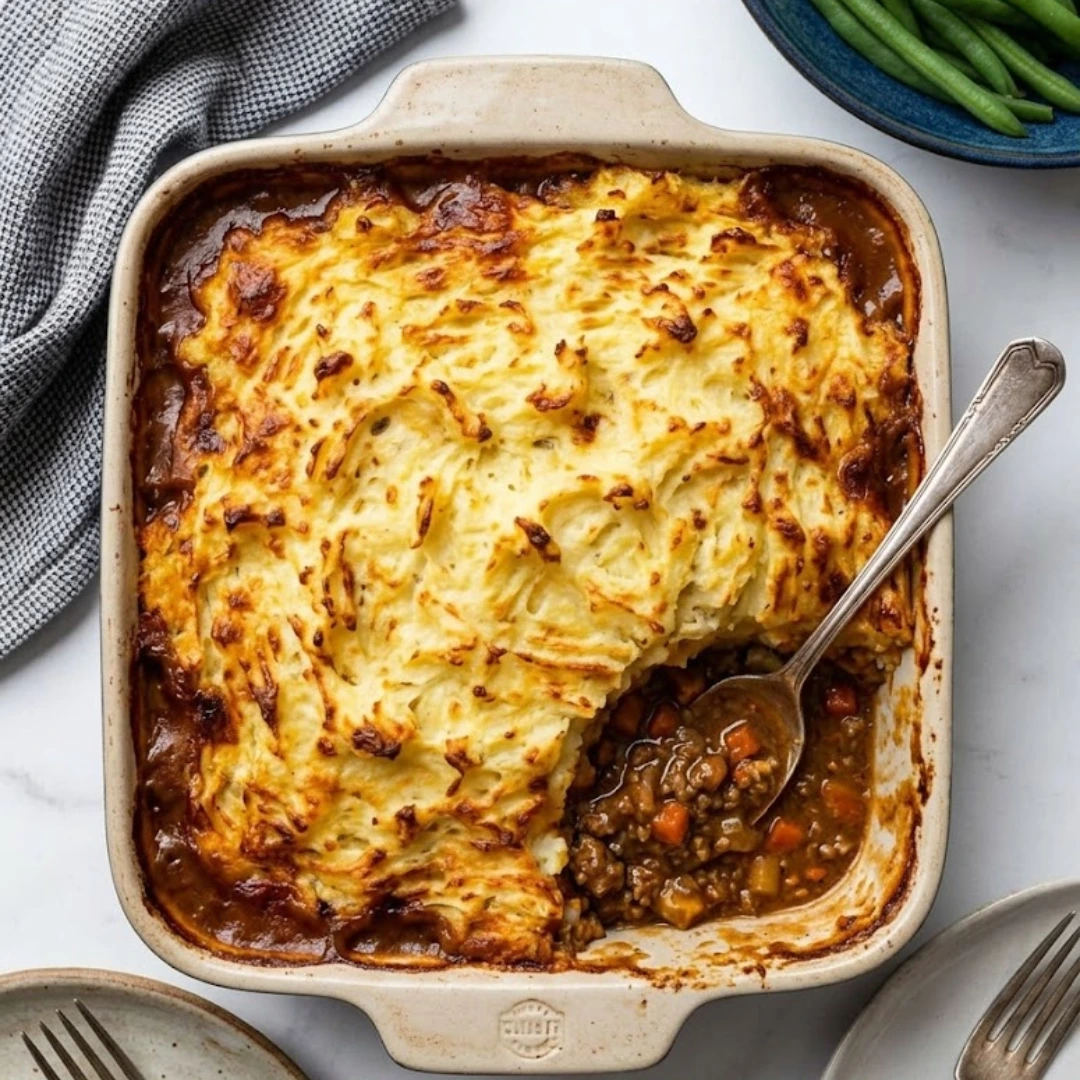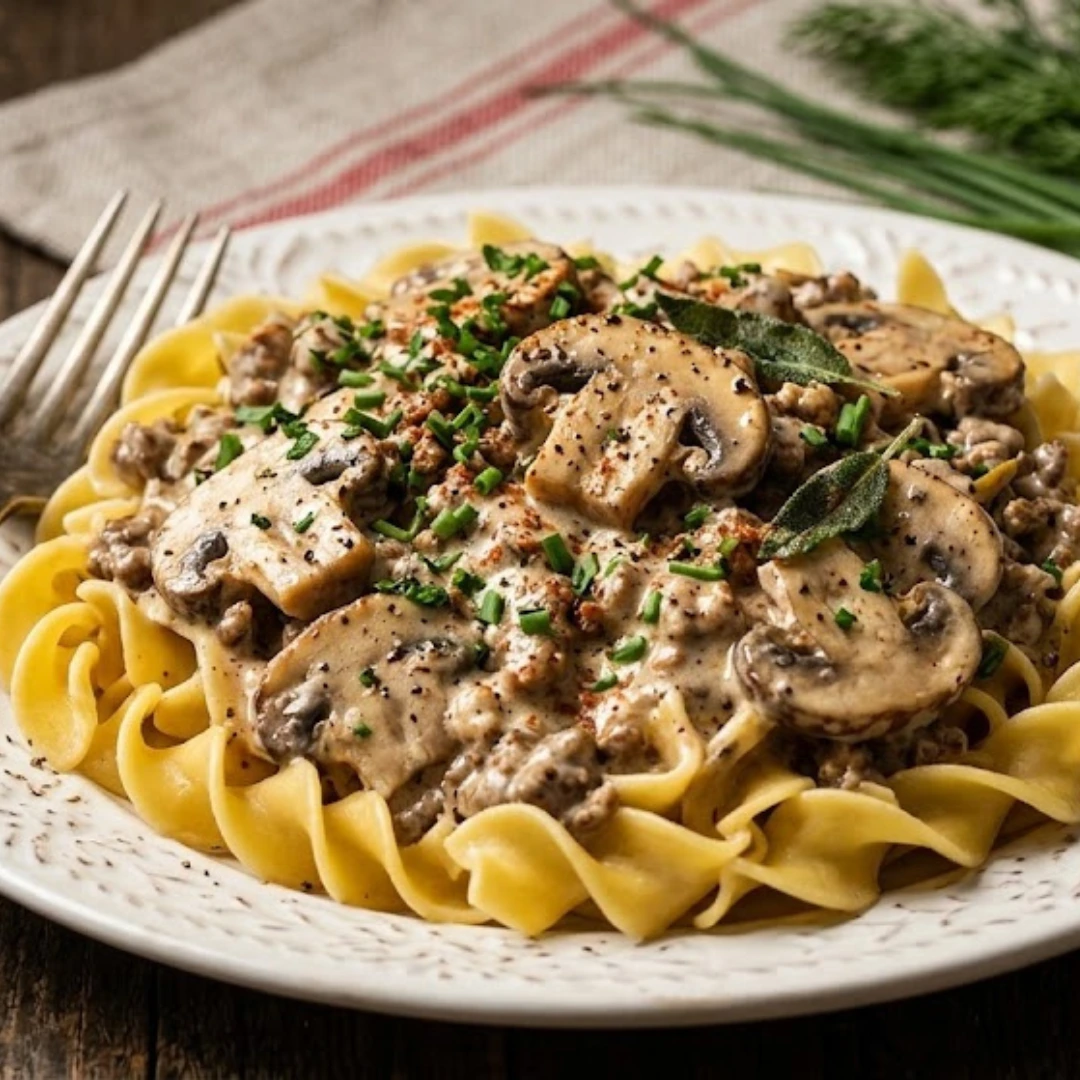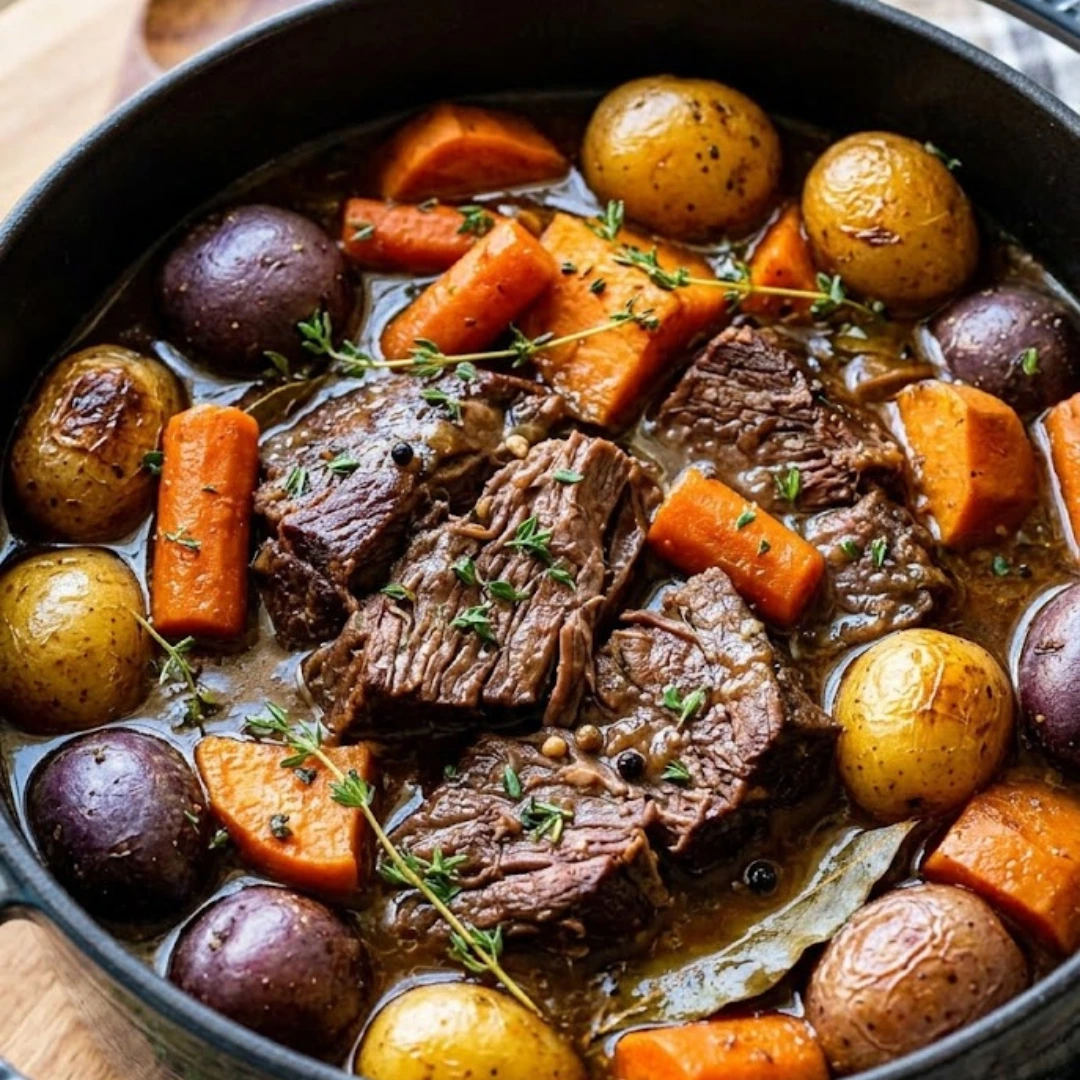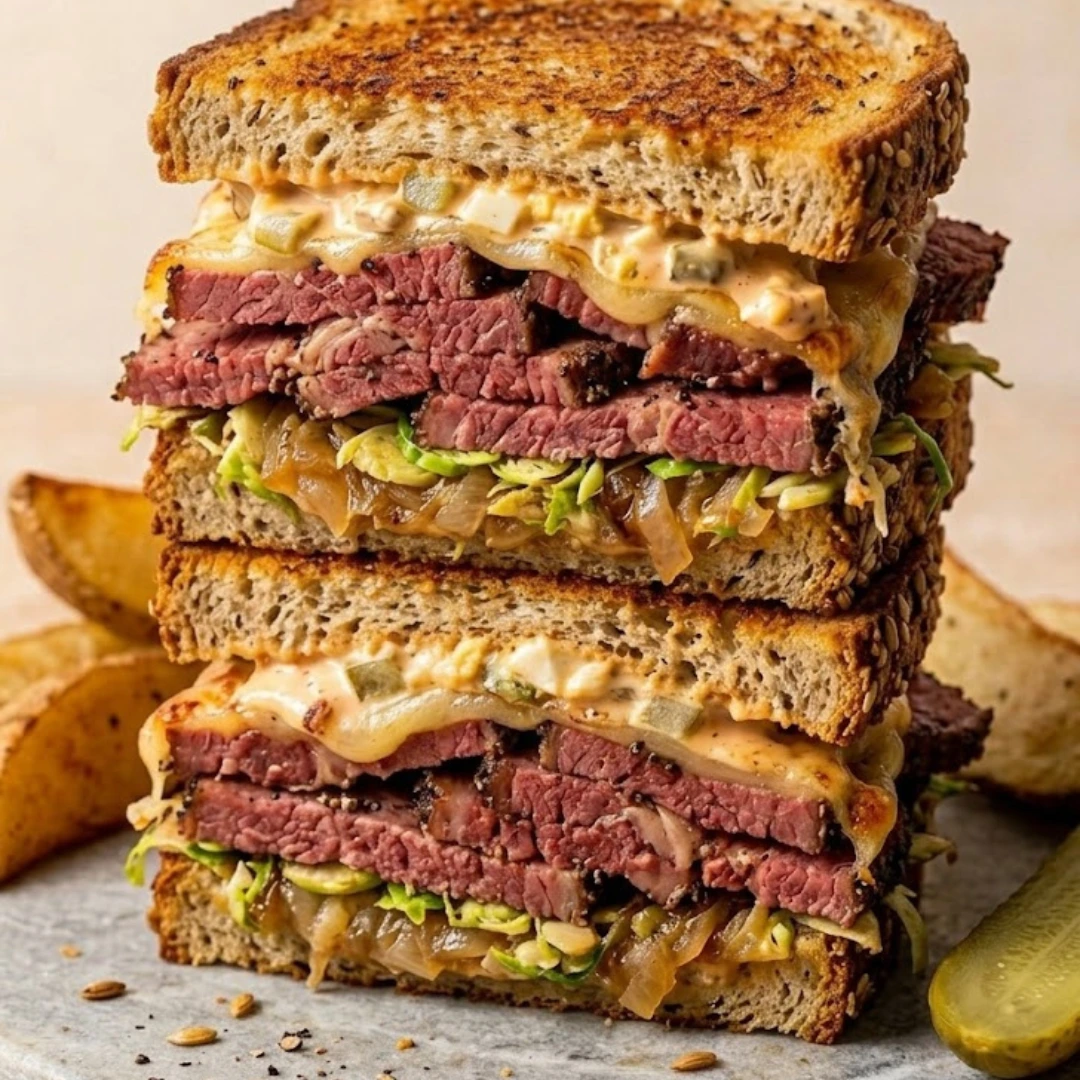
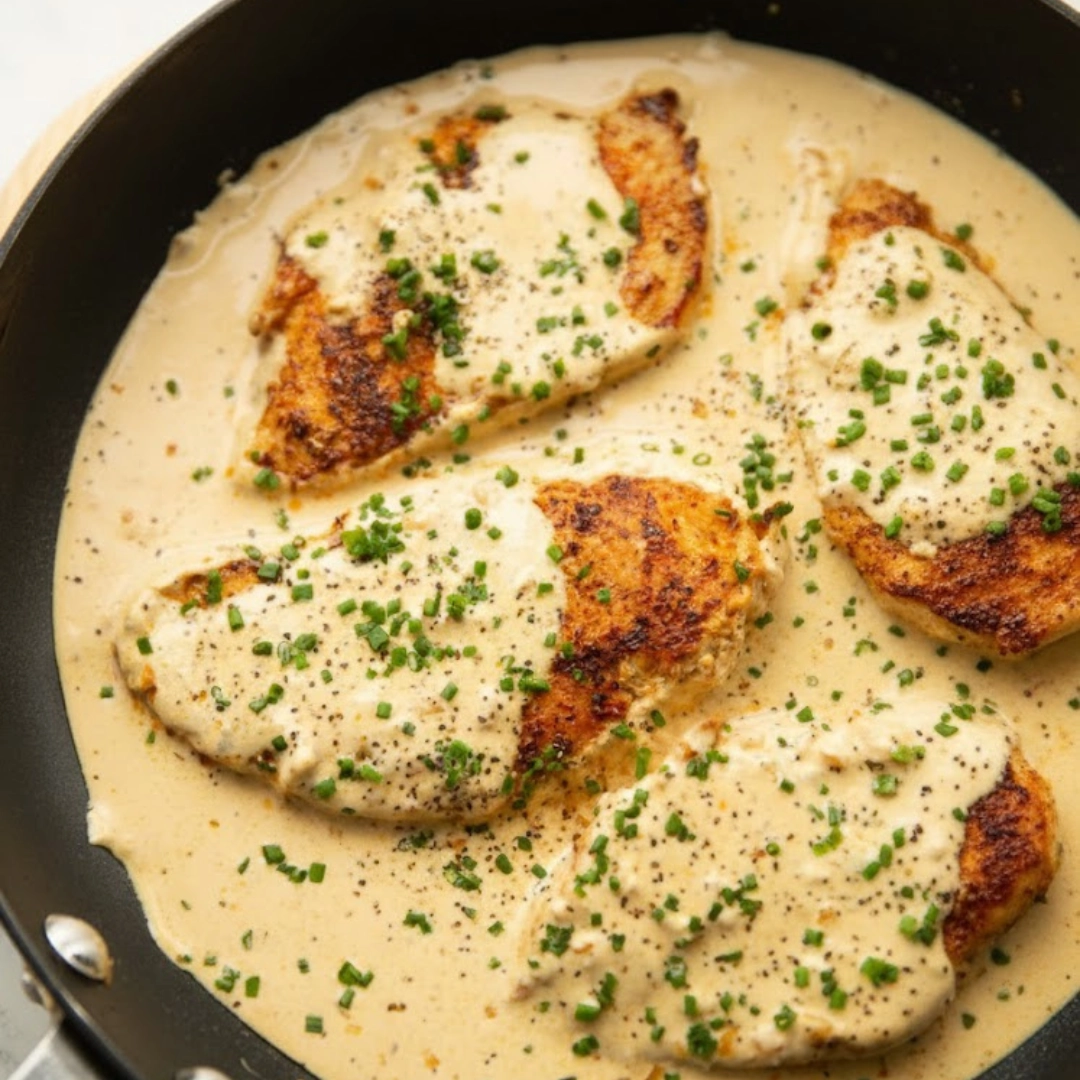
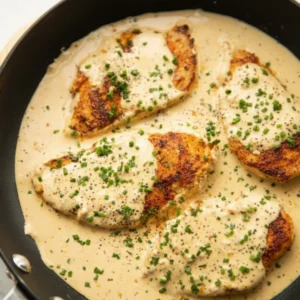
This dish manages to feel both incredibly comforting and surprisingly refined. It centers on tender chicken breasts bathed in a rich, velvety sauce where cream cheese provides the foundational tang and body. It’s a weeknight hero that doesn’t feel rushed, delivering layers of savory flavor thanks to fresh herbs, sharp garlic, and a hint of white wine for brightness. Served over simple egg noodles or rice, a good Cream Cheese Chicken dinner is a satisfying, well-rounded meal that quickly becomes a rotation favorite.
Table of Contents
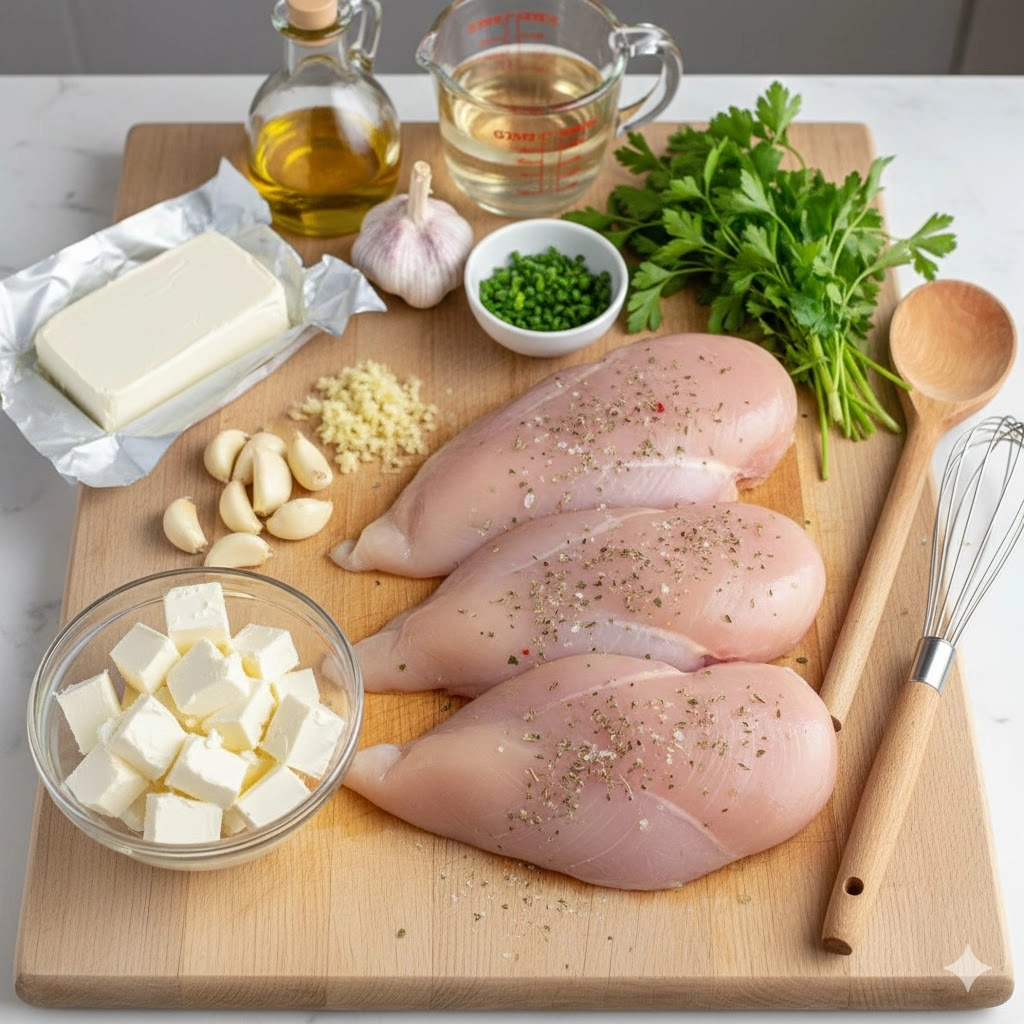
The Essential Components
To achieve the silken texture and balanced flavor that defines this chicken dish, precise measurements and ingredient quality matter.
The Chicken and Seasoning
- Four boneless, skinless chicken breasts (about 6 ounces or 170 grams each)
- 1 tablespoon olive oil
- 1 teaspoon dried Italian herbs
- One half teaspoon garlic powder
- One half teaspoon salt
- One half teaspoon black pepper
The Creamy Sauce Base
- 2 tablespoons unsalted butter
- 3 cloves garlic, minced
- One half cup (120 milliliters) dry white wine (like Pinot Grigio or Sauvignon Blanc)
- One half cup (120 milliliters) chicken stock (low sodium)
- 8 ounces (226 grams) full-fat cream cheese, cut into cubes
- One half cup (120 milliliters) heavy cream
- 2 tablespoons freshly chopped parsley, for garnish
A Foundational Strategy
This recipe follows a straightforward approach, first ensuring the chicken is perfectly cooked and then building the sauce right in the same pan to capture all those flavorful browned bits.
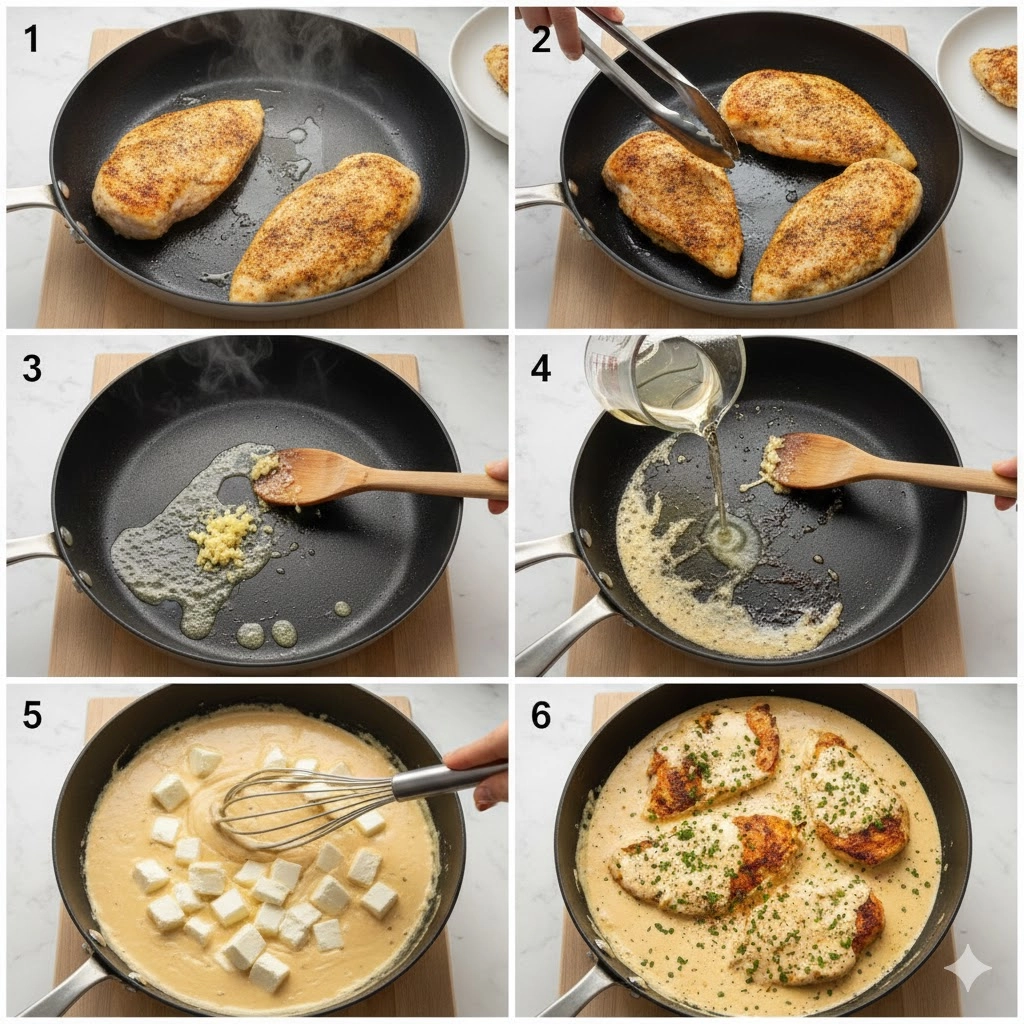
- Prep the Chicken and Pan: Season the chicken breasts thoroughly and sear them in a large skillet over medium-high heat until they develop a golden-brown crust on both sides.
- Finish the Cook: Reduce the heat, cover the skillet, and let the chicken finish cooking gently until it is fully opaque throughout. Remove the chicken and keep it warm.
- Establish Aromatics: Melt the butter in the same pan and sauté the minced garlic until fragrant, taking care not to let it burn.
- Deglaze the Pan: Pour in the white wine and scrape up all the fond (the browned bits) from the bottom of the pan, reducing the liquid by about one half.
- Build the Cream Base: Whisk in the chicken stock, then gradually add the cubes of cream cheese, stirring continuously until the sauce is completely smooth and thickened.
- Enrich the Sauce: Stir in the heavy cream and let the sauce simmer gently for two minutes, ensuring it reaches a luxurious, thick consistency. Taste and adjust seasoning as needed.
- Combine and Serve: Return the cooked chicken breasts to the pan and spoon the sauce over them. Garnish generously with fresh parsley before serving immediately.
Executing the Creamy Finish: Deep Dive into the Steps
Achieving that restaurant-quality sauce requires attention to small details, particularly in how you handle the chicken and the dairy.
Searing for Texture and Depth
The initial sear is crucial for flavor and moisture. After seasoning the chicken with the Italian herbs, garlic powder, salt, and pepper, heat the oil over a medium-high flame. The pan is ready when a flick of water evaporates instantly. Sear the chicken for about four minutes per side. You are looking for a deep, golden-brown crust, not just a pale color. This crust adds a rich, savory dimension to the entire dish. Once seared, reduce the heat to medium-low. The goal now is to allow the residual heat and steam to cook the interior gently without drying out the exterior. The chicken is finished when an internal thermometer registers 165 Fahrenheit (74 Celsius). Removing the chicken at this stage prevents it from overcooking while the sauce is being prepared.
The Art of Deglazing
When the chicken is out, the pan will have flavorful browned bits—the fond—stuck to the bottom. Do not wash this away. This is where the depth of flavor comes from. First, add the butter and melt it, then immediately add the minced garlic. The garlic should soften and become intensely aromatic, about one minute. It must not turn brown, or it will taste bitter. Immediately pour in the white wine. The steam and sizzle will be intense. Use a wooden spoon to scrape every particle of the fond into the wine. Let this liquid simmer and reduce by half; this concentrates the flavor and cooks off the sharpness of the alcohol. This acidic reduction is the flavor foundation that elevates the Cream Cheese Chicken from simple to extraordinary.
Perfecting the Velvety Sauce
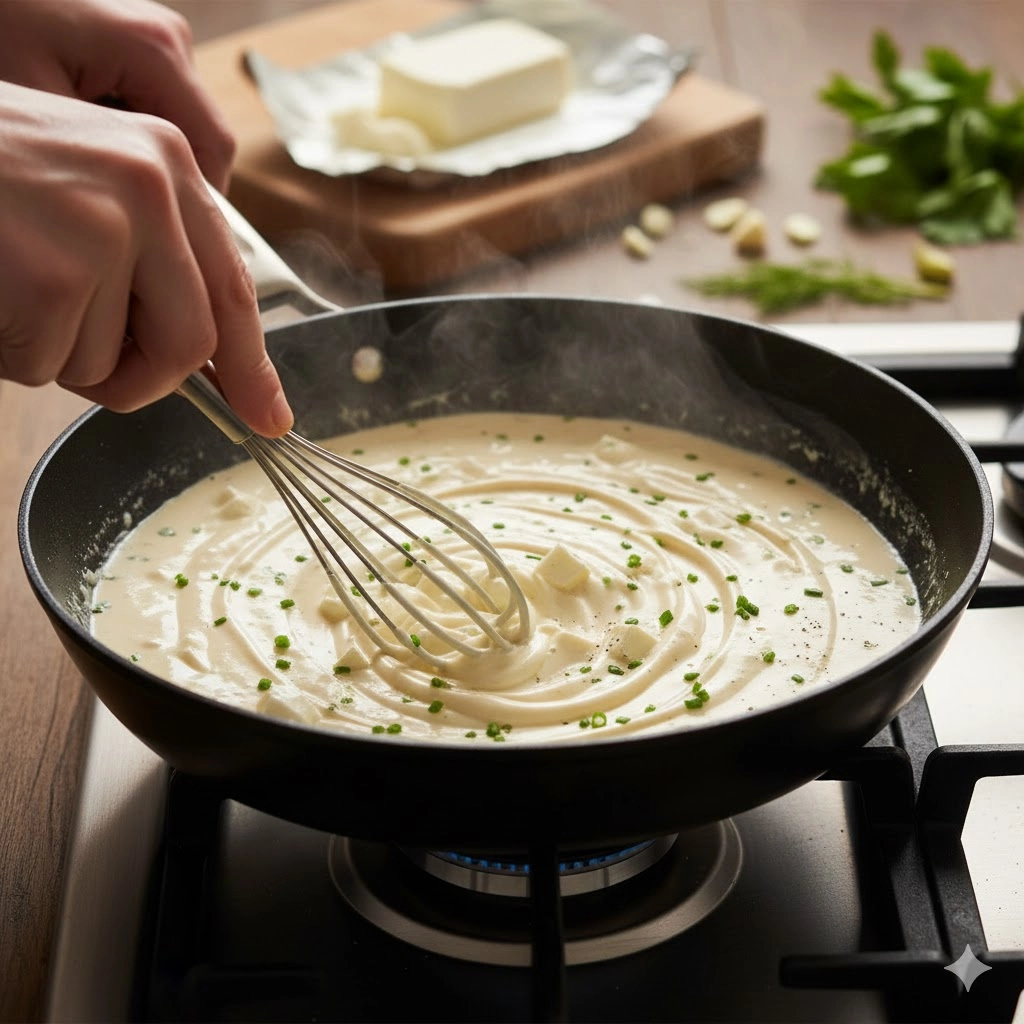
The addition of the cream cheese is the most critical step for texture. It must be added gradually and whisked constantly over low heat. If the heat is too high, the cheese can ‘break,’ resulting in a grainy, oily sauce. Cut the cream cheese into small, even cubes and add them one at a time, whisking each one until it has completely melted into the wine and stock base before adding the next. Once all the cream cheese is incorporated, pour in the heavy cream. Let the sauce warm through but do not bring it to a rolling boil. A gentle simmer for just two minutes will thicken it slightly and bring all the flavors together into a cohesive, velvety sheen.
Expert Culinary Advice for Flawless Results
These pointers move beyond the basic steps and focus on techniques that professional chefs use to ensure this dish is consistently delicious.
- Pound the Chicken Uniformly: Chicken breasts are often thicker on one end. To ensure they cook evenly and quickly, place them between two sheets of plastic wrap and gently pound the thickest part until they are uniform in thickness, about three quarters of an inch.
- Use Full-Fat Cream Cheese: For the best, smoothest, and most stable sauce, full-fat cream cheese is non-negotiable. Lower-fat versions contain more starches or gums that can make the sauce slightly chalky or prone to separating under heat.
- The Power of Fresh Herbs: While the initial seasoning uses dried Italian herbs, the final garnish of fresh parsley is vital. It adds a necessary pop of color, but more importantly, a fresh, clean flavor that cuts through the richness of the sauce. Do not skip it.
- Avoid Overcrowding the Pan: If cooking more than four chicken breasts, sear them in batches. Overcrowding lowers the pan temperature, which steams the chicken instead of searing it, preventing the development of the crucial brown crust.
- Control the Salt: Use low-sodium chicken stock initially. Cream cheese and butter both contain salt. Wait until the very end, after the sauce has thickened and the chicken is back in the pan, to taste and add any final salt. It’s easier to add salt than to take it away.
- Room Temperature Cream Cheese: Allow the cream cheese to sit out for at least thirty minutes before using. Softened cheese melts much more quickly and incorporates into the liquid without forming lumps, guaranteeing a smooth sauce.
Flavor Adjustments and Ingredient Swaps
This recipe is highly adaptable. Feel free to use the structure as a base and swap ingredients to fit your pantry and taste preferences.
- Vegetable Boost: Incorporate half a cup of sliced mushrooms or a handful of fresh spinach. Add mushrooms after the garlic and sauté them until they release their moisture. Add spinach right before the heavy cream and allow it to wilt.
- A Touch of Spice: Add a quarter teaspoon of red pepper flakes along with the garlic for a subtle warmth that balances the richness of the cream cheese.
- Substitute the Wine: If you prefer to cook without alcohol, simply replace the white wine with an equal amount of additional chicken stock, perhaps using one half teaspoon of white wine vinegar to maintain a hint of brightness.
- Different Proteins: This sauce works beautifully with other proteins. Try replacing the chicken breast with boneless pork chops or thick cod fillets. Adjust cooking times based on the protein used.
- Herb Variations: Instead of parsley, finish the dish with fresh dill for a tangier profile, or finely chopped chives for a delicate, oniony note.
Completing the Meal: Serving Suggestions
The richness of the sauce means the best accompaniments are those that either soak up the flavor or provide a textural contrast.
- Classic Pasta Bed: Serve over simple, wide egg noodles. Their surface area is perfect for cradling the thick, creamy sauce, ensuring every bite is fully coated.
- Steamed Greens: A side of blanched asparagus, green beans, or broccoli tossed with a little lemon juice offers a necessary crunch and bitterness to cut through the heavy cream base.
- Creamy Potato Side: Mashed potatoes or a simple boiled new potato side are excellent for soaking up any leftover sauce, ensuring none of that wonderful flavor goes to waste.
- Rice or Grain Alternative: For a gluten-free option, serve the dish over fluffy jasmine rice or a savory bed of quinoa.
Addressing Common Recipe Questions
- Why did my sauce break or become grainy? This almost always happens because the heat was too high when the cream cheese was added, or you used a low-fat dairy product. Remember to keep the heat low and whisk constantly to emulsify the sauce properly.
- Can I prepare this dish ahead of time? You can prep the chicken and make the sauce up to the point of adding the heavy cream. Reheat the sauce gently, finish it with the cream, then slice and add the pre-cooked chicken slices to warm through.
- Is it necessary to use white wine? No, it is not essential. The wine adds a depth of flavor and acidity to balance the richness. If substituting, use extra stock and consider adding a squeeze of fresh lemon juice at the end for that necessary lift.
- How should I store leftovers? Store any remaining chicken and sauce in an airtight container in the refrigerator for up to three days. When reheating, do so slowly on the stovetop over low heat, adding a splash of milk or stock if the sauce has become too thick.
- Can I use chicken thighs instead of breasts? Absolutely. Chicken thighs are a great alternative as they stay moister and have a richer flavor. They will likely require a few extra minutes of cooking time, so be sure to check the internal temperature.
Nutrition Information
| Nutrient | Amount per Serving |
| Calories | 595 kcal |
| Protein | 49 g |
| Carbs | 6 g |
| Fat | 41 g |
| Fiber | 1 g |
| Sugar | 3 g |
| Sodium | 590 mg |
Disclaimer
Nutrition information is an estimate and may vary based on preparation and ingredients used.
Cream Cheese Chicken with Garlic and Herbs
Ingredients
- 4 boneless, skinless chicken breasts (about 6 oz or 170g each)
- 1 tbsp olive oil
- 1 tsp dried Italian herbs
- 0.5 tsp garlic powder
- 0.5 tsp salt
- 0.5 tsp black pepper
- 2 tbsp unsalted butter
- 3 cloves garlic, minced
- 0.5 cup dry white wine (e.g., Pinot Grigio or Sauvignon Blanc)
- 0.5 cup low-sodium chicken stock
- 8 oz full-fat cream cheese, cubed
- 0.5 cup heavy cream
- 2 tbsp fresh parsley, chopped (for garnish)
Instructions
- Season the chicken breasts with dried Italian herbs, garlic powder, salt, and pepper. Heat olive oil in a skillet over medium-high heat, and sear the chicken until golden-brown on both sides.
- Reduce the heat to medium-low, cover the skillet, and cook the chicken through until fully opaque (internal temperature 165°F / 74°C). Remove from pan and keep warm.
- In the same pan, melt the butter. Add minced garlic and sauté until fragrant without browning.
- Deglaze the pan with white wine, scraping up any browned bits. Let it simmer and reduce by half.
- Whisk in chicken stock, then slowly add the cubed cream cheese. Stir constantly over low heat until smooth.
- Add heavy cream and simmer for 2 minutes until thickened. Taste and adjust seasoning if needed.
- Return the chicken to the pan and coat with the sauce. Garnish with chopped parsley and serve immediately.
Notes
Equipment
- large skillet
- tongs or spatula
- meat thermometer
- wooden spoon
- whisk