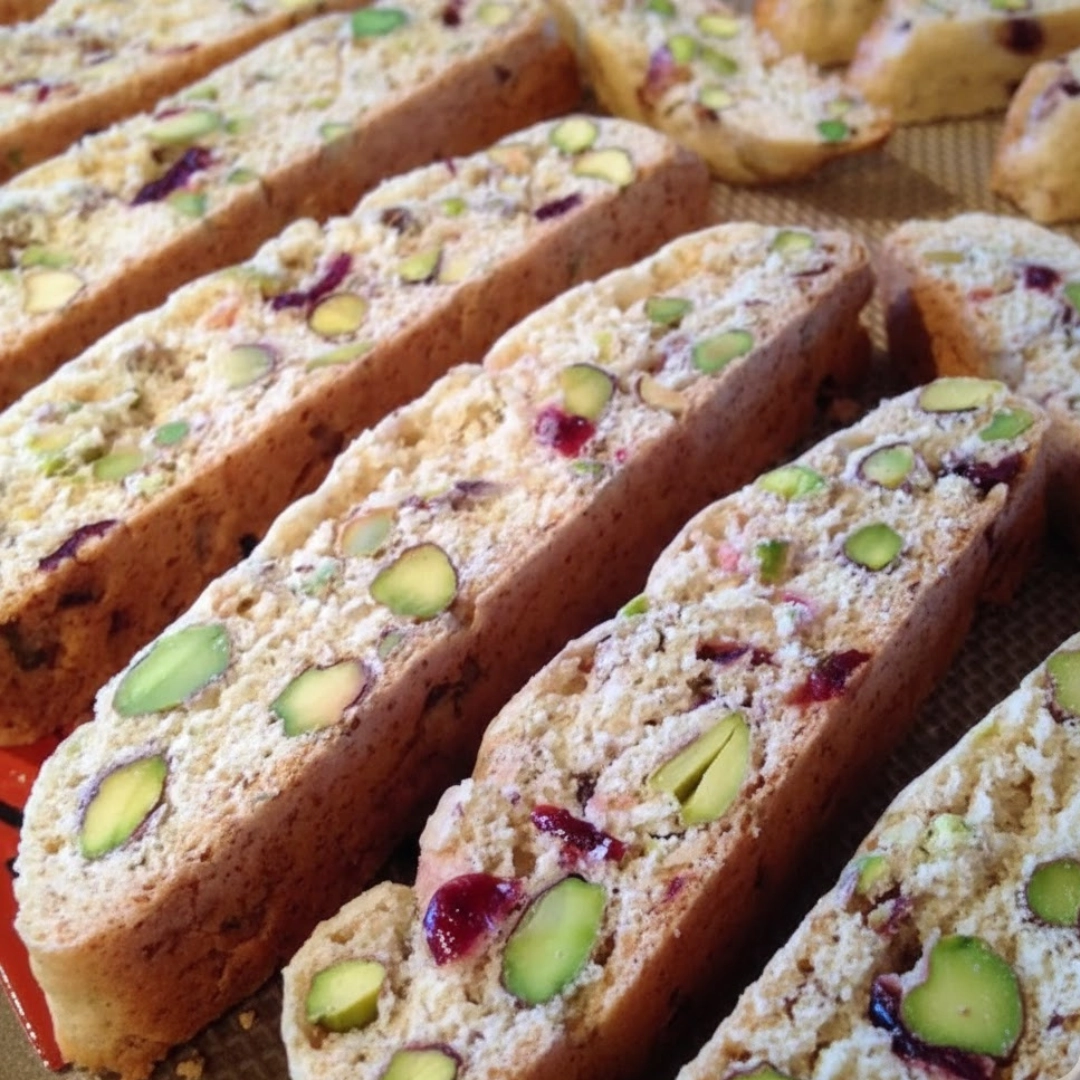
When the chilly air of late autumn finally settles in, there is a particular type of baking that calls to the kitchen—one that produces treats meant for dipping, for lingering over a hot beverage, and for sharing in small, beautiful bundles. This twice-baked Italian classic, the biscotti, fits the bill perfectly. Our take features the festive, bold colors and flavors of the season: the tart chew of dried cranberries paired with the rich, slightly buttery crunch of pistachios. The resulting Cranberry Pistachio Biscotti is a masterpiece of texture and taste, providing a crisp, sophisticated bite that holds up beautifully, making it an ideal candidate for gifting or simply savoring over many cozy mornings. This recipe focuses on technique and sensory detail to achieve the ideal snap—never too hard, always inviting.
Table of Contents
The Art of Twice-Baked Perfection
Biscotti, Italian for “twice-cooked,” is a marvel of simplicity built on expert execution. Unlike soft cookies, the goal here is structure and density, which allows the cookie to dry out beautifully without becoming brittle or crumbly. The first bake solidifies the dough into logs, trapping the moisture and setting the shape. The second, low-temperature bake is the key to transforming those logs into the signature, shelf-stable, crunchy biscuits we know and love. We lean on a touch of olive oil and extracts to create a dough that handles well and carries flavor deeply, ensuring the rich taste of the nuts and fruit permeates every bite.
Foundation Ingredients for the Crispy Canvas
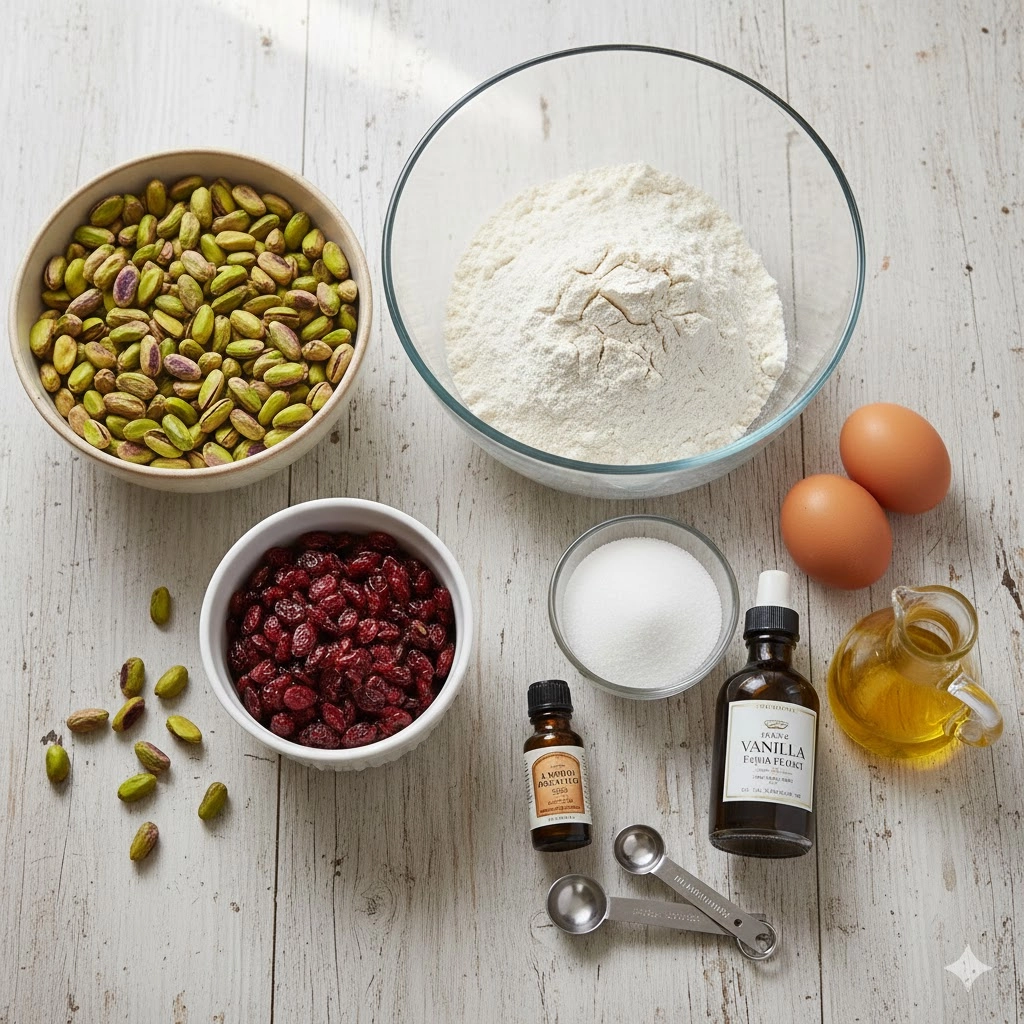
The quality of your ingredients directly impacts the final texture and taste of your biscotti. Ensure your nuts are fresh and your extracts are potent.
Dry Components:
- One and three-quarters cups all-purpose flour
- One teaspoon baking powder
- One-quarter teaspoon fine sea salt
- Three-quarters cup granulated white sugar
Wet Components:
- Two large eggs, lightly beaten
- One-quarter cup light, fruity olive oil
- Two teaspoons pure vanilla extract
- One-half teaspoon almond extract
Inclusions:
- One and one-half cups shelled, raw pistachio nuts, roughly chopped
- One-half cup dried cranberries
An Overview: Crafting the Biscotti Dough and First Bake
This recipe is divided into two distinct cooking phases, bookended by necessary cooling time. Take your time, especially during the forming of the logs, for the best final shape.
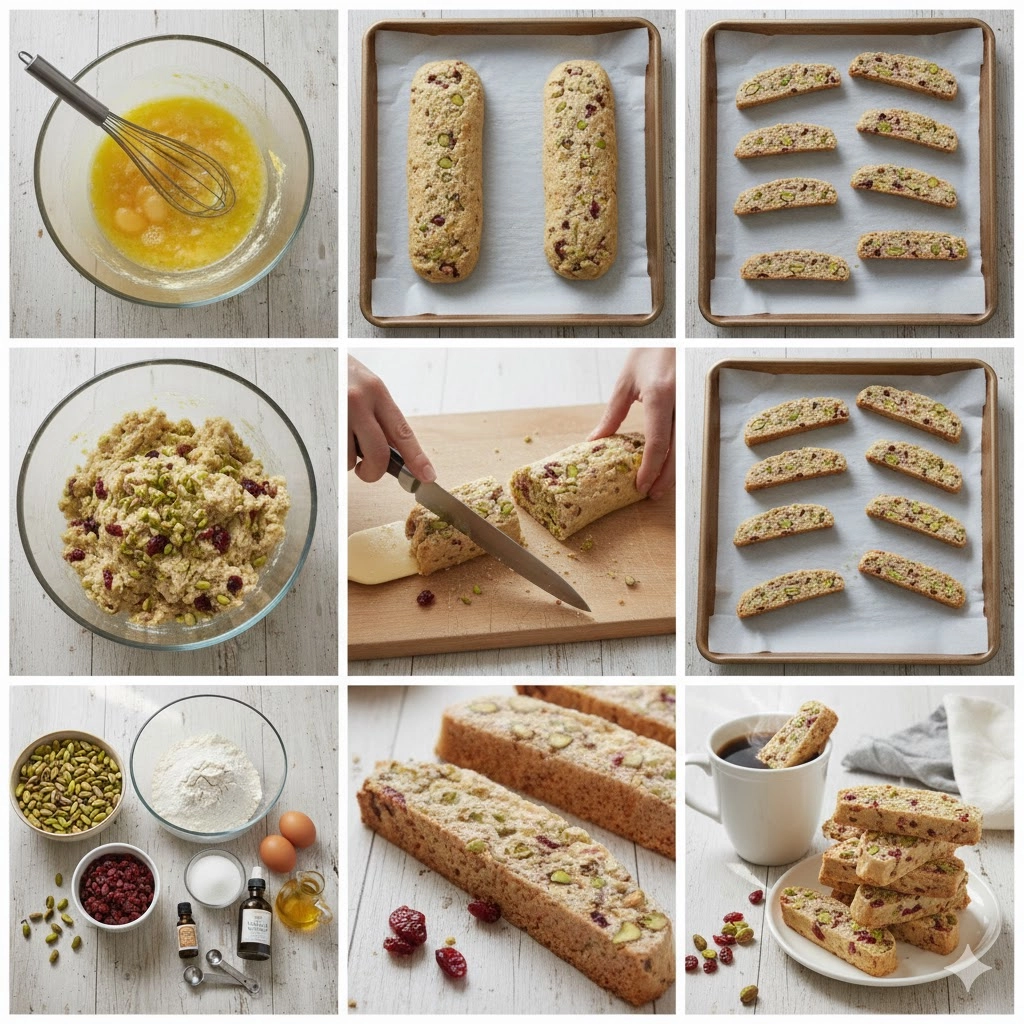
- Preparation: Preheat your oven to three hundred Fahrenheit. Line a large baking sheet with parchment paper or a silicone mat.
- Combine Wet Ingredients: In a large bowl, whisk the sugar and olive oil together until they are thoroughly blended and slightly lightened. Mix in the vanilla and almond extracts, then incorporate the beaten eggs fully.
- Combine Dry Ingredients: In a separate, medium-sized bowl, whisk together the flour, baking powder, and salt to ensure even distribution of the leavener.
- Form the Dough: Gradually add the dry mixture into the wet mixture, stirring until just combined and a shaggy dough forms. Fold in the chopped pistachios and dried cranberries by hand until they are evenly dispersed throughout the dough.
- Shape the Logs: Divide the sticky dough in half. Using slightly wet hands, form each half into a log, approximately twelve inches long by two inches wide, directly onto the prepared baking sheet.
- First Bake: Bake the logs for about thirty-five minutes, or until the logs are firm to the touch and a pale golden brown.
- Cooling and Slicing: Remove the logs from the oven and let them cool on the baking sheet for ten minutes. Reduce the oven temperature to two hundred seventy-five Fahrenheit.
- Second Bake Prep: Carefully slice the logs diagonally into three-quarters-inch thick pieces. Lay these slices, cut-side down, on the baking sheet.
- Second Bake: Return the slices to the reduced-temperature oven and bake for eight to ten minutes per side, turning them halfway through, until they are dried out and crisp.
- Final Cooling: Transfer the finished biscotti to a wire rack and allow them to cool completely before storing.
Deep Dive into Technique: Achieving the Signature Crunch
The simple instruction list above belies the subtle techniques required to turn a sticky dough into an elegant, crunchy biscuit. True biscotti perfection relies heavily on precision in blending, shaping, and temperature control.
On Mixing the Foundation
Unlike cakes or soft cookies where we strive for aeration, the initial mixing of biscotti batter is geared toward creating a uniform, dense structure. Start by thoroughly incorporating the sugar and oil. Using olive oil instead of butter contributes to a naturally drier, sturdier cookie that is less prone to spreading and delivers a beautiful crumb texture. When you mix in the eggs, ensure they are fully emulsified into the oil-sugar base before introducing the dry elements.
The dry ingredients—flour, baking powder, and salt—must be whisked together separately. Baking powder can clump, leading to uneven rise. A quick, vigorous whisk ensures the leavener is uniformly suspended in the flour. This is particularly important because once you start combining the wet and dry elements, you must stop mixing as soon as the flour disappears. Over-mixing gluten here develops toughness, which can result in a brittle, rather than crisp, finished texture. The dough should be sticky and robust, but not overworked.
Incorporating the Jewels: Fruit and Nut Technique
The sheer volume of inclusions—one and one-half cups of pistachios and one-half cup of cranberries—is what defines this specific Cranberry Pistachio Biscotti. These additions significantly affect the dough’s structure. To prevent the pistachios and cranberries from clumping or sinking, fold them in gently with a rubber spatula or use your hands, rather than a stand mixer. You want them distributed evenly so that every slice features a beautiful scatter of red and green. If the pistachios are whole, a gentle, rough chop is preferred over grinding them into powder. The larger pieces offer substantial resistance to the bite.
Shaping the Logs: The Crucial First Step
The most challenging aspect for many bakers is handling the sticky dough. The key is to keep your hands lightly moistened with cool water. Do not add excess flour to the dough itself, as this will change the final texture.
Divide the dough mass in half right in the mixing bowl. Scoop out one half and place it onto the prepared baking sheet. Use your wet palms to gently and quickly mold the dough into the specified twelve-inch by two-inch log shape. Resist the urge to make the logs too wide or too flat. A high, slightly domed log is essential because it sets the height of the final biscotti slices. A log that spreads too much will yield thin, overly hard cookies. The dough should be smooth enough that it looks like a rustic loaf of bread, ready for its initial bake.
The First Bake: Setting the Structure
The first bake at three hundred Fahrenheit is relatively low, intended to fully cook the dough without browning it too quickly. This slow, even heat allows the baking powder to lift the dough slightly and sets the internal structure firmly around the inclusions.
Doneness Check: The logs are done when they appear pale golden brown around the edges and feel firm when gently tapped. A quick insertion of a toothpick into the center should yield a clean result, or just a few moist crumbs clinging to the tip—not wet batter. Crucially, the surface of the log may show some small fissures or cracks; this is perfectly normal and indicates the structure is setting. Immediately remove them and let them rest on the pan. The residual heat will continue to set the crust during the cooling period.
The Second Bake: Achieving the Snap
This is the true transformation point. Reduce your oven temperature to two hundred seventy-five Fahrenheit. The lower temperature is critical to dry the slices without burning the edges or the exposed fruit pieces.
The Slice: After exactly ten minutes of cooling, the logs should be firm enough to handle but still slightly warm. Use a large, sharp, unserrated knife. A rocking motion or a strong, clean press straight down works better than sawing, especially with the embedded nuts and fruit, which can cause cracking and breakage if a serrated edge catches them incorrectly. Aim for clean, diagonal cuts approximately three-quarters of an inch thick. Any thinner, and you risk a delicate, overly crisp finished product; any thicker, and they won’t dry out properly.
The Drying: Place all sliced biscotti cut-side down on the baking sheet. They should not be touching. Bake for eight to ten minutes, then carefully flip each one and bake for another eight to ten minutes. The goal is to drive out as much internal moisture as possible.
Sensory Cues for Completion: The finished biscotti should feel very light in your hand. They should make a dry, crisp sound when tapped together, and the cut sides should be evenly pale golden-brown. If they still feel heavy or dense, they need more time. If they look burnt, they were baked too long or at too high a temperature during the second phase.
Expert Notes from the Baker’s Bench
These pro tips address common biscotti challenges and offer pathways to elevating your final product beyond the basic recipe.
- The Almond Extract Boost: Do not skip the small amount of almond extract. It is a traditional component in classic Italian biscotti recipes and provides a crucial aromatic depth that vanilla alone cannot match. It subtly enhances the nuttiness of the pistachios without overpowering them.
- Hydration is Key to Shaping: Keep a small bowl of cool water right next to your baking sheet while shaping the logs. Rewetting your hands frequently prevents the dough from sticking excessively, minimizing the need to dust your workspace with extra flour, which can lead to a dry, tough finished cookie.
- Use Quality Parchment: Always bake biscotti on parchment paper or a silicone mat. The dough contains oil and sugar, making it prone to sticking, especially during the slicing and second-bake phases. A liner ensures easy transfer and clean separation.
- Listen for the Sound: The most reliable doneness test for the second bake is a quick acoustic check. Once you suspect they are done, carefully remove one and let it cool for sixty seconds. When you snap it, it should have a clean, definitive “crack.” A soft thud or a bend indicates residual moisture.
- A Clean Slice Matters: For minimal breakage, invest in a very sharp chef’s knife or a designated bread knife (serrated, but used with a firm press, not a saw). Slice only after the mandatory ten-minute rest; cutting them too hot leads to crumbling, and cutting them too cool makes them too hard and prone to shattering.
- The Cooling Trick: Once the second bake is complete, turn off the oven and prop the door slightly ajar. Leave the biscotti inside for twenty to thirty minutes as the oven slowly cools. This gentle, low-temperature drying ensures maximum crispness without risking any further color change or burning.
- Storage for Longevity: Store cooled biscotti in an airtight container at room temperature. Because they are designed to be dry, they will keep their snap and flavor for several weeks. Avoid refrigeration, which can introduce humidity and soften the texture.
- Dipping is Mandatory: Traditional biscotti are meant to be dipped. The hard texture is intentional, designed to soften slightly when submerged in coffee, wine, or tea. This is the authentic way to enjoy them.
Flavor Swaps and Creative Adjustments
While the combination of cranberry and pistachio is classic, the structure of this dough is remarkably versatile, allowing for simple swaps to create entirely new, equally delightful biscuits.
- Nut Substitution: If pistachios are unavailable, the dough holds up beautifully to other sturdy nuts. Try one and one-half cups of toasted, chopped hazelnuts (filberts), or roughly chopped almonds. For a darker, richer flavor, toasted pecans or walnuts also work well, especially if paired with a chocolate drizzle.
- Zest Infusion: To amplify the fruity notes, finely grate the zest of one medium orange or one lemon directly into the wet ingredients before adding the flour. Orange zest pairs exceptionally well with the cranberry, while lemon provides a bright, acidic counterpoint to the richness of the pistachio.
- Chocolate Variation: For a decadent twist, reduce the amount of pistachios and cranberries each to one-half cup, and fold in one cup of miniature dark or semi-sweet chocolate chips. Alternatively, keep the original inclusions and finish the completely cooled biscotti with a simple melted white chocolate drizzle.
- Spice Route: Introduce warmth by whisking one teaspoon of ground cinnamon and one-quarter teaspoon of ground nutmeg into the dry ingredients. These spices add an aromatic dimension that is particularly welcome during the winter months.
- Extract Exchange: For a more potent, almost floral flavor profile, substitute the almond extract with one-half teaspoon of anise extract. Anise is a classic Italian flavor pairing for biscotti, giving the biscuit a licorice-like undercurrent that is highly traditional.
Presentation and Pairing: Serving Your Finished Biscotti
The firm, dry nature of biscotti makes them a perfect vehicle for accompanying beverages and sweet finishes. They are generally served after a meal, often as part of a dessert or coffee service.
- Classic Vin Santo: The most traditional Italian pairing is with Vin Santo, a sweet, amber-colored dessert wine. The ritual involves dipping the end of the biscotti into the wine, allowing the liquid to soften the crisp texture slightly before taking a bite. This is an elegant, highly authentic way to serve them.
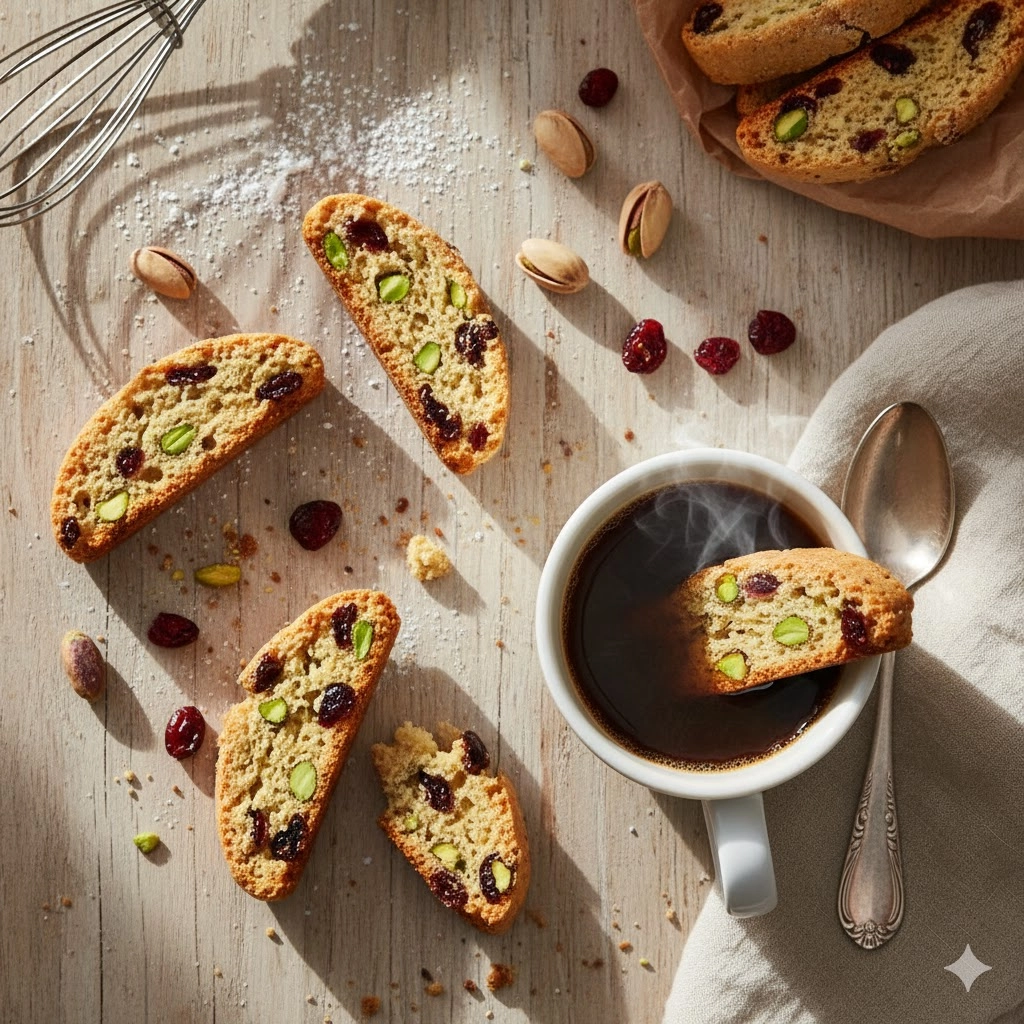
- The Morning Dunk: Biscotti are excellent dipped into a strong morning espresso, a frothy cappuccino, or a robust cup of black tea. The slight bitterness of the coffee or tea is a superb contrast to the sweetness and fruitiness of the cookie.
- Ice Cream Garnish: For a sophisticated dessert, serve one or two biscotti alongside a scoop of vanilla bean gelato or a rich, dark chocolate mousse. They act as a textural counterpoint, offering a crisp, clean crunch to an otherwise soft, creamy dish.
- Gift-Worthy Packaging: Given their long shelf-stability, these biscuits make exceptional homemade gifts. Stack them neatly in tall glass jars, or wrap five to seven pieces in cellophane bags tied with a festive ribbon. Ensure they are completely cool before packaging to prevent condensation.
Kitchen Queries: Frequently Asked Biscotti Questions
Here are answers to common questions about preparing and storing these twice-baked treats.
Why did my biscotti crack excessively when baking?
Cracking on the surface of the logs during the first bake is very common and usually a result of the dough setting and expanding quickly. However, large, deep fissures can indicate your oven was too hot, causing the exterior to set before the interior could rise, or that you added too much flour to the dough, making it less pliable. Ensure you use the specified oven temperature and measure flour accurately by scooping it lightly into the cup and leveling it.
Can I use salted pistachios for this recipe?
Yes, you can absolutely use salted pistachios, but you must make a corresponding adjustment to the recipe’s overall salt content. If your nuts are already salted, you should omit the one-quarter teaspoon of added fine sea salt from the dry ingredients mixture to prevent the final product from tasting overly saline or metallic.
How do I prevent the biscotti from getting rock-hard after the second bake?
While biscotti are meant to be hard and crisp, they should not be inedible bricks. If they are too hard, it’s usually because the slices were cut too thin (under one-half inch), or they were baked at too high a temperature during the second bake. Ensure your second bake is no higher than two hundred seventy-five Fahrenheit and stick to the three-quarters-inch slice thickness.
Can the dough be made ahead of time?
You can prepare the dough logs, wrap them tightly in plastic wrap, and refrigerate them for up to twenty-four hours before the first bake. This can slightly improve their flavor. Alternatively, you can fully bake the logs and freeze them, then thaw and slice them when you are ready to perform the second drying bake.
Is it possible to make this recipe gluten-free?
Biscotti relies heavily on the structure provided by standard all-purpose flour. While you can attempt to use a high-quality, cup-for-cup gluten-free flour blend that includes xanthan gum, results may vary in terms of texture and shape stability. Expect the dough to be even stickier and require more diligent handling and wetting of your hands during the log-forming stage.
Estimated Nutritional Breakdown
| Nutrient | Amount per Serving |
| Calories | 95 kcal |
| Protein | 2 g |
| Carbs | 13 g |
| Fat | 4 g |
| Fiber | 1 g |
| Sugar | 7 g |
| Sodium | 58 mg |
Important Note on Data Accuracy
Nutrition information is an estimate and may vary based on preparation and ingredients used.
Cranberry Pistachio Biscotti
Ingredients
- 1.75 cups all-purpose flour
- 1 tsp baking powder
- 0.25 tsp fine sea salt
- 0.75 cup granulated white sugar
- 2 large eggs, lightly beaten
- 0.25 cup light olive oil
- 2 tsp pure vanilla extract
- 0.5 tsp almond extract
- 1.5 cups shelled, raw pistachio nuts, roughly chopped
- 0.5 cup dried cranberries
Instructions
- Preheat oven to three hundred Fahrenheit. Line a baking sheet. Whisk sugar and olive oil, then mix in vanilla and almond extracts, and beaten eggs until well combined.
- In a separate bowl, whisk together flour, baking powder, and salt. Gradually add the dry mixture to the wet mixture, stirring until just combined. Fold in pistachios and dried cranberries.
- Divide the dough in half. Using lightly wet hands, form each half into a log (12 inches long by 2 inches wide) on the prepared sheet. Bake for about thirty-five minutes until light golden brown and firm.
- Remove logs and let them cool for ten minutes. Reduce oven temperature to two hundred seventy-five Fahrenheit. Carefully slice logs diagonally into three-quarters-inch thick pieces. Place slices cut-side down on the sheet.
- Return slices to the oven and bake for eight to ten minutes. Flip them and bake for another eight to ten minutes until crisp and dried out. Transfer to a wire rack to cool completely before storing.
Notes
Equipment
- large mixing bowl
- medium mixing bowl
- rubber spatula For folding inclusions
- baking sheet Lined with parchment paper
- Sharp chef’s knife For clean slicing
- wire cooling rack