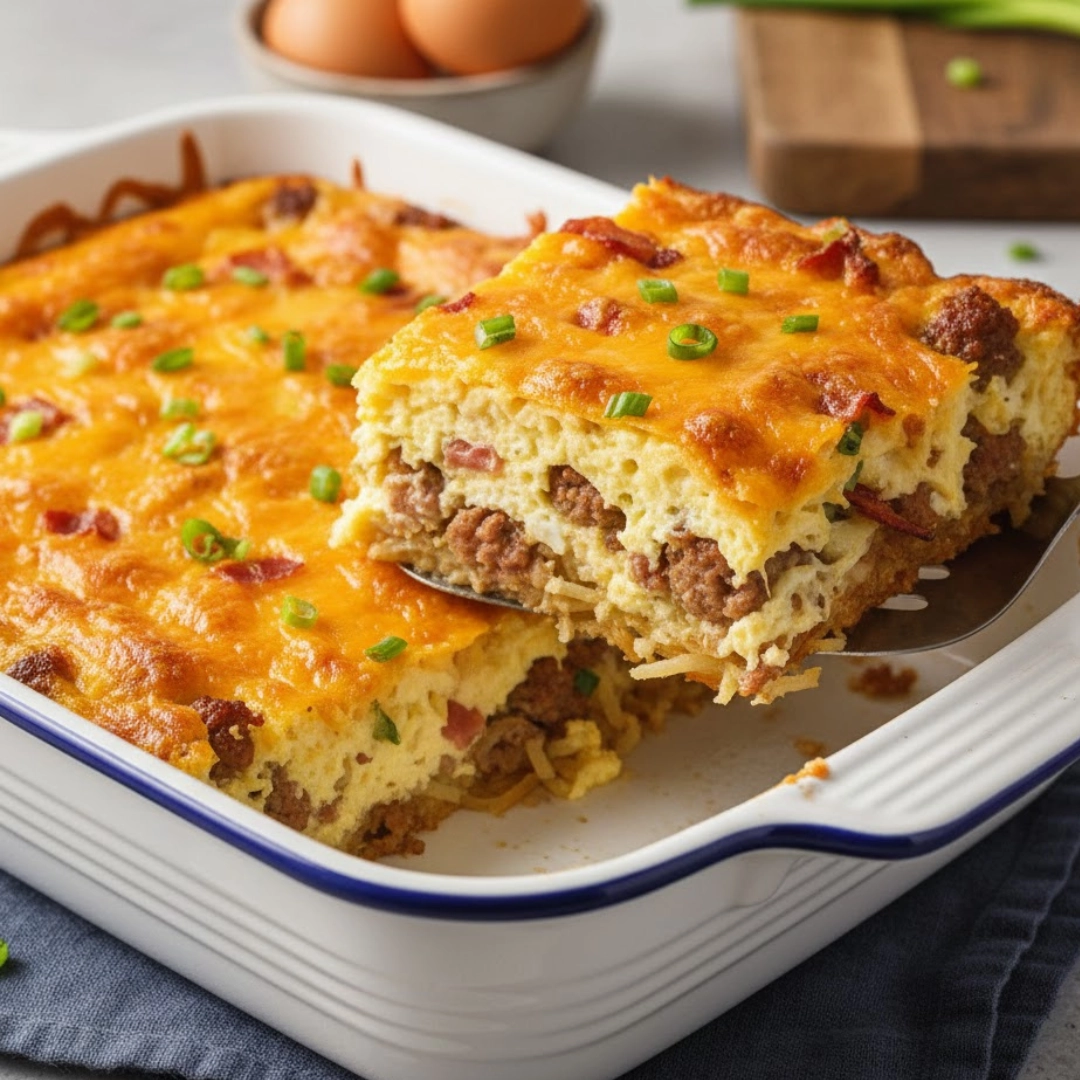
The best weekend mornings often start with a dish that can feed a crowd while demanding minimal fuss. A good breakfast casserole is precisely that kind of culinary anchor, and this particular Crack Breakfast Casserole delivers on all fronts: texture, richness, and an undeniable savory punch. It’s a true make-ahead wonder, layering all the best parts of a classic breakfast—fluffy eggs, salty meat, cheese, and a hint of spice—into a single, golden-brown dish. Ideal for holiday mornings, family brunches, or simply ensuring you have a few days of easy breakfasts, this casserole transforms simple ingredients into an extraordinary experience that will be requested again and again.
Table of Contents
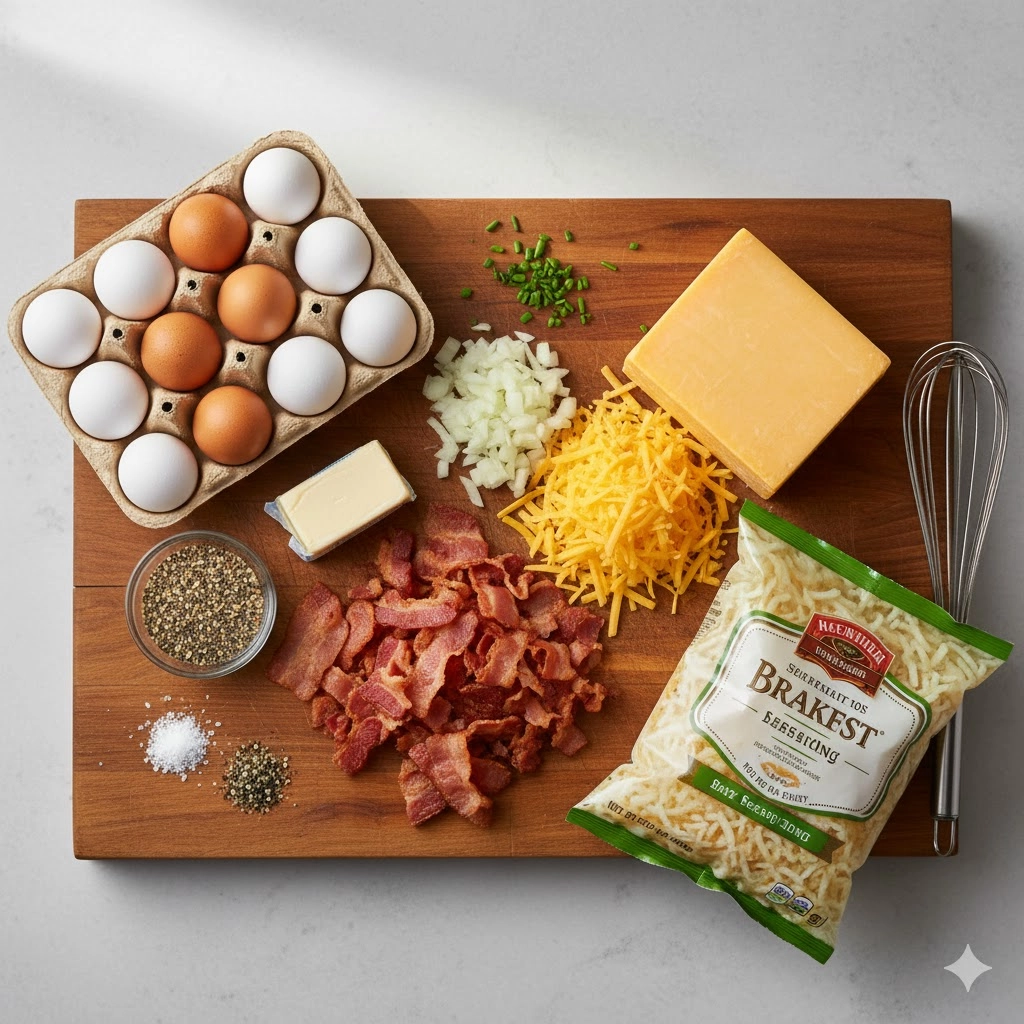
Assembling the Foundation: Required Components
The simplicity of this recipe lies in its approachable ingredient list, which focuses on maximum flavor return for minimal complexity. Precise measurements are key to achieving the desired texture and balance in the final dish.
Essential Building Blocks
- Eggs: 12 large eggs (or 600 grams)
- Dairy: 1 cup (240 milliliters) whole milk or half-and-half
- Cheese: 2 cups (226 grams) shredded sharp Cheddar cheese, divided
- Meat: 1 pound (450 grams) thick-cut bacon, cooked and crumbled, or 1 pound (450 grams) breakfast sausage, browned and drained
- Starch/Base: 4 cups (about 250 grams) shredded frozen hash browns, slightly thawed
- Flavoring: 1 small onion (about 150 grams), finely diced
- Seasoning: 1 tablespoon dried ranch seasoning mix (about 12 grams)
- Fats: 1 tablespoon butter (about 14 grams)
- Pantry Staples: Salt and freshly ground black pepper to taste
The Method: Recipe Overview
This casserole follows a straightforward process of preparing the base, layering the savory elements, binding them with the egg mixture, and finally, baking until set and golden.
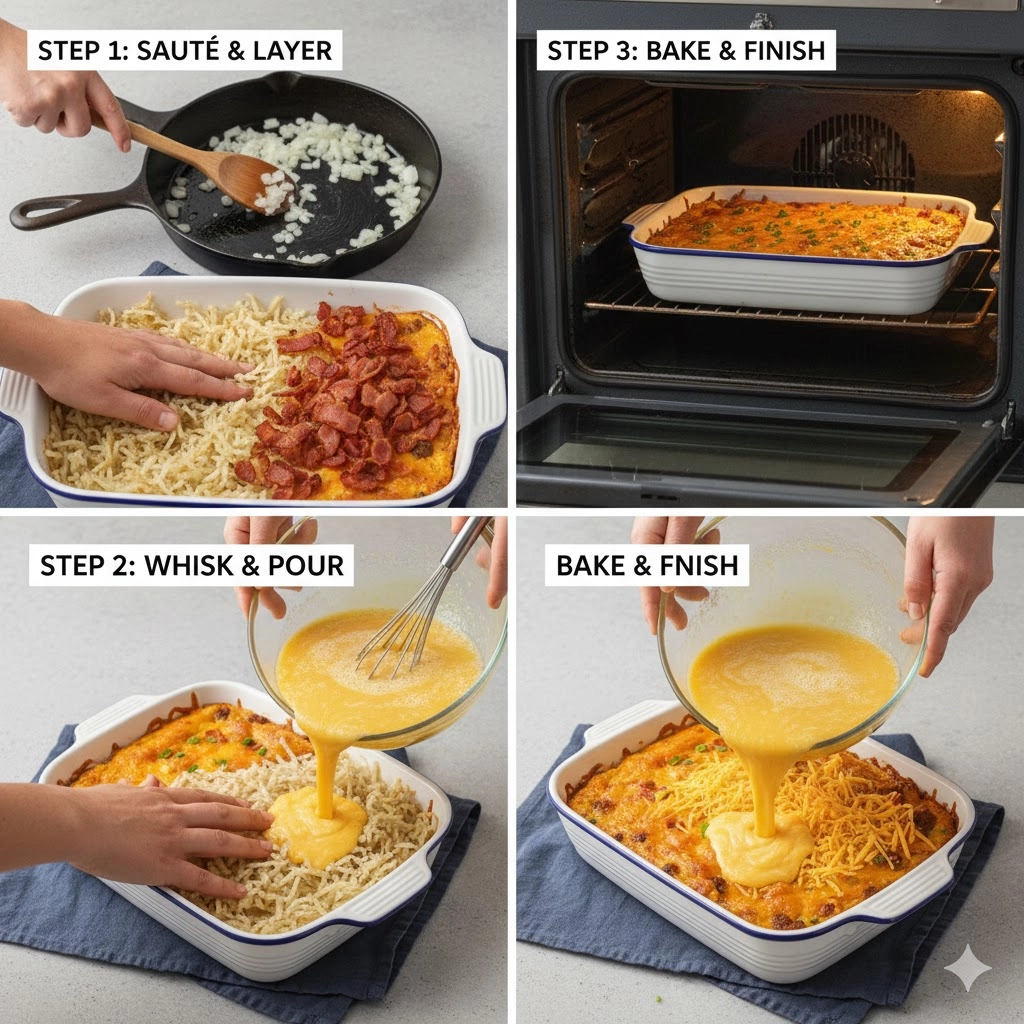
- Prep the Components: Cook the chosen meat until crispy or browned, drain well, and set aside. Preheat the oven to three hundred fifty Fahrenheit.
- Sauté Aromatics: Melt butter in a skillet and cook the diced onion until softened and translucent, about four to five minutes.
- Layer the Base: Press the thawed hash browns into the bottom of a greased 9×13 inch baking dish. Sprinkle the cooked onions and half of the meat over the hash browns.
- Whisk the Binder: In a large bowl, whisk together the eggs, milk, ranch seasoning, salt, and pepper until uniform and slightly frothy.
- Build and Soak: Pour the egg mixture evenly over the hash brown and meat layers. Top with one cup of the shredded Cheddar cheese and the remaining meat.
- Bake the Casserole: Cover the dish loosely with foil and bake for thirty minutes.
- Brown and Finish: Remove the foil, sprinkle the remaining one cup of cheese over the top, and continue baking for ten to fifteen minutes until the top is golden and the center is set.
- Rest and Serve: Allow the casserole to rest for ten minutes before slicing and serving.
Diving Deep: A Closer Look at the Process
Achieving a creamy, set casserole requires attention to detail at each stage, transforming simple assembly into a perfected dish.
Preparing the Savory Layers
When prepping the meat, the goal is dryness and maximum flavor. If using bacon, render it fully until shatteringly crisp. This ensures the fat does not seep into the egg base, which would result in a greasy final product. For sausage, browning it thoroughly and then draining off every trace of rendered fat is paramount. Residual moisture or fat from the meat is one of the most common mistakes in casserole making.
The hash browns act as the structural base. Because they are frozen, it’s beneficial to allow them to thaw slightly—about fifteen to twenty minutes at room temperature—before layering. This allows you to press them firmly into the dish, creating a solid bottom crust that will not fall apart when slicing. Spreading the cooked onion over this layer introduces a soft, gentle sweetness that balances the savory saltiness of the meat and cheese.
Crafting the Egg Custard
The key to a light, non-rubbery casserole is a well-aerated egg mixture. Whisking the eggs and milk vigorously for at least one minute should introduce small air bubbles and fully emulsify the ingredients. The inclusion of whole milk or half-and-half (as opposed to cream) is intentional; too much fat can make the eggs heavy. The milk adds necessary moisture for a tender crumb without making the final texture heavy or dense.
When seasoning the custard, be mindful of the ranch seasoning and the cured meat. Both already contain a significant amount of sodium. Season lightly with salt and pepper, tasting a tiny spoonful of the raw custard (before adding the meat and cheese) to assess the salt level. It is always easier to add salt later than to try to fix an oversalted dish. Pour the custard slowly and evenly over the layers, giving it a minute or two to fully soak into the hash browns before adding the final toppings.
The Bake and The Check
Initial baking under foil is crucial. The foil acts as a lid, trapping steam and heat, which ensures the interior of the casserole cooks through evenly before the top dries out or burns. After thirty minutes, the internal temperature should be nearing the setting point. When you remove the foil, the edges should be slightly set, but the center will still be jiggly.
The final uncovered bake introduces the remaining cheese and allows the top to achieve a beautiful, golden-brown crust. To check for doneness, insert a knife or thin skewer near the center. If it comes out clean, the casserole is set. The internal temperature should register around 160 to 165 Fahrenheit (seventy-one to seventy-four Celsius). If the cheese is browning too quickly, you can cover it loosely again for the last five minutes. Allowing the casserole to rest for ten minutes after coming out of the oven allows the eggs to finish setting and the entire dish to firm up, making clean slicing possible.
Beyond the Basics: Expert Advice and Troubleshooting
Casseroles, while forgiving, benefit from a few expert insights to elevate them from good to truly memorable.
- Prep the Pan Right: While a nonstick spray is generally fine, lining the bottom of the dish with a fitted piece of parchment paper is the ultimate insurance policy against sticking, particularly with the hash brown base.
- The Power of Cheese Selection: Don’t limit yourself to sharp Cheddar. Consider using a blend that includes Monterey Jack or Colby for a smoother, meltier texture, or Pepper Jack for a gentle warmth. Avoid pre-shredded cheese if possible; the anti-caking agents can prevent it from melting completely smoothly.
- Avoiding a Soggy Bottom: The enemy of any casserole is excess moisture. If you use fresh potatoes or vegetables, ensure they are cooked and drained completely. With the frozen hash browns, giving them a very quick pat down with a paper towel after they have thawed can wick away any surface ice that would introduce water during the bake.
- Make-Ahead Mastery: This dish shines as a make-ahead recipe. You can assemble the entire casserole—all the layers and the poured egg mixture—up to twenty-four hours in advance. Cover it tightly and store it in the refrigerator. When you are ready to bake, pull it out while the oven preheats to take the chill off, then add an extra ten to fifteen minutes to the total baking time to compensate for the cold start.
- Enhancing the Crust: For a crispier hash brown base, toss the thawed hash browns with one tablespoon of melted butter and a quarter teaspoon of salt before pressing them into the pan. This encourages better browning during the bake.
Flavor Profiles and Ingredient Swaps
The foundational recipe is robust, but a few simple variations can tailor it to different tastes or dietary needs.
- Spice it Up: For a Southwestern twist, swap the ranch seasoning for one teaspoon of chili powder, half a teaspoon of cumin, and a quarter teaspoon of smoked paprika. Fold in one diced bell pepper and a half cup of black beans with the meat layer.
- Go Vegetarian: Omit the meat entirely and increase the vegetable content. Sauté one cup of sliced mushrooms, one cup of spinach, and the diced onion together until all moisture has evaporated. Season with Italian herbs like oregano and basil.
- Bread Base Alternative: For a heartier, more custardy casserole, replace the four cups of hash browns with four cups of cubed stale or dried-out French bread. Ensure the bread cubes are fully saturated by the egg mixture before baking.
- Alternative Meats: Use finely diced cooked ham or pre-cooked chorizo as a substitution for the bacon or sausage. Ham offers a milder, sweeter flavor, while chorizo introduces a deeper, spicier note.
What to Serve Alongside
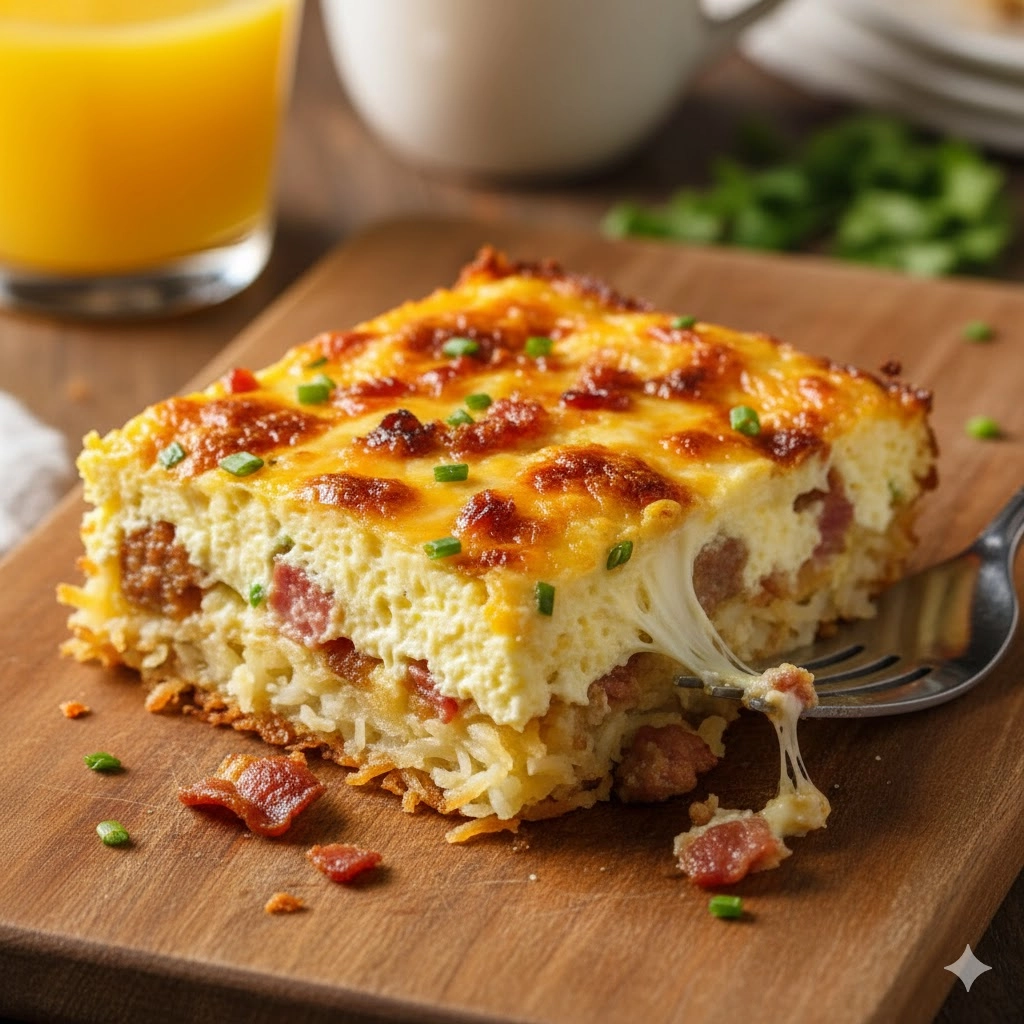
Because the casserole itself is rich, savory, and quite hearty, the best accompaniments offer contrast in both texture and flavor.
- A Bright, Fresh Salad: A simple green salad dressed with a very light vinaigrette provides acidity and freshness that cuts through the richness of the cheese and eggs. Think mixed greens with a lemon and olive oil dressing.
- Sweet and Tangy Fruits: A bowl of fresh mixed berries, sliced oranges, or even a simple fruit salad adds natural sweetness and a cooling counterpoint to the savory dish.
- Elevated Condiments: While simple ketchup is an option, consider a dollop of sour cream or a smoky-sweet homemade barbecue sauce for a more complex flavor pairing, especially if you opted for the spicier variation.
Frequently Asked Questions
Can I use fresh, cubed potatoes instead of frozen hash browns?
Yes, but you must precook them. Fresh potatoes will not cook through in the time required for the eggs to set, resulting in hard pieces. Dice them finely and boil or sauté them until they are almost tender before adding them to the casserole base.
How do I keep the casserole from getting watery?
Wateriness is caused by unrendered fat from meat, moisture from vegetables, or under-baking. Always drain the meat completely, sauté vegetables until dry, and ensure the eggs are fully set with a clean knife test before removing from the oven.
What is the best way to store and reheat leftovers?
Store cooled, sliced leftovers in an airtight container in the refrigerator for up to three days. To reheat, you can microwave individual slices, or place a few pieces on a baking sheet and reheat in a three hundred twenty-five Fahrenheit oven for ten to fifteen minutes until heated through.
Can I add a different type of seasoning besides ranch?
Absolutely. The role of the ranch is to provide a savory blend of garlic, onion, and herbs. Try one tablespoon of Italian seasoning, or a mix of garlic powder, onion powder, and dried chives for a slightly different, but equally delicious, profile.
Estimated Nutritional Information
| Nutrient | Amount per Serving |
| Calories | 385 kcal |
| Protein | 24 g |
| Carbs | 18 g |
| Fat | 25 g |
| Fiber | 1 g |
| Sugar | 3 g |
| Sodium | 590 mg |
Important Disclaimer
Nutrition information is an estimate and may vary based on preparation and ingredients used.
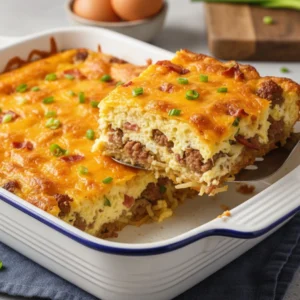
Crack Breakfast Casserole
Ingredients
- 12 large eggs
- 1 cup whole milk or half-and-half
- 2 cups shredded sharp Cheddar cheese, divided
- 1 pound thick-cut bacon or breakfast sausage, cooked and crumbled
- 4 cups shredded frozen hash browns, slightly thawed
- 1 small onion, finely diced
- 1 tbsp dried ranch seasoning mix
- 1 tbsp butter
- to taste salt and freshly ground black pepper
Instructions
- Preheat oven to 350°F (175°C). Cook the meat until crispy or browned, drain, and set aside.
- In a skillet, melt butter and sauté diced onion until soft and translucent, about 4–5 minutes.
- Grease a 9×13 inch baking dish. Press hash browns into the base, then top with sautéed onion and half of the cooked meat.
- In a bowl, whisk eggs, milk, ranch seasoning, salt, and pepper until frothy.
- Pour egg mixture evenly over the hash brown layer. Top with 1 cup of shredded cheese and the remaining meat.
- Cover dish loosely with foil and bake for 30 minutes.
- Remove foil, top with remaining cheese, and bake uncovered for 10–15 minutes until golden and set.
- Let the casserole rest for 10 minutes before slicing and serving.
Notes
Equipment
- 9×13-inch baking dish
- skillet
- mixing bowl
- whisk
- foil
- spatula or knife for slicing