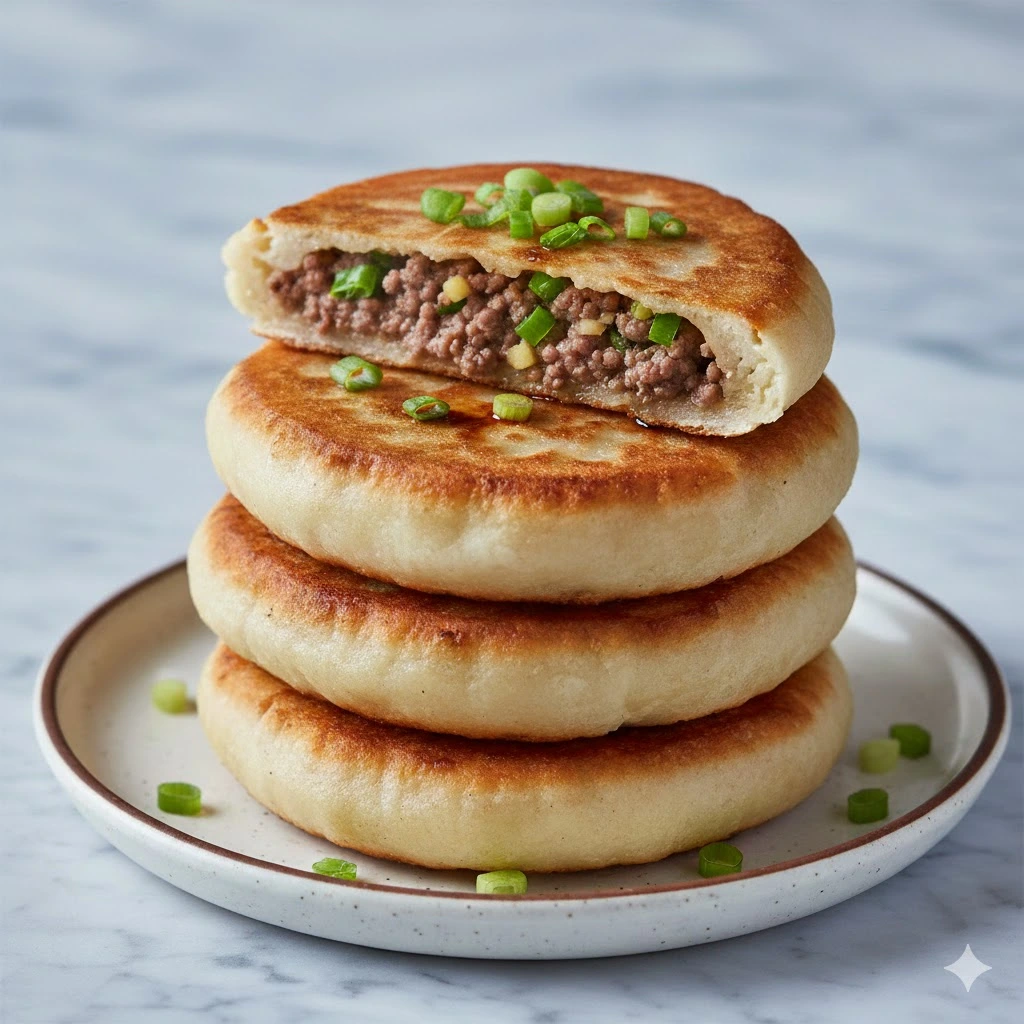
Chinese Meat Pies, traditionally known as Xian Bing, represent the pinnacle of savory comfort food. These golden, pan-fried discs offer a transformative sensory experience: the first bite yields a satisfying crunch from the toasted dough, followed immediately by a burst of aromatic, ginger-scented juices from the seasoned meat within. Whether you are wandering through a bustling night market in Beijing or standing in your own kitchen in the United States, the appeal of these pies is universal. This recipe bridges the gap between complex street food artistry and accessible home cooking, ensuring that anyone can master the balance of a tender, chewy crust and a succulent interior.
Table of Contents
Ingredients
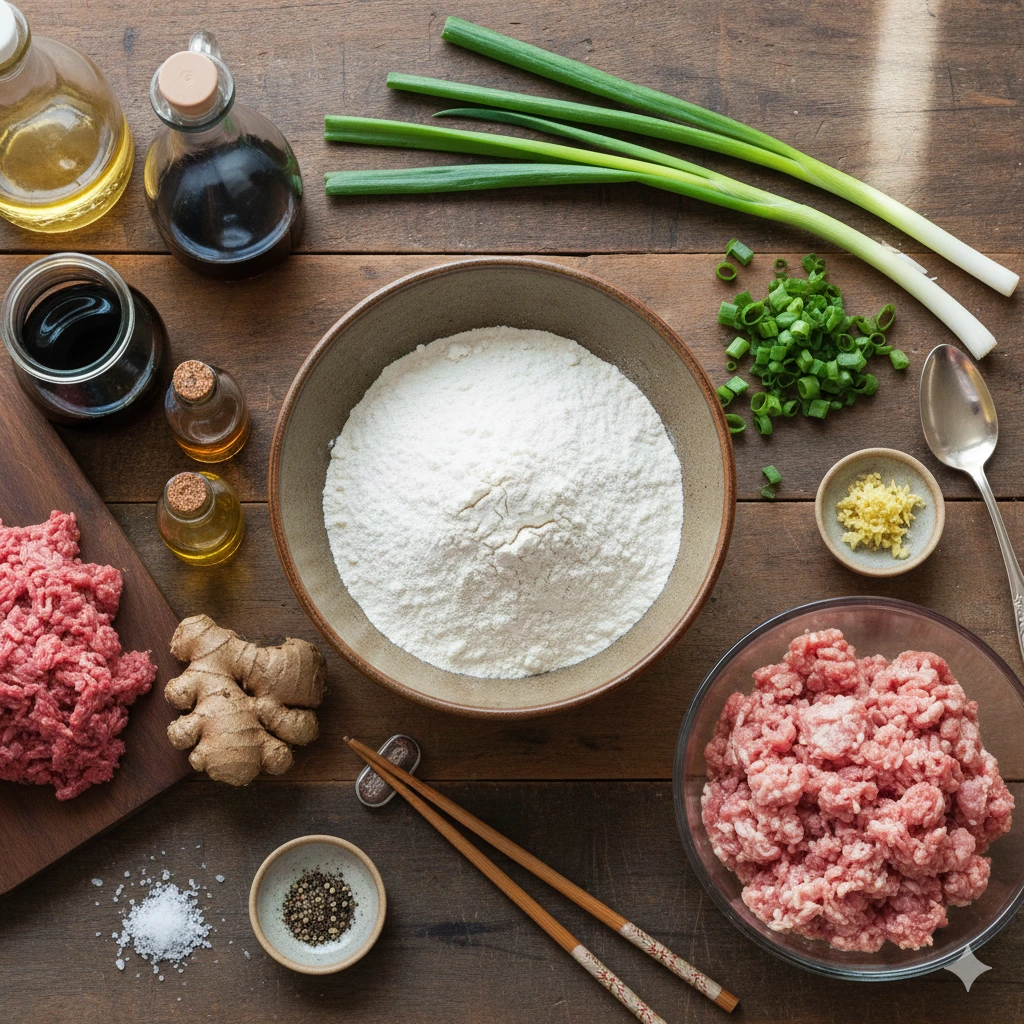
To achieve the authentic texture and flavor profile of traditional Xian Bing, gathering the right components is vital. These humble ingredients undergo a remarkable chemical transformation when heat is applied in the skillet.
For the Dough
- 2 cups all-purpose flour
- 1 half cup hot water
- 1 quarter cup cold water
For the Filling
- 200 grams ground beef or pork
- 2 green onions, finely chopped
- 1 tablespoon ginger, minced
- 1 tablespoon soy sauce
- 1 tablespoon Shaoxing wine
- 1 teaspoon sesame oil
- Salt and pepper to taste
For Frying
- Oil for frying (vegetable, canola, or grapeseed)
Instructions
The process of creating Chinese Meat Pies is as much about the technique as it is about the ingredients. Follow these steps precisely to ensure the dough is pliable and the filling remains encased during the frying process.
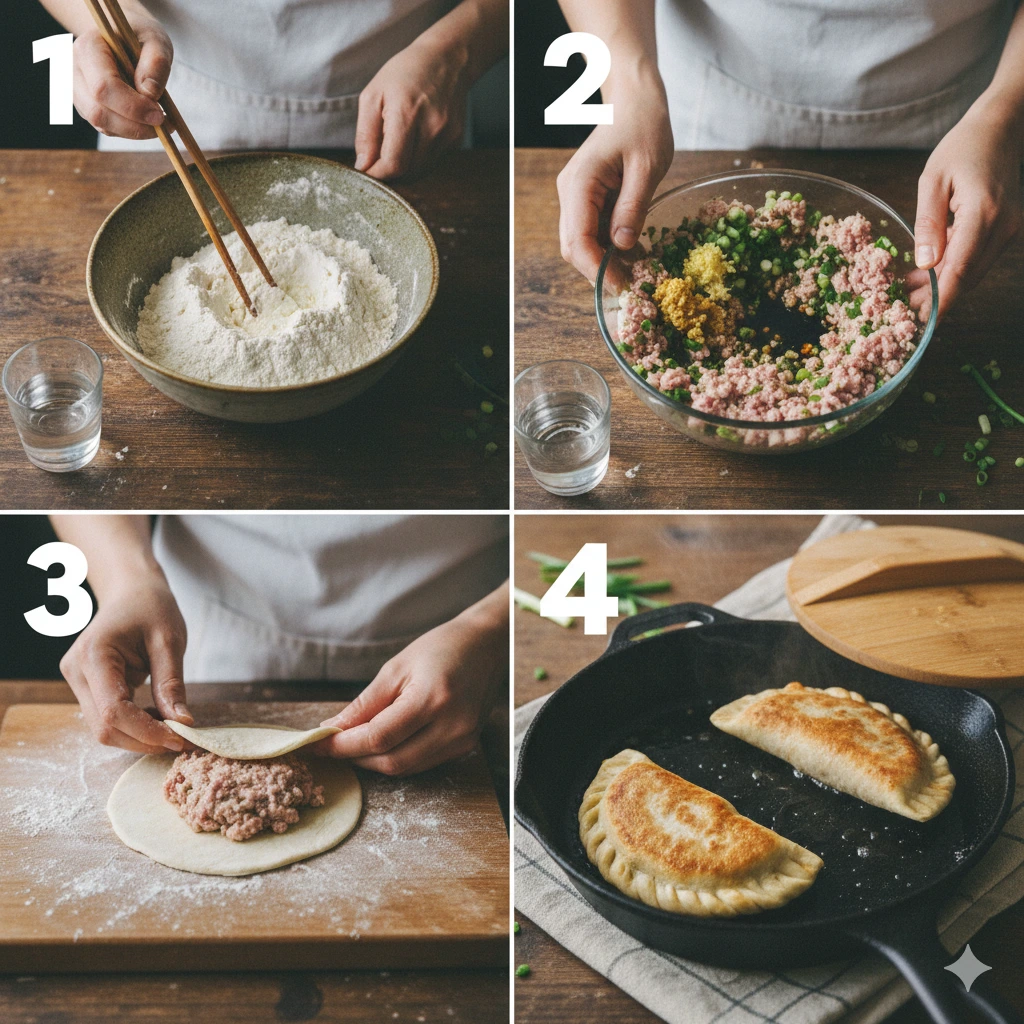
- Prepare the Dough: In a large mixing bowl, combine the all-purpose flour with the hot water. Use a pair of chopsticks or a fork to stir the water into the flour until shaggy clumps form. Gradually add the cold water. Begin kneading the mixture by hand until it transforms into a smooth and elastic dough. Once uniform, cover the dough with a damp cloth and allow it to rest for 30 minutes.
- Make the Filling: While the dough sits, prepare the protein center. In a separate mixing bowl, combine the ground beef or pork with the finely chopped green onions, minced ginger, soy sauce, Shaoxing wine, and sesame oil. Season with salt and pepper to taste. Stir the mixture vigorously in one direction until the meat becomes tacky and all liquids are fully absorbed.
- Shape the Dough: After the resting period, turn the dough out onto a lightly floured surface. Divide the dough into small, equal portions, roughly the size of a golf ball. Use a rolling pin to flatten each portion into a circle approximately 4 to 5 inches in diameter. Aim for edges that are slightly thinner than the center.
- Fill the Pies: Place a generous tablespoon of the prepared meat filling directly in the center of a dough circle. Fold the dough over the meat to create a half-moon shape. Carefully pinch the edges together, using a pleating motion or a firm press to ensure a tight seal that will not leak.
- Fry the Meat Pies: Heat a thin layer of neutral oil in a non-stick skillet over medium heat. Arrange the pies in the pan, seam side down. Fry for 3 to 4 minutes until the bottoms reach a deep golden brown. Flip the pies. To ensure the meat is cooked through, add a small splash of water to the pan and immediately cover with a lid. Steam for 2 to 3 minutes.
- Final Crisp: Remove the lid and continue frying for another minute or two until the remaining moisture evaporates and the exterior is perfectly crispy on both sides. Drain on paper towels and serve while hot.
Masterful Step-by-Step Details
Creating the perfect Xian Bing is an exercise in managing moisture and gluten development. When you first introduce the hot water to the all-purpose flour, you are performing a technique similar to making “tangzhong” or a scalded flour paste. The heat partially gelatinizes the starches, which allows the dough to hold more moisture without becoming overly sticky. This is why the dough remains soft and tender even after being fried to a crisp. The addition of cold water afterward helps develop the gluten structure just enough to provide that signature “chew” or “Q” texture that is highly prized in Chinese cuisine.
The resting phase is perhaps the most underrated step in the entire recipe. During these 30 minutes, the flour particles fully hydrate, and the gluten ribbons that were tightened during kneading begin to relax. If you attempt to roll the dough immediately, it will constantly snap back like a rubber band. A well-rested dough will roll out effortlessly into thin, translucent sheets that can hold a heavy amount of filling without tearing.
When it comes to the filling, the secret to a “juicy” meat pie isn’t just fat—it is the incorporation of liquids. By stirring the soy sauce, Shaoxing wine, and sesame oil into the meat in a consistent direction, you are emulsifying the fats and proteins. This creates a cohesive “meat ball” inside the dough that releases its juices only when bitten into. The ginger and green onions act as aromatics that cut through the richness of the beef or pork, providing a balanced flavor profile that never feels heavy.
During the frying stage, the “steam-fry” method is your best friend. Frying alone might brown the crust before the raw meat inside reaches a safe internal temperature. By adding that splash of water and covering the pan, you create a high-temperature steam environment. This ensures the dough remains moist and the meat cooks thoroughly. The final minute of uncovered frying is what restores the “crunch,” giving you the best of both worlds: a steamed-dumpling interior and a fried-bread exterior.
Creative Accompaniments and Serving Suggestions
While these meat pies are a complete meal in a handheld package, the right side dishes can elevate the experience. Because the pies are rich and savory, they pair exceptionally well with high-acid or crunchy components.
A classic dipping sauce is a non-negotiable for many enthusiasts. Create a balance of flavors by mixing three parts soy sauce with one part black vinegar (Chinkiang vinegar). Add a teaspoon of crispy chili oil for heat and a few slivers of fresh garlic to brighten the palate. The acidity of the vinegar is essential for cutting through the fat of the fried dough.
If you are looking for a full meal spread, consider serving these alongside a smashed cucumber salad dressed with garlic and sesame oil. The cool, refreshing nature of the cucumbers provides a stark contrast to the hot, steaming pies. Alternatively, a bowl of hot and sour soup or a simple egg drop soup makes for a comforting, traditional pairing that warms the soul on a cold evening. For a modern twist, serve them with a side of quick-pickled radishes or a slaw made with napa cabbage and a ginger-lime vinaigrette.
Modifications and Flavor Substitutions
The beauty of the Xian Bing is its versatility. While ground beef and pork are the traditional standards, the “meat” in meat pie is open to interpretation based on your dietary preferences.
- Poultry Options: For a lighter version, ground chicken or turkey works remarkably well. Since these meats are leaner, consider adding an extra teaspoon of sesame oil or a tablespoon of chicken broth to the filling to ensure it stays moist during the frying process.
- Vegetarian Alternatives: To create a meatless version, finely chop a mixture of shiitake mushrooms, firm tofu, and glass noodles (vermicelli). The mushrooms provide a deep umami flavor that mimics the richness of meat. Be sure to squeeze any excess moisture out of the tofu before mixing to prevent the dough from becoming soggy.
- Dough Variations: If you prefer a nuttier, more rustic crust, you can substitute 25 percent of the all-purpose flour with whole wheat flour. Note that you may need an extra tablespoon of water, as whole wheat flour is more absorbent than white flour.
- Spice Infusions: If you enjoy heat, fold a teaspoon of Sichuan peppercorn powder or finely diced Thai bird’s eye chilies into the meat mixture. This adds a “numbing” or “sharp” heat that characterizes many regional Chinese dishes.
Unique Culinary Insights for Success
To truly master this dish, one must think like a professional dim sum chef. One of the most common issues beginners face is the “leaking” pie. This usually happens because the filling is too wet or the seal is too weak. If your meat mixture seems too loose, let it chill in the refrigerator for 20 minutes before filling the dough. Cold fat is easier to manage and will stay in place while you pleat the edges.
Another professional tip involves the thickness of the dough circle. When rolling, try to leave the center of the circle slightly thicker than the edges. Since you will be gathering and pinching the edges together at the top or side, that area naturally becomes thicker with overlapping dough. By starting with a thinner edge, you ensure the final product has a uniform thickness all the way around, leading to even cooking.
Temperature control is the final pillar of success. Do not be tempted to crank the heat to high to speed up the process. High heat will char the exterior while leaving the meat raw. A consistent medium heat allows the sugars in the flour to caramelize slowly, resulting in a beautiful mahogany color and a crust that stays crispy even as it cools.
Deep-Dive Technical FAQ
Can I make the dough in a stand mixer?
Yes, you certainly can. Use the dough hook attachment on a low speed. Add the hot water first, then the cold, and let the mixer knead the dough for about 5 to 7 minutes until it clears the sides of the bowl. However, because this is a relatively small batch of dough, many find that hand-kneading offers a better “feel” for the hydration levels.
Why did my pies turn out chewy instead of crispy?
This usually occurs if the oil temperature was too low or if you used too much water during the steaming phase. If the oil isn’t shimmering when the pies hit the pan, the dough will absorb the oil rather than searing. Furthermore, if you don’t allow the water to fully evaporate at the end of the cooking process, the steam will soften the crust. Always finish with a minute of uncovered frying.
How do I store and reheat these for the best quality?
Once the pies have cooled to room temperature, place them in an airtight container with layers of parchment paper between them to prevent sticking. They will stay fresh in the refrigerator for up to 3 days. To reheat, avoid the microwave as it will turn the dough rubbery. Instead, place them in a dry skillet over medium-low heat for 3 to 4 minutes per side until the center is hot and the exterior regains its crunch.
Is Shaoxing wine absolutely necessary for the recipe?
While Shaoxing wine provides a specific nutty and fermented depth that is quintessential to Chinese cooking, it can be substituted. If you cannot find it, a dry sherry is the closest flavor match. For a non-alcoholic substitute, use a small amount of beef or chicken broth mixed with a drop of rice vinegar.
Nutritional Analysis
The following values are estimates based on a standard serving size of one meat pie (approximately 100 grams).
| Nutrient | Amount Per Serving |
| Calories | 250 kcal |
| Total Fat | 14 grams |
| Saturated Fat | 4 grams |
| Unsaturated Fat | 8 grams |
| Trans Fat | 0 grams |
| Cholesterol | 40 milligrams |
| Sodium | 450 milligrams |
| Total Carbohydrates | 20 grams |
| Dietary Fiber | 1 gram |
| Sugars | 1 gram |
| Protein | 12 grams |
Nutritional Disclaimer
The nutritional information provided is an estimate based on the ingredients and cooking methods described. Actual nutritional content may vary depending on specific brands of ingredients used and individual portion sizes. For those with specific dietary restrictions, please consult with a healthcare professional or registered dietitian.
Bringing the Night Market to Your Table
Completing a batch of Chinese Meat Pies is a rewarding culinary achievement that fills your home with the irresistible scent of toasted sesame and seared ginger. These pies are more than just a snack; they are a testament to the beauty of simple ingredients handled with care. Whether you are serving them as a weekend project for the family or as a unique appetizer for a dinner party, the combination of the shatteringly crisp crust and the savory, juicy interior is guaranteed to impress. Take your time with the dough, enjoy the process of pleating, and most importantly, savor the very first bite while it is still steaming hot from the pan.

Chinese Meat Pies (Xian Bing)
Ingredients
- 2 cups all-purpose flour
- 0.5 cup hot water
- 0.25 cup cold water
- 200 grams ground beef or pork
- 2 green onions, finely chopped
- 1 tbsp ginger, minced
- 1 tbsp soy sauce
- 1 tbsp Shaoxing wine
- 1 tsp sesame oil
- 1 Salt and pepper to taste
- 2 tbsp neutral oil for frying
Instructions
- In a large bowl, combine the flour with hot water and cold water. Mix and knead until a smooth, elastic dough forms. Cover with a damp cloth and rest for 30 minutes.
- In a separate mixing bowl, combine ground meat, chopped green onions, minced ginger, soy sauce, Shaoxing wine, sesame oil, and salt and pepper. Mix thoroughly until the mixture becomes tacky.
- Divide the rested dough into equal portions about the size of a golf ball. Roll each into a 4-5 inch circle on a lightly floured surface.
- Place a tablespoon of filling in the center of each circle. Fold the dough over to form a half-moon shape and pinch the edges firmly to seal.
- Heat oil in a non-stick skillet over medium heat. Place pies seam-side down and fry for 3-4 minutes until golden brown.
- Flip the pies, add a small splash of water to the pan, and cover immediately. Steam for 2-3 minutes to cook the meat through.
- Remove the lid and fry for another minute to re-crisp the bottom and evaporate remaining moisture.
- Drain briefly on paper towels and serve hot with a side of soy sauce or chili oil.
Notes
Equipment
- large mixing bowl
- Non-stick skillet
- Rolling Pin
- Chopsticks or fork For mixing the dough
- Lid for skillet Essential for the steaming step