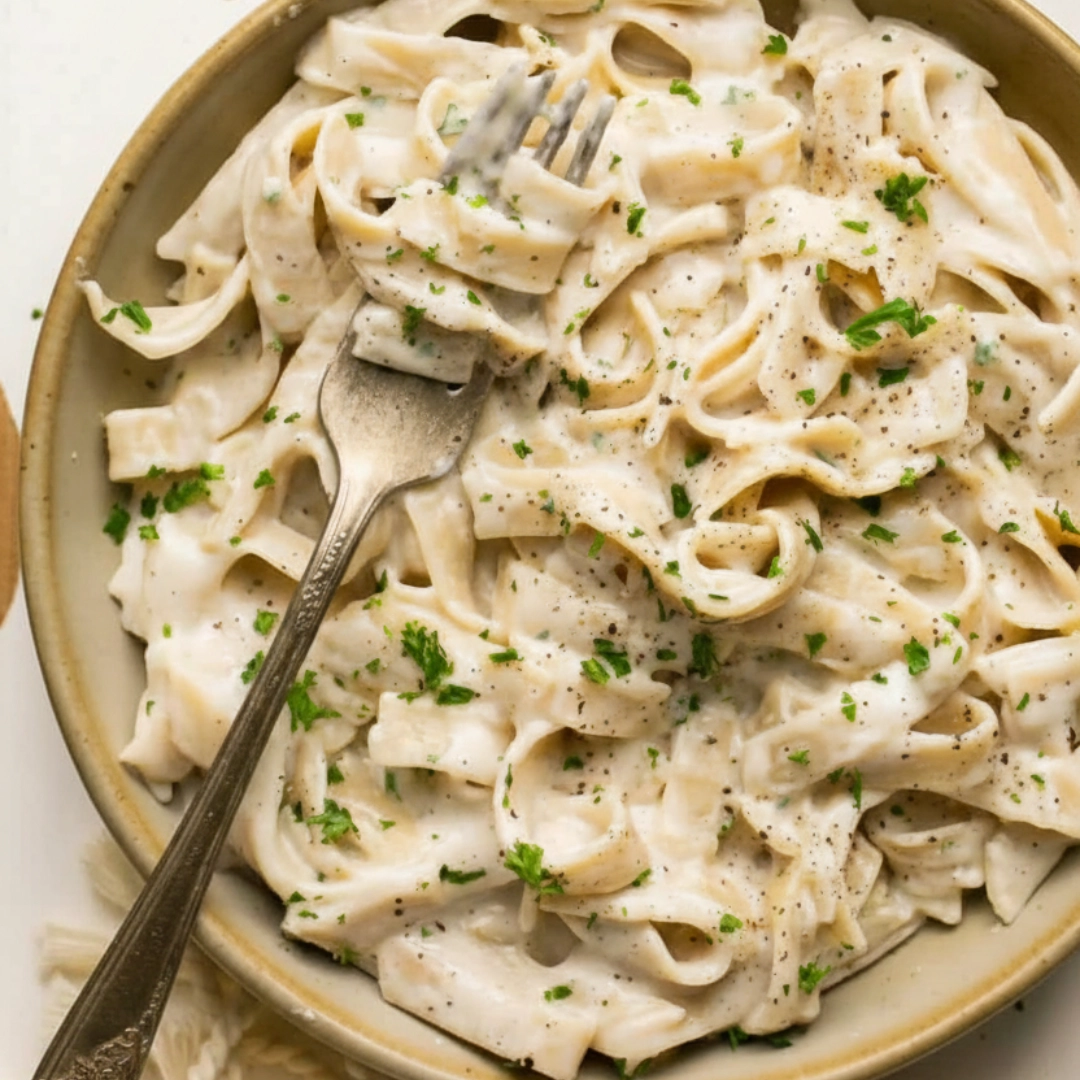
Finding a way to enjoy the velvety, luxurious texture of a classic white sauce without the heavy digestive aftermath is a culinary holy grail for many. This Cottage Cheese Alfredo Sauce is a game-changer that bridges the gap between indulgent comfort food and modern nutritional goals. By swapping out the traditional heavy cream and butter for a high-protein base, you achieve a result that is remarkably light yet satisfyingly rich. Prepared in just five minutes using a standard kitchen blender, this sauce provides a seamless solution for busy weeknights when you crave a gourmet-style pasta dish but lack the hours to simmer a roux-based sauce.
Table of Contents
Ingredients
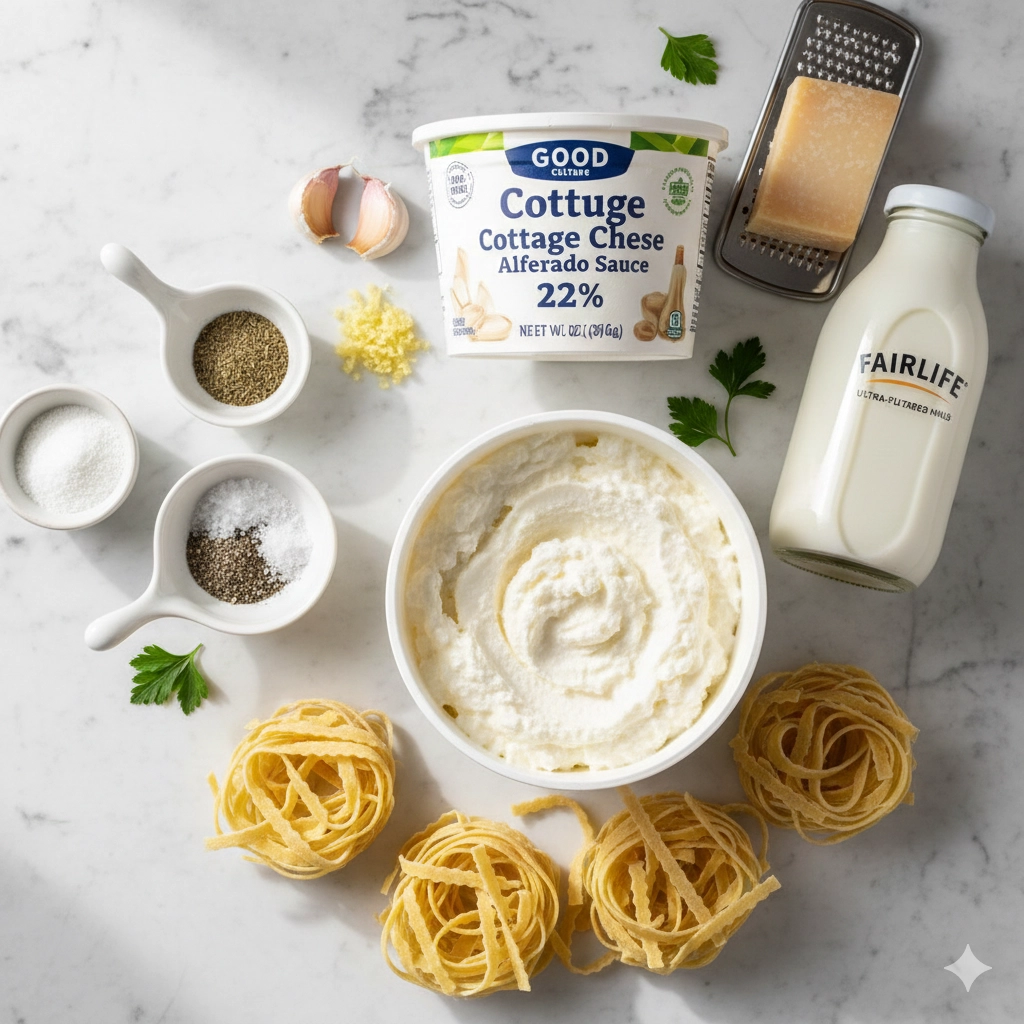
- 1 cup cottage cheese (Good Culture 2 percent recommended)
- 1 cup milk (Fairlife milk for added protein, or almond milk as an alternative)
- 2 cloves minced garlic
- 1/2 cup parmesan cheese
- 1 tsp arrowroot powder
- 1/2 tsp Italian seasoning
- 1/2 tsp salt
- 1/4 tsp pepper
- 12 oz gluten free pasta (Jovial Foods Tagliatelle recommended)
Instructions
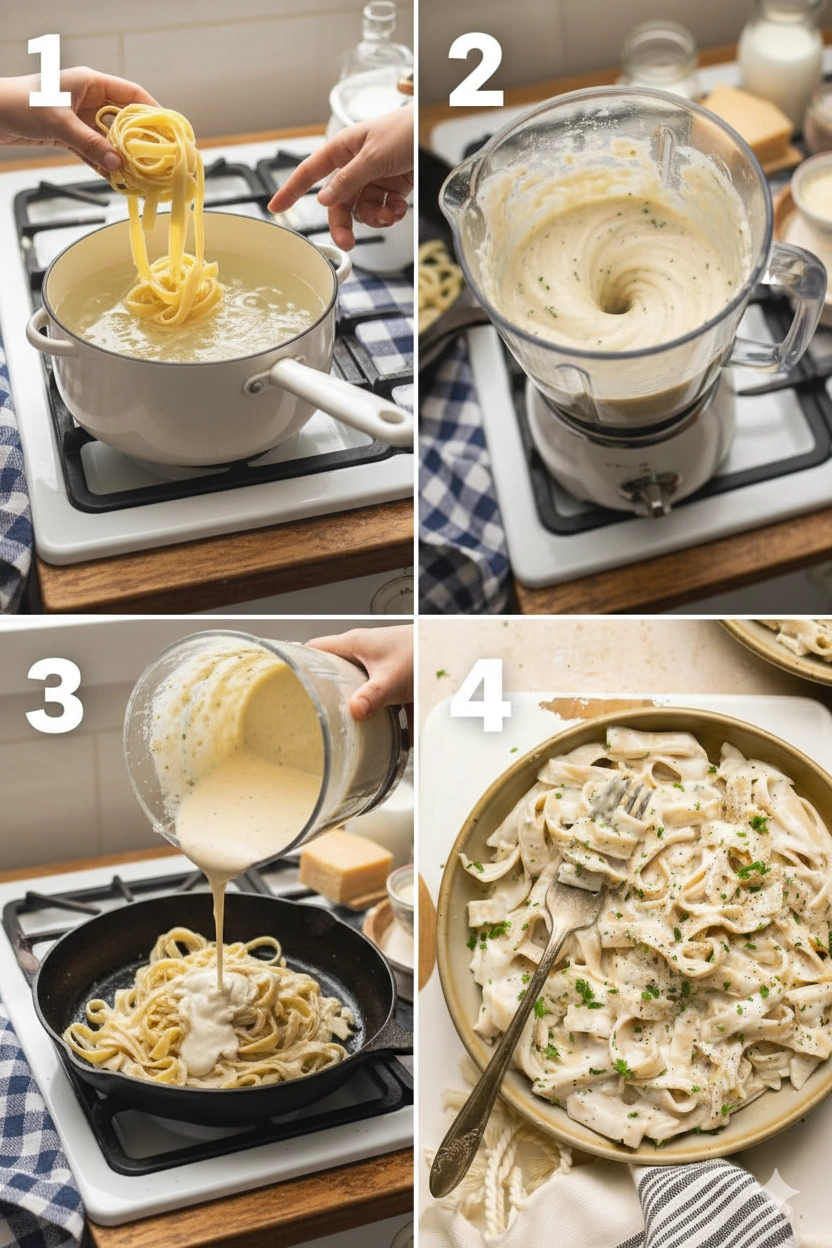
- Begin by cooking your chosen gluten free pasta according to the specific directions on the package. Once it reaches an al dente texture, drain the water and set the pasta aside.
- While the pasta is cooking, place the cottage cheese, milk, minced garlic, parmesan cheese, arrowroot powder, Italian seasoning, salt, and pepper into a high-speed blender.
- Secure the lid and blend the mixture on high for approximately 30 to 60 seconds. Continue blending until the texture is completely smooth and no curds remain.
- Transfer the cold sauce mixture from the blender into a large, unheated skillet.
- Place the warm, cooked pasta directly on top of the cold sauce in the skillet.
- Turn the stove heat to medium low. Gently toss the pasta with the sauce, allowing the residual heat and the stove to warm the mixture together.
- Continue tossing for 2 to 3 minutes. As the arrowroot powder activates with the heat, the sauce will thicken and cling beautifully to the noodles.
- Once the desired consistency is reached, remove from heat and serve immediately with a garnish of fresh parsley.
Reimagining the Pasta Preparation Process
The magic of this recipe lies in the transformation of humble cottage cheese into a sophisticated emulsion. Unlike traditional Alfredo, which relies on the reduction of cream and the melting of butter into a fat-heavy base, this version utilizes the natural proteins in the cheese to create body. When you introduce the ingredients into the blender, the goal is total homogenization. You want to see the distinct curds of the cottage cheese disappear entirely, leaving behind a liquid that looks identical to a heavy cream base.
The most critical phase of the process occurs in the skillet. It is vital to add the pasta to the cold sauce before turning on the burner. If you were to boil the sauce on its own at a high temperature, you would risk the proteins in the dairy seizing or curdling. By warming the sauce and the pasta simultaneously over medium-low heat, you create a gentle environment where the arrowroot powder can expand and hydrate. This creates a glossy, thick coating that mimics the “mouthfeel” of a high-fat restaurant sauce without the actual fat content.
Achieving the Ultimate Creamy Consistency
To ensure your sauce is world-class, pay close attention to the choice of cottage cheese. Brands that utilize a higher quality of curd and minimal stabilizers, such as Good Culture, tend to yield a smoother result after blending. If the sauce feels too thick after its two minutes in the pan, you can adjust the viscosity by adding a tiny splash of milk or a tablespoon of the reserved pasta cooking water.
The inclusion of arrowroot powder is a strategic move for gluten-free cooking. It acts as a superior thickening agent compared to standard flour because it remains clear and does not add a starchy flavor. It is also more stable when paired with acidic ingredients or dairy. If you find the sauce is not thickening as quickly as you like, resist the urge to crank up the heat. High heat is the enemy of dairy-based sauces; patience at a medium-low setting will result in a much more stable and professional finish.
Accompaniments and Serving Suggestions
This sauce serves as a versatile canvas for a variety of proteins and vegetables. To elevate this into a complete meal, consider adding sliced grilled chicken breast or sautéed shrimp once the pasta and sauce have been combined. The savory notes of the parmesan and garlic pair exceptionally well with the sweetness of seafood.
For a vegetable-forward approach, roasted broccoli or sautéed snap peas provide a necessary crunch that contrasts with the softness of the tagliatelle. If you prefer a more integrated vegetable presence, you can toss in two handfuls of fresh baby spinach during the final sixty seconds of warming in the skillet. The heat of the sauce will wilt the spinach perfectly without overcooking it. Finish the dish with a generous dusting of extra parmesan cheese and a crack of fresh black pepper to enhance the aromatic profile.
Modifications and Substitutions
While the recipe is optimized for dairy-based cottage cheese, there are ways to adapt it to different dietary needs. For those looking to increase the protein content even further, using a ultra-filtered milk like Fairlife is an excellent choice as it contains more protein and less sugar than standard dairy. If you are avoiding dairy entirely, some home cooks have found success using a plant-based cream cheese substitute, though the protein profile will change significantly.
In terms of seasonings, the Italian seasoning provides a baseline of herbaceous flavor, but you can easily pivot the flavor profile. Adding a pinch of ground nutmeg is a classic professional chef’s trick for white sauces, as it highlights the nuttiness of the parmesan. If you enjoy a bit of acidity to cut through the richness, a teaspoon of lemon zest added at the very end can brighten the entire dish. For those who prefer a kick, a teaspoon of red pepper flakes blended directly into the sauce adds a subtle, lingering heat.
Deep-Dive FAQ
Can I use low-fat or fat-free cottage cheese for this recipe?
Yes, you can certainly use low-fat cottage cheese if you are strictly monitoring your caloric intake. However, keep in mind that the fat content in 2 percent or full-fat cottage cheese contributes to the “silky” texture that makes Alfredo so appealing. If you choose a fat-free version, the sauce may be slightly less rich, so you might want to be extra diligent with your seasoning to ensure the flavor remains robust.
How do I prevent the sauce from becoming grainy?
Graininess usually occurs if the sauce is heated too quickly or at too high a temperature. This causes the proteins in the cheese to clump together. To prevent this, always start with a cold skillet and keep the temperature at medium-low. Tossing the pasta constantly while it heats helps distribute the temperature evenly and keeps the emulsion stable.
What is the best way to reheat leftovers?
Reheating dairy-based sauces can be tricky as they tend to separate. The best method is to use a skillet over low heat and add a small splash of milk or water to loosen the sauce. Stir gently and constantly until warmed through. If using a microwave, use 50 percent power and stir every 30 seconds to avoid “breaking” the sauce with excessive heat.
Is arrowroot powder necessary?
While the sauce will still be flavorful without it, the arrowroot powder is what provides that signature “cling” to the pasta. Without a thickener, the sauce may remain somewhat liquid and pool at the bottom of the bowl. If you do not have arrowroot, a similar amount of cornstarch can be used as a direct substitute.
Nutritious Comfort in Every Bite
This recipe proves that you do not have to sacrifice your health goals to enjoy the foods you love. By utilizing the power of a blender and the high-protein nature of cottage cheese, you can create a meal that supports muscle recovery and keeps you full for hours. It is a modern take on a classic that fits perfectly into a balanced lifestyle, offering all the creaminess of a traditional Alfredo with a fraction of the heavy fats. Whether you are cooking for a family or just prepping a quick lunch for yourself, this sauce is sure to become a staple in your kitchen rotation.
Nutrition Table
| Nutrient | Amount Per Serving |
| Calories | 133 kcal |
| Total Fat | 6 g |
| Saturated Fat | 4 g |
| Cholesterol | 18 mg |
| Sodium | 744 mg |
| Total Carbohydrates | 6 g |
| Dietary Fiber | 0.2 g |
| Sugars | 5 g |
| Protein | 14 g |
| Vitamin A | 225 IU |
| Calcium | 265 mg |
Disclaimer
All nutrition facts provided are estimates based on standard ingredient calculations. The actual nutritional value may vary depending on the specific brands of cottage cheese, milk, and parmesan used in your preparation. For the most accurate data, consider using a nutrition calculator with the exact measurements and brands from your pantry.
High Protein Cottage Cheese Alfredo Sauce
Ingredients
- 1 cup cottage cheese (2 percent recommended)
- 1 cup milk (Fairlife or almond milk)
- 2 cloves garlic, minced
- 0.5 cup parmesan cheese, grated
- 1 tsp arrowroot powder
- 0.5 tsp Italian seasoning
- 0.5 tsp salt
- 0.25 tsp black pepper
- 12 oz gluten free pasta (such as Tagliatelle)
Instructions
- Cook the gluten free pasta in a large pot of salted water according to the package directions. Drain the pasta and set aside.
- Place the cottage cheese, milk, minced garlic, parmesan cheese, arrowroot powder, Italian seasoning, salt, and pepper into a high-speed blender.
- Blend the mixture on high for 30 to 60 seconds until the sauce is completely smooth and creamy with no visible curds.
- Pour the cold sauce into a large skillet and place the cooked pasta directly on top of the sauce.
- Turn the heat to medium-low. Toss the pasta continuously for 2 to 3 minutes until the sauce thickens and coats the noodles evenly.
Notes
Equipment
- High-speed blender
- large skillet
- large pot For boiling pasta
- colander