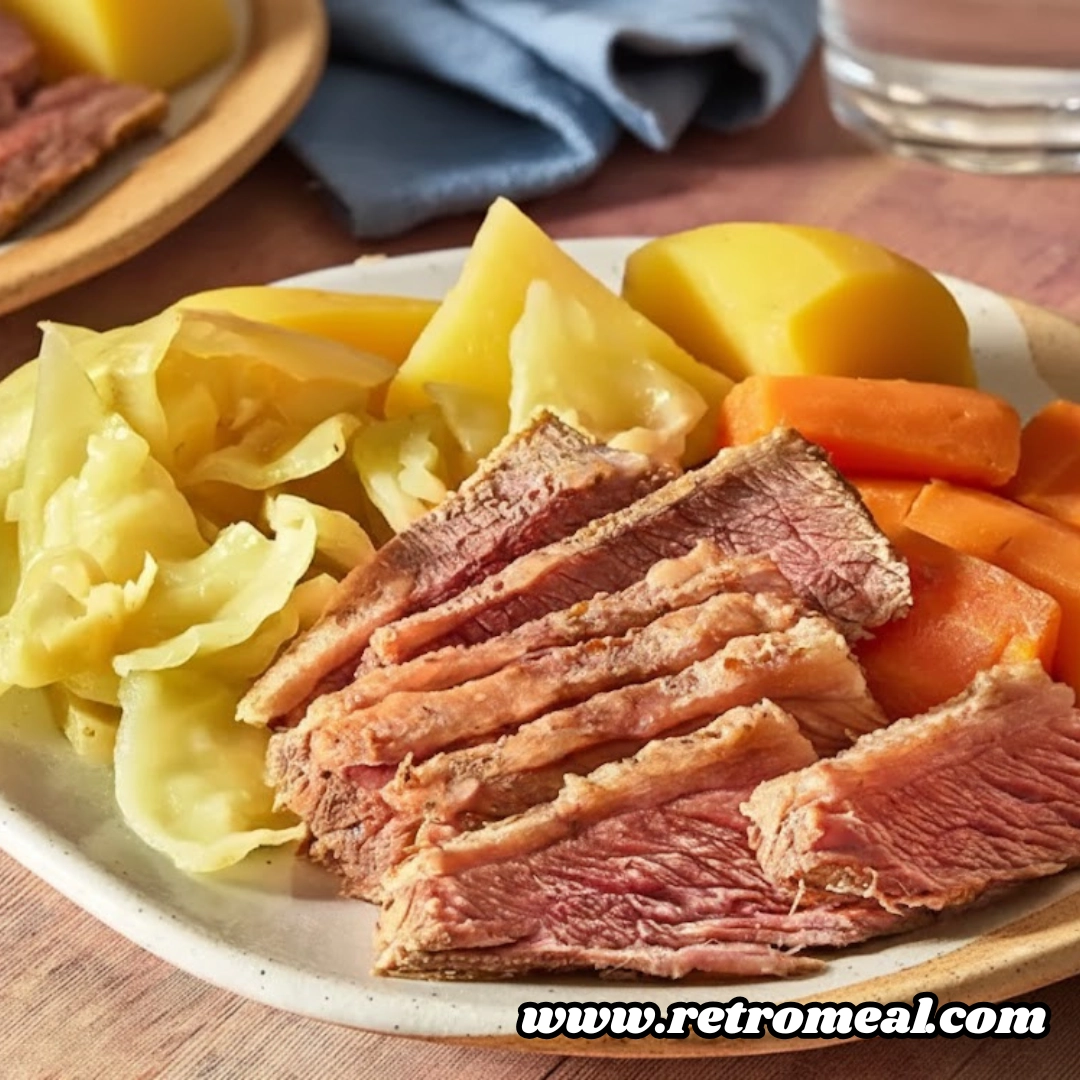
There is something profoundly comforting about the aroma of a salt-cured brisket simmering away on a cold afternoon. While many associate this dish strictly with the festivities of Saint Patricks Day, the reality is that a well-executed Corned Beef and Cabbage meal is a timeless staple of American comfort food. This particular method focuses on the “set it and forget it” philosophy, utilizing a slow cooker to transform a traditionally tough cut of meat into something that yields to the mere suggestion of a fork. By layering hearty root vegetables, a hint of sweetness, and the acidic brightness of cider vinegar, we create a complex braising liquid that seasons the beef from the inside out.
Table of Contents
Essential Components for the Perfect Brisket
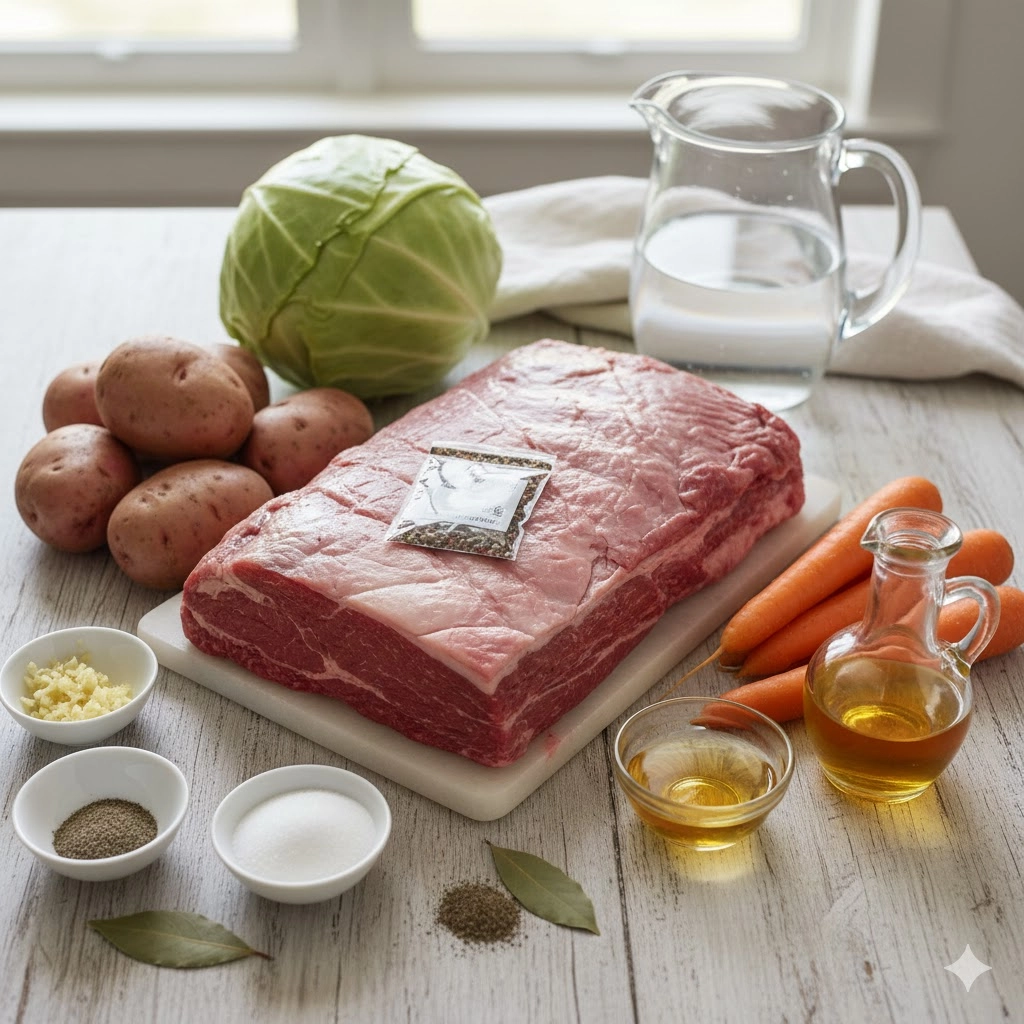
To achieve the desired results, gather these specific items. Note that the quality of your brisket and the freshness of your vegetables will directly impact the final depth of flavor.
- 4 medium potatoes, peeled and quartered
- 1 pound carrots, cut into large chunks
- 1 onion, cut into wedges
- 3 cups water
- 2 tablespoons sugar
- 2 tablespoons cider vinegar
- 3 cloves garlic, minced
- One half teaspoon ground black pepper
- 1 bay leaf
- 1 three pound corned beef brisket with spice packet, cut in half
- 1 small head cabbage, cut into wedges
Primary Preparation Steps
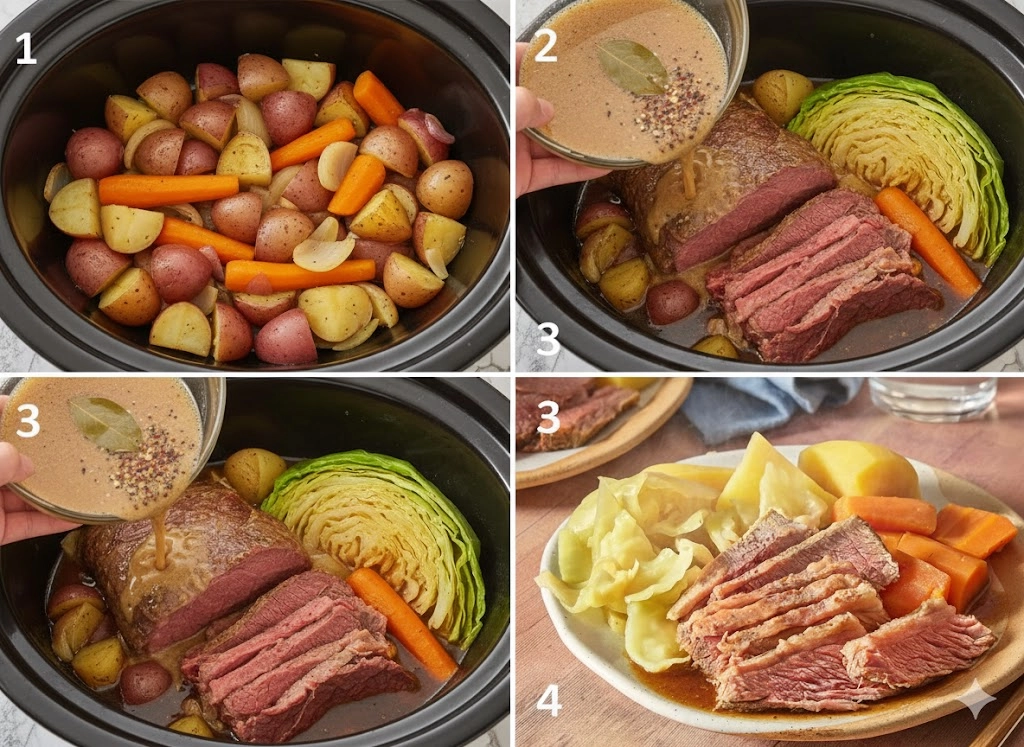
- Begin by gathering all your ingredients and preparing the vegetables as noted above.
- In a five quart slow cooker, place the prepared potatoes, carrots, and onion wedges at the very bottom.
- In a small mixing bowl, whisk together the water, sugar, cider vinegar, minced garlic, black pepper, the bay leaf, and the entire contents of the spice packet that came with your brisket.
- Pour this seasoned liquid over the vegetables in the slow cooker.
- Place the halved beef brisket on top of the vegetables.
- Arrange the cabbage wedges over the beef.
- Secure the lid and cook on the Low setting for 8 to 9 hours, or until the beef and the vegetables are completely tender.
- Locate and remove the bay leaf before serving the dish.
Mastering the Slow Simmering Process
The magic of this recipe lies in the slow breakdown of connective tissues within the beef brisket. Brisket is a pectoral muscle, meaning it is naturally full of collagen. If you were to cook this quickly, the result would be rubbery and difficult to chew. However, by maintaining a steady, low temperature for nearly nine hours, that collagen melts into gelatin. This not only makes the meat tender but also adds a luxurious mouthfeel to the surrounding broth.
When placing your ingredients, the order is intentional. The potatoes and carrots are submerged in the liquid at the bottom because they require constant contact with heat and moisture to soften without drying out. The meat sits in the middle, partially submerged, acting as a bridge. The cabbage is placed at the very top. Because cabbage has a high water content and a delicate leaf structure, it essentially steams in the vapors of the seasoned broth rather than boiling. This prevents it from becoming unpleasantly mushy or “sulfury,” a common complaint with poorly made boiled dinners.
Achieving the Ultimate Creamy Consistency and Flavor
One of the nuances of this recipe is the inclusion of sugar and cider vinegar. You might wonder why sugar belongs in a savory meat dish. The sugar acts as a balancing agent against the heavy brine of the corned beef. It rounds out the sharp edges of the salt. The cider vinegar provides necessary acidity, which cuts through the fat of the brisket, ensuring the palate doesnt feel overwhelmed by the richness of the meat.
When cutting your vegetables, size matters. Because this dish spends upwards of eight hours in the cooker, small pieces of carrot or potato would simply disintegrate. Aim for “chunky” or “large” cuts. For the potatoes, quartering a medium russet or Yukon Gold provides enough surface area to absorb the salt and spices while maintaining a structural integrity that holds up when plated.
Flavor Enhancements and Ingredient Substitutions
While the classic recipe is a masterpiece of simplicity, there are ways to pivot based on what you have in your pantry. If you find yourself without cider vinegar, white wine vinegar or even a splash of lemon juice can provide that essential acidic lift. If you prefer a deeper, more earthy sweetness, some cooks choose to use brown sugar instead of granulated white sugar.
Regarding the potatoes, while the recipe calls for peeling, many home cooks enjoy the rustic texture of red-skinned potatoes or gold potatoes with the skins left on. If you go this route, just ensure they are scrubbed thoroughly. For the carrots, using whole carrots cut into thirds provides a much better flavor profile than “baby” carrots, which are often shaved down and can lose their sweetness during a long braise.
Professional Guidance for the Best Results
The most critical tip for a successful corned beef is to always slice against the grain. If you look closely at the cooked brisket, you will see long fibers running in one direction. If you cut parallel to these fibers, the meat will be stringy and tough. By cutting perpendicular to the grain, you shorten those fibers, resulting in the famous “melt-in-your-mouth” texture.
Another insight involves the “spice packet.” These packets usually contain a mix of mustard seeds, coriander, peppercorns, and sometimes cloves or allspice. Do not discard this! Even if the beef is already brined, adding these aromatics to the water creates a poaching liquid that perfumes the vegetables. If your brisket did not come with a packet, you can mimic the flavor by adding a teaspoon of yellow mustard seeds and a few whole allspice berries to the pot.
Optimal Pairings and Presentation Ideas
To serve this properly, lift the brisket out first and let it rest on a cutting board for about ten minutes before slicing. This allows the juices to redistribute. Use a slotted spoon to arrange the potatoes, carrots, and cabbage around the perimeter of a large, warmed platter.
In terms of accompaniments, a sharp stone-ground mustard or a creamy horseradish sauce is the traditional choice. The heat of the horseradish provides a brilliant contrast to the salty, fatty beef. If you want to lean into the Irish theme, a side of warm soda buttered bread is excellent for soaking up the remaining broth at the bottom of the bowl. For a beverage pairing, a dry Irish stout or a crisp hard cider complements the vinegar and sugar notes in the braising liquid perfectly.
Understanding Your Ingredients through Kitchen Science
Why do we use water instead of beef broth? While you certainly could use broth, corned beef is already exceptionally high in sodium due to the curing process (which involves “corns” or large grains of salt). Using water allows the excess salt from the meat to leach out into the liquid, seasoning the vegetables naturally without making the entire meal over-salted.
The garlic and onion are not just for flavor; they provide aromatic foundations that build as the hours pass. As the onion wedges soften, they release natural sugars that caramelize slightly in the heat, adding a golden hue to the liquid. The minced garlic infuses the water, ensuring that every bite of potato has a subtle savory undertone.
Common Inquiries Regarding This Recipe
Can I cook this on the High setting to save time?
While it is technically possible to cook this in four to five hours on High, it is not recommended for the best texture. High heat can cause the muscle fibers in the brisket to contract too quickly, leading to a tougher end product. The Low setting allows the fat to render slowly and the collagen to transform, which is the secret to that signature tenderness.
What should I do if my cabbage looks too crowded at the start?
It is very common for the cabbage wedges to sit high in the slow cooker, sometimes even touching the lid. Do not worry. As the cabbage heats up, it will wilt and shrink significantly. Within the first two hours, the volume of the cabbage will decrease by nearly half, allowing it to settle into the pot and absorb the steam from the broth.
How do I store and reheat the leftovers?
Corned beef actually tastes even better the next day as the flavors continue to develop. Store the meat and vegetables in an airtight container, submerged in some of the cooking liquid to prevent them from drying out. When reheating, do so gently on the stovetop or in the microwave at a lower power setting. Leftover corned beef is also the premier ingredient for a classic breakfast hash.
A Satisfying End to a Hearty Meal
Bringing a steaming platter of corned beef and cabbage to the table is a surefire way to gather the family. This recipe proves that you don’t need complex techniques or expensive equipment to create a gourmet experience. By respecting the time required for a slow braise and using a few simple pantry staples like vinegar and sugar, you transform a humble brisket into a celebratory feast. Whether you are honoring your heritage or simply looking for a reliable Sunday dinner, this method delivers consistent, flavorful results every single time.
Nutritional Information
| Nutrient | Amount Per Serving |
| Calories | 850 |
| Total Fat | 42 grams |
| Saturated Fat | 14 grams |
| Cholesterol | 160 milligrams |
| Sodium | 2100 milligrams |
| Total Carbohydrates | 45 grams |
| Dietary Fiber | 8 grams |
| Sugars | 9 grams |
| Protein | 70 grams |
Safety and Content Disclaimer
This nutritional data is an estimate based on standard ingredient profiles. Individual results may vary based on the specific brand of corned beef brisket and the amount of fat trimmed before or after cooking. Consult with a medical professional for specific dietary needs.
Easy Slow Cooker Corned Beef and Cabbage
Ingredients
- 4 medium potatoes, peeled and quartered
- 1 pound carrots, cut into large chunks
- 1 onion, cut into wedges
- 3 cups water
- 2 tbsp granulated white sugar
- 2 tbsp cider vinegar
- 3 cloves garlic, minced
- 0.5 tsp ground black pepper
- 1 bay leaf
- 3 pounds corned beef brisket with spice packet, cut in half
- 1 small head cabbage, cut into wedges
Instructions
- Prepare all vegetables by peeling and quartering the potatoes, chunking the carrots, and wedging the onions.
- Layer the potatoes, carrots, and onion wedges into the bottom of a 5-quart slow cooker.
- In a small mixing bowl, whisk together the water, sugar, cider vinegar, minced garlic, black pepper, bay leaf, and the contents of the spice packet.
- Pour the seasoned liquid mixture directly over the vegetables in the slow cooker.
- Place the two halves of the beef brisket on top of the vegetables, then top the meat with the cabbage wedges.
- Cover the slow cooker and cook on Low heat for 8 to 9 hours until both the beef and vegetables are fork-tender.
- Discard the bay leaf and transfer the brisket to a cutting board to rest for 10 minutes before slicing against the grain.
Notes
Equipment
- 5-quart Slow Cooker
- small mixing bowl For whisking the braising liquid
- chef’s knife
- slotted spoon For serving vegetables
- cutting board